Pärnu
🇪🇪 Estonia
The Summer Capital Spirit
If Tallinn is Estonia’s ambitious, tech-heavy brain, Pärnu is its relaxed, sun-drenched heart. Known officially as the country’s summer capital, this coastal town undergoes a radical transformation every year. During the colder months, it is a sleepy, atmospheric retreat of 40,000 residents, but when June hits, the energy shifts. It becomes a magnet for those who want to trade glass skyscrapers for pastel-colored wooden villas and a literal walk in the park.
The vibe here is distinctly unhurried. You won't find the frantic pace of a startup hub. Instead, you get a lifestyle dictated by the tides of the Baltic Sea. The water is famously shallow and warm, protected by a bay that keeps the harshest winds at bay. For a nomad, this means your "office" often moves from a quiet cafe to a beach towel by 3:00 PM. It is the kind of place where people actually use their lunch breaks to go for a swim or a quick paddleboard session.
A Different Kind of Estonian Life
Living here feels more isolated than being in the capital, but in a way that encourages deep work and outdoor recovery. While the infrastructure is smaller, the quality of life is high. You are surrounded by 19th-century architecture and lush green spaces. The town is remarkably flat, making it a cyclist’s paradise. While Tallinn’s cobblestones can be a nightmare for bikes, Pärnu’s wide, paved paths are built for cruising between the historic center and the surf clubs.
Expats often describe Pärnu as a "goldilocks" town. It is large enough to have high-speed fiber internet and modern grocery stores, but small enough that you’ll start recognizing the baristas and fellow remote workers within a week. It lacks the anonymity of a big city, which makes building a local social circle much easier if you’re willing to hang out at the local yacht club or the seasonal pop-up bars along the promenade.
The Seasonal Rhythm
Timing your stay is everything in Pärnu. The peak season runs from June to August. This is when the town is alive with music festivals, street food markets, and a nightlife scene that punches well above its weight class. You can expect to pay a premium for housing during these months, as half of Estonia decamps to the coast. If you prefer quiet and lower costs, the "shoulder" months of May and September offer crisp air and empty beaches, though many of the trendy seasonal containers and beach bars will be boarded up.
- The Beachfront: This is the soul of the city. It is lined with iconic white sands and those famous colorful wooden houses that look like they belong in a Wes Anderson film.
- The Riverside: A quieter alternative to the beach, perfect for long walks or kayaking. The Pärnu River cuts through the town and provides a serene backdrop for the more residential neighborhoods.
- Island Hopping: When the town feels too small, the ferry to Kihnu Island offers a glimpse into a UNESCO-protected maritime culture that feels like stepping back in time.
Expect to spend roughly €1,300 to €1,700 per month for a comfortable lifestyle here, though your housing costs will fluctuate wildly based on the thermometer. It is a place for the nomad who is tired of the digital grind and wants to reconnect with the physical world, whether that is through windsurfing, cycling, or simply watching the sunset over the Baltic with a local craft beer in hand.
The Price of the Resort Life
Living in Pärnu offers a significant financial break compared to the steep prices of Tallinn or Helsinki. While it is Estonia's premier summer destination, the cost of living remains surprisingly grounded, especially if you are earning in USD or EUR. Most digital nomads find that a monthly budget between €1,300 and €1,700 allows for a very comfortable lifestyle, covering a private apartment, frequent dining out, and weekend trips to the nearby islands.
The biggest variable here is timing. Because Pärnu is a seasonal town, short term rental prices can double or even triple during July and August. If you are planning a stay, smart nomads look for long term leases starting in September or October, when the summer crowds vanish and landlords are eager to fill their properties for the winter season.
Monthly Budget Breakdown
- One Bedroom Apartment (City Center): €450 to €650 per month
- Utilities (Electricity, Heating, Water): €100 in summer, up to €200 in winter
- Monthly Grocery Bill: €300 to €400
- Coworking Desk or Coffee Shop Budget: €150
- Dining and Entertainment: €300 to €450
Housing and Rent
Rent is your primary expense, but you get plenty of charm for your money. The beachfront district is famous for its colorful wooden villas, which are highly sought after. Expect to pay a premium to be near the sand. If you move just a few blocks inland toward the old town or the Pärnu River, prices drop quickly. A modern, renovated flat in the center typically costs around €500, which is a steal compared to the €800 plus you would pay for something similar in Tallinn.
Keep an eye on heating costs. Estonia has cold winters, and older wooden houses might not be as energy efficient as the newer apartment blocks. Always ask for a copy of the previous year's utility bills before signing a lease so you aren't surprised by a €200 heating invoice in January.
Food and Dining
Eating out in Pärnu is affordable if you stick to local spots. A solid lunch special, usually consisting of a soup and a main course, will set you back about €7 to €10. Dinner at a nicer restaurant in the evening usually runs between €20 and €35 per person, including a glass of wine or a local craft beer. Groceries are standard European prices. Shopping at local chains like Rimi or Selver is the best way to keep your food budget under €350 a month.
Transport and Extras
Pärnu is exceptionally walkable and even better for cyclists. Most residents don't bother with cars or even public transport within the city limits. You can pick up a decent second hand bicycle for €100 or use the local bus system for about €1.50 per ride. If you want to head to the islands, a ferry ticket to Kihnu is quite cheap, usually under €10, making it an easy weekend escape that won't break the bank.
Entertainment is equally accessible. Tickets for local concerts, summer festivals, or museum entries generally range from €5 to €20. Compared to the €1,800 plus monthly burn rate in larger European hubs, Pärnu allows you to save money without feeling like you are compromising on your quality of life.
The Beach District (Rannarajoon)
If you're coming to Pärnu, chances are you're here for the coastline. This is the heart of the summer capital, characterized by wide, sandy shores and shallow, warm waters. The streets are lined with iconic colorful wooden houses and sprawling parks that create a buffer between the residential areas and the sand. During the peak months of June through August, this area is the center of the action, hosting most of the town's festivals and nightlife.
Nomads usually gravitate here for the views, though it’s the most expensive part of town. You'll find plenty of villas turned into boutique apartments. It's a highly walkable area, and most people get around on bicycles since the terrain is almost entirely flat. Keep in mind that while it's lively in July, it becomes very quiet once the sea breeze turns chilly in September.
Old Town and City Center (Kesklinn)
For those who need to be near the few "big city" amenities Pärnu offers, the center is the best bet. This is where you'll find the highest concentration of cafes with reliable Wi-Fi and the main shopping malls like Port Artur and Pärnu Keskus. The architecture here is a mix of medieval remnants and modern glass buildings, giving it a bit more of a functional feel than the resort vibes of the beach district.
Living here puts you within a five minute walk of the bus station, which is your lifeline for trips to Tallinn or Riga. The prices for long term rentals are more stable here than in the Beach District, where owners often hike rates or switch to daily airbnb rentals during the summer season.
Best for Digital Nomads
Most nomads prefer the Beach District or the quiet streets just south of the Old Town. While Pärnu doesn't have a massive dedicated coworking scene like Tallinn, many remote workers set up shop in cafes like Kohvik Supelsaksad, which offers a quirky, vintage atmosphere and great coffee. The internet speeds across town are impressive, usually averaging around 90 Mbps for downloads, so working from a rented wooden villa is a popular move.
- Vibe: Relaxed, scenic, and breezy.
- Monthly Rent: Expect to pay between €500 and €800 for a nice one bedroom, though prices can double in July.
- Top Perk: You can finish a Zoom call and be on the sand in three minutes.
Best for Expats
Expats who settle here long term often look toward Mai or Raeküla. These areas are further from the tourist traps and offer a more authentic Estonian lifestyle. Raeküla, in particular, is known for its pine forests and quiet residential streets. It’s perfect for those who want to stay active, as the Reiu-Raeküla health trail is right there for running and cycling.
- Vibe: Local, suburban, and peaceful.
- Transportation: A 10 to 15 minute bike ride or a quick bus trip gets you into the center.
- Key Feature: Close proximity to the forest and quieter sections of the coastline.
Best for Families
Families usually find the Beach District or the Ülejõe area (across the river) to be the most convenient. Ülejõe is more affordable and has a very grounded, residential feel with plenty of playgrounds and schools. The city is famously safe, and it's common to see kids cycling to school or the beach on their own. The lack of heavy traffic makes it one of the most stress free places in Estonia to raise a family.
- Vibe: Safe, green, and community oriented.
- Activities: Easy access to the Tervise Paradiis water park and various green spaces.
- Cost of Living: Groceries and utilities for a family of four typically run around €1,000 per month, excluding rent.
Best for Solo Travelers
If you're traveling solo, stick to the Old Town. This is where you’ll find the social hubs and the best chance to meet locals or other travelers. Bars like Sweet Rosie or Poisid Piirilt are popular spots for a drink and a chat. Being in the center means you don’t need a car, and you’re never more than a few minutes away from a grocery store or a gym.
- Vibe: Social and convenient.
- Budget: A solo traveler can live comfortably on about €1,300 a month including all expenses.
- Main Draw: Everything you need is within a 1 kilometer radius.
Digital Infrastructure
Estonia is famous for its e-residency and digital-first approach, and Pärnu benefits from that nationwide backbone. You can expect reliable fiber optic connections in most apartments and hotels. While the country averages around 93 Mbps download speeds, Pärnu's infrastructure is modern enough that you won't struggle with video calls or heavy uploads. Most cafes and public spaces offer free, fast Wi-Fi without the need for a complex login process.
For mobile data, pick up a local SIM card from providers like Telia, Elisa, or Tele2. You can grab these at any R-Kiosk for a few euros. Data packages are incredibly cheap compared to the rest of the EU, often costing less than €10 for a massive amount of data. 5G coverage is standard throughout the town center and along the beach area, so tethering your laptop is a viable backup plan if you want to work with your toes in the sand.
Coworking Spaces
Pärnu doesn't have the massive coworking hubs you'll find in Tallinn, but it offers a more intimate community. The primary spot for professionals is Forwardspace. Located in the heart of the city, it provides a mix of hot desks, dedicated desks, and meeting rooms. It's the local hub for startups and freelancers, offering a quiet environment that's a welcome change from the summer crowds outside. Expect to pay around €15 for a day pass or roughly €120 for a monthly membership.
Because the town is smaller, the community at Forwardspace is tight-knit. It's the best place to meet local entrepreneurs or other nomads who have escaped the capital for the season. They often host small networking events or communal lunches, which is a lifesaver if you're looking to build a social circle quickly.
Laptop-Friendly Cafes
If you prefer the buzz of a coffee shop, Pärnu has several spots where nobody will glare at you for opening a laptop. Kohvik Supelsaksad is a local favorite housed in a stunning blue wooden building. While it gets busy during lunch, the morning hours are peaceful and the interior is inspiring. Another solid choice is Kroonikohvik, which offers plenty of power outlets and a more modern, minimalist vibe perfect for deep work sessions.
For those who want to work near the water, several spots along the beach promenade offer Wi-Fi. However, the glare from the sun and the afternoon music can make it difficult for serious tasks. Stick to the cafes in the Old Town or the beachfront hotels like Hedon Spa if you need a professional setting with a view. Many nomads find that the lobby lounges of these higher-end hotels are perfect for a few hours of work in exchange for ordering a coffee or two.
Remote Work Culture
The work culture in Pärnu is extremely relaxed, especially in the summer. Don't be surprised if your local contacts disappear for a swim during their lunch break. The "Summer Capital" moniker is taken seriously, so while the internet is fast, the pace of life is slow. If you need to take a meeting, the libraries are also an excellent, quiet resource. The Pärnu Central Library is a modern architectural gem with plenty of desk space and high-speed internet available to the public for free.
- Forwardspace Day Pass: €15
- Forwardspace Monthly: €120
- Prepaid SIM Card: €3 to €10
- Average Coffee Price: €3.50 to €5
- Median Download Speed: 90+ Mbps
Staying Safe in the Summer Capital
Pärnu is widely considered one of the safest spots in the Baltics. Because it functions primarily as a family resort town, the atmosphere is incredibly mellow. You won't find the aggressive nightlife scams sometimes seen in larger European capitals. Most nomads feel perfectly comfortable walking home alone from the beach or the old town at 2:00 AM.
The biggest "danger" here is typically related to the water or the bicycle paths. Since the town is flat and built for cycling, keep your eyes open for fast-moving locals on two wheels. While violent crime is nearly non-existent, petty theft can happen on the main beach during the peak of July. Don't leave your MacBook or smartphone unattended on your towel while you go for a swim. If you're staying in one of the traditional wooden houses, just remember to lock your windows when you head out, as these ground-floor units can be easy targets for opportunistic passersby.
- Emergency Number: Dial 112 for police, ambulance, or fire services. Operators usually speak English and Russian alongside Estonian.
- Police Station: Located at Aida 5, right near the Pärnu Keskus shopping mall.
- Solo Travel: Women travelers frequently report feeling very secure here, even in the quieter residential areas like Raeküla or Mai.
Healthcare and Medical Services
While Pärnu is smaller than Tallinn, it houses one of the most modern regional hospitals in Estonia. The healthcare system is efficient, though it operates on a smaller scale. If you have a minor ailment, your first stop should always be a local pharmacy, known as an Apteek. You'll find several in the Port Artur and Pärnu Keskus malls where pharmacists speak excellent English and can recommend over-the-counter fixes.
For more serious issues, the Pärnu Hospital (Pärnu Haigla) at Ristiku 1 is the primary facility. It handles everything from emergency room visits to specialist consultations. If you're a digital nomad from the EU, your European Health Insurance Card (EHIC) covers you for necessary treatments. For those from outside the EU, private insurance like SafetyWing or World Nomads is a must, as out-of-pocket costs for specialists can add up, even if they're lower than US prices.
Practical Medical Tips
Expats often recommend using private clinics for faster service if you need a non-emergency appointment. Confido and Qvalitas are popular private providers in Estonia that offer remote consultations, which is a lifesaver if you don't want to navigate the public hospital's waiting room. Most nomads find that dental care in Pärnu is high quality and significantly cheaper than in Western Europe or Scandinavia.
- General Consultation: Expect to pay around €50 to €80 for a private doctor visit without insurance.
- Pharmacies: Look for the Benu or Apotheka signs. The pharmacy in the Selver grocery stores often stays open later than standalone shops.
- Tap Water: The water in Pärnu is perfectly safe to drink. It might have a slightly different mineral taste than what you're used to, but it's high quality.
One thing to keep in mind is the local "Tick Season" from May to October. If you're heading out to the nearby Soomaa National Park for a hike or canoeing trip, use repellent and check yourself afterward. Encephalitis and Lyme disease are present in the Estonian countryside, and locals take this quite seriously.
Foot Power and Two Wheels
Pärnu is a compact town where your own two feet are usually the best way to get around. Most nomads choose to stay in the area between the Old Town and the Beach District, which are only about a 15 minute walk apart. The streets are flat, well paved, and lined with those iconic colorful wooden houses that make even a grocery run feel like a scenic tour.
If you want to live like a local, get yourself a bicycle. Unlike the hilly and cobblestoned streets of Tallinn, Pärnu is remarkably cyclist friendly. There is an extensive network of paved paths that run along the Pärnu River and through the coastal parks. You can easily rent a bike for around €15 to €20 per day, but if you are staying for a month, it is much cheaper to buy a used one on local Facebook groups or rent long term from shops near the Ranna puiestee promenade.
The Local Bus Network
For longer trips or rainy days, the city bus system is reliable and surprisingly modern. There are nearly 30 lines connecting the city center to the suburbs and surrounding villages. You won't find traditional paper tickets being sold by drivers here anymore. Instead, most residents use the Pärnu Ühiskaart, a plastic smart card you can buy and top up at R-Kiosk convenience stores.
- Single trip (contactless): Approximately €1.50 if you tap your bank card on the validator.
- Single trip (smart card): Around €1.00 when using pre loaded credit.
- 24 hour pass: Usually costs about €3.00.
- 30 day pass: Great for long termers at roughly €20.00.
The buses generally run from 6:00 AM until midnight. You can track arrivals in real time using the Peatus.ee website or mobile app, which is the gold standard for transit in Estonia. Just remember to validate your card or phone every time you board, as inspections are common and the fines are steep.
Ride Hailing and Taxis
While Pärnu is small, you will still find ride hailing apps to be a lifesaver when you are hauling luggage from the bus station. Bolt is the dominant player here, which is no surprise given it is an Estonian company. Expect to pay between €4 and €7 for most trips within the city limits. During the peak summer months of July and August, prices can spike due to the influx of tourists, so it is worth checking the app early if you have a bus to catch.
Traditional taxis exist, often waiting at ranks near the Port Artur shopping centers or the main bus station. These are generally more expensive than Bolt, and it is always a good idea to confirm the rate before the driver pulls away.
Regional Connections
Pärnu does not have its own passenger train service to Tallinn at the moment, so the bus is your primary lifeline to the rest of the country. The Pärnu Bus Station (Bussijaam) is located right in the center of town. Large, comfortable coaches operated by Lux Express run to Tallinn almost every hour. The trip takes about 1 hour and 50 minutes and usually costs between €5 and €12 depending on how far in advance you book.
If you are looking for a weekend escape, the ferry terminal is just a short distance from the center. From here, you can catch boats to Kihnu Island. The ferry ride takes about one hour and is a favorite Saturday trip for nomads looking to experience a more traditional, UNESCO protected side of Estonian island life.
Driving and Parking
Most nomads won't need a car in Pärnu, but if you decide to rent one for a trip to Soomaa National Park, parking is generally easy to find. The city center and beach areas have paid parking zones during the summer season. You can pay via the Pargi.ee app, which is used throughout Estonia. Outside of the summer peak, parking is much more relaxed and often free in many residential areas.
The Linguistic Landscape
In Pärnu, you will find a linguistic environment that is deeply Estonian but surprisingly accessible for short-term residents. Estonian is the official language, and while its 14 cases might look intimidating on a menu, you won't need to master them to get by. Most locals under the age of 40 speak excellent English, often with a proficiency that rivals Scandinavia. In the service industry, especially around the beach hotels and the restaurants on Rüütli Street, English is the default second language.
The town's history as a resort means the older generation is often more comfortable with Russian or Finnish. During the peak summer months, you will hear a lot of Finnish in the cafes, as Pärnu has been a favorite getaway for Helsinki residents for decades. While you can navigate daily life entirely in English, learning a few phrases like "Tere" (Hello) and "Aitäh" (Thank you) goes a long way in breaking the ice with the more reserved locals.
Digital Communication and Connectivity
Estonia is famous for its digital infrastructure, and Pärnu is no exception. You don't have to worry about finding a signal; high speed 4G and 5G coverage blankets the entire town, including the beach area and the nearby hiking trails. Most nomads find that a local SIM card is the first thing they should grab after dropping their bags. You can pick up a Super or Telia starter pack at any R-Kiosk for about €3 to €5. These prepaid cards are cheap, easy to top up via an app, and usually include plenty of data.
Public Wi-Fi is also a standard here. Almost every cafe, library, and public park offers a free, stable connection. It is quite common to see people working from their laptops at Kohvik Supelsaksad or the Pärnu Central Library, which is a great quiet spot if you need to focus. The connection speeds are generally fast enough for video calls and heavy uploads, usually hovering around 90 Mbps for downloads in the town center.
Cultural Nuances in Conversation
Communicating with Estonians requires a bit of an adjustment if you are used to the small talk common in the US or UK. Locals are direct and value privacy. Silence isn't considered awkward here; it is often seen as a sign of comfort. Don't be offended if a shopkeeper doesn't engage in enthusiastic banter. They aren't being rude, they are just being efficient. Once you strike up a genuine conversation, however, you will find people are helpful and speak very candidly.
- Apps to Download: Use Bolt for ride-hailing and food delivery. The app is the gold standard in Estonia and eliminates any language barriers when giving directions to drivers.
- Google Translate: The camera feature is incredibly useful for translating grocery labels, as most packaging is in Estonian and Latvian.
- Official Business: If you are dealing with local government or healthcare, English is widely accepted, though some official documents might require a translator if you are going through a residency process.
Key Phrases for Your Stay
While you won't be expected to be fluent, these basics will help you feel more at home in the summer capital:
- Tere: Hello (pronounced like "terra")
- Head aega: Goodbye
- Palun: Please / You're welcome
- Aitäh: Thank you
- Kas te räägite inglise keelt?: Do you speak English?
Most nomads find that the language barrier in Pärnu is practically non-existent for work and social life. The town is small enough that you will quickly recognize the regulars at your favorite coffee shop, and English is more than enough to build a solid social circle within the expat and digital nomad community that migrates here every June.
The Summer Capital Experience
Pärnu earned its title as Estonia's summer capital for a reason. Between June and August, this quiet coastal town transforms into a lively hub. The shallow bay keeps the water surprisingly mild, often reaching 20°C to 24°C in July, which is far warmer than the bracing temperatures you will find in Tallinn or Helsinki. During these peak months, the sun barely sets, giving you nearly 19 hours of daylight to tackle your deep work before heading to the beach.
Most nomads aim for the window between late June and mid August. This is when the city's seasonal restaurants open their doors and the calendar fills with music festivals and open air markets. You can expect daytime highs around 22°C to 26°C, though heatwaves can occasionally push things toward 30°C. It is the only time of year when the city feels truly populated and energetic.
The Shoulder Season Strategy
If you prefer a more solitary lifestyle or want better deals on short term rentals, look at May or September. These months are crisp and beautiful, though you will definitely need a windbreaker for the coastal breeze. Daytime temperatures hover between 12°C and 16°C.
The pace drops significantly during these weeks. You will have the winding bike paths and the white sand of Pärnu Beach almost entirely to yourself. Most expats find this the best time for focused creative work, as the summer crowds have vanished but the "winter blues" haven't yet set in. Just keep in mind that some beachside kiosks and seasonal pop ups start packing up once September hits.
Surviving the Estonian Winter
Winter in Pärnu is a different beast entirely. From November through March, the town enters a deep hibernation. Temperatures frequently dip between -5°C and -15°C, and the bay often freezes over completely. The daylight hours shrink dramatically, sometimes providing only 6 hours of grayish light per day.
While it sounds bleak, it has a specific appeal for a certain type of remote worker. The local spa culture is a massive draw during the cold months. Places like Hedon Spa or Tervis Paradiis become the primary social hubs. It is a season for saunas, cold plunges in the ice, and very cheap accommodation. If you don't mind the solitude and the biting Baltic wind, you can live quite affordably here during the off season.
What to Pack and When
Estonian weather is notoriously unpredictable, even in the height of summer. A sunny morning can turn into a torrential downpour by lunchtime. Locals live by the "layers" philosophy. Even in July, you should have a light sweater or hoodie for when the sun goes down and the sea breeze kicks in.
- June to August: Light clothing, swimwear, and high quality sunglasses for those long sunset sessions.
- May and September: A solid windproof jacket and comfortable walking shoes for the nature trails.
- November to March: Thermal base layers, waterproof boots, and a heavy wool coat. A vitamin D supplement is also a standard part of the expat toolkit here.
If you are planning your stay around specific activities, keep these windows in mind. Water sports enthusiasts usually thrive from July to August when the water is tolerable. Cyclists will find the best conditions from May through October. If you are coming for the nightlife and the festivals, do not arrive any later than August 15th, as the town starts to quiet down rapidly after the mid August peak.
Connectivity and Tech Setup
While Tallinn gets all the glory for its tech hubs, Pärnu keeps you connected without the big city distractions. You can expect reliable internet speeds that mirror the national average, usually hovering around 90 Mbps for downloads. Most cafes along Rüütli Street offer free Wi-Fi, and the signal is generally strong enough for video calls.
For a dedicated workspace, Forwardspace is the go-to spot for nomads. It is located right in the city center and offers a professional environment that feels more intimate than the massive hubs in the capital. A daily desk will usually run you about €15, while monthly memberships sit around €120 to €150. If you prefer working from cafes, Supelsaksad is a local favorite with a cozy atmosphere, though it gets packed during the summer lunch rush.
Money and Banking
Estonia uses the Euro, and Pärnu is very much a card-first society. You can pay for almost everything, from a coffee to a bus ticket, using contactless payments or Apple Pay. It is still smart to keep some cash for the Pärnu Market (Pärnu Turg) or smaller boutiques in the old wooden houses area. Local banks like LHV or Swedbank are the standard, but most nomads just stick with Revolut or Wise since they work flawlessly here.
Getting Around
Pärnu is flat, compact, and built for two wheels. While Tallinn can be a headache for cyclists, Pärnu is a dream. You can bike from the riverside to the beach in under ten minutes. Many residents don't even bother with cars during the warmer months. For longer trips, the Pärnu bus station is a central hub with frequent connections to Tallinn and Riga.
- Bolt: This is the dominant app for both ride-hailing and food delivery. A quick ride across town usually costs between €5 and €8.
- Public Transport: The local bus system is efficient. You can buy a rechargeable Ühiskaart card or just use your contactless bank card to tap on.
- Walking: The town center is entirely walkable. You can cross the main historic district in about fifteen minutes.
Staying Legal and Safe
Estonia is famously safe, and Pärnu feels like a quiet village even when the summer crowds arrive. You can walk home alone at 2:00 AM without a second thought. The main thing to watch out for is the "summer capital" price hike. From June to August, short-term rental prices can double or triple. If you are planning a long stay, try to sign a lease that starts in September when the market cools down.
For healthcare, the Pärnu Hospital (Pärnu Haigla) provides high-quality care. Most doctors speak excellent English, though you will need private health insurance or a European Health Insurance Card (EHIC) to avoid high out-of-pocket costs. If you need a quick pharmacy stop, look for an Apteek in the Port Artur or Pärnu Keskus shopping malls.
Language and Social Life
You don't need to master Estonian to survive here. Younger locals and those working in the tourism sector speak fluent English. However, learning a few basics like "Tere" (Hello) and "Aitäh" (Thank you) goes a long way with the older generation. The social scene revolves around the beach in the summer and cozy pubs like Sweet Rosie in the winter. Join the "Expats in Pärnu" Facebook groups to find meetups, as the community is small but very welcoming to newcomers.
Need visa and immigration info for Estonia?
🇪🇪 View Estonia Country GuideEasy Landing
Settle in, no stress
Monthly Budget Estimates
More cities in Estonia
Kuressaare
🇪🇪 Estonia
Tartu
🇪🇪 Estonia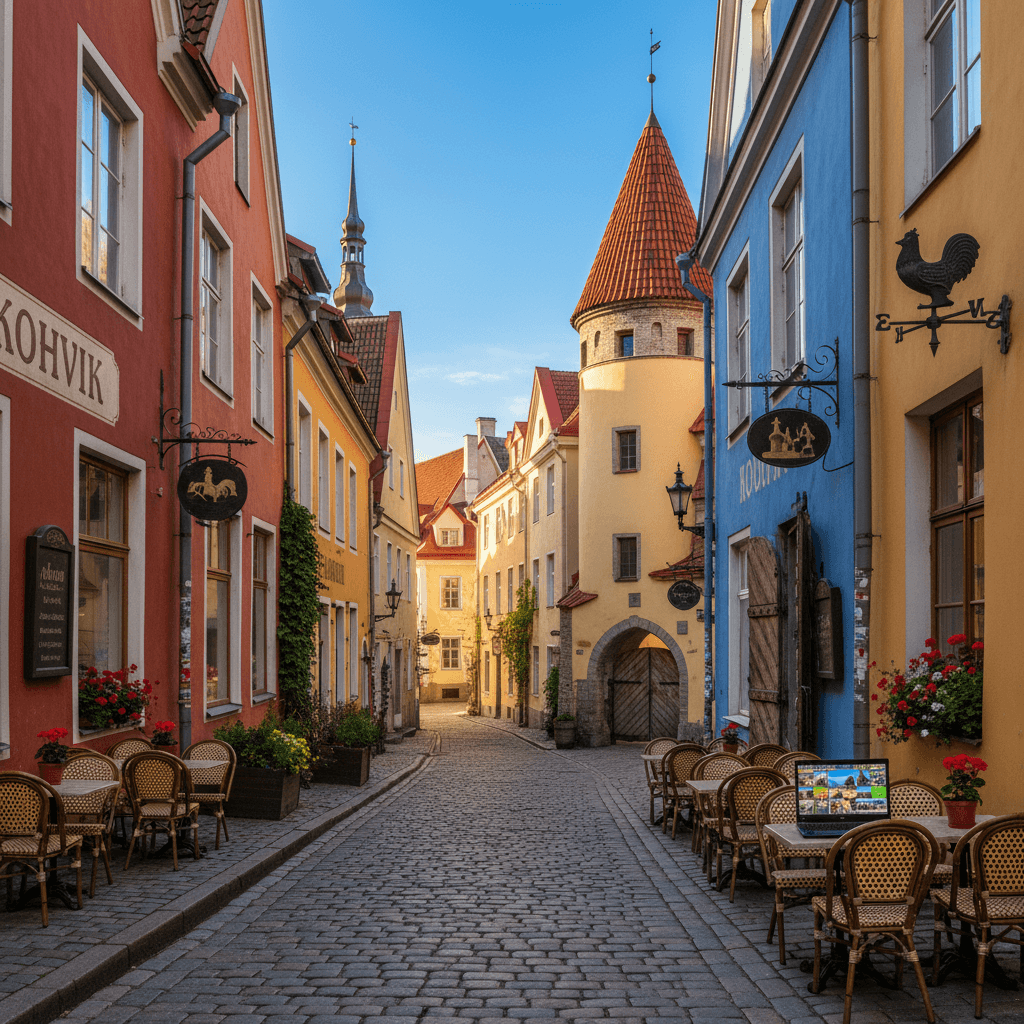
Tallinn
🇪🇪 Estonia