Pretoria
🇿🇦 South Africa
The Jacaranda City Pace
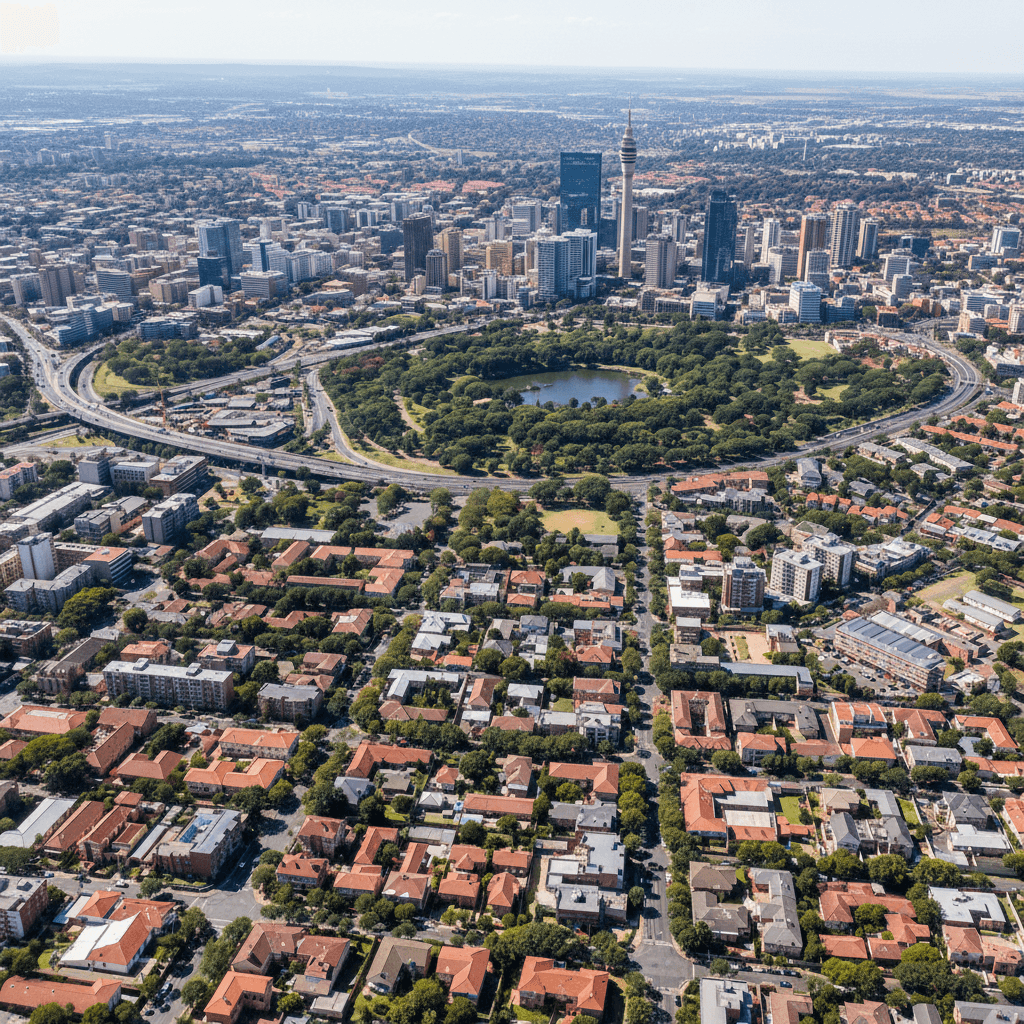
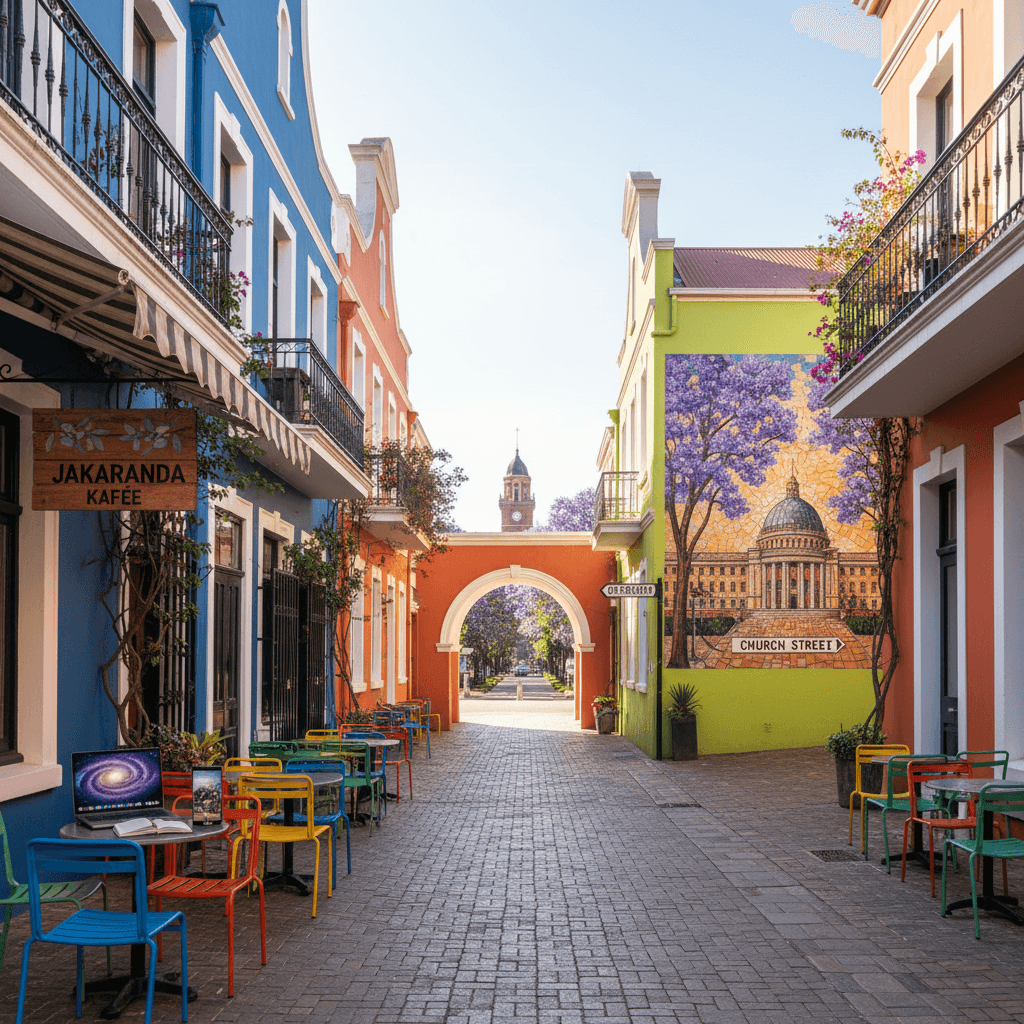
Pretoria is the quiet, intellectual sibling to Johannesburg's frantic energy. While most nomads flock to Cape Town for the mountains or Joburg for the hustle, those who land in Pretoria find a dignified, administrative calm that’s surprisingly conducive to deep work. It feels like a massive garden suburb punctuated by government architecture and university spirit. If you time your visit for October, the entire city turns a surreal shade of neon purple as the jacaranda trees bloom, creating an atmosphere that feels more like a dreamscape than a capital city.
The vibe here is unique because it balances South African heritage with a modern, high-functioning infrastructure. You get the stability of a government hub but with a burgeoning cafe culture and easy access to the Magaliesberg mountains for weekend escapes. It’s a place for nomads who want to actually get things done during the week without the distractions of a tourist-heavy beach town, yet still want to be an hour’s Gautrain ride away from the continent's biggest parties in Sandton.
Cost of Living & Logistics
Your money goes significantly further here than in Cape Town. Most nomads find they can live a very comfortable life on R25,000 to R40,000 per month, though a frugal solo traveler can scrape by on R15,000 if they stick to student areas like Hatfield.
- Housing: A modern 1BR in a secure area like Brooklyn ranges from R8,000 to R12,000. Upscale spots in Waterkloof can easily top R15,000.
- Food: A quick braai plate at a local stall costs about R60, while a sit down meal at a trendy spot like Tashas will run you R200.
- Connectivity: Reliable fiber is the standard in nomad-friendly suburbs. Expect to pay around R3,500 for a monthly hot desk at Workshop17 or Regus.
Where to Plant Your Flag
Choosing the right neighborhood is the difference between a great stay and a frustrating one. Pretoria is suburban by nature, so walkability is a luxury found only in specific pockets.
Brooklyn & Menlo Park
- Best for: Digital nomads and professional expats.
- The Draw: This is the sweet spot. It's safe, leafy, and home to the best cafes like Doppio Zero. You’re close to the Workshop17 coworking spaces and can actually walk to the grocery store.
- Rent: Roughly R10,000 for a decent 1BR.
Hatfield
- Best for: Budget travelers and younger solo nomads.
- The Draw: Home to the University of Pretoria, it’s high energy and full of cheap eats. The Gautrain station is right here, making it the best base if you don't plan on buying a car.
- Rent: Affordable options around R7,000 to R8,000.
Waterkloof
- Best for: High-end stays and families.
- The Draw: It’s quiet, heavily guarded, and features the best views in the city. You'll find the most prestigious dining here, like La Madeleine, but you'll definitely need a car or a healthy Uber budget.
- Rent: Expect to pay R15,000 and up.
Staying Connected and Safe
Internet is rarely an issue in the northern suburbs. Most cafes have speeds between 50 and 100Mbps, and Load reduction occurs occasionally in 2026, less severe than past load shedding. For mobile data, travelers recommend grabbing a Vodacom or MTN SIM at the airport; 50GB of data will cost you roughly R500.
Safety requires a bit of common sense. Pretoria feels safer than central Johannesburg, but it isn't a city where you wander aimlessly at night. Stick to the northern suburbs, use Uber or Bolt for every trip after dark, and avoid the southern townships like Mamelodi unless you're with a local guide. For healthcare, Netcare Pretoria East is a world-class private hospital that handles most international insurance without a hitch.
The Social Scene
Socializing revolves around the "braai" (barbecue) and the local food markets. Join the "Digital Nomads Pretoria" Facebook group to find meetups, or head to Hazel Food Market on a Saturday morning to rub shoulders with locals. While the nightlife in Hatfield is dominated by students at spots like Rafters, the Brooklyn dining scene is where you'll find the nomad crowd sharing a bottle of Pinotage over burrata at La Cucina. It’s a slower, more intentional way of living that grows on you the longer you stay.
The Price of Pretoria Life
Pretoria is one of South Africa's best kept secrets for the budget conscious nomad. While Cape Town prices continue to climb toward European levels, Pretoria remains firmly affordable. You can live a high quality life here for a fraction of what you would spend in the Western Cape, all while enjoying the administrative stability of the capital city. Most nomads find they can live comfortably on R25,000 to R30,000 per month, though those on a tighter budget can make R15,000 work if they stick to student-heavy areas like Hatfield.
The city's layout heavily influences your spending. If you choose a walkable pocket like Brooklyn, you'll pay a premium for rent but save on transport. If you opt for the leafy, quiet streets of Lynnwood, you'll likely need to budget more for Ubers. Regardless of where you land, your money goes surprisingly far in the local service and food industries.
Monthly Budget Breakdown
- Budget Tier: R15,000. This covers a modest studio in Hatfield, groceries from Checkers, and using the Gautrain or buses for transport.
- Mid-Range: R25,000 to R30,000. This is the sweet spot for most digital nomads. It allows for a modern 1BR apartment in Brooklyn, regular coworking memberships, and dining out several times a week.
- Comfortable Tier: R45,000+. At this level, you're looking at a luxury house in Waterkloof, frequent high-end dining at spots like La Madeleine, and private car rentals for weekend trips to the Magaliesberg.
Housing and Neighborhoods
Rent is your biggest variable. Most travelers recommend looking for short-term stays on Property24 or Airbnb before committing to a monthly lease. Expect to pay between R8,000 and R12,000 for a safe, modern one-bedroom apartment in a nomad-friendly area.
Brooklyn and Menlo Park
- Rent: R9,000 to R13,000 for a 1BR apartment
- Vibe: The nomad hub. It's walkable, filled with cafes like Doppio Zero, and close to the best coworking spaces.
- Pros: High safety ratings and a strong expat community.
Hatfield
- Rent: R7,000 to R10,000 for a 1BR apartment
- Vibe: Energetic and youthful. Since it's near the University of Pretoria, it's packed with students and affordable nightlife.
- Pros: Excellent Gautrain access and lower grocery prices.
Waterkloof
- Rent: R15,000+ for upscale apartments or houses
- Vibe: Prestigious and quiet. This is where the diplomats live.
- Pros: Incredible views and some of the best security in the city.
Food and Dining
Eating out is a highlight of the Pretoria experience. You can grab a quick braai plate at a local stall for R50 to R80, or enjoy a sit-down meal at a trendy spot like Tashas for about R200 including a drink. If you prefer cooking at home, a weekly grocery run for one person usually averages R800 to R1,200 depending on how many imported goods you buy at Woolworths.
Connectivity and Coworking
Internet is generally reliable in the northern suburbs, with most apartments offering fiber speeds between 50Mbps and 100Mbps. If you need a professional environment, coworking spaces are plentiful. Workshop17 is a favorite among the remote crowd, charging around R3,500 for a monthly hot desk. For a more corporate feel, Regus in Lynnwood runs closer to R4,000. Prepaid data is also affordable; a 50GB monthly package from Rain or Vodacom will cost you between R300 and R500.
Transport and Getting Around
Pretoria isn't a city for walking long distances. Most nomads rely on Uber or Bolt for daily trips, which usually cost between R100 and R200 within the city. If you're heading to Johannesburg for the day, the Gautrain is the most efficient option, with a return trip costing roughly R250. While there are local buses for R20, they aren't always intuitive for newcomers, so ride-hailing remains the gold standard for safety and convenience.
The Professional Nomad: Brooklyn and Menlo Park
If you want to skip the trial and error, head straight to Brooklyn or its trendy neighbor, Menlo Park. This is Pretoria's equivalent to a boutique hub, where you can actually walk between a high-end coffee shop and your desk at Workshop17. It feels polished and safe, with streets that turn a surreal shade of purple when the jacarandas bloom in October.
- Rent: Expect to pay between R10,000 and R12,000 for a modern one-bedroom apartment.
- Vibe: Sophisticated but relaxed. You will see plenty of people working on laptops at Doppio Zero or grabbing burrata at La Cucina.
- Pros: Excellent walkability by South African standards, reliable fiber internet, and a high concentration of coworking spaces.
- Cons: It is one of the pricier pockets of the city for basic groceries and services.
The Solo Traveler and Social Seeker: Hatfield
Hatfield is fueled by the energy of the University of Pretoria, making it the most affordable and high-energy spot for solo nomads. It is the best place to find a community quickly, especially if you spend your evenings at the bars along Burnett Street or catching a game at Rafters. The Gautrain station is right here, giving you a direct, safe rail link to Johannesburg or the airport.
- Rent: Budget around R7,000 to R10,000 for a studio or small flat.
- Vibe: High energy, youthful, and a bit gritty in a charming way.
- Pros: Exceptional transport links and the lowest cost of living for a "safe" suburb.
- Cons: It gets loud on Thursday and Friday nights, and the student crowds aren't for everyone.
The Upscale Expat: Waterkloof
Waterkloof is where the diplomats and long-term expats land. It sits on a hill with some of the best views in the city and features massive, gated properties. While it is not a "laptop under the arm" kind of neighborhood, it offers a level of quiet and security that is hard to beat if you have a higher budget and a car.
- Rent: Prices usually start at R15,000 and can climb much higher for luxury homes.
- Vibe: Quiet, prestigious, and very green.
- Pros: Top-tier security and proximity to fine dining like La Madeleine.
- Cons: You absolutely need a car; nothing is within walking distance, and it can feel a bit isolated from the nomad scene.
The Balanced Hybrid: Lynnwood
Lynnwood is the middle ground for nomads who want a modern lifestyle without the student noise of Hatfield or the steep price tag of Waterkloof. It is a sprawling area, so you will likely end up using Uber or Bolt to get around, but it is home to some of the best shopping centers and gym facilities in the province.
- Rent: A comfortable spot will run you about R9,000 to R13,000.
- Vibe: Suburban-chic with a focus on convenience.
- Pros: Great access to Regus Lynnwood for coworking and easy highway access for weekend trips to the Magaliesberg mountains.
- Cons: Very car-dependent; the "neighborhood feel" is tucked away behind high walls.
Most nomads find that sticking to these northern suburbs is the move. Avoid the southern townships like Mamelodi or Atteridgeville, as they don't have the infrastructure or safety profile for a remote work setup. If you're looking for a base that balances a R25,000 monthly budget with high-speed 100Mbps internet and a weekend braai culture, Pretoria's north delivers.
Connectivity and Speed
Internet reliability in Pretoria is generally excellent, especially if you stick to the northern suburbs. Most modern apartments and coworking spaces come equipped with fiber connections offering speeds between 50Mbps and 100Mbps. This is more than enough for seamless Zoom calls or uploading large video files. While the infrastructure is solid, it's always smart to have a backup for those rare maintenance windows.
For mobile data, you should pick up a prepaid SIM card immediately upon landing at O.R. Tambo or at any major mall like Brooklyn Mall or Menlyn Park. Vodacom and MTN offer the most consistent coverage across Gauteng. Expect to pay between R200 and R500 for a decent monthly data bundle of 20GB to 50GB. If you need a dedicated home router without a long-term contract, Rain is a popular choice among nomads for its affordable 5G packages.
Top Coworking Spaces
Pretoria has a sophisticated professional scene that mirrors the corporate energy of Johannesburg but with a bit more breathing room. You won't struggle to find a desk with ergonomic chairs and high-speed backup power.
- Workshop17: Multiple locations including upcoming Hazelwood spot. It’s perfect for networking with local entrepreneurs. A day pass costs around R250, while a monthly membership sits at roughly R3,500.
- Regus Lynnwood: If you prefer a more traditional, corporate environment, this office in the Lynnwood Bridge precinct is ideal. It’s located right near the Gautrain bus routes and high-end eateries. Monthly hot desking starts at about R4,000.
- The Workspace (Hazelwood): Located in one of the city's most walkable and prestigious neighborhoods, this spot is a favorite for expats. It offers a mix of private booths and open-plan areas starting around R2,500 per month.
Laptop-Friendly Cafes
If you prefer the hum of a coffee shop over the silence of an office, Pretoria’s cafe culture is thriving. Most owners are accustomed to nomads staying for a few hours, provided you keep the coffee and snacks flowing.
- Doppio Zero (Southdowns or Blue Valley): A reliable staple with plenty of power outlets and consistent WiFi. Their Mediterranean-style lunch menu is a great perk for mid-day breaks.
- Tashas (Brooklyn Design Square): While it can get busy during the lunch rush, the morning vibe is perfect for clearing your inbox. The interiors are beautiful, and the coffee is some of the best in the city.
- Tribeca Standard (Lynnwood): This spot has a New York loft feel and a dedicated crowd of remote workers. It’s a great place to settle in for a morning session with a flat white.
Practical Workflow Tips
Load-shedding used to be a major headache for South African nomads, but by 2026, most premium coworking spaces and upscale rentals in areas like Waterkloof and Brooklyn have integrated solar or backup battery systems. When booking an Airbnb, specifically ask if the unit has an "inverter" or "UPS" for the WiFi router to ensure you stay online during any local outages.
For your commute between your apartment and your workspace, Uber and Bolt are the standard. A typical trip within the northern suburbs costs between R100 and R200. If you're heading into Johannesburg for a meeting or a change of scenery, the Gautrain is a fast, world-class rail link that makes the trip in under 40 minutes for about R200.
Understanding the Local Safety Landscape
Pretoria generally feels more relaxed than the high octane environment of Johannesburg, but it still requires a high level of situational awareness. Most nomads find that staying in the northern suburbs like Brooklyn, Waterkloof, or Menlo Park provides a level of security comparable to upscale European or North American neighborhoods, provided you follow local protocols.
The golden rule here is to avoid walking at night, even for short distances between a bar and your apartment. Stick to Uber or Bolt for door to door transport after the sun goes down. During the day, walking is common in the leafy streets of Brooklyn and Hatfield, but keep your phone tucked away and don't carry large amounts of cash. Expats recommend avoiding southern townships like Mamelodi or Atteridgeville unless you are with a trusted local guide who knows the area well.
Home security is a way of life in Gauteng. You'll notice high walls, electric fencing, and 24 hour private security patrols in neighborhoods like Lynnwood. While this can look intimidating at first, it's the standard for the area and contributes to the safety of the nomad community. If you're booking an Airbnb, prioritize listings that mention secure parking and gated access.
World Class Private Healthcare
One of the biggest perks of living in Pretoria is the access to top tier medical facilities. The private healthcare system in South Africa is excellent and often more affordable than in the US or UK for out of pocket expenses. Netcare Pretoria East Hospital is widely regarded as one of the best in the country, equipped with modern technology and English speaking specialists.
For routine needs, you'll find Dis-Chem or Clicks pharmacies in every major mall like Brooklyn Mall or Menlyn Maine. These aren't just for medicine; they often have "clinic sisters" who can handle vaccinations, basic checkups, and prescriptions for minor ailments at a fraction of a doctor's visit cost. A standard private GP consultation usually runs between R600 and R900.
Emergency Contacts and Preparedness
While most nomads never need them, keep these numbers saved in your phone just in case. The general emergency line for police is 10111, and for an ambulance, you can dial 112 from any mobile phone. For faster medical response, many expats prefer calling private services like Netcare 911 or ER24 directly, as their response times are typically much quicker than the public sector.
Medical insurance is a must. Ensure your policy covers private hospital admissions, as the public hospitals are often overcrowded and underfunded. If you're staying long term, look into a local "hospital plan" which can be more cost effective than full international travel insurance.
Practical Safety Tips for Daily Life
- Vehicle Safety: If you're driving, always keep your doors locked and windows rolled up at traffic lights. Don't leave valuables (laptops, bags, phones) on the seats; put them in the trunk before you start your journey.
- ATM Vigilance: Only use ATMs inside secure shopping malls. If anyone approaches you to "help" with the machine, cancel your transaction immediately and walk away.
- Load Shedding: While less frequent in 2026, occasional power outages can affect street lighting and electric fences. Most high end rentals and coworking spaces like Workshop17 have backup generators or solar setups to keep the lights and security systems running.
- Stay Connected: Join local WhatsApp or Facebook groups like Digital Nomads Pretoria. Members often share real time updates on everything from traffic snarls to safety alerts in specific neighborhoods.
The Reality of Transit in Pretoria
Pretoria is a sprawling administrative hub, and while it feels calmer than Johannesburg, it isn't a city designed for pedestrians. Outside of very specific pockets like Brooklyn or Hatfield, you shouldn't plan on walking to get your morning coffee or groceries. The city layout favors those with wheels, and most nomads find that a combination of ride hailing and the occasional train trip is the most efficient way to maintain their sanity.
Ride Hailing: Your Daily Driver
For getting around the city day to day, Uber and Bolt are the gold standard. They're reliable, affordable, and generally safer than trying to figure out local minibus taxis. Most trips between the northern suburbs will set you back between R100 and R200. If you're heading out for dinner in Waterkloof or meeting a client in Menlo Park, these apps are your best bet. Always check the driver's details and plate number before hopping in, a standard habit for locals and expats alike.
The Gautrain: Connecting the Hubs
If you need to head into Johannesburg for a meeting in Sandton or to catch a flight, the Gautrain is a lifesaver. It's a world class rapid rail system that bypasses the notorious Gauteng traffic. It's clean, safe, and surprisingly punctual.
- Route: The main line connects Pretoria Station and Hatfield to Sandton, Rosebank, and Park Station in Joburg.
- Airport Link: You can take the train from Pretoria to Sandton and switch to the OR Tambo International line. A trip usually costs between R200 and R300 depending on the distance.
- Gautrain Buses: These feeder buses run from the stations into surrounding neighborhoods for about R20 a ride, which is a great hack if you live near a stop in Lynnwood.
Airport Transfers
When you first land at OR Tambo (JNB), don't feel pressured to take the train if you have heavy luggage. An Uber directly to the Pretoria suburbs typically costs between R300 and R500. It takes about 45 to 60 minutes depending on the time of day. If you're arriving during afternoon rush hour, expect that time to double; the highway between Joburg and Pretoria is one of the busiest in the southern hemisphere.
Public Buses and Walking
The A Re Yeng bus system operates in the CBD and certain trunk routes. It's affordable at roughly R20 per trip, though most nomads stick to ride hailing for the door to door convenience. As for walking, keep it to daylight hours and stick to the "village" vibes of Brooklyn or the University of Pretoria campus areas. Even then, most expats recommend staying vigilant and keeping your phone tucked away. If you're heading out after dark, even if it's just a few blocks, just call an Uber.
Weekend Escapes
One of the biggest perks of being based in Pretoria is the easy access to nature. Since public transport doesn't really reach the outskirts, many long term nomads choose to rent a car for weekend trips. You can reach the Magaliesberg mountains or Hartbeespoort Dam in about an hour. If you're feeling adventurous, Pilanesberg Game Reserve is a two hour drive away, making a Saturday morning safari perfectly doable.
Transport Costs at a Glance
- Monthly Gautrain Budget: Around R1,000 for semi regular commuters.
- Standard Uber Trip: R100 to R200 for city hops.
- Airport Transfer: R300 to R500 from OR Tambo.
- Local Bus Fare: Approximately R20.
The Linguistic Landscape
You won't have any trouble getting by in Pretoria with English alone. It is the default language for business, government, and the digital nomad scene. Most locals in the northern suburbs are highly proficient, so you can easily order a flat white in Brooklyn or negotiate a lease in Lynnwood without a translator. However, Pretoria has a distinct linguistic flavor compared to Cape Town or Joburg, rooted deeply in its history as an administrative hub.
You will hear Afrikaans more frequently here than in other major South African cities. It is widely spoken in residential areas and social clubs. While English is the bridge, the city is also home to a massive population of Sepedi, Setswana, and Zulu speakers. This creates a rhythmic, multilingual atmosphere where people often code-switch between three or four languages in a single conversation.
Key Phrases to Know
While everyone speaks English, tossing out a few words in the local tongues goes a long way in building rapport. Whether you are at a braai or buying biltong, these basics help you blend in:
- Sawubona: (Zulu) A standard, respectful "Hello."
- Dankie: (Afrikaans) "Thank you." You will hear this everywhere from grocery stores to high end bistros.
- Lekker: (Afrikaans) This is the ultimate South African adjective. It means good, great, tasty, or cool. If the weather is nice or your steak is perfect, it is "lekker."
- Howzit: The universal South African greeting. It is a contraction of "How is it going?" and usually doesn't require a detailed medical report as an answer; a simple "Good, thanks" will do.
- Sharp Sharp: (Slang) Used to say goodbye, agree with someone, or indicate that everything is under control.
Communication Logistics
Reliable communication starts with a local SIM card. Don't rely on international roaming; it is prohibitively expensive and often spotty. Most nomads head straight to a Vodacom or MTN store at the airport or in malls like Brooklyn Mall or Menlyn Park. You will need your passport for the RICA process, which is a mandatory government registration for all SIM cards.
Expect to pay around R200 to R500 for a solid monthly data bundle of 20GB to 50GB. If you are staying in a fixed apartment, look for places with Vuma or Frogfoot fiber connections. Most modern rentals in Menlo Park or Hatfield offer speeds between 50Mbps and 100Mbps, which is plenty for Zoom calls and heavy uploads.
Social Etiquette and Networking
Communication in Pretoria is generally polite but direct. In business settings, a firm handshake and eye contact are standard. If you are invited to a braai (the local version of a barbecue), it is the primary social currency here. It’s a relaxed environment, but don't arrive empty handed; bringing a pack of drinks or a side dish is the unspoken rule.
To find your tribe, the Digital Nomads Pretoria Facebook group is the best place to start. For more formal networking, InterNations has a consistent presence in the city. Most nomads find that the community is smaller and more tight knit than Cape Town, which actually makes it easier to form genuine connections quickly. If you're working from spots like Workshop17 or Doppio Zero, don't be afraid to strike up a conversation; the Pretoria crowd is often more approachable than their hurried counterparts in Johannesburg.
Digital Tools
While English is the norm, Google Translate is handy for reading signs in more rural areas or understanding Afrikaans menus in traditional eateries. For getting around, WhatsApp is the undisputed king of communication. Almost every business, from your hair stylist to your landlord, will prefer a WhatsApp message over an email or a phone call. Make sure your local number is linked to your account as soon as you land.
Climate and Seasons
Pretoria enjoys a subtropical highland climate that makes it one of the most comfortable cities in South Africa for year round living. It is generally a few degrees warmer than Johannesburg, which means you can ditch the heavy coats for most of the year. The weather follows a distinct pattern of wet, hot summers and dry, sunny winters.
Summer runs from November to February. Expect daytime temperatures to hover between 25°C and 35°C. These months are characterized by dramatic afternoon thunderstorms that clear the air and keep the city green. While the rain is heavy, it rarely lasts all day, so your coworking routine won't be ruined. Just keep an eye on the forecast if you are planning a weekend trip to the Magaliesberg mountains.
Winter, from June to August, is arguably the best time for deep work. The days are crisp and bright with temperatures around 18°C to 20°C, though it can drop toward 5°C at night. Houses in Pretoria often lack central heating, so you will want a good fleece or a small space heater for your Airbnb. The air is very dry during this period, but you will almost never see a cloud in the sky.
The Jacaranda Window
If you have any flexibility in your travel dates, aim for October. This is when Pretoria earns its nickname as the Jacaranda City. Tens of thousands of trees bloom simultaneously, turning the streets into purple tunnels of petals. It is the city's most photogenic moment and usually coincides with perfect spring weather, comfortably sitting around 24°C.
Nomads often find this the best time to network at outdoor cafes in Brooklyn or Menlo Park. The atmosphere is lighter, the academic year is winding down at the University of Pretoria, and the city feels particularly alive before the December holiday rush begins.
Best Time for Nomads
The sweet spot for a three month stay is September through November. You get the spring bloom, avoid the sweltering heat of January, and miss the peak of the summer rains. During these months, you can easily balance a 40 hour work week with outdoor lifestyle perks like braais (barbecues) and hiking.
If you are looking for lower prices on short term rentals, May to July is the off peak season. While it is colder, the dry weather is excellent for visiting nearby Pilanesberg Game Reserve, which is only a 2 hour drive away. Wildlife is easier to spot in the winter because the bush is less dense and animals congregate around water holes.
When to Avoid
Most travelers find January and February the least pleasant months. The heat can be oppressive, often peaking above 35°C, and the humidity is at its highest. This is also the peak of the rainy season, which can lead to localized flooding or power disruptions in older neighborhoods. If you are sensitive to heat and don't have a workspace with reliable air conditioning, these months might feel like a slog.
The city also gets very quiet in late December. Many residents head to the coast for the festive season, and while the lack of traffic is great, some smaller boutiques and local eateries might close their doors for a few weeks.
- High Season: October to November (Jacaranda season, perfect weather)
- Shoulder Season: March to May (Mild temperatures, low rainfall)
- Low Season: June to August (Dry and sunny, but chilly nights)
Living the Jacaranda Life
Pretoria is often overshadowed by Johannesburg's frantic energy, but for nomads, that's exactly the draw. It feels like a massive, leafy suburb with the infrastructure of a capital city. You get the administrative stability and a slower daily rhythm, but you're still only 45 minutes away from the deep-culture grit of Joburg when you want it. If you time your stay for October, the entire city turns a surreal shade of purple as the jacarandas bloom, making even a trip to the grocery store feel cinematic.
Budgeting for the Capital
Your money goes surprisingly far here, especially compared to the coastal prices of Cape Town. Most solo nomads living a mid-range lifestyle find that R25,000 a month covers a comfortable apartment, plenty of dining out, and Uber rides. If you're tightening the belt, you can get by on R15,000, while R40,000 puts you in a luxury villa in the best parts of town.
- Rent: Expect to pay R8,000 to R12,000 for a modern one-bedroom in Brooklyn or Menlo Park.
- Meals: A quick braai plate from a street vendor is about R60, while a sit-down dinner at a spot like Tashas runs R200 to R250.
- Coworking: Dedicated desks usually cost between R2,000 and R4,000 per month.
Where to Plant Your Flag
Location is everything in Pretoria because the city isn't designed for wandering. You want to stay in the "Old East" suburbs where the streets are safer and the coffee shops are plentiful.
Brooklyn and Menlo Park
- Best For: Nomads who want a walkable "village" feel.
- The Vibe: Upscale, safe, and packed with cafes like Doppio Zero.
- Costs: 1BR apartments average R10,000.
Hatfield
- Best For: Younger travelers and budget-conscious solo nomads.
- The Vibe: High energy and student-heavy due to the University of Pretoria. It has a great nightlife scene at spots like Rafters.
- Costs: Studios can be found for R7,000 to R8,500.
Waterkloof
- Best For: Expats with families or those with a higher budget.
- The Vibe: Quiet, green, and very secure with some of the best views in the city.
- Costs: Expect to pay R15,000 or more for a high-end flat.
Connectivity and Workspace
Internet reliability is high in the northern suburbs. Most modern apartments come with fiber as standard, and you can expect speeds between 50Mbps and 100Mbps. For a professional setup, Workshop17 is the gold standard for nomads, offering day passes for R250. If you prefer a more corporate environment, Regus in Lynnwood is a solid fallback.
For mobile data, grab a Vodacom or MTN SIM at the airport. A 50GB monthly bundle usually costs around R500. Rain is another popular choice if you need a dedicated 5G hotspot for your apartment.
Safety and Getting Around
Public transport is basically non-existent for nomads, with the exception of the Gautrain, which is a world-class rail link to Joburg and the airport. For daily life, you'll use Uber or Bolt. A typical cross-town ride costs R100 to R150. Don't bother with the local minibus taxis unless you're with a local who knows the routes.
Safety requires a bit of common sense. Pretoria is generally calmer than Joburg, but you still shouldn't walk alone at night, even in "good" areas. Stick to the northern suburbs and avoid townships like Mamelodi or Atteridgeville unless you're on a specific guided tour. Private healthcare is excellent; Netcare Pretoria East is where you'll want to go for anything serious.
Local Flavor
English is the lingua franca of business, though you'll hear plenty of Afrikaans and Zulu on the street. Learning a simple "Dankie" (thanks) or "Sawubona" (hello) goes a long way. When the weekend hits, do what the locals do: head to Hartbeespoort Dam for a boat day or drive two hours North to Pilanesberg for a quick safari fix. If someone invites you to a braai, always say yes, and never show up empty-handed; a pack of cold beers or a side dish is the standard entry fee.
Need visa and immigration info for South Africa?
🇿🇦 View South Africa Country GuideEasy Landing
Settle in, no stress
Monthly Budget Estimates
More cities in South Africa
Knysna
🇿🇦 South Africa
Stellenbosch
🇿🇦 South Africa
Durban
🇿🇦 South Africa