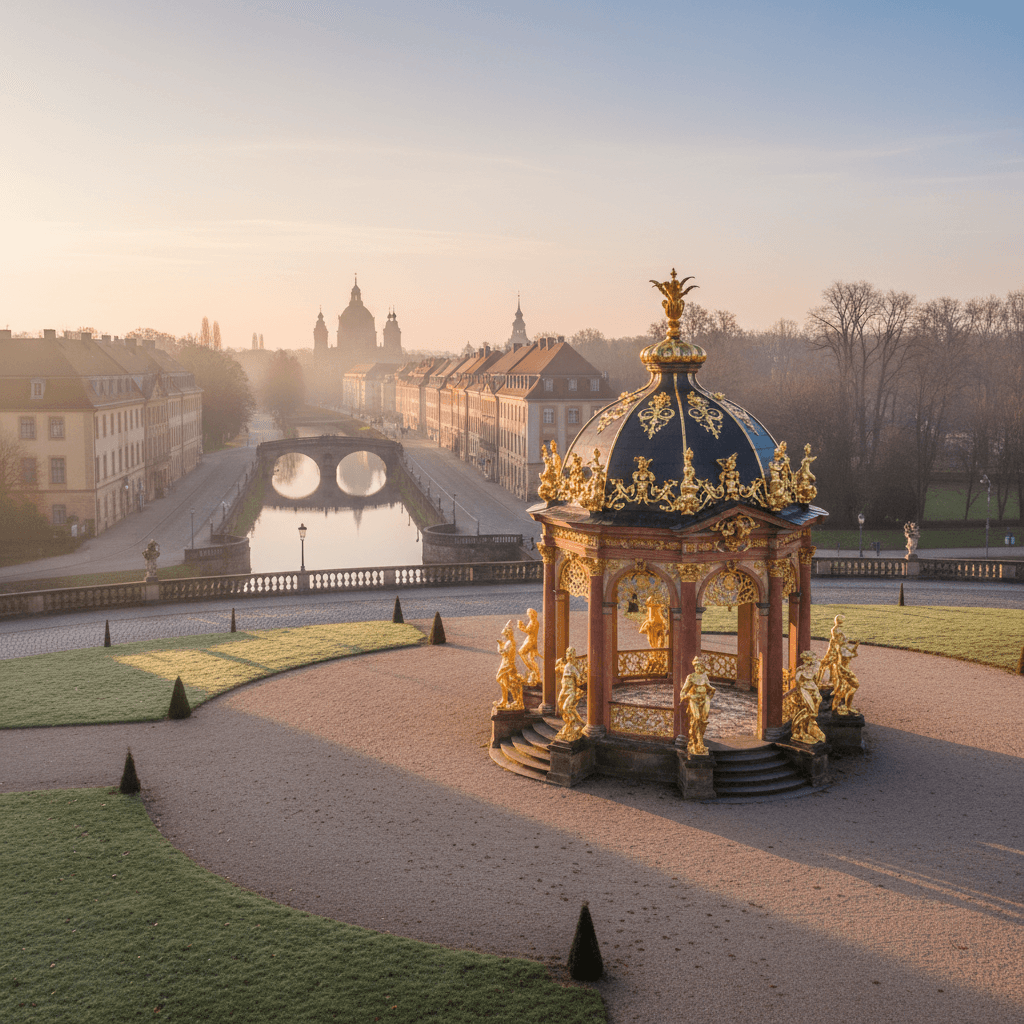
Potsdam
🇩🇪 Germany
The Royal Retreat for the Focused Nomad
Potsdam feels like Berlin’s elegant, older sibling who retired to a lakeside estate but kept a key to all the best clubs. Just 30 minutes from the capital by train, it trades the gritty techno-industrialism of Kreuzberg for Prussian palaces, baroque architecture, and a pace of life that actually lets you hear yourself think. It is a UNESCO World Heritage site that doesn't feel like a museum; it feels like a high-end campus where history and modern tech culture collide.
For digital nomads, the vibe is "quiet productivity." You can spend your morning answering emails from a cafe in the Dutch Quarter, take a lunch break wandering the gardens of Sanssouci Palace, and still make it to a Berlin meetup by sunset. It attracts a specific crowd: those who want the infrastructure of a major European hub without the 4:00 AM sirens and chaotic street art. It is safe, exceptionally green, and arguably the most beautiful home base in Northern Germany.
Cost of Living Breakdown
Potsdam isn't a budget destination. It is an affluent commuter hub, meaning you will pay a premium for that lakeside peace. Expect to spend 10% to 20% more here than in smaller German cities, though it remains more affordable than Munich.
- Budget Nomad (€1,800 to €2,500/month): This lifestyle involves a shared flat (WG) for around €500, sticking to street food like €6 currywurst, and using a bicycle as your primary transport.
- Mid-range Nomad (€2,500 to €3,500/month): You will likely rent a private studio for €900, eat out at mid-range spots like Katz Orange, and maintain a monthly transport pass.
- Comfortable Nomad (€3,500+/month): This covers a premium apartment near the historic center for €1,200 or more, regular coworking memberships, and frequent fine dining.
Where to Plant Your Flag
While Potsdam is smaller than Berlin, your choice of neighborhood dictates your daily rhythm. Most expats gravitate toward areas with easy S-Bahn access.
Babelsberg
- The Vibe: The creative heart of the city, home to world-famous film studios and a younger, tech-leaning crowd.
- Rent: Expect €900+ for a one-bedroom apartment.
- Pros: Great energy, local cafes, and the fastest commute into Berlin.
- Cons: Can get noisy near the university pockets.
Potsdam Center & Brandenburger Tor
- The Vibe: Historic, walkable, and undeniably grand.
- Rent: High demand keeps prices around €1,000 to €1,200 for central spots.
- Pros: You are steps away from the palaces and the best coffee shops.
- Cons: Tourist crowds can be thick during the summer months.
Werder
- The Vibe: A quiet island town on the outskirts surrounded by orchards.
- Rent: More affordable, with studios often found for €600.
- Pros: Total immersion in nature and a very local feel.
- Cons: Requires a longer commute and has limited walkability for daily errands.
Connectivity and Workspace
Internet is reliable across the city, with speeds averaging over 100 Mbps. While Potsdam lacks the sheer volume of coworking spaces found in Berlin, the Regus Potsdam area offers professional hot desks for those needing a dedicated office environment. Many nomads prefer the local library or "laptop-friendly" cafes in the Dutch Quarter. If you need a high-energy community, most people simply hop the RE1 train to Berlin's Betahaus or Factory.
For mobile data, grab a prepaid SIM from O2 or Vodafone at a local Rossmann for about €15. If you prefer to skip the physical card, eSIM providers like Airalo or Jetpac work seamlessly here.
The Logistics of Life
Getting around is a breeze. The €63 Deutschland-Ticket is your best friend, offering unlimited local transit across the country. Within the city, Nextbike rentals cost about €1 to unlock, and the flat terrain makes cycling the preferred way to reach the parks. If you are coming from the airport (BER), the FEX train gets you close for a few euros, while a taxi will run you about €85 to €105.
Safety is a non-issue; Potsdam is one of the safest cities in Germany, and walking home late at night is perfectly normal. Healthcare is top-tier, with the Potsdam City Hospital providing excellent care, though you should ensure your insurance meets the strict requirements for the German freelance visa. Locals are direct and value punctuality, so don't be late for your Anmeldung (address registration) appointment at the Bürgeramt, which you must do within two weeks of moving in.
The High Cost of Prussian Elegance
Living in Potsdam feels like a luxury upgrade from the gritty energy of Berlin, and the prices generally reflect that. It is a wealthy commuter hub where you are paying for manicured parks and a significantly higher safety rating. While it is cheaper than Munich, you should expect to spend about 10% to 20% more here than you would in smaller German cities or rural areas.
Most digital nomads find that a monthly budget of €2,500 to €3,500 allows for a comfortable lifestyle. This covers a private studio, regular meals out, and a desk at a coworking space. If you are on a tighter budget, you can get by on €1,800 to €2,500 by living in a shared flat (a WG) and sticking to street food like Curry 36, where a quick meal costs around €6 to €8.
Breaking Down the Monthly Spend
- Housing: A central 1BR apartment near the Brandenburger Tor or Sanssouci typically runs between €800 and €1,200. If you look toward the outskirts like Werder, you might find spots for €600, but you will pay for it in commute time.
- Dining: A mid-range dinner at a spot like Katz Orange will cost about €25 for a main course. Expect to pay €3 to €4 for a cappuccino at a local cafe.
- Transport: The €49 Deutschland-Ticket is the gold standard for nomads, giving you unlimited local transit across Germany, including the S-Bahn to Berlin.
- Connectivity: A local SIM from O2 or Vodafone with 20GB of data costs roughly €15 to €20. Coworking desks at spaces like Regus or local hubs average €250 per month.
Strategic Neighborhood Choices
Where you plant your laptop in Potsdam changes your overhead significantly. Expats and creatives usually gravitate toward Babelsberg. It has a younger, tech focused vibe due to the film studios and university. You will likely pay €900 or more for a decent 1BR here, but the proximity to Berlin's S7 line makes it worth the premium.
The Potsdam Center is ideal if you want to walk everywhere. It is beautiful but touristy, and the rental market is competitive. For those who prioritize peace and nature over a social scene, Neubabelsberg offers lakeside living. It is quiet and residential, though you will find fewer cafes to work from compared to the city core.
The Nomad Reality Check
Potsdam is not a "cheap" destination, but it offers high value for the price. The infrastructure is rock solid, with fiber internet speeds often hitting 100 Mbps. You get the benefits of German efficiency and world class healthcare without the chaotic noise of a major metropolis. Most travelers recommend using apps like N26 or Revolut for daily spending to avoid local bank fees, and WG-Gesucht is the best resource for finding mid term housing without the heavy paperwork of a traditional German lease.
One thing to keep in mind is the Anmeldung. Even if you are only staying for a few months on a freelance visa, registering your address at the local Bürgeramt is a requirement that unlocks everything from gym memberships to permanent internet contracts. It is a formal process, but it is the key to truly settling into the local rhythm.
Babelsberg: The Nomad and Tech Hub
If you're looking for the closest thing to a nomad scene in Potsdam, Babelsberg is where you'll want to drop your bags. It's the creative heart of the city, home to legendary film studios and a growing tech vibe that feels more like a miniature Berlin than a sleepy Prussian suburb. Most nomads choose this area because it's right on the S7 S-Bahn line, meaning you can be in Berlin's Friedrichshain or Kreuzberg in about 30 to 40 minutes.
The neighborhood is packed with students and media professionals, so you'll find plenty of laptops open in local cafes. The energy is higher here than in the city center, though the rent reflects that popularity. Expect to pay at least €900 for a decent one bedroom apartment. While there aren't many dedicated coworking spaces like you'd find in Berlin, the local vibe is work friendly and the internet speeds consistently hit that 96 Mbps national median.
- Average Rent: €900 to €1,200 for a 1BR
- Vibe: Creative, youthful, and well connected
- Local Favorite: Grab a coffee at one of the cafes near the Babelsberg S-Bahn station before heading to the park for a midday break
Potsdam Center: Culture for Solo Travelers and Expats
Living near the Brandenburger Tor (Potsdam's own version) or the Dutch Quarter puts you right in the middle of the architectural action. This is the best spot for solo travelers who want to be within walking distance of everything. You've got the palaces, the historic museums, and the best selection of restaurants right at your doorstep. It's undeniably beautiful, though you'll be sharing the sidewalks with plenty of day trippers during the summer months.
Expats who prioritize culture over a late night club scene tend to settle here. You can spend your mornings working from a cafe in the Dutch Quarter and your afternoons running through the Sanssouci gardens. Keep in mind that nightlife is fairly tame; most locals head to Hausmeisterei for a drink or simply catch the train into Berlin for a proper night out. It's a very safe area where you'll feel comfortable walking home alone at any hour.
- Average Rent: €1,000 to €1,300 for a central studio
- Vibe: Historic, walkable, and polished
- Top Perk: Immediate access to the UNESCO World Heritage sites and the best grocery options like Rewe or organic markets
Babelsberg Sud and Neubabelsberg: The Family Choice
For families or digital nomads traveling with kids, the southern and lakeside stretches of Babelsberg offer a much quieter, residential pace. This area is lush and green, with plenty of parks and easy access to the water. It's where you'll find larger villas and modern apartment complexes that feel far removed from the city's tourist trail. The tradeoff is a longer commute; you're looking at a 20 minute trip just to get into the Potsdam center, and even longer for Berlin.
Parents appreciate the safety and the high quality of local schools and pharmacies. While it's not a "hotspot" for networking, it's perfect if you have a dedicated home office and value peace and quiet. You'll likely want a bike or a Nextbike subscription here, as the sprawl makes walking to every errand a bit of a chore.
- Average Rent: €1,300+ for family sized apartments
- Vibe: Quiet, green, and upscale
- Practicality: Very safe with excellent healthcare facilities like the Potsdam City Hospital nearby
Werder: The Budget Alternative
If the €2,500 monthly mid range budget feels a bit steep, look toward Werder on the outskirts. It's famous for its fruit orchards and relaxed riverside atmosphere. It's technically a separate town but functions as a satellite for Potsdam. You can often find apartments for closer to €600 or €700, which is a steal for the region. The downside is the isolation; you'll rely heavily on the RE1 train, and you won't find much in the way of English speaking communities or coworking options.
- Average Rent: €600 to €800
- Vibe: Rural, peaceful, and budget friendly
- Best For: Solo travelers on a budget who don't mind a commute in exchange for nature
Connectivity and Speed
You won't have to worry about dropping off a Zoom call here. Potsdam benefits from the same high tier infrastructure as Berlin, with fiber optics being the standard in most residential areas and cafes. Expect median download speeds around 100 Mbps and uploads around 25 Mbps. If you're staying in a central apartment or a modern build in Babelsberg, you'll likely see even higher performance.
For mobile data, most nomads skip the physical stores and grab an eSIM like Jetpac or Airalo for immediate data. If you prefer a local SIM, head to a Rossmann or Rewe and pick up an O2 or Vodafone prepaid starter pack. You can usually get 20GB of data for about €10 to €20, though you'll need your passport for the mandatory registration process.
Coworking Spaces
Potsdam is more of a "work from a quiet cafe" or "commute to Berlin" kind of town. It doesn't have the massive density of dedicated hubs you'll find in Kreuzberg, but there are reliable options if you need a professional desk. Regus Potsdam is the most corporate and consistent choice, located conveniently for those living near the city center. A hot desk there typically runs around €250 per month, while day passes are roughly €25.
For a more academic or studious vibe, digital nomads often head to the University of Potsdam library. It's free to enter, offers reliable WiFi, and provides that focused atmosphere that's sometimes missing in a noisy coffee shop. If you find the local scene too quiet, remember that Betahaus and other legendary Berlin spots are only a 30 minute S-Bahn ride away. Many expats living in Babelsberg treat the S7 train as their mobile office before spending the day at a Berlin hub.
Cafe Culture and Laptop Spots
The cafe scene in Potsdam is more about "Kaffee und Kuchen" than "laptops and lattes," but the culture is shifting. In the Dutch Quarter (Holländisches Viertel) and near Brandenburger Straße, you'll find plenty of spots with outdoor seating. The general rule is to be respectful; if a place is getting busy for the lunch rush, it's time to pack up. Expect to pay €3 to €4 for a quality flat white.
- Espresso Kartell: A favorite for a quick hit of caffeine and a few emails. The atmosphere is modern and generally laptop friendly during off peak hours.
- Buena Vida Coffee Roasters: Excellent beans and a vibe that attracts a younger, tech savvy crowd. It's one of the best spots to feel that "nomad" energy in the city.
- La Leander: Located in Babelsberg, this spot has a creative, local feel that fits the neighborhood's film studio heritage.
Digital Nomad Budget Breakdown
Potsdam isn't a budget destination, but it's manageable if you're earning in a strong currency. Your biggest expense will be housing, as the city is a magnet for affluent commuters. Most nomads find that a monthly budget of €2,500 to €3,500 allows for a comfortable lifestyle with a private studio and regular meals out.
Monthly Expenses by Tier
- Budget (€1,800 to €2,500): You'll likely be in a shared flat (WG) for around €500 to €700, cooking at home, and using a bike or the €49 Deutschland Ticket for transport.
- Mid-range (€2,500 to €3,500): This covers a private 1BR studio for €900 to €1,200, eating out at mid-range spots like Katz Orange, and a part time coworking membership.
- Comfortable (€3,500+): You're looking at a premium apartment near Sanssouci, daily dining at upscale restaurants, and a full time desk at a dedicated office space.
While the lack of a massive coworking community might seem like a downside, the trade off is a significantly higher quality of life. You're trading the grit and noise of Berlin for palace gardens and lakeside views, all while staying connected to one of the world's most innovative tech hubs just down the tracks.
A Safe Haven in the Berlin Shadow
Potsdam is widely considered one of the safest cities in Germany. While Berlin has its share of "edgy" neighborhoods and late night chaos, Potsdam maintains a polished, almost serene atmosphere. Most nomads feel perfectly comfortable walking through the historic center or the Dutch Quarter well after dark. Violent crime is extremely rare; your biggest concern here will likely be petty theft, specifically bike theft, which is common across the region. If you're renting a bike to get around the palaces, invest in a solid lock.
The city's vibe is a mix of affluent commuters and university students, creating a respectful social environment. Unlike larger hubs, there aren't really any "no go" areas to avoid. Even the residential outskirts like Werder or Babelsberg Süd are peaceful. Travelers often say the biggest shock isn't the safety but the directness of the locals. If you accidentally walk in a bike lane or forget to validate a train ticket, expect a stern correction from a passerby. It isn't aggression; it's just the local way of keeping things orderly.
World Class Healthcare and Pharmacies
The healthcare infrastructure in Potsdam is excellent, benefiting from its proximity to Berlin's medical research hubs. The Ernst von Bergmann Klinikum (formerly Potsdam City Hospital) is the primary facility, offering top tier emergency services and specialized care. Because it's a university town, finding an English speaking doctor is relatively easy, though you should still expect some paperwork to be in German.
For minor issues, look for an Apotheke. These aren't like American drugstores that sell snacks and soda; they are dedicated pharmacies marked by a large red "A" symbol. Pharmacists in the city center usually speak great English and can give solid advice on over the counter meds. Keep in mind that most pharmacies close early on Saturdays and are shut on Sundays. If you have an emergency on a weekend, every pharmacy door will have a list of the nearby Notdienst (emergency service) locations that stay open 24/7 on a rotating schedule.
Insurance and Emergency Basics
If you're in Potsdam on a Digital Nomad visa (the Freiberufler route), having health insurance isn't just a suggestion, it's a legal requirement. Most expats opt for private expat plans like Feather or Ottonova because they meet the strict criteria for the Ausländerbehörde (immigration office) and offer English support. If you're just passing through on a Schengen visa, a standard travel policy like SafetyWing or World Nomads is usually sufficient.
- Emergency Services: Dial 112 for fire and medical emergencies or 110 for the police. Both numbers are free and work from any phone.
- Health Insurance: Expect to pay between €80 and €150 per month for a basic expat plan, or more for full private German coverage.
- Doctor Visits: Without German public insurance, a standard consultation usually costs between €50 and €100 out of pocket.
Practical Safety Tips for Nomads
The bureaucracy is often the most stressful part of staying in Potsdam. Expats recommend staying organized with a physical folder for all your documents. When you arrive, you'll need to do your Anmeldung (address registration) at the Bürgeramt within 14 days. This piece of paper is the key to everything from opening a bank account at N26 to getting a local SIM card. While the city is safe, the "system" is rigid, so following these rules to the letter will save you more trouble than any street criminal would.
For daily peace of mind, use apps like NINA or Katwarn. These are official German warning apps that send push notifications for everything from severe weather alerts to unexploded WWII bombs, which are still occasionally found and safely defused during construction projects in the Brandenburg region.
The S-Bahn Lifeline
Potsdam feels like a quiet sanctuary, but it's physically tethered to Berlin by one of the most efficient transit systems in Europe. Most nomads living here treat the S7 S-Bahn line and the RE1 regional train as their primary mode of transport. The RE1 is the "express" choice, whisking you from Potsdam Hauptbahnhof to Berlin’s center in just 30 minutes.
A single ticket to Berlin costs €3.80, but if you're staying for more than a week, the €63 Deutschland-Ticket is the only sensible move. It’s a monthly subscription that covers all local trains, buses, and trams across the entire country. Expats recommend setting this up via the DB Navigator app as soon as you land, it saves you the headache of individual ticket machines and covers your weekend trips to places like Werder or even further out to Dresden.
Pedal Power and Cobblestones
While Berlin is sprawling, Potsdam is compact and remarkably flat. It’s a city designed for bicycles. You'll see locals cycling through Sanssouci Park or along the Havel river at all hours. If you aren't ready to buy a used bike at a flea market, the Nextbike or Call-a-Bike sharing systems are ubiquitous. Unlocking a bike costs €1, with rates around €0.10 per minute thereafter.
The city center is highly walkable, especially around the Brandenburger Strasse shopping district. However, if you're heading out to the Babelsberg film studios or the deeper residential pockets of Neubabelsberg, an e-bike is a smart investment. They make the slight inclines and longer stretches between the palaces much more manageable in the summer heat.
Apps and Ride-Hailing
Don't expect a massive fleet of Ubers waiting on every corner. While Uber and Bolt do operate here, they are significantly more expensive than public transit, with even short hops across town costing between €10 and €15. Most long-term travelers only use them for late-night returns from Berlin after the regional trains slow down, or for heavy grocery runs.
For navigating the bus and tram network within Potsdam itself, the VBB Bus & Bahn app is more accurate than Google Maps for real-time delays. The trams are particularly frequent in the city center and are the best way to get from the main station to the historic Dutch Quarter without breaking a sweat.
Airport Transfers
Getting to Berlin Brandenburg Airport (BER) from Potsdam is surprisingly painless. You don't need to go all the way into Berlin first. The RB22 regional train runs directly from Potsdam Hauptbahnhof to the airport terminals in about 45 to 50 minutes. A ticket will set you back about €4. If you're hauling three suitcases and prefer a taxi, expect to pay upwards of €50 for the convenience.
Navigating the Neighborhoods
- Babelsberg: The most "Berlin-adjacent" vibe. It's well-connected by the S7, making it the top pick for those who want to commute to Berlin coworking spaces like Betahaus.
- Potsdam Center: Everything is reachable on foot. You’ll rarely need a bus unless it’s raining, but you'll deal with more tourist foot traffic near the gates.
- Werder: Located on the outskirts, this area requires a dedicated 20-minute train ride. It’s beautiful but can feel isolating if you don't have a car or a reliable bike for the "last mile" to your rental.
Travelers often find that while the infrastructure is top-tier, German transit operates on a culture of "trust but verify." You won't find turnstiles at the stations, but plainclothes ticket inspectors are common. Always keep your €63 ticket or validated paper pass handy to avoid a €60 fine and an awkward conversation.
The Linguistic Landscape
You'll find that getting by in Potsdam is significantly easier than in many other German cities of its size. Because it's a major university hub and sits right on Berlin's doorstep, English proficiency is high. Most locals under 40 speak it fluently, and you'll have no trouble in the historic center or around the University of Potsdam campuses. That said, German remains the primary language for daily life, and the further you move into residential pockets like Werder, the more you'll need to rely on the basics.
Most nomads find that while they can order a flat white or buy a train ticket in English, the local bureaucracy is a different beast. If you're heading to the Bürgeramt for your Anmeldung (address registration), don't expect the clerks to switch to English. It's a formal environment where bringing a German-speaking friend or using a translation app is a smart move. Locals have a reputation for being direct, which some expats mistake for rudeness, but it's just the Prussian way of being efficient.
Digital Tools and Translation
Don't rely solely on basic pocket dictionaries. The nomad community here leans heavily on DeepL for written communication, as its German translations are far more nuanced than other major apps. It's particularly helpful for deciphering rental contracts or official mail from your health insurance provider. For real-time signs or menus at traditional spots like Katz Orange, the Google Translate camera feature works well enough.
- DeepL: Best for emails, official documents, and long-form text.
- Google Translate: Ideal for voice-to-voice conversations and scanning menus.
- Duolingo or Babbel: Good for gamifying the basics before you arrive.
Essential Phrases for Your First Week
While you can survive on English, throwing out a few German phrases goes a long way in building rapport with shopkeepers and neighbors. It shows you're making an effort to integrate into the local culture rather than just passing through.
- Guten Tag: Good day (Standard greeting).
- Hallo: Hello (More casual, used everywhere).
- Tschüss: Bye (The most common way to say goodbye).
- Entschuldigung: Excuse me (Useful for crowded S-Bahn platforms).
- Wie viel kostet das?: How much does this cost? (Expect to pay €5 to €8 for street food like Currywurst).
- Die Rechnung, bitte: The bill, please (Essential for cafe work sessions).
- Sprechen Sie Englisch?: Do you speak English? (Always polite to ask before diving in).
Communication Etiquette
Potsdamers value privacy and clear boundaries. When meeting someone for the first time, a firm handshake and direct eye contact are the norm. If you're working from a cafe in the Brandenburger Tor area, keep your voice down during calls. Germans generally view public spaces as quiet zones, and loud "zoom-bombing" is a quick way to get some stern looks from the table next to you.
Digital communication is equally straightforward. If you're joining local Facebook groups like Potsdam Expats or using InterNations to find a weekend hiking group, keep your inquiries specific. The community is helpful, but they prefer clear questions over vague "what's the vibe?" posts. Most nomads find that once they break the initial ice, the local "bluntness" actually makes life easier because you always know exactly where you stand.
The Seasonal Vibe
Potsdam follows the classic North German rhythm, where the landscape transforms from a moody, gray watercolor in winter to a lush, royal playground by summer. Since much of the city's appeal lies in its sprawling UNESCO parks and lakeside views, your experience will change drastically depending on when you land at BER Airport.
Most nomads find that May, June, and September are the sweet spots. During these months, temperatures hover comfortably between 15°C and 22°C. It is dry enough to spend your afternoons working from a blanket in Sanssouci Park or biking through Babelsberg without breaking a sweat or getting caught in a downpour.
Summer: Peak Palace Season
From July to August, the city is at its liveliest. Expect highs around 25°C, though heatwaves can occasionally push things higher. This is the best time for social nomads; the beer gardens are full, and the commute into Berlin for nightlife feels less like a chore when the sun stays up until 10:00 PM.
- The Upside: Perfect weather for the Potsdam Palace Night in August and swimming in the nearby lakes.
- The Downside: This is peak tourist season. The historic center near Brandenburger Tor gets crowded, and July is actually the wettest month with about 70mm of rain, usually in the form of heavy afternoon thunderstorms.
Winter: The Productivity Phase
If you are coming to Potsdam to put your head down and finish a massive project, January and February are your months. It is cold, with temperatures sitting between 0°C and 5°C, and the days are notoriously short. The city takes on a quiet, scholarly atmosphere that is great for focus but can feel isolating if you don't have a solid social circle yet.
Expats recommend leanings into the local "Gemütlichkeit" during this time. While the parks are skeletal and icy, the cafes in the Dutch Quarter are cozy, and the Christmas markets in December provide a much-needed boost of light and €5 to €6 Glühwein. Just be sure to pack a heavy parka and thermal layers; the damp wind off the Havel river bites harder than the thermometer suggests.
What to Pack
Potsdam is a walking city, and the weather is famously fickle. Locals rely on layers rather than one heavy coat for most of the year. Even in the height of summer, a light jacket is necessary for the evenings when the temperature drops quickly after sunset.
- Spring/Fall: A windproof shell and waterproof shoes. The cobblestones in the historic center become slick and treacherous when it rains.
- Summer: High-SPF sunscreen and a reusable water bottle. While tap water is excellent, public fountains are rare, and buying bottled water at a cafe will run you €3 to €4.
- Winter: Quality thermal base layers. You will likely be walking to the S-Bahn station or biking to a grocery store, and the humidity makes the 0°C feel significantly colder.
Timing Your Move
If you are looking for long term housing, try to avoid arriving in October. This coincides with the start of the winter semester at the University of Potsdam, and competition for small apartments and WG (shared) rooms becomes fierce. Aim for a March or April arrival instead. You will beat the student rush, catch the first blooms of spring in the palace gardens, and have your Anmeldung sorted before the summer crowds arrive.
The Vibe and Cost of Living
Potsdam feels like Berlin's sophisticated older sibling. While Berlin is all about industrial grit and techno, Potsdam is characterized by manicured Prussian gardens, baroque architecture, and a noticeably slower pace. It is a UNESCO World Heritage site that provides a quiet sanctuary for deep work, though most nomads find themselves hopping on the S-Bahn to Berlin when they need a high-energy night out.
The cost of living here is slightly higher than the German average because it's a prime commuter spot for affluent professionals. You should budget between €2,500 and €3,500 for a mid-range lifestyle. If you are on a tighter budget, you can get by on €1,800 to €2,500 by staying in a shared flat (a WG) and sticking to street food like currywurst at Curry 36 for about €6.
Where to Set Up Base
Neighborhood choice in Potsdam usually comes down to how often you plan to visit Berlin. Most expats and creatives gravitate toward Babelsberg. It has a tech-forward energy thanks to the famous film studios, and it is the closest neighborhood to the Berlin S-Bahn lines. Expect to pay €900+ for a one-bedroom apartment here.
If you prefer history and walkability, the Potsdam Center near the Brandenburger Tor (Potsdam's own version) is ideal. It is packed with cafes and culture, though it gets crowded with tourists during the summer. For those on a strict budget, Werder on the outskirts offers lower rents around €600, but you will sacrifice walkability and face a much longer commute.
Internet and Productive Spaces
Germany has a reputation for lagging in digitalization, but Potsdam is an exception. Fiber internet is standard, with median download speeds around 96 Mbps. Most nomads use Telekom or 1&1 for home setups. For mobile data, grab an O2 or Vodafone prepaid SIM at a local Rossmann for about €15, or use an eSIM like Jetpac for instant connectivity.
Dedicated coworking spaces are rarer here than in Berlin. Regus Potsdam offers professional hotdesks for roughly €250 a month, but many nomads prefer the quiet atmosphere of the University library or local cafes. Just remember the local etiquette: buy a coffee every couple of hours and keep your voice down.
Getting Around and Staying Safe
You don't need a car here. The RE1 and S7 trains run constantly, and a single trip to Berlin costs €3.80. The best deal is the €49 monthly Deutschland-Ticket, which covers all local transit across the country. For shorter hops, use the Nextbike app to grab a bicycle for about €1 per unlock. The city is incredibly safe, even late at night, and lacks the "edgy" feel of some Berlin districts.
Health and Bureaucracy
The German system is famous for its paperwork. If you stay longer than three months, you must register your address (Anmeldung) at the local Bürgeramt. Healthcare is top-tier; the Potsdam City Hospital is excellent and most doctors speak fluent English. Make sure your nomad insurance meets the specific requirements for a German visa, as they are quite strict about coverage limits.
Social Life and Language
Locals are direct and value punctuality. While over 60% of younger residents speak great English, learning basic phrases like Guten Tag and Entschuldigung goes a long way. For socializing, join the Potsdam Expats Facebook group or head to Katz Orange for a farm-to-table meal. If the local bar scene feels too quiet, the 30-minute train ride to Berlin's clubs is always an option.
Practical Checklist
- Banking: Open an N26 or Revolut account for an instant EU IBAN.
- Housing: Use WG-Gesucht.de for shared rooms or Immobilienscout24 for private flats.
- Weather: Visit in May, June, or September for the best weather. Avoid January and February if you don't like grey, icy days.
- Apps: Download DeepL for translations and DB Navigator for train schedules.
Need visa and immigration info for Germany?
🇩🇪 View Germany Country GuideHidden Gem
Worth the effort