Port Harcourt
🇳🇬 Nigeria
The Niger Delta's High-Octane Hub
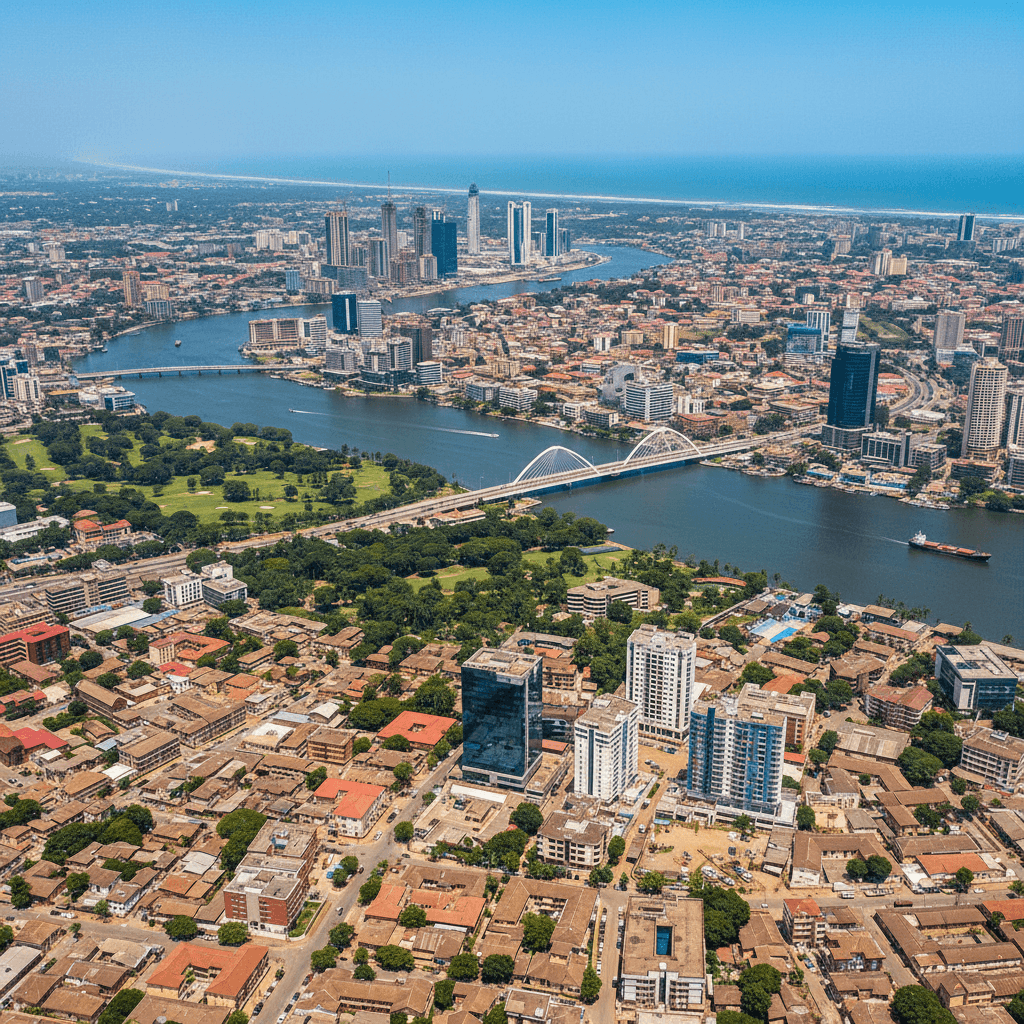
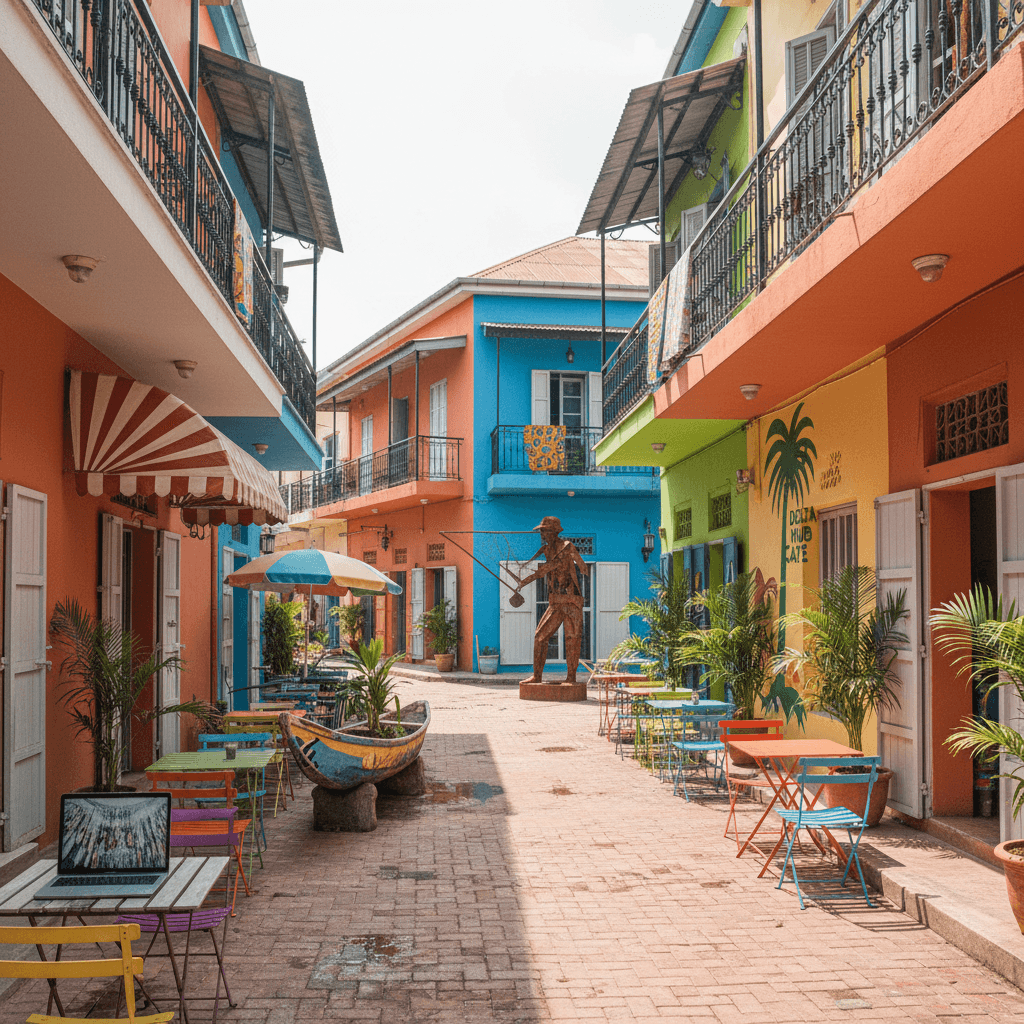
Port Harcourt doesn't do subtle. Known locally as Pitakwa, this city is the industrial heartbeat of Nigeria's oil-rich South-South region. Massive oil refineries sit just a few miles from high-end nightlife and river escapes. For a nomad, the vibe is intense, sweaty, and electric. This is less a "laptop on the beach" destination and more a "hustle hard, play harder" environment.
The city has a personality that separates it from the chaotic sprawl of Lagos or the administrative calm of Abuja. There's an edge here, driven by petroleum wealth and a deep-seated pride in local Ijaw and Ikwerre traditions. You'll feel it in the heavy humidity, the spicy scent of bole (roasted plantains) on street corners, and the bass-heavy Afrobeats thumping from garden bars. It's a city for those who want to see the real Nigeria, beyond the tourist brochures.
Cost of Living at a Glance
Living here is a game of tiers. Because of the oil presence, prices for expat-standard amenities can spike, but sticking to local favorites keeps your budget lean. Most nomads spend between $1,059 and $2,000 per month for a comfortable mid-range lifestyle. The full cost breakdown, including groceries and utilities, is covered in the Cost of Living section.
- Budget ($600 to $1,000): shared housing or modest apartments outside the city center, mostly street food like suya or roasted fish, local buses for transport.
- Mid-range ($1,000 to $2,000): a decent one-bedroom apartment in a secure area, frequent ride-hailing trips, dining at mid-level restaurants.
- Comfortable ($3,000+): serviced apartments with 24/7 power, private security, meals at upscale hotel bistros. This is the oil executive tier.
A typical Bolt or Uber ride across town runs $3 to $5. A meal at a local spot costs $1 to $3, while dinner at a nicer restaurant in the GRA (Government Reserved Area) can top $20.
Where to Base Yourself
Port Harcourt splits into the old city and newer, more affluent districts. Safety and reliable power are the two biggest factors when choosing a base.
- Old GRA: the practical first choice for most nomads. Leafy, relatively quiet, home to the best bars and cafes, and the most reliable infrastructure in the city.
- Trans-Amadi: the industrial core. Solid residential estates sit alongside heavy commercial activity. Good if you want proximity to business hubs, though the atmosphere is more concrete than green.
- The Waterfronts: worth a boat trip or a visit to a local jetty, but generally avoided for long-term stays because of safety concerns and inconsistent amenities.
Connectivity and the Digital Grind
Speeds average between 1 and 6 Mbps citywide, though specialized coworking spaces and high-end hotels can offer fiber connections well above that. The catch most nomads miss is that a single SIM is never enough here. Carry an MTN SIM for primary coverage and an Airtel SIM as a backup. Data is affordable, around $10 for 20GB.
Coworking culture is growing, tucked mostly into multi-purpose business centers. Monthly hot desk rates run $50 to $100. Power outages are a real operational risk, so prioritize cafes that explicitly advertise 24/7 generator power. Always use a VPN on public WiFi.
The Social Reality
Port Harcourt is a sensory overload. You'll see the gap between gleaming SUVs in the GRA and the raw, industrious energy of the port markets up close. Infrastructure failures and traffic will test your patience. The social payoff, though, is genuine.
People here are outgoing in a way that's hard to overstate. A simple "How you dey?" in Pidgin opens conversations that run for hours. When the heat becomes too much, the river is a real escape: boat trips to nearby beaches and wildlife reserves offer a reset from the city's industrial noise. The social scene is among the most welcoming in West Africa, but it takes a few weeks to find your footing. If you need a quiet, predictable base to grind through deep work, Port Harcourt will push back. If you can work with the chaos, it rewards you.
For how the city moves day to day, the Getting Around section covers transport options in full detail.
What It Actually Costs to Live Here
Port Harcourt runs on oil money, and that shapes every price in the city. Stick to local spots and you can live cheaply. The moment you want Western comforts or a genuinely secure building, costs climb fast. Most nomads land somewhere between $1,050 and $2,000 per month for a lifestyle that balances comfort with reasonable safety.
The local economy runs on cash and fintech apps. ATMs are common, but setting up an account with Opay or Palmpay makes daily transactions far smoother. Tip around 10% at sit-down restaurants and keep small Naira denominations on hand for street vendors.
Budget Tiers at a Glance
- Budget ($600 to $1,000/mo): Shared flat in a less central area, meals at local bukas or street stalls, public minibuses or danfos for getting around.
- Mid-range ($1,000 to $2,000/mo): Private one-bedroom in a safer central district, mix of home cooking and mid-range cafes, Uber or Bolt for transport.
- High-end ($3,000+/mo): Luxury serviced apartment in a gated zone, frequent dinners at upscale riverfront restaurants, possibly a private driver.
Finding a Place to Stay
Most searches start on PropertyPro.ng. The catch nomads often miss is that central areas near the port offer the best social access but come with noise and a price premium. Outskirt neighborhoods near the wildlife reserves are quieter, but you will spend more on transport time and costs every single week.
- Central Port Harcourt: Close to coworking spaces and nightlife. Higher rents, constant activity.
- GRA (Government Reserved Area): Where most expats and oil executives live. Safer and quieter, with a premium on everything from groceries to rent.
- Trans-Amadi: Industrial and commercial, with a mix of residential options. Convenient for staying close to the city's economic core.
Neighborhoods are covered in more detail in the neighborhoods section of this guide.
Food and Getting Around
Street food is genuinely one of the better parts of daily life here. Roasted plantain (bole) and fish run about $1 to $3. A mid-range restaurant meal costs $5 to $10, and an upscale dinner can exceed $20 per person.
Transport is cheap but slow. A ride-hailing trip across town via Uber or Bolt costs roughly $3 to $5. Public buses run under $0.50, though they are not a good call if you are carrying a laptop or camera gear.
Internet and Power
This is the honest downside of working from Port Harcourt. Citywide speeds average just 1 to 6 Mbps, which is not enough for video calls without a backup plan. Dedicated coworking spaces and high-end hotels offer faster fiber connections. Budget $50 to $150 a month for coworking memberships and supplemental data.
- SIM cards: Pick up an MTN or Airtel SIM at the airport. A 20GB data bundle costs around $10 and will save you when the Wi-Fi drops.
- Workspaces: Established business hubs and cafes near commercial areas are your best options. Always use a VPN on public networks.
- Power: Electricity is inconsistent across the city. Confirm your accommodation has a generator or inverter system before you commit. This is non-negotiable for remote work.
For a full breakdown of connectivity options and specific coworking locations, see the internet and coworking section.
Central Port Harcourt: Best for Solo Nomads
This is the easiest area to land in without a car. Near the river and port, you get the densest concentration of coworking options and the most reliable high-speed internet in the city. The catch most nomads miss here is that walkability cuts both ways: yes, you can reach a suya spot or bar on foot, but the traffic is genuinely brutal during peak hours. Use Uber or Bolt at night rather than walking.
The waterfront cafes draw a mix of local tech entrepreneurs and international oil contractors, which makes networking here more organic than anywhere else in the city.
- Rent: $1,000 to $1,500 for a secure apartment with a generator
- Vibe: Fast-paced, loud, social
- Best for: Networking, nightlife, river boat access
GRA and Trans-Amadi: Best for Long-Term Expats
The Government Reserved Area (GRA) is where most high-income remote workers and long-term expats settle, and the difference is immediately obvious. Wider streets, mature trees, tighter security, and actual quiet. You can find a cafe here and get four hours of deep work done without the city center's constant noise.
Trans-Amadi sits adjacent to the industrial zone but is ringed by gated communities that absorb most of the chaos. Grocery stores here stock international goods, though you pay a premium for them. Most residents run MTN or Airtel MiFi devices as a backup to local fiber connections.
- Rent starts at $500-1,000/month for a 1BR unit in secure areas; serviced estates go considerably higher
- Mid-range meals around $10; high-end dining at $20 and up
- Best for: Comfort, safety, reliable power
Suburban Enclaves: Best for Families
The outskirts near the nature reserves trade city convenience for space, cleaner air, and a slower pace. Access to the Niger Delta's wildlife reserves and greenery is easier from here. The honest downside is the commute: if you have regular city meetings, you will spend a significant portion of your day in a car.
Most families go straight for gated "mini-city" estates that handle their own security and water treatment. Walkability is essentially zero, but the expat family community is tight-knit. Download OPay or Palmpay before you arrive; these are the standard fintech apps for paying local vendors and services in the suburbs.
- Rent: $3,000 and up for a family-sized home in a secure compound
- A private driver is worth the cost; airport transfers run $10 to $20
- Best for: Quiet living, nature access, families with kids
Beach Zone Guest Houses: Best for Budget Travelers
Street food runs $1 to $3, guest houses near the popular beach areas are cheap, and the local music scene here is the most authentic in the city. Infrastructure is inconsistent, so this setup does not work for anyone who needs 24/7 air conditioning or a stable work connection.
Do not rely on house WiFi. Buy a local SIM with a large data plan for around $10 and treat it as your primary connection.
- Monthly budget: $600 to $1,000 eating local and using public buses
- Internet: local SIM data plan, roughly $10
- Best for: River access, authentic culture, keeping costs down
Internet and Power: What to Expect
Citywide speeds average between 1 and 6 Mbps. That handles email and Slack without issue, but video rendering and 4K streaming will choke. Most nomads run a coworking membership alongside two local SIMs as backup. The catch most nomads miss here is the power grid. Always ask any Airbnb host whether the property has a generator ("Gen") or inverter system before you book. Without one, your workday ends when the lights do.
Dedicated coworking spaces solve both problems. They run industrial-grade backup power and dedicated fiber lines, making them the only reliable option for deep work sessions.
Coworking Spaces Worth Knowing
The scene caters mainly to tech entrepreneurs and oil industry consultants. Hot desks run between $50 and $150 per month, with daily rates available if you're passing through.
- Ken Saro-Wiwa Innovation Hub: Closer to the local tech ecosystem. More community-focused, with regular events for developers and creatives. Good if you want to plug into what's actually being built here.
Cafes and Hotel Lobbies
Working from cafes is possible. It is not seamless. Bring your own mobile data rather than depending on cafe Wi-Fi, and use a VPN on any public network.
The better workaround is hotel lobbies in the GRA or Trans-Amadi areas. Their Wi-Fi tends to be the most stable in the city and the air conditioning actually keeps up with the afternoon heat. You will pay a premium to sit there, typically $5 to $10 for a mid-range meal, but the reliability is worth it on days when your SIM signal is weak.
SIM Cards and Mobile Data
Skip international roaming entirely. It is slow and expensive. Pick up a local SIM at Port Harcourt International Airport the moment you land. MTN and Airtel are the two main networks. Carry one of each, because coverage drops in specific neighborhoods and having both lets you swap without losing your connection.
- Cost: A 20GB data package runs about $10.
- Registration: Bring your passport. Biometric registration is mandatory in Nigeria, so there is no shortcut here.
- Payments: Download Opay or Palmpay before you need them. These local fintech apps handle data top-ups and everyday payments far more smoothly than a foreign credit card will.
Budget Tiers for a Working Stay
If you are planning a month or longer, your budget determines your experience more than almost any other factor. The city splits sharply between comfortable pockets like the GRA and areas that will grind on anyone new to West Africa.
- Budget tier ($600 to $1,000/month): Shared housing, local street food at $1 to $3 per meal, and public buses or danfos at $0.50 per ride.
- Mid-range tier ($1,000 to $2,000/month): A private one-bedroom in a safer neighborhood, regular coworking access, and Uber or Bolt rides at $3 to $5 each.
- Comfortable tier ($3,000 or more per month): Serviced apartments with 24/7 power and private security, plus high-end restaurants where meals start at $20.
The downside is that the comfortable tier costs more here than in comparable West African cities, largely because oil industry demand inflates prices for anything with reliable power and security. If your budget sits below $1,000, plan your setup carefully before you arrive rather than figuring it out on the ground.
Staying Safe in Port Harcourt
Port Harcourt splits into two very different cities depending on where you are. The GRA and Trans Amadi districts are where most expats and nomads operate: well-lit, relatively secure, and easy to navigate by app. Step toward the industrial outskirts or unfamiliar waterfront areas after dark, and the risk profile changes fast.
The catch most nomads miss is underestimating how quickly distances become dangerous on foot at night. Even a five-minute walk to a corner shop is not worth it. Use Uber or Bolt for every journey after sunset; both apps keep a digital record of your route and trips typically run $3 to $5. Keep your laptop and camera buried in a plain bag, and leave the jewelry at your accommodation when you head to local markets.
- Solo travel: Doable, but go with a local contact or group for beach trips and boat rides.
- Unsolicited help at the airport is almost always a scam setup. Negotiate prices before you get in any vehicle not booked through an app.
- Public WiFi is rare and usually insecure. Run a VPN whenever you are working outside your accommodation.
- Emergency number is 112. Police response times vary, so having a contact at your accommodation who can escalate locally is worth more than the hotline.
Medical Care: What to Expect and What to Plan Around
Public hospitals are not a realistic option for nomads here. Private clinics in the central districts are the move, and quality still varies enough that you want to identify a specific facility before you need one, not while you are sick.
Pharmacies are easy to find and well-stocked for basics. For anything specialized, bring enough from home to cover your full stay. The honest limitation of Port Harcourt's medical infrastructure is this: for anything serious, most expats fly to Lagos or back to Europe. That makes evacuation-level travel insurance non-negotiable, not a nice-to-have.
Health Logistics on the Ground
Malaria is present year-round. Most nomads combine repellent, a bed net, and prophylactic medication. The heat regularly hits 41°C (106°F) with high humidity, so dehydration is a genuine risk if you are spending time outdoors near the river or parks.
- Tap water is not safe to drink. Bottled water is cheap and available everywhere; a quality filtration bottle works too.
- Yellow Fever certification is required on arrival. You will likely need to show it at the airport. Hepatitis A and Typhoid boosters are also recommended before you travel.
- Air quality is generally rated as acceptable despite the industrial activity, though dust becomes a factor during the dry months from December to February.
- Opay and Palmpay handle clinic and pharmacy payments cleanly. Carrying large amounts of cash in medical settings is not a good idea.
Get your neighborhoods, transport habits, and medical contacts sorted before you land. The practical tips section covers the broader settling-in process if you need the full checklist.
Getting Around Port Harcourt
The city runs on oil-industry logistics, and the roads show it. Locals call the daily gridlock "hold up," and that's exactly what it is. Plan your schedule around it or lose hours to it.
Ride-Hailing: Uber and Bolt
For most nomads, Uber and Bolt are the default. Both apps give you fixed pricing, air conditioning, and a digital record of your trip. A standard cross-town fare runs $3 to $5. Airport transfers from Port Harcourt International Airport (PHC) cost $10 to $20 depending on traffic, and the drive into central districts takes 45 to 60 minutes. Always check both apps before booking; pricing swings hard during peak hours and heavy rain.
The catch most nomads miss: surge pricing during rainstorms can double a fare with no warning. Book early or wait it out.
Also put OPay or PalmPay on your phone. These fintech apps handle local payments when ATMs are unreliable, which happens more than you'd expect.
Local Buses (Danfos)
A short hop on a danfo costs about $0.50. Cheap, yes. But the vehicles run no fixed schedule, pack tight, and routes are not obvious if you don't know the city. Save these for trips with a local who knows the system, or for days when a delayed Zoom call won't cost you.
Walking and Street Navigation
Walking long distances is not practical here. The pedestrian infrastructure is thin, and a heat index of 41°C (106°F) makes exposure a real issue. If you need to walk, stay in Phase 1 or Phase 2 of the GRA where streets are lit and maintained. After dark, take four wheels. Poor street lighting outside the GRA and Trans Amadi districts makes walking at night a bad call even for locals.
Quick Reference: Transport Costs
- Ride-hail trip (cross-town): $3 to $5
- Airport transfer (PHC to city center): $10 to $20
- Local bus fare: $0.50
- Daily transport budget, mid-range: $10 to $15
Tips That Actually Matter
- Download Google Maps offline before you arrive. Mobile data drops in several neighborhoods and mid-trip is a bad time to find out.
- Keep small Naira denominations on hand for tips or street food when you're stuck in traffic.
- Avoid the road between 7:30 AM and 9:00 AM and again from 4:30 PM to 6:30 PM. A ten-minute drive becomes an hour without much warning.
- Before getting into any ride-hail vehicle, match the license plate and driver photo in the app. Standard practice, non-negotiable.
If your accommodation offers an airport shuttle, take it. Sorting a ride-hail app in an unfamiliar terminal while managing luggage is a solvable problem you don't need on arrival day.
Language on the Ground
Port Harcourt runs almost entirely on English. As a major node in the international oil industry, it's the language of business, government, and coworking spaces. Most people you'll meet in central areas speak it fluently, though the local accent has a rhythmic, musical quality that takes a day or two to tune into.
Nigerian Pidgin is where the real social currency lives. It's a fast-paced blend of English and local languages that acts as a social bridge between communities. Even picking up a few phrases signals you're not just passing through. You'll also hear Ijaw and Ikwerre in residential neighborhoods, reflecting the city's deep indigenous roots in the Niger Delta.
Pidgin Phrases Worth Learning
A little Pidgin goes a long way at the market or with your Bolt driver. These are the ones that actually get used:
- How you dey?: The standard "How are you?" Response: I dey fine (I'm good).
- Abeg: Please. Use it for everything from asking for the bill to getting through a crowd.
- Wetin dey happen?: What's going on? or What's up?
- Oshey: Thank you.
- No wahala: No problem. You'll hear it constantly; it's the unofficial motto of a smooth day.
SIMs, Data, and Staying Connected
Don't rely on hotel WiFi. It's notoriously spotty, and most nomads who've spent time here grab a local SIM within the first few hours of landing. MTN and Airtel are the two networks worth using. Pick up a SIM at the airport or any branded kiosk for a few dollars.
Data is affordable by Western standards. Expect to pay around $10 for a 20GB monthly plan. If your work involves heavy video calls, add a mobile MiFi device as a backup. Citywide speeds and coworking infrastructure are covered in the Internet and Coworking section above.
Apps That Actually Matter Here
- WhatsApp: Non-negotiable. Your landlord, the local cafe, and everyone in between uses it for everything.
- Bolt or Uber: The move for getting around without haggling with yellow taxis. Most cross-city trips run about $3 to $5.
- OPay or PalmPay: Digital banking is more reliable than traditional bank cards for quick transfers at local shops. The catch most nomads miss is that some smaller vendors won't accept cards at all, so having one of these loaded before you need it matters.
- Google Translate: Not accurate for Pidgin, but useful if you encounter traditional dialects in the outskirts.
How People Communicate Here
Politeness carries real weight. Always greet elders first, and a simple "Good morning" or "Good afternoon" before making a request will get you noticeably better service. In business meetings and coworking spaces, the tone is professional and direct.
Social settings are a different register entirely. Bars along the waterfront get loud and friendly fast. Strangers will strike up conversations; people here are genuinely curious about visitors and will share tips on river boat trips or nightlife without much prompting. Lean into it.
Temperature, Rain, and What Actually Drives the Calendar
Port Harcourt is tropical without apology. Temperatures range between 23°C and 34°C year-round, and the humidity makes the upper end feel more intense than the number suggests. The rainfall, more than the heat, is what shapes how you'll structure your days here.
The dry season runs from December to February. This is the window for river boat trips, weekend beach runs, and outdoor photography near the wildlife reserves. Air quality is noticeably cleaner during these months. If you have flexibility on timing, this is when to come.
Wet Season: May Through October
Heavy rains arrive in May and hold through October. July, August, and September are the worst of it. The Niger Delta doesn't do light drizzle; the downpours are sustained and will lock up the city's already difficult traffic for hours.
The catch most nomads miss is the infrastructure side. Humidity-driven power fluctuations get worse during peak wet season, so confirm your accommodation has a reliable generator before you commit. A backup data SIM from MTN or Airtel is worth having regardless of season, but it becomes essential in August. Working from a cafe near the water is fine in January. In August, you'll want a coworking space with climate control.
March, April, and November sit in between: heat climbing, first storms possible, dry-season social energy fading.
Quick Seasonal Reference
- December to February: Dry, best for outdoor activity and social meetups.
- March to April and November: Transitional. Early or late storms possible.
- May to October: Daily rain and high humidity. Plan around coworking hubs and indoor setups.
Most nomads who stay productive here shift to a late-night work schedule or take a midday break entirely. Keep a quality umbrella and a portable power bank on you year-round, not just during wet season.
Getting Settled in Port Harcourt
GRA Phase 2 and Trans Amadi are where most nomads land, and for good reason. Both areas sit closer to the better cafes and coworking spots, and the security difference compared to the outskirts is noticeable. The catch most nomads miss: if you rent outside these zones to save money, you will spend that savings and more sitting in the traffic locals call "hold up."
Budgeting is covered in depth in the Cost of Living section, but the short version is that $1,800 to $2,500 a month is the realistic range for a comfortable setup. That figure assumes a modern apartment with a generator, which is not optional given the power cuts. For finding a place, PropertyPro.ng and expat Facebook groups are the practical starting points for short-term subleases in gated compounds.
Internet and Workspace
Citywide speeds run between 1 and 6 Mbps. That handles email and Slack. It will not handle video rendering.
Pick up an MTN or Airtel SIM at the airport. A 20GB data plan costs around $10 and is your backup when cafe Wi-Fi drops. Always run a VPN on public networks, especially in hotel lobbies near the port. Dedicated coworking spaces are still thin on the ground, so most nomads work from hotel lounges or cafes in the GRA area. Expect to pay $50 to $100 a month for a consistent desk. Bring a power bank regardless of where you work.
Cash, Apps, and Getting Around
Cash still dominates daily transactions. ATMs are common but frequently run dry or reject foreign cards, so keep Naira on hand. Download Opay or Palmpay for local transfers; both are widely accepted and faster than fumbling with cards.
For transport, Uber and Bolt are the standard. A cross-town trip runs $3 to $5. Skip the local buses unless you are traveling with someone who knows the routes.
- Airport transfer from Port Harcourt International to the city center: $10 to $20, depending on traffic and negotiation.
- Street food (suya, roasted plantain): $1 to $3 per meal, and usually the better option for lunch.
- Mid-range restaurant dinner: $10 to $15 for a full seated meal.
- Tipping: 10% is standard in service-focused spots and genuinely appreciated.
Safety and Health
The safety picture here is real but manageable with the right habits. Old GRA and similar central neighborhoods are generally fine during the day. After dark, use ride-hailing apps rather than walking or flagging down cars. That rule is not flexible.
On healthcare: skip public clinics entirely. Go straight to private hospitals. Port Harcourt's role as an oil hub means private facilities are better equipped than in most regional Nigerian cities, but you still want insurance that covers medical evacuation. Confirm that coverage before you arrive, not after.
Weather and Social Basics
Temperatures sit between 25°C and 41°C (77°F to 106°F) year-round, with humidity that makes the upper end feel worse than the number suggests. December through February is the driest window and the easiest time to be here. Between May and October, expect heavy rain that floods streets fast.
English is the working language across business and daily life. Learning a few Pidgin phrases accelerates trust considerably. "How you dey?" as a greeting opens more doors than a formal introduction. In business meetings or traditional neighborhoods, dress slightly more formally than you would in a beach-town coworking scene. Respecting elders is taken seriously, and small gestures in that direction are noticed.
Need visa and immigration info for Nigeria?
🇳🇬 View Nigeria Country GuideWild Card
Expect the unexpected
Monthly Budget Estimates
More cities in Nigeria
Uyo
🇳🇬 Nigeria
Akure
🇳🇬 Nigeria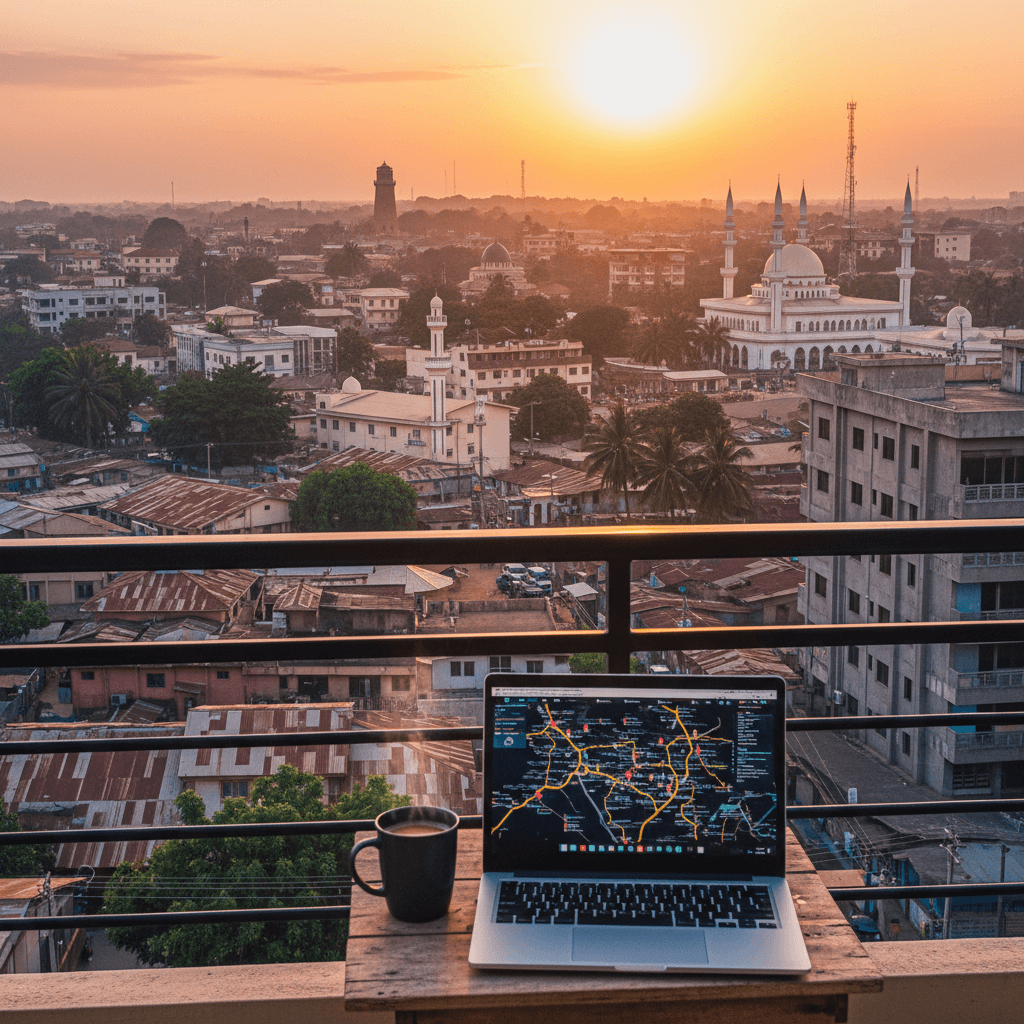
Ibadan
🇳🇬 Nigeria