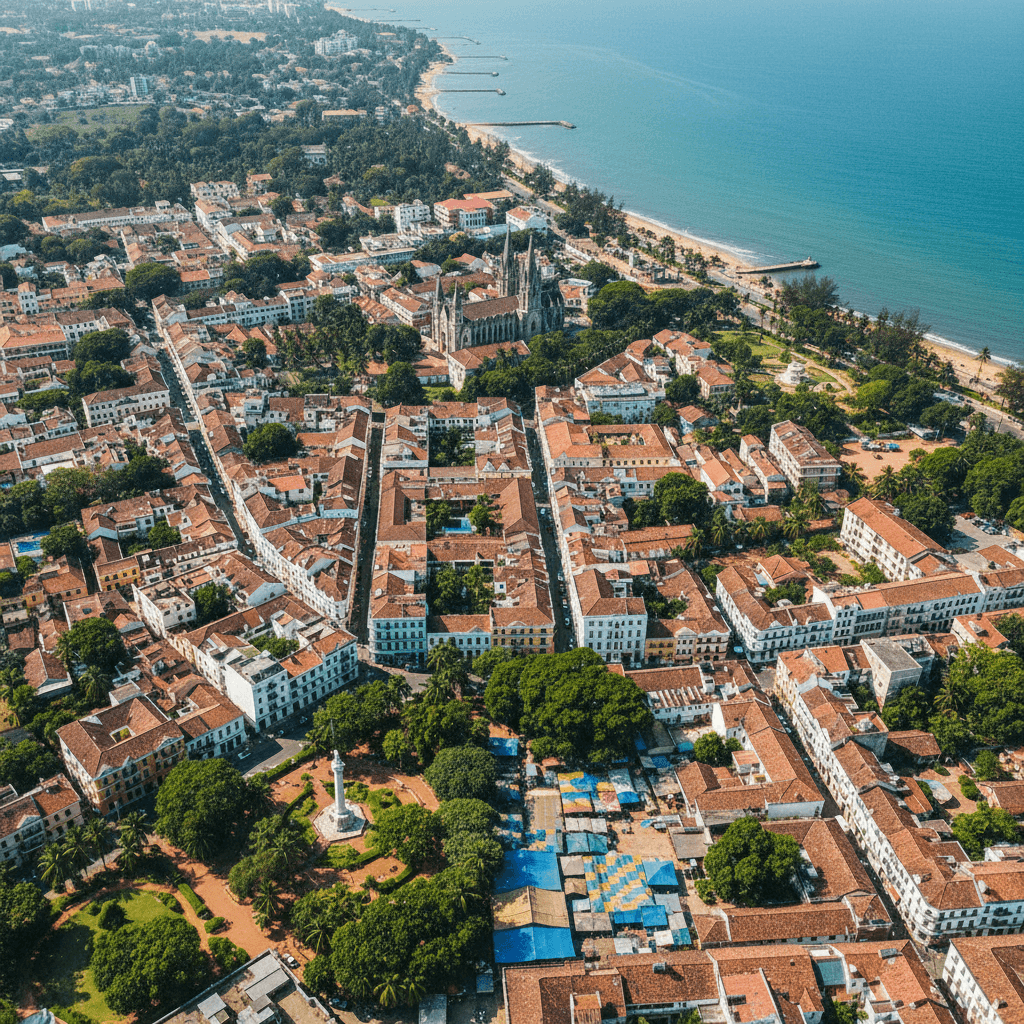
Pondicherry
🇮🇳 India
The Vibe: Mediterranean Soul on the Coromandel Coast
Pondicherry is the antidote to the high-octane chaos of Bangalore or the party-heavy fatigue of Goa. It is a place where the rhythm of your workday is dictated by the sea breeze and the smell of fresh sourdough. Imagine waking up in a high-ceilinged colonial villa, cycling past mustard-yellow walls draped in bougainvillea, and settling into a cafe where the espresso is as sharp as any you would find in Lyon. It is quiet, deliberate, and deeply restorative.
What sets "Pondy" apart is its dual identity. On one side of the canal, you have the French Quarter (White Town), with its paved streets and chic galleries. On the other, the Tamil Quarter offers a gritty, authentic energy and incredible street food. Most nomads find themselves caught in the middle, enjoying a lifestyle that feels like a slow-motion film. It is a magnet for writers, designers, and those who need a "deep work" phase without the distractions of a heavy nightlife scene.
Cost of Living
Your money goes significantly further here than in India's major tech hubs. Most nomads budget between $900 and $1,000 per month for a comfortable, mid-range lifestyle. If you are on a tighter budget, you can easily get by on $400 to $600 by staying in the outskirts and eating locally.
- Housing: A studio or one-bedroom in the French Quarter typically runs between ₹20,000 and ₹30,000 ($240 to $360) monthly. If you head toward the Auroville outskirts, you can find quiet garden cottages for around ₹18,000 ($220).
- Dining: A quick dosa from a street stall costs ₹50 to ₹100 ($0.60 to $1.20). A meal at a trendy cafe like Bread & Chocolate will be ₹200 to ₹400 ($2.40 to $4.80), while a high-end French fusion dinner might top ₹800 ($10).
- Transport: Renting a bicycle is about ₹100 ($1.20) a day, while a scooter goes for ₹300 ($3.60).
Where to Plant Your Roots
Choosing a neighborhood depends on whether you want "chic convenience" or "creative community."
French Quarter (White Town)
- The Draw: This is the heart of the nomad scene. You are steps away from the Rocky Beach promenade and the best WiFi-enabled cafes. It is walkable, safe, and feels remarkably European.
- The Trade-off: Rents are at a premium here, and it can get crowded with weekend tourists from Chennai.
Auroville Outskirts
- The Draw: Located about 10 to 15 kilometers from the city center, this area is perfect for those seeking a spiritual or experimental community. It is cheaper, greener, and full of volunteer opportunities.
- The Trade-off: You will absolutely need a scooter to get around, and the "hippie" vibe isn't for everyone.
Heritage Town
- The Draw: This is where you find the soul of the city. It is more affordable than White Town and puts you right in the middle of local markets and Tamil culture.
- The Trade-off: It is noisier, the traffic is heavier, and there are fewer dedicated "laptop-friendly" spaces.
Connectivity and Productivity
The internet infrastructure is surprisingly solid. Most guest houses and cafes offer broadband speeds between 50 and 60 Mbps. For backup, 4G and 5G coverage via Airtel or Jio is reliable across the city. While power flickers used to be a headache, they are rare now, though it is always smart to keep your devices charged.
Coworking spaces are popping up to meet demand, with daily rates ranging from ₹500 to ₹2,500 ($6 to $30) depending on the amenities. However, many nomads prefer the "cafe office" route. You will often see people working for hours at places like Marc's Cafe or Gelato Factory, where the staff is used to the remote work crowd.
Practical Realities
The best time to visit is from January to March, when the weather is dry and hovering around 28°C to 32°C (82°F to 90°F). Avoid the monsoon season from October to December unless you enjoy heavy, persistent rain. For getting around, skip the local buses; download Uber or Ola for quick trips, or better yet, rent a scooter to navigate the narrow lanes at your own pace.
Safety is rarely an issue here. Travelers often remark on how easy it is to walk the promenade late at night. For healthcare, there are decent private hospitals within the city, and pharmacies are on almost every corner. If you need a local SIM, grab one at the airport or a local shop using your passport; Airtel generally offers the best coverage for the region.
The Price of Paradise
Pondicherry is the quiet, more affordable alternative to the chaos of Goa. Most nomads find they can live comfortably here on $900 to $1,000 a month without cutting corners. If you're willing to live like a local on the outskirts of Auroville, you can even squeeze by on as little as $400. It's a place where your money goes surprisingly far, especially when you trade fancy cocktails for fresh coconuts and coastal breezes.
Monthly Budget Tiers
- The Frugal Nomad ($400 to $600): You're likely living in a shared cottage near the Auroville outskirts, eating street side dosas for ₹50, and getting around on a rented bicycle.
- The Mid-Range Professional ($700 to $900): This covers a private one bedroom in the French Quarter or a nice flat in Heritage Town. You'll eat at chic cafes daily and rent a scooter to explore.
- The High-End Resident ($1,000+): You're looking at a restored colonial villa or a private luxury cottage, frequenting upscale French-Indian fusion spots, and perhaps keeping a dedicated desk at a coworking space.
Housing and Neighborhoods
The French Quarter, often called White Town, is the most sought after area. It's walkable and packed with WiFi-enabled cafes, but you'll pay a premium. Expect to spend between ₹20,000 and ₹30,000 ($240 to $360) for a decent studio or one bedroom apartment here. Travelers often say the charm of the mustard yellow buildings makes the extra cost worth it.
If you want a community of creatives and don't mind a 15km commute into the city center, look at the Auroville outskirts. You can find quiet cottages for around ₹18,000 ($220). It's a bit more "jungle-chic" and attracts those looking for a deep focus environment. For something more local and budget friendly, Heritage Town offers a glimpse into Tamil culture with lower rents, though it's noticeably busier and louder.
Eating and Drinking
Food is one of Pondy's highlights. You can grab a quick breakfast of idli or dosa for ₹50 to ₹100 ($0.60 to $1.20). Mid-range cafes like those found in White Town usually charge between ₹200 and ₹400 ($2.40 to $4.80) for a solid meal and a good coffee. If you're heading out for a splurge, a high-end dinner with French influences will start around ₹800 ($9.60). Most expats recommend sticking to the local markets for produce if you have a kitchen; it's pennies on the dollar compared to the boutique grocers.
Connectivity and Workspace
Reliable internet is no longer a struggle here. Most rentals provide broadband reaching 50 to 60 Mbps, and 4G/5G coverage through Airtel or Jio is solid. While power flickers used to be a headache, they're rare now. If you need a professional setup, coworking spaces range from ₹500 ($6) for a day pass to ₹2,500 ($30) for more premium weekly arrangements. Many nomads simply work from laptop-friendly cafes in the French Quarter for the price of a croissant and a latte.
Moving Around
Inside the French Quarter, your feet are your best friends. To go further afield, a bicycle rental costs about ₹100 ($1.20) per day. For trips to Auroville or Paradise Beach, most people rent a scooter for roughly ₹300 ($3.60) a day. Ride hailing apps like Uber and Ola work well for longer trips, and a pre-booked taxi from the airport usually runs between ₹500 and ₹800 ($6 to $9.60).
Practical Spending Tips
- Banking: Use Wise for transfers and PhonePe or Google Pay for daily transactions. Even small street vendors often prefer digital payments over cash.
- Groceries: Shop in Heritage Town for local prices. The boutiques in White Town are great for imported cheese, but they'll eat your budget quickly.
- Seasonality: Prices for short term rentals can spike from January to March when the weather is at its best. If you're planning a long stay, try to negotiate a flat rate before the peak season hits.
For Nomads and Creatives: White Town (French Quarter)
If you want the classic Pondicherry experience, White Town is where you'll spend most of your time. It's the aesthetic heart of the city, characterized by mustard yellow colonial villas and bougainvillea draped over high walls. Most nomads gravitate here because it's the most walkable part of town and houses the highest concentration of laptop friendly cafes and reliable WiFi.
- Rent: ₹20,000 to ₹30,000 ($240 to $360) for a studio or one bedroom apartment.
- Vibe: European charm meets coastal India. It's quiet in the mornings, though it gets busier with tourists on weekend evenings.
- Best for: People who need high speed internet and want to be steps away from the Bay of Bengal promenade.
You'll likely find yourself working from places like Cafe Des Arts or Coromandel Cafe, where the coffee is strong and the atmosphere is conducive to deep work. While rent is higher here than in other districts, you save on transport because everything from the organic grocers to the post office is within a ten minute walk.
For Community Seekers and Long Termers: Auroville Outskirts
Expats and those staying for several months often prefer the fringes of Auroville, about 10 to 15 kilometers north of the city center. This isn't just a neighborhood; it's a lifestyle. Living here means trading paved streets for red dirt paths and colonial villas for eco friendly cottages. It's the hub for sustainability enthusiasts, artists, and those looking for a built in social network through volunteering and workshops.
- Rent: Around ₹18,000 ($220) for a private cottage.
- Vibe: Experimental, quiet, and deeply communal. You'll need a scooter to get around, which usually costs about ₹300 ($3.60) per day.
- Best for: Those who want to escape the city noise and join a global community of creatives.
The social scene here revolves around the Solar Kitchen and various community hubs. It's less about nightlife and more about kirtan sessions, pottery classes, and morning yoga. Keep in mind that the internet can be slightly more temperamental in the forest areas, so most residents keep an Airtel or Jio SIM card as a backup hotspot.
For Budget Conscious Solo Travelers: Heritage Town
Just across the canal from the French Quarter lies Heritage Town, the traditional Tamil Quarter. It offers a more authentic glimpse into local life with its distinctive "thinnai" houses (homes with raised stone platforms at the entrance). It's significantly more affordable than White Town but remains close enough to the chic cafes to be convenient.
- Rent: ₹12,000 to ₹18,000 ($145 to $220) for basic local apartments.
- Vibe: Lively, colorful, and busy. You'll hear the sounds of temple bells and street vendors rather than the quiet rustle of French villas.
- Best for: Solo travelers on a budget who want to be near the action without paying the "tourist tax" on rent.
Food costs here are much lower. You can grab a fresh dosa or idli at a local spot like Surguru for ₹50 to ₹100 ($0.60 to $1.20). It's a great choice if you want to spend your days in the French Quarter but prefer to sleep somewhere that feels more like real India.
For Families and Slow Travelers: Vaithikuppam and Kuruchikuppam
These coastal neighborhoods sit just north of the French Quarter. They provide a middle ground for families or groups who need more space and a quieter residential feel. The houses here are often larger, and you're still within a short bike ride of the main sights. Travelers often say these areas feel more private and less like a tourist bubble.
- Rent: ₹25,000+ ($300+) for multi bedroom houses.
- Vibe: Residential and breezy. It's a fishing village turned expat friendly enclave.
- Best for: Families who need a kitchen and multiple rooms, or anyone planning a stay of six months or more.
Safety is high throughout these areas, and the presence of local hospitals and pharmacies makes it a practical choice for those traveling with children. Most families find that renting a scooter for ₹300 a day is the most efficient way to handle school runs or grocery trips to the larger supermarkets in the city center.
Connectivity and Speed
Pondicherry has quietly become a favorite for those who need a stable connection without the chaos of Bangalore or Mumbai. You can generally expect fiber broadband speeds to range from 40 to 60 Mbps depending on the ISP and plan, with actual performance varying by location. While power flickers used to be a headache, they are rare now; most dedicated workspaces and upscale rentals in White Town have backup systems to keep you online.
For your mobile setup, grab a local SIM from Airtel or Jio as soon as you arrive. You can pick these up at the airport or at small shops in Heritage Town for a few dollars. 4G and 5G coverage is solid across the city, though it can get a bit spotty if you head deep into the forested outskirts of Auroville. Most nomads use their phone as a hotspot during the occasional monsoon storm when the main lines might lag.
Coworking Spaces
The coworking scene here is more intimate than the massive tech hubs elsewhere in India. It feels more like a community of creators than a corporate floor. Prices typically range from ₹500 to ₹2,500 ($6 to $30) per day, depending on how much "extra" you need in terms of private booths or meeting rooms.
- NomadGao: A popular choice for those who want a built in community. They often host events and provide the most reliable high speed infrastructure in the area.
- Auroville Hubs: If you are staying toward the outskirts, check out the community workspaces near the Matrimandir. These are perfect if you prefer a quiet, green environment and want to network with social entrepreneurs and artists.
The Cafe Office Culture
If you prefer the hum of a steamer over a quiet office, the French Quarter (White Town) is your best bet. The streets are lined with restored colonial villas that now house laptop friendly cafes. Most owners are happy for you to linger for a few hours if you are ordering coffee and croissants.
Expats and long term travelers often congregate at spots like Eat My Cake or the various garden cafes near the Promenade. These places offer a relaxed atmosphere where the WiFi is usually free and the sea breeze helps with the afternoon heat. Just keep in mind that these spots can get crowded on weekends when tourists flock in from Chennai, so try to get your deep work done on weekday mornings.
Practical Setup Tips
Most nomads find that a hybrid approach works best here. Use a coworking space for your heavy video calls and important deadlines, then migrate to a French Quarter cafe for your lighter tasks. If you are planning to stay for a month or more, look for "Executive" rentals or French Quarter studios which usually include dedicated WiFi routers rather than shared building connections.
- Cost of Daily Pass: Expect to pay around ₹500 ($6) for a basic desk.
- Monthly Rates: Many spaces offer discounts for longer stays, bringing the cost down significantly.
- Best Apps: Download PhonePe or Google Pay. Even the smallest tea stalls and coworking spots prefer digital payments over cash.
- Peak Times: Cafes get busy after 4:00 PM. If you need silence, stick to your home office or a dedicated workspace during the late afternoon.
The beauty of working from Pondy is the pace. You can finish a project by 5:00 PM and be walking along the Promenade or grabbing a ₹50 dosa in Heritage Town five minutes later. It is a city that respects the "life" part of the work-life balance.
A Peaceful State of Mind
Pondicherry is famously mellow. While other Indian hubs can feel like a sensory overload, the French Quarter and Auroville operate at a much lower frequency. Most nomads find they can walk the Promenade at night or wander the grid-like streets of White Town without the hyper-vigilance required in larger metros. It is one of the few places in India where a solo stroll after 9:00 PM feels genuinely relaxed rather than a calculated risk.
The city is generally easy to navigate, but you should still stick to well-lit zones after dark. The French Quarter is very safe, though the outskirts toward Auroville can get quite dark due to a lack of streetlights. If you are heading back to a forest cottage late at night, a scooter is better than walking. Petty crime is rare, but keep an eye on your tech in crowded beach areas or busy markets in Heritage Town.
Medical Care and Facilities
If you catch a bug or need a check-up, you are in good hands. Pondicherry is a regional medical hub with several reputable hospitals. For general consultations or emergencies, JIPMER is a massive, well-known government institution, though it stays very busy. Expats and nomads often prefer private facilities like PIMS (Pondicherry Institute of Medical Sciences) for faster service and shorter wait times.
Most minor ailments can be handled at local clinics in the city center. You will find pharmacies, or "Medical Stores," on almost every corner in Heritage Town and near the Mission Street shopping area. They are well-stocked with international brands, and pharmacists usually speak excellent English. Most are open until 10:00 PM, with a few 24-hour options located near the main hospitals.
Emergency Contacts to Save
It is smart to have the local emergency numbers programmed into your phone before you arrive. While you likely won't need them, having them ready reduces stress if a situation pops up. Use Airtel or Jio for the most reliable signal when calling for help.
- Police: Dial 100
- Ambulance: Dial 108
- Women's Helpline: Dial 1091
- PIMS Hospital: +91 413 265 6271
Staying Healthy on the Coast
The biggest health hurdles here aren't crime or major diseases; they are dehydration and "Delhi Belly." The coastal sun is intense, especially between March and June. Drink bottled or filtered water exclusively. Most nomad-friendly cafes like Eat My Cake or Bread & Chocolate use high-quality filtration systems, but it is always okay to double-check.
If you are renting a long-term villa in the French Quarter or a cottage in Auroville, ask your landlord if they provide an Aquaguard or similar RO water filter. If not, a monthly subscription for 20-liter water cans is the standard move. It costs about ₹80 to ₹100 ($1.00 to $1.20) per refill and saves you from lugging small plastic bottles home every day.
Insurance and Logistics
Most private hospitals will expect payment upfront, even if you have international insurance. They provide detailed invoices that you can submit for reimbursement later. A standard GP visit might cost you anywhere from ₹500 to ₹1,500 ($6 to $18), which is affordable enough that many nomads pay out of pocket for minor issues. For anything serious, ensure your policy covers medical evacuation to Chennai, which is about three hours away and has world-class specialized care.
The Art of the Slow Roll
Pondicherry isn't a city that demands you rush. The pace here is intentionally slow, and your transportation choices should reflect that. Most nomads find that the best way to experience the transition from the grid-like streets of the French Quarter to the dusty, creative outskirts of Auroville is on two wheels.
Scooters and Bicycles
This is the gold standard for getting around. The French Quarter (White Town) is compact and incredibly walkable, but if you're staying in Heritage Town or planning frequent trips to Auroville, you'll want a motor. You can pick up a scooter rental for about ₹300 ($3.60) per day. If you're staying long-term, talk to the local rental shops near Mission Street to negotiate a monthly rate, which can drop the price significantly.
For those sticking strictly to the colonial center, a bicycle is often better. It fits the "Franco-Tamil" aesthetic and handles the narrow alleys with ease. Expect to pay around ₹100 ($1.20) per day for a basic gearless cycle. Just keep an eye on the heat; pedaling at noon in May is a mistake you'll only make once.
Ride-Hailing and Taxis
While Pondicherry doesn't have a massive public bus network that's easy for newcomers to use, tech-based options fill the gap. Uber and Ola both operate here, though you'll mostly find "autos" (three-wheeled rickshaws) on the apps rather than cars. It's a great way to avoid the "tourist tax" since the price is fixed in the app.
- Auto-rickshaws: If you hail one on the street, always agree on the price before you sit down. A trip within the city usually runs between ₹80 and ₹150.
- Private Taxis: These are best saved for day trips to places like Paradise Beach or for the 10km to 15km trek to Auroville if you aren't comfortable on a scooter.
- Airport Transfers: If you're flying into Pondicherry Airport (PNY), a pre-booked taxi to the French Quarter will cost between ₹500 and ₹800 ($6 to $9.60).
Navigation and Connectivity
The layout of the city is fairly intuitive. The "Canal" separates the French side from the Tamil side. However, the outskirts can get confusing. Google Maps is reliable here, and since 4G and 5G coverage via Airtel and Jio is strong throughout the town, you won't often find yourself truly lost.
Expats recommend grabbing a local SIM at the airport or a shop in Heritage Town rather than relying on international roaming. If you're heading to Auroville, keep in mind that the roads get a bit more "rustic." A sturdy scooter and a charged phone are your best friends for those forest paths.
Walking the Promenade
You can't talk about movement in Pondy without mentioning the Promenade. Running along the seafront, this stretch is closed to motorized vehicles every evening. It's the social heart of the city. Most nomads end their workday here, walking the 1.5km stretch to catch the sea breeze. It's safe, well-lit, and the one place where your only "transportation" should be a pair of comfortable sandals.
Regional Travel
If you're looking to head further afield, the Pondicherry railway station connects you to major hubs like Chennai and Bangalore. For a quicker exit, Chennai International Airport is about a three-hour drive away. Most nomads book a private car for this journey, which typically costs around ₹3,000 to ₹4,000, providing a comfortable, air-conditioned buffer between Pondy's calm and the chaos of the bigger metros.
The Linguistic Landscape
You'll find that Pondicherry is a linguistic crossroads where South Indian traditions meet a lingering European legacy. While Tamil is the heartbeat of the streets and the primary language for the local population, the city's history as a French territory has left a permanent mark. You'll see street signs in French and encounter older residents or those in the hospitality sector who are still fluent in the language.
For most digital nomads, English is the bridge that makes living here incredibly easy. In White Town (the French Quarter) and around Auroville, English is spoken fluently by cafe owners, guesthouse staff, and shopkeepers. You won't struggle to order a flat white or negotiate a monthly rate for a scooter in English. However, once you head into Heritage Town or the local markets, a few Tamil words go a long way in building rapport.
Practical Communication for Nomads
Most expats and long term travelers rely on a mix of English and translation apps for more complex interactions. If you're staying in the Auroville outskirts, you'll notice a massive international community where English is the lingua franca, but you might also hear Italian, German, or Russian in the communal dining halls.
- English: Widely understood in tourist hubs, coworking spaces, and mid range restaurants.
- Tamil: The local language; useful for navigating local buses or bargaining at the Goubert Market.
- French: Still used in cultural institutions and some upscale boutiques in the French Quarter.
- Hindi: Not native to the region, but often understood by staff in the tourism industry who have moved from North India.
Staying Connected
Reliable internet is the backbone of the nomad experience here, and Pondicherry delivers surprisingly well. Broadband speeds typically range from 40 to 60 Mbps, though actual speeds may vary. While power flickers used to be a headache, most dedicated nomad hubs and upscale rentals now have power backups to keep your router humming during the occasional tropical storm.
For mobile data, Airtel and Jio are the two heavy hitters. Most travelers recommend picking up a physical SIM at the airport upon arrival, but you can also find authorized retailers in town. If your phone supports it, an eSIM via Airalo is a quick secondary option, though local SIMs are significantly cheaper for heavy data usage. Expect to pay around ₹300 to ₹500 ($3.60 to $6) for a monthly prepaid plan with plenty of daily data.
Essential Phrases & Etiquette
While you can get by entirely in English, learning a few Tamil phrases shows respect for the local culture. It changes the dynamic from being a tourist to being a neighbor. Use "Vanakkam" as a general greeting; it's the Tamil equivalent of Namaste. For "thank you," use "Nandri."
Digital communication often happens through WhatsApp. Whether you're joining a local football game, finding a yoga class in Auroville, or ordering water delivery for your apartment, everything runs on WhatsApp groups. For payments, Google Pay and PhonePe (linked to Indian bank accounts) are everywhere, but as a nomad, you'll likely use Wise for transfers and keep a stash of cash for smaller vendors who don't have international card readers.
Navigation & Translation Apps
Google Translate is your best friend for reading menus that aren't in English or for communicating specific needs at a pharmacy. The "Camera" feature is particularly helpful for translating signs. For getting around, Uber and Ola are available, though many nomads prefer the freedom of a rented scooter for about ₹300 ($3.60) a day. If you're using a local auto rickshaw, always confirm the price before you get in; asking "Kitna?" (Hindi) or "Evvalavu?" (Tamil) for "How much?" is a daily necessity.
The Sweet Spot: January to March
If you want the quintessential Pondicherry experience, aim to arrive between January and March. During these months, the humidity drops and the temperature hovers comfortably between 28°C and 32°C (82°F to 90°F). It is the dry season, meaning you can spend your mornings working from a cafe terrace in White Town and your afternoons biking to Auroville without melting. This is when the town feels most alive, with nomad meetups and cultural events at their peak.
The Monsoon Factor: October to December
Pondicherry follows the Northeast Monsoon pattern, which is different from the rest of India. While Mumbai or Goa are drying out in October, Pondicherry is just getting started with heavy rains. October, November, and December see the most significant rainfall. It is not just a light drizzle; expect occasional downpours that can flood the narrower streets of Heritage Town. While the rain brings out a lush, romantic side of the French Quarter, it can make scooter commutes to Auroville a muddy challenge. If you are a writer who loves the sound of rain against a window while you work, you might enjoy the solitude, but most nomads find the humidity and dampness a bit much for long term stays.
Surviving the Heat: April to September
Summer in South India is no joke. From April through June, temperatures often climb to 35°C (95°F) and beyond. The heat is thick and tropical. If you are here during this window, an AC unit in your apartment is a requirement, not a luxury. You will likely find yourself adopting a split schedule: working early in the morning, retreating indoors during the midday blaze, and only emerging for a walk on the Promenade after the sun dips. July to September brings some relief with occasional pre-monsoon showers, but the humidity remains high.
Nomad Seasonal Planning
Most expats and long term travelers plan their stay around these specific windows:
- Peak Season (December to February): The weather is perfect but demand for French Quarter studios peaks. Expect to pay the higher end of the ₹30,000 ($360) rent range. Book your accommodation at least a month in advance.
- Shoulder Season (March to June): It gets hot, but you can often negotiate better long term rates on villas or Auroville outskirts cottages. This is a great time for those on a $400 to $600 monthly budget.
- The Rainy Window (October to November): Great for those who don't mind staying indoors. Just ensure your coworking space or cafe of choice has reliable indoor seating, as many garden cafes close their outdoor sections.
Regardless of when you visit, the sea breeze on the Promenade offers a nightly reprieve. Even on the hottest May days, the locals gather by the water after 6:00 PM when the road closes to vehicles, making it the best time for a social walk or a quick check in with the local nomad WhatsApp groups.
The Nomad Vibe
Pondicherry isn't your typical Indian tech hub. It’s a coastal retreat where the rhythm of life slows down significantly compared to the chaos of Bangalore or Mumbai. Most nomads stay here for the productivity boost that comes from quiet, tree lined streets and the sea breeze. You'll find a community of writers, designers, and spiritual seekers who prefer a morning croissant and a bike ride over a heavy nightlife scene.
Cost of Living
Expect to spend between $900 and $1,000 per month for a comfortable lifestyle. If you're willing to live like a local and stick to street food, you can survive on as little as $400, though most remote workers prefer the mid range experience.
- Housing: A studio or 1BR in the French Quarter costs between ₹20,000 and ₹30,000 ($240 to $360) per month. Outskirts near Auroville offer cottages for around ₹18,000 ($220).
- Food: A quick dosa on the street is ₹50 to ₹100 ($0.60 to $1.20). A meal at a trendy cafe like Bread & Chocolate will run you ₹200 to ₹400 ($2.40 to $4.80).
- Transport: Bicycle rentals are a steal at ₹100 ($1.20) per day, while scooters cost about ₹300 ($3.60).
Where to Set Up Base
White Town (French Quarter) is the gold standard for solo travelers and short term nomads. It’s extremely walkable, filled with chic cafes, and puts you right next to the Promenade. The downside is that rent is higher here and it gets crowded with tourists on weekends.
Auroville Outskirts is better for those staying a month or longer. It’s about 10 to 15km from the city center but offers a built in community of creatives and volunteers. It’s much quieter, though you’ll definitely need a scooter to get around.
Heritage Town sits just west of the canal. It’s more affordable than White Town and offers a deeper look into local Tamil culture. It’s busier and has more traffic, but it’s perfect if you want an authentic neighborhood feel without the "tourist bubble" prices.
Internet and Connectivity
Reliability is surprisingly good here, though speeds can vary significantly depending on your location. Most guesthouses and cafes offer functional broadband, but it is wise to test the connection beforehand if you have high-bandwidth requirements. Power flickers happen occasionally but rarely last long enough to disrupt a work day. For a dedicated desk, coworking spaces charge between ₹500 and ₹2,500 ($6 to $30) per day depending on the amenities.
Pick up an Airtel or Jio SIM card as soon as you land. You can grab these at the airport or local shops with your passport and a photo. If your phone supports it, Airalo is a quick eSIM backup, but local SIMs are much cheaper for heavy data usage.
Getting Around
The French Quarter is best explored on foot. For anything further, rent a scooter. It’s the standard nomad move for trips between town and Auroville. Uber and Ola work for longer car trips, and a pre booked taxi from the airport usually costs ₹500 to ₹800 ($6 to $9.60).
Practical Logistics
- Best Time to Visit: Aim for January to March. The weather is dry and hovering around 28 to 32°C. Avoid October through December unless you enjoy heavy monsoon rains.
- Money: Use PhonePe or Google Pay for almost everything; even small vendors take UPI now. Keep a Wise account for easy transfers and use local ATMs for cash.
- Social Life: Join the local WhatsApp and Facebook groups for Pondy nomads. Most people meet up at cafes in White Town or through volunteer events in Auroville.
- Etiquette: Always remove your shoes before entering someone's home or a temple. If you're visiting the Aurobindo Ashram, dress modestly by covering your shoulders and knees.
Language and Safety
Tamil is the local tongue, but English is widely spoken in cafes, hotels, and shops. You'll also hear plenty of French. Learning a few words like Namaste (hello) or Dhanyavaad (thanks) goes a long way, and Google Translate is plenty for more complex interactions.
Safety is rarely an issue. The city is peaceful and easy to navigate even at night. Stick to the well lit areas of the Promenade and Heritage Town after dark, and you'll find it’s one of the more relaxed cities in India for solo female travelers.
Need visa and immigration info for India?
🇮🇳 View India Country GuideNomad Haven
Your home away from home