Plzeň
🇨🇿 Czech Republic
The Atmosphere
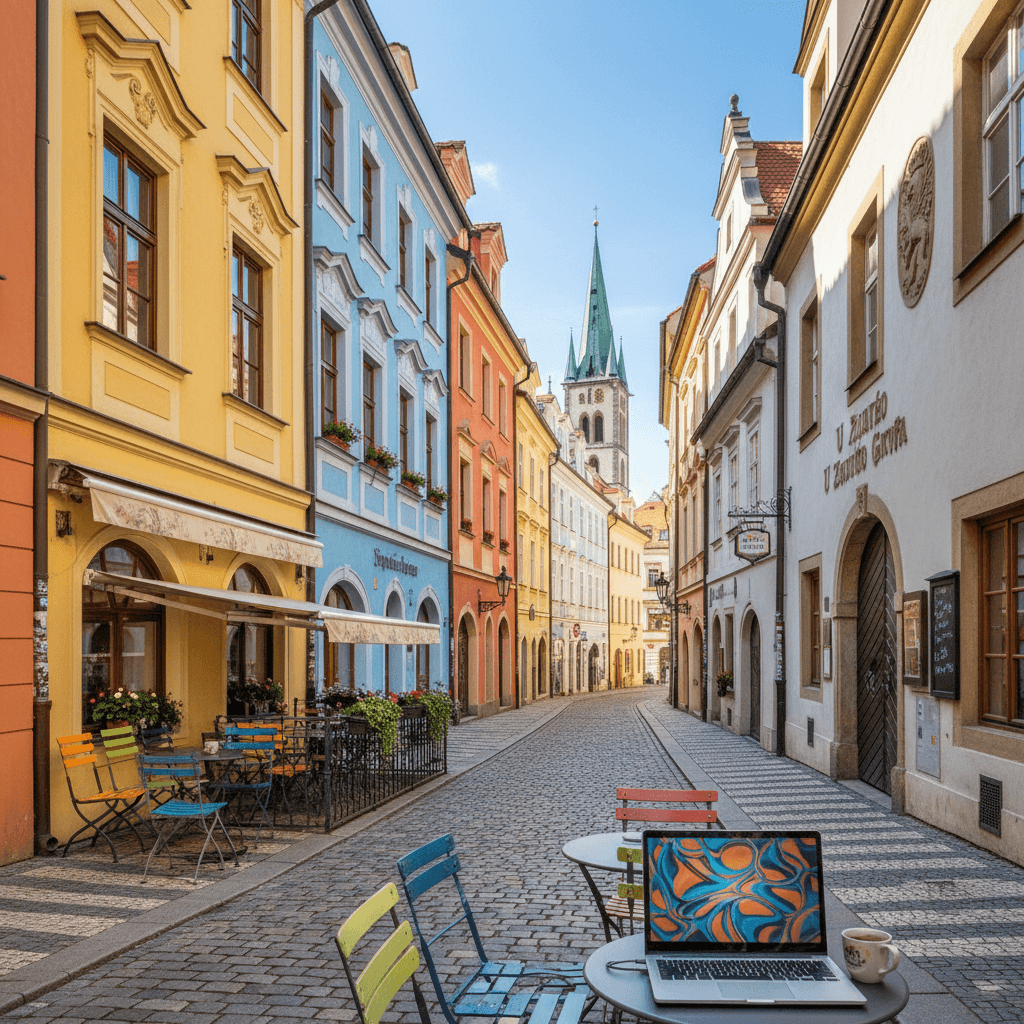
Plzeň feels like the cool, slightly quieter cousin of Prague. While the capital often feels like a museum dedicated to tourism, Plzeň is a living, breathing city where the locals actually outnumber the visitors. It is characterized by a mix of grand Renaissance architecture and a gritty, industrial soul that stems from its history as a manufacturing powerhouse. You will find yourself walking past pastel-colored facades in the Staré Město (Old Town) one minute and stumbling upon a repurposed factory space the next.
The pace here is noticeably slower. Nomads who feel burnt out by the frantic energy of Berlin or Lisbon come here to actually get work done. It is the kind of place where you can spend a Tuesday afternoon sitting in Mlýnská strouha, an area locals call the Venice of Plzeň, watching the water and enjoying a coffee without feeling the need to rush. It is grounded, unpretentious, and deeply rooted in its identity as the world capital of lager.
The Beer Culture
You can't talk about the vibe here without talking about the beer. In many cities, "beer culture" is a marketing gimmick; in Plzeň, it is the civic religion. The Pilsner Urquell Brewery isn't just a tourist site; it's the heart of the city's economy and pride. You will see people of all ages and backgrounds meeting in pubs like Na Parkánu or Lokál Pod Divadlem to share a tank-poured pilsner.
For a nomad, this creates a very social, communal environment. Even if you don't speak much Czech, the shared experience of a pub dinner makes it easy to feel part of the fabric of the city. The cost also helps the mood stay light. With a high-quality meal and a world-class beer often costing under 400 CZK ($17), the financial stress of living in Western Europe simply evaporates here.
Working and Living
While Plzeň doesn't have the massive tech hubs of Brno, it has a growing scene of freelancers and remote workers who value focus. The city is incredibly walkable, meaning you can cross the entire center in 15 minutes. Most nomads gravitate toward the City Centre for the proximity to cafes with reliable WiFi or the Slovany district for a more residential, green feel.
- Connectivity: Expect fast fiber internet in most apartments and decent speeds in cafes. Mobile data is reliable, and O2 or Vodafone SIM cards are easy to grab.
- The Language Gap: English is common among the younger crowd and in the university areas, but you will definitely use Google Translate at the smaller bakeries or the post office. It adds to the feeling of being in an "authentic" Czech city rather than a tourist bubble.
- Safety: It is exceptionally safe. You can walk through the park at 2:00 AM without a second thought, which is a massive plus for solo travelers.
The Seasonal Shift
The vibe changes dramatically with the weather. From June to August, life happens outdoors. The city hosts constant festivals, and the parks are full of people drinking beer and playing music. Temperatures sit comfortably around 23°C (73°F). It is idyllic for those who like to balance work with hikes in the nearby Šumava forests.
In the winter, the city turns inward. From December to February, the grey skies and cold winds (often dipping below 0°C) can be a bit of a slog. However, this is when the cozy, underground pub culture really shines. If you enjoy the "hygge" lifestyle, you will love the candlelit cafes and the smell of roasting meat and hops in the winter air. It is a city for those who want a high quality of life, a bit of grit, and the best beer on the planet at their doorstep.
The Price of the Quiet Life
Plzeň is where your budget finally gets a chance to breathe. While Prague has seen prices skyrocket recently, this beer-centric city remains one of the most affordable hubs in Central Europe for 2025. You get the same Czech infrastructure and high speed internet but for about 20-30% less than you'd pay in the capital.
Most nomads find they can live quite comfortably here on $1,500 to $1,800 a month. If you're really watching your pennies, you can scrape by on $1,100, but that means living slightly further out and swapping the trendy bistros for local pubs. The local currency is the Czech Koruna (CZK), and while cards are accepted almost everywhere, you'll want some cash for those tiny neighborhood pubs where a beer still costs less than a bottled water.
Monthly Budget Breakdown
- Housing (Studio/1BR): Expect to pay between 12,000 and 17,000 CZK ($520 to $740) for a modern spot near the center. If you look toward the outskirts or older panelák buildings, you can find deals closer to 12,000 CZK ($520).
- Utilities and Internet: High speed fiber is standard. Budget around 4,000 to 6,000 CZK ($175 to $260) for electricity, heating, and 100 Mbps+ web service.
- Groceries: Shopping at Albert or Lidl will run you roughly 5,000 to 7,000 CZK ($220 to $300) a month. Local produce at the markets is affordable and usually better quality.
- Transport: A monthly pass for the city's excellent tram and bus network is a steal at roughly 500 CZK ($22).
Eating and Drinking
Dining out is one of the biggest perks of living here. You can grab a hearty lunch special, usually a soup and a main like goulash or schnitzel, for about 180 to 220 CZK ($8 to $10). Dinner at a nicer mid-range spot in the Old Town usually lands between 350 and 500 CZK ($15 to $22) including a drink.
Then there's the beer. As the home of Pilsner Urquell, the quality is world class and the price is shockingly low. A large draft beer in a local pub typically costs 55 to 70 CZK ($2.40 to $3.00). If you're coming from London, New York, or even Prague, your bar tab will feel like a mistake in your favor.
Working and Coworking
Plzeň doesn't have the massive "nomad hubs" you'll find in Lisbon or Bali, so many remote workers stick to the city's cozy cafe scene. Spots like Kavárna v bezpečí or the various shops near the Republic Square offer reliable WiFi for the price of a coffee. For a more formal setup, look for local tech incubators or shared spaces near the University of West Bohemia.
- Daily Coworking Pass: Roughly 300 to 450 CZK ($13 to $20).
- Monthly Dedicated Desk: Expect to pay around 4,000 to 6,000 CZK ($175 to $260).
- SIM Card: A prepaid 10GB data plan from O2 or Vodafone costs about 500 to 800 CZK.
The Bottom Line
Expats often recommend Plzeň for those who want to save money without sacrificing the European lifestyle. You'll spend significantly less on rent and social life than you would in Western Europe, allowing you to tuck away savings or travel more frequently to nearby Germany or Austria via the easy train connections.
For Solo Nomads: Staré Město (Old Town)
If you want to be in the thick of it, the historical center is your base camp. It's a pedestrian friendly maze of pastel facades and cobblestones centered around Republic Square. You'll find the most reliable Wi-Fi at spots like Kafe v podchodu or the cozy Pappa Coffee, where the staff generally speaks enough English to make ordering easy.
Living here means you're steps away from the Mill Race park and the city's legendary beer halls. It's the most social part of Plzeň, which is important because the nomad community here is smaller than in Prague. You'll likely meet other internationals at the Francis Pub or during brewery events. Expect to pay a premium for the location, with studios running between 15,000 and 20,000 CZK per month.
- Pros: Maximum walkability, best cafe access, beautiful architecture.
- Cons: Higher rent, can get noisy during summer festivals.
- Top Spot: The area immediately surrounding St. Bartholomew’s Cathedral.
For Expats and Long-Termers: Jižní Předměstí
Located just south of the main center, this neighborhood offers a more authentic "local" feel without sacrificing convenience. It's home to many of the city’s university buildings and tech leaning spaces, making it a favorite for those staying six months or longer. The rents are slightly more forgiving than the Old Town, usually hovering around 13,000 to 17,000 CZK for a decent one bedroom apartment.
Expats often choose this area because it balances quiet residential streets with quick access to the Borský Park, the largest green space in the city. It's also well connected by the tram system, so you can reach the brewery or the main train station in under ten minutes. You'll find more supermarkets and local gyms here than in the tourist heavy center.
- Pros: Better value for money, close to Borský Park, less "touristy" feel.
- Cons: Fewer English menus in the smaller pubs.
- Top Spot: Streets near the Masarykovo Square tram stop.
For Families: Mlýnská Strouha and Slovany
Families often gravitate toward the Mlýnská Strouha area, frequently called Plzeň’s Venice. It's a lush green belt with ponds and walking paths that feels like a private escape, even though it's technically right on the edge of the center. It's perfect for those who need a quiet environment for kids but still want to walk to a bistro for lunch.
Further out, the Slovany district is the go-to for a suburban lifestyle. It's incredibly safe, packed with schools, and features the city's best swimming pool complex. Rents here are the most competitive, often starting around 12,000 CZK for older flats. While you'll rely more on the tram, the line 1 and 2 service is frequent and runs late into the night.
- Pros: Quiet nights, proximity to playgrounds, lower cost of living.
- Cons: Requires a 15 to 20 minute commute to the central social hubs.
- Top Spot: The residential pockets near Homolka Park.
For Budget Travelers: Near the Main Station (Nádraží)
If you're only in town for a few weeks and want to maximize your travel budget, look at the streets between the Central Train Station and the Pilsner Urquell Brewery. While station areas in some cities can feel gritty, Plzeň’s is relatively clean and safe. This location is unbeatable for day trips to Prague or the Šumava mountains, with train tickets often costing less than 200 CZK.
You'll find several guesthouses and budget apartments here that cater to short term stays. It's a practical choice for those who prioritize transport links over a picturesque view from their window. You're also right next to the brewery, which means fresh beer and hearty goulash are always less than five minutes away.
- Pros: Cheapest accommodation, best transport links, close to the brewery.
- Cons: Lacks the charm of the Old Town, can feel a bit industrial.
- Top Spot: The blocks along Americká street for easy access to everything.
The Connectivity Standard
You won't have to worry about the "digital" part of being a digital nomad here. The Czech Republic consistently ranks among the top European countries for internet speeds, and Plzeň is no exception. Most apartments and cafes offer reliable fiber connections reaching between 100 Mbps and 500 Mbps. If you're setting up a home office, providers like O2, Vodafone, and T-Mobile are the standard. Expect to pay around 500 CZK to 800 CZK per month for a solid home line.
For mobile data, the city is blanketed in 5G. If you're just arriving, grab a prepaid SIM from a Vodafone or O2 shop in the city center for about 400 CZK including data. If your phone supports it, Airalo or Holafly eSIMs work perfectly, though local physical SIMs usually offer better data packages for longer stays. Most nomads find that a 10GB to 20GB plan is more than enough for navigating the cobblestone streets and occasional hotspotting.
Coworking Spaces and Productive Hubs
Plzeň doesn't have the massive "nomad factory" feel of Prague, but that's part of the charm. The coworking scene is smaller and more community focused. You won't find twenty different brands, but the spots that do exist are high quality and filled with local tech talent and creative freelancers.
- DEPO2015: A massive creative zone in a former bus depot. While it's known for exhibitions and events, it often has flexible desk space and a very "industrial chic" vibe that appeals to designers and developers.
The Cafe Office Culture
If you prefer the hum of a milk steamer to a dedicated desk, Plzeň has a fantastic cafe culture. Many spots in the Old Town (Staré Město) are laptop friendly, provided you aren't camping out for six hours on a single espresso during the lunch rush. Most cafes expect you to order something every 90 minutes or so.
- Le Frenchie: Located right near the main square, it's stylish and has great pastries. It can get busy, so it's better for a quick morning session than a full workday.
- Kavárna v Podkroví: A cozy, attic style cafe that feels like a hidden retreat. It's generally quieter and perfect for deep work sessions.
- Pappa Coffee: Serious about their beans. It's a favorite for locals who need a caffeine kick and a table for an hour of emails.
- The University Library: If you need total silence, the Studijní a vědecká knihovna is a beautiful place to get through a heavy workload.
Practical Workflow Tips
Since Plzeň is so walkable, many nomads choose to live in the City Centre and walk to their preferred "office" of the day. If you're staying further out, the tram system is cheap and efficient, with a monthly pass costing roughly 500 CZK. You can pay for single fares directly on the tram using a contactless card, which makes getting to a meeting across town seamless.
One thing to keep in mind is that while English is widely spoken in coworking spaces and trendy cafes, smaller neighborhood spots might be Czech only. Having a translation app like DeepL or Google Translate downloaded for offline use is a smart move. Most nomads find that a polite "Dobrý den" (Good day) goes a long way before opening their laptop.
Staying Safe in the Beer Capital
Plzeň is remarkably safe, even by high European standards. You won't find the aggressive tourist scams or pickpocketing rings that occasionally plague Prague's Old Town. Most expats find they can walk through the city center or along the Mill Race paths late at night without a second thought. The vibe here is much more "quiet regional hub" than "gritty urban center."
While there aren't any specific "no-go" zones, use common sense around the main train station (Plzeň hlavní nádraží) late at night, as you'll occasionally run into rowdy groups or loiterers. Standard nightlife precautions apply; the local beer is famously high quality and goes down easy, but keep an eye on your consumption. Czech police are generally professional but don't expect them to speak fluent English. If you need help, the universal emergency number is 112.
- Solo Travelers: Walking alone at night is generally considered safe across all central districts.
- Nightlife: Stick to well lit paths when leaving pubs in the Staré Město.
- Scams: Rarely an issue, but always check your bill at restaurants to ensure no "accidental" extra beers were added.
Healthcare Infrastructure
The healthcare in Plzeň is excellent, anchored by the Fakultní nemocnice Plzeň (University Hospital Plzeň). It is one of the largest and most modern medical facilities in the country. You'll find specialists for almost anything, and many of the younger doctors speak decent English, though administrative staff might not.
Pharmacies, marked by a green cross and the word Lékárna, are everywhere. You can find several in the city center near Republic Square (Náměstí Republiky). For basic ailments like a cold or hay fever, pharmacists are highly trained and can often recommend over the counter fixes without a doctor's visit. If you need a 24 hour pharmacy, the University Hospital in the Lochotín district usually has an emergency window open.
Insurance and Costs
If you're an EU citizen, your EHIC card covers urgent care, but it isn't a substitute for full travel insurance. For digital nomads on the new "Digital Nomad" visa or long term expats, you'll likely need to purchase private health insurance from a provider like PVZP. This is a standard requirement for your residency permit.
- Emergency Number: Dial 112 for a multi-language operator or 155 for a direct line to Czech ambulances.
- Doctor Visits: A standard consultation for non-residents usually costs between 800 CZK and 1,500 CZK ($35 to $65) out of pocket.
- Prescriptions: Medications are generally much cheaper than in the US or UK, often costing just a few dollars for standard antibiotics or painkillers.
Practical Tips for Nomads
The tap water in Plzeň is perfectly safe and actually tastes quite good, so there is no need to constantly buy bottled water. When it comes to mental health, English speaking therapists are harder to find here than in Prague, so many nomads choose to use online platforms or make the 90 minute train trip to the capital for specialized sessions.
Most expats recommend keeping a digital copy of your insurance card and passport on your phone at all times. If you do end up at the hospital, having your insurance details ready will speed up the paperwork significantly. Overall, the peace of mind you get from the low crime rate and high medical standards is one of the biggest perks of choosing Plzeň over more chaotic digital nomad hubs.
Navigating the Beer Capital
Plzeň is one of those rare European cities where you can actually give your legs a rest. The city center is incredibly compact, and most nomads find they can handle 90% of their daily life on foot. Most of the action is clustered around Republic Square (Náměstí Republiky), where the cobblestone streets are largely pedestrianized and easy to navigate.
If you're living a bit further out in neighborhoods like Slovany or Skvrňany, you'll rely on the city's tram and bus network. It's clean, punctual, and remarkably cheap compared to Western European standards. A single ticket usually costs around 24-28 CZK (about $1), but if you're staying for a month or more, grab a monthly pass for roughly 500 CZK ($22). You can buy tickets directly on the vehicle using a contactless credit card, which saves you the headache of hunting for a kiosk.
Public Transit and Apps
The transit system is the backbone of the city. Trams are the primary way to get around the inner rings, while buses handle the outskirts. Everything is run by PMDP (Plzeňské městské dopravní podniky). For scheduling, don't bother with paper maps. Download the IDOS app or use Google Maps, which integrates the local timetables perfectly.
- Trams: Lines 1, 2, and 4 cover the main arteries. Line 4 is particularly useful for getting from the northern suburbs through the center toward the university area.
- Buses and Trolleybuses: These fill the gaps where the tracks don't reach. They run frequently until midnight, after which a limited night bus service takes over.
- Payment: Just tap your Visa or Mastercard on the yellow terminals inside the tram. It's seamless.
Wheels and Rideshares
While the center is walkable, Plzeň has embraced bike-sharing in a big way. You'll see bright pink bikes from Rekola or the silver ones from Nextbike scattered around. It usually costs about 2 CZK per minute, though many nomads prefer the monthly subscription if they're commuting to a coworking spot. The city is relatively flat, but watch out for those tram tracks, they're notorious for catching bike tires.
For late nights or grocery hauls, Bolt is the king of ridesharing here. Uber also operates but has a smaller presence. A typical cross-town trip rarely exceeds 200 CZK ($9). If you need a traditional taxi, avoid hailing them on the street. Use an app or have a restaurant call one for you to ensure you're getting the local rate rather than the tourist markup.
Regional Connections
One of the best perks of living in Plzeň is the ease of escape. The main train station, Plzeň hlavní nádraží, is a beautiful historic building that's been recently renovated. It's a major hub connecting you to the rest of Europe.
- Prague: Fast trains leave every hour. The journey takes about 1 hour and 15 minutes and costs roughly 150 to 200 CZK ($7 to $9). It's easy enough for a day trip or a night out in the capital.
- Munich: You can be in Bavaria in about 3 to 4 hours via the direct express trains.
- The Airport: To get to Václav Havel Airport (PRG) in Prague, most expats take the train to Prague's main station and then hop on the Airport Express bus. Total travel time is usually around 2 hours.
If you prefer the bus for regional travel, RegioJet and FlixBus run frequent services from the central bus station (Centrální autobusové nádraží). These are often slightly cheaper than the train and offer free Wi-Fi and coffee on many routes, making them a favorite for remote workers heading to nearby towns like Karlovy Vary.
The Linguistic Landscape
You'll find that Plzeň hasn't quite reached the English saturation levels of Prague or Brno. While the city is home to the University of West Bohemia and a steady stream of beer tourists, the primary language is Czech. In the city center and at major attractions like the Pilsner Urquell Brewery, staff speak excellent English. However, once you wander into a neighborhood pub in Slovany or need to discuss a lease with a local landlord, the language barrier becomes more apparent.
Expats living here often find that younger locals under 35 are usually comfortable with English, but older generations typically speak Czech or perhaps some German. If you're planning to stay for more than a few weeks, learning the basics isn't just a courtesy; it's a survival tool for daily life at the supermarket or the post office.
Digital Essentials and Communication Tools
Staying connected is rarely an issue. The Czech Republic has some of the most reliable mobile infrastructure in Central Europe. For a quick setup, most nomads grab an Airalo eSIM for immediate data. If you want a local number, head to the Vodafone or O2 shops in the Pilsen Plaza mall. A prepaid SIM with 10GB of data usually runs around 400-600 CZK.
For navigating the language gap, don't just rely on Google Translate. Local expats swear by DeepL for more accurate Czech translations, especially when dealing with formal emails or official documents. If you're looking at a menu that's entirely in Czech, the camera feature on Google Lens is a lifesaver for deciphering whether you're ordering beef or tripe.
- Primary Language: Czech
- English Proficiency: Moderate (High in tourist areas, lower in residential zones)
- Secondary Language: German (often understood by older residents)
- Best Translation App: DeepL for accuracy, Google Lens for menus
Social Etiquette and Basic Phrases
Czech culture is polite but somewhat reserved. You'll notice people always say "Dobrý den" (Good day) when entering a small shop or an elevator, and "Na shledanou" (Goodbye) when leaving. Skipping these small formalities can make you seem dismissive. In pubs, the social ritual is centered around the beer. When clinking glasses, look your companion in the eye and say "Na zdraví!" (To your health). Just remember never to cross your arms with others while clinking; it's considered bad luck.
Here are the phrases that will get you the most smiles from the locals:
- Dobrý den: Good day (formal greeting)
- Ahoj: Hi/Bye (informal, used with friends)
- Děkuji: Thank you
- Prosím: Please (also used for "You're welcome" or "Here you go")
- Mluvíte anglicky?: Do you speak English?
- Jedno pivo, prosím: One beer, please (the most important phrase in town)
- Účet, prosím: The bill, please
Navigation and Practical Apps
To get around like a local, download IDOS or PID Lítačka. These apps are the gold standard for checking tram and bus schedules in real time. For food delivery when you're deep in a work session, Wolt and Foodora are the dominant players in Plzeň. If you need a ride home after a few lagers at Na Parkánu, the Bolt app is generally more active and affordable here than Uber.
Most nomads find that within a month, they've picked up enough "Pilsen-speak" to navigate the city comfortably. While the grammar is notoriously difficult, the locals genuinely appreciate any effort you make to speak their tongue, even if you stumble over the pronunciations.
The Seasonal Cycle
Plzeň follows a classic Central European rhythm, where the seasons dictate everything from the thickness of your goulash to which brewery garden you'll be sitting in. Because it's tucked into the Bohemian basin, it's slightly more sheltered than the wind-whipped highlands, but you'll still experience four very distinct chapters throughout the year.
June through August is arguably the peak for most nomads. Highs hover around 20°C to 25°C (68°F to 77°F), making it perfect for working from the outdoor tables at cafes near Náměstí Republiky. This is also the rainiest stretch, so expect sudden afternoon thunderstorms that clear the air. It's the season of outdoor festivals and "pivo" in the park, particularly around the Mill Race area where the locals congregate.
September and October bring a crisp, golden transition. Many expats prefer this shoulder season because the air is dry and the light hitting the pastel facades of the Old Town is spectacular. Temperatures stay mild enough for long weekend hikes in the nearby Šumava forests, though you'll want a solid jacket once the sun dips.
November through February is the testing ground for long-term stays. It gets grey, and the thermometer often fluctuates between -5°C and 5°C (23°F to 41°F). While the city doesn't get buried in snow as often as it used to, the damp cold can bite. This is the time to retreat into the city's cozy, wood-paneled pubs or the Historical Underground tunnels where the temperature stays a constant, chilly 10°C year-round.
March through May is unpredictable. You might get a week of glorious sunshine followed by a sudden frost. By May, the city's green belt fully wakes up, and the outdoor cafe culture begins to stir again.
Best Times to Visit
- For the Best Weather: June to September. You'll get the longest daylight hours for exploring and the most reliable outdoor working conditions.
- For Beer Lovers: Early October. The Sun in a Glass (Slunce ve skle) festival usually happens in late September or early October, showcasing microbreweries in a way that puts the standard Pilsner Urquell tour to shame.
- For Budget Seekers: November or March. Short-term rental prices often dip, and you won't have to compete with the weekend tour groups from Prague.
What to Pack
Plzeň is a casual city. You won't need a suit unless you're heading to the Great Synagogue for a formal event. Focus on layers and versatility.
- A sturdy umbrella or rain shell: Essential for those summer downpours and the misty autumn mornings.
- Comfortable walking shoes: The cobblestones in the city center are unforgiving on thin soles.
- A heavy coat and thermal layers: If you're visiting between December and February, don't underestimate the Bohemian chill.
- A reusable water bottle: The tap water is excellent and safe to drink.
Climate Snapshot
- Warmest Month: July, with averages around 25°C (77°F).
- Coldest Month: January, with lows frequently hitting -3°C (26°F).
- Wettest Period: May to August, characterized by short, heavy bursts of rain.
- Daylight: Expect up to 16 hours of light in mid-summer, dropping to about 8 hours in the depths of December.
Most nomads find that May, June, and September offer the best balance. You avoid the peak summer humidity and the biting winter winds, leaving you with perfect conditions to enjoy the city's walkable layout and legendary beer gardens.
Connectivity and Tech Setup
Staying connected in Plzeň is straightforward, though you should handle your SIM card setup early. Most expats head straight to the Vodafone or O2 shops in the Plzeň Plaza or OC Olympia malls. A prepaid SIM with a decent data bucket usually starts around 300 CZK. If your phone supports it, Airalo or Holafly eSIMs work perfectly for the first few days, but a local contract is better for long stays. Fiber internet is the standard in city center apartments, with speeds often hitting 250 to 500 Mbps via providers like O2 or Vodafone (formerly UPC).
Getting Around the City
Plzeň is incredibly walkable, especially if you stick to the Staré Město (Old Town) area. For longer hauls, the tram and bus network is punctual and cheap. You can buy tickets via the Moje Plzeň app or by tapping your contactless card on the yellow validators inside the vehicles. A monthly pass costs roughly 500 CZK, which is a steal for the coverage you get. If you prefer wheels but don't want the hassle of a car, look for Nextbike or Rekola stations; these bike sharing apps are popular for quick trips between the brewery and the city center. For late nights, Bolt is the go to ride hailing service here, as Uber has a smaller presence than in Prague.
Money and Budgeting
While the Czech Republic is part of the EU, they use the Czech Koruna (CZK), not the Euro. You'll find that card payments are accepted almost everywhere, from the smallest coffee shops to the largest supermarkets like Albert or Billa. However, it's smart to keep a few hundred koruna in your pocket for local pubs or smaller stalls at the Náměstí Republiky markets. Use Revolut or Wise to avoid poor exchange rates at local ATMs. Avoid the "Euronet" blue and yellow ATMs if you can, as their fees are notorious. Stick to bank affiliated machines like Česká spořitelna or ČSOB for fairer withdrawals.
Language and Social Life
Expect a bit more of a language barrier here than in Prague. While younger people and staff at spots like Kafec Plzeň or Pivotečka usually speak great English, older residents and government clerks might not. Learning a few basics like Děkuji (Thank you) and Prosím (Please) goes a long way. Since the nomad scene is smaller and more intimate, most social life revolves around the Pilsner Urquell Brewery events or Facebook groups like Expats in Pilsen. It's a "quality over quantity" social scene where you're likely to get to know the regulars at your local pub quickly.
Healthcare and Safety
Plzeň is remarkably safe, even late at night. There aren't really any "no go" zones, though the area around the main train station (Hlavní nádraží) can feel a bit gritty after dark. For medical needs, the Plzeň University Hospital (Fakultní nemocnice Plzeň) is a top tier facility. If you're here on a Digital Nomad visa or as an expat, you'll likely need private insurance like PVZP. For minor issues, look for a Lékárna (pharmacy); they are everywhere and the pharmacists are usually very helpful with over the counter recommendations.
Digital Nomad Visa Basics
The Czech Republic has become much friendlier to remote workers with its specific visa paths for non EU citizens, often referred to under the Zivnostensky (trade license) umbrella. You'll need to prove a clean criminal record, show bank statements with roughly $6,000 to $8,000 in savings, and have a confirmed place to stay. Most nomads hire an agency to handle the paperwork, as the process involves a fair amount of Czech language bureaucracy. Once you have it, you can legally work for clients worldwide while enjoying the lower cost of living in West Bohemia.
Daily Essentials
- Tap Water: It's perfectly safe and high quality. No need to waste money on bottled water.
- Tipping: Standard practice is to round up the bill or leave about 10% in restaurants if the service was good.
- Groceries: Visit Farmer’s Markets at the main square on Saturdays for the best local produce.
- Power: Standard European Type C and E plugs (230V).
Need visa and immigration info for Czech Republic?
🇨🇿 View Czech Republic Country GuideEasy Landing
Settle in, no stress