Pilsen
🇨🇿 Czech Republic
The Golden Middle Ground
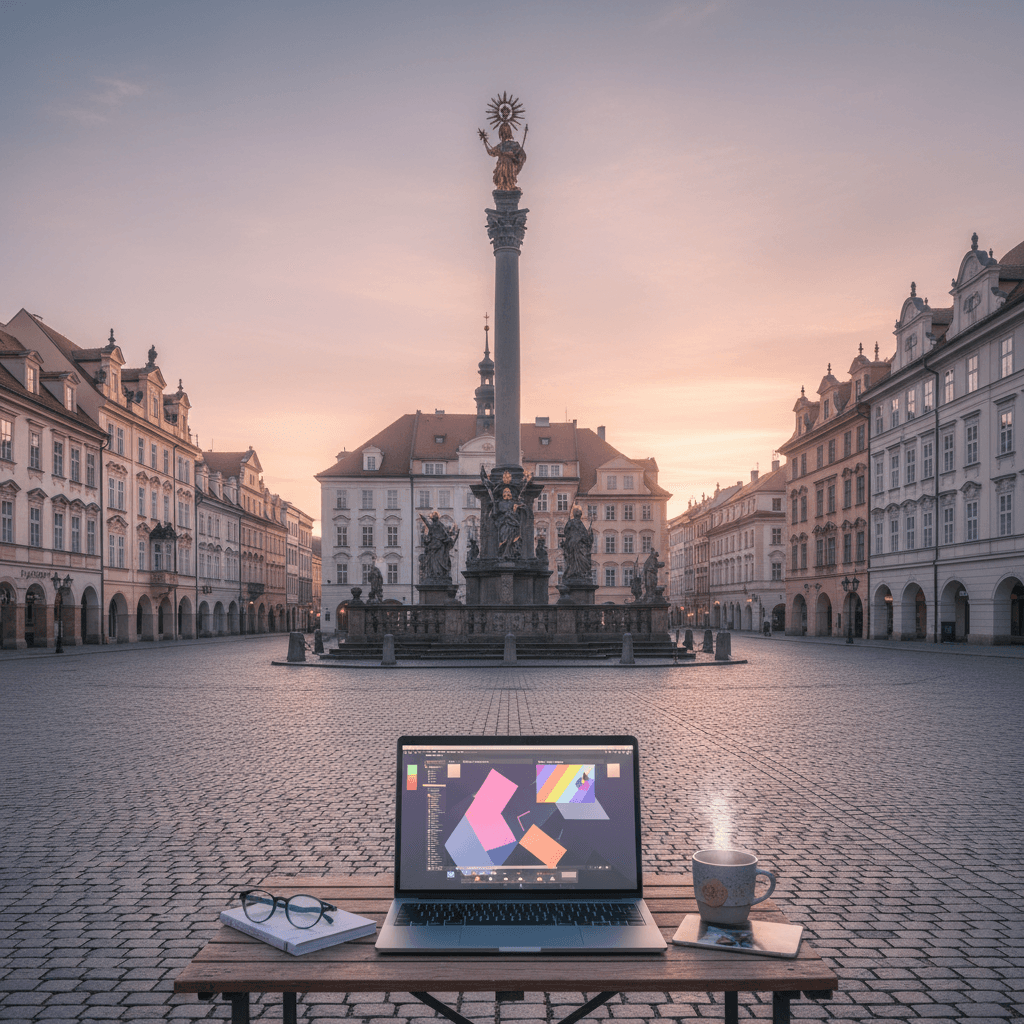
If Prague is the older sibling who never sleeps, Pilsen is the one who found a great career, bought a beautiful apartment, and still knows how to throw a party on a Tuesday. It’s the fourth largest city in the Czech Republic, but it feels like a collection of cozy villages connected by pastel townhouses and the faint, sweet scent of malt. For nomads, the appeal is simple: you get the high-speed infrastructure and safety of a major European hub without the "Disneyfied" crowds or the inflated price tags of the capital.
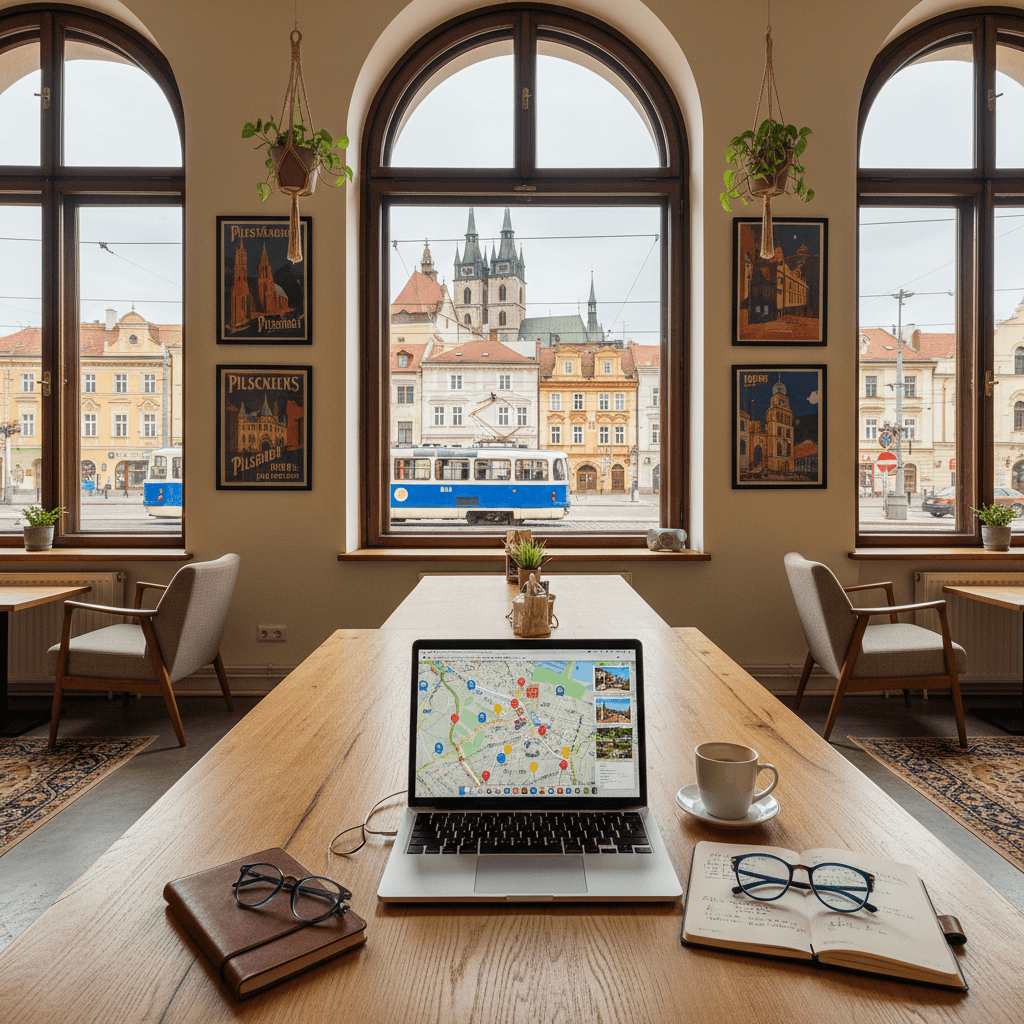
Living here feels like being in on a well-kept secret. You’ll spend your mornings working from a quiet cafe in the Old Town, where the cobblestones are polished by centuries of footsteps rather than thousands of tour groups. By the afternoon, the energy shifts toward DEPO2015, a former bus depot that’s been stripped down and rebuilt into a creative playground. It’s the soul of the city’s modern identity, housing everything from maker spaces and art galleries to a gym and a marketplace where you can grab a quick plate of Svíčková between Zoom calls.
A Culture Built on the Pint
You can’t talk about the vibe here without talking about the beer. This is the birthplace of Pilsner Urquell, and that heritage isn't just a tourist gimmick; it’s the social fabric of the city. Expats often find that the local social scene revolves around the "hospoda" (pub). It’s where business deals happen and where you’ll likely make your first local friends. There’s a certain groundedness to the people here. They’re proud of their history but focused on a high quality of life that prioritizes balance over the hustle.
The city is remarkably compact and pedestrian-friendly. You can walk from the towering spires of St. Bartholomew’s Cathedral to the lush green belt of parks surrounding the center in about ten minutes. This walkability creates a low-stress environment that many nomads find refreshing after stints in sprawling metros like Berlin or London. It’s a place where you actually have time to notice the architecture instead of just rushing past it.
What to Expect on the Ground
Pilsen is a "best of both worlds" destination, but it comes with specific regional quirks that you should be prepared for:
- The Cost Advantage: You’re looking at a lifestyle that costs roughly 20% to 30% less than Prague. A comfortable life here for a solo nomad usually sits between €2,000 and €2,800 a month, including a central studio and plenty of dining out.
- The Winter Reality: The "brutal winter" reputation is real. From December through February, the sky can stay a stubborn shade of grey. This is the time to lean into the cozy indoor cafe culture or use Pilsen’s excellent rail links to explore the rest of Europe.
- The Language Gap: While younger locals and those in the tech or beer industries speak great English, you’ll find that a few words of Czech go a long way. Starting a conversation with "Dobrý den" (Good day) opens doors that stay closed to those who don't try.
- Digital Infrastructure: Don’t let the medieval buildings fool you. The internet is fast and reliable, usually averaging 40 Mbps. Most nomads find that the cafe culture is welcoming to laptops, especially in the areas surrounding the main square.
The Emotional Experience
There is a specific kind of peace that comes with living in a city that knows exactly what it is. Pilsen isn't trying to be the next Silicon Valley or a Mediterranean party strip. It’s a sturdy, beautiful, and functional city that values tradition as much as it does the "new" energy coming from its student population and growing expat community. It’s safe, it’s affordable, and there’s a sense of permanence here. When you sit down with a fresh mug of lager at the brewery after a long day of work, you’ll realize that Pilsen isn't just a place to stay; it's a place where you can actually hear yourself think.
Budgeting for the Beer Capital
If you have been eyeing Prague but are put off by the capital's rising prices and tourist swarms, Pilsen is the strategic alternative. You are looking at a cost of living that typically sits 20% to 30% lower than Prague, allowing your budget to stretch significantly further without sacrificing that classic Bohemian lifestyle. Most nomads find they can live quite comfortably here for a fraction of what they would spend in Western Europe or North America.
The currency is the Czech Koruna (CZK), and while card payments are standard in the Old Town, keeping some cash on hand for smaller local pubs is a smart move. Expect to spend most of your budget on housing, as the rental market has tightened slightly, though it remains a bargain compared to regional hubs like Munich or Vienna.
Monthly Budget Tiers
- The Budget Nomad: €1,200 to €1,800. This lifestyle involves staying in shared housing or modest apartments outside the immediate center. You will be eating mostly at local spots like DEPO2015, using the excellent public transit system, and keeping your paid coworking to a minimum.
- The Mid-Range Professional: €2,000 to €2,800. This is the sweet spot for most expats. It covers a private studio or one bedroom apartment in the Old Town, regular meals out at mid-range bistros, a dedicated desk at a coworking space, and plenty of weekend trips to nearby forests or cities.
- The High-End Resident: €3,000+. At this level, you are looking at premium renovated apartments, frequent dining at upscale brewery restaurants like those at Pilsner Urquell, and private car rentals or frequent travel across the border.
Housing and Utilities
Rent will be your largest fixed cost. A modern one bedroom apartment in a central neighborhood usually runs between €500 and €800 per month. If you are looking for short term stays through platforms like Booking.com, expect to pay a premium. Utilities, including high speed internet, heat, and electricity, generally add another €150 to €200 to your monthly bill. Most nomads recommend looking for "poplatky" (utilities) included in the price to avoid surprises during those cold Czech winters.
Food and Drink
Pilsen is incredibly affordable when it comes to sustenance, especially if you stick to the daily lunch menus (denní menu) offered by most restaurants. These are typically served between 11:00 AM and 2:00 PM.
- Quick Czech Eats: A hearty plate of goulash or street food costs between €5 and €8.
- Mid-Range Dinner: A nice meal for one at a local bistro will run you €15 to €20.
- A Pint of Pilsner: Expect to pay €2 to €3 for the best beer in the world; it is often cheaper than bottled water in many establishments.
- Groceries: A weekly shop at local markets or supermarkets like Albert or Billa averages €40 to €60 for one person.
Transport and Connectivity
The city is compact and highly walkable, so you might find you rarely need the bus or tram. When you do, it is cheap. A monthly transit pass is very affordable, and a train ticket to Prague for a day trip usually costs under €10. For your digital life, a local SIM card from providers like Vodafone or O2 with a solid data plan will cost you about €10 to €20 per month. Coworking prices are stable, and many nomads save money by working from laptop friendly cafes in the Old Town for the price of a coffee and a pastry.
Digital Nomads: The Historic Core
For most nomads, the Old Town (Vnitřní Město) is the only place to be. It’s the city’s heart, filled with pastel facades and those quiet, cobblestone streets that make your morning walk to a cafe feel like a movie set. You’ll be within a 10 to 15 minute walk of almost everything, including the main train station and the legendary Pilsner Urquell Brewery.
The vibe here is significantly more relaxed than Prague. You won't find massive crowds blocking your path, which makes it easier to actually focus on work. Most nomads gravitate toward DEPO2015, a creative hub in a former bus depot just south of the center. It houses a cafe that doubles as a casual workspace, surrounded by art installations and local startups. It’s the closest thing the city has to a dedicated nomad headquarters.
- Monthly Rent: Expect to pay between €600 and €850 for a modern studio or one bedroom apartment in the center.
- Work Setup: High speed fiber is standard here, usually hitting 40 Mbps or higher.
- Top Perk: Total walkability. You can ditch the transit pass and reach the best bars and workspaces on foot.
Expats and Long-Term Residents: Jižní Předměstí
If you’re staying for six months or longer, look just south of the historic center toward the Jižní Předměstí district. This area feels more "real world" and less "tourist postcard." It’s home to the University of West Bohemia, which keeps the energy young and the prices for a pint of beer even lower than in the Old Town.
Expats often choose this area because the apartments are typically larger and more modern than the cramped historic buildings in the center. You’re still close to the action, but you get a bit more breathing room and easier access to local grocery stores and gyms. It’s a safe, quiet neighborhood where people actually recognize their neighbors.
- Monthly Rent: A spacious one bedroom apartment often runs €550 to €750, offering better value than the Old Town.
- Daily Life: This area is dotted with local pubs where a traditional Czech lunch special costs around €6 to €8.
- Connectivity: Excellent tram links connect you to the rest of the city in under 10 minutes.
Families: Greenery and Quiet
Families usually head toward the edges of the city center where the park systems begin. The areas near Borský Park are a favorite because they offer massive green spaces, playgrounds, and walking trails while remaining a short tram ride from the city services. The streets are exceptionally safe, and the air quality is better than in the denser urban pockets.
Living here means you’re trading the immediate proximity of late night bars for a higher quality of life. You’ll find more residential complexes with dedicated parking and courtyards. It’s the kind of place where you’ll see locals jogging or taking their kids to the zoo on weekends. While it’s further out, the reliable public transport system means you’re never truly isolated.
- Monthly Rent: Larger two or three bedroom apartments range from €800 to €1,100.
- Atmosphere: Peaceful, suburban feel with plenty of room for strollers and outdoor activities.
- Safety: Pilsen is generally very safe, but these residential zones are particularly family friendly with almost zero nightlife noise.
Solo Travelers: The Brewery District Fringe
If you’re only in town for a few weeks, staying near the Pilsner Urquell Brewery or the eastern edge of the Old Town is your best bet. This puts you at the crossroads of the city’s social life. You’ll be steps away from the best beer halls and the riverfront, which comes alive in the summer months with pop up bars and events.
Solo travelers find it easy to meet people here because the community is compact. You’ll likely run into the same people at the local cafes or the brewery tours. Since English proficiency is high among the younger crowd in these central spots, striking up a conversation over a €2.50 beer is the standard way to build a social circle quickly.
- Food Costs: A mid range dinner at a brewery restaurant will cost about €15 to €20, while street food is even cheaper.
- Social Scene: Focus on the area around Republic Square for the highest concentration of English speaking locals and fellow travelers.
- Budget: A solo traveler can live comfortably on a mid range budget of €2,200 per month, including frequent dining out and social activities.
Connectivity and Speed
You won't have to worry about the "black hole" effect when moving from Prague to Pilsen. The city is fully integrated into the Czech Republic's high speed infrastructure, typically delivering download speeds around 50-100 Mbps and upload speeds around 20 Mbps. Low latency of about 20ms makes it reliable for video calls and heavy uploads.
For mobile data, skip the international roaming and grab a local SIM card immediately. Vodafone and O2 are the most reliable providers here. You can pick up a prepaid data plan for roughly €10 to €20 per month, which is plenty for keeping your maps and messaging apps running while you're out exploring the Old Town. Just remember to notify your bank before you start using your cards locally to avoid any security freezes.
Coworking and Community Hubs
Pilsen doesn't have the massive, corporate coworking chains you'll find in larger capitals, which is part of its charm. The scene is more creative and community focused. Most nomads head straight to DEPO2015. This former bus depot has been transformed into a massive creative zone that perfectly captures the city's industrial past and modern future.
- DEPO2015: This is the heartbeat of the local nomad scene. It’s a marketplace, art space, and cafe all in one. The onsite cafe is the default "office" for many, offering reliable WiFi and a steady supply of caffeine and Czech snacks.
- Old Town Cafes: The pedestrianized center is packed with cozy spots that are work friendly. Most owners are used to seeing laptops, provided you keep the coffee orders coming.
- National Networks: While specific dedicated coworking offices in Pilsen fluctuate, the city aligns with the broader Czech trend of affordable desk rentals, usually falling 20% to 30% below Prague prices.
The Cafe Office Culture
Working from cafes is a standard part of the lifestyle here. In the Old Town, you'll find pastel facades and quiet cobblestone streets that hide modern interiors with strong WiFi. English proficiency is generally high in these nomad friendly spots, so you won't struggle to ask for the password or an extra espresso shot.
Expats recommend sticking to the central districts for the best connection stability. If you're staying in a historic apartment, always ask the host for a Speedtest screenshot before booking, as thick stone walls in older buildings can sometimes play havoc with internal WiFi signals. If the home internet fails, the public transport system is a surprisingly good backup; many of the trains running between Pilsen and Prague offer free, reliable WiFi that stays connected even at high speeds.
Practical Tech Checklist
- Local SIM: Vodafone or O2 (€10-20/month).
- Power: Standard European Type C or E plugs.
- Backup: Use the train WiFi on the 1.5 to 2 hour trip to Prague if you need to work on the move.
- Atmosphere: Expect a quiet, focused vibe in cafes rather than a high energy networking scene.
Personal Safety and Street Smarts
Pilsen is remarkably safe, even by high European standards. Most nomads find the city much more relaxed than Prague, with a lower risk of the petty crimes like pickpocketing or taxi scams that occasionally plague the capital. The streets are well lit and the compact nature of the Old Town means you're rarely in a truly isolated area. Locals are generally friendly, and while they might seem reserved at first, they're helpful if you run into trouble.
There aren't any specific "no-go" neighborhoods to worry about, though like any city, the areas around the main train station (Plzeň hlavní nádraží) can feel a bit gritty late at night. Stick to the pedestrianized core and the well trafficked routes near DEPO2015 and you'll likely never feel uneasy. If you're out late enjoying the local beer culture, walking home is usually perfectly fine, but apps like Bolt or standard radio taxis are reliable options if you'd prefer a ride.
General safety tips for the city include:
- Keep an eye on your belongings in crowded spots like the Pilsner Urquell Brewery tours or busy market days at Republic Square.
- Use the 112 emergency number for any urgent police, fire, or medical needs. It's the standard EU line and operators usually speak English.
- Watch your footing on the historic cobblestones during the winter months, as they can become incredibly slick when the "brutal" Czech frosts set in.
Healthcare Access for Nomads
The Czech healthcare system is high quality and very efficient. For minor ailments, your first stop should be a pharmacy, marked by a green cross and the word Lékárna. Pharmacists here are highly trained and can often provide over the counter solutions for things that might require a prescription in other countries. You'll find several reliable pharmacies around the city center, particularly near the Plzeň Plaza shopping mall.
For more serious issues, the University Hospital Pilsen (Fakultní nemocnice Plzeň) is the primary medical hub for the region. It's a massive facility with English speaking specialists. Expats recommend heading to the emergency department if you have an acute issue outside of standard business hours.
Health Insurance and Requirements
If you're staying in Pilsen on a long term visa or the digital nomad registration, having the right insurance isn't just a suggestion; it's a legal requirement. The rules for 2025-2026 are strict regarding the type of coverage you need.
- Travelers and Short-termers: Standard travel insurance like SafetyWing or World Nomads is usually sufficient for stays under 90 days.
- Long-term Residents: If you're applying for a business visa or the digital nomad track, you must have "comprehensive" medical insurance from an approved Czech provider. PVZP is the most common choice for expats.
- Cost: Budget roughly €800 to €1,200 per year for a comprehensive local policy, depending on your age and coverage level.
- Documentation: Always keep a digital copy of your insurance card and passport on your phone. Most clinics will want to see your physical card or a printed confirmation before treating you.
Dental care in Pilsen is also excellent and significantly cheaper than in Western Europe or the US. Many expats actually travel here specifically for dental work. A standard cleaning or checkup will typically run you between €40 and €70. Just be sure to book a few weeks in advance, as the best English speaking dentists in the city center tend to have full calendars.
Foot Power and the Old Town
Pilsen is a dream for anyone who hates a long commute. The city center is incredibly compact, and you can cross most of the historic Old Town in about 15 minutes on foot. The streets are a mix of smooth pavement and traditional cobblestones, so leave the thin heels at home. Most nomads find they rarely need wheels if they're staying near the central square, as the walk from the cathedral to the DEPO2015 creative hub is a scenic stroll through local parks and along river trails.
The Tram and Bus Network
When the weather turns or you're heading further out, the public transport system is reliable and cheap. Pilsen uses a mix of trams, trolleybuses, and standard buses that cover every corner of the city. You'll find that services run frequently, even on weekends. Instead of fumbling with paper tickets, most expats recommend using a contactless bank card to pay directly on the vehicle. Just look for the yellow validators near the doors. A single journey usually costs around 20 to 30 CZK, making it one of the most affordable systems in Central Europe.
Regional and International Rail
Pilsen serves as a major crossroads between Eastern and Western Europe, which is a huge draw for travelers using the city as a base. The main train station, Plzeň hlavní nádraží, is a beautiful historic building that's been modernized with clear signage and digital boards.
- Prague: Fast trains leave every hour and take about 90 minutes. Tickets are roughly 150 to 250 CZK.
- Munich: You can reach Germany in about 3 to 4 hours, perfect for a weekend getaway.
- Onboard Perks: Most regional express trains offer free WiFi and power outlets, so you can stay productive while you travel.
Getting from the Airport
Pilsen doesn't have its own commercial airport, so you'll likely fly into Václav Havel Airport Prague (PRG). Getting to Pilsen from there is straightforward. You can take the Airport Express bus to Prague's main station and then hop on a train, or catch a direct long-distance bus like RegioJet or FlixBus which often stops at the airport. The total travel time is usually under 2 hours and costs around 300 to 500 CZK depending on how early you book.
Cycling and Scooters
The city is becoming increasingly bike-friendly, especially with the trails that follow the four rivers meeting in the center. You'll see locals and students zipped around on shared electric scooters during the warmer months. While there isn't a massive city-wide bike share program like you'd find in London or Paris, several shops near the center offer daily rentals if you want to explore the surrounding forest trails or ride out to the Bolevec ponds for a summer swim.
Ride-Hailing and Taxis
While you won't find the same density of drivers as in Prague, ride-hailing apps do operate here. Bolt is generally the most reliable option for digital nomads, offering transparent pricing so you don't have to worry about the "tourist tax" sometimes associated with street taxis. Most trips within the city limits will run you between 120 and 250 CZK. If you do use a traditional taxi, always ensure the meter is running or agree on the price before the car starts moving.
The Linguistic Landscape
While Czech is the official language, you'll find that Pilsen is quite accessible if you're coming with a solid grasp of English. Because it's a major university hub and a center for international industry, most locals under 40 speak English well. In the Old Town, specifically in cafes and spots like the Pilsner Urquell Brewery, English is the standard second language.
That said, don't expect the same level of English saturation you'd find in Prague. In local supermarkets or when dealing with government officials for your Digital Nomad Registration, the language barrier can feel a bit more real. Most nomads find that a friendly "Dobrý den" (Good day) goes a long way in softening any initial friction. If you're heading to DEPO2015 for a workshop or a coffee, the crowd is generally younger and very comfortable switching to English.
Digital Communication and Connectivity
Staying connected is rarely an issue here. The city is blanketed in high speed 4G and 5G networks. If you're looking for a local SIM, expats usually recommend Vodafone or O2. You can pick up a prepaid data plan for roughly €10 to €20 a month, which is plenty for tethering if your apartment WiFi hits a snag.
- Average Download Speed: 50-100 Mbps
- Average Upload Speed: 20 Mbps
- Local SIM Cost: €10 to €20 per month
- Latency: ~25ms
For remote work, the city's cafe culture is your best friend. While dedicated coworking spaces are still emerging, many travelers use the cafe at DEPO2015 as a de facto office. It's got the right mix of industrial aesthetics and reliable internet. Just remember to bring your own power bank if you plan on staying for more than a few hours, as outlets in older buildings can be scarce.
Bridging the Gap
If you're staying for more than a month, learning a few "survival Czech" phrases is highly recommended. It’s a notoriously difficult Slavic language with complex grammar, but locals genuinely appreciate the effort. You don't need to be fluent; just knowing how to order a beer or ask for the check makes a difference in how you're treated.
- Dobrý den: Good day (Standard greeting)
- Děkuji: Thank you
- Prosím: Please / You're welcome
- Pivo, prosím: A beer, please (The most important phrase in Pilsen)
- Účet, prosím: The bill, please
For everything else, Google Translate is the industry standard. The "Lens" feature is particularly helpful for translating menus at traditional Czech pubs where English versions might not be available. Most nomads also join local Facebook or Reddit groups to stay updated on community events, as these are often where the best English language social meetups are organized.
Practical Interaction Tips
Czech communication tends to be direct and slightly reserved at first. Don't mistake a location of small talk for rudeness; it's just the local style. Once you've visited the same coffee shop three times, you'll likely find the staff opening up. If you're navigating more formal situations, like banking or visa paperwork, it's helpful to have a translation app ready or, better yet, a local friend to help with the nuances of the 2025 residency requirements.
The Seasonal Sweet Spot
Pilsen follows a classic Central European rhythm, where the city transforms dramatically between the seasons. Most nomads find the window from late May to September to be the absolute prime time for a stint here. During these months, the sun stays up late, and the city's famous beer gardens, like the one at the Pilsner Urquell Brewery, become the community's living room.
Daytime temperatures in the summer usually hover around 20°C to 25°C (68°F to 77°F). It is warm enough for shorts and t-shirts while you work from the outdoor tables at DEPO2015, but rarely hits the oppressive heat found in Southern Europe. You might see a few spikes toward 30°C (86°F) in July or August, but these are usually brief. The lack of air conditioning in many historic Old Town apartments is something to keep in mind, though the thick stone walls of older buildings do a decent job of keeping things cool.
Shoulder Season Strategy
If you prefer a quieter vibe and slightly lower prices on short term rentals, aim for April, May, or October. The spring brings a burst of green to the city's ring of parks, and the trails surrounding the center become perfect for afternoon breaks. You will need a light jacket as evening temperatures can dip to 5°C or 10°C (41°F to 50°F), but the crisp air makes the walkability of the Old Town even more enjoyable.
Expats often recommend October for the atmosphere alone. The autumn colors against the pastel facades of the central square are stunning, and the city feels more local once the peak summer travelers head back to Prague. It is also the best time to lean into the heavier Czech comfort food and darker lagers as the air turns brisk.
Surviving the Bohemian Winter
Winter in Pilsen is not for the faint of heart. From December through February, the city can feel quite grey and biting. Temperatures frequently sit between -3°C and 2°C (27°F to 35°F). While the landlocked location means you won't deal with coastal winds, the "brutal" reputation comes from the persistent damp cold and short daylight hours.
Travelers often say the city feels like a different world in December. The Christmas markets in Republic Square bring a much needed glow to the dark afternoons with hot mulled wine and local crafts. If you are a fan of winter sports, Pilsen serves as a solid base; you can hop on a train and be in the Šumava Mountains for skiing or snowboarding in under two hours. However, if you rely on outdoor walks and cafe hopping for your mental health, the deep winter months might feel isolating.
Best Times for Events
- May: The Liberation Festival celebrates the end of WWII with vintage convoys and a massive spike in energy across the city.
- August: Pilsen Busking Fest turns the streets into a massive open air stage, perfect for scouting new cafes and meeting other remote workers.
- October: Pilsner Fest celebrates the anniversary of the first batch of Pilsner Urquell, which is basically the city's biggest annual party.
What to Pack
Because the weather is unpredictable, layering is your best friend. Even in the height of summer, a sudden thunderstorm can drop the temperature by 10 degrees in an hour.
- Summer: Light linens, comfortable walking shoes for cobblestones, and a light rain shell.
- Shoulder Season: A versatile mid weight jacket and waterproof boots for those rainy October days.
- Winter: A heavy parka, thermal base layers, and high quality gloves. The damp cold seeps into your bones if you aren't properly insulated.
Connectivity and Workspace
You'll find that Pilsen keeps you well connected without the premium price tag of Prague. Average download speeds hover around 40 Mbps, and the city is fully blanketed by high speed 4G and 5G networks. For a reliable mobile connection, expats recommend picking up a local SIM from Vodafone or O2. Expect to pay between €10 and €20 per month for a solid data plan.
While dedicated coworking spaces are still emerging, the local cafe culture is very welcoming to laptop users. DEPO2015 is the undisputed hub for the remote work crowd; it's a creative zone in a repurposed bus station that features a cafe, art installations, and plenty of desk space. It’s perfect if you want to work alongside local designers and entrepreneurs. In the Old Town, you'll find several quiet, pastel hued cafes with reliable WiFi where spending a few hours on a project is perfectly acceptable.
Visas and Paperwork
The Czech Republic doesn't have a specific "Digital Nomad Visa" in the traditional sense, but it does offer a pathway for IT and marketing professionals. You'll likely look into a Business Visa combined with the Digital Nomad Registration through the Ministry of Industry and Trade. This requires proof of accommodation, a clean criminal record, and sufficient funds in your bank account.
Keep in mind that for 2025, any supporting documents must be less than 180 days old. Most nomads find it easiest to hire a local consultant to handle the bureaucracy, as the paperwork can be dense and is almost entirely in Czech. Also, remember to notify your bank before you arrive to avoid any card freezes when you first tap for a beer.
Cost of Living Breakdown
Pilsen is significantly more affordable than the capital, often running 20% to 30% cheaper across the board. Living here allows your budget to stretch much further while maintaining a high quality of life.
- Budget Nomad: €1,200 to €1,800 per month. This covers a room in a shared apartment, plenty of street food like smažený sýr, and using the excellent public transit system.
- Mid-Range: €2,000 to €2,800 per month. This gets you a private studio in or near the Old Town, regular meals at mid range restaurants, and a few nights out at the brewery.
- Comfortable: €3,000+ per month. You'll live in a large one bedroom apartment, dine at upscale spots like the Pilsner Urquell Brewery restaurant, and have plenty left over for weekend trips.
Getting Around
The city center is remarkably compact and pedestrian friendly. Most of your daily life will happen within walking distance of the main square. For longer trips, the local tram and bus network is punctual and cheap. If you're coming from Václav Havel Airport in Prague, the easiest route is a bus or train to Prague's main station, followed by a 90 minute train ride to Pilsen. These trains are reliable, usually offer free WiFi, and are a great way to see the countryside.
Local Nuances
English is widely spoken among younger residents and in the hospitality sector, but learning a few phrases like Dobrý den (Hello) and Děkuji (Thank you) goes a long way with the locals. The city is incredibly safe, even late at night, and there aren't really any "no go" zones to worry about. Just be prepared for the weather; winters can be brutal from December through February, so pack a heavy coat if you're staying through the New Year.
Need visa and immigration info for Czech Republic?
🇨🇿 View Czech Republic Country GuideEasy Landing
Settle in, no stress
Monthly Budget Estimates
More cities in Czech Republic
České Budějovice
🇨🇿 Czech Republic
Ostrava
🇨🇿 Czech Republic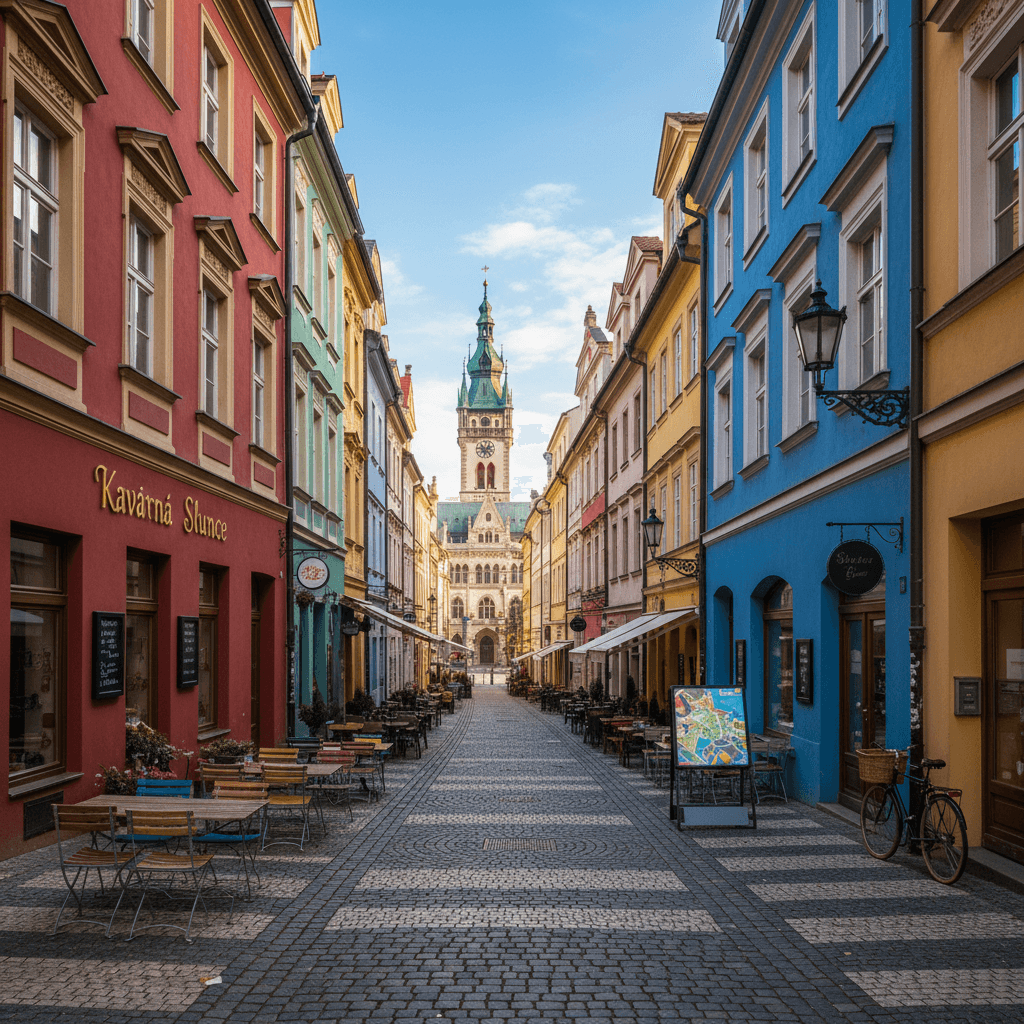
Liberec
🇨🇿 Czech Republic