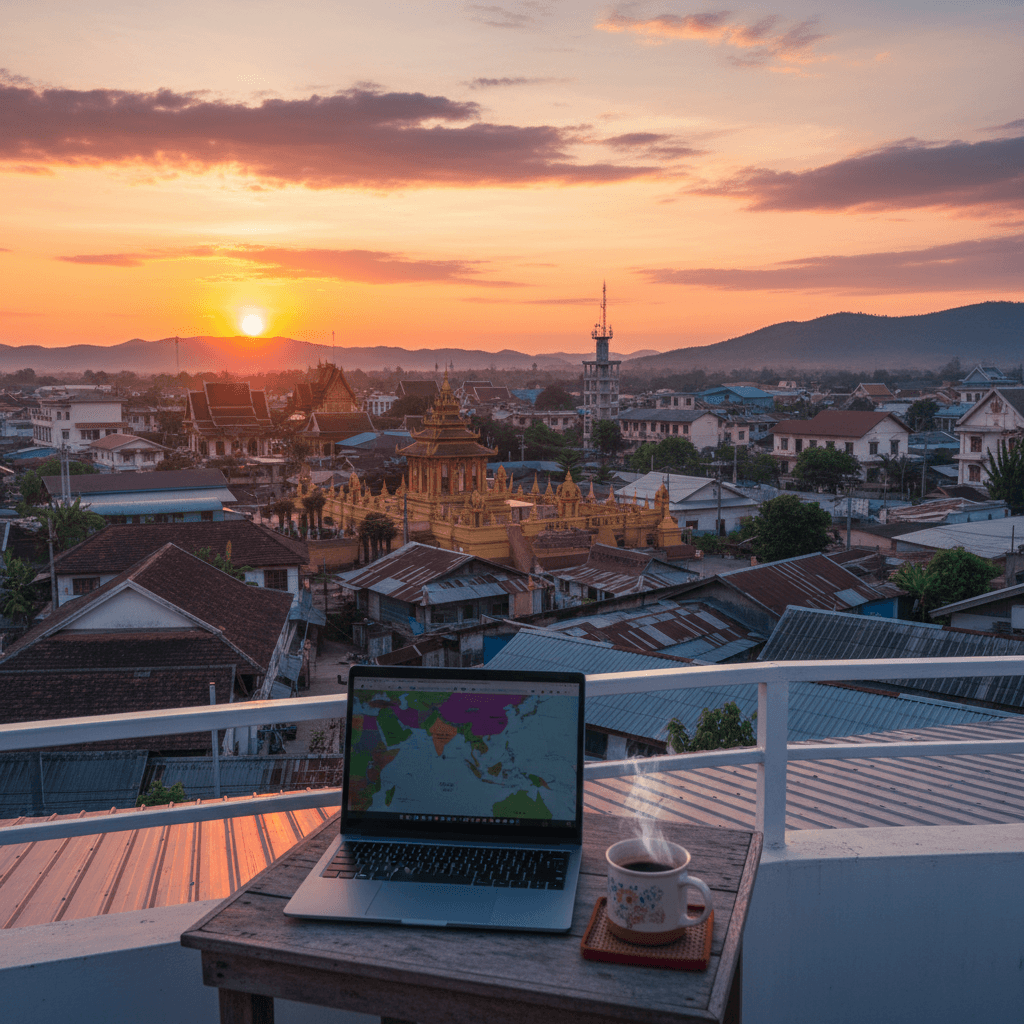
Phonsavan
🇱🇦 Laos
The High-Altitude History Hub
Phonsavan doesn't feel like the rest of Southeast Asia. Perched on a cool, windy plateau in Xieng Khouang Province, it trades the humid jungle heat for pine forests and crisp highland air. It's a place defined by its resilience. Rebuilt entirely after being flattened during the Secret War, the town carries a heavy but fascinating history. Today, it serves as the gateway to the Plain of Jars, a megalithic mystery that brings in a steady stream of archaeologists and history buffs.
For digital nomads, the draw isn't a high-speed tech scene; it's the sheer tranquility. While Luang Prabang feels like a curated museum, Phonsavan feels lived-in and rugged. You'll see Hmong culture front and center, especially during the New Year celebrations. It's a slow-burn destination where the "commute" involves a scooter ride past bomb craters repurposed as fish ponds. It’s affordable and quiet, though the infrastructure is still catching up to the 2025 nomad standard.
Monthly Cost of Living
Living here is significantly cheaper than Vientiane or Luang Prabang. Most nomads find they can live comfortably on $1,100 a month without trying too hard to save. If you're on a strict budget, $800 is doable if you stick to local markets and guesthouses on the edge of town.
- Budget ($800): Rent runs $200 to $300 for a basic room. You'll spend about $5 to $8 a day on street food like noodle soup or grilled pork at the Phonsavan Market.
- Mid-range ($1,100): A central apartment or better guesthouse costs $350 to $500. Daily dining at mid-range spots runs $10 to $15, plus $80 a month for occasional taxis.
- Comfortable ($1,500): For $600 or more, you can snag the best local guesthouses or a small house. You'll have a $150 buffer for weekend trips and upscale meals at French-Lao fusion spots.
Where to Plant Your Flag
Phonsavan is small enough that you're never truly far from anything, but your choice of neighborhood dictates your daily noise levels.
Central Market Area
This is the heart of the action. It's the best spot for solo travelers because everything is walkable. You're steps away from 20,000 LAK ($1) bowls of noodles and the main transport hubs. The downside is the dust and the morning noise from the market vendors starting their day at dawn.
Town Edge (Hillside)
Expats and NGO workers often head for the hills. Places like The Hillside Residence offer better views and a significant drop in temperature. It’s much quieter, but you’ll absolutely need a scooter to get into town for supplies.
The Outskirts
If you want total immersion in nature, there are guesthouses near the archaeological sites. It’s peaceful, but the internet is shaky at best. A major warning for this area: never wander off marked paths due to Unexploded Ordnance (UXO) risks. Stick to the cleared zones managed by groups like MAG.
Connectivity & Remote Work
Don't expect sleek coworking spaces with ergonomic chairs. They don't exist here yet. Most nomads work from their guesthouses or local cafes near the market. 4G is your best friend. Grab a SIM from Unitel or Lao Telecom for about $5 to $10 a month. You'll usually see speeds between 10 and 20Mbps in town, but it drops off fast once you head toward the jars.
Power outages happen, especially during the rainy season. Travelers often recommend carrying a portable power bank and a SmileWifi pocket router as a backup. If you need to focus, the cafes near the main market are generally okay with you parking for a few hours if you keep the coffee orders coming.
Navigation & Safety
The town center is walkable, but to see the sites, you need wheels. Rent a semi-automatic scooter from SU Rental for about $5 to $10 a day. There’s no Grab here, so for longer trips or airport runs, use the Taxiyo app or negotiate with a local driver at the market. A transfer to the Phonsavan airport usually costs around $15.
Safety is rarely an issue regarding crime, but the UXO legacy is real. Always visit the MAG (Mines Advisory Group) center in town before exploring. For healthcare, the Xieng Khouang Provincial Hospital handles basic ailments, but for anything serious, expats usually head to Vientiane or cross the border into Thailand.
Food, Social, and Weather
The social scene is small and revolves around a handful of spots. Tree Town Restaurant & Pub is the go-to for French-Lao fusion and meeting the small expat community of archaeologists and NGO staff. If you want a late-night drink, 7street Phonsavan is one of the few places with a "disco" vibe.
Weather-wise, November to February is the sweet spot. It’s dry and cool, with temperatures between 15°C and 25°C. You'll actually need a jacket here, which is a novelty in Laos. Avoid July and August if you can; the rain is relentless, turning the dirt roads into a muddy mess and making travel to the jar sites a struggle.
Affordability in the Highlands
Living in Phonsavan is a lesson in slow, budget-friendly living. Because it sits away from the typical backpacker circuit of Luang Prabang or Vientiane, your dollar stretches significantly further here. Most nomads find they can live comfortably on $800 to $1,500 USD per month, depending on how much they value creature comforts over local immersion.
The local economy still revolves around the Phonsavan Market, where you can grab a steaming bowl of Khao Piak Sen (noodle soup) or grilled pork for about 20,000 to 40,000 LAK ($1 to $2). If you prefer a sit-down meal at a mid-range spot like Tree Town Restaurant & Pub, expect to pay around 75,000 LAK ($3.50) for high-quality Lao-French fusion.
Monthly Budget Breakdowns
Phonsavan doesn't have a massive luxury market, so your spending usually falls into three distinct tiers based on your housing and dining choices.
The Budget Nomad
- Total Monthly: $800
- Rent: $200 to $300 for a basic room or guesthouse on the town edge.
- Food: $5 to $8 daily by sticking to street stalls and morning markets.
- Transport: $50 for a monthly scooter rental from SU Rental.
- Work: Free by using cafe WiFi.
The Mid-Range Resident
- Total Monthly: $1,100
- Rent: $350 to $500 for a central, modern studio.
- Food: $10 to $15 daily with a mix of local markets and casual restaurants.
- Transport: $80 using local taxis when needed.
- Work: $50 to $100 for premium data plans and cafe spending.
The Comfortable Expat
- Total Monthly: $1,500
- Rent: $600+ for the best available lodging, such as The Hillside Residence.
- Food: $20+ daily dining at upscale hotel restaurants and western-style cafes.
- Transport: $100+ for frequent private transfers and airport shuttles.
Where to Plant Your Flag
Phonsavan is small enough that you won't find traditional neighborhoods, but location still dictates your daily rhythm. The Central Market Area is the heartbeat of the town. It's the best spot for solo travelers because everything is walkable, though it gets noisy during the early morning market rush.
Expats and families usually gravitate toward the Town Edge. These hillside locations offer cooler air and better views, but you'll need your own wheels to get into town. The Outskirts near the Plain of Jars sites are stunning for nature lovers, but the infrastructure is thin and you must stay on marked paths due to UXO risks from the war era.
Digital Infrastructure
Don't expect lightning-fast fiber here. There are no dedicated coworking spaces, so you'll be working from your guesthouse or local cafes. Travelers often find the cafes near the market sufficient for light tasks, but for heavy lifting, you'll want a Unitel or Lao Telecom SIM card. Plans usually cost $5 to $10 a month for 500MB of daily data.
Speeds hover between 10 and 20Mbps in town. For a reliable backup, many pros rent a SmileWifi pocket device for about $4 a day. Always keep a VPN active when using public networks in the city.
Logistics and Getting Around
The town center is walkable, but you'll want a scooter to explore the archaeological sites. SU Rental is the go-to for motorbikes, costing roughly $5 to $10 per day. There is no Grab here, so download the Taxiyo app for airport transfers, which usually run $10 to $20.
For healthcare, the Xieng Khouang Provincial Hospital handles basic ailments and emergencies. However, for anything serious, expats typically head to Vientiane or cross the border into Thailand. Make sure your insurance covers medical evacuation just in case.
Seasonal Reality
The weather dictates the cost of comfort. From November to February, the highlands are dry and cool, with temperatures between 15 and 25°C. This is peak season. During the rainy months of May to October, specifically July and August, the town sees heavy rainfall. While prices might dip slightly, the mud and humidity make remote work a bit more challenging.
For Digital Nomads
If you are landing in Phonsavan to clock some hours while exploring the archaeological mysteries of the highlands, stick to the Central Market Area. This is the town's functional heart. It is not exactly pretty, but it is where the most reliable infrastructure sits. You will be within walking distance of the morning markets for a 20,000 LAK bowl of noodle soup and close to the few cafes that offer stable enough Wi-Fi for light admin work.
Expect to pay between $350 and $500 for a central guesthouse or a mid range room. While there are no dedicated coworking spaces, nomads usually congregate at places like Tree Town Restaurant & Pub. It is one of the few spots with a decent atmosphere and fusion food when you need a break from sticky rice. Just keep a Unitel or Lao Telecom SIM card ready for hotspots, as the town's power grid can be temperamental during the rainy season from May to October.
For Expats and Long Termers
Most expats in Phonsavan are connected to NGOs or archaeological projects like MAG. They tend to gravitate toward the Town Edge, specifically the hillside areas. Living here feels less like a transit hub and more like a mountain retreat. You will find better views and cooler air, which is a massive relief compared to the sweltering lowlands of Vientiane or Luang Prabang.
The Hillside Residence is a common recommendation for those staying months rather than weeks. Renting a more permanent spot on the outskirts can drop your monthly housing costs to $200 or $300, but you will absolutely need to rent a scooter from SU Rental for about $5 to $10 a day. Without your own wheels, the isolation of the hillside becomes a hurdle for grocery runs or socialising.
For Families
Phonsavan is a quiet, safe environment for families, though it lacks the international schools or playgrounds found in larger cities. The Town Edge is again the best bet here, providing more space and less noise than the dusty main strip of Route 7. The air is cleaner, and the pine forests offer a natural playground that most cities in Southeast Asia lack.
For healthcare, families usually rely on the Xieng Khouang Provincial Hospital for minor issues, but the expat consensus is to head to Vientiane or across the border to Thailand for anything serious. A comfortable family lifestyle here runs about $1,500 a month, which covers a larger home, private transport via the Taxiyo app, and frequent dining at mid range eateries where a meal costs around 75,000 LAK.
For Solo Travelers
Solo travelers should stay as close to the Central Market as possible. Since there is no public bus system and no ride hailing apps like Grab, being central saves you a fortune in private taxi fees. You can easily walk to the MAG Visitor Center to learn about the region's history or find a group to split the $10 entry fee for the Plain of Jars sites.
The social scene is small but concentrated. You will likely meet other travelers at the 7street Phonsavan disco or over drinks at local hotel bars. If you are on a budget, you can get by on $800 a month by eating at the night markets and staying in basic guesthouses. Just remember to stick to marked paths when exploring the outskirts; the local history is fascinating, but the unexploded ordnance (UXO) risks in uncleared areas are a reality you have to respect.
Cost of Living Breakdown
- Budget Lifestyle: $800 per month. Includes a basic room on the town edge, street food meals for $5 to $8 daily, and a rental scooter.
- Mid Range Lifestyle: $1,100 per month. Includes a central 1BR apartment, meals at sit down restaurants for $15 daily, and a small budget for weekend trips.
- Comfortable Lifestyle: $1,500 per month. Includes the best available guesthouses, private car transfers, and frequenting upscale French Lao fusion spots.
The Connectivity Reality
Working from Phonsavan requires a bit of a pioneer spirit. You won't find sleek, glass walled coworking spaces with ergonomic chairs and bottomless espresso here. Instead, your office will likely be a wooden table at a quiet cafe or your guesthouse balcony overlooking the pine trees. Most nomads find the 10 to 20Mbps speeds sufficient for emails and basic uploads, but it's not the place for heavy video editing or hosting high stakes webinars without a backup plan.
The local infrastructure is still catching up to the town's post war growth. Power outages occur occasionally, especially during the rainy season from May to October. Expats living here long term usually invest in a high quality power bank and a dedicated mobile hotspot to stay online when the grid flickers. If you're planning a deep work session, head out early; the town's quietest hours are in the morning before the afternoon heat and dust pick up.
Best Spots to Log In
Since there are no dedicated coworking hubs, the local cafe scene serves as the default workspace. Most spots near the Central Market offer free WiFi, though it can be spotty when the clouds roll in. Travelers often recommend these locations for a few hours of laptop time:
- Craters Restaurant & Coffee: A popular haunt for the NGO crowd. It has reliable seating and decent caffeine, though the connection thrives best outside of peak lunch hours.
- Bamboozle Restaurant and Bar: Known for a more relaxed vibe. It's great for afternoon admin work, and the staff won't rush you if you're nursing a coffee for a couple of hours.
- The Hillside Residence: If you're staying on the edge of town, this spot offers a quieter environment with better stability than the crowded market cafes.
Mobile Data and SIM Cards
Your best bet for consistent internet is a local SIM card. Don't rely solely on hotel WiFi, which often struggles to reach every room. Unitel and Lao Telecom are the two heavy hitters in the region. You can pick up a SIM at the airport or any small shop in the market for about 50,000 LAK ($2.50).
Data plans are incredibly affordable. Most nomads opt for monthly packages that offer around 500MB to 1GB per day for roughly $5 to $10 per month. For those who need a bulletproof setup, renting a pocket WiFi device through SmileWifi or Klook before you arrive is a smart move. These usually cost around $4 a day for unlimited data and act as a vital safety net when the cafe router gives up the ghost.
Digital Nomad Essentials
- VPN: Use one on all public networks. It helps with security and can sometimes bypass local throttling on international sites.
- Taxiyo App: Since there's no Grab or Uber, use this for booking reliable transport if you need to get to a specific spot for a meeting.
- Wise: While the town is cash heavy, using Wise for transfers and managing your budget helps avoid the high fees at local banks like Lao Development Bank.
- Offline Maps: Download the Phonsavan area on Google Maps. Signal can drop fast once you head out toward the Plain of Jars sites.
Living and working here is about embracing a slower rhythm. You might not have the fastest pings in Southeast Asia, but the trade off is a tranquil, high altitude environment where your cost of living stays between $800 and $1,500 a month. It's a place for the focused nomad who prefers cool mountain air over the distractions of a big city.
Staying Safe in the Secret Capital
Phonsavan is remarkably safe for its size, but it carries a unique historical weight that you won't find in Vientiane or Luang Prabang. The primary safety concern isn't crime; it's what lies beneath the soil. As the most heavily bombed place on earth per capita, Unexploded Ordnance (UXO) is a real factor here. Stick to well trodden paths and never wander into uncleared fields or forests, especially near the Plain of Jars. Most nomads make a point to visit the MAG (Mines Advisory Group) center in town early on to understand which areas are marked safe for hiking.
Street crime is rare, and you'll likely feel comfortable walking home from a late dinner at 7street Phonsavan. Petty theft exists but isn't a major talking point among the expat community. Travelers often mention that the biggest "danger" is simply the lack of street lighting at night and the occasional stray dog on the outskirts. Keep your wits about you when riding a scooter, as the mountain roads can be slick and gravelly.
Healthcare Infrastructure
Medical facilities in Phonsavan are functional for minor ailments but limited for anything complex. The Xieng Khouang Provincial Hospital is the main hub for locals and expats. While patient safety standards are improving, the equipment remains basic. If you're dealing with a nasty stomach bug or a minor infection, the staff can help, but don't expect Western style private suites.
- Xieng Khouang Provincial Hospital: Located centrally, reachable at +856 61 312166. Open 24/7 for emergencies.
- Pharmacies: You'll find plenty of these around the Central Market. They stock basics like antibiotics and painkillers, but always check expiration dates before buying.
- Emergency Evacuation: For serious trauma or surgery, expats almost universally head to Vientiane or cross the border into Thailand. Make sure your digital nomad insurance covers medical evacuation by air.
Emergency Contacts and Practicalities
If you find yourself in a pinch, don't rely on a fast response from a centralized dispatch. Local expats often keep the hospital's direct line saved rather than calling general emergency numbers. Dial 1195 for general emergencies, but be prepared for a language barrier; having Google Translate or a Lao speaking friend on speed dial is a lifesaver.
Health wise, the high altitude helps keep malaria at bay, but dengue fever is still a risk during the rainy season from May to October. Most long termers use mosquito coils and stay hydrated with bottled water, which is cheap and available at every corner shop. If you have specific prescription needs, bring a three month supply with you, as niche medications are hard to source in the highlands.
Safety Checklist for Nomads
- UXO Awareness: Only visit Jars Sites 1, 2, and 3, or other areas explicitly cleared by MAG.
- Travel Insurance: Must include "repatriation" or "evacuation" to Bangkok.
- Road Safety: Rent your bikes from SU Rental to ensure the brakes actually work before hitting the hills.
- Water: Never drink tap water; 20 liter jugs for your apartment are the standard for expats.
Navigating the Highlands
Phonsavan isn't your typical Southeast Asian hub with a grid of public transport or a fleet of colorful tuk-tuks on every corner. The town is small, quiet, and surprisingly spread out. Because it was rebuilt from the ground up after the war, the layout is functional but lacks a dense urban core. Most nomads find that while the very center is walkable, you'll feel trapped without your own wheels once you want to see the jars or the pine-covered hillsides.
Two Wheels are Better Than Four
Renting a scooter is the gold standard here. It's the only way to reach the outlying Plain of Jars sites without paying for a private tour every day. SU Rental is the local go-to for motorbikes, with prices usually hovering between $5 and $10 per day depending on the bike's condition and your haggling skills.
- The Terrain: Roads in town are paved but can be dusty. If you're heading to the further archaeological sites, expect gravel and red dirt.
- Safety First: Stick to well-trodden paths. Phonsavan is one of the most heavily bombed places on earth. While the major sites are cleared, wandering off-road into the brush is a genuine risk due to unexploded ordnance (UXO).
- Fuel: Small glass bottles of fuel are sold at roadside stalls, but it's better to fill up at the larger stations near the central market before heading out of town.
Taxis and Apps
Don't bother looking for Grab or Indrive; they haven't made it to this corner of the highlands yet. For airport transfers or moving heavy luggage, travelers use the Taxiyo app or website to book private cars. A ride from the Phonsavan airport into the center is negotiable, typically low teens USD and takes about 30 minutes.
If you aren't comfortable on a bike, you can hire a "jumbo" (a larger Lao tuk-tuk) for short hops. You'll find them clustered near the Central Market. Expect to pay about 20,000 to 40,000 LAK for a quick trip across town. Always agree on the price before you hop in, as meters don't exist here.
Walking the Center
If you stay near the market area or Route 7, you can easily walk to most of the town's best eateries like Tree Town or the morning food stalls. The cool climate makes walking much more pleasant than in Vientiane or Luang Prabang. Just keep an eye on the time; street lights are sparse, and the town gets very dark and very private after 9:00 PM.
Leaving Town
Getting to the next destination requires some planning. The local bus station has minivans heading to Luang Prabang or Vang Vieng, but the mountain roads are notoriously winding and can take 7 to 8 hours. Most expats prefer the short flight to Vientiane if they're in a rush, but for the true highland experience, the slow road offers some of the best views in Laos. Just bring some motion sickness tablets; you'll likely need them.
The Communication Landscape
Expect a significant shift in pace when you land in Phonsavan. Unlike the tourist hubs of Luang Prabang or Vientiane, English is far from the default here. Lao is the primary language, and while you'll find basic English at guesthouses and sites like the Plain of Jars, daily life in the markets and smaller eateries requires a bit of linguistic flexibility. Most nomads find that Google Translate with the offline Lao pack is a lifesaver for deciphering menus or negotiating prices at the Phonsavan Market.
The local Hmong community is also prominent here, and you'll often hear Hmong spoken in the streets, especially during the Hmong New Year celebrations in December. This linguistic diversity adds to the town's resilient, post-war character, but it also means you'll need to rely on non-verbal cues. A smile and a polite nop (the traditional Lao greeting with palms together) go a lot further than loud English here.
Essential Phrases for Your Toolkit
Learning even a handful of Lao words changes the way locals interact with you. It shows respect for a community that has spent decades rebuilding. Start with these basics:
- Sabaidee: Hello (The universal opener)
- Khob chai: Thank you
- Laka tao dai?: How much? (Useful when 20,000 to 40,000 LAK is the standard for street food)
- Bor pen yang: No problem / You're welcome
- Sabaidee bor?: How are you?
Staying Connected
Because Phonsavan is remote, your digital lifeline depends on choosing the right provider. Don't rely on hotel WiFi alone, as it tends to be spotty during the rainy season from May to October. Expats and long-termers generally recommend Unitel or Lao Telecom for the best 4G coverage in the highlands. You can pick up a SIM card at the airport or in the town center for about $5 to $10, which usually covers your data for a month.
Speeds typically hover between 10 and 20Mbps in the urban center. If you're planning to work from places like Tree Town Restaurant or local cafes, bring a backup. Many nomads use SmileWifi or Klook pocket units as a fail-safe. If you're handling sensitive data or accessing international banking apps like Wise, travelers emphasize using a VPN, as public networks in the region aren't always secure.
Social Etiquette and Nuance
Communication in Phonsavan is as much about what you don't say as what you do. The culture is conservative and soft-spoken. Raising your voice or showing frustration is considered a major loss of face and won't get you far with landlords or shopkeepers. Travelers often say that a quiet, patient approach is the only way to get things done here.
Keep an eye out for UXO (unexploded ordnance) signage when exploring the outskirts. Communication regarding safety is literal here; if a sign says stay on the path, follow it. Organizations like MAG (Mines Advisory Group) have centers in town where you can learn more about the history of the area, which provides great context for your conversations with locals who lived through the conflict.
Digital Nomad Networking
Don't expect a thriving Slack channel or a dedicated coworking hub. The social scene is small, mostly revolving around NGO workers and archaeologists. Most communication happens in Facebook groups for expats in Laos or through face-to-face meetups at 7street Phonsavan. If you're looking for a community, you'll have to be proactive and introduce yourself at the popular morning markets or the few mid-range eateries in the Central Market Area.
The Highland Escape
Phonsavan is a breath of fresh air, literally. Sitting on the Xieng Khouang Plateau, it lacks the stifling humidity of Vientiane or Luang Prabang. For nomads who've spent too long sweating through their shirts in the lowlands, this town provides a crisp, pine scented relief. It’s a place where you’ll actually want a light jacket after the sun goes down.
The climate here dictates the rhythm of life. Because the town is still recovering its agricultural roots and expanding its tourism, the seasons heavily influence everything from road accessibility to the availability of fresh produce at the central market. You aren't just watching the weather for your weekend plans; you're watching it to see if the internet stays stable or if the road to the Plain of Jars is a muddy mess.
The Peak Season: November to February
This is the sweet spot. The sky is a piercing blue, the air is dry, and the temperatures are perfection. You can expect daytime highs around 23°C to 25°C, while nights can drop to a chilly 10°C. It’s the ideal time for exploring archaeological sites without suffering from heat exhaustion.
- Pros: Best visibility for photographers, comfortable hiking, and the peak of Hmong New Year celebrations in December.
- Cons: This is when the few "upscale" guesthouses like The Hillside Residence fill up fast. Prices for motorbike rentals might tick up slightly.
- Vibe: You'll find more archaeologists and NGO workers grabbing drinks at Tree Town Restaurant and Pub during these months.
The Shoulder Months: March and April
March starts getting warmer, and by April, the "burning season" affects much of Southeast Asia. While Phonsavan’s elevation keeps it cooler than the valleys, smoke from regional agricultural burning can occasionally haze the views. Temperatures creep up toward 28°C. It’s still manageable, but the crispness of the winter is gone.
The Rainy Season: May to October
If you’re a writer or a developer who loves the "cozy rainy day" aesthetic, this might be your time. However, July and August are particularly intense, with rainfall averaging over 250mm. The landscape turns a brilliant, neon green, but the infrastructure struggles. Power outages become more frequent, and the already spotty WiFi in local cafes can become a real headache.
- Pros: The waterfalls nearby are at their most powerful, and the dust of the dry season is completely washed away.
- Cons: Many unpaved roads to remote jar sites become impassable. UXO (unexploded ordnance) risks can increase in muddy, uncleared areas off the beaten path, so sticking to MAG cleared trails is mandatory.
- Rainy Day Survival: Most nomads retreat to the centers of town, using Unitel or Lao Telecom 4G hotspots as backups when the guesthouse router fails.
When to Visit: Summary by Month
- January: 23°C high, 20mm rain. Perfect for trekking.
- July: 28°C high, 260mm rain. Expect 22 days of rainfall. Heavy mud.
- December: 24°C high, 8mm rain. The driest month and the coolest nights.
Expats living here long term suggest arriving in late October. You’ll catch the tail end of the green scenery just as the rains stop and the temperatures drop. It gives you a few weeks to secure a long term rental near the Central Market or the quieter town edge before the December travelers arrive and snatch up the best rooms.
Settling Into the Highlands
Phonsavan is a resilient town that feels worlds away from the humid bustle of Vientiane. Rebuilt entirely after the war, it has a functional, spread-out layout that favors the slow-moving nomad. You'll find a community defined by its cool highland air and a deep connection to the surrounding pine forests. It's the kind of place where you trade high-speed nightlife for quiet evenings by a wood fire.
Expats here are usually a mix of archaeologists, UXO clearance experts, and NGO workers. Most nomads find the tranquility a major draw, though the isolation can be a challenge if you aren't prepared for a slower pace of life. It's affordable, safe, and offers a glimpse into Hmong culture that you won't find in the more tourist-heavy hubs.
Cost of Living
Living in Phonsavan is significantly cheaper than in Luang Prabang or Vientiane. Most mid-range nomads can live comfortably on about $1,100 per month, while those on a tighter budget can get by on $800. Street food at the Phonsavan Market, like grilled pork or noodle soup, usually costs between 20,000 and 40,000 LAK, which is roughly $1 to $2.
Monthly Budgeting
- Budget Tier ($800): Expect to pay $200 to $300 for a basic room on the town edge. You'll stick to market stalls for meals at $5 to $8 a day and use a scooter for transport.
- Mid-range Tier ($1,100): This covers a central guesthouse for $350 to $500. You can eat at sit-down restaurants for $10 to $15 daily and occasionally use taxis.
- Comfortable Tier ($1,500): You'll secure the best available lodging, often at $600+, dine at upscale spots like Tree Town, and have a healthy budget for weekend trips.
Neighborhoods and Where to Stay
Phonsavan doesn't have traditional neighborhoods, but where you land depends on how much peace you need. Most travelers recommend staying near the Central Market Area. It's the most walkable part of town, putting you close to the morning markets and the few reliable cafes. It can be a bit noisy, but it's the only area with a semblance of a social scene.
If you prefer views and cooler air, look toward the Town Edge. Places like The Hillside Residence offer a quieter experience, though you'll definitely need a scooter to get into town for supplies. The Outskirts near the jar sites are beautiful but risky; travelers often warn about UXO risks if you wander off marked paths, and the internet out there is almost non-existent.
Digital Infrastructure
Don't expect dedicated coworking spaces here. You'll be working from your guesthouse or local cafes. For a reliable connection, pick up a Unitel or Lao Telecom SIM card at the airport or market. Data plans are cheap, often around $5 to $10 a month for 500MB per day, but speeds usually hover between 10 and 20Mbps.
Power outages happen, so a backup power bank is a smart investment. Many nomads also use SmileWifi or Klook pocket units as a secondary fail-safe. If you're working with sensitive data, always use a VPN on public cafe networks.
Getting Around
The town center is walkable, but the archaeological sites are spread out. Most expats recommend renting a scooter from SU Rental for about $5 to $10 a day. There's no Grab here, so download the Taxiyo app for local transfers. A taxi from the airport usually runs between $10 and $20 depending on your negotiation skills.
Health and Safety
The biggest safety rule in Phonsavan is simple: stay on the trails. The MAG (Mines Advisory Group) center in town is a must-visit to understand the local history and the ongoing clearance of unexploded ordnance. For medical needs, the Xieng Khouang Provincial Hospital handles basics, but for anything serious, most expats head to Vientiane or across the border to Thailand.
Timing Your Stay
The weather is a major factor in the highlands. The dry season from November to February is the sweet spot, with temperatures staying between 15 and 25°C. The rainy season peaks in July and August, often bringing 260-300mm in peak rainy months and making the dirt roads to the jar sites quite difficult to navigate.
Local Life and Customs
English isn't widely spoken, so keep Google Translate handy. Learning a few phrases like Sabaidee (Hello) and Khob chai (Thank you) goes a long way. When meeting locals, use the nop, a slight bow with your hands pressed together. Always remove your shoes before entering a home or certain shops, and avoid touching anyone on the head, as it's considered disrespectful.
Need visa and immigration info for Laos?
🇱🇦 View Laos Country GuideWild Card
Expect the unexpected