Phoenix
🇺🇸 United States
The Valley of the Sun Experience
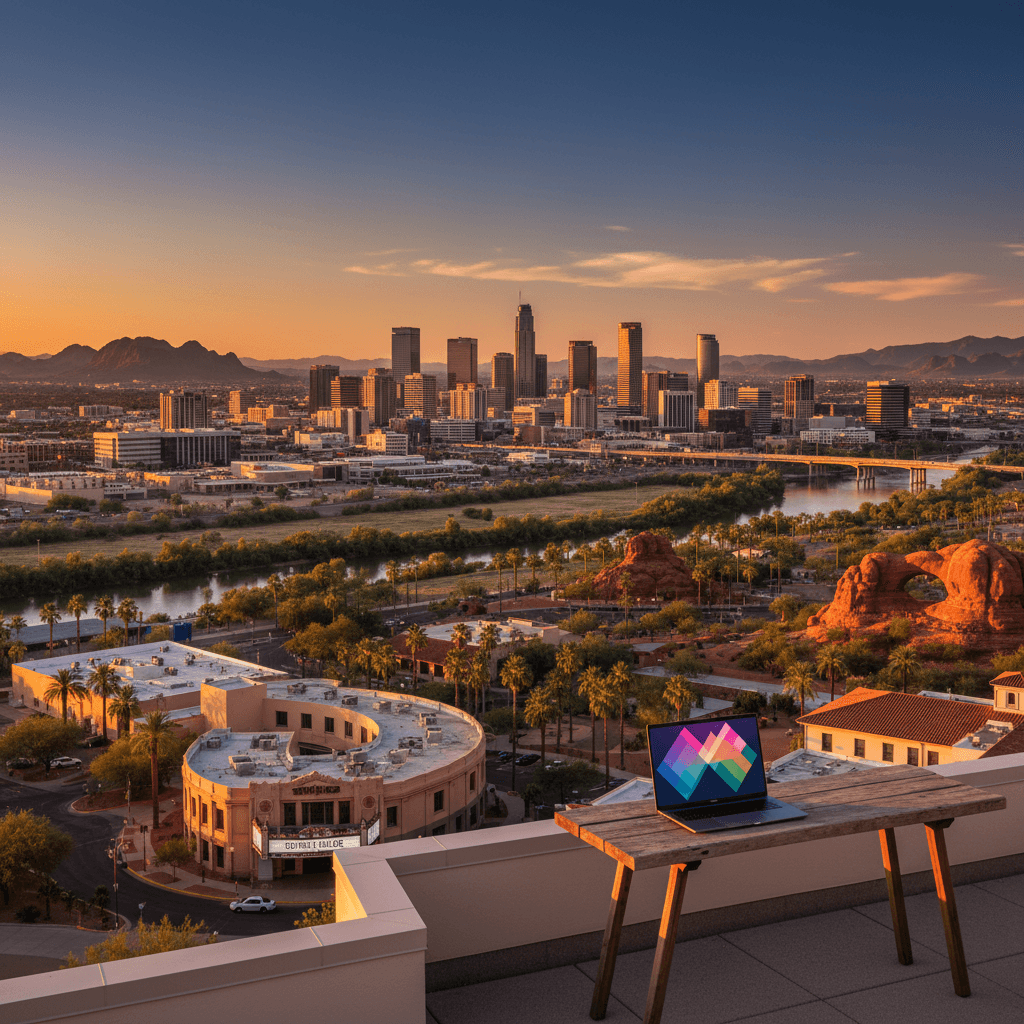
Phoenix is a massive, sun-drenched sprawl that feels like a collection of distinct villages tied together by highways and desert horizons. It is a place where you can spend your morning hiking through the saguaros at Camelback Mountain and your afternoon taking Zoom calls from a high-tech coworking space in a converted warehouse. For nomads, it offers a specific brand of Southwestern freedom; it is less frantic than Los Angeles but far more energized than the sleepy desert towns of the past.
The city operates on a seasonal rhythm. From October through April, the vibe is unbeatable. You'll find locals and travelers alike living outdoors, hopping between patio bars and trailheads. However, the summer is a different beast. When temperatures regularly climb over 110°F (43°C), the city retreats indoors. You have to "heat-proof" your life, doing your errands at sunrise and staying near the AC until dusk. It’s a trade-off that keeps the winter crowds manageable and the rent slightly more accessible than coastal hubs.
What Sets Phoenix Apart
Unlike compact European nomad hubs, Phoenix is a car-dependent metropolis. You aren't going to wander into a cobblestone square here. Instead, you'll find pockets of intense creativity, like the Roosevelt Row arts district, surrounded by vast suburban stretches. It is a city of "destination neighborhoods." You choose your base based on your personality: the collegiate energy of Tempe, the polished luxury of Old Town Scottsdale, or the gritty, mural-lined streets of Downtown.
The digital nomad community here is growing fast, largely because the infrastructure is so reliable. With average internet speeds hitting 155 Mbps, you won't struggle with connectivity. There is a sense of "newness" here; people are moving from all over the country to build something, which makes it an easy place to network if you're willing to drive a bit to meetups.
The Cost of Living Breakdown
While Phoenix was once a bargain, its popularity has pushed prices up. A single nomad should budget around $3,316 per month for a comfortable stay. If you're looking to save, the West Valley is your best bet, though you'll be further from the action.
- Housing: Expect to pay $1,800 to $2,500 for a modern studio or one-bedroom in central areas. Furnished rentals through platforms like Blueground are popular for those staying 30 days or more.
- Dining: You can grab world-class tacos for $8 to $12, while a mid-range dinner with drinks will run you closer to $35.
- Transportation: This is a major expense. Between gas, insurance, or frequent $30 Uber rides, transportation can easily eat $200 to $400 of your monthly budget.
- Coworking: Dedicated desks at spots like CO+HOOTS or Workuity typically cost between $200 and $400 per month.
The Neighborhood Personality Map
Choosing the right area is the difference between loving Phoenix and feeling isolated in the suburbs. Most nomads gravitate toward these three hubs:
Downtown & Roosevelt Row
- The Vibe: Urban, artistic, and walkable. This is the heart of the city's "new" energy.
- Pros: Highest density of coworking spaces, best nightlife, and access to the Valley Metro light rail.
- Cons: Can be noisy and is among the most expensive areas for rent.
Tempe
- The Vibe: High-energy and youthful, centered around Arizona State University.
- Pros: Very walkable compared to the rest of the metro area with a great lakefront for evening walks.
- Cons: It can feel a bit "student-heavy" during the semester, and the party scene is loud.
Old Town Scottsdale
- The Vibe: Upscale, polished, and very social.
- Pros: Incredible dining, high-end shopping, and a safe, vacation-like atmosphere.
- Cons: Rent often starts at $2,500, and it can feel overly touristy during peak season.
Ultimately, Phoenix is for the nomad who wants the American Southwest experience without sacrificing big-city amenities. It’s a place for early risers, outdoor enthusiasts, and those who don't mind a bit of driving in exchange for endless sunshine and a front-row seat to some of the best sunsets in the world.
The Monthly Breakdown
Living in the Valley of the Sun has become a bit of a balancing act lately. While it used to be the affordable alternative to coastal California, a massive influx of new residents has pushed prices up. For a single nomad, you should budget roughly $3,000-$3,500 per month to cover the basics. If you are strictly watching your pennies and staying in shared housing, you might squeeze by on $2,500, while those looking for a luxury Scottsdale lifestyle should prepare to spend $4,500 or more.
Housing and Neighborhood Costs
Rent will be your biggest line item by far. Most nomads look for furnished, short term stays through platforms like Blueground to avoid the hassle of setting up utilities and internet. Prices vary wildly depending on which pocket of the valley you call home.
- Downtown and Roosevelt Row: Expect to pay between $1,800 and $2,500 for a modern studio or one bedroom. You are paying for the ability to actually walk to a coffee shop or a bar, which is a rare luxury here.
- Tempe and Old Town Scottsdale: These are the social hubs. Prices usually range from $2,000 to $3,000. Tempe has a younger, energetic vibe thanks to the university, while Scottsdale leans into high end shopping and upscale dining.
- West Valley (Glendale/Peoria): If you are looking to save, this area offers rents between $1,500 and $2,200. The trade off is a much longer commute and a more suburban, quiet atmosphere.
Food and Dining
The food scene in Phoenix is one of its best kept secrets, especially if you love Mexican cuisine. You can grab incredible street tacos for $8 to $12 at local spots. A standard mid range dinner at a sit down restaurant will usually run you $20 to $35 per person before drinks. If you are heading out for a celebratory meal in Scottsdale, expect to drop $50 or more on an entree alone.
Transportation and Connectivity
Phoenix is notoriously spread out, so your transit budget depends entirely on how you choose to get around. Unless you stay strictly in the Downtown or Tempe corridors, you will likely need a car. Gasoline and insurance typically cost between $150 and $250 a month. If you rely on rideshares like Uber or Lyft, a single cross town trip can easily cost $20 to $40.
For work, the internet is generally excellent with citywide averages around 155 Mbps. If you prefer a dedicated workspace over a noisy cafe, coworking memberships are a standard expense. CO+HOOTS in the downtown area offers memberships from $250 to $400 a month, while Workuity provides flexible desk options starting around $200.
Day to Day Expenses
Don't forget the small things that add up in a desert climate. Your electricity bill in the summer will be significantly higher than in the winter due to the constant air conditioning. Expats often recommend joining local Facebook groups or hiking clubs to find free social activities, as "going out" in the traditional sense can get expensive quickly. A local SIM card from a major carrier like Verizon or AT&T will cost you between $30 and $60 a month for an unlimited plan.
For Nomads and Solo Travelers
If you want to be where the action is, Roosevelt Row in Downtown Phoenix is the place to settle. It's the most walkable part of the city and serves as the hub for the local arts scene. You'll find yourself surrounded by murals, galleries, and coffee shops that actually stay open late enough for a deep work session. CO+HOOTS is the go-to coworking space here, known for a community that actually talks to each other rather than just hiding behind monitors.
Expecting to pay around $1,800 to $2,500 for a modern studio or one-bedroom in this area. While it's pricier than the suburbs, you'll save on transportation since the Valley Metro light rail runs right through here, connecting you to the airport and Tempe. It can get a bit noisy on weekends with the bar crowd, but for solo travelers looking to meet people, the social trade-off is usually worth it.
Tempe is another top pick, specifically near Arizona State University. It has a younger, high-energy vibe and is one of the few areas where you can survive without a car. You'll find plenty of nomads working out of Workuity or local cafes. Rent here averages $2,000 to $3,000, though you can find deals if you look toward the south end of town away from the campus core.
- Downtown/Roosevelt Row Rent: $1,800 to $2,500
- Tempe Rent: $2,000 to $3,000
- Best Coworking: CO+HOOTS, Workuity
- Vibe: Urban, artsy, social, and student-centric
For Expats and Long-Term Residents
Expats looking for a polished, high-end experience usually gravitate toward Old Town Scottsdale. It feels less like a desert outpost and more like a luxury resort town. The area is packed with high-end shopping at Fashion Square and some of the best dining in the Southwest. It's a bit touristy, especially during the spring training baseball season, but the infrastructure is excellent and the streets are incredibly clean.
Expect rent to start at $2,500 for anything decent. Most expats here recommend having a car, as the sprawl of Scottsdale makes walking impractical for anything other than a quick dinner. The 101 loop highway makes it easy to zip around the rest of the valley, but traffic can be a headache during the winter months when "snowbirds" arrive in mass.
Central Phoenix (often called CenPho) is the move if you want a more "local" feel. It's a mix of historic ranch-style homes and new apartments. It’s balanced, offering quick access to both downtown offices and the hiking trails at Piestewa Peak. It's a favorite for those who want a yard but don't want to live in a cookie-cutter suburb forty minutes away from civilization.
- Scottsdale Rent: $2,500+
- Central Phoenix Rent: $1,800 to $2,400
- Commute: Car highly recommended; easy access to the 101 and 51 highways
For Families and Budget-Conscious Travelers
If you're traveling with kids or trying to keep your monthly burn low, the West Valley, specifically Glendale or Peoria, offers the best value. You can find spacious apartments or small houses for $1,500 to $2,200, which is a steal compared to the East Valley. The trade-off is the commute; if you need to get to Downtown or Scottsdale, you'll be spending a lot of time in your car.
Families love these areas for the proximity to regional parks and newer school districts. There's plenty of space for kids to run around, and you're closer to the White Tank Mountain Regional Park for weekend adventures. Just keep in mind that public transit is almost non-existent out here, so a reliable vehicle with a strong A/C system is a requirement, not a luxury.
For a middle-ground option, the North Valley offers a quieter suburban lifestyle with better access to the high-quality healthcare facilities like the Mayo Clinic. It’s safer and more relaxed, though the social scene is definitely geared toward quiet dinners rather than late-night drinks.
- West Valley Rent: $1,500 to $2,200
- North Phoenix Rent: $1,900 to $2,600
- Safety: Generally very high in these suburban pockets
- Activities: Hiking, suburban parks, and large-scale shopping centers
Connectivity and Speed
You won't have to worry about dropping off a Zoom call in the Valley of the Sun. Phoenix boasts incredibly reliable infrastructure with average download speeds hitting around 155 Mbps. Whether you're staying in a high rise downtown or a suburban rental in the East Valley, high speed fiber and cable internet are the standard. Most nomads find the connection more than stable enough for heavy video editing or data intensive tasks.
For mobile data, the big players like Verizon and AT&T offer the best coverage across the desert terrain. You can pick up a SIM card right at Sky Harbor International Airport (PHX) or any local retail store. Expect to pay between $30 and $60 per month for an unlimited data plan. If you're heading out for a weekend of hiking in the Superstition Mountains, keep in mind that signal can get spotty once you're deep in the canyons, but within the city limits, 5G is ubiquitous.
Top Coworking Spaces
Phoenix has a high density of professional workspaces that cater to different vibes, from tech focused hubs to design forward studios.
- CO+HOOTS (Midtown/Downtown): This is arguably the heart of the local nomad community. It's known for being deeply collaborative and hosts frequent networking events. A monthly membership here usually lands between $200 to $400. It's the go-to if you're looking to actually meet people rather than just staring at a screen.
- Workuity (Biltmore & Chandler): If you prefer a more corporate, polished environment with high end amenities, this is your spot. They offer flexible desks starting around $200 per month. The Biltmore location is particularly popular because it's surrounded by upscale dining and shopping.
- Industrious (Various Locations): With outposts in Old Town Scottsdale and Downtown, this is a great pick if you want a premium office feel. It's pricier, but the coffee is excellent and the views of the Camelback Mountain skyline are hard to beat.
The Cafe Scene and Alternative Workspaces
If you don't want to commit to a membership, the city has a massive cafe culture. In the Roosevelt Row arts district, you'll find plenty of remote workers tucked into corners with their laptops. Just be aware that during the peak summer months, these spots fill up fast as everyone retreats into the air conditioning. Travelers often recommend checking out local libraries as well; the Burton Barr Central Library is an architectural staple with free WiFi and plenty of quiet corners.
When you're working from cafes, keep these spots on your radar:
- Cartel Roasting Co: With locations in Tempe, Scottsdale, and Downtown, it's a favorite for nomads. The industrial vibe and strong WiFi make it a reliable office for a few hours.
- Lola Coffee: Located on Roosevelt Street, it's perfect for those who want a bit of urban energy while they work.
- Giant Coffee: A bit quieter and very focused, making it ideal for deep work sessions.
Practical Tips for Remote Workers
The biggest hurdle for the digital nomad lifestyle here isn't the internet; it's the heat. Between June and August, your "office" needs to have top tier climate control. If you're renting an Airbnb or using a platform like Blueground, always double check that the AC is modern and included in the utility cost. Expats often suggest starting your workday early, around 7:00 AM, so you can finish by mid afternoon and enjoy the pool or a late evening hike once the sun dips.
If you're planning to work while traveling in a campervan or moving between neighborhoods, Starbucks and McDonald's remain the most reliable backups for free, consistent WiFi in the further out suburbs where independent cafes are less common. For those staying long term, joining local Facebook groups like "Phoenix Digital Nomads" is the best way to find out about pop up co-working days or coffee shop meetups.
Staying Safe in the Valley
Phoenix is generally a welcoming and safe metro area for remote workers, but its massive sprawl means safety can vary significantly by neighborhood. Most nomads feel perfectly comfortable in central hubs like Roosevelt Row or Old Town Scottsdale, where well lit streets and active nightlife keep things feeling secure. However, locals and long term expats generally advise avoiding South Phoenix after dark, as crime rates tend to be higher in that sector.
The most common "danger" you'll face isn't actually crime; it's the environment. The desert sun is relentless. If you're planning to hit the trails at Camelback Mountain or Piestewa Peak, do it before 8:00 AM. Travelers often underestimate how quickly dehydration sets in when it's 110°F. Always keep a gallon of water in your car, even if you're just running errands. It's a local rule of thumb that if you feel thirsty, you're already dehydrated.
For day to day peace of mind, join neighborhood specific Facebook groups or use the Nextdoor app. These are great for getting real time updates on local issues or finding out which streets have better lighting for evening walks. If you're ever in an urgent situation, the emergency number is 911.
World Class Healthcare
One of the biggest perks of basing yourself in Phoenix is the access to top tier medical care. The city is a major healthcare hub, home to renowned institutions like the Mayo Clinic and Banner Health. Whether you need a specialist or just a routine checkup, you won't have to look far for high quality providers.
- Mayo Clinic: Consistently ranked as one of the best hospitals in the country, located in North Phoenix/Scottsdale.
- Banner University Medical Center: A reliable choice for emergency services and specialized care near the city center.
- St. Joseph’s Hospital: Known for its neurological expertise and central location.
For minor issues like a sinus infection or a heat related headache, urgent care clinics are everywhere. Facilities like FastMed or Banner Urgent Care usually accept walk ins and have transparent pricing for those without local insurance. Expect to pay between $150 and $250 for a basic consultation if you're paying out of pocket.
Pharmacies and Wellness
Picking up prescriptions is straightforward. CVS and Walgreens are the dominant chains, and you'll find one on almost every major corner. Many of these locations are open 24/7, which is helpful if you're working odd hours on a different time zone and need late night supplies.
If you prefer a more holistic approach to health, the city has a massive wellness scene. You'll find plenty of IV hydration clinics in Scottsdale, which many nomads use to recover after a weekend of hiking or to combat the dry climate. Just remember that while these are popular, they aren't a substitute for drinking actual water throughout the day.
Health Insurance for Nomads
If you're an international expat, make sure your travel insurance specifically covers "extreme sports" if you plan on mountain biking or technical hiking. US healthcare costs are notoriously high, so having a robust policy is a must. Most digital nomads in the area use providers like SafetyWing or World Nomads to bridge the gap while they're enjoying the Arizona sunshine.
The Car is King
In the Valley of the Sun, your experience depends almost entirely on your wheels. Phoenix is one of the most spread out metro areas in the United States, designed with a massive grid system that favors drivers. Most nomads find that a car isn't just a convenience; it's a requirement for daily life. If you're staying for a month or more, look into long term rentals or even a used vehicle purchase if you plan to stick around for the season.
The 101 Loop is the primary artery connecting the East Valley, Scottsdale, and North Phoenix. While it's efficient, traffic during the morning and evening rush can be brutal. Expect to spend $150 to $250 per month on gas and basic vehicle costs. If you aren't driving, Uber and Lyft are everywhere, but costs add up quickly. A typical ride between neighborhoods usually runs between $20 and $40, making it an expensive way to commute daily.
Public Transit: The Valley Metro
While the city is car centric, there is a silver lining if you choose your neighborhood wisely. The Valley Metro Light Rail is a reliable 28 mile line that connects Northwest Phoenix, Downtown, Tempe, and Mesa. It's clean, air conditioned, and popular with the student crowd at ASU and tech workers downtown.
- Single Ride: $2.00
- Full Day Pass: $4.00
- 7-Day Pass: $20.00
Expats recommend the Valley Metro app for tracking trains and buses in real time. The bus system covers more ground than the rail, but it's significantly slower and can be grueling during the summer months when you're waiting at a stop in 110°F heat. If you plan to rely on public transit, you should strictly limit your housing search to Downtown Phoenix or Tempe.
Micromobility and Walkability
Outside of specific pockets, Phoenix is not a walkable city. However, if you're based in Roosevelt Row or Old Town Scottsdale, you can get by on foot for your daily coffee and groceries. In these hubs, you'll see plenty of Lime and Bird electric scooters. They're great for "last mile" trips between the light rail station and your coworking space like CO+HOOTS.
Biking is popular for exercise, but as a primary mode of transport, it's seasonal. From October to April, the weather is perfect for cycling. During the summer, it's a safety hazard due to the extreme temperatures. Most locals who bike for transport do so before 7:00 AM to avoid the midday sun.
Getting to and from Sky Harbor (PHX)
Phoenix Sky Harbor International Airport is conveniently located right in the center of the metro area. It's one of the easiest major airports to navigate in the country. You have three main ways to get to your accommodation:
- PHX Sky Train: This free automated train connects the airport terminals to the 44th St/Washington light rail station. From there, you can head straight into Downtown or Tempe for just $2.00.
- Rideshare: Uber and Lyft have dedicated pickup zones. A ride to Downtown Phoenix usually takes 10 minutes and costs about $20, while Scottsdale will take 20 minutes and cost closer to $35.
- Car Rentals: The Rental Car Center is a separate facility reached by a common shuttle. If you're arriving during peak snowbird season (January to March), book your car well in advance as prices spike.
Pro Tips for the Desert
If you're driving, always look for "covered parking" when booking your Airbnb or apartment. Leaving a car in the direct Arizona sun in July can lead to interior temperatures of 160°F. Travelers often carry a small towel to cover their steering wheel so they don't burn their hands when getting back in. Also, keep a gallon of water in your trunk at all times; if you break down on a desert highway, it becomes a safety necessity within minutes.
The Linguistic Landscape
English is the undisputed king in Phoenix. You will find it used exclusively in business meetings, coworking spaces like CO+HOOTS, and across all government services. Proficiency is universal, so if you are coming from an English speaking background, you will have zero friction moving your office to the Valley of the Sun.
However, Phoenix has a deep Southwestern soul. Spanish is the second most spoken language, heard frequently in neighborhoods like Maryvale or South Phoenix and throughout the service industry. While you do not need to be fluent to get by, knowing a few basics can enrich your experience, especially when hitting up the local taco trucks or navigating the more traditional markets.
Communication Style
The local communication style is a blend of West Coast chill and traditional Western friendliness. People are generally approachable and happy to help with directions or hiking tips. In professional settings, Phoenicians tend to be direct but informal. It is common to start a business chat with a quick check in about the heat or the latest Suns game before getting down to brass tacks.
Digital nomads often find that the social scene is quite open. If you join a local Facebook group like Phoenix Digital Nomads or attend a meetup at a spot like The Pemberton, people are usually quick to exchange numbers or social media handles. There is a "we are all in this together" attitude, particularly during the summer months when residents bond over the shared experience of hiding from the sun.
Digital Connectivity and Apps
Staying connected is rarely an issue here. The city boasts an average internet speed of 155 Mbps, which is more than enough for heavy video conferencing or large file uploads. Most nomads rely on Verizon or AT&T for their mobile data; you can pick up a SIM card at Sky Harbor International Airport (PHX) for roughly $30 to $60 a month for unlimited data.
To navigate the city like a local, you will want a few specific apps on your phone:
- Valley Metro: This is the go to for tracking the light rail and bus schedules if you are staying in walkable pockets like Tempe or Roosevelt Row.
- Waymo: Phoenix is a major hub for autonomous vehicles. It is a very "Phoenix" experience to hail a driverless car to get across town.
- AllTrails: Since hiking is the unofficial state sport, this app helps you find the best paths in the Phoenix Mountains Preserve or Camelback Mountain.
- WhatsApp and Slack: Most local coworking communities and tech meetups use these for day to day coordination and networking.
Practical Language Tips
While Google Translate is handy for reading menus at authentic Mexican spots, you likely won't need it for daily interactions. The most important thing to learn isn't a word, but a concept: "mountain time." Arizona does not observe Daylight Saving Time. For part of the year, Phoenix is on the same time as California; for the other half, it aligns with Colorado. Expats and remote workers often trip up on this when scheduling meetings with clients in New York or London, so keep a world clock app handy to avoid showing up an hour early or late to your Zoom calls.
If you are looking to brush up on your Spanish while you are in town, many community colleges and local libraries offer casual conversation circles. It is a great way to meet locals and better understand the cultural history of the Sonoran Desert.
Phoenix is a city defined by two distinct realities: the perfect, sun-drenched winters that draw people from all over the world, and the brutal, dry heat of the summer months that dictates every aspect of daily life. If you are planning a stint here, your timing isn't just a matter of preference; it is the difference between a lifestyle spent hiking Camelback Mountain and one spent trapped indoors next to an air conditioning unit.
The Golden Window: October to April
This is the prime season for nomads and expats. During these months, the weather is arguably the best in the United States. You can expect daytime highs between 70°F and 85°F (21°C to 29°C), with crisp mornings and evenings that often require a light jacket. It is the ideal time to take your laptop to the patio at Lola Coffee on Roosevelt Row or spend your weekends exploring the Desert Botanical Garden.
Travelers often say this is when the city truly comes alive. The local culture revolves around being outside, and you will find the hiking trails at Piestewa Peak crowded by 6:00 AM. Because the weather is so consistent, you rarely have to worry about rain ruining your plans. The humidity is almost non-existent, making even the warmer 80-degree days feel comfortable.
- October to November: The heat finally breaks. Expect highs in the low 80s and perfect patio weather.
- December to February: The coolest months. Days are sunny and mid-60s, but nights can drop to 40°F.
- March to April: Peak spring. The desert blooms, and temperatures hover around a perfect 75°F to 80°F.
The Survival Season: June to August
If you choose to stay in Phoenix during the summer, you need to be prepared for "heat-proofing" your life. Temperatures regularly soar above 110°F (43°C), and the sun feels intense enough to burn skin within minutes. Most nomads who stay through the summer shift their schedules entirely, waking up at 5:00 AM to get outside before the heat becomes dangerous by 9:00 AM.
Expats recommend sticking to indoor coworking spaces like CO+HOOTS during the day. You will find that the city gets quiet during the afternoon as everyone retreats to the AC. While the heat is dry, which many prefer over the humidity of the South, it is still extreme. You will need to hydrate constantly and plan your errands for after sunset.
July and August also bring the monsoon season. You will see massive dust storms, known as haboobs, followed by intense, short-lived thunderstorms. It provides a brief, dramatic break from the heat, but it also spikes the humidity temporarily.
Shoulder Season: May and September
These months are the transition periods. May is usually when the first 100°F days start to appear, signaling the end of outdoor dining. September is often the most frustrating month for locals; you are tired of the heat, but the thermometer still stubbornly clings to the high 90s. However, if you are looking for lower rent prices on short-term stays, these bridge months are when you can often find better deals before the "snowbirds" arrive in the winter.
What to Pack
Phoenix is a casual city, but your wardrobe needs to be functional. Even in the heat of summer, bring a hoodie or light sweater for indoor work sessions. Businesses crank the air conditioning so high that you will likely freeze while sitting at your desk. For the winter months, layering is key. The 30-degree temperature swing between day and night means you will start the day in a jacket and end it in a t-shirt.
- High-SPF Sunscreen: A non-negotiable year-round. The desert sun is significantly stronger than in coastal cities.
- A Quality Water Flask: Insulated bottles like a Hydro Flask are standard equipment here to keep water from reaching tea-temperatures in your car.
- Breathable Fabrics: Stick to linen and moisture-wicking materials if you are visiting anytime between May and September.
Connectivity and Digital Setup
You won't have to worry about the internet here. Phoenix averages speeds around 155 Mbps, which is plenty for video calls and heavy uploads. If you're coming from abroad, grab a SIM card at Sky Harbor Airport (PHX) from Verizon or AT&T. A monthly unlimited plan usually runs between $30 and $60. For banking, most expats stick with Chase or Bank of America for local accounts, though Wise is the go-to for moving money without getting hit by heavy fees.
Finding Your Home Base
The rental market is competitive, so don't expect many bargains in the popular areas. Most nomads use Blueground for furnished, 30 day stays to avoid the hassle of setting up utilities. If you're looking for something more permanent, Zillow is the standard. Here is what you can expect to pay monthly for a one bedroom or studio:
- Downtown and Roosevelt Row: $1,800 to $2,500. This is the heart of the arts scene and the most walkable part of the city.
- Tempe: $2,000 to $3,000. It's high energy because of the university but offers great transit links.
- Old Town Scottsdale: $2,500+. This is the upscale choice, packed with high end dining and shopping.
- West Valley (Glendale): $1,500 to $2,200. Much more budget friendly, though you'll be driving a lot more.
Workspaces and Caffeine
If you need a professional environment to stay productive, the coworking scene is thriving. CO+HOOTS in downtown is the gold standard for community vibes; expect to pay between $250 and $400 a month. Workuity is another solid option with flexible desks starting around $200. For those who prefer working from cafes, Phoenix has plenty of spots with reliable WiFi, though the suburban locations can be hit or miss. Public libraries are a great, free backup if you just need a quiet corner and a decent connection.
Getting Around the Valley
The biggest hurdle for newcomers is the sprawl. Phoenix is built for cars. While the Valley Metro light rail is great if you live and work along the Downtown to Tempe corridor, you'll feel trapped without wheels elsewhere. Most long term nomads eventually rent or buy a car to use the 101 loop highway system. If you're relying on rideshares, a typical Uber or Lyft across town will cost you $20 to $40. In the cooler months, you can get away with using app based scooters and bikes in the central districts.
Staying Safe and Healthy
Phoenix is generally safe, but like any major metro, it has its rougher patches. Travelers usually suggest being extra cautious in South Phoenix after dark. For healthcare, you're in good hands with facilities like the Mayo Clinic and Banner Health. Pharmacies like CVS and Walgreens are on almost every major corner. The biggest health risk isn't crime; it's the environment. Between June and August, temperatures frequently top 110°F (43°C). You have to hydrate constantly and plan your outdoor activities for the very early morning or late evening.
Social Life and Integration
It's easy to meet people if you're active. Joining Phoenix Digital Nomad Facebook groups or attending events at coworking hubs is the fastest way to build a circle. If you enjoy the outdoors, look for local hiking groups; it's a staple of the social culture here. For a night out, Roosevelt Row is the place for craft beer and galleries, while Old Town Scottsdale caters to those looking for a more polished club scene. Spanish is widely spoken throughout the city, but you'll get by perfectly fine with just English.
Need visa and immigration info for United States?
🇺🇸 View United States Country GuideEasy Landing
Settle in, no stress
Monthly Budget Estimates
More cities in United States
Miami
🇺🇸 United States
Las Vegas
🇺🇸 United States
Nashville
🇺🇸 United States