Pereira
🇨🇴 Colombia
The Coffee Capital’s Quiet Side
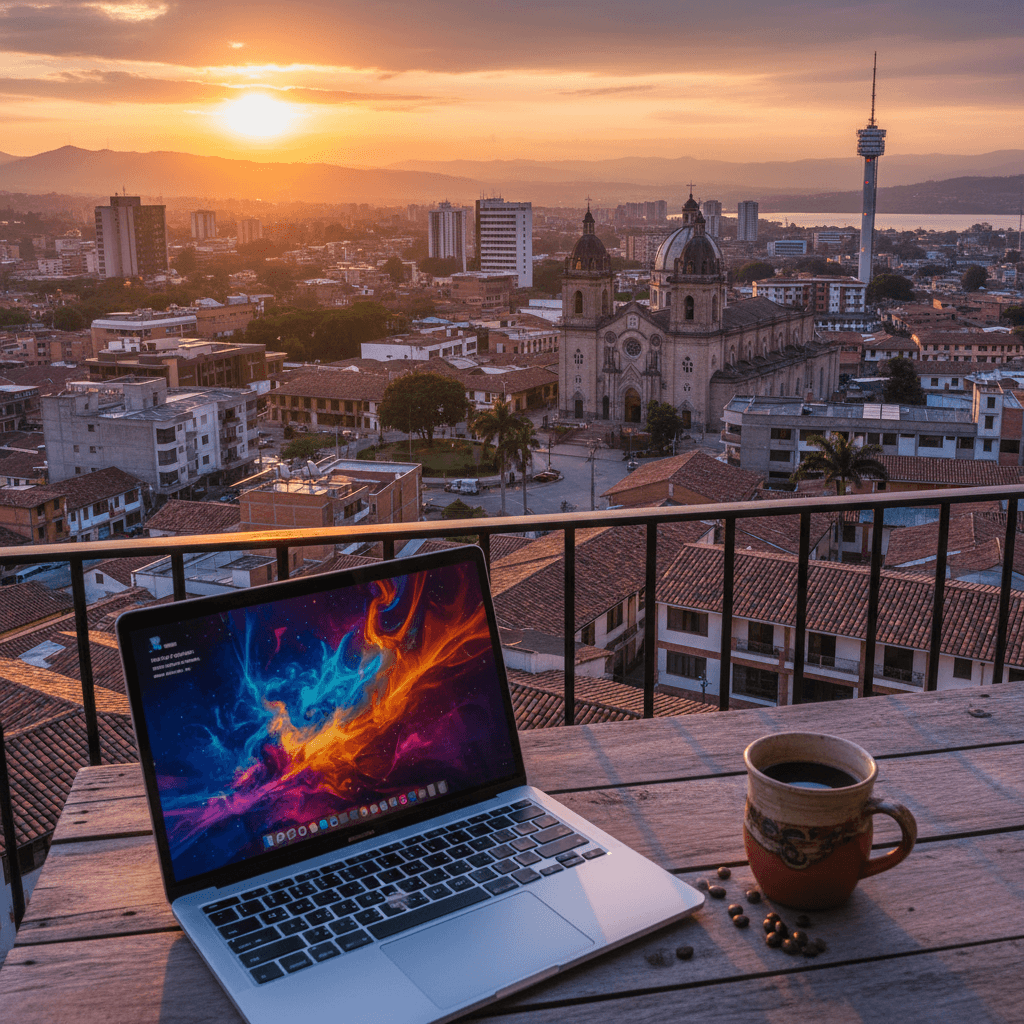
If Medellin is the flashy, high-energy older brother of the Colombian Andes, Pereira is the grounded middle child who actually knows where the best coffee is grown. It doesn't scream for your attention with massive parties or a sprawling expat bubble. Instead, it pulls you in with a steady, mild climate and a pace of life that actually allows you to get work done without the constant FOMO of a major metropolis.
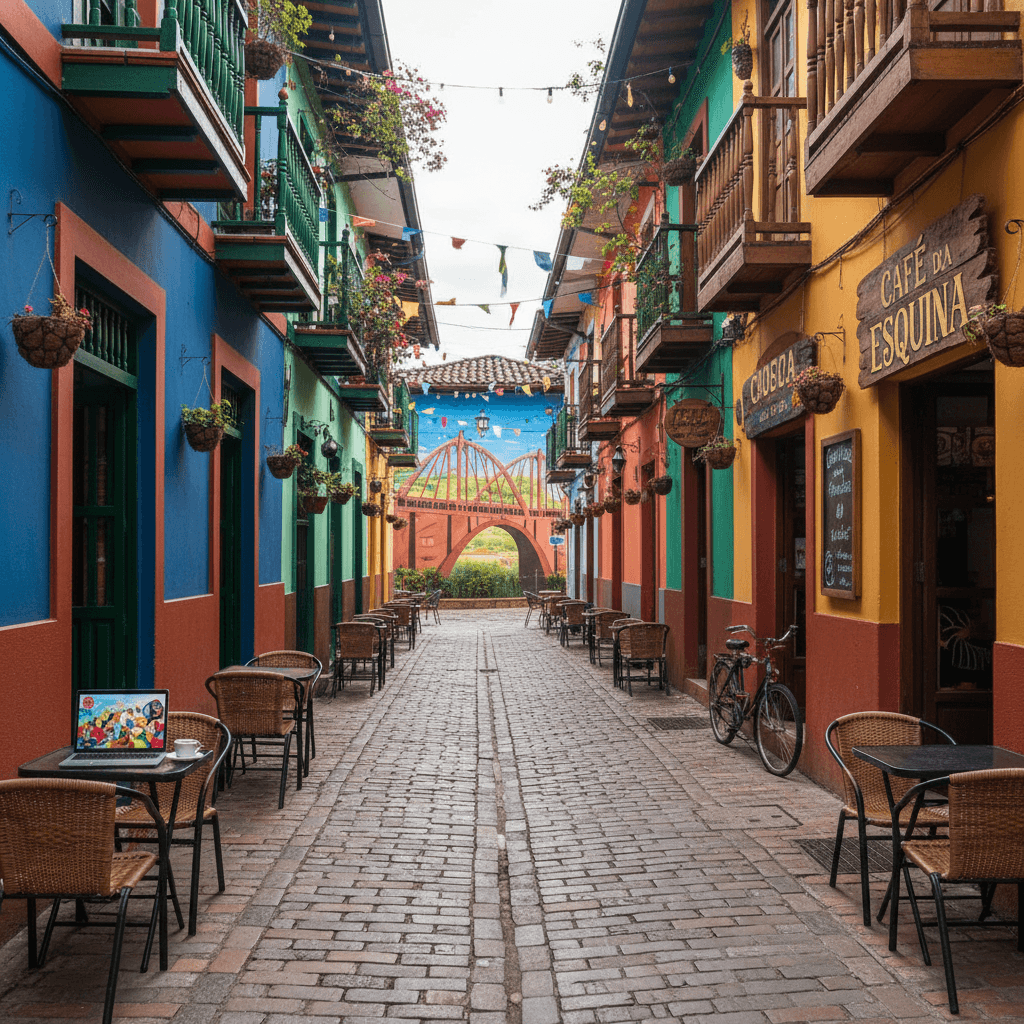
Most nomads who land here are looking for a "deep work" environment. You're surrounded by the rolling green hills of the Eje Cafetero, meaning your weekend plans usually involve soaking in the Santa Rosa hot springs or taking a short bus ride to the colorful streets of Filandia. It feels like a real Colombian city rather than a tourist playground, which is exactly why it appeals to those tired of the "gringo trail" burnout.
The Living Costs
Pereira remains significantly more affordable than the coast or the capital. You can live a high-quality life here for a fraction of what you'd spend in North America or Europe. Here is how the monthly budget usually breaks down for a solo nomad:
- The Budget Tier ($800 to $1,200): This covers a basic studio in the city center, plenty of $2 empanadas and street juices, and using the local bus system for your commute.
- The Mid-Range Tier ($1,200 to $1,800): The sweet spot for most. You'll get a modern apartment in a quieter neighborhood, daily visits to laptop-friendly cafés, and regular rideshares via InDrive.
- The Comfortable Tier ($1,800+): This buys you luxury. Think furnished penthouses, high-end fusion dining at coffee fincas, and private weekend tours into the mountains.
Where to Plant Your Laptop
The city layout is relatively compact, but your experience will change drastically depending on where you book your stay. The Centro (Downtown) area is the heartbeat of the city. It’s walkable and puts you right next to the main bus terminals, which is great for weekend escapes. It can be noisy, so many nomads gravitate toward the Cerritos area for a more suburban, nature-heavy vibe, though you'll trade some walkability for those mountain views.
When it comes to actual work, the infrastructure is surprisingly robust. You aren't hunting for bars of signal here. Most modern apartments come with 100+ Mbps fiber as standard. For a dedicated office environment, Social & Co is the go-to for a relaxed café atmosphere, while Coworking Pereira offers a more professional, ergonomic setup for about $10 to $15 per day. If you're working from a café, bring noise-canceling headphones; Colombians love their music, and "quiet" is a relative term in local coffee shops.
The Daily Rhythm
Life here follows the weather. The "eternal spring" means temperatures hover between 18°C and 28°C year-round. You’ll likely experience afternoon rain showers in April or October, which is the perfect excuse to hunker down in a café with a $3 pour-over. Because the expat scene is smaller, you'll actually need to use your Spanish. Proficiency is low outside of the main nomad hubs, so keep Google Translate handy for the local markets.
Safety in Pereira is generally better than in the larger hubs like Cali or Bogota. Stick to the central, well-lit areas at night and use common sense with your tech. The city feels neighborly; people will greet you with a "buenos días" on your morning walk, and there’s a genuine pride in the local coffee culture that’s infectious. You aren't just a tourist here; you're part of the city's steady, caffeinated pulse.
The Price of Coffee Country Living
Pereira sits in that sweet spot for nomads who want the amenities of a city without the price tag of Medellín or the humidity of the coast. You can live a high quality life here on a budget that would barely cover a studio apartment in North America. Most people find they can live comfortably on $1,200 to $1,800 a month, though you can certainly squeeze by on less if you're sticking to local neighborhoods and street food.
The local currency is the Colombian Peso (COP), but since exchange rates fluctuate, it's easier to view costs in USD. Expect to pay about $5 to $10 for a daily spread of local food like arepas and menú del día. If you prefer mid-range cafés and international fusion, your daily food spend will hover around $15 to $20. For those special nights out at upscale coffee fincas or high-end restaurants, dinner will usually run you $25 or more.
Monthly Budget Breakdowns
- The Budget Nomad ($800 - $1,200): This tier covers a simple studio in a central area for $250 to $500. You'll mostly eat street food or cook at home, use the public bus system for $30 a month, and work from laptop-friendly cafés.
- The Mid-Range Professional ($1,200 - $1,800): You'll likely stay in a modern neighborhood with rent around $450 to $700. This budget includes regular rideshares, a dedicated desk at a coworking space for roughly $150, and eating out at nice cafés most days.
- The Luxury Lifestyle ($1,800+): This gets you a high-end, fully furnished apartment for $700 or more. You'll rely on private taxis, eat at the best fusion spots in town, and have plenty left over for weekend trips to the hot springs or Salento.
Housing and Neighborhoods
The rental market in Pereira is approachable, but the best deals are often found through local Facebook groups or by asking around at local hostels. Airbnb is available but usually carries a significant markup compared to local contracts.
- Centro (Downtown): This is the heartbeat of the city. It's perfect if you want to be walking distance to the main bus terminals and coffee shops. Rent is affordable here, but be prepared for more traffic and noise.
- Cerritos: If you prefer nature and quiet, this is the spot. It's popular with expats who want easy access to the mountains and hiking trails. You'll pay a bit more for the peace, and you'll likely need to use rideshare apps to get into the city center.
- Pinares and Alamos: These are the more upscale, modern sectors. They offer a vibe similar to El Poblado in Medellín but on a much smaller scale. You'll find the best gyms, malls, and trendy restaurants in these pockets.
Workspace and Connectivity
Internet speeds in Pereira have caught up with the major hubs. You can expect 100+ Mbps in most modern apartments and coworking spaces. For a dedicated office environment, there are several top choices with modern setups for about $10 to $15 a day. If you prefer a more social atmosphere, local coworking cafés offer a flexible vibe that's great for networking.
For mobile data, major providers typically offer the best coverage in the coffee region. A monthly unlimited plan will set you back about $10 to $20. You can pick up a SIM card at the Matecaña Airport or any local shop downtown. If your phone supports it, eSIMs are a convenient option for immediate data when you land.
Taxes and Banking
Most nomads use international digital banks to manage their transfers and avoid heavy bank fees. Local ATMs are everywhere, with several reliable options for international cards. When it comes to the legal side, the Colombia Digital Nomad Visa is a popular choice for those staying long-term, though many visitors simply use a standard tourist permit for shorter stays. It's always a good idea to keep an eye on the latest requirements from Migración Colombia if you plan to stay beyond 90 days.
Getting Around
Pereira is quite walkable in the central districts, but for longer trips, you have several cheap options. Public buses are a steal at under $1 per ride and are the best way to reach the Santa Rosa hot springs. Within the city, rideshare apps are the go-to for safety and convenience, with most short trips costing between $2 and $5. If you need to get to the airport, a taxi from the center usually costs around $10 to $15 and takes about 20 minutes.
For Solo Nomads and Budget Travelers: Centro
If you want to be in the middle of the action, Centro is your best bet. It is the city's functional heart, where you'll find the main bus terminals and the highest density of affordable hostels like Derequka. While it lacks the lush greenery of the outskirts, it makes up for it with sheer convenience and walkability.
Most nomads here spend about $300 to $450 on a basic studio or room. You can grab an empanada and fresh juice on the street for $2 to $5, or head to Social & Co for a professional work environment. It is busy and the traffic can be loud, but you are steps away from the transport you need for weekend trips to the Santa Rosa hot springs or the coffee farms of Salento.
For Nature-Loving Expats: Cerritos
Cerritos is where you go when you want the "eternal spring" lifestyle without the urban grit. This area is popular with long term expats who prefer mountain views and fresh air over city blocks. It is significantly quieter than Centro, though you'll likely rely more on ride-hailing apps like InDrive or Uber to get around, as it is less walkable and more spread out.
- Rent: Expect to pay $1000 or more for furnished luxury apartments or small houses.
- Atmosphere: Tranquil, upscale, and surrounded by nature trails and parks.
- Connectivity: Internet is reliable at 100+ Mbps, but you might feel a bit isolated from the nomad social scene.
For Families and Lifestyle Seekers: El Poblado-style Zones
Pereira is seeing an emergence of modern, residential pockets that mirror the upscale vibes of Medellin's El Poblado, but without the overwhelming crowds. These neighborhoods offer gated communities, modern shopping malls, and international dining options. Families often choose these areas for the proximity to private healthcare facilities and better air quality.
A comfortable mid-range lifestyle here usually costs between $1,200 and $1,800 per month total. You'll find plenty of "laptop-friendly" cafes where the WiFi is fast and the coffee is world-class. It is a more polished version of Colombian life, perfect if you're staying for several months and want a stable, high-quality home base.
Practical Living for All Residents
Regardless of which neighborhood you pick, getting around is fairly cheap. A taxi from the Matecaña Airport to most central areas costs about $10 to $15. For daily errands, local buses are a steal at under $1 per ride, while a $5 day rental on a Muvo scooter is a great way to explore the flatter parts of town.
For your digital setup, most locals recommend a Claro or Tigo SIM card for about $10 to $20 a month to ensure you have a backup for your home fiber connection. If you're looking for a dedicated office, Coworking Pereira offers modern desks for roughly $150 a month, providing a great spot to meet the small but growing community of remote workers choosing Pereira's relaxed pace over the chaos of bigger cities.
Connectivity and Infrastructure
Pereira is quickly becoming a favorite for remote workers who want the reliable infrastructure of a major city without the chaotic energy of Bogota or Medellin. You can expect standard fiber optic internet speeds of 100+ Mbps in most modern apartments and dedicated workspaces. While the city's terrain is hilly, the signal strength for mobile data remains surprisingly consistent across the central districts.
For your mobile setup, local nomads generally recommend Claro for the most reliable coverage if you plan on taking weekend trips into the coffee fincas. Tigo and Movistar are solid alternatives if you're staying strictly within the city limits. A monthly unlimited data plan will set you back about $10 to $20. If you prefer the convenience of an eSIM, Airalo works well here, though it's pricier than grabbing a physical SIM at a local shop.
Top Coworking Spaces
The coworking scene in Pereira is intimate but professional. You won't find the massive, anonymous corporate hubs here; instead, the spaces focus on community and functional design. Most spots offer daily passes for $10 to $15 or monthly memberships hovering around $150 to $250 depending on the level of access you need.
- Social & Co: This is the go-to spot for people who enjoy a social, café-style atmosphere. It's flexible, has great coffee, and is the best place to meet other nomads in the city.
- CNC Coworking: If you have serious deadlines, head here. It features a more traditional office setup with ergonomic chairs, private booths for calls, and high-speed backups to ensure you're never offline during a meeting.
Laptop-Friendly Cafés
Pereira is the heart of the coffee region, so the café culture is top-tier. Working from a coffee shop is widely accepted, though it's polite to buy a fresh brew or a snack every few hours. Keep in mind that these spaces can get lively, so noise-canceling headphones are a requirement for deep focus.
The area around Derequka is a hotspot for laptop-wielding travelers. You'll find several spots with stable WiFi and plenty of power outlets. Many nomads spend their mornings working from these local cafés before heading to a dedicated office for the afternoon. Prices for a high-quality latte or a local fusion lunch usually range from $8 to $15.
Practical Considerations for Remote Work
Power outages aren't a frequent issue in the main neighborhoods like Centro or the newer developments, but they can happen during heavy afternoon rain showers in October and November. Most coworking spaces have backup systems, but it's a good idea to keep your devices charged if you're working from a rental.
If you're planning to stay long-term, look for apartments in the modern neighborhoods where utilities are more reliable. Mentioning "WiFi speed" is a standard part of the rental negotiation process here. Most hosts are happy to send a screenshot of a speed test before you book. For digital nomads on a budget, sticking to the central areas ensures you're within walking distance of both your caffeine fix and your workstation, saving you the $2 to $5 you'd otherwise spend on rideshares like Uber or InDrive.
Staying Safe in the Coffee Capital
Pereira is generally considered one of the safer urban bets in Colombia, especially when compared to the high-energy chaos of Bogotá or the tourist-heavy districts of Medellín. Most nomads find the vibe here significantly more relaxed. Because it isn't a massive tourist magnet yet, you aren't as much of a target for the sophisticated scams found on the coast. That said, the golden rule of Colombia applies here: no dar papaya, or don't give away an easy opportunity. Keep your phone in your pocket while walking and don't flash expensive jewelry in the street.
The city's central areas and the upscale pockets of Cerritos are where you'll likely spend most of your time. These spots are active and well-lit. Expats recommend sticking to registered taxis or apps like InDrive and Uber after dark, even if you're only going a few blocks. Walking alone in the Centro district late at night isn't the best move, as the streets quiet down quickly and can feel isolated.
If you run into any trouble, the national emergency number is 123. For visa-related issues or passport stamps, there is a Migración Colombia office in the city, which is much easier to deal with than the crowded branches in larger capitals. Travelers often say the local police are approachable, but having a basic grasp of Spanish will make any interaction go much smoother.
Healthcare and Wellness
You'll find that healthcare in Pereira is high quality and surprisingly affordable. The city serves as a regional hub for the Eje Cafetero, meaning the hospitals here are equipped for more than just the basics. For routine issues or specialist visits, many nomads head to facilities near the city center. Out-of-pocket costs for a general consultation usually hover around $30 to $50 if you don't have local insurance.
Pharmacies are everywhere. Look for signs saying Droguería; spots like Drogas La Rebaja are open late and can handle most minor ailments without a prescription. If you need a specific brand of medication from home, bring the box with you so the pharmacist can find the local equivalent. Most pharmacists in the Centro area are used to helping expats find what they need.
- Emergency Services: Dial 123 for police, fire, or ambulance.
- Water Safety: While many locals drink the tap water in Pereira, most nomads stick to filtered water or buy large 5-liter jugs to avoid any stomach issues during a long stay.
- Insurance: Most coworking spaces and high-end rentals will require you to have your own travel or international health insurance.
Practical Tips for a Smooth Stay
Living in Pereira requires a bit more local integration than living in a nomad bubble like El Poblado. Since English proficiency sits around 20% to 30% in the work-friendly cafés, having Google Translate with the offline Spanish pack downloaded is a lifesaver. It’s also smart to keep some cash on you; while modern spots like Social & Co take cards, smaller shops and buses are cash-only.
Banking is straightforward if you use the right tools. Expats recommend using Bancolombia ATMs for withdrawals, as they are ubiquitous and generally accept international cards like Wise or Revolut. Try to use ATMs located inside malls or supermarkets for an extra layer of security. If you're staying for more than a month, grab a local SIM card from Claro or Tigo for about $15. The data coverage is excellent, even when you head out to the nearby hot springs or coffee fincas for the weekend.
The Daily Commute
Pereira is a refreshingly manageable city, especially if you're coming from the gridlock of Bogotá or the steep hills of Medellín. The city center is surprisingly walkable, and most nomads find they can handle their daily errands on foot if they're based in the Centro or near the Avenida Circunvalar. When the afternoon tropical heat kicks in, you'll want to lean on the local transit ecosystem.
The public bus system is the backbone of local travel. It's cheap, costing between $0.50 and $1 per ride. While it can get crowded during peak morning and evening hours, it's reliable for getting across town or reaching the main bus terminal. For a more modern experience, the Megabús (the city's bus rapid transit system) uses dedicated lanes to bypass traffic, making it a favorite for getting from one end of the valley to the other quickly.
Ride-Hailing and Taxis
For most expats and remote workers, ride-hailing apps are the go-to for safety and convenience. Uber and InDrive both operate here, and you'll rarely wait more than five minutes for a pickup. A short trip across the city usually runs between $2 and $5. If you prefer traditional yellow taxis, they are everywhere. Just make sure the driver turns on the meter, or "taxímetro," as soon as you hop in.
If you're heading to or from Matecaña International Airport, a taxi is your best bet. It’s a short 20 to 30 minute ride to the city center, typically costing between $10 and $15. It’s a smooth arrival process compared to larger hubs, and you won't have to deal with the aggressive touts found in coastal cities.
Two-Wheeled Travel
The city has started embracing micro-mobility, which is perfect for the mild "eternal spring" weather. You can find bike and scooter rentals through apps like Muvo, especially around the flat stretches of the downtown core. Expect to pay around $5 for a full day of rental. While Pereira is bike-friendly in certain pockets, be mindful of the local driving culture; cars don't always give cyclists a wide berth, so stick to designated lanes whenever possible.
Escaping the City
One of the biggest perks of living in Pereira is how easy it is to leave. The central bus terminal is your gateway to the rest of the Coffee Axis. You can catch frequent, inexpensive shuttles to nearby hubs for weekend trips:
- Santa Rosa de Cabal: A 45-minute trip by bus or taxi (around $10) gets you to the famous thermal hot springs.
- Salento and Filandia: Local buses run regularly to these iconic coffee towns for just a few dollars, making day trips or weekend stays effortless.
- Cerritos: If you want to trade the urban buzz for nature, this nearby area is easily reachable by ride-share and offers a flatter, more suburban feel with access to hiking trails.
Practical Transit Tips
- Download Google Maps offline for the Pereira area; while 100+ Mbps internet is common in cafes like Social & Co, data can be spotty when you're moving between the hills or heading toward the coffee fincas.
- Keep small change (pesos) on you for the public buses, as drivers rarely have change for large bills.
- If you're staying long-term, consider a Claro or Tigo SIM card. Having a local number makes using apps like InDrive much smoother, as drivers often call to confirm your exact location.
The Language Barrier
In Pereira, Spanish isn't just the official language; it's the heartbeat of daily life. Unlike the more internationalized pockets of Medellín or Cartagena, English proficiency here remains relatively low. You can expect about 20% to 30% of people in nomad friendly hubs like modern cafés or coworking spaces to speak some English. Once you step outside those bubbles to buy fruit at a local market or chat with a bus driver, you'll be relying almost entirely on Spanish.
Most nomads find that a "survival" level of Spanish goes a long way. Locals in the Eje Cafetero are famously polite and patient, often referred to as gente querida. They won't mind if you stumble through your conjugations as long as you lead with a warm buenos días. If you're planning to stay for more than a month, looking into local language schools or using an app with an offline Spanish pack is a smart move.
Staying Connected
Reliable internet is the backbone of the nomad lifestyle, and Pereira holds its own. You'll find speeds of 100+ Mbps in most modern apartments and dedicated workspaces. For your mobile needs, don't rely on international roaming, which can be spotty and expensive. Instead, grab a local SIM card as soon as you settle in.
- Claro: Generally considered to have the widest coverage if you plan on heading into the mountains or coffee fincas. Expect to pay $10 to $20 for a monthly plan with generous data.
- Movistar & Tigo: Great alternatives that often have competitive packages for short term stays.
- Airalo: If you prefer an eSIM and want data the second you land at Matecaña Airport, this is the easiest route, though it's pricier than a local physical SIM.
Coworking and Café Culture
Pereira has a growing scene of laptop friendly spaces that cater to the remote crowd. If you need a professional environment for calls, Coworking Pereira is a top choice with modern setups for about $10 to $15 a day. For a more relaxed, social vibe, Social & Co is a favorite among expats and local entrepreneurs alike. It feels more like a high end café but has the infrastructure you need to actually get work done.
The city's café culture is exceptional, given you're in the heart of coffee country. Many spots are happy to let you work for a few hours if you're ordering. Just keep a pair of noise canceling headphones handy; Colombian cafés can get lively with music and conversation. Look for places near the Centro or the emerging modern zones for the best WiFi stability.
Practical Communication Tips
Navigating the city is much easier when you use the right digital tools. While you can hail a cab on the street, using apps like InDrive or Uber helps avoid any language confusion regarding pricing or destinations. Most rides around the city center will only set you back $2 to $5.
For banking and local payments, many nomads use Wise or Revolut for transfers, but you'll still want cash for street food like arepas or empanadas. When you're out at a restaurant, it's standard to see a 10% service charge added to the bill. If it's not included, a small tip is always appreciated. Being able to ask ¿La propina está incluida? (Is the tip included?) is a phrase you'll use daily.
Essential Phrases for Your Kit
- ¿Cuál es la contraseña del WiFi? (What is the WiFi password?)
- ¿Cuánto cuesta? (How much does it cost?)
- ¿Me regala...? (Literally "Will you gift me...?" but used locally to politely order food or coffee.)
- ¿Dónde queda el baño? (Where is the bathroom?)
The Eternal Spring Vibe
Pereira sits in a sweet spot of Colombian geography. It shares that famous "eternal spring" climate typically associated with Medellín, but with a bit more humidity and a lot less smog. You can expect daytime temperatures to hover consistently between 18°C and 28°C (64°F to 82°F). It is the kind of weather where you will want a light jacket for your morning coffee and a t-shirt by noon.
The city's position in the coffee heartland means the air is fresh, but the clouds are active. Most days follow a predictable pattern: bright, sunny mornings followed by a brief, heavy downpour in the late afternoon. These rains keep the surrounding mountains impossibly green and actually help cool the city down for the evening. If you are working from a balcony in Cerritos or Centro, just keep an eye on the skyline around 3:00 PM.
When to Plan Your Stay
While the temperature doesn't fluctuate much, the rainfall definitely does. Most nomads aim for the dry windows to get the most out of the nearby hiking trails and hot springs.
- The Peak Season (December to March): This is the gold standard for Pereira. The skies are clearest, and the average temperature sits comfortably around 24°C. It is the best time for weekend trips to Salento or Filandia because the trails aren't washed out. Expect slightly higher prices for short term rentals during these months as local tourism picks up.
- The Secondary Dry Window (July to August): This is a shorter "summer" break. It's great for outdoor enthusiasts who want to visit the Santa Rosa de Cabal hot springs without getting rained on while they soak.
- The Rainy Seasons (April to May and October to November): These are the months when the "coffee region" really earns its name. November is historically the wettest month. You'll still get patches of sun, but you'll spend more time tucked away in coworking spaces like Social & Co or Coworking Pereira.
The Nomad Perspective on Timing
If you hate crowds and want the best deals on housing, arriving in late September is a smart move. You'll deal with some rain in October, but you'll be perfectly positioned with a long term lease before the December rush hits. Locals often say the rain shouldn't stop your plans; you just buy a cheap umbrella and keep moving.
Expats in the area generally recommend avoiding the Semana Santa (Holy Week) period in March or April if you want peace and quiet. The city doesn't shut down, but the popular nature spots and coffee fincas become incredibly crowded with domestic travelers. If you are already in town, use that week to hunker down and catch up on deep work while the rest of the country is on the move.
Packing Essentials
Because the weather is so consistent, your packing list is straightforward. You won't need heavy winter gear, but don't show up with only beach clothes either. A solid pair of waterproof shoes or boots is a lifesaver if you plan on doing any farm tours or mountain treks. Most nomads find that a high quality raincoat and a pair of noise canceling headphones for those loud afternoon thunderstorms are the two most important items in their bag.
Settling In and Staying Connected
Pereira is the kind of city that rewards those who prefer a slower, more focused rhythm. While it lacks the massive expat infrastructure of Medellín, the connectivity is surprisingly robust. Most modern apartments in the central districts offer speeds of 100+ Mbps, which is more than enough for video calls. For a reliable office setup, head to Social & Co for a relaxed café atmosphere or Coworking Pereira if you need a dedicated desk and ergonomic chair. Expect to pay around $10 to $15 for a day pass or roughly $150 for a monthly membership.
For mobile data, grab a SIM card from Claro or Tigo. You can find these at the Matecaña airport or small shops downtown. A monthly plan with plenty of data usually runs between $10 and $20. If your phone supports it, an Airalo eSIM is a quick way to get online the moment you land, though local physical SIMs are cheaper for long stays.
Cost of Living Breakdown
Your budget in Pereira goes significantly further than in the capital. Most nomads find they can live very well on $1,200 to $1,800 a month without feeling restricted. Here is how the monthly costs typically shake out:
- Budget Nomad: $800 to $1,200. This covers a basic studio in the city center for $300 to $450, eating mostly street food like $2 empanadas, and using the public bus system.
- Mid-range Lifestyle: $1,200 to $1,800. You can afford a modern apartment in a quieter neighborhood for $450 to $700, eat out at nice cafés daily, and use rideshare apps for most trips.
- Comfortable/Luxury: $1,800+. This gets you a high-end furnished rental in the hills or luxury zones for $700+, upscale dining at coffee fincas, and private transport.
Navigation and Neighborhoods
The city is divided into distinct vibes. Centro is the heartbeat of the city, perfect if you want to be within walking distance of the main bus terminal and the Derequka area. It is walkable and convenient, though it can get noisy during the day. If you prefer green views and a bit of space, look toward the Cerritos area. It is further out and requires a taxi or bus to get into town, but the proximity to hot springs and mountain trails is a major draw for nature lovers.
Getting around is straightforward. Public buses are cheap, usually under $1 per ride, and are the best way to reach the Santa Rosa hot springs or nearby Salento. For getting across town, use InDrive or Uber; a typical cross-city trip costs between $2 and $5. If you are heading to the airport, a taxi from the center shouldn't cost more than $15 and takes about 20 minutes.
Safety and Daily Life
Pereira is generally considered safer than the coastal cities, but you should still use common sense. Stick to well-lit central areas at night and keep your phone tucked away while walking on busy streets. If you have a medical issue, the hospitals near the downtown core provide high-quality care for routine problems, and pharmacies are on almost every corner. For any emergency, dial 123.
Spanish is the primary language here. You will find that only about 20% to 30% of people in the nomad-friendly cafés speak English. It is a good idea to download the Spanish offline pack on Google Translate. Learning basic phrases like "La cuenta, por favor" or asking for the "WiFi contraseña" will go a long way with the locals, who are famously friendly and patient with learners.
Weather and Timing
They call this the land of eternal spring for a reason. Temperatures usually hover between 18°C and 28°C (64°F to 82°F) year-round. The best time to visit is from December to March when the days are driest. If you visit during October or November, prepare for heavy afternoon rain showers. Even during the rainy season, the mornings are often clear enough for a hike or a coffee tour before the clouds roll in.
Need visa and immigration info for Colombia?
🇨🇴 View Colombia Country GuideHidden Gem
Worth the effort
Monthly Budget Estimates
More cities in Colombia
Medellín
🇨🇴 Colombia
Cali
🇨🇴 Colombia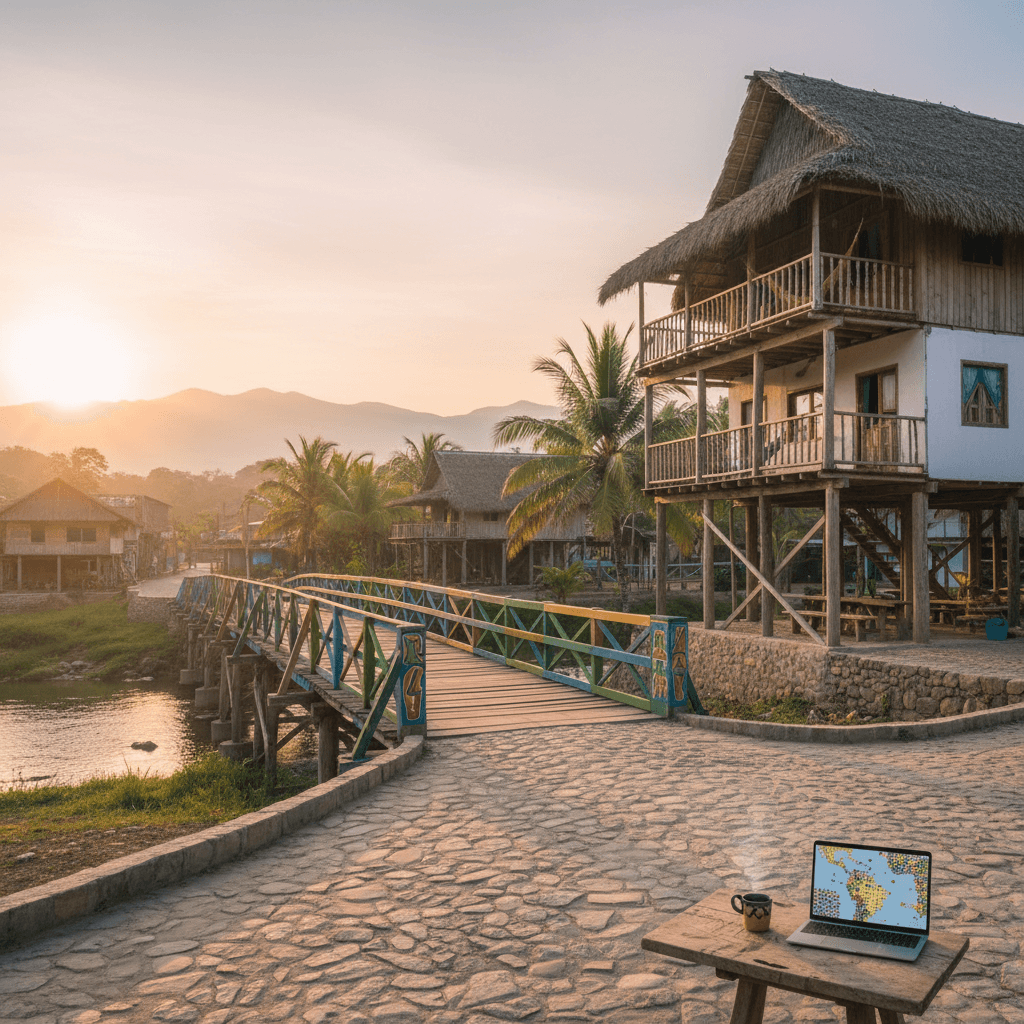
Palomino
🇨🇴 Colombia