Panjakent
🇹🇯 Tajikistan
The Vibe: Silk Road Slowdown
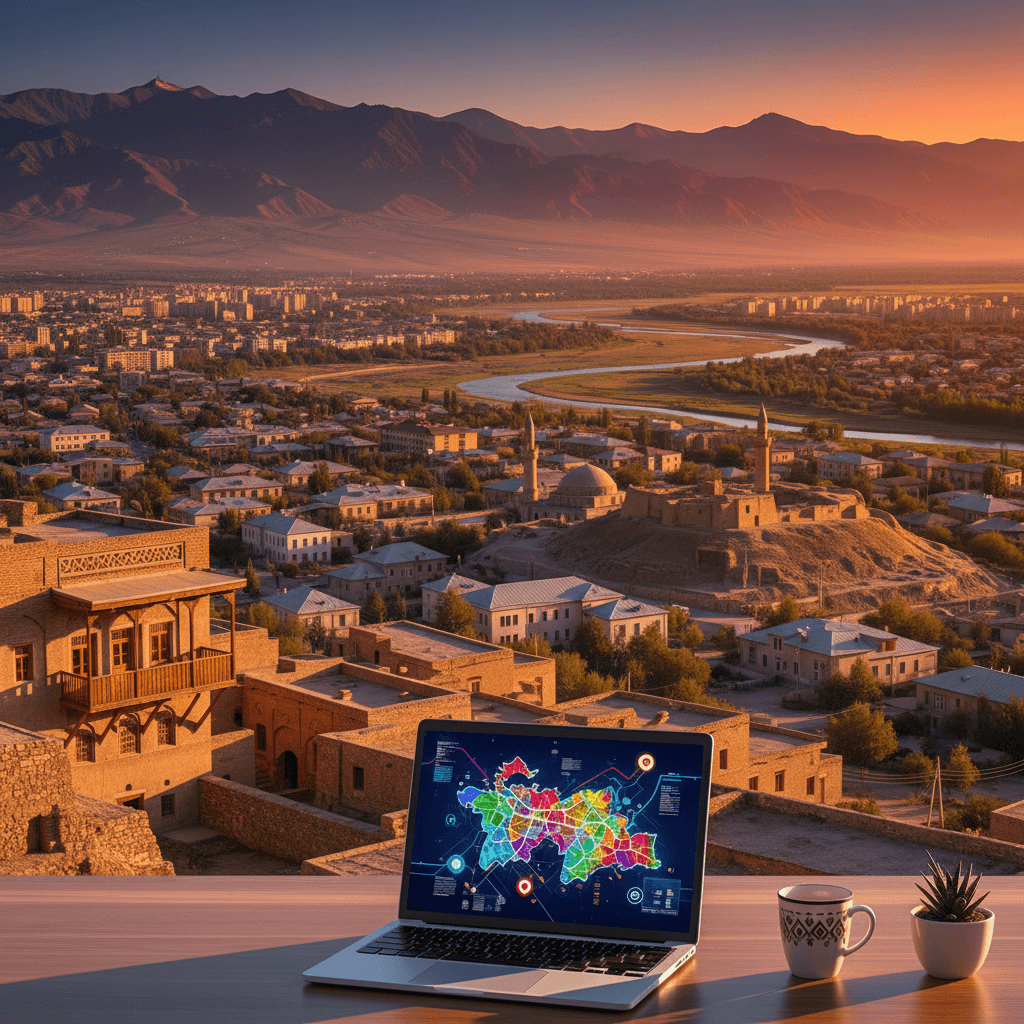
Panjakent isn't your typical digital nomad hub. You won't find glass-walled coworking spaces or specialty oat milk lattes here. Instead, this border town serves as a gritty, beautiful gateway where the ancient Sogdian Empire meets modern Tajik mountain life. It feels like a place where time has been stretched out. The air smells of dust, baked flatbread, and the sharp scent of cumin from the local market. It’s a city that forces you to close your laptop and actually look around.
The energy centers entirely on the Panjakent Bazaar. This isn't a tourist trap; it’s the heartbeat of the region. Local farmers descend from the Fann Mountains daily to sell produce, and the legendary plov shops usually sell out by 4:00 PM. Nomads who find their way here usually do so for the "offline adventure" appeal. It’s the kind of place where you’ll spend your morning exploring 5th-century ruins and your afternoon drinking tea with a local family who invited you in just because you looked lost.
Cost of Living
Your dollar goes incredibly far here, mostly because there are few ways to spend it on luxury. Panjakent is one of the most affordable stops in Central Asia. Most travelers find that $600 to $900 a month provides a very comfortable lifestyle, including private accommodation and frequent dining out. Cash is king; carry Tajik Somoni for everything from your morning fruit to your guesthouse bill.
- Housing: Budget homestays or guesthouses near the center run between $100 and $200 a month. Mid-range hotels for a more private stay hover around $250 to $400.
- Food: A massive plate of plov or street food at the bazaar costs $1 to $3. A sit-down dinner at a local restaurant rarely exceeds $10.
- Transport: Local marshrutkas (minibuses) cost about $0.50 per ride. Shared taxis to the ruins or nearby villages are usually $2 to $5.
Where to Plant Your Flag
Since the town is compact, your choice of neighborhood depends on how close you want to be to the action versus the archaeology.
Central Panjakent
- The Vibe: Authentic, loud, and convenient. This is where you’ll find the bazaar, the Rudaki Museum, and the most reliable food options.
- Best for: Social nomads and anyone who wants to be within walking distance of everything.
- Pros: Easy access to the market and transport hubs; the most "connected" part of town.
- Cons: Can be noisy; very basic lodging.
The Ruins Outskirts
- The Vibe: Quiet and contemplative, located about 4km west of the city center.
- Best for: History buffs and solo explorers who want peace.
- Pros: Immediate access to the ancient Sogdian frescoes and site.
- Cons: Limited food options; requires a taxi or long walk to get into town.
The Infrastructure Reality Check
If your job requires 8 hours of high-speed Zoom calls, Panjakent will be a challenge. There are no coworking spaces. Most nomads treat this as a "work-lite" destination. You can get basic tasks done using a local T-Cell SIM card (about $5 to $10 for a data package), but speeds are inconsistent. Expect to work from your guesthouse courtyard or a basic cafe near the bazaar. Most people use Panjakent as a base for the Seven Lakes (Haft Kul) or Fann Mountain treks, finishing their deep-work sprints in Dushanbe or Samarkand before arriving.
Safety and Logistics
Panjakent is remarkably safe. The local culture is deeply hospitable, and as a border town, residents are used to seeing foreigners passing through from Uzbekistan. Healthcare is basic at best; there are pharmacies for minor issues, but for anything serious, you’ll need to head to Dushanbe. English isn't widely spoken, so download an offline Russian or Tajik translation pack. Navigating the town is simple: walk when you can, and use shared taxis for everything else. It’s a "pleasant introduction" to Tajikistan that rewards those who trade their high-speed internet for high-altitude views.
The Cost of Living in Panjakent
Panjakent isn't your typical digital nomad hub with high-speed fiber and oat milk lattes. It's a rugged, affordable gateway to the Fann Mountains where your dollar stretches incredibly far. Most travelers find they can live here on a fraction of what they'd spend in Almaty or even Dushanbe. It's a cash-heavy economy where the local bazaar dictates the daily cost of living.
If you're planning a stay, your biggest expense will likely be guided treks rather than daily life. The town is small enough that you'll rarely need a taxi, and the lack of "expat-priced" venues means you're almost always paying what the locals pay.
Monthly Budget Tiers
- The Budget Backpacker ($400 to $500): This covers a bed in a local guesthouse or a simple homestay, eating almost exclusively at the Panjakent Bazaar, and using marshrutkas for any trips to the ancient ruins.
- The Mid-Range Nomad ($600 to $900): At this level, you're looking at a private room in a hotel or a more comfortable homestay, mixed dining between market stalls and local restaurants, and plenty of data for your phone.
- The Comfortable Explorer ($1,000+): This tier allows for the best available lodging, frequent private taxi hires to the Seven Lakes, and hiring local guides through services like ToursByLocals for deep dives into Sogdian history.
Housing and Accommodation
You won't find sleek apartment listings on Airbnb here. Most long-term visitors negotiate rates directly with guesthouse owners or find rooms near the central bazaar. Central Panjakent is the most convenient area to stay because it keeps you within walking distance of the Rudaki Museum and the main transport hubs.
- Guesthouses and Homestays: Expect to pay between $100 and $200 per month for basic, authentic lodging. These often include a traditional breakfast.
- Mid-range Hotels: A private room in a local hotel generally runs between $250 and $400 per month. Don't expect luxury; think functional and clean.
- Outskirts: Staying 4km west near the ancient ruins offers more peace but limits your food options. Prices are similar, but you'll spend more on transport.
Food and Dining
The Panjakent Bazaar is the heart of the city's food scene. It's where you'll find the freshest produce and the best plov. Most nomads find that eating out is actually more convenient than trying to cook, given the abundance of cheap, high-quality street food.
- Bazaar Meals: A plate of plov or street snacks will cost you between $1 and $3. Be sure to arrive before 4 PM, as the best food sells out early.
- Local Restaurants: A sit-down dinner at a mid-range Tajik restaurant typically costs between $5 and $10.
- Groceries: Fresh bread (non), seasonal fruits, and local dairy are incredibly cheap, usually costing just a few somoni per item.
Transport and Connectivity
Getting around is straightforward. The town center is highly walkable, but you'll need wheels for the surrounding attractions. Since there are no ride-hailing apps like Yandex in Panjakent, you'll be negotiating with local drivers or hopping on a minibus.
- Marshrutkas: A single ride within the city or to the nearby ruins costs roughly $0.50.
- Private Taxis: Short trips across town are usually $2 to $5. A shared taxi from the Uzbekistan border is about an hour's drive and very affordable.
- Mobile Data: A T-Cell SIM card with a decent data package costs around $5 to $10 per month. While speeds are fine for messaging, they often struggle with video calls, especially as you head toward the mountains.
Practical Financial Tips
Cash is king in Panjakent. While Dushanbe has better banking infrastructure, ATMs here can be temperamental or empty. Most expats recommend carrying a mix of US Dollars for emergencies and Tajik Somoni for daily transactions. There are no coworking spaces, so you'll be working from your guesthouse or the occasional cafe near the bazaar. If you need a serious "work week" with stable 2026-standard internet, it's best to head to Dushanbe before returning to Panjakent for your mountain adventures.
Digital Nomads
Panjakent isn't your typical laptop-and-latte hub. Most nomads treat this Silk Road outpost as a base for "offline weeks" rather than a place to grind out 40-hour work weeks. The internet infrastructure is basic, so you'll want to grab a T-Cell SIM card near the bazaar for about $5 to $10 a month and stick to light tasks like emails or Slack between mountain treks.
The best area for nomads is Central Panjakent, specifically the blocks surrounding the Panjakent Bazaar and the Rudaki Museum. You won't find coworking spaces here, but you can find a corner in local cafes to work for an hour or two. Rent for a private room in a guesthouse or a basic apartment runs between $200 and $400. It's a low-cost lifestyle where a massive plate of plov at the market costs $2 and a local shared taxi across town is about $0.50. If you need high-speed fiber or a community of remote workers, you'll need to head back to Dushanbe.
Expats
Expats in Panjakent are a rare breed, usually consisting of archaeologists, NGO workers, or mountain guides. Living here means embracing a slow, traditional Tajik pace. The central residential areas are popular because they feel authentic and put you within walking distance of everything. You'll likely live in a homestay or a modest local house since modern apartment complexes don't really exist here.
Expect to spend roughly $600 to $900 a month for a comfortable mid-range lifestyle. While English is scarce, the local community is incredibly welcoming. You'll spend your afternoons at the bazaar, which shuts down around 4 PM, or chatting with neighbors over green tea. Safety is a non-issue in these residential pockets; it's the kind of place where people look out for one another. Just keep in mind that healthcare is limited to basic pharmacies, so most expats head to Dushanbe or over the border to Samarkand for serious medical needs.
Solo Travelers
If you're traveling solo, the Outskirts near the Ancient Ruins offer a quieter, more contemplative vibe. Located about 4km west of the modern center, this area is perfect if you want to be steps away from the 5th-century Sogdian frescoes and crumbling citadels. It’s less walkable than the city center, but shared taxis make it easy to get around for a few somoni.
Solo travelers often prefer this area for the proximity to history and the easy access to the road leading toward the Seven Lakes (Haft Kul). Budget-conscious explorers can keep their total monthly spend under $500 by staying in local homestays and eating street food. It's an easy place to meet people because the traveler circuit is small; you'll likely run into the same faces at the ruins or while waiting for a shared taxi to the Uzbekistan border.
Families
Panjakent doesn't have specific "family-friendly" suburbs with playgrounds or international schools, but it's a safe and educational environment for kids who enjoy the outdoors. Families usually opt for the Central Panjakent area to stay close to food supplies and transport. The bazaar is a sensory playground for children, filled with colorful fruits and friendly vendors.
For a more adventurous family stay, look at access points to the Fann Mountains, like the small villages near the start of the hiking trails. While the internet is almost nonexistent here, the nature immersion is world-class. You can organize day tours or multi-day treks through Voru Village for about $50 to $100. It's a rugged lifestyle, so families should come prepared with a stash of snacks and basic medicines, as the local shops carry only the essentials.
- Central Panjakent: Best for walkability and food.
- Ancient Ruins Outskirts: Best for history and quiet.
- Mountain Access Points: Best for hikers and short-term nature stays.
Digital Connectivity in the Fann Gateway
If your job requires high stakes video conferencing or uploading massive raw video files, Panjakent might be your biggest challenge in Tajikistan. Most nomads treat this town as a digital detox zone or a place to clear out basic admin tasks before heading into the mountains. The infrastructure here is built for local utility, not for the high bandwidth needs of a remote tech team.
You won't find sleek, glass walled coworking spaces like you would in Almaty or Bishkek. There are no dedicated hubs here for the laptop crowd. Instead, you'll be relying on your hotel's WiFi or local cafes near the Panjakent Bazaar. These spots are fine for sending emails or Slack messages, but the speeds are notoriously inconsistent. Travelers often find that the connection drops just as the afternoon heat peaks or when the town gets busy.
Best Spots to Log On
Since dedicated workspaces are nonexistent, your best bet is to choose your accommodation wisely. A few of the mid range hotels near the center provide the most stable connections you can find in town. If you need a change of scenery, try the tea houses or small eateries near the Rudaki Museum. While they don't always advertise WiFi, some owners are happy to share their password if you're buying a few rounds of tea and snacks.
- Hotel WiFi: This is your primary lifeline. Stick to central guesthouses where the routers are more modern.
- Teahouses (Chaikhanas): Good for low intensity work. Don't expect a quiet environment; these are social hubs where the local energy is high.
- Smartphones as Hotspots: Many expats recommend using a local SIM as a backup because landline internet can be finicky.
Mobile Data and SIM Cards
Buying a local SIM card is the first thing you should do after crossing the border from Uzbekistan. T-Cell is the most reliable provider in this region. You can find their shops near the main bazaar. Expect to pay between $5 and $10 for a monthly data package that will cover most of your basic needs.
Speeds are generally 4G in the modern town center, but this quickly degrades to 3G or nothing at all as you move toward the Ancient Sogdian ruins or the Seven Lakes. If you have a deadline, finish it in town. Once you start the drive into the Fann Mountains, you are effectively off the grid. Most nomads use their time in Panjakent to download offline maps and cache any documents they need for their mountain treks.
The Reality of Remote Work Here
The general consensus among the nomad community is that Panjakent is a place for "short work bursts." It is a fantastic base for cultural immersion and world class hiking, but it's not a place to settle for a three month coding sprint. Most people stay for a few days, enjoy the ultra low cost of living, and then head back to Dushanbe where the infrastructure is more robust. If you can manage a week of asynchronous work without needing 50Mbps speeds, the trade off for the stunning mountain views and the 4 PM plov sessions at the market is usually worth it.
Connectivity Quick Facts
- Coworking Spaces: None. Your hotel room or a quiet cafe is your office.
- Average Mobile Data Cost: $5 to $10 per month for a standard T-Cell plan.
- Reliability: Low to Moderate. Power outages are rare in the summer but can happen, affecting WiFi.
- Top Tip: Always have a local SIM with a data tethering plan. It is often faster than the "free" WiFi offered at budget homestays.
Safety in the Gateway to the Fann Mountains
Panjakent feels remarkably safe, even for those used to the more chaotic energy of larger Central Asian hubs. Most travelers describe the town as a gentle introduction to Tajikistan. Because it sits right on the border with Uzbekistan, the local community is accustomed to visitors passing through on their way to the Seven Lakes or the ruins of Sarazm. You can walk through the central bazaar or the residential streets near the Rudaki Museum without much worry; the vibe is more slow paced and hospitable than predatory.
While street crime is rare, you should keep your wits about you at the Panjakent Bazaar before 4 PM when the crowds are thickest. It is not that pickpocketing is rampant, but the sheer volume of people buying farm produce and plov makes it easy to lose track of your belongings. If you are heading out to the Ancient Sogdian ruins about 4km west of town, stick to the marked paths. The safety concerns here are more about the terrain and the sun than the people.
For solo travelers and nomads, the biggest "danger" is usually the lack of infrastructure. If you are hiking the Haft Kul (Seven Lakes), always let your guesthouse owner know your route. The mountains are stunning but remote, and phone signals drop off quickly once you leave the main town area. Stick to these standard precautions:
- Carry a physical map or offline GPS since data is spotty.
- Keep a stash of cash in Tajik somoni; ATMs are notoriously unreliable here.
- Dress modestly when visiting the local mosque or traditional neighborhoods to respect local customs.
Healthcare and Medical Realities
Healthcare in Panjakent is basic. You will find small pharmacies, or "Apteka," around the bazaar area that stock standard over the counter meds for stomach issues or headaches. However, for anything beyond a minor ailment, the local facilities won't meet Western standards. Most expats and long term travelers head to Dushanbe, a 5 to 6 hour drive away, for serious medical concerns or specialized consultations.
If you have a medical emergency, the standard number to dial is 112, though English speakers are rare on the other end of the line. It is better to have your guesthouse host or a local guide from a service like ToursByLocals assist you with translation and transport to a clinic. Because of the altitude and the local diet, travelers often deal with minor digestive issues or dehydration. Drink bottled or filtered water and ease into the local plov if your stomach is sensitive.
Before arriving, ensure your travel insurance covers medical evacuation. If you are planning to spend weeks trekking in the Fann Mountains, this is non negotiable. Most nomads use Panjakent as a short term base for adventure rather than a place to hunker down, partly because the peace of mind regarding healthcare just isn't there compared to Almaty or Tashkent.
Practical Safety Tips
- Emergency Contacts: Save the coordinates for your embassy in Dushanbe before you arrive.
- Travel Documentation: Keep digital and physical copies of your passport and visa; local police occasionally perform routine checks near border zones.
- Connectivity: Pick up a T-Cell SIM card for about $5 to $10. It won't help much in a medical crisis in the deep mountains, but it works well enough in town to call a taxi or a guide.
- Nightlife: There isn't any. The town goes quiet early, so plan to be back at your accommodation by dusk. Walking at night is generally safe, but the lack of street lighting in some patches makes it easy to trip or take a wrong turn.
Footwork and Local Wheels
Panjakent is a compact town where your own two feet do most of the lower lifting. The layout is straightforward, centered around the mosque and the bazaar. Most travelers find that if they are staying in the modern center, they can reach the museum, local eateries, and the market within a 10 to 15 minute stroll. It is the kind of place where you'll walk past the same friendly faces three times a day, making it easy to get your bearings quickly.
For trips that are a bit too far for a walk, like reaching the ancient Sogdian ruins located about 4km west of the modern town, you'll want to hop in a marshrutka. These are the ubiquitous minibuses that serve as the local circulatory system. They don't run on a strict schedule but rather depart when full. A ride typically costs around $0.50 (roughly 5 to 6 somoni). It is a tight squeeze, but it is the most authentic way to move like a local.
Taxis and Shared Rides
Unlike Almaty or Tashkent, you won't find Yandex or other ride-hailing apps here. Taxis are strictly a "hail from the curb" affair. For short hops within the city limits, expect to pay between $2 and $5. Always agree on the price before you close the door, though drivers here are generally straightforward with visitors coming over from the Uzbekistan border.
Shared taxis are the standard for regional travel. If you are heading out to the Seven Lakes (Haft Kul) or deep into the Fann Mountains, you'll find drivers congregating near the bazaar or specific transport hubs. These drivers wait for four passengers to fill the car before heading out. It is affordable and efficient, though it requires a bit of patience if you are the first person to show up.
Regional Connections
Panjakent serves as a major gateway for those crossing from Samarkand. The border is about 20km away, and a shared taxi from the frontier into town usually takes about 20 to 30 minutes. If you are coming from Dushanbe, prepare for a long, scenic haul. The drive takes about 5 to 6 hours through high mountain passes. While the views are world class, the roads can be intense, so most nomads prefer hiring a private driver or joining a guided transfer through services like GetYourGuide for the extra peace of mind.
- Marshrutka rides: Approximately $0.50 per trip.
- Private town taxis: Ranges from $2 to $5 depending on distance.
- Shared taxi to Seven Lakes: Prices vary by group size, but expect a full day hire to run $50 to $100 for the vehicle.
Navigation Tips
Because internet speeds are notoriously sluggish and mobile data can drop out the moment you leave the town center, download an offline map of the area. Google Maps works okay, but local travelers often suggest having a backup. Since English proficiency is low among drivers, having your destination written in Tajik or Russian, or simply having a photo of the landmark on your phone, will save you a lot of miming at the taxi window.
If you are planning to explore the mountain villages like Voru, don't rely on public transport. These routes are infrequent and often stop running early in the afternoon. For these "offline adventures," your best bet is to coordinate a return trip with a local driver at the bazaar or book a guided tour that handles the logistics for you. Most nomads find that while the town is easy to navigate, the surrounding wilderness requires a bit more professional help to navigate safely.
The Language Landscape
In Panjakent, you're stepping into a world where Tajik, a beautiful dialect of Persian, is the heartbeat of the streets. While the city sits right on the border with Uzbekistan, the local identity is fiercely Tajik. You'll hear the melodic, rhythmic flow of the language everywhere from the Panjakent Bazaar to the ancient ruins. Russian remains the primary lingua franca for business and official matters, a lingering legacy that most locals over thirty speak fluently.
English is still a rare commodity here. Outside of professional mountain guides and the staff at more established guesthouses, you won't find many people who can hold a conversation in English. Most nomads find that while the language barrier is real, the locals are incredibly patient. A smile and a few hand gestures go a long way when you're haggling for apricots or a bowl of plov.
Essential Phrases for Your Toolkit
Learning a handful of Tajik words will transform your experience from a spectator to a welcomed guest. It shows respect for the local culture, which goes a long way in a town that doesn't see a massive influx of westerners. Use these daily:
- Salom (Hello) or Salom aleykum (Peace be upon you) for a more formal greeting.
- Rahmat (Thank you).
- Chand somoni? (How much?). This is vital for the bazaar where prices aren't always marked.
- In chist? (What is this?).
- Khush omaded (Welcome). You'll hear this often from shopkeepers.
Communication Tools and Apps
Since English isn't widely spoken, your phone will be your best friend. However, don't rely on a live connection. Data speeds in Tajikistan are notoriously sluggish, and once you head toward the Seven Lakes or the Fann Mountains, your signal will likely vanish entirely. Travelers recommend downloading the Russian and Persian/Tajik packs on Google Translate for offline use before you leave your home country or Dushanbe.
For staying connected locally, head to the T-Cell shop near the central bazaar. You can pick up a SIM card for roughly $5 to $10. This will give you enough data for basic messaging and maps, but don't expect to hop on a Zoom call without significant lag. Most expats and long term travelers use Telegram or WhatsApp for everything; it's the standard way to coordinate with local drivers or tour operators.
Navigating Social Etiquette
Communication in Panjakent is as much about body language and custom as it is about words. When you greet someone, especially an elder, placing your right hand over your heart after a handshake is a sign of deep respect. If you're invited into a home, which happens more often than you'd think, remember to remove your shoes at the door.
If you're planning a deep dive into the history of the Rudaki Museum or need help navigating the logistics of the Voru Village, it's worth hiring a local guide through platforms like ToursByLocals. They bridge the gap between the ancient Sogdian history and your modern needs, ensuring nothing gets lost in translation. Most guides charge between $50 and $100 for a full day of translation and expertise, which is a solid investment if you want to understand the nuances of life in the Zarafshon Valley.
When to Pack Your Bags
Panjakent is a high altitude gateway, which means the weather dictates everything you can and cannot do. If you're coming for the legendary hiking in the Fann Mountains or the Haft Kul (Seven Lakes), your window is relatively narrow. The sweet spot hits between May and October. During these months, daytime temperatures hover between 15°C and 25°C, providing that crisp mountain air that makes long treks feel effortless rather than exhausting.
July and August are the warmest months, with average highs around 30-32°C. While the valley gets hot, the proximity to the mountains offers a quick escape into cooler altitudes. Travelers often recommend timing a visit for September; the summer crowds (what few there are) have thinned, the bazaar is overflowing with fresh harvest produce, and the colors in the mountains start to turn.
Avoiding the Deep Freeze
Winter in Panjakent is a different beast entirely. From December through February, the town settles into a quiet, cold slumber. Winter temperatures average around 0°C daytime, dipping below freezing at night, and snow is common. While the ancient Sogdian ruins look beautiful under a layer of white, the mountain passes often become impassable. Most homestays in the surrounding villages close up shop, and the "offline adventure" vibe becomes a bit too literal when you're stuck indoors with limited heating. Unless you're specifically looking for a solitary, snowy retreat with zero distractions, give the winter months a miss.
The Season of Transition
Spring and fall are brief but beautiful. April brings the first bursts of green to the valley, though you might encounter short, sharp rain showers. It's a great time for exploring the Rudaki Museum or the 5th century BC ruins without the summer heat, but the higher trails to the Seven Lakes may still be muddy or blocked by lingering snow.
Most digital nomads use Panjakent as a tactical retreat between stints in Dushanbe or Samarkand. Since the internet infrastructure isn't robust enough for long term deep work, you'll want to visit when the weather is perfect for being outside. If you're planning your 2026 calendar, aim for late May or early June. You'll catch the waterfalls at their peak flow and the wildflowers in the meadows, all while enjoying the low costs before the peak trekking season fully kicks in.
Seasonal Checklist
- Peak Trekking (June to August): Best for the Fann Mountains and high altitude camping. Expect clear skies and 30°C days in town.
- Cultural & Harvest (September to October): Ideal for foodies. The Panjakent Bazaar is at its best, and the weather is mild for walking through the ruins.
- The Quiet Zone (November to March): Cold and snowy. Best avoided unless you're staying in a well heated hotel in the town center.
- Spring Awakening (April to May): Great for photography and lower valley walks, though mountain access is hit or miss depending on the snowmelt.
Nomads typically find that a one to two week stay during the summer months is the perfect balance. You can knock out your emails in a local cafe or hotel during the morning, then spend your afternoons exploring the bazaar or the ancient frescoes before the sun sets. Just remember that the plov at the bazaar usually sells out by 4 PM, regardless of the season, so plan your appetite accordingly.
Daily Rhythms and Costs
Panjakent operates on a timetable that feels worlds away from the high speed tech hubs of Almaty or Tashkent. Life here centers on the Panjakent Bazaar, where the best plov is served by 11 AM and usually sells out by 2 PM. Most travelers find that $600 to $900 per month provides a very comfortable lifestyle, covering a private room, frequent meals out, and weekend trips into the Fann Mountains.
If you are watching your budget closely, you can get by on less than $500. Street food like sambusa or a massive plate of plov at the market costs between $1 and $3, while a sit down dinner at a local spot rarely exceeds $10. For groceries, stick to the bazaar for fresh farm produce; it is significantly cheaper and better quality than the small corner shops.
- Budget Tier: Under $500 (Homestays, market meals, shared minibuses)
- Mid-Range: $600 to $900 (Private hotel room, mix of cafes and market food, occasional guided tours)
- Comfort Tier: $1,000+ (Best available hotels, private drivers for mountain excursions, frequent data top ups)
Connectivity and Workspace
You won't find a dedicated coworking space in Panjakent. The town is a place for deep focus or, more likely, a digital detox. While Dushanbe has established hubs like SmArt.Point, Panjakent relies on hotel WiFi and mobile data. Most digital nomads treat this as a "work burst" destination, catching up on emails in the morning before heading out to the ruins or the Seven Lakes.
Pick up a SIM card from the T-Cell shop near the bazaar. A monthly data plan costs about $5 to $10. Speeds are generally fine for messaging and basic browsing, but video calls can be hit or miss, especially if you head into the mountains. If you need to upload large files, do it before you leave the modern town center.
Neighborhoods and Where to Stay
Panjakent is compact and easy to navigate on foot. There aren't distinct expat enclaves, so your choice depends on whether you want proximity to food or quiet nights. Most visitors prefer staying in Central Panjakent near the bazaar and the Rudaki Museum. You'll be within a five minute walk of the best food and the shared taxi stands. Expect to pay $100 to $200 for a basic homestay or $250 to $400 for a mid range hotel.
For those who want more silence, look toward the Outskirts near the Ancient Ruins. It is about 4km west of the center. It is much quieter, but you'll rely on $2 taxi rides or $0.50 marshrutkas to get into town for supplies. If you are heading to the Haft Kul (Seven Lakes), these are strictly for short term adventure stays; the internet is virtually nonexistent once you pass the fourth lake.
Getting Around and Logistics
There are no ride hailing apps like Yandex here. Instead, you'll use shared taxis and minibuses. A ride within the city or out to the 5th century BC ruins usually costs less than a dollar. If you are coming from Uzbekistan, the border crossing is only about 20km away. A shared taxi from the border to Panjakent takes about 20 minutes and is the most common entry point for nomads doing a "Stans" tour.
Cash is the only reliable currency. While there are a few ATMs in the center, they often run out of bills or don't accept international cards. Bring US Dollars to exchange at the banks or the bazaar. For healthcare, pharmacies near the market carry basic supplies, but for anything serious, you'll need to make the five hour drive to Dushanbe.
Language and Local Etiquette
Tajik and Russian are the dominant languages. English is rare outside of tour guides and younger residents. Download the Russian and Persian offline packs on Google Translate to navigate menus and transport. A simple "Salom" (hello) or "Rahmat" (thank you) goes a long way with the vendors at the market.
The culture is traditional and hospitable. Dress modestly when visiting the mosque or the bazaar; long trousers and covered shoulders are the norm for everyone. If you are invited into a home for tea, remember to remove your shoes at the door. It is a slow, friendly environment where people are genuinely curious about visitors, so leave plenty of time for unplanned conversations over tea.
Need visa and immigration info for Tajikistan?
🇹🇯 View Tajikistan Country GuideOff the Radar
Pioneer territory