Palma
🇪🇸 Spain
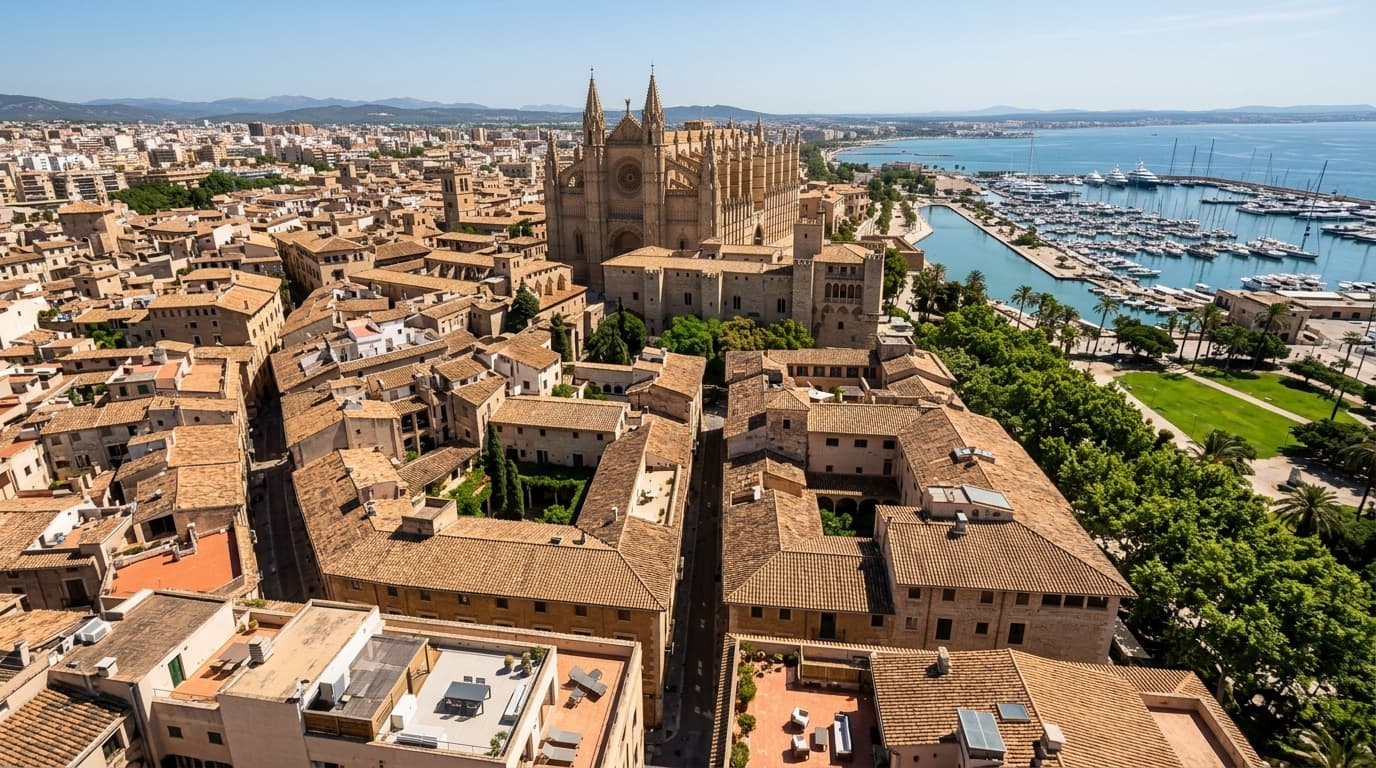
Palma feels like a proper city that happens to sit on an island, not the other way around. You’ve got an Old Town of honey-colored stone, a marina that smells faintly of salt and diesel, cafés with laptop crowds, then mountain roads and quiet coves not far beyond the bus line.
That mix is the appeal and the catch. Palma has strong fiber in many apartments, an international crowd and easy day-to-day living, but it’s also one of Spain’s priciest rental markets, with summer bringing more noise, more tourists and a lot less patience from locals in the center.
The vibe changes fast by neighborhood. Santa Catalina is the obvious nomad magnet, with brunch spots, laptop-friendly tables and a slightly smug “we all know each other” feel; the Old Town is prettier and more cramped; Son Armadams and El Terreno are calmer; Portixol and Molinar give you sea air, runners at dawn and higher rents for the privilege.
Most people who stay more than a few weeks end up choosing between convenience and sanity. If you want easy walking, good internet and a social scene, Palma works. If you want cheap rent, it doesn’t.
What stands out
- Walkability: Compact enough to live without a car if you’re central.
- Internet and work setup: Generally solid in city apartments, with coworking spaces usually starting around €150 a month and many better-located or more full-service options ranging from about €250 to €350+ ($270 to $378+) a month.
- Community: There’s a real remote-worker crowd, plus expats who’ve settled into the island pace.
- Access to nature: You can go from a Zoom call to the Tramuntana mountains or a beach walk in under an hour.
The trade-offs
- Rents: Budget studios and shared flats often start around €750 to €1,000 ($810 to $1,080), while decent 1BRs usually land at roughly €1,100 to €1,400+ ($1,188 to $1,512+), especially in central or sea-adjacent areas.
- Seasonal crowds: July and August can feel hectic, with packed buses, noisy terraces and the constant clink of glasses from bars that stay open too late.
- Bureaucracy: Visas, NIE paperwork and empadronamiento can be a slog and people often pay a gestor to keep their sanity.
For a single nomad, a realistic monthly life in Palma usually starts around €2,200 to €2,700 ($2,376 to $2,916) if you want your own place and don’t eat every meal at home. That buys a good quality of life, but not a bargain and the city knows it.
Palma isn’t cheap and the city knows it. Rents have pushed into the upper end of Spain’s market, especially in central neighborhoods and anywhere near the sea, so if you want a decent flat you’ll usually need to move fast, have paperwork ready and be willing to pay for it.
For a single nomad, a basic room or small studio is more realistically around €750 to €1,000 ($811 to $1,081) a month, especially in or near central neighborhoods. A typical one-bedroom more often sits around €1,100 to €1,500+ ($1,188 to $1,620+), depending on area, condition and season, while a nicer two-bedroom can jump well above that once you add light, air conditioning and a decent location.
Typical monthly costs
- Rent: €750 to €1,000 ($811 to $1,081) for a room or basic studio, €1,100 to €1,500+ ($1,188 to $1,620+) for a one-bedroom
- Groceries: €200 to €300 ($217 to $325) for one person cooking at home
- Coffee and lunch: Coffee is usually €1.50 to €2.50 ($1.63 to $2.71), a menu del día about €10 to €15 ($11 to $16)
- Coworking: Around €150 to €300 ($163 to $325) a month for a desk
- Night out: Beer is often €3 to €4 ($3.25 to $4.34), more in tourist-heavy bars near the waterfront
Most medium-term travelers end up around €1,800 to €2,300 ($1,950 to $2,495) a month if they’re renting a one-bedroom, eating out a few times a week and using coworking part-time. If you want a comfortable life with a better flat, more dinners out and island trips, €2,400 to €3,000+ ($2,603 to $3,254+) is a more realistic number.
Transport helps soften the blow. Palma’s public transport system has had periods where city buses and the wider TIB network were free or heavily discounted when using official transport cards, but the exact discounts and eligibility can change, so check current EMT Palma and TIB information before you arrive. A lot of locals and nomads skip taxis unless they’re coming home late from the Paseo Marítimo. The catch is that housing still eats the budget and summer makes everything worse.
Neighborhoods with different price tags
- Santa Catalina: Popular with nomads, lively and walkable, but noisy and pricey
- Casco Antiguo: Beautiful and central, with small old flats that cost more than they should
- Son Armadams and El Terreno: Quieter and a bit more residential, though still not cheap
- Portixol and Molinar: Sea-facing and in demand, which keeps rents high
- Pere Garau and Es Fortí: Better value, less polished and more local
If you’re coming for a month or two, budget for friction. Short-term rentals in high season can get absurd and a central one-bedroom can easily run €80 to €200+ ($86 to $216+) a night in high season. The smarter move is to book something temporary, then search on the ground with a Spanish phone number, a folder of documents and a lot of patience. The bureaucracy is real and so is the humidity when you’re apartment hunting in August.
Nomads
Santa Catalina is the default pick for most remote workers. It’s close to the center, packed with cafés and you’ll see laptops everywhere from Mercat de Santa Catalina to the smaller streets off Plaça del Progrés. The catch is obvious, it’s noisy at night, rent is steep and summer crowds can make a simple coffee run feel like a parade.
Son Armadams works better if you want the same central access without the constant chatter. It’s greener, a little calmer and still easy to walk to Santa Catalina or the port. Portixol and Molinar are the move if you want sea air and a morning run by the water, but the tradeoff is price and limited stock.
Expats
Casco Antiguo gives you the classic Palma experience, narrow stone streets, shady plazas, cathedral bells and the smell of jasmine after dark. It’s lovely, but the flats are often small, old and overpriced and parking can be a pain if you’ve got a car. People stay for the atmosphere, then complain about the tourist churn.
For a more local feel, Pere Garau and Es Fortí make more sense. Rents are usually better, daily life feels less curated and you’re more likely to hear Spanish or Mallorquín than English in the bakery line. You won’t get as many laptop-friendly cafés, though, so don’t move there expecting a polished nomad scene.
Families
Families often look just outside the obvious central zones. Son Armadams is a solid compromise because it’s quieter, walkable and close to Bellver Castle and the seafront without feeling cut off. In Portixol or Molinar, the promenade is great for kids on scooters and weekend bike rides, but the rent can bite hard.
If you want more space for the money, many families end up in nearby towns rather than Palma proper. Inside the city, the main question is simple, do you want convenience or breathing room? Palma rarely gives you both at a discount.
Solo travelers
Santa Catalina is easiest if you want to meet people fast. The neighborhood has bars, brunch spots and enough foot traffic that you never feel stranded, but it can get loud, especially on warm nights when the windows are open and the street noise drifts in.
For a quieter base, Son Armadams or parts of the Old Town work well if you prefer wandering, museums and early mornings over late drinks. Skip the most tourist-heavy pockets near the cathedral if you hate being boxed in by crowds and rolling suitcases. Palma’s compact size means you can still get everywhere without living in the middle of the mess.
Palma’s internet is generally good and in the center you’ll usually get solid fiber, stable video calls and enough speed for cloud work without much drama. The catch is the price of actually living here, not the connection. Rent is high, summer gets crowded and the best apartments get snapped up fast, so most nomads who stay more than a month start hunting early and move quickly when they find something decent.
The city has a real work-from-anywhere crowd, especially around Santa Catalina, the Old Town and the seafront neighborhoods. You’ll hear laptop chatter in cafés, espresso machines steaming all morning and the occasional scooter buzzing past open windows. Palma also has a few coworking spaces worth looking at, though none are cheap and many people split their time between home, cafés and a desk membership instead of paying for a full-time office.
Where nomads usually work
- Santa Catalina: The easiest place to find laptop-friendly cafés, but it can get noisy and a little too touristy. Good if you like being able to walk everywhere.
- Casco Antiguo: Pretty and central, with smaller cafés and boutique workspaces. Charming, yes, but the older flats can be cramped and the streets fill with foot traffic by midday.
- Son Armadams and El Terreno: Better for quieter home working. You’re still close to the center, but the vibe is less frantic and the sea air actually reaches you.
- Portixol and Molinar: Great if you want to work near the water. Rents are steeper, though and stock is tight.
Coworking and daily costs
- Monthly desk: Coworking memberships usually start around €150 a month, with many central or better-equipped spaces ranging from about €250 to €350+ ($270 to $378+) a month.
- Day pass: Usually €20 to €25 ($22 to $27), sometimes more in the nicer spaces.
- Coffee: Around €1.50 to €2.50 ($1.62 to $2.70).
- Menu del día: Usually €10 to €15 ($11 to $16).
If you’re staying a few months, a decent setup usually means paying for a one-bedroom in the €900 to €1,200 ($972 to $1,296) range and then deciding how much coworking you actually need. That puts a comfortable solo budget around €1,800 to €2,300 ($1,944 to $2,484) a month, before flights and weekend trips.
Transport is one bright spot. Public buses and regional links have recently been free or heavily discounted when you use the official cards, but the policy is reviewed and updated over time, so always check EMT Palma and TIB for the latest rules. The bureaucracy for those cards, plus NIE and empadronamiento stuff, can be maddening, though local gestor services are common if you’d rather pay someone to stand in line for you.
Palma feels safe for a city this size. You can walk most central neighborhoods after dark without much drama, but petty theft does happen, especially around the Old Town, the seafront and busy summer nightlife strips where phones disappear from tables and bags get brushed in the crowd.
The bigger headache is heat, crowds and annoying little scams, not violent crime. In July and August the pavements around Santa Catalina and the Passeig Marítim can feel sticky and loud, with scooters buzzing past, nightclub bass leaking out and tourists spilling into the street after midnight. Keep your wits about you in bars, on buses and anywhere luggage is left unattended.
Common safety habits:
- Keep your phone zipped away on terraces and beaches.
- Use a crossbody bag in the Old Town and at the port.
- Don't leave laptops visible in cars, even for a quick coffee.
- Book taxis or rides after late nights instead of wandering home tired.
Healthcare: Palma has solid private clinics and a decent public system and many doctors speak English, especially in private practices. For a quick checkup, expats often use private centers in central Palma because appointments are faster and the waiting rooms are calmer than public hospitals.
Pharmacies are easy to spot, open late in tourist areas and usually marked by a green cross. For basic issues, pharmacists are often the quickest fix for things like stomach bugs, sunburn, allergies and minor cuts. Bring your prescription paperwork if you take regular medication, because Spanish pharmacies can be strict about substitutions.
Useful places and services:
- Hospital Universitari Son Espases: main public hospital, west of the center.
- Clinica Juaneda: private option with a stronger expat reputation.
- Palma public health centers: good for routine care if you’re registered.
- Pharmacies: everywhere in central Palma, with many on rotating late-night duty.
If you’re staying more than a few months, sort out your health card, private insurance and residency paperwork early. The bureaucracy can be maddening and a gestor can save you hours of standing around under fluorescent lights while the office fan rattles and someone behind the counter asks for one more photocopy.
For emergencies, call 112. For day-to-day life, Palma is straightforward if you’re sensible, stay hydrated and don’t act like your laptop is glued to the café table.
Palma is easy to move around on foot and for most people that’s the best first answer. The old center, Santa Catalina, Son Armadams and the waterfront are close enough that you can cross them without thinking about transport, though summer heat and the odd scooter buzzing past your knee can make even short walks feel longer than they should.
For everyday trips, the city bus network is the main fallback. EMT Palma covers the center, beach areas and residential districts and the fare situation is unusually good if you’ve got the right card: the city buses, plus many of the island’s interurban buses, trains and metro lines, may be free or heavily discounted with official transport cards, but the exact conditions change frequently, so confirm current rules with EMT Palma and TIB before relying on free rides. If you’re just tapping a bank card or buying single tickets, you’ll still pay normal fares, so don’t assume every ride is free.
Most nomads still mix walking, buses and bikes. Palma’s flat core is pleasant for cycling, especially toward Portixol, Molinar and along the seafront, but traffic gets impatient fast and drivers can be aggressive at roundabouts. The smell of exhaust hangs around the busiest roads and rush hour means plenty of horn-honking near the ring roads and Paseo Marítimo.
Best ways to get around
- Walk: Best for the Old Town, Santa Catalina and most daily errands. You’ll save money and avoid parking headaches.
- Bus: Good for cross-town trips, the beach and getting to neighborhoods like Pere Garau or Es Fortí without a taxi.
- Bike or e-bike: Handy for flat routes and the waterfront, less fun in midday heat or on narrow streets with bad drivers.
- Taxi or ride-hailing: Useful late at night or after a grocery run. Handy, but not cheap if you use it often.
If you’re staying a few months, rent near where you work. A flat in Santa Catalina or Casco Antiguo cuts commute time to almost nothing, while Portixol and Molinar suit people who want sea air, morning runs and a calmer feel. The trade-off is price. Those neighborhoods are expensive and the best places vanish quickly in peak season.
For airport runs, taxis are the easiest option with luggage, though the airport bus is the cheaper play if your timing works. The airport itself is close enough that the ride doesn’t drag, but July and August can turn the approach roads into a slow-moving crawl. Plan extra time, especially if you’re traveling with a suitcase, laptop bag and the usual nomad chaos.
Parking is the part people underestimate. It’s annoying, expensive in central areas and not worth planning your life around unless you really need a car. Palma works best when you treat it like a compact city, then rent a car only for weekend escapes into the Tramuntana or down to quieter coves.
Palma is easy to get around, but language can still trip you up. In the center, lots of people speak English, especially in Santa Catalina, the Old Town and Portixol, but the city still runs on Spanish and a fair bit of Catalan. Menus, official paperwork and neighborhood chatter often switch between the two, so don’t expect a clean English-only bubble.
For day-to-day life, Spanish gets you the farthest. Taxi drivers, landlords, shop staff and bank clerks will usually understand basic English, but the moment you’re dealing with contracts, the ayuntamiento or anything involving the NIE, Spanish helps a lot. Catalan isn’t required for most foreigners, though you’ll hear it in shops, on buses and in casual conversation, especially outside the tourist core.
The practical move is simple: learn enough Spanish to handle housing and admin, then let English cover the rest. A few words go a long way here and locals tend to soften fast if you make the effort. "Buenos días," "por favor," "gracias" and "¿habla inglés?" will do more for you than perfect grammar.
What to expect in daily life
- Restaurants: Tourist areas often have English menus, but small local spots may not. Pointing works and so does Google Translate.
- Housing: Many agents and landlords speak some English, though contracts are usually in Spanish. Read every line, because rental terms can be messy.
- Work and coworking: Most coworking spaces, including places around Santa Catalina and the center, are used to remote workers and usually switch to English without drama.
- Public services: This is where things get sticky. Expect slower conversations, more paperwork and less patience for mistakes.
For apps, Google Translate is the obvious backup and it actually helps here because signage and forms are short enough to scan quickly. DeepL is better for longer emails and housing documents. For bus routes and train schedules, the TIB and EMT apps are more useful than asking around, since timetables are clear even if the staff member at the station isn’t fluent in English.
The bigger headache is written admin. Lease clauses, empadronamiento forms and utility contracts can look innocent until they’re not, then you realize half the room has a stamp, a signature line or a word you don’t know. If you’re staying more than a few months, a bilingual gestor or a Spanish-speaking friend saves time and a lot of frustration.
Locals appreciate directness, but not loudness. Palma can feel relaxed in the morning, then all traffic noise, scooter buzz and café clatter by lunchtime. Speak clearly, keep things polite and don’t assume everyone wants to do business in English just because the city sees plenty of foreigners.
Palma has a classic Mediterranean rhythm, which means winter feels mild, spring is breezy and summer can be a grind. The city sits on the sea, so you get bright, dry days most of the year, but the humidity in late summer can stick to your skin and make a midday walk feel like work.
Most nomads like Palma best in April to June and September to October. The light is softer, cafés are full without being slammed and you can still swim or head up to the Tramuntana without melting on the bus ride there. July and August are another story, with packed beaches, louder streets and rents that jump if you're hunting short stays.
Winter is workable if you want calm and don't mind shorter days. You’ll get chilly mornings, damp air and the occasional rainy spell that leaves the old stone streets slick and cold underfoot, but it’s rarely miserable for long. It’s also the easiest time to find more breathing room in the center, though some beach bars and seasonal places shut down or run on reduced hours.
Best months by type of trip
- For remote work: April, May, Sept. and Oct. are the sweet spot, with good weather and fewer tourists.
- For beach life: June and Sept. give you warm water without peak-season chaos.
- For lower costs: Nov. through March is calmer and you’ll have better odds on long-stay rentals.
If you’re staying a month or more, book your first place early and keep an eye on the seasonal jump in demand. Santa Catalina, the Old Town and Portixol get especially tight in summer, while more local areas like Pere Garau can feel easier on the wallet year-round.
For day-to-day planning, rain is usually a mild annoyance rather than a trip ruiner, but summer heat can make an afternoon coworking run feel sticky and draining. Most people settle into a simple pattern, work early, take a long lunch, then head out again once the sun drops and the paseo fills with clinking glasses, scooter buzz and that salty sea smell drifting in from the port.
Palma is compact, so you can live without a car if you stay near the center. Most days, you’ll hear scooters buzzing past stone walls, café chairs scraping pavement and the church bells rolling across the Old Town. The tradeoff is price. Palma’s rental market is one of the priciest in Spain and summer pushes both rents and noise up fast.
Internet and work setup: Fiber is widely available in central neighborhoods and most apartments are fine for remote work. Cafés in Santa Catalina and around the Old Town are used to laptop crowds, though some get stingy with table time at lunch. If you need a proper desk, coworking memberships usually run about €150 to €300 ($162 to $324) a month and day passes often fall in the €20 to €45 ($22 to $49) range.
Where to live: Santa Catalina is the easy pick if you want restaurants, expat energy and walkability, but it can be loud late at night. Son Armadams and El Terreno feel calmer and more residential, with better odds of sleeping through the street noise. Portixol and Molinar are great if you want sea air and promenade runs, though rents there are painful. Pere Garau and Es Fortí can be better value if you can live with fewer English-friendly places.
Money and daily costs: A basic one-bedroom in Palma more often starts around €1,100 ($1,188) in or near central areas, and can go higher depending on location and condition. Budget around €200 to €300 ($216 to $324) for groceries if you cook at home, €1.5 to €2.5 for coffee and €10 to €15 for a simple menú del día. A comfortable monthly life for one person usually lands around €1,800 to €2,300 ($1,945 to $2,486) and that’s before splurges or island-hopping flights.
Transport: Skip the taxi unless you really need it. Buses are reliable, the center is walkable and the current public transport discounts may cover EMT Palma city buses and much of the TIB network when you use the official cards, but the scheme is reviewed regularly, so confirm the latest conditions before you arrive. For beaches, errands and airport runs, that’s enough for most people.
- Best app for rides and transit: EMT Palma and TIB apps for schedules, routes and card info.
- Best strategy for housing: Book short-term first, then hunt locally once you know the neighborhood.
- Best time to arrive: Spring or fall, before the summer crush and price spikes.
- Main headache: Bureaucracy can be slow, especially for NIE, empadronamiento and visa paperwork.
One last thing, Palma gets very touristy in July and August. The city starts to feel tighter, hotter and noisier, with packed buses, beach traffic and more competition for decent flats, so don’t leave housing until the last minute.
Frequently asked questions
How much does rent cost in Palma for a digital nomad?
Is Palma expensive for digital nomads?
Which neighborhood in Palma is best for remote workers?
Is the internet good enough for working remotely in Palma?
How much does coworking cost in Palma?
Is public transport free in Palma?
Is Palma safe for solo travelers and digital nomads?
Need visa and immigration info for Spain?
🇪🇸 View Spain Country GuideNomad Haven
Your home away from home