Padua
🇮🇹 Italy
Padua feels like a city that actually works for everyday life. It’s safe, easy to cross on foot and full of students, office workers and longtime locals who still grab an espresso standing at the bar, then disappear into narrow streets that smell like coffee, wet stone and bicycle tires after rain.
The vibe is smart, slightly old-school and surprisingly practical. You get Renaissance squares, porticoes, bookshops and aperitivo spots, but you also get fast internet, decent public transit and a smaller, calmer pace than Venice or Milan, so remote work here tends to feel steady rather than chaotic.
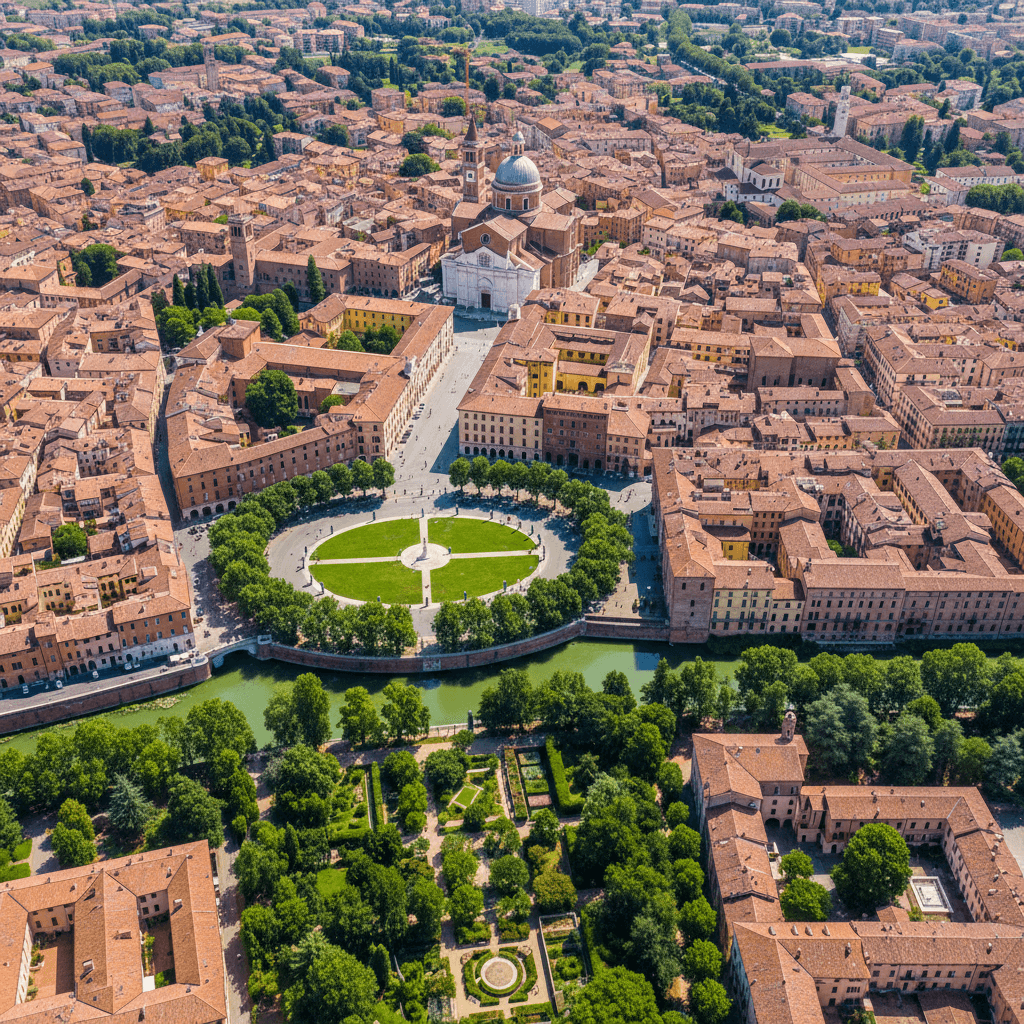
Prato della Valle is where many nomads end up, because it’s open, lively and close to everything without feeling boxed in. Centro Storico gives you the full postcard version, though rent climbs there and the evenings can get noisy with student chatter and clinking glasses.
- Centro Storico: Best for first-timers, walkability, cafes and late aperitivo runs.
- Prato della Valle: Best balance of green space, local life and easy access to the center.
- San Giuseppe and nearby residential areas: Quieter, more practical and usually better value.
- Arcella and the station area: Many locals avoid them after dark and frankly, that’s sensible.
Housing isn’t cheap, but it’s still saner than many Italian hotspots, with one-bedrooms outside the center often starting around €560 and central studios climbing well past that. Food stays reasonable if you eat like locals, a quick lunch can run €5 to €10 and aperitivo is still one of the best ways to stretch a budget while people-watching under the arcades.
The city’s work setup is one of its strongest cards, honestly. WiFi is generally solid, coworking spaces like Multiverso Coworking, Gate4Talent and Workin.Space give you backup when home internet gets weirdly slow and cafes around the center are used to people nursing a cappuccino with a laptop open for hours.
Socially, Padua’s a bit quieter than bigger Italian cities, but that’s part of the charm. You’ll hear tram bells, scooter engines and arguments drifting out of bars, then find English-speaking meetups like Spritz English Padova if you want to plug into the expat scene without forcing it.
It’s a good fit if you want city life without the crush. Summers can be sticky and winters feel damp and the bureaucracy will test your patience, but if you like a place where you can walk everywhere, eat well and get real work done, Padua makes a lot of sense.
Padua isn't cheap in the way people sometimes expect from a smaller Italian city, but it's still gentler on the wallet than Milan, Florence or Venice. A solo nomad can live comfortably here for about $1,924 a month with rent, though if you keep things simple, cook at home and skip the pricier center apartments, you can stay a fair bit lower.
Rent is the big swing factor. A one-bedroom in the center usually runs €742 to €973, while the same place outside the center lands around €560 to €750 and honestly, that gap adds up fast once you factor in utilities, coffee and the occasional aperitivo that somehow turns into dinner.
Typical monthly costs
- Studio or 1-bedroom in Centro Storico: €742 to €973
- 1-bedroom outside the center: €560 to €750
- 3-bedroom in the center: About €1,703
- Utilities for one person: Around €178, heating can sting in winter
- Monthly transport pass: About €100
Food is pretty manageable, especially if you lean on bars, bakeries and lunch spots around Piazza delle Erbe or Prato della Valle. A casual meal might cost €5 to €10, a decent sit-down lunch or dinner usually lands at €12 to €20 and an espresso is often just €1 to €2, which, surprisingly, still feels like a small luxury when you hear the cup clink on the saucer.
Padua works well for remote workers because the WiFi is generally strong and the coworking scene, turns out, is better than you'd guess for a city this size. Multiverso Coworking starts around €98 a month for hot desks, Gate4Talent has a more startup-heavy feel and cafes around the historic center are fine for a few hours if you buy coffee and don't hog the table all day.
Where your budget goes further
- Centro Storico: Best for walkability, pricier, noisier at night
- Prato della Valle: Good balance of access, space and café life
- San Giuseppe or Palesto: Quieter, practical, better value
Skip the cheap-looking places near Stazione di Padova unless you know the area well, the station zone gets sketchier after dark, with more petty theft and drug activity than most newcomers want to deal with. Padua is safe overall, but the best money-saving move is simple, stay a little outside the center, bike in and spend where the city actually feels good, not where the rent sign is loudest.
Digital nomads
Start in Centro Storico if you want to work, eat and walk everywhere without thinking too hard. It’s the priciest part of Padua, but the tradeoff is obvious, coffee shops, coworking spaces, aperitivo bars and the kind of street life that makes a laptop day feel less like prison.
Prato della Valle is the smarter pick for many remote workers, honestly, because you get space, trees and a bit of breathing room after hours. The square itself gets noisy, with bikes rattling over stone, students laughing and the smell of espresso drifting out of bars, but it still feels calm compared with bigger Italian cities.
- Best for: Walkability, cafes, coworking, quick access to the center
- Watch for: Higher rents in Centro Storico, quieter evenings, patchy weather
- Work spots: Multiverso Coworking, Gate4Talent and cafes around Piazza delle Erbe
Expats
San Giuseppe, Palesto and the airport side are the easy-living picks, because they stay residential without feeling cut off. Supermarkets, pharmacies, sports facilities and decent trattorias are all close by and frankly, that matters more than a postcard view when you’re staying longer than a week.
If you want less noise and fewer weekend drunk-shouting episodes under your window, these areas make sense, though you’ll miss some of the center’s energy. Rent drops a bit outside the core and a one-bedroom outside the center typically runs about €560 to €750, which, surprisingly, still buys a pretty comfortable setup.
- Best for: Longer stays, daily errands, quieter streets
- Rent: Roughly €560 to €750 for a one-bedroom outside the center
- Good fit: People who want normal life, not constant tourists
Families
Families usually do best in the calmer residential belts, not the nightlife-heavy center. You’ll get easier parking, better access to schools and services and less of the late-night clatter that comes with student areas, especially around bars and tram stops.
Padua is safe, but kids and strollers still do better away from the station area and the rougher pockets locals avoid. The city’s walkability helps a lot, though summer heat can be sticky and annoying and winter rain has a way of making every errand feel longer than it should.
- Best for: Space, routine, schools, quieter streets
- Avoid: Arcella, Stanga/Via Venezia and near the train station
- Practical perk: Parks, pharmacies and buses are easy to reach
Solo travelers
Centro Storico is the obvious choice if you’re in Padua for a short stay and want to be able to wander home after dinner without checking transit times. It’s lively but not wild, with aperitivo crowds, church bells, scooter hum and the constant smell of pizza, rain and old stone after a wet evening.
If you prefer a softer landing, Prato della Valle is a nicer base for solo travelers who want cafes by day and a quieter reset at night. Skip the station area after dark and don’t gamble on Arcella unless you already know the city well.
- Best for: First-time visitors, walkable evenings, easy dining
- Safer choices: Centro Storico, Prato della Valle
- Late-night caution: Stay away from the station and the rougher outskirts
Padua’s internet is good enough for real work. The city averages about 190 Mbps and that matches what most nomads feel in practice, fast enough for heavy uploads, video calls and a day of bouncing between email and docs without losing your temper. Still, check your apartment first, because a few places, weirdly, crawl along at 15 Mbps or less.
The coworking scene is smaller than Milan’s, but it’s practical and fairly priced. Multiverso Coworking starts around €98 a month for hot desk access and Gate4Talent works well if you want a more startup-heavy room with people actually talking about projects instead of just wearing headphones. Turn up early if you want the quieter seats.
Best coworking picks
- Multiverso Coworking: Budget-friendly, creative, good for regular desk time.
- Gate4Talent: Better if you want international professionals and startup energy.
- Workin.Space: Flexible bookings, high-speed WiFi, 24-hour access, meeting rooms, secure parking.
Workin.Space is handy if your schedule keeps changing, because many spaces can be booked within 48 hours and you won’t get trapped in a long commitment before you’ve tested the chair, the noise or the coffee. The best ones usually sit near the center, where you can step out for an espresso, hear scooters buzzing past, then get back to work before the machine cools down.
Cafes are a real option here, though you need to pick carefully. The historic center and Prato della Valle have plenty of spots with WiFi and cheap espresso, usually €1 to €2 and that makes long mornings workable, if a little noisy when the cups clink and the barista shouts orders over the grinder.
For mobile data, grab a prepaid SIM from TIM, Vodafone or Wind Tre, they’re easy to find in phone shops and even around the train station. Plans usually run €10 to €30 a month, which is fair and honestly worth it for backup when a cafe router starts acting up.
- Best for steady work: coworking spaces in the center.
- Best for low-budget days: cafes with WiFi and an espresso.
- Best backup: a prepaid SIM with good data.
One warning, though, don’t assume every building has great connectivity just because the city does. Padua’s setup is strong overall, but your actual apartment matters more than the city stats and a bad modem will ruin a meeting faster than a tram bell outside your window.
Padua feels safer than most people expect. The center is calm, the streets are well used at all hours and you’ll hear more bicycle bells, café chatter and tram noise than anything threatening. Still, petty theft happens and the area around Stazione di Padova can get sketchy after dark, especially if you’re carrying a laptop or dragging a suitcase.
The places locals tend to side-eye are Arcella, parts of Stanga and Via Venezia and the streets north of the station. Don’t wander there late at night unless you know exactly where you’re going. The historic center, Prato della Valle and the residential streets around San Giuseppe are much easier to live with, though you should still keep your bag zipped and your phone out of your back pocket.
Emergency number: 112
Main hospital: Ospedale dell'Università
Healthcare in Padua
Healthcare is one of Padua’s strong points and honestly, that matters when you’re living abroad. The public system is solid, the university hospital is modern and pharmacies are everywhere, often with staff who can handle basic English and point you toward the right medication without making a drama out of it.
EU citizens can use public healthcare, while non-EU travelers and nomads should arrive with proper travel insurance or private coverage. Pharmacies or farmacie, are marked by a green cross and stay useful for everything from fever medicine to advice on a nasty cough after a damp, chilly tram ride home.
Practical safety habits
- Station area: Keep valuables hidden, especially at night and on crowded trains.
- Night walks: Stick to the center, Prato della Valle and main lit streets.
- Transport: Use taxis late, if you’re alone or tired.
- Pharmacies: Ask for help there first, they’re usually quicker than a clinic for minor stuff.
The upside is that day-to-day risk feels low, so you can focus on normal life instead of constantly checking your shoulder. That said, Padua isn’t magically crime-free and if you leave a phone on a café table for five minutes, it may well disappear, which, surprisingly, still catches people off guard.
For remote workers, the main rule is simple, keep your routine boring. Use the tram, stay in well-lit parts of Centro Storico or Prato della Valle and save the late-night shortcuts near the station for another day. If you need care, the system works, but you’ll move faster if you know where the nearest farmacia is before you need one.
Padua is easy to live in and honestly that’s half the appeal. The center is compact, the tram and buses cover the useful bits and most days you can just walk. Expect cobblestones, church bells, scooter buzz and the occasional waft of espresso and exhaust at the same time.
Walking: Best choice for the historic center, Piazza della Frutta, Piazza delle Erbe and Prato della Valle. You’ll get to most places in 20 to 30 minutes on foot, though summer heat can make even a short stroll feel sweaty and a bit sticky.
Tram and buses: Busitalia runs the city network and a monthly pass is about €53. The system works well enough, though delays happen, especially when traffic clogs the main roads and everyone piles on at rush hour.
Bike: Padua is properly bike-friendly, with solid cycling lanes and plenty of rentals around the center, usually €10 to €20 a day. This is the best move for commuters and anyone staying a bit outside the core, because traffic can be annoying and drivers, frankly, don’t always give cyclists much space.
Best ways to get around
- Walk: For Centro Storico and Prato della Valle.
- Tram or bus: For longer cross-town trips.
- Bike or e-scooter: For speed without dealing with parking.
- Taxi or ride-hailing: For late nights or heavy luggage.
Taxis and ride-hailing: Uber and local taxis both exist, but taxis are more common and ride-hailing isn’t as smooth as in bigger cities. If you’re coming back late from a bar in Piazza dei Signori, just plan on booking ahead, because hailing something on the spot can be a pain.
Airport transfers: Venice Marco Polo Airport is about 40 km away and transfers into Padua usually run €6 to €15 by bus, train or ride share. That’s a decent deal, though train connections can feel a bit clunky if you’ve got luggage and the platform signs are crowded.
Practical tip: Avoid staying near the station if you can help it, the area around Stazione di Padova gets sketchier at night and petty theft is the main headache. The center is safer, quieter after dinner and much nicer for daily life, which, surprisingly, still makes a big difference when you’re carrying a laptop home in the rain.
Italian is the default in Padua and that can be annoying if you roll up expecting everyone to switch to English. In the center, younger people, university staff and most cafe workers usually manage fine, but once you drift into local shops, older neighborhoods or a fast-moving market stall, English drops off fast. Learn a few phrases. It helps and people notice.
Most nomads get by with basic Italian plus gestures, a smile and a phone translator, though you'll still hit moments where the conversation stalls and everyone just stares at the receipt. That said, Padua isn't hostile about it, it's more that people assume you'll try first. Honestly, that goes a long way here.
What to expect
- Italian: The main language everywhere, from pharmacies to landlords.
- English: Common in student circles, coworking spaces and touristy parts of the Centro Storico.
- Veneto dialect: You'll hear it locally, but you don't need it for daily life.
Useful phrases
- Parla inglese? Do you speak English?
- Quanto costa? How much does it cost?
- Dov'è la stazione? Where's the station?
- Un caffè, per favore. One coffee, please.
- Mi scusi. Excuse me.
In shops and bars, the rhythm matters as much as the words, so speak clearly, keep it short and don't launch into a full story about your apartment hunt. Cashiers and baristas move quickly, the espresso machine hisses, cups clink, someone shouts from the back and if you hesitate too long you'll feel the line behind you. Turnouts like that are normal.
Helpful habits
- Use Google Translate: Great for short exchanges, menu reads and rental messages.
- Save offline phrases: Handy when your data cuts out on the tram.
- Ask before switching: "Parla inglese?" is better than starting in English and hoping.
- Learn numbers and directions: Prices, street names and platform signs come up constantly.
For expats, the real trick is staying polite without sounding stiff, because Padua responds well to effort and badly to entitlement. If you butcher a phrase, people usually help and if they don't, try the next person. Weirdly, that's part of the charm, the city feels local in a way that keeps things honest.
Padua gets all four seasons properly and that means you’ll feel the city change in your bones, not just on a weather app. Summer can be brutally sticky, with hot pavement, humid air that clings to your shirt and the occasional thunderstorm rattling over the red roofs, while winter is damp, gray and cold in a way that seeps up from the stone streets. Spring and early autumn are the sweet spot, honestly.
Most nomads and expats settle in from April to June or September to October, when you can sit outside for aperitivo without melting or shivering. The light’s better then, the cafés are full but not crammed and walking across Centro Storico or Prato della Valle feels pleasant instead of like a small endurance test. July and August are quieter because locals leave, but the heat can be relentless and the city can feel a little hushed.
Best months: April, May, June, September, October
Least comfortable: July, August, January, February
What each season feels like
- Spring: Mild days, sudden showers and fresh air after rain. The gardens smell green, the cafés spill outside and you can still wear a light jacket at night.
- Summer: Hot, humid and a bit exhausting. Expect cicadas, blasting scooters and the kind of afternoon heat that makes a cold spritz feel like a life choice.
- Autumn: Probably the best bet. Air cools down, university life wakes up and the city feels lively without the summer crush.
- Winter: Quiet and often gray, with foggy mornings and cold tile floors indoors. It’s cheaper, but the damp can drag on.
If you’re working remotely, plan around the weather and the calendar. Padua gets very student-heavy during term time, so September and October can be excellent for energy, coworking and meetups, while August is weirdly sleepy because so many places close or shorten hours. Rain isn’t a dealbreaker, but it does turn bike lanes slick and makes tram stops feel a bit miserable.
Practical tip: bring layers, a compact umbrella and shoes you don’t mind getting wet. If you’re staying longer, check your apartment heating before winter and confirm whether the windows seal well, because old Italian buildings can be drafty and cold. Best move? Come in spring or early autumn, then enjoy the city when it actually feels like itself.
Practical Tips
Padua is easy to live in, but it isn’t effortless. The center is very walkable, the trams and buses are fine and you’ll save money by skipping taxis, though the station area can feel sketchy after dark, especially with the usual cigarette smoke, scooter noise and the occasional drunk argument echoing off the buildings.
Where to stay: Centro Storico is the simplest choice if you want cafés, churches, markets and late aperitivo spots on your doorstep. Prato della Valle is my pick for longer stays, because you get space, trees and a better day-to-day rhythm. Skip Arcella and be picky around Stanga and the train station, honestly, the rent savings aren’t worth the hassle.
Money: A one-bedroom in the center usually runs about €742 to €973, while outside the center you’ll often see €560 to €750. Coffee is cheap, lunch is manageable and a casual meal can stay in the €5 to €10 range if you stick to bars and simple trattorie, which, surprisingly, is still how a lot of locals eat.
- Internet: Usually solid, with average speeds around 284 Mbps, though ask your landlord about the exact line before signing anything.
- Coworking: Multiverso starts around €98 a month and Gate4Talent is useful if you want a more startup-heavy crowd.
- SIM cards: TIM, Vodafone and Wind Tre are easy to find, with prepaid plans often landing between €10 and €30 a month.
Getting around: Walk first, bike second, tram only when you’re lazy or the weather turns ugly. Padua is flat and compact, so most daily errands take 20 to 30 minutes on foot and the bike lanes make a huge difference when the air smells like wet pavement after rain.
Safety and healthcare: Padua is generally safe, but petty theft happens and nightlife near the station can get messy, so keep your bag zipped and your phone out of sight. Pharmacies are everywhere, marked by a green cross and the emergency number is 112, which covers police, ambulance and fire.
Food and social life: Aperitivo is the default plan here, not a special occasion. Frida Tapas Bar, Bar dei Osei and Peace n' Spice are easy places to start, then check out Spritz English Padova on Tuesday nights if you want people who actually talk back in English instead of just smiling politely.
- Useful phrase: “Parla inglese?”
- Useful phrase: “Quanto costa?”
- Useful phrase: “Dov’è la stazione?”
Frequently asked questions
Is Padua good for digital nomads?
How much does it cost to rent an apartment in Padua?
How much do digital nomads spend per month in Padua?
Is the internet in Padua good for remote work?
Which neighborhoods are best for digital nomads in Padua?
Which areas should I avoid in Padua after dark?
Are there coworking spaces in Padua?
Need visa and immigration info for Italy?
🇮🇹 View Italy Country GuideEasy Landing
Settle in, no stress
Monthly Budget Estimates
More cities in Italy
Salerno
🇮🇹 Italy
Lecce
🇮🇹 Italy
Genoa
🇮🇹 Italy