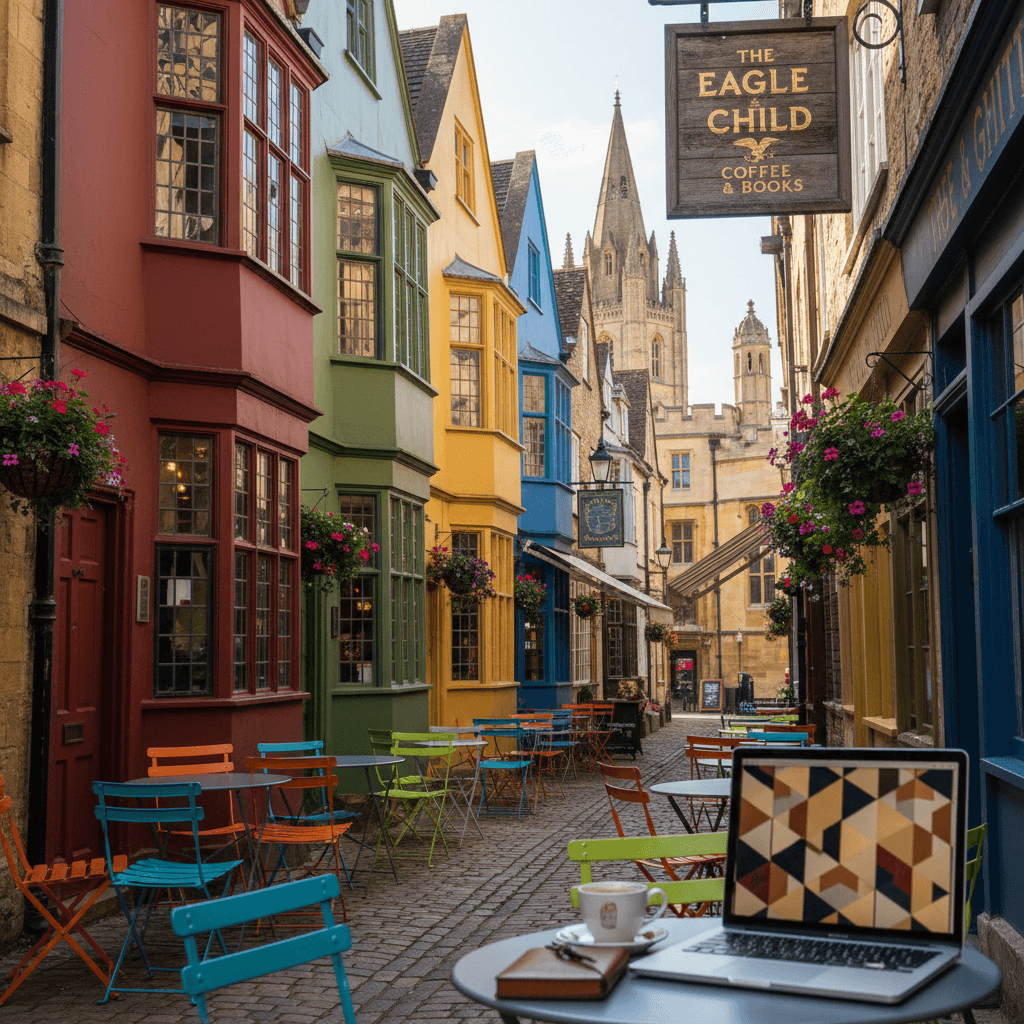
Oxford
🇬🇧 United Kingdom
The City of Dreaming Spires and Digital Ambition
Oxford feels like walking through a living museum that hasn't realized it's supposed to be old. While the "dreaming spires" and honey colored limestone give it a heavy, historic weight, the energy on the ground is surprisingly sharp and forward thinking. It is a city where you can spend your morning working in a high tech incubator and your afternoon punting down the River Cherwell or getting lost in the 12 million books at the Bodleian Libraries. Most nomads find the pace here a welcome relief from London; it is slower and more thoughtful, yet fueled by the caffeine and ambition of 24,000 students.
The city has a distinct dual personality. On one side, you have the formal academic tradition where "international bright young things" discuss research spin-offs in centuries old pubs. On the other, there is a gritty, creative undercurrent found in the coworking spaces and cafes of neighborhoods like Jericho and Cowley. It is a walkable, bike friendly bubble that rewards curiosity, though you will need to be strategic about your budget to make the most of it.
The Neighborhood Breakdown
Choosing where to base yourself in Oxford changes your experience entirely. Most expats recommend staying outside the immediate center to find better value and a more local feel.
Jericho
- The Vibe: Trendy, upscale, and the heart of the city's startup scene. It is close to university incubators and packed with independent cinemas and cocktail bars.
- Rent: Expect to pay £1,200 or more for a high end studio or one bedroom.
- Best For: Nomads who want to be in the thick of the action and don't mind paying for the convenience.
Cowley & South Oxford
- The Vibe: Diverse, student focused, and unpretentious. This is where you will find the best international food, cheaper grocery stores, and a more relaxed social scene.
- Rent: More affordable, with rooms or small flats ranging from £800 to £1,100.
- Best For: Budget conscious travelers and those who want to avoid the "tourist museum" feel of the center.
City Center
- The Vibe: Pure historic splendor. You are steps away from the High Street and the iconic colleges, but you will be sharing the sidewalk with thousands of day trippers.
- Rent: Very high and competitive; often dominated by short term university rentals.
- Best For: Solo travelers here for a short stint who want to maximize their sightseeing time.
The Nomad Lifestyle: Work and Play
Internet reliability is rarely an issue here. The city's academic backbone means fiber broadband is standard, with speeds often reaching 900 Mbps. While Oxford lacks a massive variety of dedicated coworking brands, national favorites like Work.Life and The Office Group provide professional setups for around £20 a day. Many nomads prefer the "cafe crawl" method, setting up in the student heavy spots in Jericho or along Cowley Road where the WiFi is fast and the coffee is strong.
Socially, the city revolves around the pub. If you want to meet people, skip the expensive hotel bars and head to the local student haunts. You can grab a pint for £5 to £7 and join the local chatter. For structured networking, keep an eye on Meetup.com or the Nomad List chats, as there are frequent gatherings for tech founders and digital creatives. Travelers often say the best way to see the city is via a Footprints Tour, which operates on a tip basis and gives you the "insider" version of university history that the official plaques leave out.
Practical Spending and Logistics
Oxford isn't cheap, but it is manageable if you live like a local. Eating out in the center can easily top £25 for a basic meal, so most residents stick to the street food and takeout spots in Cowley where you can eat well for £10. Transport is a breeze; the city is small enough to walk almost everywhere, and the bike lanes are extensive. If you need to go further, use the Trainline app with a National Railcard to save 33% on trips to London or the Cotswolds.
- Monthly Budget (Budget): £1,500 (shared housing, cooking at home, walking).
- Monthly Budget (Mid-range): £2,500 (private flat, some dining out, occasional coworking).
- Monthly Budget (Comfortable): £4,000+ (central living, frequent travel, upscale dining).
- Best Time to Visit: May to September for the best weather (18-22°C) and the famous rowing regattas.
- Connectivity: Pick up a Giffgaff or EE SIM card for around £20 for unlimited data.
The Price of Prestige
Living in the City of Dreaming Spires isn't exactly cheap, but it's significantly more manageable than London. Most nomads find their monthly burn rate sits between £1,500 and £2,500, depending on how much they succumb to the charm of historic pubs. While the central university areas command a premium, the city's compact size means you can live in a more affordable neighborhood and still bike to a 15th-century library in ten minutes.
Monthly Budget Tiers
- The Budget Nomad (£1,500): You're likely looking at a room in a shared house in Cowley, doing most of your cooking at home, and sticking to free walking tours or university museums for entertainment.
- The Mid-Range Professional (£2,500): This covers a private one bedroom apartment or studio in a spot like Jericho, a dedicated desk at a coworking space, and several dinners out at student-frequented eateries.
- The Comfortable Resident (£4,000+): This allows for a premium central apartment, frequent dining at upscale spots like the Rooftop Restaurant at the Ashmolean, and zero hesitation when booking weekend train trips to the Cotswolds.
Housing and Neighborhoods
Rent is your biggest hurdle. In the trendy, startup-heavy neighborhood of Jericho, a one bedroom flat can easily push £1,200 or more. It's the favorite for expats because of the high concentration of cafes and its proximity to university incubators, but the market is notoriously competitive.
For better value, head southeast to Cowley or South Oxford. These areas are popular with students and young families, offering a more residential feel with significantly lower prices. You can often find rooms or small studios here for £800 to £1,000. It's also where you'll find the best concentration of cheap takeout and international grocery stores, which helps keep the daily "food tax" low.
Eating and Socializing
Dining out in the city center is where your budget can take a hit. A mid-range meal at a student pub will cost between £10 and £15, while upscale dinner spots start at £25 per person. Savvy travelers often stick to the street food stalls or the legendary "kebab vans" in the evening, where you can grab a solid meal for £5 to £10.
Socializing usually revolves around the city's historic pubs. Expect to pay about £5 to £7 for a pint of local ale. To save money, many nomads join local Meetup.com groups or university-linked networking events, which often provide a social circle without the high price tag of traditional nightlife.
Workspace and Connectivity
Oxford's academic backbone means the WiFi is generally excellent, often hitting 100 to 900 Mbps in professional spaces. While many nomads work from laptop-friendly cafes in Jericho, dedicated coworking is the way to go for serious productivity. Local options include Grassroots Workspace at £250/month or Wheelhouse Oxford at £299/month.
For mobile data, expats recommend grabbing a SIM from Giffgaff or EE. You can get unlimited data for roughly £20 to £30 per month. If you're only staying a few weeks, an eSIM via Airalo is a quick, albeit slightly pricier, way to get connected the moment you step off the train.
Transport and Practicalities
You won't need a car here. Oxford is one of the most bike-friendly cities in the UK, and walking is often faster than taking the bus through the narrow medieval streets. If you do need public transport, the buses use a tap-on, tap-off system with your contactless card, usually capped at around £5 per day.
For trips further afield, download the Trainline app. If you plan on taking more than two or three long-distance trips, buy a National Railcard for £30; it slashes a third off all rail fares for a year, paying for itself almost immediately on a single trip to London or Birmingham.
The Intellectual Hub: Jericho
If you're looking for the quintessential Oxford nomad experience, Jericho is where you'll likely end up. Located just north of the city center, this neighborhood evolved from a working class industrial area into the city's trendiest enclave. It's the primary choice for remote workers and innovators who want to be near the University's research incubators and startup hubs.
- The Vibe: Bohemian but polished. Think narrow streets lined with Victorian terraces, independent cinemas, and high end coffee shops.
- Coworking & WiFi: Most nomads here skip the formal office and head to local cafes. You'll find plenty of people on laptops at spots like Barefoot Oxford or Common Ground. If you need a proper desk, local options like Grassroots Workspace or Wheelhouse Oxford are reachable by a short bike ride, with day passes typically starting around £20 to £25.
- Rent: High. Expect to pay £1,200 to £1,500 for a one bedroom flat. Space is at a premium here, and competition is fierce.
The Social Scene: East Oxford & Cowley
Expats and long term travelers often gravitate toward Cowley Road. It's the most diverse part of the city and serves as a welcome break from the "ivory tower" feel of the colleges. This is the place to be if you prioritize a social life and global food over historic architecture.
- The Vibe: Gritty, colorful, and energetic. It's the heart of Oxford's live music scene and home to the best street food in town.
- Cost of Living: This is where your budget goes further. You can grab a solid lunch for £5 to £10, and grocery stores here are significantly cheaper than the boutiques in the center.
- Rent: More manageable for those staying 6 months or more. You can often find rooms in shared houses for £700 to £900 or modest studios for £1,000.
- Networking: It's easy to meet people in the local pubs or through Meetup.com groups that frequently gather in this area for drinks and trivia nights.
The Quiet Life: Headington & South Oxford
Families and those who need a quiet environment for deep work usually look toward Headington or the residential pockets of South Oxford. Headington is home to the John Radcliffe Hospital and several university campuses, making it a stable, safe, and professional environment.
- The Vibe: Leafy and suburban. It's much quieter than the center but still has its own set of amenities, including parks and supermarkets.
- Transport: While Oxford is incredibly bike friendly, Headington is a bit of a climb. Most residents use the local bus network, which is capped at about £5 for a daily pass using contactless payment.
- Pros for Families: Lower noise levels, proximity to top tier healthcare, and larger housing options with gardens.
The Tourist Heart: City Center
Solo travelers on a short stint usually stick to the City Center, specifically around High Street and the Bodleian Library. It's the most expensive option, but you're paying for the convenience of having every major landmark within a 5 minute walk.
- The Vibe: Pure Harry Potter. You're surrounded by 800 years of history, but you'll also be dodging crowds of tourists and students.
- Practicality: It's great for a week or two, but the lack of affordable supermarkets makes it tough for long term stays. Most nomads here eat out at student pubs where a meal costs £10 to £15.
- Connectivity: WiFi is excellent across the board, and the Westgate Oxford shopping center offers reliable public spaces if you need a change of scenery from your rental.
Regardless of which neighborhood you choose, remember that Oxford is compact. You can cycle from the far end of Cowley to the center of Jericho in about 15 minutes. Most nomads find that living slightly further out and investing in a second hand bike or a Lime bike subscription is the smartest way to balance cost and lifestyle.
Connectivity in the City of Dreaming Spires
Oxford is a place where medieval architecture meets high speed fiber. Because of the massive university presence and a growing scene of research spin offs, the internet infrastructure is rock solid. You can expect broadband speeds ranging from 100 Mbps to 900 Mbps in most central areas, making it a reliable base for video calls and heavy data uploads. Most nomads find the WiFi in local cafes is more than enough for a few hours of deep work.
For mobile data, travelers often recommend picking up a local SIM from EE or Vodafone for the best coverage. If you prefer a digital setup, Airalo or Giffgaff offer competitive eSIM packages. You can usually snag an unlimited data plan for between £20 and £30 per month, which is a steal compared to roaming fees.
Coworking Spaces and Communities
While Oxford doesn't have the sheer volume of spaces you'll find in London, the options it does have are high quality and focused on productivity. Most spaces cater to the "international bright young things" and tech innovators coming out of the university incubators. You should budget for verified Oxford coworking spaces such as Grassroots Workspace (£250/month or approximately £12/day), Wheelhouse Oxford (£299/month), or other local options.
Grassroots: Situated in the trendy Jericho neighborhood, this space is heavily linked to the science and tech community. It's ideal if you're looking to rub shoulders with researchers and entrepreneurs.
The Cafe Culture
If you prefer the hum of a coffee shop over a formal office, Oxford has a legendary cafe scene. The trick is to avoid the high street chains and head toward Jericho or Cowley. These neighborhoods are packed with independent spots that are much more welcoming to laptops. Expats recommend the cafes along Walton Street for a quieter vibe during the morning hours.
Keep in mind that some of the more historic cafes in the city center have "no laptop" policies during the busy lunch rush from 12:00 PM to 2:00 PM. To stay on the good side of the baristas, it's best to buy a coffee or a snack every couple of hours. Since eating out in Oxford can be pricey, many nomads grab a £5 to £10 takeout meal from a local market and head back to their desk for lunch.
Public Libraries and Academic Vibes
You can't talk about working in Oxford without mentioning the libraries. While the famous Bodleian is mostly for university members and serious researchers, a £10-£20 guided tour of the Bodleian Libraries (depending on duration) is a great way to spend a rainy afternoon. For a workspace, the Oxfordshire County Library in the Westgate center is a fantastic free resource. It's modern, has reliable WiFi, and offers plenty of desk space if you're on a budget.
Working here feels different than a standard digital nomad hub. There's a studious, quiet energy that's contagious. Whether you're in a paid coworking space or a corner of a pub in South Oxford, you'll find yourself surrounded by people writing theses or building the next big biotech firm. It’s an inspiring place to get things done.
Staying Safe in the City of Dreaming Spires
Oxford is remarkably safe, even by the high standards of the United Kingdom. The heavy presence of the university creates a protective bubble where crime rates remain significantly lower than in London or Birmingham. Most nomads find they can comfortably walk or bike home from a late night pub session in Jericho or Cowley without a second thought. While no city is entirely immune to petty theft, the biggest risk you'll likely face is bike theft, which is unfortunately common in a city where cycling is the primary mode of transport. Invest in a heavy duty D-lock and avoid leaving your bike in dimly lit alleys overnight.
Travelers often say the city center feels like a well policed open air museum. You won't find specific "no go" zones here, though the areas around the train station and certain parts of East Oxford can feel a bit more urban after dark. If you're out late, stick to well lit main roads like St. Giles or The High. For any immediate help, the emergency number is 999, while 101 is the line for reporting non urgent issues like a stolen bicycle.
World Class Medical Care
If you fall ill, you're in one of the best places in the world for medical expertise. Oxford is home to the John Radcliffe Hospital, a leading teaching hospital with a high quality Accident and Emergency (A&E) department. Expats recommend this facility for anything serious, though wait times for non life threatening issues can be several hours during peak times. For minor ailments, the city is packed with Boots and Superdrug pharmacies where pharmacists can provide advice and over the counter medication for a few pounds.
Most digital nomads will be in the UK on a Standard Visitor visa, which allows you to work remotely for up to 6 months. Under this status, you aren't entitled to free non emergency NHS care. You'll be billed for hospital visits and specialist consultations, so having solid private travel insurance is a must. If you need a doctor for a non emergency, look for private GP clinics in the city center where a consultation usually costs between £70 and £120.
Practical Health and Safety Tips
- Tap Water: The tap water in Oxford is perfectly safe to drink and tastes great. Bring a reusable bottle to save money and reduce plastic waste; most cafes are happy to refill it for you.
- NHS 111: If you're feeling unwell but it isn't an emergency, dial 111. This is a free 24/7 service where medical professionals can advise you on whether to see a pharmacist, book a GP, or head to the hospital.
- Walking and Biking: Oxford is a "pedestrians first" city, but keep an eye out for buses on narrow streets like Cornmarket or George Street. They move faster than you'd expect in such tight spaces.
- The NHS App: Download the NHS app to find the nearest walk in centers or late night pharmacies. It’s a handy tool for seeing what services are available near your specific neighborhood.
Overall, your biggest health concern in Oxford will likely be the damp, chilly winters. From December through February, the air is frequently wet and temperatures hover around 2 to 8°C. Nomads who don't pack high quality waterproof layers often find themselves catching a nagging cold. Stay dry, keep your bike locked up, and you'll find Oxford to be one of the most stress free environments in Europe for remote work.
The Two-Wheel Philosophy
Oxford is a city built for the era of the horse and carriage, which makes it a dream for modern nomads who prefer human-powered transit. Most of the historic center is pedestrianized or restricted to buses and taxis, so your best bet is to embrace the local obsession with cycling. It is the fastest way to get between a morning session in a Jericho cafe and an afternoon networking event at the university incubators.
If you aren't ready to commit to buying a second-hand bike from a shop on Cowley Road, the city has reliable bike-share schemes. You'll see Lime and Nextbike stations scattered around the major hubs. Expect to pay roughly £1 to unlock and about £0.20 per minute thereafter. Most travelers find that even with the occasional rain shower, biking is the most efficient way to dodge the narrow-street congestion that plagues cars.
Public Transit and the Tap-On Culture
When the weather turns or you're carrying gear, the bus network is surprisingly robust. The Oxford Bus Company and Stagecoach cover almost every corner of the city. Forget fumbling with paper tickets or exact change; the entire system runs on a tap-on, tap-off contactless setup. Just use your phone or a contactless bank card when you board and exit.
- Daily Cap: Most local travel is capped at around £5 per day, so you won't get stung for multiple trips.
- The Airline: This is the dedicated coach service to Heathrow and Gatwick. It runs 24/7 and is much more reliable than the trains if you're hauling luggage.
- App Essentials: Download the Trainline app for intercity travel and the Oxford Bus app to track live arrivals.
Walking the Dreaming Spires
The city center is compact enough that you can walk from the Bodleian Library to the trendy bars of Jericho in under 15 minutes. Nomads often spend their first few days on foot to soak in the architecture. While the free walking tours like Footprints Tours are technically tip-based, it is standard to give £10 to £15 if the guide was solid. It is the best way to learn which college back-gates you can sneak through and which ones are strictly off-limits.
Leaving the Bubble
Oxford is a perfect base for exploring the rest of the UK, but the costs can add up quickly. If you plan on taking more than two or three trips to London or the Cotswolds, buy a National Railcard immediately. It costs £30 for a year and knocks 1/3 off almost every train fare in the country. A standard return to London can drop from £30 to £20 instantly, paying for itself in a single weekend.
For quick trips within the city or late nights when the buses have thinned out, Uber and Bolt both operate here. However, because many central streets are closed to private vehicles, your driver might have to drop you a block or two away from your actual destination. Most expats recommend sticking to the buses or your own two feet for anything within the ring road.
Practical Transit Tips
- Avoid Taxis in the Center: The one-way systems and bus gates make car travel through the heart of town frustratingly slow and expensive.
- Train to London: Direct trains from Oxford Station reach London Paddington or Marylebone in 60 to 90 minutes.
- Safety: Oxford is incredibly safe for walking and cycling at night, though you should invest in high-quality lights for your bike to stay visible in the winter gloom.
The Local Lingo
In Oxford, you are working in the heart of the English language. Proficiency is 100%, but the way it is spoken varies depending on who you are talking to. You will hear the refined, prestigious tones of the university elite alongside the more grounded, local Oxfordshire accents. It is a city defined by its "international bright young things," meaning you will also overhear a dozen different languages in the cafes of Jericho or the labs near the university incubators.
Nomads usually find the local vocabulary easy to pick up, though you might encounter some specific Oxford slang. If someone mentions "The Bod," they are talking about the Bodleian Libraries. If they refer to "Sub Fusc," they are talking about the formal academic dress students wear for exams. You don't need to master these terms to get by, but knowing them helps you feel less like a tourist and more like a local resident.
Academic and Professional Etiquette
Communication here is polite and often a bit indirect. Whether you are networking at a startup event or grabbing a coffee, people appreciate a "please" and "thank you" for every interaction. Queuing is a national pastime; if there is a line for a bus or a coffee shop, never cut in. It is considered the height of rudeness.
In professional settings, especially around the university's innovation hubs, the tone is intellectually rigorous but understated. People tend to downplay their achievements. If a researcher says their project is "quite interesting," they probably mean it is groundbreaking. When emailing for a coworking spot or a flat rental, keep your tone professional and clear. Most nomads recommend using apps like WhatsApp for social organizing and Slack for professional networking within the local tech scene.
Staying Connected
You won't have any trouble finding a signal here. The city is well-covered by major providers, and fiber broadband is the standard in most apartments and cafes. For your mobile data, most expats recommend getting a local SIM to avoid roaming charges. It is much cheaper than using an international plan from home.
- Giffgaff: A favorite for nomads because there is no long-term contract. You can get unlimited data for £25 to £30 per month.
- EE or Vodafone: Better if you need the fastest 5G speeds, though they often prefer longer contracts.
- Airalo: Perfect if you want an eSIM ready the moment you hop off the train from Heathrow.
- Wise or Revolut: Use these apps for your daily spending. Oxford is almost entirely cashless, and you can tap-to-pay for everything from your £5 bus cap to your £15 pub lunch.
Navigation and Translation Apps
While you won't need a translator for the locals, a few apps will make your life significantly easier. Google Maps is reliable for walking routes through the city's narrow, historic alleys. For public transport, Citymapper works well, but many locals prefer the Trainline app for booking trips to London or the Cotswolds.
If you are hanging out in the more diverse areas like Cowley Road, you might see signs in Arabic, Mandarin, or Spanish. While Google Translate with an offline UK pack is handy for rare occasions, you will find that English remains the universal bridge in every shop and restaurant. The academic focus of the city ensures that almost everyone you meet is articulate and used to communicating with people from all over the globe.
Social Communication
The best way to break the ice in Oxford is through shared interests. Join a Meetup.com group for digital nomads or check out the Nomad List chats for the city. If you are working out of a space like Work.Life or a cafe in Jericho, don't be afraid to strike up a conversation during a coffee break. The vibe is generally friendly, especially among the younger academic and tech crowd who are often looking to expand their own networks outside the university walls.
The Seasonal Rhythm
Oxford follows the academic calendar more closely than the movement of the sun. The city breathes differently when the 24,000 students are in town, creating a high-energy atmosphere that peaks during the "Full Term" months. If you want the classic experience of seeing scholars in gowns and busy cafes in Jericho, aim for the university terms in autumn and spring.
Weather-wise, Oxford is quintessentially British. It is damp, temperate, and unpredictable. You will see locals wearing shorts and puffer jackets on the same day. Summers from June to August are mild and pleasant, with temperatures usually sitting between 15°C and 25°C. This is the prime window for punting on the River Cherwell or working from the outdoor tables at the organic cafes in Cowley.
Winters from December to February are grey and chilly, hovering between 2°C and 8°C. While the historic stone buildings look stunning in the frost, the damp cold can feel biting. Nomads who stay through the winter usually retreat to cozy pubs like The Turf Tavern or The Eagle and Child to stay productive by the fireplace. Rain is a constant companion throughout the year, peaking between October and January, so a high-quality waterproof jacket is a better investment than an umbrella that will just flip inside out on a windy corner.
When to Visit
- The Sweet Spot (May to September): This is the best time for digital nomads. The days are long, with light lasting until 9:00 PM or later in midsummer. The 18°C to 22°C average temperatures make the city’s bike-friendly layout a joy rather than a chore. You can easily cycle from a coworking session in the center to a picnic in Port Meadow.
- The Shoulder Season (April and October): These months offer a great balance. You avoid the heaviest tourist crowds that clog the High Street in July, but you still get enough crisp, sunny days to enjoy a walking tour. It is also the best time to find slightly better availability in short-term rentals before the graduation rushes.
- The Quiet Period (July and August): While the weather is at its peak, the university is out of session. The city feels less "academic" and more "touristy." Many student-focused cheap eats might have shorter hours, but the libraries and parks are far less crowded.
Practical Packing for the Climate
Because the weather shifts fast, layers are the only way to survive a day in Oxford. Travelers often recommend a light wool sweater even in the summer for when the sun dips behind a cloud. Since the city is best explored on foot or by bike, waterproof shoes are a must. Most nomads find that a reusable water bottle is a staple here; the tap water is perfectly safe and free, saving you £2 to £3 per bottle while you are out and about.
If you are planning to arrive in the peak of winter, focus your budget on indoor activities. A £20 guided tour of the Bodleian Libraries is a great way to spend a rainy afternoon. For those arriving in the spring, the University of Oxford Botanic Garden becomes a primary workspace for anyone with a strong mobile hotspot and a desire for some greenery.
The Cost of Doing Business
Oxford isn't exactly a bargain, but it's more manageable than London if you're smart about your overhead. Most nomads find a monthly budget between £1,500 and £2,500 hits the sweet spot. If you're looking to keep costs down, stick to the student areas where you can snag a room or small studio for £800 to £1,200. Eating out is where the budget usually takes a hit, so do what the locals do: shop at the markets and cook at home, or hit up the takeout spots in Cowley where a solid meal runs £5 to £10.
- Budget Tier (£1,500/month): Shared housing in South Oxford, cooking most meals, and getting around on foot.
- Mid-range Tier (£2,500/month): A private one bedroom in Jericho, occasional dinners at student pubs, and a monthly bus pass.
- Comfortable Tier (£4,000+/month): A central flat near the High Street, a dedicated desk at a coworking space, and frequent dining in the city center.
Where to Plant Your Flag
Choosing a neighborhood in Oxford is all about balancing your proximity to the historic spires with your tolerance for tourist crowds. Jericho is the gold standard for digital nomads. It's trendy, packed with cafes, and sits right near the university incubators, making it a natural hub for the tech and research crowd. It's bike friendly and has a distinct neighborhood feel that's hard to beat.
If you're on a tighter budget, head toward Cowley or South Oxford. These areas are more residential and far less polished, but they're where you'll find the best cheap eats and a more diverse community. The City Center is beautiful for a short stay, but the high rents and constant foot traffic from tour groups can get old if you're trying to focus on a deadline.
Staying Connected
The academic nature of the city means the internet is generally excellent. Fiber is common, and you can expect speeds between 100 and 900 Mbps in most professional settings. While Oxford doesn't have a massive list of independent coworking spaces, local options like Grassroots and The Hub provide reliable desks and networking for about £25 to £35 a day or £200 to £300 a month. Many nomads prefer the cafe culture in Jericho, though you should always check the "no laptop" policies during busy lunch hours.
For your phone, grab a SIM from EE, Vodafone, or Giffgaff. You can get unlimited data for about £20 to £30 a month. If you're only staying a few weeks, an eSIM via Airalo is the quickest way to get online the moment you step off the train.
Getting Around
Oxford is a small, dense city where a car is more of a liability than an asset. Walking is the default for most, but if you want to live like a local, get a bike. The city is incredibly bike friendly, and you can use shares like Lime for £1 to unlock plus £0.20 per minute. For longer distances, the bus system is efficient and uses a tap on, tap off system with your contactless card, usually capped at around £5 a day.
If you're planning weekend trips, download the Trainline app. If you're under 30 or over 60, or traveling with a partner, buy a National Railcard for £30. It pays for itself almost immediately by knocking 33% off your fare to London or the Cotswolds.
Health and Safety
This is one of the safest cities in the UK. You can walk or bike almost anywhere at night without worry. For medical needs, the John Radcliffe Hospital is a top tier facility. If you need a pharmacy, look for a Boots or Superdrug, which are all over the center. For anything non urgent, the NHS app is the best way to find local services, but remember to dial 999 for genuine emergencies.
Weather and Packing
The weather is classic England: unpredictable and often damp. Summers from June to August are gorgeous, with temperatures between 15 and 25°C, but you should expect rain in any month. The best time to visit is May through September when the days are long and the parks are green. If you're here in the winter, it won't be freezing, but the 2 to 8°C dampness can feel quite biting. Pack plenty of layers and a solid waterproof jacket; you'll use it more than you think.
Need visa and immigration info for United Kingdom?
🇬🇧 View United Kingdom Country GuideEasy Landing
Settle in, no stress
Monthly Budget Estimates
More cities in United Kingdom
Leeds
🇬🇧 United Kingdom
Edinburgh
🇬🇧 United Kingdom
Sheffield
🇬🇧 United Kingdom