Ottawa
🇨🇦 Canada
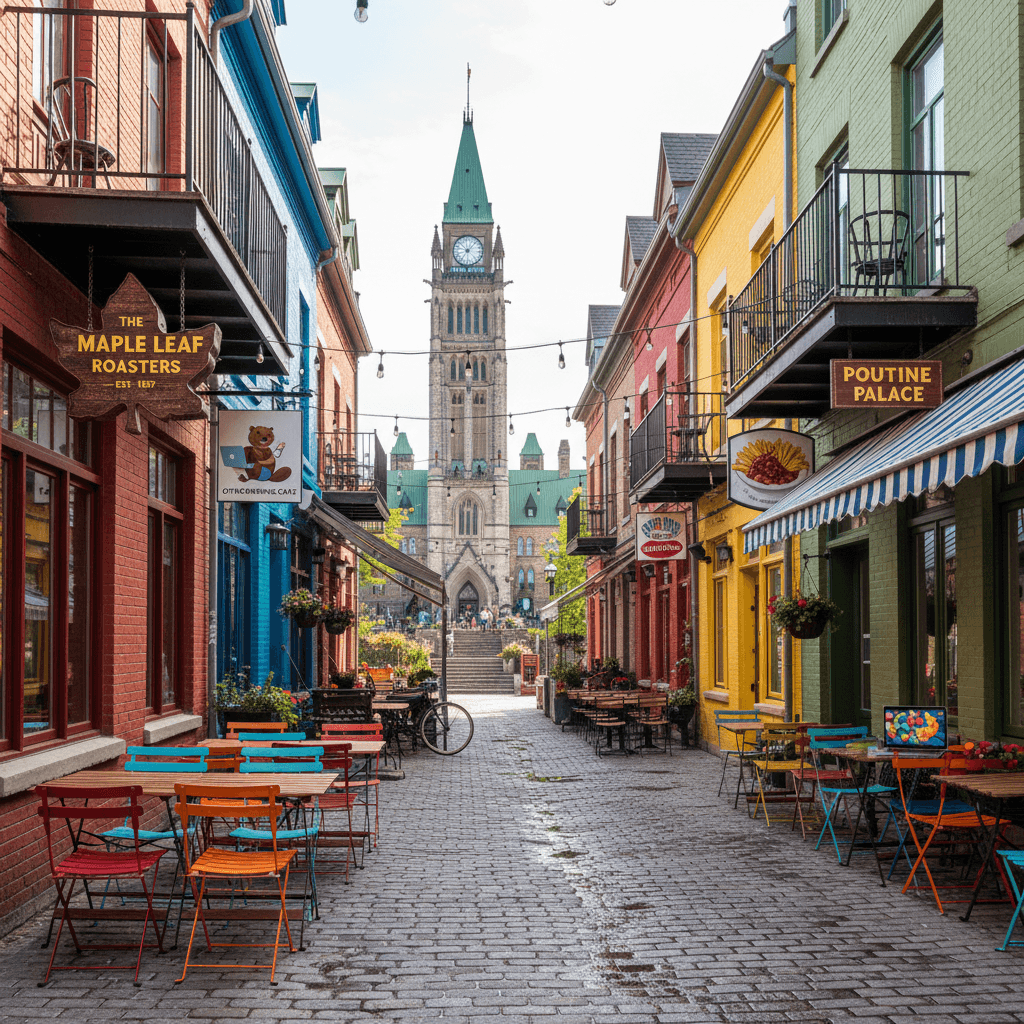
Ottawa feels calm before it feels exciting, which is exactly why some nomads stay longer than they planned. It’s Canada’s capital, yes, but it doesn’t carry Toronto’s grind or Vancouver’s gloss and that makes it easier to breathe, think and get work done. The streets are clean, the bike paths are excellent and then winter hits and the whole place turns sharp, bright and a little unforgiving.
Most people either click with it fast or shrug and move on. The ones who stay tend to like a city that’s tidy, bilingual, government-shaped and close to water, parks and trails, with coffee shops that smell like espresso and wet wool in February.
What it feels like: quiet in the right places, social in the right pockets and frankly a bit sleepy if you want late-night chaos. ByWard Market brings noise, music and a few rough edges, while Hintonburg and Westboro feel lived-in, walkable and easier to work from day after day.
Where people tend to land
- ByWard Market: loud, central, lively, best if you want bars, galleries and easy socializing, though the rent stings.
- Westboro: polished, expensive and good for beach walks, brunch and a steadier pace.
- Hintonburg: artsy, a little scruffier and usually the sweet spot for nomads who want personality without downtown prices.
- Vanier or Carlington: cheaper, less polished and useful if you’d rather save cash than sit in a trendy postcode.
Rent is still the big deciding factor. A one-bedroom in downtown or ByWard Market usually runs about CAD 1,900 to 2,125, Westboro sits around CAD 1,800 to 2,000 and Hintonburg often lands nearer CAD 1,600 to 1,900, which, surprisingly, still buys you a decent neighborhood and a short commute.
Day to day, Ottawa works well for people who want structure. Internet is reliable, coworking is solid, coffee shops usually tolerate laptops if you buy something and a monthly life here can land around CAD 3,500 to 4,500 if you want your own place, transit and a mix of dining out and home cooking. The tradeoff is real, though, winters bite hard, the pace can feel slow and healthcare access can be frustrating when you actually need it.
Still, there’s a lot to like if you enjoy a city that doesn’t scream for attention. You hear bus brakes, bike bells, icy wind off the river and the low hum of government offices, then you step into a cafe and smell toast, cardamom and strong coffee, which somehow sums up Ottawa pretty well.
Ottawa is cheaper than Toronto or Vancouver, but it’s still Canada, so don’t expect bargain-basement living. A single person usually needs about CAD 2,500 to 4,500 a month, depending on rent and how often you eat out and honestly, housing eats the budget first, second and third.
Rent swings hard by neighborhood. ByWard Market and Westboro feel pricey because they are, while Hintonburg gives you a little breathing room, which, surprisingly, is getting harder to find.
Typical Monthly Rent
- Downtown, ByWard Market: 1-bed CAD 1,900 to 2,125, 2-bed CAD 2,300+
- Westboro: 1-bed CAD 1,800 to 2,000, 2-bed CAD 2,200 to 2,500
- Hintonburg: 1-bed CAD 1,600 to 1,900, 2-bed CAD 2,000 to 2,300
- Vanier, Carlington: 1-bed CAD 1,400 to 1,600, 2-bed CAD 1,800 to 2,000
- Nepean, East Central: 1-bed CAD 1,580 to 1,800, 2-bed CAD 1,900 to 2,200
If you want a social, walkable base, ByWard Market is loud, lively and pricey, with late-night chatter, bar noise and the smell of fries hanging in the air. Westboro is calmer and polished, Hintonburg feels more creative and a bit less shiny and Vanier or Carlington make sense if you’d rather save money than brag about your postal code.
Everyday Costs
- Casual meal: CAD 8 to 15
- Mid-range restaurant: CAD 18 to 35
- Upscale dinner: CAD 50 to 100+
- Groceries: CAD 300 to 500 a month
- Coffee: CAD 5 to 7
Internet is decent, transit is usable and coworking won’t destroy your wallet, though it adds up fast if you’re there every day. CAD 70 to 80 for 60 Mbps+ plans, monthly pass: CAD 130 to 135 and coworking day passes usually sit between CAD 16 and 26.
Most nomads spend less if they cook, take the bus and work from cafes a few days a week. Prepaid SIMs start around CAD 40 to 60 and if you’re near a good cafe in Hintonburg or Westboro, the WiFi is usually solid, the espresso smells better than the office air and you can get through a whole afternoon without fighting for a plug.
Quick Budget Tiers
- Budget: CAD 2,500 to 3,000, shared housing and simple meals
- Mid-range: CAD 3,500 to 4,500, one-bedroom and some coworking
- Comfortable: CAD 5,000+, central rent and nicer nights out
That’s the real cost and the winter utility bill can sting too, because Ottawa cold gets under your coat and stays there. If you want the easiest balance, Hintonburg usually makes the most sense, but if you care more about quiet streets and a cleaner riverfront feel, Westboro wins.
Ottawa works best when you pick your base by lifestyle, not just price. The city feels calm compared with Toronto or Vancouver, but that calm comes with tradeoffs, winters bite hard and a quiet block can turn dead after 8 p.m. If you want cafés, sidewalks and easy transit, stay close in. If you want space and lower rent, you’ll give up some buzz.
Nomads
For most remote workers, Hintonburg hits the sweet spot. Rents tend to run about CAD $1,600 to $1,900 for a one-bedroom, the coffee shops have laptop people all day and the smell of fresh espresso and fried brunch drifts out of Wellington West places on weekends. Weirdly, it still feels local, not polished in that fake way.
- Best fit: Creatives, freelancers, younger nomads
- Rent: CAD $1,600 to $1,900 for a 1-bedroom
- Why stay: Good cafés, craft beer, decent walkability
ByWard Market is louder, messier and more fun if you like being in the middle of things. You’ll pay more, roughly CAD $1,900 to $2,125 for a one-bedroom and yes, the noise from bars and late-night crowds can get old fast, but the walk to galleries, restaurants and the market stalls is hard to beat.
Expats
Westboro is the easy recommendation for expats who want a clean, settled neighborhood with solid transit, river access and a proper neighborhood feel. Rents usually sit around CAD $1,800 to $2,000 for a one-bedroom and frankly, you’re paying for tree-lined streets, better grocery runs and a calmer pace that makes settling in easier.
- Best fit: Professionals, couples, long-stay visitors
- Rent: CAD $1,800 to $2,000 for a 1-bedroom
- Why stay: Safe, walkable, beach access, decent dining
If you want a central address without the ByWard noise, Centretown is the practical choice. It’s walkable, close to downtown offices and gets you onto transit quickly, though the mix of towers, older apartments and busy streets can feel a bit flat, which, surprisingly, some expats love because it keeps life simple.
Families
Westboro and Nepean make the most sense for families. You get better space, easier school access and less late-night chaos, though Nepean is more suburban and you’ll probably drive more than you want. Monthly rent for a two-bedroom in these areas usually lands around CAD $1,900 to $2,500, depending on building quality.
- Best fit: Households needing space and routine
- Rent: CAD $1,900 to $2,500 for a 2-bedroom
- Why stay: Quieter streets, parks, schools, grocery access
Solo Travelers
If you’re on your own and want energy, pick Lower Town or ByWard Market, just stay alert after dark and don’t wander into empty side streets half-asleep. The area has constant foot traffic, strong café culture and easy access to museums and transit, but the occasional shouting, sirens and drunk weekend noise can wear thin.
For a safer, calmer solo base, Hintonburg is the smarter call. You’ll still get bars, bakeries and a social scene, just without the full downtown grind and that matters when you’re trying to work, sleep and not spend your evenings listening to revving engines under your window.
Ottawa’s internet is steady, not sexy. Most nomads get solid home speeds, typically 100 Mbps+, and cafes usually have free WiFi that works well enough for calls, uploads and a few hours of laptop time, though a busy brunch rush can slow things down and make the whole room smell like espresso and buttered toast.
The coworking scene, turns out, is smaller than Toronto’s but easier to live with. You’re not fighting for every seat and places like CollabSpace and central Ottawa coworking spots are set up for people who actually need to work, not just sit around pretending to do it.
- CollabSpace: Day passes from CAD 20+ (check current rates), with monthly memberships if you’re staying longer.
- Central Ottawa coworking spots: Good bet for reliable internet and a proper chair, which, surprisingly, is still rare in some cities.
- Monthly memberships: Expect roughly CAD $200 to $400+, depending on how much access you want.
If you want to work in cafes, ByWard Market, Westboro and Hintonburg are the safest bets. Order coffee, keep it moving and don’t camp all day unless the place clearly welcomes it, because Ottawa cafes can be friendly but they’re not always thrilled about someone hogging a table for six hours on one latte.
For mobile data, Rogers, Bell and Telus all sell prepaid plans and you can usually get set up at the airport or in a mall without much drama. Budget around CAD $40 to $60 a month for decent data and honestly, that’s about what you need if you’re bouncing between home, cafes and the occasional meeting room.
Best neighborhoods for connected nomads are straightforward. Westboro feels polished and calm, Hintonburg has more character and better odds of bumping into other remote workers and Centretown is the practical middle ground if you want to be close to everything without paying ByWard Market prices.
- Best all-around: Hintonburg, because it’s lively without being a mess.
- Most convenient: Centretown, if you want transit, cafes and services close by.
- Best for quiet work: Westboro, though you’ll pay for the privilege.
One annoyance, frankly, is that winter changes the rhythm of the city fast. People disappear indoors, sidewalks get icy and your “quick walk to a cafe” can turn into a cold, gritty slog, so pick a place with good heat and decent transit access if you’re staying through the season.
Ottawa feels safe in the center of town, but it’s not spotless or sleepy either. ByWard Market and Lower Town can get sketchy late at night, with drunk shouting, broken glass and the odd too-loud argument outside bars, so keep your wits about you after dark. Westboro and Hintonburg are calmer and honestly, most nomads settle there because the streets feel lived-in, not tense.
Transit is decent, but it won’t babysit you. If you’re coming home late, use Uber or Lyft instead of waiting around at a half-empty stop in winter, when the cold bites through gloves and every bus shelter smells like wet wool and exhaust.
Where to stay
- ByWard Market: lively, walkable, but noisier and a bit rough around the edges, especially late.
- Westboro: safer-feeling, pricier and a good fit if you want quiet streets and easier day-to-day life.
- Hintonburg: creative, social and usually the sweet spot for people who want character without downtown chaos.
- Vanier and Carlington: cheaper, less central and fine if you’re on a tighter budget and don’t mind longer commutes.
The healthcare side is where Ottawa gets frustrating. Canada’s system is solid on paper, but ER waits can be brutal and clinics sometimes feel stretched thin, so don’t assume you’ll breeze into care the second something goes wrong. The Ottawa Hospital is the main public option, Queensway Carleton is the backup and both can get crowded fast, which, surprisingly, is the norm now.
If you need something simple, go to a pharmacy first. Shoppers Drug Mart and Rexall can handle a lot, from basic advice to refills and that’s often quicker than sitting in a waiting room under fluorescent lights listening to sick kids cough.
What to know medically
- Emergency: 911
- Non-emergency police: 613-236-1222
- Poison control: 1-800-267-1373
For insurance, don’t wing it. Travelers should have private coverage before they arrive, because a bad sprain or a sudden infection can turn into a long, expensive day and public care won’t always be fast if you’re just passing through. If you’re sick and it’s not life-threatening, call ahead, bring ID and expect waiting, maybe a lot of it.
My blunt take, Ottawa is safe enough if you’re sensible, but healthcare takes patience and sometimes a second coffee. Don’t wander dim streets alone at 2 a.m., keep your pharmacy details handy and if you’re staying a while, choose a neighborhood that won’t make every late return home feel like a gamble.
Ottawa gets around better than people expect, honestly. The downtown core, ByWard Market, Centretown, Hintonburg and Westboro are all pretty easy to move through on foot and the city’s path network means you can spend a lot of the year biking beside the river instead of sitting in traffic. It’s not a car-free city, though and winter changes everything fast, with slush, frozen sidewalks and that dry wind that cuts across open streets.
Public Transit
- Operator: OC Transpo
- System: Buses plus the O-Train, with Lines 1, 2 and 4
- Monthly pass: About CAD $100 to $120
- Good for: Cross-town trips and winter commuting
The O-Train is handy when it works smoothly, which, surprisingly, isn’t every day people need it most. Buses fill the gaps, but delays happen, transfers can be annoying and service gets less pleasant once the snow starts piling up and everyone’s boots are dripping onto the floor.
Cycling and E-Scooters
Most nomads who stay longer than a month end up biking, because Ottawa’s multi-use pathways are one of the city’s best features. Stations connect to trail networks, sheltered bike parking exists at some stops and e-scooters are allowed on O-Train vehicles as long as you’re walking them on, not riding them like a maniac on the platform.
- Best areas: Downtown, Westboro, Hintonburg
- Bike access: Good year-round on major routes
- E-bikes: Allowed on some bus racks if they meet size and weight limits
In summer, the ride along the river smells like wet grass and sunscreen, then in fall the whole city feels crisp and quiet until the wind picks up. In January, though, cycling can be brutal, with packed snow, grit and that numb-finger feeling that makes a five-minute ride seem longer than it's.
Walkability
Downtown neighborhoods are the easiest places to live without a car and that’s the honest answer. ByWard Market is the noisiest, Westboro feels polished and comfortable and Hintonburg has the best mix of cafes, errands and places you’ll actually want to stop in.
Ride-Hailing and Airport Transfers
- Uber and Lyft: Available citywide
- Typical fare: CAD $12 to $25
- Airport: Ottawa Macdonald-Cartier International, about 20 km south
Ride-hailing is the lazy option, but sometimes that’s the right call after a late dinner or a snowy arrival. The airport is a manageable distance from town, so a taxi or app ride won’t wreck your budget unless you’re doing it constantly and frankly, that’s where Ottawa starts feeling expensive in a boring way.
Ottawa is officially bilingual, but you can get by in English almost everywhere. In Centretown, Westboro, Hintonburg and ByWard Market, service staff usually switch to English fast, though you’ll still hear French on the street, in schools and around federal offices. The city sounds calm at first, then a bus brakes squeals, someone’s chatting in French and a coffee grinder starts up behind the counter.
Language mix: English first for daily life, French everywhere in public institutions and both matter if you’re dealing with government forms or public-facing work. Honestly, most nomads don’t need fluency, but a few French basics go a long way with neighbors, pharmacists and transit staff.
Where language feels different
- ByWard Market: Tourist-heavy, so English is easy, French is common and service can feel brisk when it’s busy.
- Lower Town: More bilingual in daily life, with a stronger French presence and a slightly rougher, more local feel.
- Westboro: Mostly English in day-to-day life, with a polished, suburban rhythm and lots of café chatter.
- Hintonburg: English dominates, but the creative crowd tends to be more welcoming if your French is rusty.
For phone plans, contracts and city services, read the fine print carefully, because some providers and offices still default to French first. The paperwork can feel annoying, frankly, especially when a simple internet install turns into three forms and a hold music loop that won’t die. Still, once it’s set up, service is usually straightforward.
Useful habits: Keep Google Translate on your phone, save your address in both English and French formats and learn a few basics like bonjour, merci and où est. That tiny effort changes how people respond, weirdly enough, especially in smaller shops and neighbourhood cafés.
Practical communication tips
- Cafés: Most laptop-friendly spots take cards, offer WiFi and don’t mind a few hours of quiet work if you keep buying drinks.
- Transit: OC Transpo announcements are bilingual, so missed stops are less about language and more about the usual bus chaos.
- Healthcare: Bring ID, your insurance info and a written list of symptoms, because waiting rooms are busy and reception desks move fast.
- Phone and SIM: Rogers, Bell and Telus stores can handle setup in English, though prepaid plans often come with a little sales pressure.
If you’re remote-working here, Ottawa’s communication style is polite but a bit dry. People don’t usually overshare, they answer questions directly and they’ll often stop at “good enough,” which can feel abrupt if you’re used to warmer small talk. Not rude. Just Ottawa.
Ottawa has four real seasons and they don’t all play nice. Winter is the one that catches newcomers off guard, with gritty wind off the river, salt slush on your boots and mornings that can feel punishing if you’re crossing downtown before sunrise.
July and August bring the opposite problem, sticky humidity, sun-baked sidewalks and the smell of cut grass mixed with exhaust and patio smoke. Spring and fall are the sweet spot, honestly, because you get clear air, walkable weather and enough daylight to make the canal paths and neighborhood cafes feel effortless.
Winter, January to March
- Temperatures: Often well below freezing and wind chill makes it bite harder.
- Best for: Skaters, skiers, people who don’t mind bundling up.
- Downside: Short days, icy sidewalks and the occasional “why did I move here?” morning.
If you’re coming for work, winter can still be fine, but plan on indoor life. Coworking spaces, cafes and transit matter more then, because walking ten blocks in a face-numbing cold snap gets old fast. The upside is that the city gets quieter and the winter light over the Rideau Canal can be weirdly beautiful.
Spring, April to May
- Temperatures: Cool, changeable and sometimes muddy.
- Best for: A lower-cost visit before peak tourist season.
- Downside: Rain, slush and a slow thaw that drags on.
Spring is decent if you don’t care about perfection. You’ll get drizzle, puddles and muddy river edges, but you’ll also avoid the summer crowds and the worst rental competition, which, surprisingly, can matter if you’re apartment hunting.
Summer, June to August
- Temperatures: Warm to hot, with sticky stretches in July.
- Best for: Festivals, patios, cycling and long evenings.
- Downside: Higher prices, humidity and more noise in central neighborhoods.
This is when Ottawa feels alive. ByWard Market gets louder, the patios fill up and the smell of shawarma, beer and sunscreen hangs in the air, but it’s also the priciest time to book a place, so book early if you want Westboro, Hintonburg or downtown.
Fall, September to October
- Temperatures: Crisp, comfortable and usually the most pleasant.
- Best for: Remote work, neighborhood hopping and walking everywhere.
- Downside: It ends fast, then winter starts showing up.
Fall is the best season for most digital nomads, no contest. The air gets sharp, the trees around the canal turn gold and you can move between cafes, coworking spots and dinner spots without sweating through your shirt or slipping on ice.
Best overall time to visit: late May to early June or September to mid-October. Those windows give you the most comfortable weather, decent daylight and a city that feels livable instead of either frozen shut or drenched in heat.
If you hate winter, don’t romanticize it, plan your trip around shoulder season and save yourself the headache.
Ottawa feels calm until winter bites. Then it gets serious, with that dry, bitter cold that stings your face on the way to the O-Train and makes every sidewalk sound crunchy under boots.
If you want the easiest life, stay near ByWard Market, Centretown, Hintonburg or Westboro. Those neighborhoods are walkable, plugged into transit and full of cafes where nobody blinks if you open a laptop, though ByWard gets noisy fast and Westboro will hit your wallet.
Where to stay
- ByWard Market: Great for nightlife and social energy, but rents are high, sidewalks can feel rough after dark and you’ll hear honking, patio chatter and the occasional late-night argument outside bars.
- Westboro: Clean, polished and close to the river, with 1-bedrooms around CAD $1,800 to $2,000, plus easy bike access and good brunch spots.
- Hintonburg: The sweet spot for a lot of nomads, with 1-bedrooms around CAD $1,600 to $1,900, craft beer, independent cafes and a more lived-in feel.
- Vanier or Carlington: Cheaper, usually CAD $1,400 to $1,600 for a 1-bedroom, but you’ll likely rely on transit more and walk a bit less.
Budget matters here. A lot. Shared housing and simple meals can keep you around CAD $2,500 to $3,000 a month, while a comfortable solo setup in a decent neighborhood usually lands closer to CAD $3,500 to $4,500.
Groceries for one person often run CAD $300 to $500 a month, cafe coffee is usually CAD $5 to $7 and a casual lunch is often CAD $8 to $15, which, surprisingly, adds up fast if you’re working out of cafes all week.
Work and get online
- Internet: Reliable citywide, with residential speeds around 60 Mbps and coworking spaces averaging about 83 Mbps.
- Coworking: CollabSpace day passes start around CAD $16, monthly memberships sit roughly between CAD $200 and $400 and the King Edward location gets recommended a lot for dependable seating and WiFi.
- SIM cards: Rogers, Bell and Telus all sell prepaid plans, usually CAD $40 to $60 a month for data.
Transit is fine, not magical. OC Transpo and the O-Train cover the core well enough, monthly passes run about CAD $100 to $120 and bikes are allowed on trains, which makes cross-town movement easier when the weather isn’t trying to punish you.
Safety is decent overall, but Lower Town and parts of ByWard can feel scruffier at night, so stay alert and don’t wander around with your headphones blasting. Healthcare, frankly, can be frustrating, hospital waits can be long, so keep your prescriptions sorted and know the nearest pharmacy before you need one.
Need visa and immigration info for Canada?
🇨🇦 View Canada Country GuideEasy Landing
Settle in, no stress
Monthly Budget Estimates
More cities in Canada

Vancouver
🇨🇦 Canada
Kitchener-Waterloo
🇨🇦 Canada
Toronto
🇨🇦 Canada