Ostrava
🇨🇿 Czech Republic
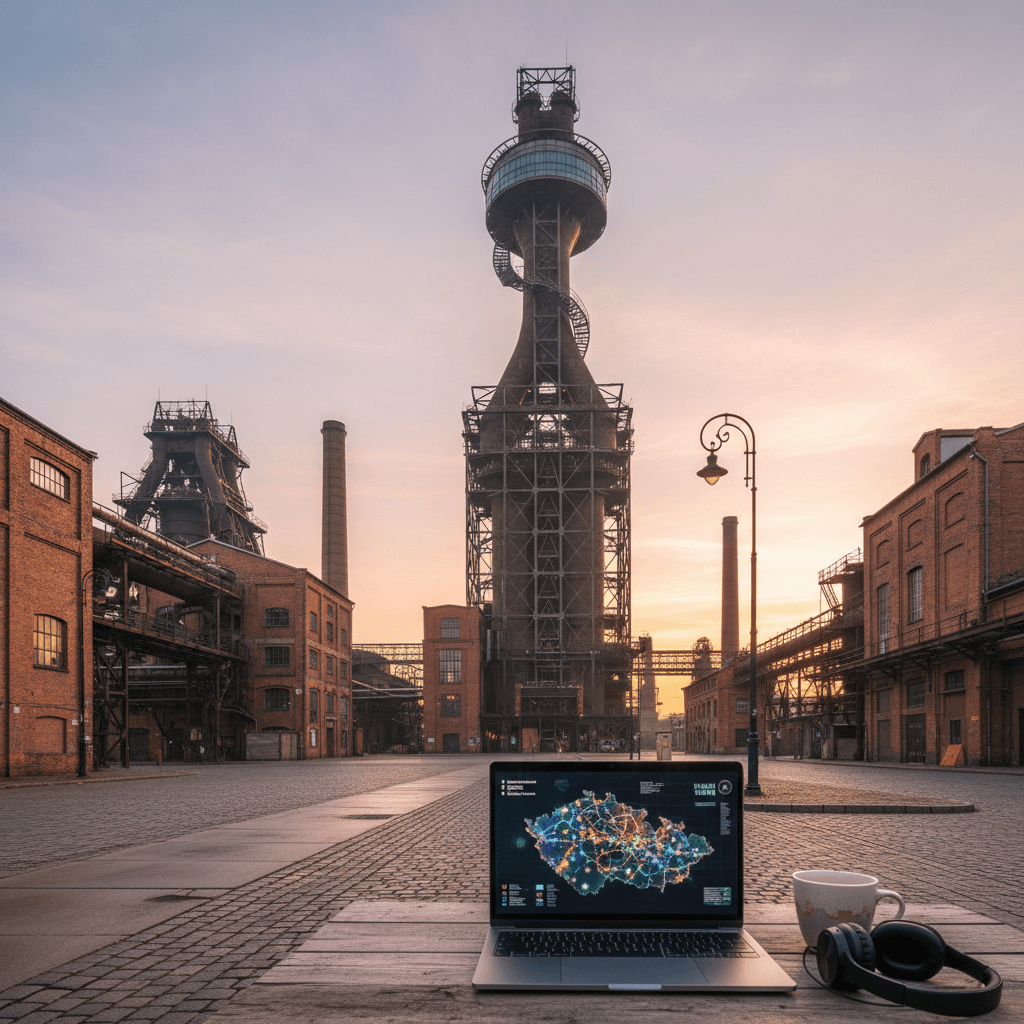
Ostrava isn't the Czech Republic you see on postcards. While Prague feels like a museum and Brno feels like a tech campus, Ostrava feels like a workshop. It is a city of steel and coal that has spent the last decade reinventing itself as a playground for creatives and remote workers who prefer grit over glamour. The skyline is dominated by the rusted towers of Dolní Vítkovice, a massive former ironworks that now hosts the world class Colours of Ostrava music festival and houses some of the coolest industrial-chic cafes in Central Europe.
The vibe here is refreshingly unpretentious. Locals are direct, hardworking, and possess a dry sense of humor. You won't find the tourist crowds that clog the streets of the capital, which means you can actually snag a table at a local brewery or find a quiet corner to work without fighting for Wi-Fi. It is the kind of place where you can spend your morning deep in a focus session and your afternoon hiking in the Beskydy Mountains, which are just a short train ride away.
The Nomad Lifestyle
Living here means trading the high energy of a metropolis for a slower, more deliberate pace. Most nomads find that Ostrava is one of the few places in Europe where you can live a high quality life on a modest budget. You'll likely spend your days bouncing between the City Center and the more residential Poruba district, which feels like a time capsule of Soviet-era grandeur with wide boulevards and plenty of green space. Expats often recommend the Zábřeh neighborhood if you're looking for something a bit more modern and quiet.
- City Center: The heart of the action. It's walkable, filled with bars on Stodolní Street, and puts you right next to the cultural hubs.
- Poruba: Further out but well connected by tram. It is cheaper, greener, and has a strong student energy thanks to the local university.
- Dolní Vítkovice: Not a residential area per se, but it's the cultural anchor of the city where you'll spend most of your weekends exploring galleries and tech spaces.
What It Costs
Your money goes significantly further here than in almost any other major Czech city. A solo traveler can live comfortably on $1,800 to $2,200 per month without feeling like they're pinching pennies. If you're on a tighter budget, you can easily get by on $1,200 to $1,500 by opting for a shared flat or cooking at home more often.
- Rent: Expect to pay around $500 for a solid one bedroom apartment in the center. If you look in Poruba, you might find something for as low as $400.
- Dining: A mid range meal at a local bistro will run you about $12. A beer, which is often cheaper than bottled water, is usually under $3.
- Transport: A monthly transit pass is a steal at roughly $25, giving you unlimited access to the city's efficient tram and bus network.
- Utilities: High speed internet is affordable at around $17 a month, though basic utilities for a standard apartment can add $220 to your monthly overhead.
The Emotional Landscape
There is a certain melancholy beauty to Ostrava that takes a few weeks to sink in. It's not a city that tries to impress you; it just exists, raw and honest. Travelers often say they feel a sense of "productive isolation" here. Because there are fewer distractions and a smaller nomad community than in Prague, it is easier to get into a flow state with your work. You'll find yourself using apps like Bolt or Nextbike to zip between meetings, and while English isn't ubiquitous among the older generation, the younger tech crowd and university students are usually happy to help you out.
The winters are gray and can feel heavy, but the summer festival season transforms the city into a massive, open air party. If you're looking for a place to ground yourself, save some money, and experience a side of the Czech Republic that most people miss, Ostrava hits the mark. It's rough around the edges, sure, but that's exactly why it's interesting.
The Bottom Line on Budgets
Ostrava is where your money breathes. While Prague and Brno have seen prices climb steadily, this industrial powerhouse turned creative hub remains one of the most affordable corners of Central Europe. You can live a high quality life here for a fraction of what you would spend in Western Europe, making it an ideal spot for nomads who want to hunker down and focus on a big project without watching their bank balance every five minutes.
Most nomads find they can live comfortably on about $1,800 to $2,200 per month. If you are on a tighter grind, you can definitely hack it for $1,200 to $1,500 by sharing a flat or sticking to the residential outskirts. On the flip side, $2,500 a month buys a premium lifestyle here, including a high end apartment in the center and dining out whenever you feel like it.
Housing and Rent
Rent will be your biggest win. In the city center, specifically around the revitalized Dolní Vítkovice area, a modern one bedroom apartment typically runs around $600 per month. If you head further out to Poruba, a greener and more academic district, you can often find even better deals.
- City Center 1BR: ~$600 per month
- Outside Center 3BR: ~$780 per month
- Monthly Utilities: ~$221 (includes electricity, heating, and water)
- High Speed Fiber Internet: ~$17 per month
Eating and Drinking
The food scene in Ostrava is unpretentious and heavy on value. You won't find the endless tourist traps of the capital; instead, expect hearty portions and local prices. Grocery shopping for two people usually averages between $400 and $450 a month if you're cooking at home and using local chains like Albert or Tesco.
- Quick Street Food: $5 to $7
- Mid-range Dinner: $10 to $15
- Upscale Dining: $25+
- Local Beer (0.5L): $2 to $3
Transport and Connectivity
Getting around is remarkably cheap. The city is well connected by a network of trams and buses. A single ticket costs about $1.30, but most long term residents just grab a monthly pass for around $25. For quick trips, locals use the Nextbike or Rekola apps, which cost about $1 to $2 per ride depending on the duration.
Digital infrastructure is solid. Expect speeds around 40 Mbps in most cafes and apartments, though the tech hubs in the center often push much higher. A local SIM card from Vodafone or T-Mobile with a healthy data package will set you back about $10 to $20 a month.
The Nomad Tiers
The Budget Grind
- Total: $1,200 to $1,500
- Housing: $350 (shared flat or studio in Zábřeh)
- Food: $250 (mostly groceries and local lunch specials)
- Transport: $50 (public transit pass and occasional bike)
- Workspace: $100 (cafe hopping and basic coworking)
The Mid-Range Sweet Spot
- Total: $1,800 to $2,200
- Housing: $500 (1BR in the City Center)
- Food: $400 (mix of home cooking and frequent dinners out)
- Transport: $300 (includes utilities, transit, and several Bolt rides)
- Workspace: $150 (dedicated desk at a local coworking space)
The Comfortable Life
- Total: $2,500+
- Housing: $700+ (Large, modern apartment or loft)
- Food: $600 (Upscale dining and craft cocktail bars)
- Transport: $100 (Frequent ride-hailing and premium rentals)
- Workspace: $200 (Premium coworking membership with full amenities)
The Urban Nomad: City Center & Dolní Vítkovice
If you want to be where the action is, the City Center is your home base. Most nomads gravitate toward the area surrounding Masaryk Square or the industrial-chic district of Dolní Vítkovice. It is a surreal landscape where old blast furnaces have been turned into cafes and galleries. You can find a decent 1BR apartment here for around $507 a month, which is a steal compared to Prague.
- The Vibe: Gritty, creative, and surprisingly walkable. You are minutes away from the best coffee shops and the famous Stodolní Street.
- Work Life: This is where you will find the highest concentration of Wi-Fi enabled cafes and emerging coworking spots. Expect to pay about $150 to $250 for a monthly desk.
- The Downside: It can get loud during the big music festivals, and some corners still feel a bit industrial and unpolished.
The Long-Term Expat: Poruba
Expats looking for a more "local" feel often head west to Poruba. It was built with a very specific architectural style called Socialist Realism, featuring wide boulevards and plenty of green space. It is home to the Technical University, so there is a steady stream of students keeping the bars and bistros lively but affordable. Rents here are often lower than the center, sometimes dipping toward $400 for a studio.
- The Vibe: Organized, spacious, and residential. It feels like a real community rather than a tourist hub.
- Daily Life: You will find better access to local supermarkets and traditional Czech pubs where a beer still costs less than a coffee.
- The Downside: It is a 20-minute tram ride to the center. While the public transport is great at $1.30 a ticket, the commute can get old if you meet friends downtown every night.
Families & Slow Travelers: South Ostrava & Zábřeh
For those traveling with kids or anyone who needs a backyard, Zábřeh and the southern edges of the city are the best bet. These areas offer much more bang for your buck, with 3BR apartments or small houses averaging around $780. You are closer to the Bělský les forest, which is perfect for morning runs or weekend bike rides.
- The Vibe: Quiet and family-oriented with easy access to nature.
- Amenities: You are near the Ostrava University Hospital and several large shopping centers. Schools and parks are plentiful here.
- The Downside: English is much less common in the shops and pharmacies here. You will definitely want to have Google Translate or DeepL ready on your phone for daily errands.
Solo Travelers & Budget Seekers: Mariánské Hory
If you are on a strict $1,200 monthly budget, look into Mariánské Hory. It sits right between the City Center and Poruba, offering a middle ground in terms of location and price. It is an area in transition, attracting artists and young professionals who are priced out of the very center. You can often find shared housing options here for $300 to $400 a month.
- The Vibe: Up-and-coming and a bit raw. It has a high-energy, DIY feel.
- Getting Around: It is a major transit knot, meaning you can get almost anywhere in the city via tram in under 15 minutes.
- The Downside: Some streets are still waiting for renovation, and it lacks the "pretty" factor of the historic center. Stick to the main well-lit paths at night.
Connectivity and Speed
You won't have to worry about dropping off a Zoom call in Ostrava. The city benefits from the Czech Republic's solid national infrastructure, with average speeds around 85-90 Mbps. Fiber optic is becoming the standard in newer apartment builds and renovated industrial lofts. If you're staying in the City Center or the Poruba district, you can expect low latency around 25ms, which is plenty for heavy lifting like video editing or software development.
For mobile data, the big three are O2, Vodafone, and T-Mobile. You can grab a prepaid SIM at the Leoš Janáček Airport or any Tesco in the city. Most nomads opt for unlimited data plans that run between $10 and $20 per month. If you want to skip the physical store, Airalo works perfectly here for eSIMs. Coverage is remarkably consistent, even when you're taking the train out to the Beskydy Mountains for a weekend hike.
Coworking Spaces
Ostrava's coworking scene is smaller than Prague's, but it's more tight knit and affordable. You aren't going to find a WeWork on every corner, but the spaces that do exist are tucked into some pretty cool repurposed industrial buildings. Expect to pay between $150 and $250 per month for a dedicated desk.
- Impact Hub Ostrava: This is the heavy hitter in town. It's part of the global network, so the amenities are professional and the community events are frequent. It's located near the city center and is the best place to meet other English speaking professionals.
- Clubco: Located in the modern IQ Ostrava building, this spot feels more corporate and polished. It's great if you need a high end backdrop for client calls or access to top tier meeting rooms.
Laptop-Friendly Cafes
The cafe culture here is evolving. While traditional Czech spots might give you a side eye for staying three hours on one espresso, the newer "industrial-chic" joints are very nomad friendly. Just remember to check for outlets before you get settled, as some older buildings are still catching up.
- Cokafe: With multiple locations including one in the Dolní Vítkovice area, this is a staple for remote workers. The coffee is excellent, the Wi-Fi is reliable, and the atmosphere is modern.
- AlterNativa Cafe: Located in a cool, slightly gritty part of town, this place has plenty of table space and a creative crowd.
Practical Tips for Working Remotely
If you're planning to stay long term, many expats recommend getting a Zivno (business license). It's the standard path for the digital nomad visa, especially for those in IT or marketing. You'll need a local address for the registration, but once it's set up, it makes things like opening a local bank account at ČSOB or Komerční banka much easier.
Most nomads find that while English is common in coworking spaces, it's a bit hit or miss in smaller neighborhood cafes. Having Google Translate or DeepL ready on your phone is a lifesaver for reading menu boards or asking for the Wi-Fi password (heslo na Wi-Fi). Also, keep an eye on Facebook groups like Expats in Ostrava. Since the nomad community is smaller here, most of the "coworking" actually happens through informal meetups at breweries or cultural events after the workday ends.
Staying Safe in the Steel Heart
Ostrava has shed much of its gritty reputation from decades past. Today, it ranks as a very safe environment for remote workers, mirroring the low crime rates found throughout the Czech Republic. You can generally walk through the city center at 2:00 AM without a second thought. Most nomads find the locals to be reserved but respectful, and you won't encounter the aggressive tourist scams common in Prague's Old Town.
That said, Ostrava's industrial history means some neighborhoods feel a bit rougher around the edges. Expats recommend staying alert in the outskirts of Zábřeh or around the Main Railway Station (Hlavní nádraží) late at night. These areas aren't necessarily dangerous, but they can feel isolated and poorly lit. Stick to well trafficked areas like Stodolní Street if you're out late; while it's famous for nightlife, the heavy police presence keeps things from getting too rowdy.
- Emergency Numbers: Dial 112 for the general EU emergency line. For specific needs, use 158 for State Police or 155 for Medical Emergencies.
- Petty Theft: Pickpocketing is rare here, but keep an eye on your laptop if you're working on a patio in the Masaryk Square area.
- Industrial Sites: Don't go exploring abandoned industrial zones alone. While they look great for photography, many are private property with unstable structures or security guards.
Navigating the Healthcare System
The quality of medical care in Ostrava is high, though the "bedside manner" can be quite direct. The Ostrava University Hospital (Fakultní nemocnice Ostrava) in the Poruba district is the primary hub for specialized care. It's a massive, modern facility where you're most likely to find English speaking doctors. For routine issues, most nomads head to local clinics or "Poliklinika" buildings found in every major neighborhood.
Language is the biggest hurdle here. While younger doctors usually speak excellent English, the administrative staff and nurses often don't. Expats suggest using the DeepL app for complex medical terms or bringing a Czech friend for your first registration appointment. If you're on the Digital Nomad Visa (Zivno), you'll likely be paying into the public health system, which grants you access to almost any doctor with very low co-pays.
Pharmacies and Prescriptions
You'll recognize pharmacies by the green Lékárna signs. The Dr. Max and Benu chains are everywhere, including several 24 hour locations in the city center. Many basic medications that require a prescription in the US or UK, like certain allergy meds or higher dose painkillers, are available over the counter here for just a few dollars.
- Insurance: If you aren't on the public system, PVZP is the most common private provider for expats. It's widely accepted at all Ostrava hospitals.
- Costs: A standard GP visit without insurance usually runs between $30 and $50.
- Dental Care: Quality is excellent and prices are a fraction of Western European rates. Expect to pay around $60 to $80 for a professional cleaning.
Overall, your biggest health concern in Ostrava might actually be the air quality during the winter months. Because of the city's geography and industrial history, smog can settle in the valley when it's cold. Locals use apps like AirVisual to check pollution levels before heading out for a run. If you have asthma or respiratory issues, consider staying in the greener Poruba district to keep some distance from the industrial zones.
Getting Around the Steel Heart
Ostrava is a sprawling city, but its public transit system is one of the most reliable and affordable ways to navigate the post industrial landscape. Most nomads find that while the city feels spread out, the network of trams, buses, and trolleybuses keeps everything connected without the need for a car.
Public Transit and Tickets
The DPO (Dopravní podnik Ostrava) runs a tight ship. You won't need to fumble with paper tickets; just tap your contactless credit card or phone on the terminal when you board. A short-term ticket costs about 24-38 CZK ($1.00-$1.60 USD), but if you're staying for a month, the monthly pass is a steal at roughly $25.
- Trams: These are the backbone of the city, especially for getting between the City Center and Poruba. They run frequently and are generally very clean.
- Buses and Trolleybuses: These fill in the gaps for the residential neighborhoods like Zábřeh.
- MojeDPO App: Download this to check schedules in real time and buy electronic tickets if you prefer not to use your card directly.
Ride Hailing and Taxis
When the trams stop running their peak schedules or you're carrying groceries, Bolt is the go to app here. Uber operates as well, but Bolt often has more drivers available in the Ostrava region. A typical ride across town usually lands between $6 and $10. If you need to get to the Leoš Janáček Airport, a Bolt will set you back about $15 to $20, whereas the train or bus link is only about $3.
Two Wheeled Travel
Ostrava is surprisingly flat, which makes it perfect for cycling once the snow melts. The city has embraced bike sharing, and you'll see the bright pink Rekola bikes or the blue Nextbike stations everywhere.
- Nextbike: Usually offers the first 15 minutes free, which is often enough to get across the central district.
- Rekola: A local favorite that works via a quick app scan; it's great for short hops between cafes.
- Pricing: Expect to pay about $1 to $2 per unlock plus a small fee per minute if you go over the free threshold.
Walkability
The City Center and the area around Dolní Vítkovice are very walkable. You can easily spend a day wandering between industrial heritage sites and modern galleries on foot. However, Ostrava is a "polycentric" city, meaning the distance between the center and the Poruba district is too far for a casual stroll. You'll want to rely on the tram for those longer jumps.
Regional Connections
Ostrava is a fantastic base for exploring Central Europe. The main train station, Ostrava hlavní nádraží, connects you to Prague in about 3 hours via the high speed Pendolino or the budget friendly RegioJet. You're also just a short hop from the Polish border, with Katowice and Krakow easily accessible for weekend trips. For nature lovers, the Beskydy Mountains are less than an hour away by local train, perfect for a Saturday hike.
The Linguistic Landscape
In Ostrava, you'll find a linguistic environment that feels more authentic and perhaps a bit more challenging than the international bubbles of Prague. Czech is the undisputed king here. While the younger generation and those working in the growing tech hubs usually speak solid English, you shouldn't expect the average shopkeeper or bus driver to be fluent. It's a city where a little effort goes a long way, and locals genuinely appreciate it when you try to bridge the gap.
The local dialect, known as "Ostravština," is famous across the country for its short vowels and fast pace. Don't worry about mastering the nuances of the regional accent, but do be prepared for a direct communication style. People here are straightforward and don't lean heavily on flowery small talk. Once you break the ice, you'll find the community is incredibly helpful to those who have made Ostrava their home.
Survival Czech for Nomads
You don't need to be fluent to get by, but having a few phrases in your back pocket will change your experience at the local markets or pubs. Start with these basics:
- Dobrý den (Good day): The standard greeting for everyone from your landlord to the barista.
- Děkuji (Thank you): Use this constantly; politeness is highly valued in Czech culture.
- Prosím (Please / You're welcome): A versatile word that also works as "pardon" if you didn't hear someone.
- Kolik to stojí? (How much does it cost?): Useful for street food or the $1.30 transit tickets.
- Mluvíte anglicky? (Do you speak English?): Always better to ask in Czech before switching languages.
Digital Tools and Translation
Since English proficiency is moderate rather than high, your smartphone is your best friend. Most expats in the region swear by DeepL for written communication, as it handles the complex grammar of the Czech language much better than other basic translators. It's particularly useful for translating lease agreements or official emails from the Ministry of the Interior when you're sorting out your Zivno visa.
For real time conversations at the pharmacy or grocery store, Google Translate with the offline Czech pack downloaded is a lifesaver. If you're looking to actually learn the language, locals recommend Duolingo for vocabulary, but many nomads eventually sign up for intensive courses at Ostrava University or private language schools in the city center to really integrate.
Staying Connected
Communication isn't just about what you say, but how you stay online. Ostrava has excellent digital infrastructure. You can pick up a local SIM card from O2, Vodafone, or T-Mobile for roughly $10 to $20 a month, which usually gets you a generous or unlimited data package. You'll find these shops easily at the Forum Nová Karolina shopping mall or near the main train station.
If you prefer to be connected the moment you land at Leoš Janáček Airport, Airalo or other eSIM providers work perfectly throughout the city. Most cafes in the Poruba or Zábřeh districts offer free Wi-Fi, though you'll find the most reliable speeds at dedicated coworking spots or the city's modern libraries. Expect average download speeds around 85 Mbps, which is plenty for video calls and remote uploads.
Social Etiquette and Integration
In Ostrava, actions often speak louder than words. When meeting someone for the first time, a firm handshake and direct eye contact are the norm. If you're invited to a local's home, remember the golden rule: always remove your shoes at the door. If you're heading out for a beer, which is a massive part of the social fabric here, always wait for everyone to have their glass before the first toast, and make sure to look your companions in the eye when you say "Na zdraví."
To find your tribe, join Facebook groups like Expats in Ostrava or check Meetup.com. While the nomad scene is smaller than in Brno, it's tight knit. You'll often find the English speaking crowd congregating around the industrial chic venues in Dolní Vítkovice or at the various music festivals that take over the city in the summer months.
The Seasonal Vibe
Ostrava is a city of seasons that don't mess around. Because it sits in a continental climate zone, you'll experience a clear distinction between the biting, industrial gray of winter and the lush, festival-heavy energy of summer. Most nomads find the city transforms completely depending on the month, shifting from a quiet, productive retreat to a high-energy cultural hub.
The best time to land here is between May and September. During these months, the city sheds its gritty reputation and leans into its green spaces. You can expect mild to warm temperatures, typically hovering around 20°C to 25°C. This is when the outdoor cafes in the city center fill up and the Beskydy Mountains, just a short train ride away, become the go-to weekend escape for hiking and mountain biking.
Summer: Festivals and Peak Energy
July is the warmest month, with highs reaching 25°C, though it's also the time when you'll see the most rain. Don't let the 60 to 80mm of monthly rainfall deter you; the showers are usually quick and serve to cool down the afternoon heat. This is peak season for the city's famous music scene, specifically the Colours of Ostrava festival held at the Dolní Vítkovice industrial site.
If you're looking for social networking, this is your window. The city feels alive, and the language barrier feels slightly lower as international crowds descend on the tech and creative hubs. Expats recommend booking your accommodation well in advance if you plan to be here in July, as prices for short-term rentals can spike during festival weeks.
Winter: The Productivity Season
If you need to put your head down and finish a major project, December through February is your time. It gets cold, with January averages dipping to -1°C during the day and -6°C at night. The sky can stay a stubborn shade of gray for weeks, and snow is common. While it isn't the most "Instagrammable" time to visit, the low cost of living becomes even more apparent as you spend more time in cozy cafes and local breweries.
Keep in mind that heating costs can impact your budget during these months. Basic utilities for a standard apartment often hit around $221 per month, and you'll want to ensure your rental has modern insulation. The upside? The Christmas markets in the Masaryk Square are charming, less crowded than Prague's, and significantly cheaper.
Shoulder Season: The Practical Choice
For those who want to avoid the summer crowds but don't want to freeze, May and September are the sweet spots. The weather is crisp and reliable, perfect for walking through neighborhoods like Poruba or Zábřeh. You'll avoid the peak humidity of August and the bone-chilling winds of November.
- Spring (March to May): A bit unpredictable. You might get a 15°C sunny day followed by a frost. It's affordable and quiet.
- Autumn (October to November): Beautiful foliage in the nearby mountains, but the city starts to get damp and foggy by late October.
- Peak Winter (January): The cheapest time for rent negotiations, but you'll need a heavy coat and a high tolerance for early sunsets.
Most travelers say that Ostrava feels most authentic in the late spring. The air is clear, the beer gardens are opening their doors, and the industrial architecture looks striking against a blue sky. If you're coming for the "industrial-chic" vibe, aim for late May to get the best of both worlds.
Getting Connected and Setting Up Shop
Landing in Ostrava is a bit different than arriving in Prague. You won't find a kiosk for every mobile provider at Leoš Janáček Airport, so your best bet is to grab a physical SIM at a Tesco or O2 store in the city center. If your phone supports it, Airalo or Holafly eSIMs work perfectly well for immediate data. Expect to pay around $15 to $20 for a solid monthly data plan through Vodafone or T-Mobile.
Internet speeds are reliable, averaging about 40-60 Mbps. While the coworking scene is still maturing compared to Brno, you'll find productive corners at local tech hubs. Most nomads rely on Wise or Revolut for daily spending to avoid local bank fees. If you're staying long term and need a local account, ČSOB or Komerční banka are the standard choices, though you'll need your residency documents and a bit of patience for the paperwork.
The Cost of Living Breakdown
Ostrava is one of the most wallet friendly spots in Central Europe. You can live a very comfortable life here for significantly less than in Western hubs. Here is what to budget for a monthly stay:
- Budget Tier ($1,200 to $1,500): This covers a room in a shared apartment for $350, cooking most meals with occasional $6 street food, and a $25 monthly transit pass.
- Mid-range Tier ($1,800 to $2,200): You can snag a private 1BR in the center for roughly $500, eat out at mid-range spots for $12 a meal, and maintain a dedicated desk at a coworking space.
- Comfortable Tier ($2,500+): This buys you a premium apartment in a greener area like Poruba for $750, frequent upscale dining, and regular weekend trips to the Beskydy Mountains.
Navigating the City
The public transport system is efficient and won't break the bank. A single ticket is about $1.30, but most expats just tap their credit card on the yellow terminals inside the trams and buses. For late nights after a few local brews, Bolt and Uber are the go to apps. They are much cheaper than traditional taxis and more reliable for non Czech speakers.
If you prefer two wheels, download Nextbike or Rekola. These shared bike services are perfect for the flat stretches of the city center and cost about $1 for a quick ride. The city is surprisingly walkable, especially around the industrial-cool area of Dolní Vítkovice.
Language and Local Etiquette
English will get you by in tech circles and newer cafes, but it drops off quickly with older generations or in government offices. Download DeepL or Google Translate for reading menus and mail. A simple Dobrý den (Hello) or Děkuji (Thank you) goes a long way with the locals, who appreciate the effort.
Czech social norms are direct. Don't be offended by a lack of small talk; it's just the local way. Remember to take your shoes off when entering someone's home, and always leave a 10% tip at restaurants if the service was good. If you're staying more than 90 days, look into the Zivno business visa. It's the standard route for digital nomads, especially those in IT or marketing, though the application process is notorious for its bureaucracy.
Safety and Health
Ostrava is generally very safe. Like any post industrial city, some areas on the outskirts can feel a bit gritty at night, but violent crime is rare. For healthcare, the Ostrava University Hospital provides high quality care. Most doctors speak some English, but it's helpful to bring a local friend for complex appointments. In any emergency, dial 112 for general assistance or 155 for an ambulance.
Need visa and immigration info for Czech Republic?
🇨🇿 View Czech Republic Country GuideEasy Landing
Settle in, no stress
Monthly Budget Estimates
More cities in Czech Republic
České Budějovice
🇨🇿 Czech Republic
Pilsen
🇨🇿 Czech Republic
Liberec
🇨🇿 Czech Republic