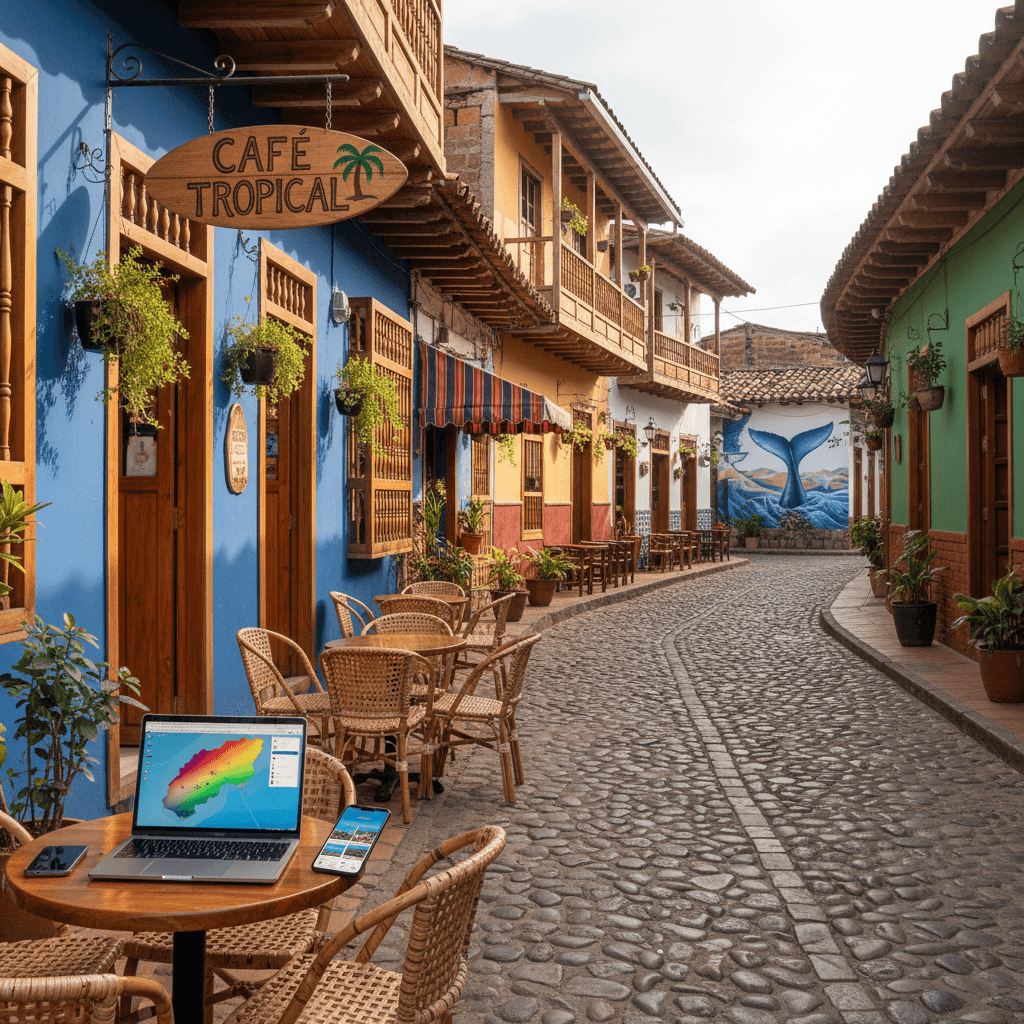
Olón
🇪🇨 Ecuador
The Coastal Slow-Down
If Montañita is the loud, neon-soaked heart of Ecuador's coast, Olón is its deep, steady exhale. Located just a few minutes north of the country's most famous party beach, Olón feels like a different world entirely. It is a compact, walkable town of about 3,000 residents where the day is measured by the tide rather than a clock. For nomads who find the chaos of Quito or the high-altitude chill of Cuenca a bit too intense, Olón provides a sun-drenched middle ground with wide, sandy shores and a community that actually remembers your name by day three.
The vibe here is decidedly low-key. You'll see surfers carrying boards down the dirt side streets, digital nomads working from open-air cafes, and local families selling fresh ceviche from carts. It doesn't have the high-rise skyline of Manta or the urban grit of Guayaquil. Instead, it offers a "barefoot luxury" that isn't about expensive hotels, but rather the luxury of space, quiet nights, and a $2.00 ceviche that tastes better than anything in a five-star restaurant.
Living the Olón Life
Most nomads find that life here centers around a few key blocks near the beach. There aren't distinct neighborhoods to worry about; you're either in the village or you're a short walk away. The town is safe and quiet, though you should still keep an eye on your belongings at the beach, as petty theft can happen in any tourist-friendly spot.
The cost of living is a major draw for those looking to stretch their budget without sacrificing quality of life. You can expect a monthly spend based on your lifestyle needs:
- Budget Tier ($1,000 to $1,500): Shared housing or a simple studio, eating mostly local "almuerzos" and street food, and using the local buses to get around.
- Mid-range ($1,500 to $2,500): A private 1-bedroom Airbnb, frequent meals at nomad-friendly cafes like Olon Espresso, and occasional taxi rides.
- Comfortable ($2,500+): A private beachfront villa, upscale dining, and a dedicated desk at a coworking space.
Work and Play
Reliable internet used to be the Achilles' heel of the Ecuadorian coast, but things have changed. You can now find fiber optic connections hitting speeds up to 100 Mbps in the heart of town. Panorama is the go-to coworking spot for those who need a professional environment, while The Wave Surf Resto Café and Panaderia Cristian offer great WiFi for the price of a coffee. Still, the wise nomad keeps a local SIM card handy. A physical CNT card with 25GB for $10 or an eSIM for about $15 provides a necessary safety net for those remote beach days where the signal might dip.
When the laptop closes, the activities are mostly outdoors. You're a short trip away from Machalilla National Park or whale-watching in Puerto López. If you start to miss the noise, a $1.50 bus or a quick taxi ride drops you in Montañita for a night of dancing before you retreat back to the silence of Olón. It is the perfect setup for someone who wants the option of a party, but the guarantee of a good night's sleep.
Practical Realities
While the atmosphere is welcoming, don't expect everyone to speak English. Outside of the main nomad hubs, Spanish is the rule. Knowing how to ask "¿Cuánto cuesta?" or requesting the "WiFi contraseña" will go a long way. The weather stays warm year-round, usually between 75 and 85°F, but the rainy season from January to April can be humid and heavy. Most travelers recommend visiting between June and September for the best balance of sun and manageable temperatures.
Getting here requires a bit of a trek. You'll likely fly into Guayaquil (GYE) and then take a three-hour drive or bus ride north. Once you arrive, you won't need a car. The town is small enough to navigate on foot, and for everything else, there are bikes for hire or unmetered taxis where a little friendly haggling is expected. It's a simple, rhythmic way of life that suits the modern nomad perfectly.
The Price of Paradise
Olón lets you live a high-quality coastal lifestyle without the premium price tag of more developed hubs. It's a place where your money stretches significantly further than in North America or Europe, especially if you move away from the short-term vacation rentals. Most nomads find that a monthly budget between $1,500 and $2,500 provides a very comfortable experience, including a private apartment, daily cafe visits, and plenty of fresh seafood.
The local economy runs on the US Dollar, which makes budgeting straightforward. While prices have crept up as the town gains popularity, it remains one of the most affordable spots on the coast for the quality of life provided. You'll find that while imported goods are pricey, local staples like tropical fruits, fresh fish, and Ecuadorian coffee are incredibly cheap.
Monthly Budget Breakdowns
Your lifestyle choices will be the biggest variable here. If you're happy with a shared house and eating at the local markets, you can get by on much less. If you want a beachfront villa and high-speed fiber internet, you'll be at the top end of the scale.
Budget Tier
- Estimated Total: $1,000 to $1,500 per month
- Housing: Shared rooms or basic studios a few blocks from the beach for $400 to $600.
- Food: Sticking to "almuerzos" (set lunches) for $3.50 and buying produce at local stands.
- Transport: Mostly walking and the occasional $0.50 local bus to Montañita.
Mid-Range Tier
- Estimated Total: $1,500 to $2,500 per month
- Housing: A nice 1-bedroom Airbnb or private apartment with reliable WiFi for $700 to $1,100.
- Food: Mixing home cooking with dinners at spots like The Wave or Olón Espresso, spending $15 to $25 per day.
- Transport: Regular use of unmetered taxis for $2 to $5 per trip.
Comfortable Tier
- Estimated Total: $2,500+ per month
- Housing: Modern beachfront units or larger villas with air conditioning for $1,500+.
- Food: Upscale dining, frequent cocktails, and imported groceries.
- Workspace: A dedicated desk at Panorama coworking and a backup CNT data plan.
Daily Expenses and Local Prices
Understanding the small costs helps paint a better picture of daily life. Street food is a highlight here; a fresh ceviche from a cart will set you back about $2.00, while a latte in a nomad-friendly cafe is usually around $1.50 to $2.00. If you're heading out for a nice dinner with drinks, expect to pay between $15 and $25 per person.
Connectivity is another cost to factor in. While many rentals include WiFi, serious remote workers often pay for a CNT SIM card with 25GB of data for $10 as a fail-safe. If your rental doesn't have the speeds you need, a day pass at a coworking space like Panorama typically falls in the $5 to $10 range, following general Ecuadorian norms.
Sourcing Your Stay
Expats recommend using Airbnb for your first month to get the lay of the land. Once you're on the ground, check local Facebook groups or look for "Se Arrienda" signs. Long-term leases negotiated in person can often slash your rent by 30% or 50% compared to online booking platforms. Just remember that beachfront property always commands a premium, and prices can spike during the peak sunny season from December to May.
Olón isn't your typical sprawling city. It's a compact, laid-back sanctuary where the sound of the Pacific replaces the roar of traffic. Because the town is so small, you won't find distinct districts or gated suburbs. Instead, the "neighborhoods" are defined by your proximity to the beach and how close you want to be to the neighboring party scene in Montañita. Most nomads find that living within three blocks of the shoreline puts them right in the heart of the action, such as it is, with easy access to the Panorama coworking space and the local ceviche stands.
For Digital Nomads
The central grid of Olón is the sweet spot for remote workers. It's highly walkable, meaning you can ditch the car and get everywhere on foot or by bike. You'll want to stay as close to the Panorama coworking hub as possible to ensure you have a dedicated desk when the home WiFi gets finicky. Expats recommend looking for rentals between the main highway and the beach to keep the commute to the waves under five minutes. While the internet is generally solid with fiber reaching 100 Mbps, it's smart to keep a CNT SIM card with a 25GB data pack as a backup for those occasional coastal outages.
- Monthly Rent: $500 to $1,000 for a one bedroom apartment or studio.
- Vibe: Community focused and productive with a heavy emphasis on morning surf sessions.
- Top Spot: The area around Olon Espresso for your morning caffeine fix and networking.
For Solo Travelers
If you're traveling alone and want a bit more social energy, look toward the southern edge of Olón, moving toward Montañita. This area gives you the best of both worlds: a quiet place to sleep in Olón and a quick, $1.50 to $2.00 taxi ride into the neon lights of Montañita for the nightlife. Solo travelers often congregate at The Wave Surf Resto Café or Panaderia Cristian. These spots serve as informal meeting points where it's easy to strike up a conversation over a $2.00 latte or a cheap plate of street ceviche.
- Monthly Rent: $400 to $800 for shared housing or social hostels.
- Vibe: Social, active, and budget friendly.
- Pro Tip: Stick to the well lit main streets at night; while Olón is safe, petty theft can happen in the darker, more remote beach stretches.
For Families
Families usually gravitate toward the northern, more residential end of the beach. This area is further from the day trippers and the overflow noise from Montañita, offering a much slower pace. The beach here is wide and great for kids, and the lack of a "rave scene" makes it the preferred choice for those with early bedtimes. You'll find larger multi bedroom homes here that offer more privacy and often come with small gardens or pools, which are a godsend during the humid rainy season from January to April.
- Monthly Rent: $1,200 to $2,500 for larger, private beachfront villas.
- Vibe: Peaceful, secure, and family oriented.
- Practicality: You're closer to the local pharmacies and small grocery stores, though for major medical needs, you'll still be looking at a trip to Guayaquil.
For Expats and Long-Termers
Those staying for six months or more often move slightly inland, just across the main road. The prices drop significantly once you aren't paying the "beachfront tax," and you get a more authentic taste of Ecuadorian village life. Long termers often find their housing through local Facebook groups or by simply walking the streets and calling the numbers on "Se Alquila" signs. This is the best way to find a deal that fits a $1,000 to $1,500 total monthly budget including mid range meals and local transport.
- Monthly Rent: $400 to $700 for long term local leases.
- Vibe: Authentic and integrated with the local community.
- Language: English proficiency is low here, so you'll need to brush up on your Spanish to negotiate with landlords and shop at the local markets.
Connectivity in the Slow Lane
Olón has come a long way from the days of spotty dial-up. Most central rentals and cafes now run on fiber optic lines, with average download speeds hitting a respectable 100 Mbps. It is more than enough for Zoom calls and heavy uploads, provided you are staying in the town core. If you venture into the more remote beach houses or the hills, that signal can drop off fast. Most nomads carry a portable hotspot as a backup for those inevitable coastal power blips.
For mobile data, skip the airport kiosks and grab a physical CNT SIM card once you settle in. You can get 25GB of data for about $10 USD, which is the best value for money in the region. If your phone is newer and you prefer convenience, an eSIM will cost you around $15 USD for 5GB. It is pricier, but it saves you the hassle of hunting down a local shop on your first day.
Top Coworking Spots
The coworking scene in Olón is intimate rather than corporate. You won't find rows of ergonomic chairs and fluorescent lights here; instead, the focus is on community and views. For a productive environment, many visitors rely on local cafes or commute to Montañita coworking spaces. While daily rates fluctuate, expect to pay between $5 and $10 USD per day, which is the standard for the Ecuadorian coast.
If you prefer the energy of a cafe, you will likely spend most of your time at Olon Espresso. It is the unofficial morning headquarters for the nomad community. The WiFi is solid, the coffee is excellent, and you will usually find a few other laptops open around you. For a change of scenery, Panaderia Cristian offers a more local feel, while The Wave Surf Resto Café is perfect if you want to answer emails with your toes practically in the sand.
The Montañita Connection
Since Olón is so small, many remote workers occasionally commute five minutes south to Montañita for a different vibe. While Montañita is famous for its parties, it actually has a robust infrastructure for travelers. If you want a different crowd, heading to the cafes in Montañita is a common move. Just keep in mind that the noise levels there can be significantly higher, especially in the afternoons when the beach bars crank up the volume.
Practical Tips for Remote Work
- Power Surges: Coastal towns in Ecuador experience occasional blackouts. A laptop with a healthy battery and a fully charged power bank are your best friends here.
- The "Siesta" Factor: While coworking spaces stay open, some smaller cafes might close or slow down service in the mid-afternoon. Plan your deep work sessions for the morning.
- Digital Nomad Visa: If you fall in love with the pace and want to stay longer than a tourist 90-day stamp, Ecuador offers a two-year digital nomad visa. You can apply through the government's e-visa portal, though you will eventually need an interview at a consulate.
- Hardware: There are no major tech stores in Olón. If your charger dies or you need a specific adapter, you will likely have to take a three hour bus ride to Guayaquil to find a replacement. Pack spares of everything.
Most nomads find that the trade-off for the occasional tech hiccup is the lifestyle. Being able to close your laptop at 5:00 PM and be in the surf by 5:05 PM is why people choose Olón. It is a place where work fits around your life, not the other way around.
A Community Feel with Coastal Common Sense
Olón is widely considered one of the safest spots on the Ecuadorian coast, largely because it lacks the transient, high energy party scene of its neighbor, Montañita. You'll find a tight knit community where locals and expats look out for one another. That said, it is still a beach town in South America. Most nomads feel comfortable walking the main strip or the beach during the day, but petty theft is the most common issue you'll encounter.
Unattended bags on the sand are an easy target for opportunistic thieves. Expats generally recommend leaving your laptop and passport in a secure spot at your rental rather than bringing them to the water. If you are out late, stick to the well lit areas near the center of town. While violent crime is rare here, it pays to stay aware of your surroundings, especially in more remote stretches of beach toward the north.
- Emergency Services: Dial 911 for police, fire, or medical emergencies.
- Safety Tips: Use the Google Translate offline Spanish pack to communicate with local authorities if your Spanish is shaky.
- Transport Safety: Taxis are unmetered, so always agree on the fare before you get in to avoid disputes later.
Managing Your Health and Wellness
For minor ailments, Olón has several farmacias (pharmacies) where you can pick up basic medications, bandages, or stomach relief without a prescription. The pharmacists are often quite knowledgeable and can help with routine issues like "Turista" stomach bugs or sun exposure. For anything requiring a doctor's visit, you'll likely need to head to nearby Libertad or Santa Elena.
For serious medical emergencies or specialist care, most nomads and long term expats head to Guayaquil. It is a 2 to 3 hour drive south, but it houses the country's top private hospitals with modern equipment and English speaking staff. If you have a chronic condition, it is wise to stock up on your specific medications in a major city before settling into the slower pace of Olón.
Practical Health Checklist
- Water Safety: Do not drink the tap water. Most rentals provide large 20 liter jugs (bidones) of purified water for a couple of dollars.
- Sun Protection: The equatorial sun is incredibly strong, even on cloudy days. Quality sunscreen can be expensive locally, so bring a supply with you.
- Insurance: Ensure your nomad insurance covers medical evacuation to Guayaquil or Quito in case of a serious accident.
- Vaccinations: Standard boosters for Hepatitis A and Typhoid are usually recommended for coastal Ecuador.
The biggest "health" risk you'll likely face is the humidity and the heat. Staying hydrated and keeping your electronics in a dry, cool place to prevent mold or salt air corrosion is part of the daily routine here. Most travelers find that once they adjust to the local pace and stick to bottled water, Olón is a healthy, rejuvenating place to call home for a few months.
The Walkable Life
Olón is one of those rare beach towns where your primary mode of transport is simply your own two feet. The town core is compact and laid back, meaning you can walk from a morning surf session to a workstation at Panorama coworking in under ten minutes. Most nomads choose to live within a few blocks of the beach, where the sandy streets and slow pace make cars feel almost unnecessary.
Because the town is so small, there isn't a formal local bus system or a complex metro to figure out. You'll spend most of your time wandering between the central plaza and the shoreline. It's the kind of place where you'll start recognizing the same faces by your third day, adding to the community feel that makes this spot a favorite for long term stays.
Taxis and Haggling
When you need to go further than the local fruit stand, you'll rely on unmetered taxis. Since there are no meters, you have to agree on the price before you sit down. A short hop within the immediate area usually costs a few dollars, but don't be afraid to negotiate if the opening price feels high. Ride hailing apps like Uber haven't really made a dent here yet, so flagging down a yellow cab or a local driver is the standard move.
- Short local trips: Expect to pay $1.50 to $3.00.
- Trips to Montañita: Usually around $1.50 to $5.00 depending on the time of day.
- Late night fares: Prices often tick up after dark, so keep some small bills handy.
Buses and Regional Travel
For trips to neighboring towns like Puerto López for whale watching or the party scene in Montañita, the local buses are your best friend. They run frequently along the main coastal highway. You just stand by the side of the road and wave them down. It's incredibly cheap, usually costing under $1.00 for short distances between towns. It’s a bit dusty and can get crowded, but it's the most authentic way to see the coastline.
If you're looking for more independence, you can find independent shops renting out bikes and scooters. A bicycle is a great investment for a week if you're staying slightly outside the town center, as the terrain is mostly flat and easy to manage. Just make sure you have a decent lock, as petty theft can occasionally happen in beach areas.
Getting There: The Guayaquil Connection
Most nomads arrive via José Joaquín de Olmedo International Airport (GYE) in Guayaquil. From there, you have a few options to get north to Olón. The drive takes about 2.5 to 3 hours depending on traffic and weather.
- Private Transfer: The most comfortable option, costing between $80 and $100. Many expats recommend booking this in advance through local Facebook groups or your Airbnb host.
- Direct Bus: Take a taxi from the airport to the Terminal Terrestre. Use the CLP bus line to Montañita/Olón for $6.90. The coaches are generally modern with air conditioning.
- Shared Shuttles: Some local operators run semi private vans that bridge the gap between a crowded bus and an expensive private car.
Navigating the Seasons
Your experience getting around will change slightly depending on when you visit. During the rainy season from January to April, heavy tropical showers can turn some of the unpaved side streets into muddy tracks. If you're visiting during these months, a pair of sturdy sandals or waterproof shoes is a must for navigating the town. During the dry season from June to November, the air is cooler and the walking conditions are perfect, though you'll want to carry water to stay hydrated in the coastal heat.
The Language Barrier
In Olón, Spanish isn't just the official language; it's the heartbeat of daily life. Unlike the high-energy streets of Montañita just down the road, Olón maintains a traditional coastal village feel where English proficiency remains quite low. You'll find that staff at nomad-centric spots like Panorama or Olon Espresso can usually pivot to English, but the moment you step into a local picantería or negotiate a taxi fare, you're going to need your Spanish basics.
Most nomads find that a "Spanglish" approach works for a week, but if you're staying for a month or more, the lack of English can feel isolating. Locals are incredibly patient and appreciative when you try, so don't be shy about using broken sentences. It's a community where a "Buenos días" goes a long way in establishing rapport with your neighbors.
Essential Phrases for Nomad Life
You don't need to be fluent to survive, but you should have these phrases locked in before you hop off the bus from Guayaquil. Since Olón is a cash-heavy economy and internet can be spotty, these specific phrases come in handy daily:
- "¿Cuánto cuesta?" (How much does it cost?): Use this for everything from street ceviche to unmetered taxi rides.
- "La cuenta, por favor" (The check, please): Standard for finishing up at a cafe.
- "¿Cuál es la contraseña del WiFi?" (What is the WiFi password?): The first thing you'll ask at every beach bar.
- "Ceviche de camarón, por favor" (Shrimp ceviche, please): You'll likely say this at least three times a week.
- "¿Aceptan tarjeta?" (Do you accept cards?): The answer is usually no, but it's good to ask at larger restaurants.
Connectivity and Digital Tools
Since you can't rely on everyone speaking English, your phone is your best friend. Expats recommend downloading the Spanish offline pack on Google Translate immediately. Cell service can dip when you get closer to the hills or remote stretches of beach, so having that offline capability is a lifesaver when you're trying to explain a specific grocery item or a mechanical issue with a rental bike.
For actual communication with landlords or booking local services, WhatsApp is the undisputed king. Even the smallest local businesses in Olón use it. If you're looking for an apartment, don't bother with professional emails; just send a voice note or a message in Spanish to the number listed on the "Se Alquila" sign. If your Spanish is shaky, type your message in a translator first, then copy-paste it into the chat.
Staying Connected: SIMs and Data
Reliable communication also depends on your data plan. If you're coming from abroad, you have two main paths to stay online while wandering the beach:
- Local Physical SIM: Pick up a CNT SIM. Plans like 15GB for $10 USD or 25GB for around $25 USD are common. It's the most cost-effective way to ensure you have a backup when cafe WiFi gets finicky.
- eSIM: For those who want to be connected the second they land in Guayaquil, Airalo or similar providers offer Ecuador packages around $28 USD for 5GB. It's pricier but saves you the hassle of finding a local shop on day one.
While the town is small and walkable, having a working data connection is vital for using maps or calling a taxi if you've wandered too far south toward the party lights of Montañita. Most nomads find that a combination of a local SIM and a heavy reliance on visual translation apps makes the language barrier a fun part of the adventure rather than a stressful hurdle.
When to Go
Olón doesn't follow the typical four season cycle you might be used to. Instead, the year is split into the wet season and the dry season. Most nomads find the sweet spot is between June and September. During these months, the air is a comfortable 75 to 80°F, the humidity stays low, and you'll get plenty of sunshine without the torrential afternoon downpours that can disrupt a work session.
If you're a fan of tropical heat, the December to May window brings the highest temperatures, often peaking around 85°F. This is technically the rainy season, with January through March being the wettest months. Expect heavy, humid showers that usually clear up quickly, though they can occasionally knock out local power or mess with older internet setups in the more remote beach bungalows.
The Best Time for Nomads
For those balancing a laptop with a surfboard, the timing depends on your skill level. The biggest swells hit during the rainy season, while the dry season offers more consistent, manageable waves for beginners. If you're coming for the wildlife, June to October is prime whale-watching season in nearby Puerto López, which makes for an easy weekend trip from town.
Expats generally recommend arriving in November. You'll beat the holiday crowds and secure the best monthly rates on Airbnbs before the high season prices kick in for December and January. During the peak of summer, central Olón gets a bit more crowded with domestic tourists, though it never reaches the chaotic noise levels of Montañita just down the road.
Climate Breakdown
- Dry Season (June to November): Best for productivity and outdoor exploring. Temps hover around 75°F. It's often overcast in the mornings, which keeps your workspace cool without needing constant AC.
- Wet Season (December to May): Best for beach lovers and pro surfers. Expect 85°F days and high humidity. You'll want a place with good ventilation or air conditioning, especially during the sticky nights in March.
What to Pack
Since it stays warm year round, you can leave the heavy coats at home. A light rain shell is a must if you're visiting between January and April. For your tech setup, travelers often suggest bringing a high quality surge protector. The coastal grid can be a bit moody during heavy storms, and you'll want to protect your gear from occasional voltage spikes. Most cafes like Olon Espresso or the Panorama coworking space are well equipped, but having your own backup power bank is a smart move for those days you want to work directly from the sand.
Connectivity and Workspace
Internet in Olón has improved significantly, with many central rentals now offering fiber optic connections reaching 100 Mbps. While the main town area is reliable, speeds can drop off as you move toward more remote beach spots. Most nomads carry a portable hotspot or use a local SIM as a backup. You can pick up a physical CNT SIM card with 25GB of data for about $10, or grab a 5GB eSIM for around $15 if your phone supports it.
When you need a professional environment, Panorama is the go-to coworking space in town. It provides the most stable infrastructure for video calls. If you prefer a cafe vibe, head south to Montañita. Olon Espresso and The Wave Surf Resto Café are popular with remote workers for their reliable WiFi and strong coffee. Panaderia Cristian is another solid local choice for a quick afternoon session with a pastry.
Cost of Living
Olón is affordable, though prices fluctuate based on your proximity to the sand. Most digital nomads find a comfortable lifestyle here costs between $1,500 and $2,500 per month. If you are on a tight budget, sharing a house and sticking to street food can bring that down to $1,000.
- Housing: A one-bedroom Airbnb or modern studio near the beach typically runs between $500 and $1,000 per month. Long-term stays found through local Facebook groups can be cheaper.
- Food: A local lunch special or a fresh bowl of ceviche costs between $2.50 and $10. A cafe latte is usually around $2.00.
- Transportation: Taxis are unmetered, so you will need to agree on a price before getting in. Most trips within the immediate area are just a few dollars.
Safety and Health
The vibe in Olón is much calmer and safer than the high-energy streets of Montañita. It feels like a tight-knit community where people look out for one another. That said, petty theft can happen on the beach. Don't leave your laptop or phone unattended while you go for a swim.
For medical needs, local pharmacies can handle minor ailments and basic prescriptions. For anything serious, you will likely need to travel to Guayaquil, which has the nearest high-quality hospitals. In an emergency, dial 911. It is also a good idea to arrive with a Spanish translation app like Google Translate downloaded for offline use, as healthcare providers outside the major hubs rarely speak English.
Getting Around
Olón is a very walkable town. Most of your daily needs, from the grocery store to the surf break, are within a ten-minute stroll. For trips further afield, like whale watching in Puerto López or exploring Machalilla National Park, green buses run frequently along the main highway.
To get here from abroad, fly into Guayaquil (GYE). From the airport, it is a two to three hour drive north. You can take a direct bus from the terminal or hire a private taxi for a more comfortable ride. If you want more freedom, look for independent cycle shops in town that offer daily or weekly bike rentals.
Logistics and Local Customs
Ecuador uses the US Dollar, which makes banking straightforward. ATMs are available in town, but they can occasionally run out of cash on holiday weekends, so keep a small stash of $1, $5, and $10 bills handy. Tipping around 10 percent is standard in sit-down restaurants.
If you plan to stay long-term, Ecuador offers a two-year digital nomad visa. You can start the process through the government's e-visa portal, though it usually requires a consulate interview. On a daily basis, a simple "buenos días" goes a long way. The pace of life here is slow; people value conversation over efficiency, so try to embrace the "mañana" culture rather than fighting it.
Need visa and immigration info for Ecuador?
🇪🇨 View Ecuador Country GuideHidden Gem
Worth the effort
Monthly Budget Estimates
More cities in Ecuador
Manta
🇪🇨 Ecuador
Loja
🇪🇨 Ecuador
Guayaquil
🇪🇨 Ecuador