Oaxaca City
🇲🇽 Mexico
The Soul of Southern Mexico
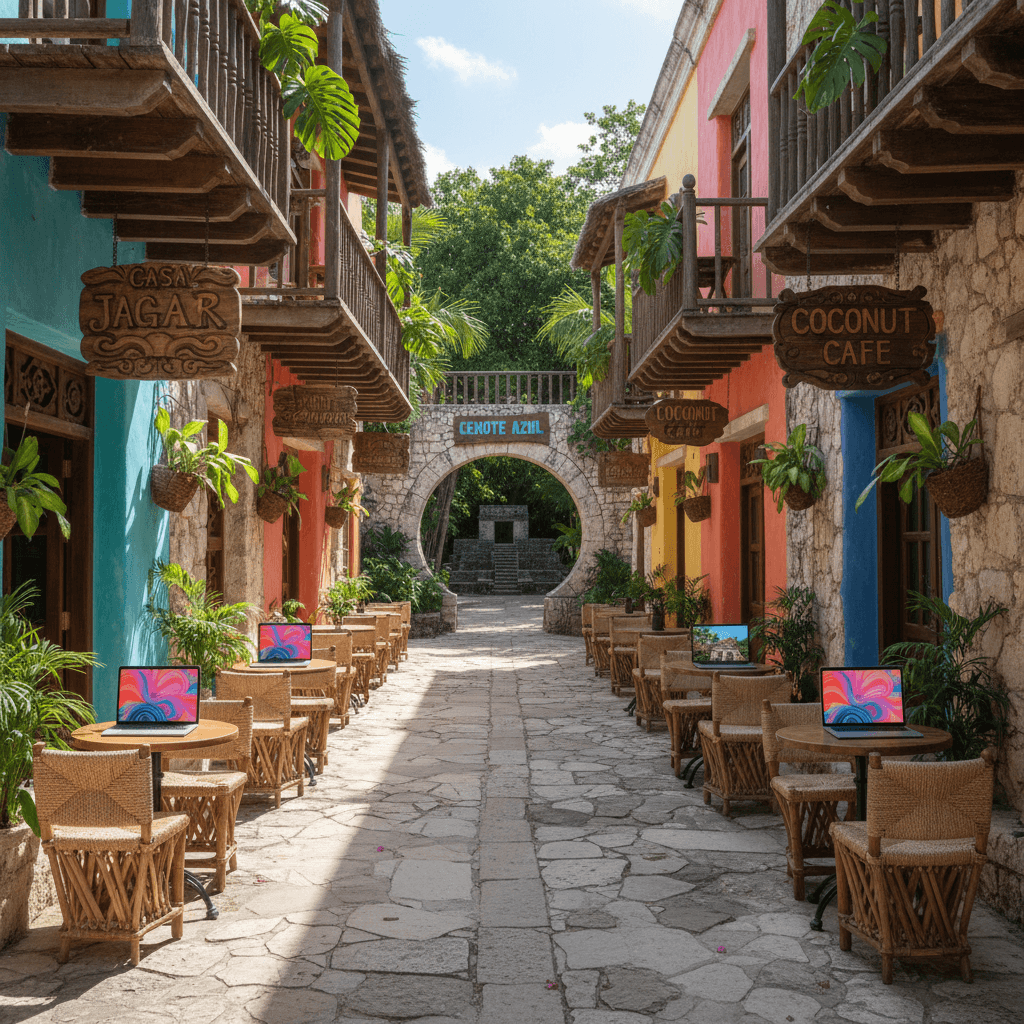
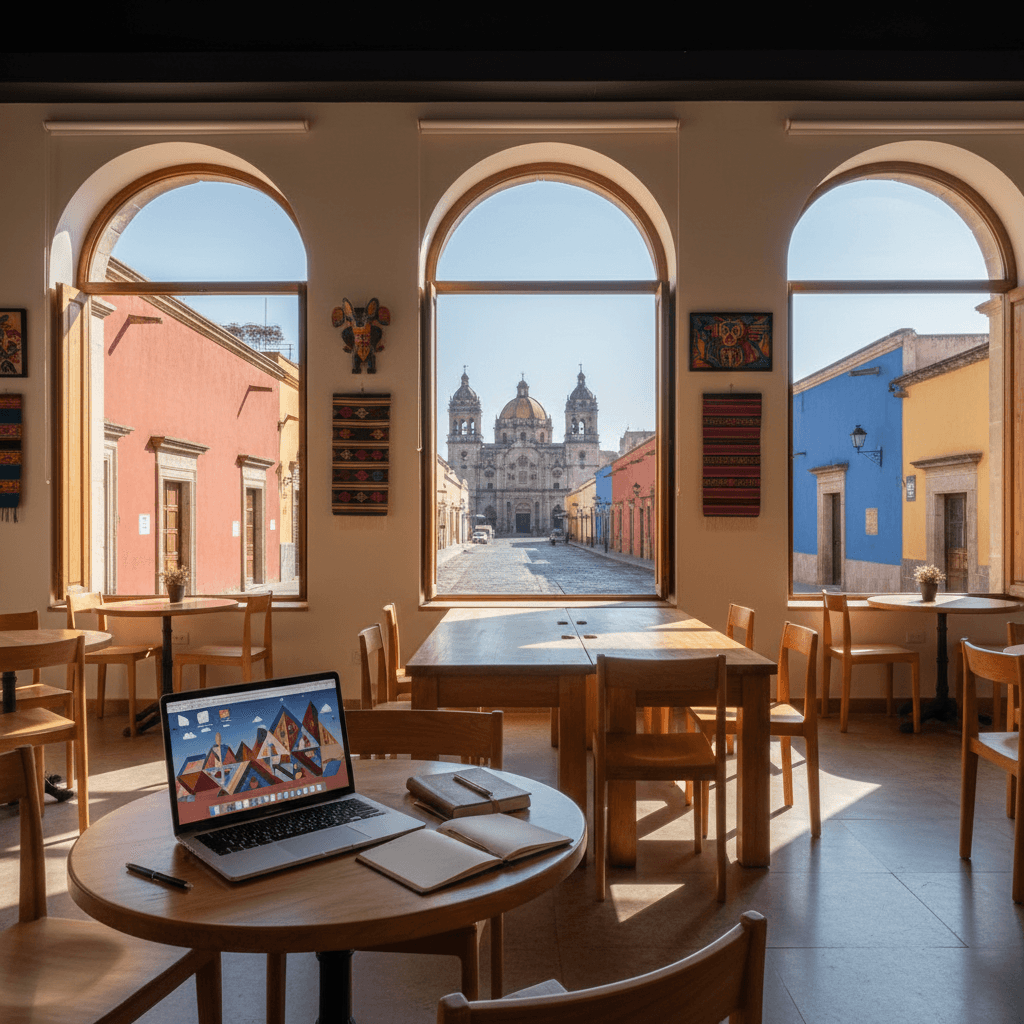
Oaxaca City doesn't just welcome you; it pulls you into a slower, more intentional way of living. While Mexico City is a high-octane metropolis and Playa del Carmen is a coastal party hub, Oaxaca feels like the country's cultural heart. It is a place where 16 different indigenous groups converge, creating a sensory experience defined by the smell of toasted chilies, the sight of bright purple jacaranda trees, and the constant sound of brass bands marching through the cobblestone streets for local weddings.
For digital nomads, the draw is the balance between ancient tradition and modern necessity. You can spend your morning on a Zoom call with 50 Mbps fiber optic internet and your afternoon wandering through the UNESCO-listed historic center or exploring the Monte Albán ruins for a 70 MXN entry fee. It is a city that rewards the curious traveler who prefers mezcal over tequila and street-side tlayudas over fine dining, though the upscale food scene here is arguably the best in the country.
The Local Vibe and Atmosphere
The pace here is noticeably relaxed. People take their time, and the "siesta" mentality still lingers in the mid-afternoon heat. You'll find a community that is deeply proud of its roots, which manifests in incredible urban art, hand-woven textiles, and a calendar packed with festivals. Most nomads find the atmosphere more grounding than other remote work hubs; it’s less about "grind culture" and more about finding a creative spark in the local markets.
However, it isn't a sanitized tourist bubble. You’ll encounter gritty markets, occasional political protests in the Zócalo, and the reality of a city that is still modernizing its infrastructure. Most travelers find this authenticity to be the city's greatest strength, but it does require a sense of patience and a willingness to adapt to local rhythms.
Living Costs at a Glance
Oaxaca remains one of the more affordable high-quality destinations in Mexico. While prices in the Centro have risen, your dollar still goes a long way compared to the US or Europe.
- Budget Tier ($800 to $1,200 monthly): Ideal for those staying in shared housing or modest studios, eating primarily at local markets like Mercado Benito Juárez, and using public transport or walking.
- Mid-range Tier ($1,200 to $1,800 monthly): This covers a private 1BR apartment in Jalatlaco or Xochimilco, frequent meals at mid-range cafes, a dedicated desk at a coworking space, and regular DiDi rides.
- Comfortable Tier ($1,800+ monthly): High-end colonial homes in the Centro, nightly dining at top-tier restaurants, and weekend excursions to places like Hierve el Agua or the Pacific coast.
Why Nomads Stay
The community here is tight-knit but welcoming. Most remote workers gravitate toward Impact Hub Oaxaca or Outsite, where the social scene is built around shared interests in art, food, and social impact. Unlike the "party nomad" scene of Tulum, the Oaxacan expat crowd tends to be a bit older, more culturally focused, and interested in learning Spanish.
The "hates" are few but specific. WiFi can be patchy if you aren't in a dedicated nomad hub, and some cafes have started cracking down on "laptop squatting" to keep tables open for diners. You'll also need to be mindful of your surroundings at night outside the main tourist zones, though most expats report feeling very safe in the primary neighborhoods. Ultimately, you come to Oaxaca for the food, but you stay because the city makes you feel like you've stepped into a more colorful, flavorful version of reality.
The Bottom Line
Oaxaca City remains one of the most wallet friendly hubs in Mexico for remote workers, especially when compared to the skyrocketing costs in Mexico City or Playa del Carmen. You can live a very high quality life here on a budget that would barely cover rent in most US or European cities. While prices have ticked up slightly over the last year, the value for your money is still exceptional, particularly regarding world class dining and local transport.
Most solo nomads find they can live comfortably on $1,200 to $1,800 USD per month. This range covers a private apartment in a desirable neighborhood like Jalatlaco, daily meals out, a dedicated coworking desk, and plenty of weekend mezcal tastings. If you are willing to live like a local, sharing a house and sticking to market stalls, you can easily get by on $800 to $1,200 USD.
Monthly Budget Tiers
- The Budget Nomad ($800 to $1,200 USD): Focuses on shared housing or modest studios in areas like Xochimilco. You'll mostly eat at markets like Mercado Benito Juárez, use public buses, and work from home or free cafes.
- The Mid-Range Professional ($1,200 to $1,800 USD): This is the sweet spot. It gets you a nice 1BR in Centro or Jalatlaco, regular DiDi rides, a membership at a spot like Impact Hub, and dinners at mid-range restaurants.
- The Comfortable Expat ($1,800+ USD): This tier allows for upscale living in modern Reforma apartments, frequent fine dining, private tours to places like Monte Albán, and no-expense-spared weekend trips.
Housing and Rent
Rent is your biggest variable. Prices fluctuate based on how close you are to the Santo Domingo Church and whether you book through platforms like Airbnb or find local deals on Facebook groups. Most nomads recommend Jalatlaco for its quiet, colorful streets or Centro for being in the heart of the action.
Centro & Jalatlaco
- Studio or 1BR Apartment: $400 to $600 USD
- Vibe: High demand, walkable, and close to the best coworking spaces like La Co-Munal.
Xochimilco & Reforma
- 1BR Apartment: $300 to $500 USD
- Vibe: Xochimilco is artsy and traditional, while Reforma feels more modern and suburban with wider streets.
Food and Drink
Oaxaca is a culinary capital, and you can eat incredibly well at any price point. Street food is a way of life here, and it is often higher quality than the sit down tourist traps. Expats often suggest hitting the Sunday market in Tlacolula for the cheapest bulk produce and authentic barbacoa.
- Street Food (Tacos, Tamales, Tejate): 20 to 50 MXN ($1 to $3 USD)
- Mid-range Restaurant Meal: 100 to 200 MXN ($5 to $10 USD)
- Upscale Dining or Multi-course Meal: 300+ MXN ($15+ USD)
- Local Beer or Mezcal: 40 to 80 MXN ($2 to $4 USD)
Connectivity and Workspace
If you need rock solid internet for video calls, don't rely solely on Airbnb WiFi. Investing in a coworking space is a standard expense for most serious nomads here. Impact Hub and Gubixi are popular for their community events and high speeds.
- Coworking Day Pass: 200 to 400 MXN ($10 to 20 USD)
- Monthly Coworking Membership: 2,500 to 4,500 MXN ($140 to 250 USD)
- Telcel SIM Card and 3GB Data: 200 to 300 MXN ($11 to 17 USD)
Getting Around
The city center is extremely walkable, so you likely won't spend much on daily transit. When you do need a lift, the DiDi app is the preferred method for nomads because it's safer and cheaper than hailing random cabs on the street. Most rides within the central neighborhoods will only set you back 40 to 60 MXN ($2 to $3 USD). For longer trips, like getting to the airport, expect to pay around 200 to 300 MXN ($11 to 17 USD).
For Nomads and Social Butterflies: Centro
If you want to be in the middle of the action, Centro is the place to be. It is the heart of the city, a UNESCO World Heritage site where every street looks like a postcard. Most nomads gravitate here because it is incredibly walkable and puts you steps away from the best mezcal bars, coffee shops, and the iconic Santo Domingo Church.
- The Draw: You are close to major coworking hubs like Impact Hub Oaxaca and La Co-Munal. If you prefer working from cafes, Marito and Moglie is a community favorite with great coffee and a laptop-friendly atmosphere.
- The Cost: Expect to pay a premium for the location. Studios or one-bedroom apartments usually run between $400 and $600 USD.
- The Reality: It gets loud. Between the parades, fireworks, and nightly traffic, it is not the quietest spot. You will also deal with more tourists than anywhere else in the city.
For Expats and Creative Souls: Jalatlaco
Jalatlaco feels like a small village tucked inside a city. It is famous for its cobblestone streets and colorful murals, but it has a much calmer energy than Centro. Expats often recommend this neighborhood because it strikes a perfect balance between local charm and modern convenience.
- The Draw: It is arguably the most beautiful area in Oaxaca. You will find plenty of sidewalk cafes where you can spend an afternoon reading or working without the frantic pace of the city center. It is only a 10 to 15 minute walk to the Zócalo.
- The Cost: Rents are slightly lower than Centro, typically ranging from $300 to $500 USD for a decent apartment.
- The Reality: While it is quieter, the streets are narrow and can feel a bit dark at night. While generally safe, travelers often suggest staying vigilant when walking back from Centro after dark.
For Families and Long-Term Residents: Reforma
Reforma is where the local middle class and long-term expats live. It lacks the colonial architecture of the center, but it makes up for it with wide streets, modern supermarkets, and a very safe atmosphere. It feels more like a standard city neighborhood and less like a tourist destination.
- The Draw: This is the most modern part of Oaxaca. You will find gyms, large grocery stores, and plenty of parks for kids to play in. It is much more peaceful than the historic areas.
- The Cost: You get more space for your money here. Large family homes or modern apartments are the norm, often at prices similar to Centro but with double the square footage.
- The Reality: You will need to use DiDi or a taxi to get to the main sights. A ride to Centro usually costs between 40 and 60 MXN, which is only about $2 or $3 USD, but it adds up if you are commuting daily.
For Solo Travelers and Art Lovers: Xochimilco
Located just north of Centro, Xochimilco is one of the oldest neighborhoods in the city. It is known for its historic stone aqueduct and a growing scene of urban art and textile workshops. It is a fantastic choice for solo travelers who want a local experience without being isolated.
- The Draw: It is incredibly quiet and safe. The neighborhood has a strong community feel, and you will often see neighbors chatting on their doorsteps. It is home to many artisanal shops and the Museo Textil de Oaxaca is nearby.
- The Cost: Prices are comparable to Jalatlaco, with many affordable rentals in the $350 to $500 USD range.
- The Reality: It is a bit of an uphill walk from the city center. While the exercise is great, it might feel a bit far if you are carrying groceries or heading home late at night.
Connectivity and Speed
You'll find that Oaxaca City has leveled up its infrastructure recently. While the historic cobblestone streets feel like a step back in time, the internet is firmly in the modern era. Fiber optic cables are now common in Centro and Jalatlaco, with home and coworking speeds often hitting 50 Mbps or higher. It is plenty for video calls and heavy uploads, though you might still encounter the occasional brownout or localized outage during the peak of the rainy season from June to September.
Most nomads find that while cafes are charming, they aren't always the best for a full workday. WiFi in smaller shops can be hit or miss, usually hovering between 15 and 25 Mbps. If you are planning to settle in for a four hour session, stick to the designated hubs to avoid getting the side eye from local business owners who need the table turnover. For backup, a Telcel SIM card is your best friend. You can grab one at any Oxxo for about 20 MXN and top it off with data packages through their app or at the counter.
Top Coworking Spaces
The coworking scene here is social and well established, offering a mix of professional office vibes and relaxed courtyard settings. Expect to pay between 200 and 400 MXN for a day pass.
- Impact Hub Oaxaca: This is the heavy hitter in town. It is centrally located, has reliable backup power, and hosts frequent networking events. It is the best spot if you need a quiet booth for calls.
- La Co-Munal: A favorite for those who want a more local, community focused atmosphere. It is affordable and the desks are spacious, making it a solid choice for long term stays.
- Outsite Oaxaca: Located in a beautiful building that doubles as a coliving space, this spot feels more like a creative studio. They have a great arts program and a built in community of remote workers.
- Gubixi: Gubixi is centrally located on Miguel Hidalgo street near the historic Iglesia de la Merced and is known for lightning-fast speeds that outshine most other spaces in the city.
Laptop Friendly Cafes
If you prefer the hum of a coffee shop, Oaxaca has a few standouts where you won't feel like an intruder. Just remember the unspoken rule: buy a coffee or a snack every couple of hours and keep your calls to a minimum.
- Marito and Moglie: Widely considered the gold standard for nomads. The coffee is world class, the WiFi is stable, and you will almost certainly see three or four other people with Macbooks open.
- Muss Cafe: Located in Centro, this spot has a gorgeous courtyard and a very chill atmosphere. It is perfect for clearing out your inbox in the morning.
- Convivio: This is a hybrid space that functions as a cafe, bar, and workspace. It is great for those days when you want your afternoon coffee to transition directly into a mezcal.
Data and SIM Cards
Don't rely solely on your Airbnb WiFi. Travelers often recommend setting up a local hotspot just in case. Telcel has the most consistent coverage across the city and even into the surrounding mountains. You can get a 4GB data package for roughly 200 to 300 MXN. Avoid Movistar or AT&T if you plan on taking day trips to places like Hierve el Agua or Monte Albán, as their signal tends to drop off quickly once you leave the city limits.
Stay Smart, Stay Safe
Oaxaca City is generally one of the safer urban centers in Mexico, especially within the primary nomad hubs of Centro, Jalatlaco, and Xochimilco. Most travelers feel comfortable walking the cobblestone streets during the day, though it's always wise to keep your phone tucked away and your bag zipped. Petty theft like pickpocketing can happen, particularly in crowded markets like Mercado Benito Juárez or during major festivals when the streets are packed.
Nighttime requires a bit more intentionality. While Centro remains lively late into the evening, the street lighting can get spotty once you move a few blocks away from the Zócalo or the Santo Domingo Church. If you're heading home from a mezcal bar after dark, nomads usually recommend skipping the walk and calling a DiDi. It's the preferred ride-hailing app here because it tracks your route and usually costs between 40 and 60 MXN for a quick cross-town trip.
The neighborhood of Reforma is often cited by expats as one of the most secure and modern areas for families. On the flip side, the border between Centro and Jalatlaco has seen occasional reports of opportunistic bag snatches late at night. Stick to well-lit thoroughfares and you'll likely find the atmosphere more welcoming than intimidating.
Healthcare and Wellness
If you get sick, you're in good hands. The city has a solid network of private clinics and pharmacies that can handle most routine issues. For minor ailments like "Montezuma’s Revenge" or a persistent cough, look for a Farmacia del Ahorro or Farmacia Similares. Many of these have a small doctor's office attached where you can get a consultation for about 50 to 100 MXN without an appointment.
For more serious concerns or emergencies, private hospitals provide a high standard of care that meets international expectations. Most expats and nomads head to Hospital Reforma or Clinica Hospital del Carmen. These facilities are equipped for emergencies and often have staff members who speak at least some English, though having a translation app handy is always smart.
- Emergency Services: Dial 911 for police, fire, or ambulance.
- Water Safety: Never drink the tap water. Stick to garrafones (20-liter jugs) delivered to your apartment or purified water provided at cafes.
- Pharmacies: Open late, often 24/7 in Centro, and many offer delivery via WhatsApp or their own apps.
Staying Healthy on the Ground
The altitude in Oaxaca is about 5,000 feet, which can catch you off guard if you're coming from sea level. You might feel a bit winded or get a headache during your first 48 hours. Drink more water than usual and take it easy on the mezcal flights until you've acclimated. The sun is also surprisingly strong here; even on cool days in January, you'll want high-SPF sunscreen if you're out exploring ruins like Monte Albán.
Food hygiene is generally excellent in established restaurants and popular nomad spots like Marito and Moglie. When it comes to street food, follow the local crowds. If a stand has a high turnover and a line of locals, the food is likely fresh. Most nomads find that their stomachs adjust within a week, but keeping a supply of electrolytes and probiotics from a local pharmacy is a standard pro-tip for anyone staying long-term.
Navigating the Streets
Oaxaca City is famously walkable, especially if you're staying in Centro, Jalatlaco, or Xochimilco. Most of the action happens within a 15 to 20 minute radius of the Zócalo. You'll find yourself walking on cobblestones often, so leave the flimsy sandals at home; sturdy shoes are a must here.
The city's grid layout is easy to master, but keep an eye on the street names. They often change once you cross the Independencia axis. While it's safe to wander during the day, expats suggest sticking to well lit main thoroughfares if you're heading home late at night, particularly near the edges of the historic district.
Ride-Hailing and Taxis
When your legs need a break or you're carrying groceries, DiDi is the undisputed king of apps here. Uber doesn't operate in the city, so make sure you download DiDi and set up your payment profile before you arrive. It's generally safer and more transparent than hailing a cab off the street because the price is locked in before you hop in.
- Short City Rides: Expect to pay between 40 and 60 MXN for trips within the central neighborhoods.
- Airport Transfers: A private ride from Xoxocotlán International Airport typically costs between 200 and 300 MXN and takes about 25 minutes depending on the notorious traffic near the markets.
- Street Taxis: These are yellow and plentiful. They don't use meters, so you must agree on the price before the wheels move. If you're going from Centro to Reforma, 50 MXN is a fair standard rate.
Public Transit and Collectivos
Local buses, known as camiones, are incredibly cheap at around 8 to 10 MXN, but they can be a bit of a puzzle for newcomers. They're often crowded and don't follow a strict digital schedule. Most nomads skip them for daily use but find them handy for reaching the outskirts.
For adventures outside the city limits, look for Collectivos. These are maroon and white shared taxis that run specific routes to nearby villages. You'll find them gathered near the Central de Abastos market. They won't leave until every seat is filled, but it's the most authentic and affordable way to reach the Tlacolula Sunday Market or the ruins at Monte Albán for just a few dollars.
Alternative Wheels
Cycling is picking up steam, though the cobblestones in the historic core can make for a bumpy ride. You can find bike and scooter rentals near the Alameda de León. It's a great way to explore the street art in Xochimilco or the flatter, more modern avenues of Reforma. Just be mindful that traffic rules can feel more like suggestions here; always stay alert for turning taxis.
Key Transport Costs at a Glance
- DiDi ride across town: 50 MXN
- Collectivo to nearby ruins: 20 to 35 MXN
- Airport Taxi: 250 MXN
- Entry to Monte Albán: 70 MXN
Most long term residents find they rarely need a car. Between the high walkability of the colorful interior streets and the cheap availability of DiDi, getting around is one of the least stressful parts of living in Oaxaca. If you're planning a trip to the Impact Hub or Gubixi for a work session, a quick 10 minute ride is usually all it takes to get across the city.
The Language Landscape
Spanish is the heartbeat of Oaxaca City. While you might get by with English in high end hotels or trendy spots in Centro, the reality is that English proficiency remains low across most of the city. To really settle in, you'll need at least a functional grasp of Spanish. Most nomads find that a few weeks of lessons at a local school like Spanish Magic or Oaxaca International goes a long way in making daily life smoother.
You'll also notice that Oaxaca is a deeply indigenous region. Don't be surprised to hear Zapotec or Mixtec spoken in the local markets like Mercado Benito Juárez. While you aren't expected to speak these languages, acknowledging the indigenous roots of the city is a big part of being a respectful resident. Locals appreciate it when you lead with a polite "Buenos días" or "Gracias" before diving into any request.
Practical Communication Tools
Since English isn't a given, Google Translate is your best friend here. It's particularly useful for translating menus at street stalls or communicating with taxi drivers who don't use the DiDi app. Expats recommend downloading the Spanish offline dictionary so you aren't stranded if your data drops in a thick walled stone building.
- WhatsApp: This is the primary way everything gets done. From booking a hair appointment to messaging your landlord or joining nomad meetup groups, you need a WhatsApp account linked to your phone.
- Spanish Dict: Travelers often prefer this over Google for more accurate local conjugations and slang.
- Duolingo or Babbel: Good for maintenance, but nothing beats real world practice at the Zócalo.
Key Phrases for Daily Life
You'll use these constantly, especially when navigating the local food scene and coworking spaces. Most interactions are formal at first, so using "usted" instead of "tú" with older locals or shopkeepers is a nice touch of respect.
- ¿Cuánto cuesta? (How much does it cost?): Use this at markets where prices aren't always marked.
- ¿Cuál es la contraseña del WiFi? (What is the WiFi password?): You'll ask this at every cafe from Jalatlaco to Xochimilco.
- La cuenta, por favor (The check, please): Servers in Mexico generally won't bring the bill until you ask for it.
- ¿Me da un...? (Can I have a...?): The standard way to order your morning tlayuda or coffee.
- Con permiso (Excuse me): Use this when weaving through crowded market aisles.
Staying Connected
Reliable communication requires a local SIM card. Telcel is the undisputed king of coverage in Oaxaca. You can pick up a SIM card at any Oxxo convenience store for about 20 MXN. Topping up is easy; just ask the cashier for a "recarga" and give them your number. Most nomads opt for the "Paquete Amigo Sin Límite" which gives you a few gigabytes of data and unlimited social media for 200 to 500 MXN per month.
If you're heading out on day trips to Hierve el Agua or Monte Albán, don't expect much signal. Within the city limits, however, 4G and 5G coverage is generally solid, keeping you connected for DiDi rides and navigation. Just remember that many of the older buildings in Centro have incredibly thick walls that can act as a shield against cellular signals, so you might need to step near a window for a clear call.
Oaxaca City sits in a high-altitude valley, which means you get that perfect "eternal spring" feel for much of the year. If you're planning a stint here, the weather will likely be one of the highlights of your stay. Most nomads find the climate incredibly manageable, though there's a distinct shift between the dusty dry months and the lush, green rainy season.
The Golden Window: November to April
This is arguably the best time to be in the city. The air is crisp, the skies are a deep blue, and the humidity is non-existent. Daytime temperatures usually hover between 25°C and 28°C (77°F to 82°F), making it ideal for working from a sidewalk cafe in Jalatlaco or walking over to your desk at Impact Hub Oaxaca.
You'll want to pack layers, though. Because of the elevation, temperatures can plummet once the sun goes down. It's common to see 9°C or 10°C (48°F to 50°F) nights in December and January. Most apartments in Centro don't have central heating, so a thick hoodie and a good pair of socks are necessary for those late-night deep-work sessions.
The Heat and the Rain: May to September
As spring rolls into summer, things heat up. April and May are often the hottest months, with highs frequently hitting 32°C (90°F). If you're sensitive to heat, this is the time to ensure your Airbnb or coliving space has high ceilings or excellent ventilation, as AC is still relatively rare in traditional Oaxacan homes.
The rainy season kicks off in June and peaks through August and September. Don't let the "rainy" label scare you off, though. It rarely rains all day. Instead, you'll usually get gorgeous, sunny mornings followed by a massive, dramatic downpour in the late afternoon. It's actually a great rhythm for remote work; you can head to Marito and Moglie for coffee in the morning and be safely tucked away in your office when the thunder starts around 4:00 PM.
Seasonal Breakdown for Travelers
- Dry Season (October to May): Best for outdoor exploring and stable weather. Expect plenty of sunshine and very little rain.
- Rainy Season (June to September): The landscape turns bright green and the dust settles. It's more humid, but the afternoon storms provide a nice break from the heat.
- Peak Heat (April to June): The sun is intense. Midday walks to the Zócalo can be draining, so plan your errands for early morning.
Timing Your Visit with Festivals
If you have flexibility, try to time your arrival with Oaxaca's major cultural milestones. Late October through early November is iconic for Day of the Dead. The city transforms with marigolds and parades, though you should expect accommodation prices to double and bookings to fill up months in advance.
The Guelaguetza in July is another massive draw. Even though it's the rainy season, the energy in the city is unmatched. For a quieter, more affordable experience, February and March are fantastic. You'll get the best of the dry weather without the holiday crowds or the peak season price hikes on monthly rentals.
What to Pack
- Sun Protection: The sun at this altitude is much stronger than it feels. A high-SPF sunscreen and a hat are non-negotiable for weekend trips to Monte Albán.
- Light Jackets: Even in the summer, evenings can feel cool after a rainstorm. A light denim jacket or windbreaker is usually enough.
- Sturdy Shoes: The cobblestones in Centro and Xochimilco are beautiful but brutal on flip-flops. Bring comfortable sneakers or boots with good grip.
Connectivity and Tech Setup
Staying connected in Oaxaca is easier than it used to be, but you still need a strategy. Most nomads head straight to an Oxxo convenience store or a Telcel kiosk to grab a SIM card for about 20 MXN. It takes ten minutes to set up, and you can top up data as you go. While fiber optic internet is expanding across the city, home WiFi can still be patchy in older buildings with thick stone walls.
If your rental's connection isn't cutting it for video calls, the coworking scene is solid. Impact Hub Oaxaca and La Co-Munal are the standard go-tos, costing between 200 and 400 MXN per day. For those who need serious speed, Gubixi is about twenty minutes south of the center and offers lightning-fast uploads. Marito and Moglie is a favorite cafe for working, but keep an eye on the time. Locals appreciate it when you don't hog a table for four hours on a single espresso.
Money and Monthly Budgets
Oaxaca remains one of the more affordable hubs in Mexico, though prices in Centro have climbed recently. A solo traveler living a budget lifestyle can get by on $800 to $1,200 USD a month by sticking to shared housing and street food. If you want a private one-bedroom in a trendy spot like Jalatlaco and regular dinners out, expect to spend between $1,200 and $1,800 USD.
- Studio/1BR Rent: $400 to $600 USD in Centro; $300 to $500 USD in Xochimilco.
- Street Food: 20 to 50 MXN for items like tejate or tamales.
- Mid-range Meals: 100 to 200 MXN.
- Coworking: $10 to $20 USD daily.
Cash is still king here, especially at the Mercado Benito Juárez or for quick taxi rides. Use apps like Wise or Revolut to keep exchange fees low, and try to use ATMs attached to banks rather than standalone machines on the street for better security.
Getting Around the City
The historic center is highly walkable, and you'll likely spend most of your time on foot. When you need to go further, skip the local buses if you're in a rush. DiDi is the preferred ride-hailing app because it's cheap, safe, and removes the need to haggle. A typical trip across the center usually costs between 40 and 60 MXN.
For airport runs, a taxi or DiDi will take about 20 to 30 minutes and cost roughly 200 to 300 MXN. If you're heading out on a Sunday to the Tlacolula Market, look into shared taxis or "colectivos" which are a staple of local life. Just remember that English proficiency is fairly low outside of the main tourist cafes, so having Google Translate downloaded for offline use is a lifesaver.
Safety and Health
Most expats and nomads feel very comfortable in neighborhoods like Reforma and Jalatlaco. Like any city, petty theft can happen, especially at night near the borders of the city center. Stick to well-lit streets and keep an eye on your phone when you're in crowded markets. For healthcare, there are quality hospitals and pharmacies throughout the city. In an emergency, dial 911, but for minor issues, many pharmacies have a doctor on-site for quick, affordable consultations.
Weather and Timing
The best time to visit is during the dry season from October to May. The days are warm, usually between 20 and 30°C, and the nights stay cool. The rainy season hits its peak between July and September. While the rain usually comes in short, heavy bursts in the afternoon, the humidity can make the heat feel much more intense. If you can, aim for November to catch the post-rain greenery and major cultural festivals.
Need visa and immigration info for Mexico?
🇲🇽 View Mexico Country GuideEasy Landing
Settle in, no stress
Monthly Budget Estimates
More cities in Mexico
Ensenada
🇲🇽 Mexico
San Cristóbal de las Casas
🇲🇽 Mexico
Puerto Escondido
🇲🇽 Mexico