Noosa Heads
🇦🇺 Australia
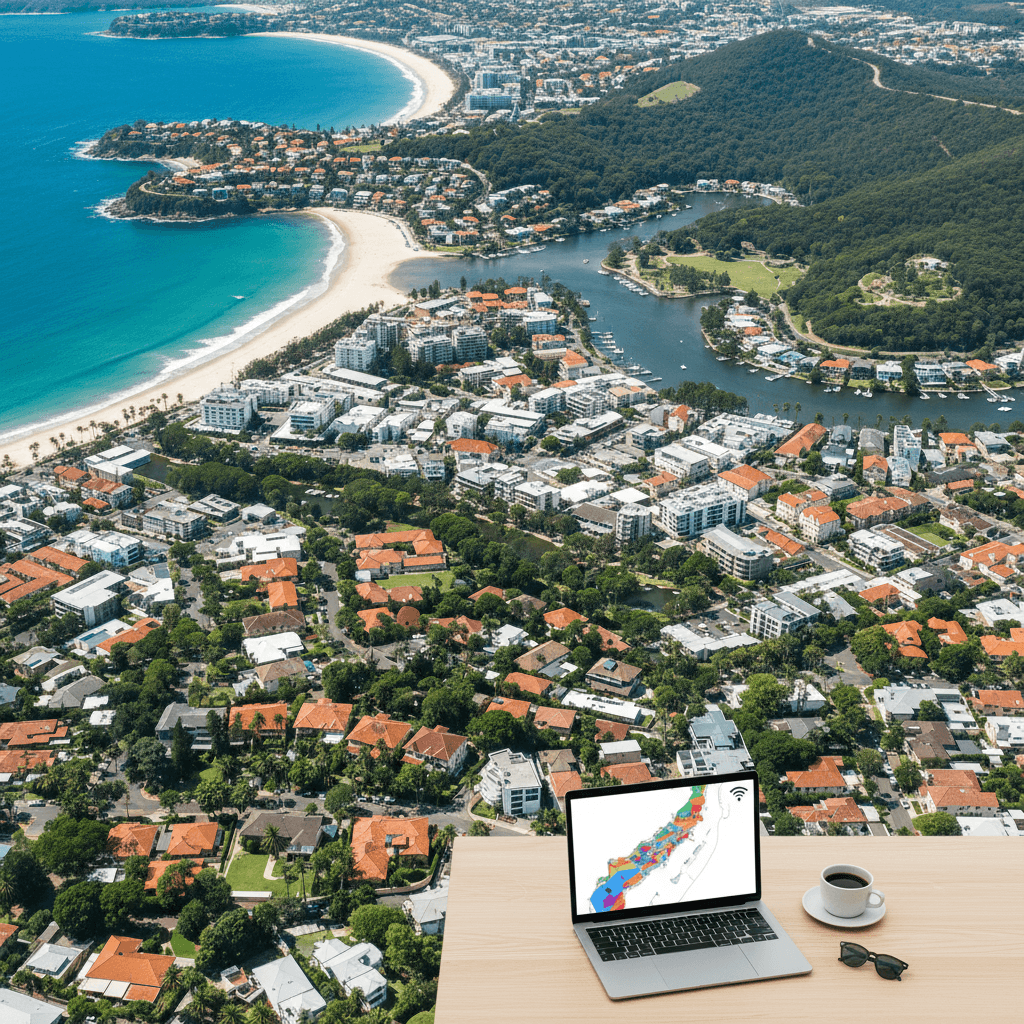
Noosa Heads feels polished, a little smug and still genuinely lovely. The first thing you notice is the light off the water, the smell of sunscreen and coffee on Hastings Street, the quiet scrape of board shorts on pavement, then the odd luxury shop tucked between cafes that are already full by 8am. Not cheap. Not at all.
It’s a beach town with expensive taste and that changes the mood. Digital nomads like it because you can answer emails with the ocean in view, hop between a swim at Main Beach and a call from a cafe and still be back in time for sunset at Noosa National Park, though the tradeoff is obvious, crowds, high prices and a fair bit of “book ahead or miss out” stress.
The vibe shifts fast by area and locals feel that difference immediately.
Noosa Heads, Hastings Street
- Feel: Glossy, social, busy
- Best for: Visitors who want beach, dining and nightlife on foot
- Downside: Touristy, pricey, noisy at peak times
Noosaville
- Feel: Slower, easier, more local
- Best for: Longer stays and focused work
- Downside: Less action after dark
Noosa Junction
- Feel: Practical, casual, slightly scrappy
- Best for: Better value and everyday life
- Downside: You’re farther from the sand
The working setup is better than people expect, honestly. Most cafes have free WiFi, mobile coverage is solid and Junction 2 in Noosa and The Space in Noosaville are the two names nomads keep coming back to, especially when they need air con, quiet and a desk that doesn’t wobble every time someone orders a flat white.
Rent is steep. A one-bedroom in the centre often sits around A$3,500-4,000 a month and even outside the core you’re still likely to pay around A$1,633, so people who stay here long term usually either earn well, share or get very selective about what “beach life” actually costs.
Safety is generally good, which makes a difference when you’re walking home after dinner and hearing cicadas in the trees instead of sirens. The pace is calmer than Brisbane, the air feels saltier and the whole place can seem a bit sun-drunk by late afternoon, though school holidays can turn that calm into traffic, queues and the kind of crowded footpaths that test anyone’s patience.
Noosa Heads isn’t cheap. If you want the beach, the cafes and the polished Hastings Street feel, you pay for it and you pay more than you would in most Queensland towns, honestly. A lot of nomads love the lifestyle here, then wince when the rent hits.
Monthly living costs
- Studio or 1BR in the centre: about A$3,500-4,000 a month, with common ranges around A$2,000 to A$2,500.
- 1BR outside the centre: roughly A$2,800-3,200 a month, though cheaper and pricier options both show up.
- 3BR in the centre: about A$5,000+ a month and the upper end can climb hard.
- Budget range: around A$1,800 to A$2,200 if you share, cook often and keep transport simple.
- Comfortable range: A$4,000 plus if you want a private place, frequent meals out and coworking.
Food costs stack up quickly, especially around the beachfront strips where the smell of salt, sunscreen and grilled seafood hangs in the air. A casual meal runs about A$27.50, while a mid-range dinner for two is closer to A$95 before drinks, which, surprisingly, disappears fast once you add wine or dessert.
- Casual meal: about A$27.50.
- Dinner for two: about A$95, no drinks.
- Upscale dining: higher again, especially on Hastings Street.
Transport is easier on the wallet than rent and that’s the real relief. Translink buses are flat fare at A$0.50 per trip, the Noosa Ferry is a nice scenic option and you can move around without touching a car most days, though the network still feels limited if you’re used to a big city.
Best areas for different budgets
- Noosa Heads, Hastings Street: best for walkability, nightlife and beach access, but it’s the priciest and busiest.
- Noosaville: better for longer stays, coworking and calmer mornings, with more breathing room and less tourist noise.
- Noosa Junction: the practical pick, a bit rougher around the edges, but cheaper and more local.
- Peregian Beach and Sunshine Beach: quieter and more residential, good if you can live with a bit more driving.
Coworking won’t wreck your budget, but it’s not free either. Junction 2 does half-day passes for A$25 and full days for A$40, while The Space Noosa starts from A$30.80 an hour, so working out of a cafe with free WiFi is, frankly, what many nomads end up doing. The internet is decent, the 5G signal is solid and the coffee smells better than most office buildings anyway.
Digital nomads
Noosa Heads works best for nomads who want decent WiFi, good coffee and a beach after lunch. It’s not cheap, honestly, but the trade-off is simple: you can answer emails in the morning, then walk to the sand and hear the surf hissing in the afternoon.
- Best base: Noosa Junction for value or Noosaville if you want quieter days and easier focus.
- Work setup: Junction 2 has the strongest coworking setup, with 100/100 Mbps enterprise NBN, phone booths and day passes from A$25.
- Cafe life: Free WiFi is common, though tables fill fast and the lunch rush gets noisy, with cups clinking and espresso machines grinding away.
Hastings Street looks glamorous, weirdly, but it can be a poor work base because the foot traffic never really stops. Noosaville feels more practical and the commute across town stays short enough that you won’t waste half the day in transit.
Expats
Expats usually settle in Noosaville first, because it feels local without being sleepy. The waterfront along Gympie Terrace has enough cafes, lunch spots and evening wine bars to keep life easy and the pace is calmer than the tourist crush near Main Beach.
- Best base: Noosaville for everyday living, Noosa Junction for cheaper rents and everyday errands.
- Why here: Better for routine, easier parking and less of the peak-season chaos that hits Hastings Street hard.
- Downside: You’re still paying Noosa prices, so budget carefully if you want a private place near the water.
Public transport works, but it’s limited, so most residents end up driving or using a mix of buses and the ferry, which, surprisingly, is often the nicer option. Groceries, pharmacies and practical services are clustered well enough, but life here still runs on car keys and early planning.
Families
Families do well in Peregian Beach and Sunshine Beach, where the mood is quieter and the beaches feel less frantic. The sand still gets under everything, the kids still come home salty and tired and that’s kind of the point.
- Best base: Peregian Beach for a calmer village feel, Sunshine Beach for access to Noosa without living in the thick of it.
- Good for: Safer-feeling streets, slower evenings and a more local rhythm.
- Watch out for: You’ll need transport for most things and dinner options thin out fast after the early evening.
Solo travelers
If you’re traveling alone and want energy, stay near Hastings Street, though you’ll pay for the privilege. If you’d rather meet locals and keep spending sane, Noosa Junction is the smarter pick, with crêpes, bao buns, pizza and a more lived-in feel than the polished beachfront strip.
- Best base: Hastings Street for social buzz, Noosa Junction for affordability.
- Nightlife: Better near the beach, though it’s more polished than wild.
- Safety: Noosa is generally safe, still, use normal late-night caution around dark streets and empty car parks.
Noosa Heads has decent internet, but the feel changes fast depending on where you sit. Hastings Street is fine for a quick email check, though the chairs are awkward, the espresso noise never stops and you’ll pay tourist prices for the privilege.
For real work, head to a coworking space. The strongest setup is Junction 2 in Noosa, which runs on 100/100 Mbps enterprise NBN, has phone booths, meeting rooms and a proper work rhythm, honestly the kind of place where people actually stay all day instead of pretending to work from a café.
- Junction 2: Day pass A$50 (check website for latest), monthly plans available.
- The Space Noosa: From A$30.80 an hour, with high-speed WiFi, coffee, printing, kitchenette and a boardroom in Noosaville.
- Noosa Boardroom: Good for meeting room hire, hot desks and conference setups.
The cafe scene is friendly to laptop workers and weirdly, a lot of places are happy for you to stay if you keep buying coffee and don’t hog a table at lunch rush. You’ll find free WiFi around Noosa Heads, Noosaville and Noosa Junction, though speeds can wobble when the room fills up, especially when the beach crowd escapes the heat and piles in with wet towels and sand on their ankles.
Mobile coverage is solid across most of town, with 4G and 5G from Telstra, Optus and Vodafone. An eSIM is handy if you’re only here a short time, because airport SIM prices can be annoying and the setup takes a minute, but after that you’re sorted.
Best Areas for Working
- Noosa Heads: Best if you want the beach and nightlife, though it’s crowded and pricey.
- Noosaville: Quieter, better for focus and close to The Space Noosa.
- Noosa Junction: More local, cheaper and practical for everyday errands.
If you want silence, don’t pick Hastings Street. If you want to hear laptops, iced coffees and the hiss of the milk steamer, that’s your spot, just expect to pay for it in both money and patience.
Safety is good overall and most people feel fine walking around during the day or evening, though you should still use basic judgment near quiet streets late at night. For healthcare, Sunshine Coast University Hospital is the main backup and LiveLife Pharmacy on Hastings Street is handy for the usual stuff, from sunscreen to a sore-throat remedy after too much air-con.
Noosa feels safe in the way a place can feel when people still leave prams outside cafes and jog the river path at dusk, though you still want your wits about you after dark. The main risks are the boring Australian ones, sunburn, rip currents, bike theft and a smashed car window if you leave a backpack visible in the vehicle. Not dramatic. Just annoying.
Violent crime is relatively low and most nomads find the bigger headache is petty property crime, especially in parking lots near Hastings Street and around busy beach access points. Break-ins and vehicle theft do happen, so don’t leave laptops, passports or a camera bag in the car, even for a quick coffee, because opportunists here move fast and the heat makes everyone a little lazy about locking up properly.
Practical Safety Notes
- Beach safety: Swim between the flags on Main Beach and respect Noosa National Park rips, they can yank you sideways in seconds.
- Night movement: Hastings Street stays lively, but quieter streets get dark fast, so use rideshare or a taxi if you’re out late.
- Transport: Buses are fine during the day, though service drops off in the evening and the ferry is more scenic than practical.
- Parking: Lock the car, hide valuables and don’t assume “safe suburb” means “nothing happens here.”
For most travelers, the trick is simple, keep your beach gear light, use common sense and don’t wander into the bush tracks at night unless you actually know the area. Weirdly, it’s often the quiet, leafy streets that feel safest and are still where people leave expensive gear in plain sight, which is exactly how things disappear.
Healthcare
For serious care, the nearest major hospital is Sunshine Coast University Hospital, about 20 to 30 minutes away and that trip can feel longer if you’re stressed, sweating or trying to explain symptoms after a bad surf wipeout. For everyday stuff, Noosa has decent pharmacy coverage, quick GP access if you book ahead and enough clinics that you won’t be stuck for basic care, but appointments can be tight in peak holiday periods, especially when half of Brisbane seems to have sunburn and ear infections.
- LiveLife Pharmacy Noosa Heads: 32 Hastings Street, open daily from 8:30am to 8pm, except Christmas.
- Pharmacy access: Good for sunscreen, antihistamines, first aid and basic travel medicine.
- Hospital backup: Head to Sunshine Coast University Hospital for anything beyond a routine consult.
Bring travel insurance, honestly, because private consults, scans and after-hours care add up quickly in Australia and nobody wants to be dealing with paperwork while nursing a jellyfish sting or a twisted ankle. If you need a GP, book ahead through local clinics, bring your Medicare or insurance details if you have them and keep the Australian emergency number saved in your phone before you hit the beach.
Noosa Heads is easy enough to move around if you stay close to the action, but it isn't a city where you can ignore the map and wing it. The core is compact, the sidewalks near Hastings Street get busy fast and the sea air mixed with sunscreen, coffee and hot asphalt can make a short walk feel longer than it looks on paper. Not cheap.
Best ways to get around
- Walking: Best for Hastings Street, Main Beach and the Noosa National Park trailheads. Most nomads walk daily, because parking headaches are real.
- Bus: Translink buses are the budget option, with a flat fare around A$0.50. Service is handy for Noosa Junction, Noosaville and trips toward Sunshine Beach, though schedules can be patchy on quieter runs.
- Noosa Ferry: A scenic way to move between stops on the river, especially if you're based in Noosaville and honestly it beats sitting in traffic when the weather's warm and the water's glassy.
- Taxi and rideshare: Useful late at night or after dinner, but prices climb quickly in school holidays and on wet weekends.
Where each area works best
Hastings Street and Main Beach are walk-first zones. You can get breakfast, beach, dinner and a sunset beer without touching a car, but parking is a pain and the streets feel crowded by late morning. Noosa Junction is better for practical errands and buses, while Noosaville is the sweet spot if you want cafés, the river path and easier day-to-day movement.
If you're staying in Peregian Beach or Sunshine Beach, plan on driving, bussing or biking for most errands, because the vibe is quieter and the spacing is looser. That’s nice when you want air and silence, less nice when you need groceries and it's raining sideways.
Practical local tips
- Bike: Good for short hops, especially around Noosaville and the river path, though some roads feel narrow and drivers can be impatient.
- Car: Worth it for longer stays, beach hopping and supermarket runs, but parking near the main beach can test your patience.
- Phone signal: 5G is generally solid, so maps, ride apps and booking a table on the fly usually work fine, which, surprisingly, isn't a given in some coastal towns.
For remote workers, the real trick is mixing modes. Walk when you can, bus when it makes sense and grab a car only if you're heading beyond the main strip or doing regular grocery runs. Frankly, that's the least annoying way to live here.
Noosa Heads is easy enough to live in, but the way people talk here can be a little polished, especially around Hastings Street. You’ll hear plenty of relaxed Aussie shorthand, lots of “yeah, nah” and “no worries,” and if you’re working from a cafe, the usual soundtrack is espresso machines hissing, sandals on tile and surf talk drifting in from the table next to you. Not cheap. Still, the communication style is pretty low-drama.
Most locals are direct without being rude and that matters when you’re booking housing, asking about WiFi or trying to get a straight answer about ferry times. People don’t usually overexplain, so ask clearly, keep it casual and don’t be surprised if replies come in short bursts, honestly that’s normal here. If you need something fast, a phone call often works better than a long message thread.
What to expect day to day
- Language: English is the standard, with a very easygoing Queensland accent and plenty of local slang.
- Style: Friendly, brief and practical, though service can get slower when the lunch rush hits.
- Best approach: Be clear, polite and patient, especially with rentals, medical bookings and service staff.
- Work culture: Remote workers usually fit in fine, as long as you don’t act entitled or rush people.
For internet chat, the news is good. Noosa has strong mobile coverage, cafes commonly give out free WiFi and coworking spaces like Junction 2 and The Space Noosa are set up for people who need stable calls and decent upload speeds, which, surprisingly, isn’t hard to find here. The annoying bit is that busy beachfront spots can get noisy and a strong connection doesn’t help when a toddler starts yelling near your table.
Practical communication tips
- SIM cards: Telstra, Optus and Vodafone all work here, with eSIMs a solid option if you want to land connected.
- Maps and transit: Use Google Maps or the Translink app for buses and ferry times, because local schedules can feel patchy.
- Bookings: Reserve dinner, tours and coworking desks ahead of time in school holidays, since staff won’t always have wiggle room.
- Healthcare: Pharmacies and clinics are easy to reach, but for anything serious you’ll likely head to Sunshine Coast University Hospital.
For expats, the main adjustment is size. Noosa feels small, conversations travel fast and people remember faces, so if you’re blunt in a bad way, it’ll probably come back around. Travelers usually find that a smile, a simple “cheers,” and a bit of patience goes a long way and frankly, that’s the whole trick here.
Noosa’s weather is warm, humid and very beach-friendly for most of the year, but it isn’t breezy perfection all the time. Summer can feel sticky, with salt on your skin, hot sand underfoot and those heavy afternoon storms that roll in fast and leave the streets smelling like wet eucalyptus.
Best overall time: March to May, then September to November. You get warmer water, lighter crowds and weather that’s still good enough for long beach walks, cafe work and sunset swims without the December holiday crush.
Season by season
- Summer, December to February: Hot, humid and crowded. This is prime beach season, but it’s also school holiday chaos, higher prices and the kind of muggy air that clings to you after a short walk.
- Autumn, March to May: My pick. The heat eases off a bit, the ocean stays warm and Hastings Street calms down after the holiday rush, so you can actually hear birdsong instead of constant foot traffic.
- Winter, June to August: Mild and dry. Days are often sunny enough for beach time, though evenings can get cool and the water feels brisk unless you’re one of those people who never seem to get cold.
- Spring, September to November: Bright, settled and popular with travelers who want good weather without peak-season prices. It’s a smart window for remote workers, because cafes and coworking spaces are less frantic.
Rain: Expect it, especially in summer. Noosa gets sudden downpours and the occasional proper storm, so pack light rain gear, not a huge umbrella you’ll get sick of carrying around.
If you’re planning around crowds, avoid late December through January unless you like queues, parking pain and beaches that feel packed by 10am. March, May and October are the sweet spots, honestly, because the town still feels alive but not squeezed.
What nomads should know
- Workdays: Morning sessions are usually better, because afternoons can turn hot and sleepy, especially in summer.
- Beach time: Early and late is best, when the light’s softer and the sand isn’t scorching.
- Clothing: Bring layers, a decent rain jacket and something for evenings in winter, because coastal temperature drops can catch you off guard.
For most travelers, the ideal formula is simple, visit in shoulder season, book early and skip the peak holiday weeks. That’s the real trick.
Noosa’s practical side is pretty simple and also a bit expensive. The town’s clean, polished and safe, but you’ll pay for that in rent, dinners and even the casual habit of grabbing a coffee with laptop in tow. Not cheap.
If you’re staying a month or more, plan around the neighborhood first, because location changes everything here, honestly. Hastings Street puts you in the middle of the action, Noosaville is calmer and better for work and Noosa Junction gives you more local life without the beachfront price tag.
Where to stay
- Hastings Street, Noosa Heads: Best if you want beach access, nightlife and everything walkable, but it’s the priciest spot and peak-season crowds can get loud.
- Noosaville: Quieter, easier for focused work and a better bet if you want waterfront cafes without the constant tourist churn.
- Noosa Junction: Usually easier on the wallet, with decent food and transport links, though you’ll be biking or bussing to the beach.
- Peregian Beach or Sunshine Beach: Good if you want more space and less fuss, just expect a slower pace and fewer coworking options.
Transport is manageable, but don’t expect big-city convenience. Buses run on the Translink network for a flat fare, which is cheap enough, though service can feel thin if you’re trying to move after dinner or on a Sunday. The Noosa Ferry is slower, but weirdly charming, with that salt-air, engine hum and river breeze that makes the trip feel like part of the day.
Money and work basics
- Budget stay: About A$1,800 to A$2,200 a month, usually shared housing and simple meals.
- Mid-range: Roughly A$2,500 to A$3,500 a month, with a one-bed place outside the center and some cafe or coworking days.
- Comfortable: A$4,000 plus, especially if you want Hastings Street and regular dinners out.
- Coworking: Junction 2 runs half-day and full-day passes and The Space Noosa is solid if you want proper desks, coffee and quieter calls.
Internet is generally fine, with 5G around town and free WiFi in plenty of cafes, though a busy brunch spot can mean slow speeds and clattering plates right next to your call. For mobile coverage, Telstra is the safest bet if you’re moving around a lot and an eSIM can save you a headache when you land.
Health and safety
- Safety: Noosa’s generally calm, but keep an eye on your stuff at the beach and don’t get lazy walking home late.
- Hospital: Sunshine Coast University Hospital is the main backup, about 20 to 30 minutes away by car.
- Pharmacy: LiveLife Pharmacy on Hastings Street is handy for quick prescription runs, sunscreen and the usual travel mishaps.
For a coastal town, Noosa feels reassuringly orderly, which, surprisingly, can make a big difference after a long day of remote work. Still, the heat, holiday crowds and parking stress can wear you down fast, so build in downtime, bring strong sunscreen and don’t assume every errand will be quick.
Need visa and immigration info for Australia?
🇦🇺 View Australia Country GuideEasy Landing
Settle in, no stress