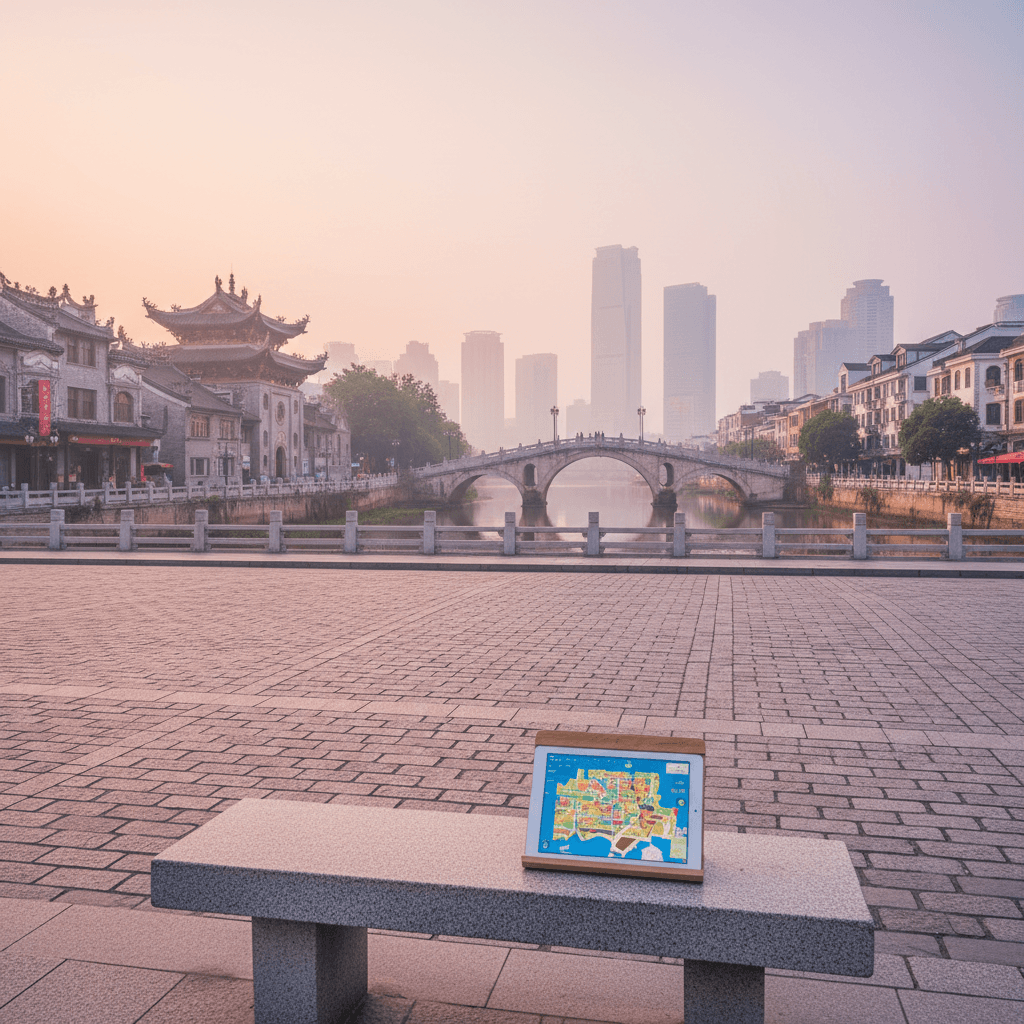
Ningbo
🇨🇳 China
If Shanghai is China's high-octane engine, Ningbo is its sophisticated, slightly more relaxed coastal cousin. It's a city where massive container ships dominate the horizon, yet you can still find quiet moments in the world's oldest private libraries. For nomads, it hits that sweet spot of being a tier-one infrastructure city without the soul-crushing costs or the frantic pace of the larger metropolises nearby. You get the high-speed rail, the gleaming malls, and the efficient metro system, but with a maritime breeze and a monthly budget that hovers around $1,391.
The Daily Vibe
Living here feels like being in on a secret. You'll spend your mornings in a Haishu district cafe, struggling with the Great Firewall but enjoying 294 Mbps speeds once your VPN kicks in. The energy is industrious but not frantic. It’s the kind of place where people actually stop to eat lunch. You’ll see retirees practicing tai chi near the Old Bund (Lao Waitan) just a few blocks away from digital nomads huddled over MacBooks. The maritime heritage isn't just for show; the seafood is incredible, and the city feels more open to the world than many inland hubs.
The Cost of Setup
Your money goes surprisingly far here compared to the West or even coastal neighbors like Hangzhou. Most nomads find a comfortable lifestyle costs about $1,400 a month, though you can scrape by on $1,000 if you embrace street food and shared housing.
- Housing: A modern studio in a central area like Haishu runs between $400 and $600. If you head to the suburbs of Yinzhou, prices drop to $300 or $500 for more space.
- Food: Local Ningbo dumplings or street noodles cost $2 to $5. A mid-range dinner at a spot found on the Dazhong Dianping app will be around $10 to $15.
- Transport: The metro is a steal at $0.50 to $1 per ride. If you're running late, a Didi (the local Uber) usually costs under $5 for most cross-town trips.
Where to Plant Your Laptop
Neighborhood choice defines your Ningbo experience. Most solo travelers and nomads gravitate toward Haishu. It’s the historical heart, home to the Tianyi Pavilion and the most walkable streets. You'll find the best concentration of coffee shops and WeWork style spaces here.
Jiangbei is the place to go if you want a grittier, more authentic port-city feel. It's cheaper and home to the Old Bund, which is great for a beer after work, though English is much harder to come by. Yinzhou is the modern, polished face of the city. It’s full of massive malls and parks, making it a favorite for expat families, though the commutes can feel a bit long if you're constantly heading into the center.
The Digital Reality
Let's talk about the internet. While the raw speeds are blazing, the censorship is real. You cannot survive here as a nomad without a solid VPN installed before you cross the border. Even with one, expect your effective speeds to fluctuate between 7 and 56 Mbps. Most travelers recommend getting a Holafly eSIM or a local China Unicom SIM for about $15 to keep your navigation apps like Amap running. Navigation is key because Google Maps is effectively useless here.
Life on the Ground
Safety is a non-issue; you can walk through most neighborhoods at 3:00 AM without a second thought. The real challenge is the language barrier. Outside of high-end hotels in Haishu, English is rare. You’ll rely heavily on Alipay for everything from paying for a $1 bike rental to showing your health dashboard. It’s a steep learning curve for the first week, but once you’ve linked your card to WeChat Pay and mastered a few Mandarin phrases, the city opens up in a way that feels incredibly rewarding.
When to Go
Timing is everything in Zhejiang. Aim for March to May or October to November. The weather is a perfect 16 to 25°C, ideal for exploring the nearby Putuoshan Island. Avoid July and August unless you enjoy 35°C humidity and the occasional typhoon. Winters are short but can feel surprisingly damp and chilly, with temperatures hovering around 5°C.
The Bottom Line on Ningbo
Ningbo sits in that sweet spot for nomads who want the efficiency of a Tier 1 Chinese city without the eye watering price tag of Shanghai. You can expect to spend about $1,391 a month for a comfortable, mid-range lifestyle. It’s a city that moves a bit slower than its neighbors, trading frantic neon for a maritime breeze and a more manageable pace of life.
Monthly Budget Tiers
- The Lean Nomad ($1,000): You're looking at a room in a shared apartment, sticking to local noodle shops or street food, and using the metro exclusively.
- The Mid-Range Pro ($1,400): This gets you a private one bedroom apartment in a central area, a mix of local eats and the occasional Western meal, and a dedicated coworking desk.
- The High Roller ($2,000+): You'll land a high floor apartment with a view, frequent upscale seafood spots at Tianyi Square, and plenty of Didi rides across town.
Housing and Neighborhoods
Rent is your biggest variable. Most nomads gravitate toward Haishu. It’s the historical and commercial heart, meaning you’re steps away from the best cafes and the Tianyi Pavilion. Expect to pay between $400 and $600 for a modern studio here. It’s walkable, but it can get loud during the day.
If you prefer somewhere quieter, Yinzhou is the suburban alternative. It’s popular with expat families because of the parks and massive malls, with rents falling slightly to the $300 to $500 range. For those on a strict budget, Jiangbei offers an authentic vibe near the Old Bund. It’s industrial and English is rare, but the prices are the lowest in the city center.
Food and Dining
Eating out is where Ningbo really shines, especially if you like seafood. Street food like the famous Ningbo lard dumplings will only set you back $2 to $5. A solid mid-range dinner at a local spot usually runs between $10 and $15. If you’re craving an upscale experience at the Old Bund or Tianyi Square, prepare to pay $30 or more. Pro tip: download Dazhong Dianping. It’s the local equivalent of Yelp and is the only way to find the truly great spots.
Connectivity and Work
The internet situation is a bit of a double edged sword. While the physical infrastructure is blazing fast at nearly 300 Mbps, the Great Firewall acts as a massive speed brake. Effective speeds for Western sites often drop to between 7 and 56 Mbps. A reliable VPN is non negotiable; buy and install it before you cross the border.
Coworking spaces aren't as common as in Beijing, but WeWork and local hubs in Haishu are your best bets. A hot desk usually costs around $10 a day or $150 a month. If you prefer cafes, the local coffee scene is growing, though you'll need your VPN to stay productive. For data, a 30GB tourist SIM from China Mobile costs about $15, or you can grab a Holafly eSIM if you want a built in VPN and less hassle.
Getting Around
The metro system is world class. Lines 1, 2, and 3 cover most places you'll need to go for about $0.50 to $1 per ride. For everything else, there's Didi. Most trips across the city cost between $2 and $5. If you're feeling active, use the Alipay app to unlock a Hello bike for about $1 an hour. It’s the most efficient way to see the smaller alleys in Haishu.
Practical Necessities
- Payments: China is almost entirely cashless. Set up Alipay or WeChat Pay with your international card before you arrive. It’s how you’ll pay for everything from a $1 bottle of water to your monthly rent.
- Health: If you get sick, head to Ningbo First Hospital. They have an international wing with English speaking staff who understand nomad needs.
- Language: Don't expect much English. Use Pleco for translation and Amap for navigation, as Google Maps is unreliable here.
Haishu: The Nomad Hub
If you're landing in Ningbo with a laptop and a VPN, Haishu is where you'll likely want to plant your flag. It's the city's central heartbeat, balancing ancient sites like the Tianyi Pavilion with modern retail hubs like Tianyi Square. Most nomads find this the most walkable part of the city, which is a massive plus when you’re trying to find a reliable cafe with decent coffee and a power outlet.
The vibe here is busy but manageable. You'll find the highest concentration of English-speaking staff in hotels and upscale restaurants. For work, local coworking spaces and spots like WeWork are clustered in this district, typically costing around $150 a month or $10 a day. It's the most convenient spot, but you'll pay a slight premium for the location.
- Rent: $400 to $600 for a decent studio or 1BR.
- Vibe: Fast-paced, central, and convenient.
- Best for: Digital nomads, first-time visitors, and those who hate long commutes.
Jiangbei: Budget Solo Travelers
Just across the river from the center, Jiangbei offers a grittier, more authentic feel. It’s home to the Old Bund, which is Ningbo's answer to Shanghai's famous waterfront, though much smaller and more relaxed. Travelers often head here for the nightlife, as the area is dotted with bars and pubs that stay active later than the rest of the city.
This is the district for those who want to stretch their $1391 monthly budget further. Rent is noticeably cheaper than in Haishu, and the street food scene is incredible. You can grab a bowl of Ningbo dumplings for about $3 at a local stall. The trade-off is that it’s more industrial in parts, and you'll definitely need your translation apps like Pleco or Apple Translate to get by, as English is much rarer here.
- Rent: $300 to $500 for a private apartment.
- Vibe: Historic, industrial, and budget-friendly.
- Best for: Solo travelers and budget-conscious long-stayers.
Yinzhou: Expats and Families
If you’re moving with a family or just prefer a quieter life away from the urban noise, Yinzhou is the suburban choice. It’s a newer, more planned part of the city with wider roads, modern malls, and plenty of green space. Expats recommend this area because it feels less claustrophobic than the older central districts.
While it's quieter, you aren't isolated. The Ningbo Metro (Lines 1 to 3) makes it easy to zip into Haishu for work or social events for about $0.50 a ride. There are also several international-style malls that are very kid-friendly. Keep in mind that you'll rely more on ride-hailing apps like Didi here, which usually cost between $2 and $5 for a quick trip across the district.
- Rent: $350 to $550 for larger modern units.
- Vibe: Quiet, green, and residential.
- Best for: Families and expats seeking a slower pace.
Practical Neighborhood Tips
Regardless of where you stay, download Alipay and Amap immediately. Most nomads find that Amap is far more accurate for navigating Ningbo's streets than Western alternatives. If you're looking for an apartment, platforms like Ziroom are popular, though many expats still prefer finding a local agent through Dazhong Dianping to negotiate shorter leases.
For your internet setup, don't wait until you arrive to find a VPN. The Great Firewall can drop your 294 Mbps connection down to a frustrating 7 Mbps if your software isn't optimized. Many nomads now use Holafly eSIMs because they often come with built-in roaming that bypasses some censorship, making those first few days much smoother.
The Connectivity Reality
In Ningbo, the internet situation is a bit of a paradox. On paper, the infrastructure is world class with fixed line speeds averaging around 294 Mbps. In practice, you are dealing with the Great Firewall, which acts as a massive bottleneck for any international traffic. Without a workaround, your effective speeds for Western sites will crawl between 7 and 56 Mbps. Most nomads find that a high quality VPN is the first thing they need to set up, and it is a lot easier to install one on your devices before you actually land in China.
For mobile data, you have two main paths. Local SIMs from China Mobile or China Unicom are cheap, usually costing between $10 and $20 for a 30GB monthly plan. However, these are subject to strict censorship. If you want to skip the VPN hassle for basic tasks, many travelers recommend an eSIM like Holafly. It is pricier but often comes with a built-in roaming feature that bypasses the firewall naturally, keeping your Slack and Gmail active without extra software.
Coworking Spaces and Work Culture
Ningbo does not have the massive coworking scene you will find in Shanghai, but it is catching up. The Haishu district is your best bet for a professional environment. You will find global names alongside local tech hubs that cater to the city's maritime and trade industries. Expect to pay around $10 for a day pass or roughly $150 for a monthly hot desk.
- Regus China Life Tower (Haishu District): Reliable coworking spot near Tianyi Square with English support. It has the standard perks like high speed tea, coffee, and phone booths.
- Local Tech Hubs: Often found near Tianyi Square. These are cheaper but might require a local phone number or WeChat Pay to book a desk.
- Public Libraries: The Ningbo Library is stunning and free, though it is better for deep work than taking Zoom calls.
The Cafe Alternative
If you prefer the "laptop and a latte" lifestyle, the cafe culture here is growing fast. In the Old Bund area and around Tianyi Square, you will find plenty of spots with decent WiFi. Most nomads hang out at Starbucks or Luckin Coffee for the reliability, but smaller boutique cafes are more comfortable for long sessions. Just keep in mind that public WiFi in cafes almost always requires a Chinese phone number to receive a verification code via SMS. If you don't have a local SIM yet, you will be relying on your mobile hotspot.
Digital Essentials for Survival
Living and working here requires a specific digital toolkit. You won't get far with cash or a physical credit card. Most expats recommend setting up Alipay or WeChat Pay immediately; you can now link these to international Visa or Mastercard accounts. For navigation, Amap is significantly more accurate than Google Maps in Ningbo, and it now includes enough English support to help you find the nearest metro station or coworking spot. For communication, Pleco is the gold standard for translating menus or signs when your Mandarin fails you.
Logistics Summary
- Average Coworking Cost: $150 per month
- Typical Coffee Price: $3 to $5
- VPN Requirement: Absolute (pre-install before arrival)
- Top App Picks: Alipay, WeChat, Amap, Pleco
- Best Work Neighborhood: Haishu
Keeping Your Sanity and Health in the Port City
Ningbo is incredibly safe by global standards. You can walk through the central Haishu district or the Old Bund at 2:00 AM without looking over your shoulder. Violent crime is rare, and most nomads find the biggest "danger" is simply the chaotic electric scooter traffic on the sidewalks. While you're safe from theft, the industrial outskirts and port edges can feel a bit desolate at night, so it's better to stick to the well lit urban hubs after dark.
Healthcare and Hospitals
If you get sick, you'll want to head straight to the Ningbo First Hospital. They have a dedicated international wing where the staff actually speaks English, which saves you from a frustrating afternoon of pantomime and translation apps. For minor issues like a cold or a localized infection, look for Lianhua pharmacies. They are everywhere and usually well stocked, though you'll likely need your phone's translation app to explain your symptoms to the pharmacist.
- Emergency Police: Dial 110
- Ambulance: Dial 120
- Key Medical Hub: Ningbo First Hospital (International Wing)
- Pharmacy: Lianhua (Look for the green cross signs)
The Digital Safety Net
In Ningbo, your health and safety are tied to your phone. Locals and expats use Alipay for almost everything, including accessing health codes or booking appointments. Because these apps rely on the local internet, you'll need a reliable VPN and a solid data plan to keep them running smoothly. Travelers often recommend setting up Alipay and WeChat Pay with your passport details before you even land, as trying to do it on the fly with a spotty connection is a headache you don't need.
Air quality is the one health factor you should actually monitor. While it's better than Beijing, Ningbo is still an industrial powerhouse. On heavy smog days, you'll see locals wearing N95 masks; it's a good idea to keep a few in your bag. If you have asthma or sensitive lungs, check the AQI levels on your weather app before planning a long day of walking through Tianyi Square.
Practical Wellness Tips
Tap water is a no-go for drinking. Stick to bottled water, which is cheap and sold at every corner convenience store for about $0.50. Most modern apartments in Yinzhou or Haishu come with water dispensers, so just make sure yours is topped up. If you're staying long term, nomads suggest finding an indoor fitness center to stay active, as the humidity in the summer can make outdoor runs pretty brutal.
Lastly, don't forget your digital insurance. Since Google and WhatsApp are blocked, your "safety" also means having an eSIM like Holafly that has a built in VPN. This ensures you can always access your maps and translation tools if you get lost in a neighborhood where English isn't spoken, which is most of them outside the main hotels.
The Logistics of Getting Around
Moving through Ningbo is a surprisingly smooth experience once you’ve got your digital toolkit ready. It’s a city that feels manageable, especially compared to the overwhelming scale of Shanghai. Most nomads find that the public transit system is the backbone of daily life here, keeping costs low while providing reliable access to the main hubs.
The Metro and Bus Network
The Ningbo Rail Transit is clean, fast, and growing. Currently, Lines 1, 2, and 3 cover the most ground for visitors and expats. It’s incredibly cheap, usually costing between $0.50 and $1 per ride depending on the distance. If you’re staying in Haishu or moving toward the business districts in Yinzhou, the metro is almost always faster than sitting in traffic.
- Payment: You don't need to fumble with physical tickets. Most travelers link their international cards to Alipay or WeChat Pay and use the transport QR code feature to scan at the turnstiles.
- Operating Hours: Trains generally run from 6:00 AM to 10:30 PM. If you’re out late at the Old Bund, you’ll likely need a different way home.
- Buses: The bus network is even more extensive and costs a flat rate of about $0.30. While it’s a great way to see the city, the lack of English signage on older routes can make it a bit of a gamble for newcomers.
Ride-Hailing and Taxis
For door to door service, Didi is the undisputed king. It’s the local version of Uber and is integrated directly into the Alipay app. You can call a car anywhere in the city and expect it to arrive in minutes. A typical cross town trip usually lands between $2 and $5, making it an affordable luxury for rainy days or late nights.
Standard taxis are still around, but they can be harder to flag down since most drivers are busy with Didi pings. If you do hop in a cab, make sure you have your destination written in Chinese characters; very few drivers speak English, and the language barrier is real once you leave the main hotel lobbies.
Two-Wheeled Travel
Ningbo is relatively flat, which makes it perfect for cycling. You’ll see clusters of brightly colored shared bikes from HelloBike or Meituan on almost every corner. You can unlock these for about $1 per hour using your phone. It’s the best way to explore the backstreets of Haishu or the scenic paths along the Yong River.
Electric scooters are also everywhere, though renting one as a short term visitor is complicated due to registration laws. Most nomads stick to the shared bicycles for that "last mile" between the metro station and their favorite cafe.
Navigation and Essential Apps
Forget Google Maps here; the data is outdated and the GPS offset will have you walking into walls. You need Amap (also known as Gaode). While the interface is primarily in Chinese, the icons are intuitive, and it provides the most accurate real time data for buses and trains. Apple Maps is a solid English alternative that works surprisingly well in China, using local data to keep you on the right path.
Regional Connections
One of the biggest perks of Ningbo is its high speed rail connection. You can be at Shanghai Hongqiao in about 2 hours for roughly $20. The Ningbo Railway Station is a massive, modern hub that feels more like an airport. For international arrivals, Ningbo Lishe International Airport (NGB) is about 1 hour away via Metro Line 2 for $1, or a $15 to $20 Didi ride if you’re carrying heavy luggage.
The Language Barrier Reality
In Ningbo, you'll find a city that speaks almost exclusively in Mandarin. Unlike the international bubble of Shanghai, English proficiency here is quite low. You might find a few English speakers at high end hotels in Haishu or among the younger staff at Tianyi Square, but don't expect the person at the noodle stall or the bus driver to understand you. Most nomads find that while the locals are patient, you'll be doing a lot of pantomiming if you don't have the right tools on your phone.
The local dialect, Ningbohua, is still spoken by older residents. It sounds quite different from standard Mandarin, but as a visitor, you won't need to learn it. Everyone you interact with in a professional or retail capacity will speak Mandarin. If you can master "Nǐ hǎo" (hello) and "Duōshǎo qián?" (how much?), you've already won half the battle. Locals genuinely appreciate the effort, even if your tones are a bit off.
Digital Translators are Non-Negotiable
Since you can't rely on verbal English, your smartphone becomes your primary translator. Most expats recommend downloading Pleco immediately. It's the gold standard for Chinese dictionaries and works offline, which is a lifesaver when your connection drops. For real time conversations, Apple Translate or Waygo are popular for visual translations of menus and signs.
A pro tip for getting around: use the Amap (Gaode) app for navigation. While the interface is in Chinese, it's much more accurate than Apple Maps in Ningbo. You can copy and paste addresses from your booking site directly into the search bar. If you're using Alipay to pay for things, which you definitely will be, use the built in translation tool within the app to read notifications and receipts.
The Connectivity Puzzle
Internet in Ningbo is a game of two halves. On paper, you'll see blazing speeds of 294 Mbps. In reality, the Great Firewall acts as a massive bottleneck for any Western site. Without a workaround, you'll lose access to Google, Slack, and WhatsApp. Most nomads find that effective speeds with VPN typically 20-100 Mbps depending on service and time. You must install your VPN software before you cross the border; trying to download one once you're inside the firewall is a massive headache.
For mobile data, you have two solid paths:
- Tourist SIMs: Pick up a China Mobile or China Unicom card at the airport. You'll get 10 to 30GB of data for about $10 to $20. You will still need your own VPN with these.
- eSIMs: Many travelers now prefer Holafly or similar eSIM providers. These often come with built in roaming that bypasses the firewall automatically, though they can be pricier than local cards.
Communication Etiquette
Digital communication in Ningbo happens almost entirely on WeChat. If you meet a local nomad or a potential business contact, they won't ask for your email or phone number; they'll ask to scan your QR code. It's a good idea to set up your account and link your passport before you arrive. Not only is it for chatting, but it's also how you'll book everything from a Didi (the local Uber) to a doctor's appointment at Ningbo First Hospital.
When communicating in person, keep it simple. Use short sentences and avoid idioms. If you're at a restaurant without an English menu, look for the Dazhong Dianping app. It's the local version of Yelp and is filled with photos of dishes. You can simply point to what you want. It's a low tech solution for a high tech city, but it works every time.
The Seasonal Sweet Spots
Ningbo sits in a humid subtropical zone, which is a fancy way of saying you'll get four distinct seasons with a heavy dose of moisture. If you're planning your stint here, aim for the shoulder seasons. March to May and October to November are the goldilocks zones. During these months, temperatures hover between 16°C and 25°C. The air is crisp, the humidity takes a breather, and you can actually walk around the Haishu district or the Old Bund without needing a second shower by noon.
Autumn is particularly stunning. The city's parks turn shades of burnt orange, and the lack of rain makes it the best time to take the high speed train out to Putuoshan Island or explore the Dongqian Lake area. Most nomads find this is when the city is at its most livable, especially if you're relying on cafe hopping for your workspace.
Survival Guide for Summer and Winter
If you arrive between June and August, prepare for a bit of a slog. Temperatures frequently spike between 28°C and 35°C, but the humidity makes it feel significantly hotter. This is also typhoon season. While Ningbo's infrastructure handles rain well, July and August can bring heavy storms that might keep you indoors for a day or two. Make sure your apartment has solid AC, because you'll be running it 24/7.
Winter, from December to February, is a different beast. It doesn't get "Siberian cold," usually staying between 5°C and 10°C, but it's a damp, biting chill that gets into your bones. Since many buildings in southern China lack central heating, you'll want to check that your rental has a "heat mode" on the AC unit or a space heater. It’s rarely snowy, but it’s often grey and drizzly.
Timing Your Arrival
Beyond the thermometer, you need to watch the calendar. China's "Golden Week" holidays in early October and the Lunar New Year (usually late January or February) change the city's dynamic entirely. During these times, prices for short term rentals can double, and transport becomes a nightmare to book. If you're looking for a quiet transition, avoid arriving during these peak travel windows.
Weather at a Glance
- Best for Outdoor Work: October and November. Dry, cool, and perfect for working from a patio in the Old Bund.
- Most Affordable: Late winter (January). You'll find better deals on housing, though you'll pay for it in shivering.
- The Humidity Peak: July. Expect to spend $50 to $80 more on your monthly utility bill just for the air conditioning.
- Rainiest Months: May through September. Always keep a sturdy umbrella in your bag; the coastal winds will ruin the cheap ones.
For most digital nomads, a mid September arrival is the winning move. You'll catch the tail end of the heat, skip the Golden Week madness if you book early, and enjoy three months of perfect working weather before the winter dampness sets in.
Getting Settled and Staying Connected
Living in Ningbo is significantly more affordable than the $2,500+ monthly budgets you'll see in Shanghai, but the technical barriers are real. Most nomads find that a monthly budget of $1,391 provides a very comfortable lifestyle here. The biggest hurdle is the Great Firewall. While local fiber speeds can hit 294 Mbps, your actual international speeds will likely hover between 7 and 56 Mbps once you've toggled on your VPN.
You'll want to install at least two different VPN services on your devices before you touch down at Ningbo Lishe International Airport (NGB). For data, expats recommend grabbing a tourist SIM from China Mobile for about $15, which usually includes 20GB of data. If you want to skip the registration desk, a Holafly eSIM with a built-in VPN is a popular workaround, though it's pricier than local options.
The Best Neighborhoods for Nomads
Ningbo isn't as sprawling as some Chinese megacities, but where you plant your flag matters for your social life and commute times.
Haishu District
- The Vibe: This is the city's heart and the best spot for solo travelers. It’s walkable, packed with history, and home to the Tianyi Square shopping hub.
- Monthly Rent: $400 to $600 for a modern studio.
- Nomad Factor: Highest concentration of English speakers and laptop-friendly cafes.
Yinzhou District
- The Vibe: A polished, suburban feel that's popular with expat families. It’s quieter with more green space and massive modern malls.
- Monthly Rent: $350 to $550.
- Nomad Factor: Great for those who want a quiet home office but expect a 20 to 30 minute commute to the center.
Jiangbei District
- The Vibe: Home to the Old Bund, this area has a grittier, industrial charm and some of the city's best nightlife.
- Monthly Rent: $300 to $500.
- Nomad Factor: Best for budget-conscious travelers who want to be near the riverfront bars.
Navigation and Logistics
Forget Google Maps and Uber; they won't work here. You'll need to download the Amap app for navigation and Didi for ride-hailing. Most trips across the city in a Didi will only set you back $2 to $5. The metro system is incredibly clean and efficient, with rides costing roughly $0.50 to $1.
Cash is nearly extinct in Ningbo. You must set up Alipay or WeChat Pay and link your home bank card before you arrive. These apps handle everything from your morning coffee to your $1 HelloBike rental. For healthcare, Ningbo First Hospital has a solid international wing with English-speaking staff if you run into trouble. In an emergency, dial 110 for police or 120 for an ambulance.
Work and Social Life
The coworking scene is still finding its feet. WeWork has a presence in the city, with desks going for about $150 a month or $10 for a day pass. If you prefer cafes, the Haishu district has a growing coffee culture, though you'll need to ensure your VPN is stable before settling in for a Zoom call.
Socializing often revolves around food. You can grab Ningbo dumplings at a street stall for $3 or head to the Old Bund for mid-range meals that average $10 to $15. While English proficiency is low, locals are generally patient with translation apps like Pleco or Apple Translate. If you're looking for a community, check Reddit or InterNations, as the nomad scene is growing but remains smaller than the traditional English-teacher expat circles.
Weather and Timing
The best times to visit are March to May or October and November when the air is crisp and the temperature sits between 16°C and 25°C. Avoid July and August if you can; the humidity is punishing, and it's peak typhoon season. Winters are chilly but rarely drop below freezing, usually hovering around 5°C to 10°C.
Need visa and immigration info for China?
🇨🇳 View China Country GuideEasy Landing
Settle in, no stress