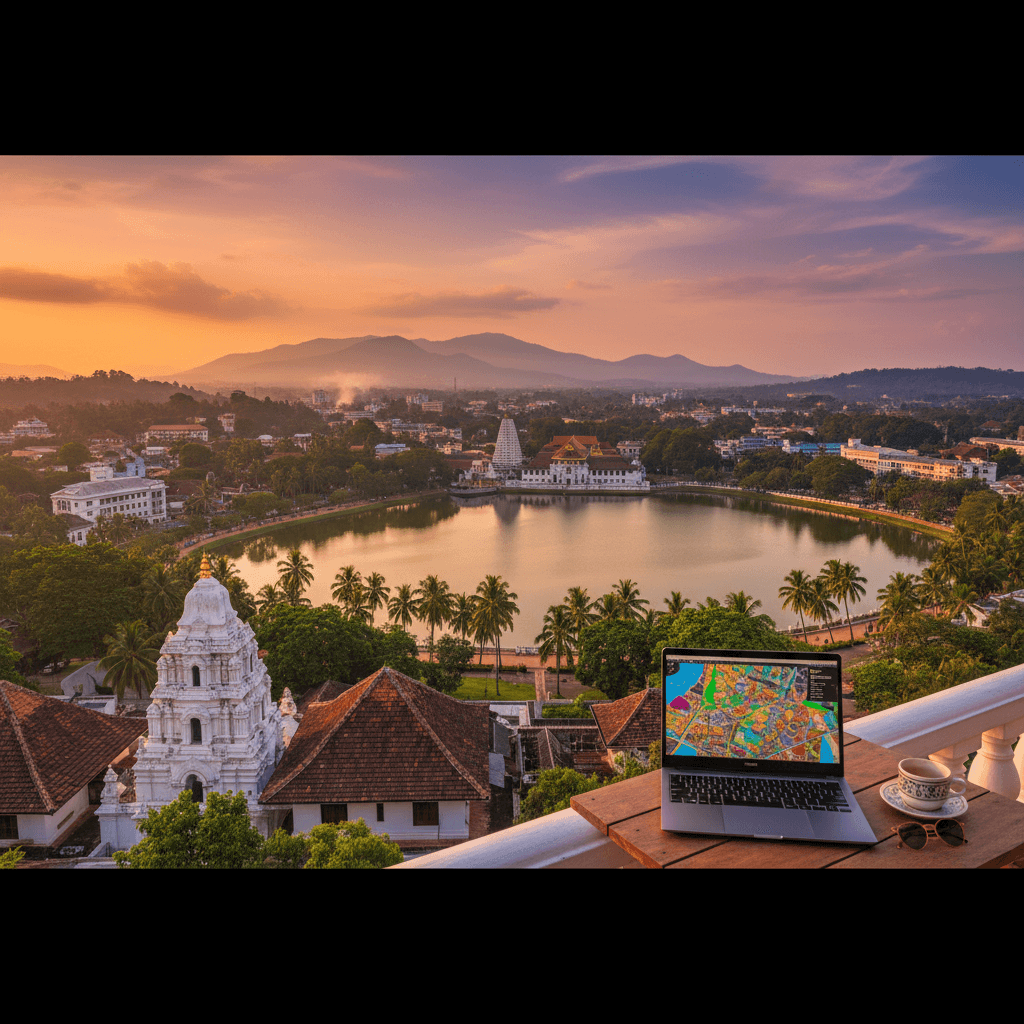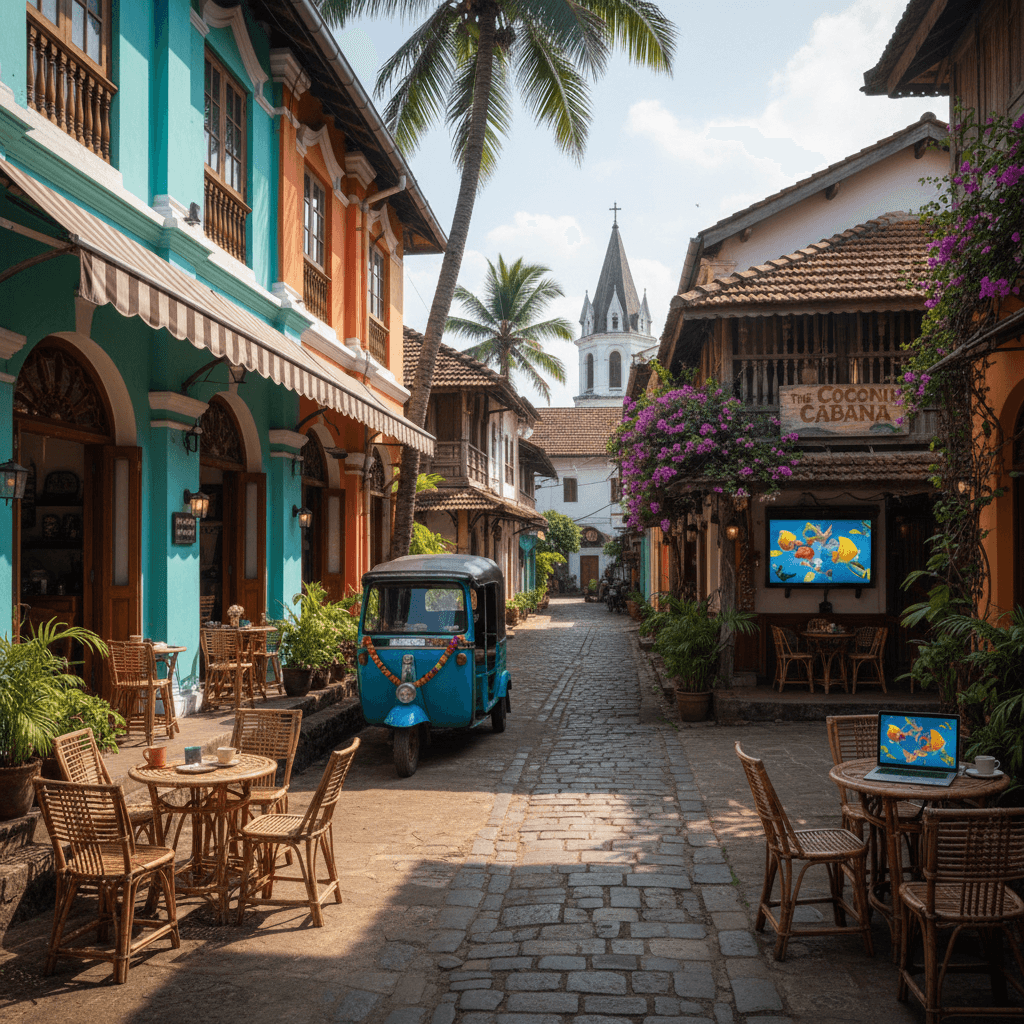
Negombo
🇱🇰 Sri Lanka
Negombo feels like a soft landing, then a messy one. You get beach air, church bells, fish smells, tuk-tuk horns and a town that still runs on old rhythms, with Catholic processions, Tamil and Sinhalese communities and a colonial hangover sitting right next to the airport.
It’s practical. Bandaranaike International is only about 6 km away, so late arrivals and early departures are easy and that’s a real advantage if you’re bouncing in and out of Sri Lanka. But the trade-off is obvious, traffic clogs up fast, the beach strip gets touristy and the internet can be, honestly, patchy enough to wreck a video call.
Most nomads settle around Negombo Beach or Main Street and Lewis Place. Beachside is the obvious choice if you want cafes, seafood, expats and a social scene that feels easy, though you’ll pay more and deal with crowds, while Main Street is more functional, with shops, buses and constant noise from engines, brakes and honking that never really stops.
Typical Monthly Costs
- Budget: $500 to $800, shared room or guesthouse, street food, buses and the odd tuk-tuk.
- Mid-range: $1,000 to $1,500, a decent 1BR, mixed dining and regular rideshares.
- Comfortable: $2,000+, beachfront villa, more taxi rides and better restaurants.
- Lunch: About $2-3 for a cheap meal.
- Dinner for two: Around $17.90 at a mid-range place.
- Transport: Local fares are tiny, a bus or tuk-tuk ticket can be about $0.32 and an 8 km taxi ride is roughly $3.29.
The coworking scene is thin, so don’t expect a polished startup bubble. Spaces on Main Street and HQ cover the basics and cafes like Coffee Lab are where people end up, with WiFi, power sockets, cold AC and the smell of espresso mixing with salt air, which, surprisingly, makes afternoon work bearable.
Negombo is safe enough if you stay sharp, but petty theft happens in crowded beach spots and markets, especially when people get lazy with phones and bags. Healthcare is decent for a smaller town, St. Joseph and Nawaloka handle most needs, though anything serious usually means a trip to Colombo.
Best fit: Nomads who want low costs, fresh seafood, airport access and a laid-back base with a little grit.
Worst fit: Anyone who needs flawless internet, quiet streets or a sleek big-city scene.
Source 1 | Source 2
Negombo is cheap enough to keep most nomads around, but it’s not dirt cheap anymore, especially near the beach where the tuk-tuks, seafood platters and tourist-facing guesthouses all seem to know their worth. A solo traveler can get by on about $600-800 a month with rent and a family of four usually lands near $1,133, which sounds modest until you start paying for AC, decent coffee and the odd power cut backup. Not fancy. Still manageable.
For housing, a one-bedroom in the center runs around $218, while the outskirts can drop to about $131, though expats often report asking prices closer to $400 to $600 for a decent one-bed and $500 to $800 for a two-bed, especially if you want newer furniture and less damp on the walls. Main Street and Lewis Place are handy but noisy, with buses honking, scooters buzzing and fish-market smells drifting in when the wind shifts. Beach area rentals cost more, frankly, because you’re paying for sand, sunset and convenience.
Eating out stays reasonable if you skip the polished beach clubs. A street-food lunch or simple rice-and-curry menu sits around $4.73, while a mid-range dinner for two is about $17.90 and seafood at the beach pubs can tack on another $10 to $20 a head, which, surprisingly, adds up fast if you’re there twice a week.
- Street food/lunch: about $4.73
- Mid-range dinner for two: about $17.90
- Bus or tuk-tuk ride: about $0.32
- Taxi for 8 km: about $3.29
- Monthly transport pass: about $7.45
Internet is decent on paper and patchy in real life, so don’t expect smooth video calls without a backup plan. Fiber plans can start around $15.50 a month for 50 Mbps, but power cuts and inconsistent speeds still happen and coworking options are limited, so many nomads end up at Coffee Lab or a beach cafe with a fan, a generator and a cold tile floor under their feet. Dialog tourist SIMs cost about LKR 1,399 for 20 to 30 GB and that’s the safer bet if you’re moving around.
Budget travelers can live on $500 to $800 a month in a shared room or guesthouse, eating local food and using buses. Mid-range stays usually hit $1,000 to $1,500 with a private apartment, rideshares and mixed dining, while comfortable living starts around $2,000 if you want a beachfront villa, better AC and fewer compromises. Honestly, Negombo rewards people who keep their expectations practical, because the city’s low price tag comes with traffic, humidity and the occasional outage.
Negombo splits neatly by how you live and that makes choosing an area pretty simple. The beach strip suits nomads and solo travelers who want sunset drinks, scooters buzzing past and easy airport access, while Main Street and Lewis Place work better if you want shops, buses and less dependence on tuk-tuks. Families usually drift to the quieter edges, where homes are bigger, roads are calmer and the price drops, though the tradeoff is distance and less of a walkable scene.
Nomads
Best pick: Negombo Beach. This is where most remote workers end up, because you can hop between beach cafes, guesthouses and bars without trying too hard and the sea breeze takes the edge off the heat, honestly, even if the air still smells faintly of exhaust and salt. The downside is obvious, tourist pricing creeps up and petty theft in crowded spots does happen, so don’t leave your phone on the table and wander off.
- Good for: social evenings, beach access, airport runs
- Watch for: crowds, inflated prices, patchy WiFi in some places
- Best work spots: Coffee Lab, beach cafes with backup power
Expats
Best pick: Main Street and Lewis Place. This is the practical center, with supermarkets, local eateries, banks and transport all clustered together, so daily life feels easier than it does on the beach road, where traffic can sit and honk for ages. If you want a 1BR in a decent location, expect roughly $218 in the center or more like $400 to $600 through expat listings, because comfort here always costs a bit more than locals advertise.
- Good for: errands, buses, tuk-tuks, everyday convenience
- Watch for: congestion, noise, dusty roadside air
- Budget note: mid-range living usually lands around $1,000 to $1,500 monthly
Families
Best pick: the quieter outskirts and gated compounds. You’ll get more space, a bit more security and better value for money, which, surprisingly, matters more here than being close to the beach, because school options are limited and the nicest homes sit away from the center. The catch is the lack of walkability and if you’ve got kids, you’ll be driving or hiring tuk-tuks for nearly everything.
- Good for: larger houses, calmer streets, lower rent
- Watch for: fewer schools, longer commutes, less nightlife
- Practical pick: choose somewhere with generator backup and solid water pressure
Solo Travelers
Best pick: Negombo Beach if you want people around, Main Street if you want fewer distractions. Solo stays here can be easy, but don’t get lazy about safety at night, especially after a few beers at a beach pub, because dark side streets and crowded tourist areas are where hassles usually happen. The upside is real though, fresh hoppers at night, sea air and tuk-tuks everywhere, so getting back to your room won’t be a drama.
- Good for: walkable stays, social hostels, easy airport departures
- Watch for: pickpockets, late-night noise, uneven sidewalks
- Best app combo: PickMe, Uber and a local SIM from Dialog
Negombo’s internet is fine when it’s fine, then suddenly annoying. Fiber plans around LKR 5900 (~$20) a month for 50-100 Mbps are available, but power cuts, patchy home WiFi and the occasional slow afternoon make remote work feel less polished than Colombo, honestly.
Most nomads end up mixing home, cafe and coworking days. Coffee Lab is the easy fallback if you just need free WiFi and a socket, while beach cafes with AC and generators are where people hide when the humidity gets sticky and the fan only pushes warm air around.
Coworking Options
- Spaces, Main Street: The best bet if you need a proper desk, meeting room access and a quieter setup than a cafe, though it’s still a limited scene compared with bigger cities.
- HQ: Useful for virtual office needs and a more businesslike setup, especially if you’re juggling client calls and don’t want beach noise in the background.
- Cafes: Coffee Lab is the obvious one and a few beach spots will let you work for hours if you buy something simple and don’t mind the smell of seafood drifting in from next door.
The coworking scene is small, weirdly small for a place that attracts so many transit-bound nomads. That said, it works if you’re flexible and the daily rate for a flexible desk around LKR 1,500 feels fair for the area, especially when you factor in air-con, power and a chair that doesn’t wreck your back.
Mobile Internet
- Dialog tourist SIM: LKR 1,399 for 20GB over 30 days, easy to grab at the airport or in town.
- Mobitel: Good backup option if Dialog coverage gets patchy where you’re staying.
- eSIM: Airalo and Nomad usually land around $6.50 a month, handy if you want data before you’ve even left immigration.
If you’re staying near Negombo Beach or Main Street, don’t expect flawless broadband, because traffic, noise and the thump of tuk-tuks outside often come with the same addresses that have the best access. Frankly, the smartest setup is a SIM card plus a cafe or coworking membership, then you’ve got a backup when the router blinks out and the ceiling fan keeps spinning like nothing happened.
Negombo feels relaxed on the surface, but safety is still a street-by-street thing. The beach zone gets tourist traffic, the fish market smells like salt and diesel at dawn and the Main Street area is louder, hotter and a bit more chaotic, with tuk-tuks honking and scooters squeezing past packed shops.
For most nomads, the city is fairly safe, especially in daylight and around busy areas, though petty theft does happen in crowded markets, on the beach and near nightlife spots. Keep your phone and wallet out of easy reach, don’t flash cameras or laptops and be more careful after dark because some side streets get dim fast and, honestly, empty fast too.
A few areas feel better for different lifestyles:
Negombo Beach
- Best for: Solo travelers, expats and people who want the social scene.
- Watch for: Tourist-priced drinks, bag snatching in crowds and the usual beachside hustle.
- Feel: Breezy, active, sometimes noisy, with sand, sunscreen and grill smoke in the air.
Main Street and Lewis Place
- Best for: Easy transport, errands and daily convenience.
- Watch for: Traffic, exhaust and crossing roads that never seem to pause.
- Feel: Practical, busy and a little gritty, especially at rush hour.
Healthcare is decent for a smaller coastal city. St. Joseph Hospital is the name most expats mention first, Nawaloka Medicare (branch) for additional care and District General covers the basics, though serious treatment can mean a run into Colombo. Pharmacies are easy to find and that matters when you’re dealing with heat rash, stomach bugs or a sudden ear infection after a windy beach day.
For emergencies, keep these handy: police 119 and the main hospital line 011-228-3000. If something feels off, go sooner rather than later, because waiting around in Sri Lankan humidity while you’re sick is miserable and the whole place seems louder when you’ve got a fever.
- Good idea: Buy travel insurance that covers private treatment.
- Good idea: Save hospital and taxi numbers in your phone now.
- Good idea: Carry cash for smaller pharmacies and quick rides.
For minor stuff, you’ll be fine. For anything serious, don’t gamble, head to a proper hospital and skip the guesswork.
Negombo is easy to cross on foot if you stay near the beach or Main Street, though the heat and scooter traffic can wear you down fast and the honking gets old by noon. For anything farther out, tuk-tuks are everywhere, Uber and PickMe both work and the airport is only about 6 km away, so a transfer usually takes 10 minutes or so. Cheap? Yes. Comfortable? Not always.
Most nomads end up mixing walking, tuk-tuks and the occasional bus, because the town’s layout makes short hops simple but longer errands annoying, especially when you’re hauling groceries in humid air that clings to your shirt. A local bus or tuk-tuk ticket can be around $0.32 and if you’re doing a lot of short rides, bargaining still matters, frankly, since quoted fares can jump once drivers see a foreign face. If you want zero hassle, apps are cleaner.
Best Base Areas
- Negombo Beach: Best for solo nomads, expats and anyone who wants cafés, sand and easy airport access, though the tourist traffic, beach trash and petty theft in crowds can get irritating.
- Main Street and Lewis Place: Practical for errands, transport links and food, with more shops and less of a resort feel, but the roads are busy, noisy and sometimes honestly chaotic at rush hour.
- Outskirts: Quieter and better for families or longer stays, with bigger homes and lower rents, but you’ll need a tuk-tuk for nearly everything and the walkability drops off fast.
Scooters and bikes are rentable through some hotels and local operators and a few visitors choose them for short-term freedom, though the roads can be gritty, narrow and full of sudden potholes. If you’re staying a while, a monthly rental can make sense, but for most people it’s easier to treat the town as a tuk-tuk place and leave the driving to someone else.
Buses and trains are cheap, then there’s the airport run, which is usually straightforward, with Uber, PickMe or a tuk-tuk landing in the $5 to $10 range for a quick transfer. That sounds fine until a rain squall hits, the streets flood a little and everybody tries to move at once, so allow extra time. Negombo doesn’t reward rushing.
For day-to-day life, the real trick is matching the task to the transport. Walk for the beach, grab a tuk-tuk for markets or late dinners, use PickMe when you want a fixed price and skip the idea that you’ll be cycling everywhere in the midday sun, because that plan dies fast here.
Negombo is easygoing on the surface, but language can still trip you up if you drift away from the beach strip. English is widely spoken around Negombo Beach, Main Street and the airport area, though once you’re in a fish market or a more local tuk-tuk ride, Sinhala and Tamil take over fast and honestly, that’s where Google Translate starts earning its keep.
Most day-to-day stuff works in English, especially with hotel staff, cafe workers, drivers and anyone dealing with tourists. Still, the accents can be thick, the pace can be quick and sometimes people switch between English and Sinhala in the same sentence, which, surprisingly, you’ll get used to after a week or two.
Useful phrases:
- Hello: Ayubowan, Vanakkam
- Thank you: Bohoma Sthuthi, Nandri
- How are you? Kohomada?, Eppadi Irukkirirgal?
Learn those and you’ll get warmer responses almost everywhere, especially from older shopkeepers and market vendors. The pronunciation matters less than the effort and a clumsy “Ayubowan” usually gets a smile, then a better conversation than perfect tourist English ever will.
For remote workers, internet chat is the real language problem. Fiber plans can hit 50 Mbps or more for around $15.50 a month, but the connection can wobble, power cuts still happen and that beach cafe with the nice sea breeze can suddenly feel a lot less charming when your call drops.
Best communication setup:
- SIMs: Dialog or Mobitel at the airport or in town, tourist packs start around LKR 1,399 for 20GB or LKR 1,799 for 30GB
- eSIM: Airalo or Nomad if you want data fast and you don’t want to queue
- WiFi: Coffee Lab and a few beach cafes offer free WiFi and power, though speeds vary
PickMe and Uber work well for moving around and the app prices save you from the bargaining dance if your Sinhala isn’t there yet. Taxis, tuk-tuks and bus drivers all understand numbers better than accents, so keep your destination written down, especially if you’re heading somewhere off Main Street when the traffic is honking and the air smells like exhaust, fried fish and salt.
One more thing, people here are friendly, but directness can feel blunt if you’re used to softer phrasing. Ask clearly, speak slowly and don’t assume everyone wants a long chat, some do, some don’t and that’s just how Negombo rolls.
Weather & Best Time to Visit
Negombo stays hot and sticky all year, with daytime temperatures usually sitting around 27 to 29°C. The humidity clings to your skin the second you step outside, tuk-tuks honk nonstop and by late afternoon the air can smell like salt, exhaust and frying fish near the beach road.
Best time: December to April. That’s the sweet spot, with dry skies, brighter mornings and calmer beach days, so most nomads and short-term visitors plan around it if they want sun without constant rain. Frankly, this is when Negombo feels easiest.
May through October gets messy, because the southwest monsoon brings heavier rain and grey stretches that can hang around for days, then November often turns wet again with the northeast pattern. It’s still workable, but your commute gets soggy, laundry takes forever to dry and power cuts feel more annoying when the fan stops at night.
Worst months: May and November. Not ideal.
- January to March: Dry, warm and comfortable, with low rain and good beach weather.
- April: Still pleasant, but heat starts building and showers creep in.
- May to August: Wet spells, rougher sea conditions and more humidity, though prices can feel a bit softer.
- September to November: Mixed weather, with November often the soggiest month.
Most travelers who stay longer than a week learn to move early, before the afternoon heat turns the roads into a shimmering blur, then work indoors once the rain starts hammering the tin roofs. Weirdly, the beach can look beautiful right after a storm, but the water isn’t always great for swimming and the wind can kick up grit.
Quick Climate Snapshot
- Average temperature: 27 to 29°C year-round
- Rainiest stretch: May to October
- Dry season: December to April
- Heat factor: High, especially by midday
If you want the simplest answer, go between January and March or aim for December if you don’t mind a busier feel around the holidays. The weather’s kinder, the sea is more inviting and you’re less likely to spend half your day dodging showers, which, surprisingly, matters more here than almost anything else.
Negombo is easy to like if you want a beach town with a messy, lived-in feel. It’s close to the airport, the seafood is cheap and fresh and the pace is slower than Colombo, though the trade-off is real, you’ll hear honking, get stuck behind buses and deal with humidity that clings to your shirt by mid-morning.
The money side is decent. A solo nomad can scrape by around $487 a month with rent or closer to $307 without it and a mid-range setup usually lands around $1,000 to $1,500 if you want a proper apartment, a few tuk-tuks and the occasional beach club dinner. Not cheap. Not expensive either.
- SIMs: Get a Dialog or Mobitel tourist pack at the airport or in town, they’re usually around LKR 1,399 for 30GB over 30 days.
- Banking: ATMs are easy to find, UnionPay works in a lot of places and a Wise card is handy, though Russian Mir doesn’t work.
- Internet: Fiber can hit 50 Mbps or more for about $15.50 a month, but the connection can wobble and power cuts still happen.
- Coworking: Spaces on Main Street has flexible desks and meeting rooms, while Coffee Lab is a practical cafe option if you just need WiFi and a socket.
Main Street and Lewis Place are the most practical bases, since you’re near shops, restaurants and transport, but traffic crawls and the road noise can get annoying. The beach area is better if you want social evenings and sea air, though it’s pricier, touristy and petty theft in crowds isn’t rare, so don’t leave your phone sitting on a table while you drift off for a coconut.
- Best for nomads: Negombo Beach, because you get cafes, beach bars and fast airport access.
- Best for errands: Main Street or Lewis Place, since everything’s closer together.
- Best for families: Quieter outskirts, where homes are bigger and a bit more secure, though you’ll be far from the action.
Getting around is straightforward. Tuk-tuks are everywhere, Uber and PickMe work and a short airport ride usually runs only a few dollars, which, surprisingly, makes the city feel more convenient than its size suggests. Wear modest clothes at temples, take off your shoes and don’t argue about right-hand driving, it’s the standard here and people won’t bend for visitors.
For day trips, the Dutch Canal, the fish market and the old churches are easy wins and Colombo works for a longer escape if you want more city energy. The fish market smells intense and the wet concrete, ice and salted air hit you before sunrise, so go early if you can handle it.
Need visa and immigration info for Sri Lanka?
🇱🇰 View Sri Lanka Country GuideHidden Gem
Worth the effort
Monthly Budget Estimates
More cities in Sri Lanka
Hikkaduwa
🇱🇰 Sri Lanka
Galle
🇱🇰 Sri Lanka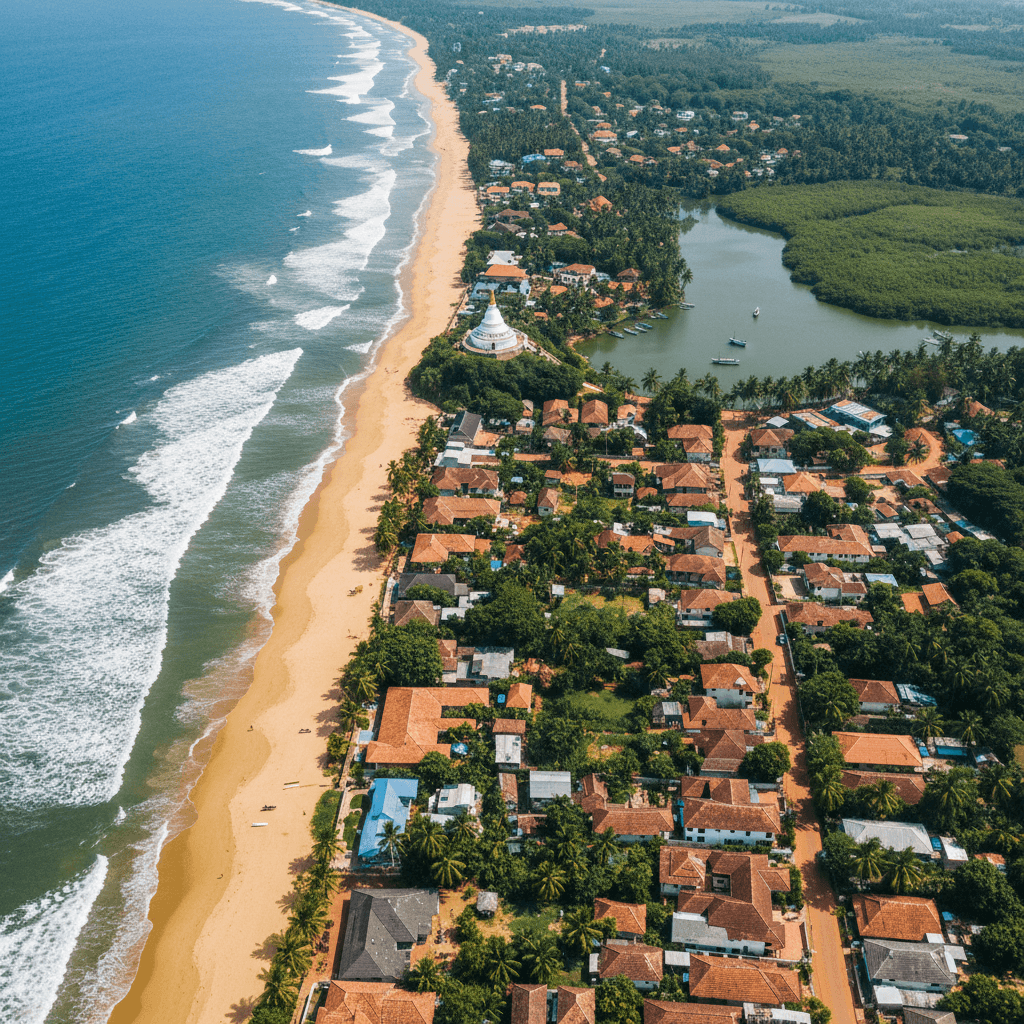
Arugam Bay
🇱🇰 Sri Lanka