Nakuru
🇰🇪 Kenya
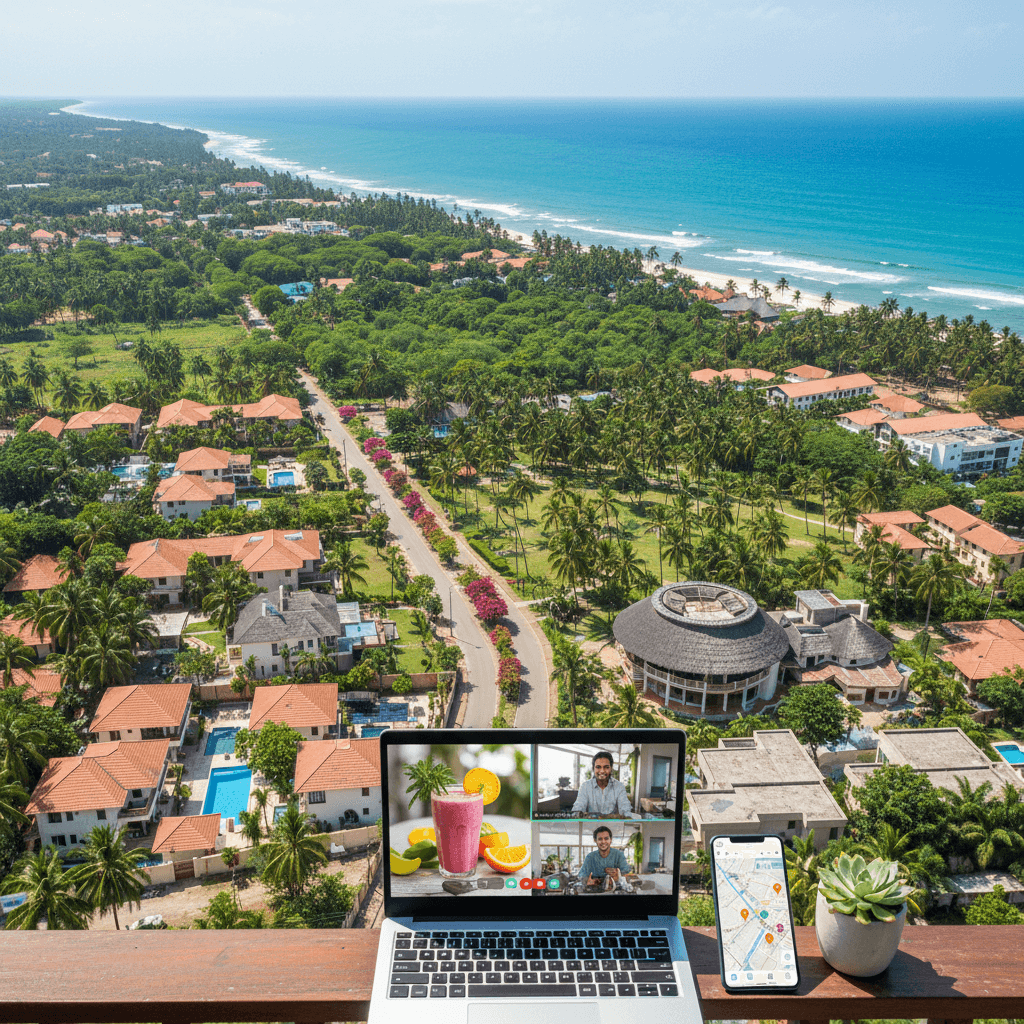
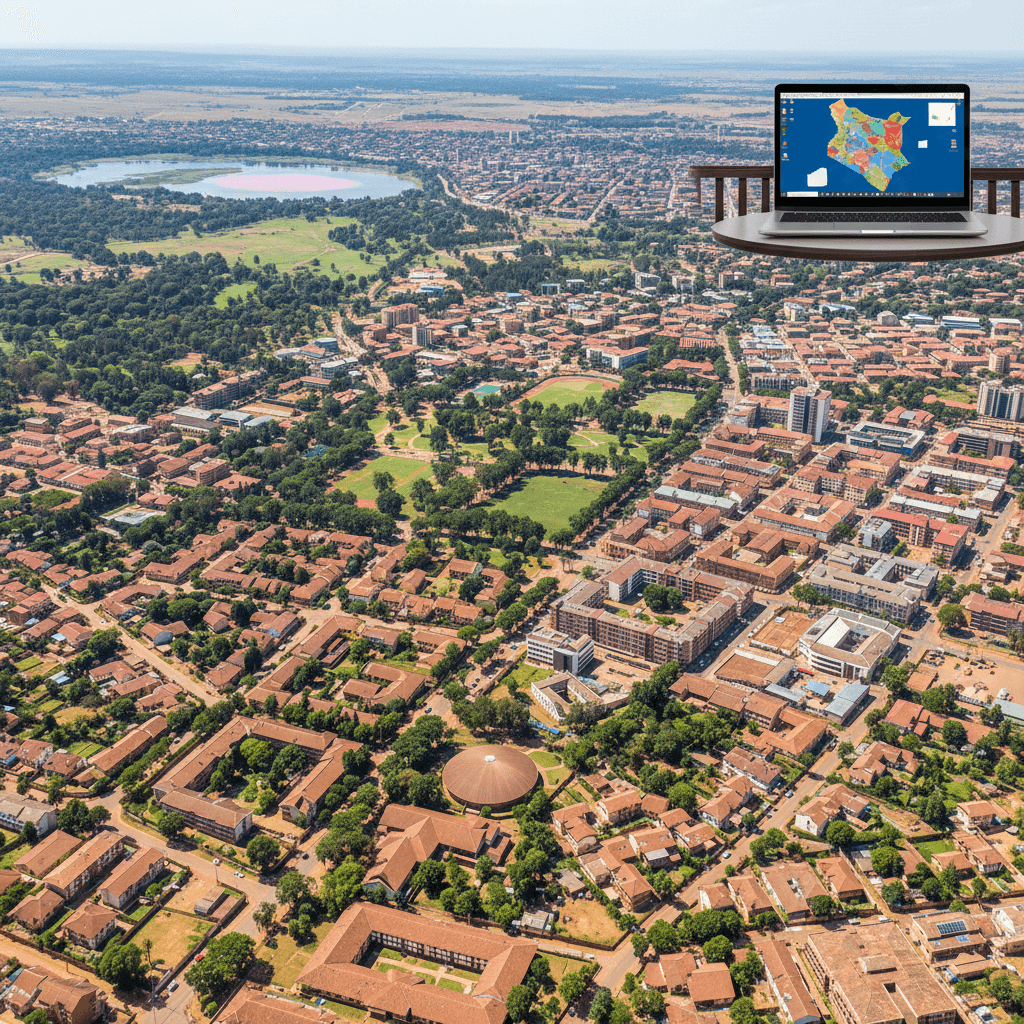
Nakuru feels slower than Nairobi and that’s the point. The air is cooler, the roads feel less frantic and you’ll hear more matatu horns, birds and the occasional burst of street chatter than nonstop city roar. It’s a place where the morning can start with coffee in Kiamunyi and end with a drive past Lake Nakuru, which, surprisingly, still feels normal to locals.
The city has grown up fast, but it hasn’t shaken off its small-town habits. People are generally warm, sometimes shy at first and business gets handled with a practical kind of calm, though the power can flicker and the internet can be annoyingly uneven outside the better cafes. Still, the mix of Kikuyu, Kalenjin and Luo influences gives Nakuru a grounded, everyday feel that doesn’t try too hard.
What nomads usually like:
- Low costs: A decent one-bedroom in the center often runs about $206 and you can spend around $508 a month total if you’re living fairly normally.
- Nature access: Lake Nakuru National Park is close enough for a quick escape, so you’re not stuck staring at concrete all week, honestly that changes the mood a lot.
- Easy routines: M-Pesa works everywhere, Safaricom is the safe bet for SIMs and getting around with Uber, Bolt or matatus is straightforward once you’ve learned the rhythm.
What gets annoying:
- Coworking: Dedicated spaces are limited, so most people end up working from cafes in Kiamunyi or around town.
- Infrastructure: Power cuts still happen and internet speeds, weirdly, can be fine one hour and shaky the next.
- Night movement: The center gets rougher after dark, so don’t wander poorly lit edges unless you’ve got a reason and a ride.
Neighborhood feel
- Kiamunyi: Green, quieter and best if you want laptop time without too much noise.
- Naka: Cleaner apartment blocks, more polished, good for longer stays.
- Barnabas: Busier and more local, with a stronger town energy.
- City Centre: Handy for food and transport, but loud, crowded and a bit tiring.
If you want a place that feels polished and predictable, Nakuru won’t always deliver that. But if you like waking up to cool air, roadside nyama choma smoke and a city that still leaves room to breathe, it’s one of Kenya’s easier places to settle into and frankly that’s the appeal.
Nakuru is cheap, but not that cheap if you want a decent apartment and a life beyond ugali and matatu rides. A single person usually spends about $508 a month with rent and closer to $324 if housing is already sorted, which, honestly, puts it among Kenya’s friendlier cities for your wallet.
Rent is where the biggest swing happens. A one-bedroom in the city center runs around $206, while the outskirts drop closer to $115 and studios on Airbnb often land near KSh 30,000 a month, so you can trim costs fast if you don’t insist on being right in the middle of town.
Typical Monthly Budget
- Budget: About $305, with basic meals, local transport and an outskirts studio.
- Mid-range: Around $508, with a city-center 1BR, mixed dining and regular transport.
- Comfortable: Roughly $742, with better eats, more taxis, gym fees and higher utilities.
Food is still pleasantly manageable. Street food and fast food usually sit around $3.52 to $6.59, a mid-range lunch is about $3.52 and a nicer dinner for two can hit $39, so you can eat well without feeling like every meal needs a spreadsheet.
Transportation is cheap enough that it doesn’t sting. Matatus are about $0.77 a ride, a monthly pass can land near $27 and an 8-kilometer taxi run is around $7.73, though the honking, the stop-start traffic and the occasional chaos at the stage can wear you down fast.
What Expats Usually Pay For
- Internet: About $31 a month and cafe WiFi is often decent enough for work.
- Transport: Roughly $46 a month if you mix matatus and ride-hailing.
- Meals: Cheap local plates most days, pricier restaurant nights when you feel like it.
Neighborhood choice changes the bill more than people expect. Kiamunyi is green and quieter, with cafes that suit remote work, while Naka feels cleaner and more planned; both can cost more than Barnabas and City Centre is convenient but noisy, dusty and a little tiring if you’re trying to sleep past sunrise.
If you want the simplest answer, Nakuru works best for people who like a slower pace and don’t need luxury to feel settled. The money goes farther here, but power cuts, patchy infrastructure and the occasional internet wobble still show up, so don’t budget like you’re living in a polished capital.
Nakuru doesn't have the polished, everyone-knows-your-name feel of a beach town and that's part of the appeal. It moves slower than Nairobi, rent stays sane and you can hear matatus honking, birds in the morning, then rain tapping on tin roofs by afternoon. The tradeoff, honestly, is that some areas feel sleepy after dark and the internet can wobble when the power does.
Nomads
Kiamunyi is the sweet spot for most remote workers. It's greener, calmer and the cafes tend to be more laptop-friendly, with WiFi that usually holds up for calls, though you still want a backup data bundle because outages do happen.
- Rent: Slightly higher than average, but still manageable.
- Vibe: Quiet, leafy and less chaotic.
- Best for: People who need focus, not nightlife.
Naka works well if you want newer apartments and a more planned feel. The neighborhood is less central, so you'll spend a bit more time in transit, but the payoff is cleaner streets, better compounds and fewer random interruptions from loud roadside activity.
Expats
Milimani is where expats often land when security matters more than being in the middle of everything. It feels more settled, with decent housing stock and easy access to town, though you're still close enough to hear the day start early, especially when school traffic kicks in.
- Rent: Around KSh 30,000 and up for a 1BR.
- Safety: Better than the rougher edges of town.
- Downside: Less lively after work.
Families
Naka and Milimani are the safest bets for families because the roads are better, the housing is more predictable and you won't be dealing with the kind of late-night noise that makes sleep a problem. Schools, shops and clinics are reachable without a huge commute, which, surprisingly, makes daily life feel much less frantic.
Don't pick the center unless you really need the convenience. The traffic, exhaust and general clang of the CBD get old fast.
Solo Travelers
Barnabas is the move if you want energy without paying city-center prices. It's busier, more lived-in and a bit rough around the edges, but the food options are good, the rent's friendlier and you won't feel cut off from the rest of town.
- Rent: Usually cheaper than Kiamunyi or Milimani.
- Food: Easy access to local spots and nyama choma joints.
- Caution: Quieter streets can feel sketchy at night.
City Centre is fine for short stays or tight budgets, but I wouldn't base myself there for long. It's practical, sure, with transport and eateries on your doorstep, yet the noise, crowding and poorly lit corners after dark can wear you down fast.
Nakuru’s internet is good enough for remote work, but it’s not the kind of place where you can forget about backups and power banks. Cafes and hotels usually hover around 15 to 25 Mbps, which is fine for Zoom, email and cloud docs, though a rainy afternoon or a blackout can still wreck your rhythm, honestly. The city feels calm, with the smell of roasted maize near the road and matatus hooting in the background, but your work setup needs a little planning.
Most nomads end up mixing a cafe day with home internet, because dedicated coworking is thin on the ground. Kiamunyi is the neighborhood people point to for decent WiFi cafes and quieter work sessions, weirdly enough, since it feels more suburban than central.
What Works Best
- Cafes: The easiest option, free WiFi with purchase is common and the coffee shops in Kiamunyi are usually the safest bet for a few focused hours.
- Hotels: Often steadier than random cafes, especially if you need a backup spot for calls, though you’ll want to ask about speeds before you settle in.
- Dedicated coworking: Limited, so don’t expect Nairobi-style choice or polished offices with phone booths and all-day espresso.
- Mobile data: Safaricom and Airtel both work well and topping up through M-Pesa is the standard move.
If you need reliable data, get a local SIM early and keep an eSIM or second line as backup, because outages happen and sometimes they hit right when your client call starts. Nakuru Mobile eSIM packages are around $32 for 5GB over 30 days, which is steep for Kenya, though it can save you in a pinch. Frankly, that backup is cheaper than losing a call with a client.
The upside is that you’re not stuck in a concrete grind. Work near a window, hear birds in the trees, then step out for lunch in town when the connection or your patience gives out and honestly, that slower pace suits a lot of remote workers better than they expect.
Nakuru feels fairly calm by Kenyan city standards, but don’t mistake that for sleepy. The center can get noisy with matatus, boda bodas and street sellers calling out prices, while evenings bring a very real drop in comfort once the light fades and the sidewalks thin out. Most travelers stay fine if they keep their head up, stick to brighter areas and leave the sketchier edges of town alone after dark.
Night safety is the main issue. Poorly lit streets around the City Centre are the spots people complain about most and frankly, that’s where you’re most likely to feel on edge. Pick your route before you head out, use Uber, Bolt or Wasili when you’re crossing town late and don’t wander with your phone out near quiet corners, because petty theft does happen.
Areas to keep an eye on
- City Centre edges: Fine in daylight, less pleasant at night, especially on dim side streets.
- Outskirts: Some peripheral neighborhoods feel isolated after dark, so locals usually avoid unnecessary late moves there.
- Unlit stretches near transport stops: These are the places where loitering and opportunistic theft feel most likely.
Healthcare is decent for a city this size and that surprises people. Verified hospitals like Nakuru Provincial General Hospital or Tenwek are the names you’ll hear most often, both with stronger emergency capabilities than you’d expect, plus 24/7 intensive care services nearby for serious cases, so you’re not stuck improvising if something goes wrong.
Pharmacies are easy to find and you can usually sort out common meds without much drama. For anything urgent, call 999 or 112, then get moving, because delays add up fast when traffic is bad and the ambulance siren is fighting with horns, exhaust and that dusty roadside heat.
Practical health setup
- Hospitals: Nakuru Provincial General Hospital and Tenwek are the main options people trust.
- Pharmacies: Common, easy to spot and usually stocked for everyday needs.
- Emergency numbers: Dial 999 or 112 if you need help fast.
For most nomads, the play is simple, stay central, keep your phone charged and don’t push your luck after dark. Daytime Nakuru feels relaxed, with cool air off the highlands and the smell of frying chips and diesel hanging in the streets, but nighttime changes the tone quickly, so plan ahead and you’ll be fine.
Nakuru’s center is easy enough to cross on foot in daylight, but don’t expect a silky walking city. Matatus honk, boda bodas weave through gaps and the air near the main roads can smell like exhaust, dust and frying meat all at once, so most people mix walking with ride-hailing or public transport.
Uber, Bolt and Wasili are the main app-based options and they’re the simplest choice if you don’t want to bargain at the curb. Wasili is handy in the Rift Valley, though the app coverage can be patchy outside the core town, so keep a backup like Bolt on your phone, honestly, because a dead app in Nakuru just means standing around longer than you wanted.
- Matatus: Around KSh 100 per ride or roughly $0.77 and about $27 a month if you’re using them regularly.
- Taxis: A typical 8 km trip runs about $7.73, which isn’t terrible for quick cross-town hops.
- Ride-hailing: Best for late errands, rain or when you’d rather not deal with street negotiations.
- Walking: Fine in the center during the day, but skip it after dark, especially on quieter edges of town.
The matatu system is cheap and very local, though it can feel chaotic if you’re used to orderly stops and fixed schedules. Doors slam, conductors shout destinations, music leaks from open windows and if you’re carrying a laptop bag, you’ll probably want to keep it close, because crowded vehicles make petty theft easier than it should be.
Bike and scooter rentals exist in tiny pockets, but they’re not really part of daily life here. That’s a shame, weirdly, because Nakuru’s flatter central stretches would suit them, yet the rental scene just hasn’t caught up.
If you’re coming in from Nairobi, the trip usually takes 2 to 3 hours by road, depending on traffic and weather and airport transfers are straightforward if you book ahead. For long stays, most nomads settle into a rhythm: matatus for cheap daytime movement, Uber or Bolt for evenings and walking only when the streets are lively and well lit.
That’s the real pattern. Cheap, practical, a little messy.
Nakuru’s day-to-day language mix is pretty easy to get used to. English works well in business, hotels and most service settings, while Swahili is what you’ll hear on the street, in matatus and at the market, with Kikuyu and Kalenjin also common around town. Honestly, you can get by with very little at first, though people do appreciate it when you try a few words.
Jambo, Asante and Habari? go a long way. Say them with a smile, don’t rush the greeting and you’ll usually get a warmer response, because Nakuru still has that slower, neighborly feel where people notice manners. Turn on Google Translate offline if you need it, it works surprisingly well for quick signs, menus and taxi chats.
The English level in central Nakuru is high enough that most nomads won’t feel stranded, which, surprisingly, makes errands less draining than in smaller towns. That said, accents vary, some people speak fast and if the line is noisy with matatu horns, music and somebody frying chips nearby, you’ll miss details unless you ask them to repeat it. Do that politely, then move on.
How Communication Feels in Practice
- Hotels and offices: English is standard and staff usually switch quickly.
- Markets and taxis: Swahili helps a lot, especially for prices and directions.
- Neighborhoods: Kiamunyi and Naka feel easy for newcomers, while the City Centre gets louder and more rushed.
If you’re staying in Kiamunyi, Naka or Milimani, communication is generally smooth and a lot of cafes have staff used to expats and freelancers. In the City Centre, though, things get more chaotic, the air smells like exhaust and roasted maize and conversations happen over honking traffic, so patience matters more than perfect language skills.
Local people are usually kind about mistakes, but they also expect basic courtesy. Greet elders first, don’t bark questions at people and if you’re bargaining at a stall, keep it light, because bluntness can come off badly even when your Swahili is decent. The etiquette stuff matters here, honestly more than perfect grammar.
Useful Basics
- Hello: Jambo or Habari?
- Thank you: Asante
- How much? Bei gani?
- Help me please: Tafadhali nisaidie
For longer stays, get a local SIM with Safaricom or Airtel and keep translation tools ready, because power cuts and patchy WiFi do happen. It’s not dramatic, just annoying. A charged phone, a few saved phrases and a bit of Swahili will make Nakuru feel a lot smaller and a lot easier, than it first looks.
Nakuru sits in that sweet spot where the air feels cooler than Nairobi, the pace is slower and you can hear matatus honking before you hear much else. The city averages about 19 to 20°C most of the year, so you won’t get the sticky coastal heat, but you will get chilly mornings, dusty afternoons, and, in the rainy months, the sound of rain hammering tin roofs.
Dry months are the easiest. January to February and June to September are the best bets if you want clean roads, easier day trips to Lake Nakuru National Park and fewer muddy shoes, though honestly the mornings can still feel sharp enough that you’ll want a jacket and closed shoes.
The rains aren’t subtle. Long rains usually land from March to May, short rains from October to December and March is the warmest month, with highs around 28°C, while July is the coolest, sitting closer to 18°C on average, which, surprisingly, can feel downright brisk once the wind cuts across the escarpment.
Best Times to Go
- January to February: Dry, warm and good for wildlife viewing.
- June to September: Cooler, clearer and easier for walking around town.
- March to May: Green and quiet, but the roads get messy fast.
- October to December: Short rains, softer light and some very damp afternoons.
What It Feels Like
- Mornings: Cool enough for a hoodie, sometimes colder in Milimani and Naka.
- Afternoons: Pleasant in dry months, hotter and heavier when the clouds hold rain.
- Rainy days: Expect slick pavements, red mud and that earthy smell after a storm.
If you’re working remotely, the dry season is the least annoying. Power cuts still happen and some cafes get crowded around lunch, but you’ll have a better shot at stable internet and easier movement across Kiamunyi, Naka and the City Centre. Wet season isn’t a dealbreaker, though, because the city slows down in a way that can be oddly nice if you don’t mind staying put.
My take, skip the peak-rain months unless you like wet shoes and traffic that crawls, then plan longer stays between January and February or from June through September. That’s when Nakuru feels cleanest, calmest and most comfortable for both work and weekend escapes to the park.
Nakuru works best if you keep things simple. Buy a Safaricom SIM early, register it with your passport and set up M-Pesa right away, because cashless payments are everywhere and fumbling for notes at a matatu stop just makes you look lost. The city feels slower than Nairobi, with honking tuk-tuks, dusty sidewalks and that dry Rift Valley heat that hits your face at midday.
For housing, start with Property24, PropertyPro or Airbnb, then narrow your search by area. Milimani is the safe, tidy choice, Kiamunyi is better if you want green streets and a quieter morning and Naka tends to suit people who want newer apartments without living right in the noise. Ask about water pressure, backup power and whether the landlord actually answers the phone, because those details matter more than glossy photos.
Best practical base areas
- Kiamunyi: Peaceful, leafy and the best bet for cafe work.
- Naka: Good apartment stock, clean planning, less chaos.
- Barnabas: Lively and cheaper, but busier and louder.
- City Centre: Handy for errands, noisy at night, honestly.
Internet is decent in cafes and hotels, often around 15 to 25 Mbps, which works for calls and normal work, though the occasional outage still happens. There isn’t much dedicated coworking, so most people bounce between cafes in Kiamunyi, hotel lounges and home setups with a hotspot as backup. Turns out, two data sources are better than one here.
- SIMs: Safaricom is the safest default, Airtel can be cheaper.
- Data backup: Keep a second line or eSIM handy.
- Power: A small UPS helps when the lights flicker.
Getting around is straightforward. Uber and Bolt work in town, Wasili is useful in the Rift Valley and matatus are cheap enough that you won’t feel guilty taking one for short hops, though they’re loud, packed and smell faintly of exhaust and rain-soaked seats after a storm. Don’t walk unlit streets after dark, especially around rough edges of the City Centre.
Small habits that save hassle
- Greetings: Say hello first, especially to elders.
- Tipping: Ten percent is a fair default.
- Indoors: Remove your shoes when invited in.
- Day trip: Lake Nakuru National Park is close enough for a half-day escape.
For food, skip the polished places unless you want them, because the best value is still street nyama choma, tea and simple local lunches that don’t wreck your budget. If you need groceries, pharmacies or a clinic, keep local health centers in mind and don’t wait until you’re already sick to figure out where they are. That’s the real trick here, stay a little prepared and Nakuru feels easy.
Frequently asked questions
How much does a one-bedroom apartment cost in Nakuru city center?
How much does a digital nomad spend per month in Nakuru?
Which Nakuru neighborhood is best for remote workers?
Is internet good enough for remote work in Nakuru?
Is Nakuru safe to walk around at night?
What is the easiest way to get around Nakuru?
What hospitals do people use in Nakuru?
Need visa and immigration info for Kenya?
🇰🇪 View Kenya Country GuideHidden Gem
Worth the effort
Monthly Budget Estimates
More cities in Kenya

Nairobi
🇰🇪 Kenya
Mombasa
🇰🇪 Kenya
Kisumu
🇰🇪 Kenya