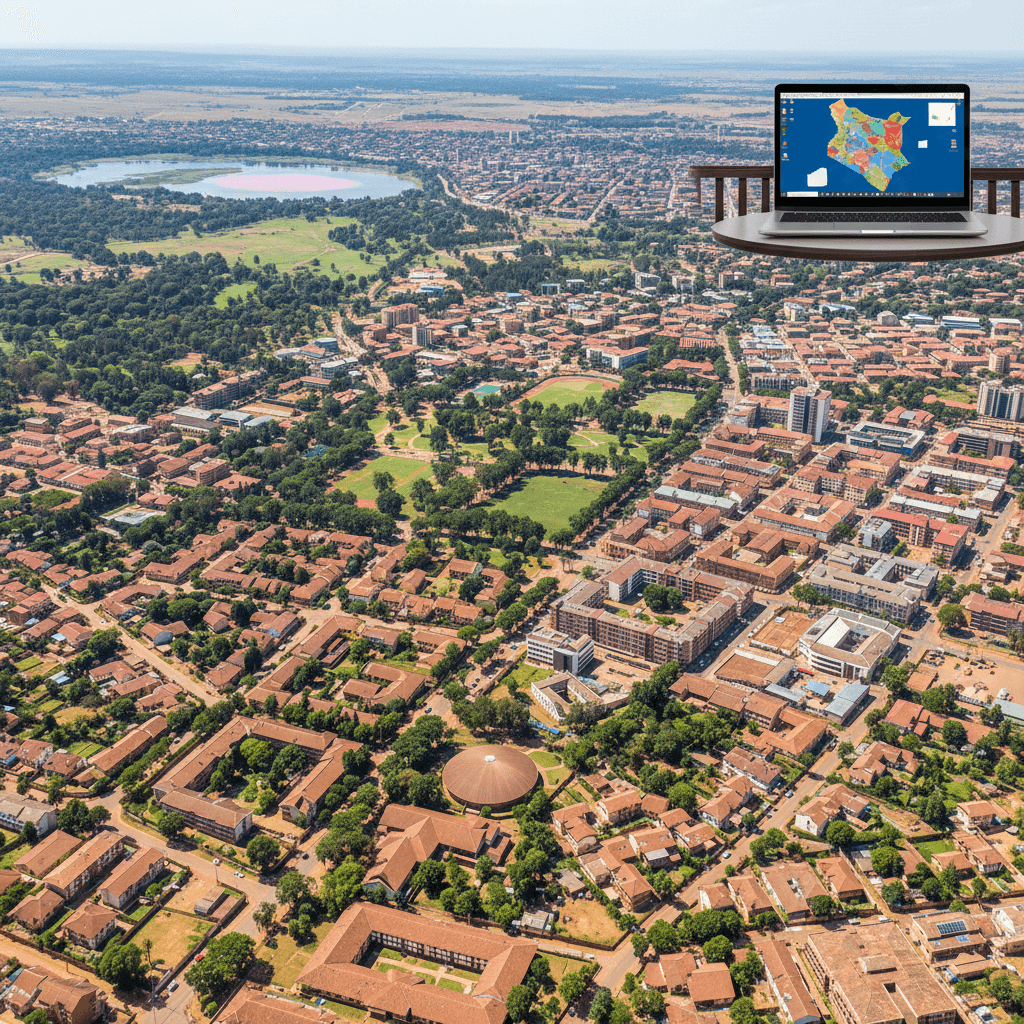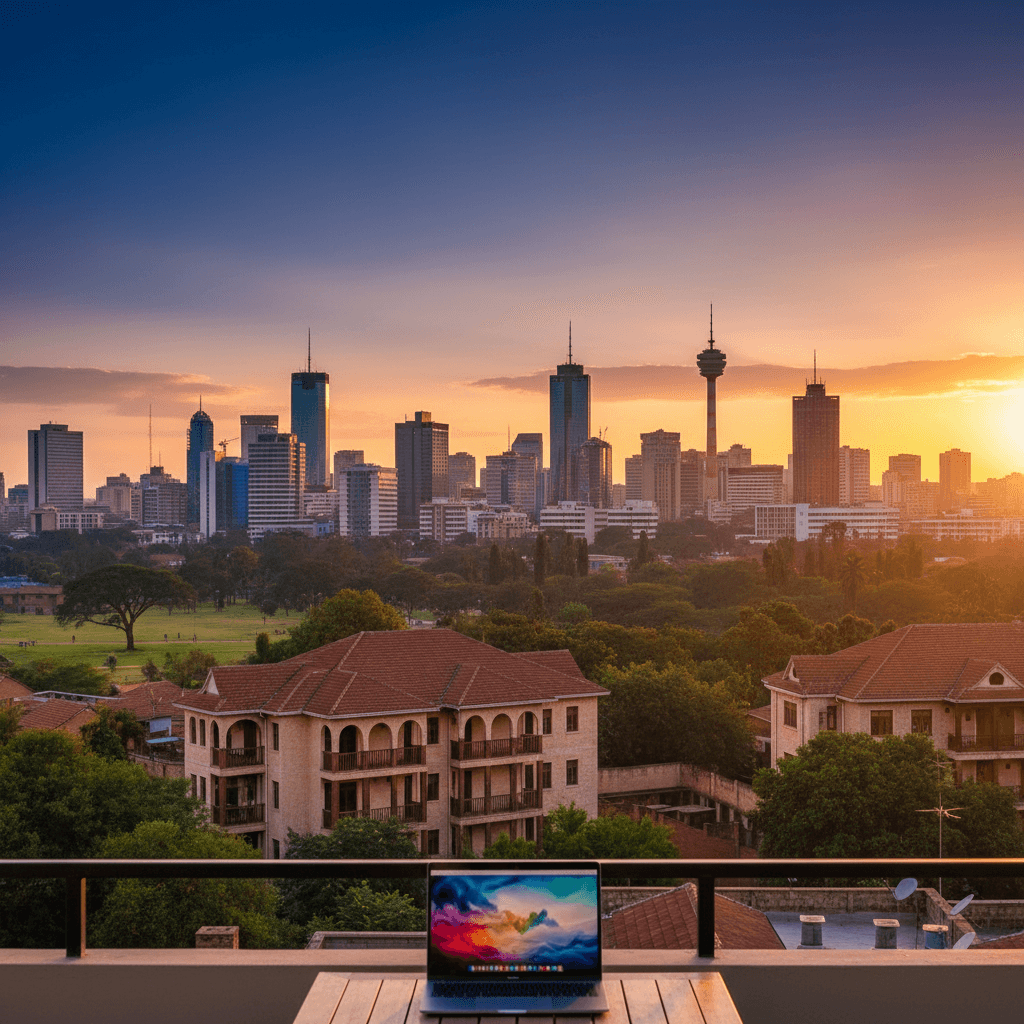
Nairobi
🇰🇪 Kenya
The "Silicon Savannah" Meets the Wild
Nairobi doesn't just sit on the edge of the wilderness; it invites the wilderness into the boardroom. It is perhaps the only place on earth where you can finish a Zoom call in a high rise overlooking Nairobi National Park and see a lion stalking a zebra before your next meeting. This city has shed its old "Nairobi" reputation and emerged as the Silicon Savannah, the undisputed tech capital of East Africa.
The energy here is infectious. It is a city of "hustle" in the best sense of the word. You'll find a massive community of entrepreneurs, developers, and creatives who are building the future of African fintech and green energy. For nomads, this means you aren't just visiting a tourist destination; you're plugging into one of the most dynamic economies on the continent.
The Daily Rhythm
Life in Nairobi feels surprisingly cosmopolitan. The weather is arguably the best in Africa, staying a comfortable 20°C to 28°C (68°F to 82°F) most of the year. You'll spend your mornings in world class cafes in Westlands, your afternoons at a coworking space like iHub or Nairobi Garage, and your evenings at a rooftop bar watching the sunset over the Ngong Hills.
The social scene is heavy on networking and nightlife. Kenyans are famously friendly and most speak perfect English, so the barrier to making friends is incredibly low. Whether you're grabbing a Tusker beer at a local "joint" or dining at an upscale bistro in Karen, the city feels alive at all hours.
What to Expect as a Nomad
- The Connectivity: Kenya has some of the fastest 4G and 5G networks in the region. You'll want to grab a Safaricom SIM immediately. Not just for the data, but for mPesa. This mobile money system is the lifeblood of the city; you can pay for everything from a 50 cent banana to a $1,000 rent payment with a few taps on your phone.
- Safety Realities: Nairobi is a city of contrasts, and safety is a valid conversation. Most expats and nomads stick to the "Green Zones" like Kilimani, Westlands, and Gigiri. The golden rule is simple: don't walk alone at night. Use Uber for everything after dark; it's cheap, reliable, and keeps you off the streets in areas that can be unpredictable.
- The Cost Advantage: You can live a high end lifestyle here for a fraction of what you'd pay in London or New York. A comfortable apartment in a secure, modern building might run you $600 to $1,200 depending on how many bells and whistles you want.
The Polarizing Factor
Nairobi isn't a "soft" landing like Lisbon or Bali. The traffic can be brutal, the "boda-boda" (motorcycle taxi) drivers are fearless, and the urban grit is real. It's a city that requires you to be present and aware. However, those who stay longer than a week usually fall in love with the depth of the culture. It is a launching pad for the rest of East Africa. On a Friday afternoon, you can hop on the SGR train to Mombasa, then transfer to Diani Beach, or drive three hours to be in the heart of the Maasai Mara.
Most nomads find that Nairobi offers a sense of purpose that other hubs lack. You aren't just a visitor; you're part of a city that is rapidly reinventing itself. It is chaotic, sophisticated, and undeniably African.
Living the High Life on a Budget
Nairobi is one of those rare cities where your dollar, euro, or pound stretches far enough to upgrade your entire lifestyle without breaking the bank. Most nomads find the city incredibly affordable, especially compared to Western hubs. You can easily swing a luxury apartment in a gated community and eat out at high-end restaurants for a fraction of what you would pay in London or New York.
While prices can fluctuate, expats generally categorize Nairobi as a budget friendly destination. You can live comfortably on a mid-range budget, but the city also caters to those who want to live like royalty. The key is knowing where to spend and where to save.
Monthly Budget Estimates
- Digital Nomad (Solo): $1,200 to $1,800 per month. This covers a modern one bedroom apartment in a trendy area, daily cafe visits, Uber rides, and a solid social life.
- Frugal Traveler: $800 to $1,000 per month. You can hit this target by staying in shared housing or slightly older builds, cooking at home, and using local transport like matatus.
- High-End Expat: $3,000+ per month. This buys you a villa in Karen, a private driver, and frequent weekend trips to safari parks or the coast.
The Neighborhood Price Tag
Where you park your laptop significantly impacts your monthly burn. The expat "Golden Triangle" of Westlands, Kilimani, and Karen offers different vibes and price points.
Westlands
- Rent: $700 to $1,200 for a modern serviced apartment.
- Vibe: The heart of the action. It is the city's commercial and nightlife hub, so you pay for the convenience of walking to bars and coworking spaces.
Kilimani
- Rent: $500 to $900 for a decent one or two bedroom flat.
- Vibe: A bit more residential and laid back than Westlands but still very central. It is a favorite for long term nomads because of the density of coffee shops and gyms.
Karen
- Rent: $1,200 to $2,500+ for larger homes or cottages.
- Vibe: Lush, green, and quiet. It is further out from the city center, so you will spend more on transport, but the peace and quiet are unmatched.
Daily Expenses and Hidden Savings
Groceries are a mixed bag. If you stick to local markets for fruit and vegetables, you will spend very little. However, imported goods at high end supermarkets like Carrefour or Chandarana Foodplus come with a premium. A good rule of thumb is that anything grown in Kenya is cheap; anything flown in is expensive.
Dining out is one of the best parts of the Nairobi experience. A meal at a local "vibey" spot might cost you $5 to $10, while a three course dinner at an upscale restaurant in Westlands usually lands between $25 and $40 per person. Coffee culture is huge here, and a high quality latte will set you back about $2.50 to $3.50.
Transport is almost exclusively handled via Uber for most nomads. Short hops around Kilimani or Westlands cost around $2 to $4. If you are feeling adventurous and want to save, boda-bodas (motorcycle taxis) are even cheaper, though they come with a higher safety risk in Nairobi's aggressive traffic.
Staying Connected
Internet is a non-negotiable expense, and thankfully, it is quite affordable. Most modern apartments come with fiber connections, but you should always have a backup. A Safaricom SIM card is a mandatory purchase. Not only is the data reliable and cheap, but it gives you access to mPesa. This mobile money system is used for everything from paying your rent to buying a soda at a street stall. Most nomads find they rarely need to carry physical cash once they have their mPesa account topped up.
Coworking memberships at places like Nairobi Garage or iHub typically range from $150 to $250 per month for a dedicated desk. If you prefer the "cafe hop" lifestyle, the cost of a few coffees a day is a very affordable way to secure a workspace with decent Wi-Fi.
Westlands: The Digital Nomad Hub
If you want to be in the thick of Nairobi's modern energy, Westlands is your base. It is the city's commercial and social heart, where most nomads land because it balances work and play better than anywhere else. You'll find the highest density of coworking spaces here, including Nairobi Garage and Ikigai, which are famous for their networking events and reliable fiber internet.
The neighborhood is walkable by day, but you'll want to use Uber after the sun goes down. It's packed with high end malls, international gyms, and a nightlife scene that ranges from rooftop cocktail bars to gritty, high energy clubs. Most people living here trade a bit of peace and quiet for the convenience of having everything within a ten minute radius.
- Vibe: High energy, commercial, and very international.
- Connectivity: Excellent; home to the city's best 4G and 5G coverage.
- Housing: Mostly modern high rise apartments and serviced studios.
Kilimani: The Expat Favorite
Kilimani feels a bit more "lived in" than Westlands. It is a leafy, residential area that has become the go to for long term expats and NGO workers. It is slightly more chilled out but doesn't sacrifice any amenities. You'll find plenty of creative coffee shops where you can flip open a laptop without being bothered, and the community feel is strong here.
This area is home to iHub, one of the city's most famous innovation centers. It's a great spot to meet local startup founders and techies. Kilimani also boasts some of the best international dining in the city, with a massive variety of Chinese, Italian, and Ethiopian spots. It is central enough that you can get to almost any other part of the city easily, provided you avoid the peak hour traffic on Ngong Road.
- Vibe: Cosmopolitan, leafy, and entrepreneurial.
- Workspaces: Home to iHub and several boutique shared offices.
- Top Tip: Use the Safaricom network here for the most consistent speeds.
Karen: The Suburban Retreat
For those who find the city center's pace a bit too much, Karen offers a completely different world. Located further out toward the hills, it is an expansive, lush suburb that feels like a forest retreat. It is the preferred choice for families and solo travelers who prioritize space, gardens, and quiet over being near the clubs.
Living in Karen means you're close to Nairobi National Park and the Giraffe Centre, but you'll be more dependent on transport. While there are fewer dedicated coworking hubs compared to Westlands, the cafes here are stunning and offer plenty of room to work. It’s the kind of place where you wake up to birdsong rather than car horns.
- Vibe: Quiet, upscale, and green.
- Best for: Families and those staying for several months who want a house rather than an apartment.
- Safety: Generally regarded as one of the safest pockets of the city, though gated compounds are the norm.
The Coastal Alternative: Diani & Kilifi
Sometimes the "Nairobi fever" hits and you need a break from the altitude. Many nomads split their time between the capital and the coast. Diani Beach is the heavy hitter for remote workers, offering oceanfront workspaces and a very established community. If you want something a bit more "indie" and creative, head to Kilifi. It’s smaller, hipper, and popular with the younger Nairobi crowd looking to escape the city grind for a week or two.
- Diani: Best for a polished "work from the beach" experience.
- Kilifi: Best for artists, backpackers, and a younger, social crowd.
- Note: Always check the Wi-Fi at your accommodation before booking, as speeds can be hit or miss compared to Nairobi's 32 Mbps average.
Connectivity in the Silicon Savannah
Nairobi didn't earn the nickname Silicon Savannah by accident. For digital nomads, the city offers some of the most reliable infrastructure in East Africa. You can expect average Wi-Fi speeds around 32 Mbps, but the real star of the show is the mobile data. Kenya's 4G and 5G networks are exceptionally strong, often outperforming hotel Wi-Fi. If you're planning to work from a balcony in Kilimani or a garden in Karen, a local hotspot is usually your best bet for a stable connection.
The SIM Card Strategy
Don't bother waiting until you get to your accommodation to get connected. Grab a prepaid SIM card at Jomo Kenyatta International Airport as soon as you land. You have three main choices, but most long term residents will tell you there is really only one: Safaricom.
- Safaricom: They have the best coverage nationwide. Most importantly, you need a Safaricom line to use mPesa. This mobile money platform is the heartbeat of Kenya; you'll use it to pay for everything from Uber rides to street food and utility bills.
- Airtel: A solid backup option that often offers cheaper data bundles, though the coverage can be spotty once you leave the major hubs.
- Telkom: Generally the budget choice, popular with students but less reliable for professional video calls.
Top Coworking Hubs
The coworking scene here is social and professional, serving as the primary gateway into the city's tech community. If you're looking for more than just a desk, these spots are where the networking happens.
- iHub: This is the legendary birthplace of the local tech scene. It's a massive innovation hub where you'll rub shoulders with startup founders and software engineers. It features dedicated meeting rooms, a shared kitchen, and a constant stream of events.
- Nairobi Garage: With multiple locations across the city, including Westlands and Kilimani, this is a favorite for those who need high-speed internet and a more corporate, sleek environment. Their networking events are top tier for making professional connections.
- Ikigai Nairobi: If you prefer a "boutique" feel, Ikigai focuses on beautiful, wellness-oriented spaces. They have locations in Westlands and Lavington that feel more like lush gardens than offices, fostering a creative and calm atmosphere.
- The Foundry Africa: A great choice for those who want a structured work environment with a strong focus on community and collaboration.
Cafe Culture and Remote Work
If you prefer the hum of a coffee shop over a formal office, Nairobi has a massive cafe culture. Most cafes are very welcoming to laptops, provided you're ordering coffee and food. You'll find plenty of nomads at local chains like Java House or Artcaffe, which are ubiquitous and generally have decent Wi-Fi. For a more "creative" vibe, explore the independent spots in Westlands. Just remember to use a VPN when connecting to public networks in these spaces to keep your data secure.
Pro Tip: Staying Powered Up
While the internet is great, power stability can occasionally vary. Most high-end coworking spaces like Nairobi Garage or iHub have backup generators, but if you're working from an Airbnb in a residential area, it's worth asking the host about their backup power situation. Investing in a good power bank for your phone and keeping your laptop charged will save you during the occasional tropical storm or maintenance blackout.
Staying Sharp in the 254
Nairobi has a specific rhythm when it comes to safety. Most expats and nomads find that while the city is high energy and welcoming, it demands a higher level of situational awareness than you might be used to in Lisbon or Chiang Mai. The general rule of thumb among locals is simple: the city changes after the sun goes down.
Street crime, such as phone snatching or pickpocketing, is the most common issue. It usually happens in crowded areas or if you're walking alone on quiet streets. To stay off the radar, keep your phone in your pocket while walking and avoid wearing flashy jewelry. If you need to check your Google Maps, step into a cafe or shop first.
Navigating After Dark
The safety dynamic shifts significantly at night, particularly in Nairobi and Mombasa. Even if your destination is only a few blocks away, nomads recommend taking an Uber rather than walking. It is affordable, tracked, and removes the guesswork of navigating dimly lit streets.
- Ride-hailing: Stick to Uber for most trips. It is the gold standard for safety and accountability here.
- Neighborhoods: If you stay in Westlands, Kilimani, or Karen, you are in the safest pockets of the city. These areas have better street lighting, private security, and a heavy presence of other expats.
- Public Wi-Fi: Be cautious when working from cafes. Digital nomads here suggest using a VPN at all times to protect your data from local network vulnerabilities.
Healthcare and Medical Care
Nairobi is the medical hub for East Africa, so you are in the best possible place for healthcare in the region. The private hospitals here are excellent and often staffed by doctors trained internationally. However, these facilities expect payment upfront or proof of high quality international insurance.
For emergencies or specialized consultations, travelers and expats typically head to The Nairobi Hospital or Aga Khan University Hospital. Both offer 24/7 emergency rooms and world class diagnostic equipment. For minor issues, The Karen Hospital is also highly regarded by the local expat community.
Pharmacies and Prescriptions
You won't have trouble finding a pharmacy (locally called chemists) in any major mall like The Village Market or Sarit Centre. Many common medications are available over the counter, but it's always better to bring a copy of your prescription from home just in case.
- Insurance: Make sure your policy covers medical evacuation if you plan on heading out on safari or to remote coastal areas.
- Water: Do not drink the tap water. Stick to bottled water, which is cheap and available at every "duka" (small shop) on the corner.
- Emergency Numbers: Keep the local police and ambulance numbers programmed into your phone, but often, calling your embassy or a private security firm (if your apartment provides one) is the fastest way to get help.
While the rest of Kenya is largely safe and relaxed, staying alert in the capital ensures your stay remains focused on the networking and wildlife rather than mishaps. Most people who live here for years never have a major issue; they just follow the local lead and keep their wits about them.
The Uber Standard
In Nairobi, Uber is the undisputed king of transport for expats and digital nomads. It's the most reliable way to get around, especially since the app tracks your route and provides a layer of safety that traditional street taxis can't match. Most nomads avoid hailing random cabs on the street and stick strictly to the app. Prices are incredibly affordable compared to Western cities, and you'll rarely wait more than five minutes for a ride in hubs like Westlands or Kilimani.
One thing to keep in mind is that Nairobi drivers have an aggressive style. Traffic can be heavy, particularly during the morning and evening rush hours. If you're heading to a meeting across town, always give yourself a 30 to 45 minute buffer. It's common for drivers to ask if you're paying via mPesa or cash, so make sure your mobile wallet is topped up before you request a ride.
The Boda-Boda Experience
When the traffic hits a standstill, motorcycle taxis, known locally as boda-bodas, are the fastest way to cut through the gridlock. You'll find drivers gathered at almost every busy intersection or outside major malls. They're cheaper than an Uber and perfect for short distances, but they aren't for the faint of heart. The safety standards vary wildly, so travelers often recommend carrying your own helmet if you plan to use them regularly. If you're nervous about hopping on a random bike, you can also book them through the Uber or Bolt apps for a more regulated experience.
Matatus: The Local Pulse
If you want to save money and experience the real energy of the city, try a matatu. These are privately owned minibuses that follow set routes. They're famous for their elaborate graffiti, loud music, and neon lights. While they're the most budget friendly option, they can be confusing for newcomers. A pro tip from long term expats is to buy a local SIM card immediately and track your progress on Google Maps so you know exactly when to signal the conductor to stop. Avoid using them late at night or if you're carrying expensive camera gear or laptops.
Walking and Safety
Nairobi isn't a particularly walkable city in the traditional sense. While you can easily stroll around the leafy streets of Karen or the commercial blocks of Westlands during the day, you should never walk alone after dark. Even short distances of a few blocks are better handled by an Uber once the sun goes down. Most crime is concentrated at night, so being smart about your movement is the best way to stay safe. Stick to well lit areas and keep your phone tucked away while you're on the sidewalk.
Airport Transfers
When you land at Jomo Kenyatta International Airport (NBO), ignore the touts in the arrivals hall. The most seamless way to get to your accommodation is to use the airport's free Wi-Fi to call an Uber. There's a designated pickup point that's easy to find. If you're staying in Karen, the drive can take anywhere from 30 minutes to over an hour depending on the time of day, so plan your arrival accordingly.
Practical Transport Tips
- Download mPesa: This mobile money service is used to pay for almost everything, including many taxi rides.
- Use Bolt as a backup: If Uber is surging or quiet, Bolt is the most popular alternative in Kenya.
- Avoid the CBD at rush hour: The Central Business District becomes a massive bottleneck between 4:00 PM and 7:00 PM.
- Pin your location: When calling a ride, try to stand near a recognizable landmark or building entrance to help your driver find you in the crowd.
The Linguistic Landscape
You will have an easy time getting around Nairobi if you speak English. It is one of Kenya's two official languages and serves as the primary tongue for business, tech, and government. In neighborhoods like Westlands or Kilimani, you can spend an entire month without ever needing a translator app. Most locals in the service industry, from baristas to Uber drivers, are fluent and often speak with a clear, melodic accent that is easy for travelers to understand.
However, the heart of the city beats in Swahili. While English gets the job done, Swahili is how people connect, joke, and build rapport. Most Nairobians are multilingual, effortlessly switching between English, Swahili, and their mother tongues. You will also hear a lot of Sheng. It is a street slang that blends Swahili and English, spoken by the younger crowd and the tech community at hubs like iHub or Nairobi Garage. It is fast, evolving, and a huge part of the city's modern identity.
The M-Pesa Revolution
In Nairobi, communication and finance are the same thing. You cannot talk about staying connected without talking about M-Pesa. It is the mobile money system used by almost every business, from high end restaurants in Karen to the smallest fruit stall on the street. To use it, you need a Safaricom SIM card.
Expats and nomads recommend making a Safaricom shop your very first stop at Jomo Kenyatta International Airport. You will need your passport to register the SIM. Once it is active, you can load cash into your M-Pesa account at any of the thousands of "Agent" stalls (usually painted bright green) found on every street corner. Most nomads find that they rarely use physical cash or credit cards after their first week in the city.
Staying Connected
Kenya has some of the most reliable mobile data infrastructure in East Africa. While home Wi-Fi speeds usually hover around 32 Mbps, the 4G and 5G networks are often faster and more consistent. If your Airbnb Wi-Fi fluctuates, your phone's hotspot will usually save your Zoom call. Data is incredibly affordable compared to Western prices, and you can buy large weekly or monthly bundles directly through your provider's app.
- Safaricom: The gold standard for coverage and the only choice if you want to use M-Pesa. It has the best 5G reach in the city.
- Airtel: A solid second choice, often cheaper for large data bundles, but the coverage can be spotty once you leave the main urban hubs.
- Telkom: Generally the budget option, popular with students but less reliable for heavy remote work.
Key Phrases to Know
While you can survive on English alone, learning a few Swahili basics changes how people treat you. It shows respect and usually results in better service and warmer smiles. Here are the essentials that nomads actually use:
- Jambo: The standard "Hello." You will hear this a lot from people greeting tourists.
- Sasa: A more informal "How are you?" used by locals. You can reply with "Safi" (I am cool/fine).
- Asante: "Thank you." Use "Asante sana" for "Thank you very much."
- Karibu: "Welcome." You will hear this every time you enter a shop or home.
- Bei gani?: "How much is this?" Useful at the Maasai Markets or when talking to boda-boda drivers.
- Hapana asante: "No thank you." A polite way to decline street sellers.
Social Nuances
Nairobians are generally social and indirect in their communication. It is considered polite to exchange a few pleasantries before getting down to business. If you are meeting a potential partner at The Foundry Africa or Ikigai, do not jump straight into the pitch. Ask about their day or the weather first. This "small talk" is the foundation of professional trust in Kenya. Also, keep in mind that "I am coming" or "I am almost there" often means the person is just leaving their house, especially given Nairobi's unpredictable traffic.
The Sweet Spot: High Altitude and Sunny Skies
Nairobi is famous for its "Goldilocks" climate. Because the city sits at an elevation of 5,500 feet, you get to skip the sweltering, humid heat typical of tropical Africa. Instead, you'll find a spring like atmosphere that stays remarkably consistent. Most nomads find the weather here is one of the biggest draws, it's rarely too hot to work and rarely cold enough for more than a light jacket.
The city generally follows two dry seasons and two rainy seasons. Even during the wet months, you won't usually see days of grey, depressing drizzle. It’s more likely to be a dramatic afternoon downpour followed by clear skies, which keeps the city's many parks and garden cafes looking lush and green.
The Best Time to Visit
If you want the absolute best conditions for both deep work and weekend adventures, aim for the long dry season from June to October. This is widely considered the peak window for Kenya. The air is crisp, the skies are blue, and the temperatures hover around a perfect 23°C (73°F). This period also coincides with the Great Migration in the Maasai Mara, so if you're planning to take your laptop on safari, this is when you'll see the most action.
The short dry season in January and February is another fantastic shout. It’s slightly warmer, often reaching the high 20s, making it the perfect time to escape the northern hemisphere winter. Expats recommend this window for anyone who wants to spend their lunch breaks working from the outdoor terraces in Westlands or Kilimani without a cloud in sight.
Navigating the Rainy Seasons
Nairobi has two distinct periods where you'll want to keep an umbrella in your bag:
- The Long Rains (March to May): This is the wettest part of the year. April is usually the peak, and while it doesn't rain all day every day, the heavy bursts can turn Nairobi’s traffic into a standstill. If you’re living in Karen or Lavington, give yourself extra time for your Uber to arrive.
- The Short Rains (November to December): These are much lighter and more unpredictable. You might get a week of rain followed by two weeks of pure sunshine. It rarely disrupts nomad life significantly, and the dust of the dry season is washed away, leaving the air incredibly fresh.
What to Pack
Dressing for Nairobi is all about layers. Because of the altitude, temperatures can drop quickly once the sun goes down. A sunny 25°C (77°F) afternoon can easily turn into a 13°C (55°F) evening. You'll see locals in puffer jackets while tourists are in t-shirts, but most long term travelers find a happy medium with a light sweater or a denim jacket.
If you're visiting during the "winter" months of July and August, don't be surprised by the "Nairobi Grey." The city can get quite overcast and chilly during these months, though it rarely actually rains. It's actually a great time for productivity, many remote workers find the cooler weather perfect for hunkering down at Nairobi Garage or Ikigai to knock out big projects.
Seasonal Summary
- June to October: Cool, dry, and sunny. The best time for safaris and outdoor networking.
- November to December: Occasional rain showers but generally warm. Great for holiday vibes.
- January to February: The warmest months. Ideal for those who love the sun and want to visit Diani Beach on the weekends.
- March to May: The wet season. Expect lower prices on accommodation but be prepared for some muddy commutes and traffic delays.
The Digital Nomad’s Toolkit
Nairobi is a city where life moves fast, and your digital setup needs to keep pace. The first thing you should do after clearing customs at Jomo Kenyatta International Airport is head to a mobile provider kiosk. Safaricom is the gold standard here. While Airtel and Telkom offer competitive data packages, Safaricom’s coverage is superior if you plan on taking your laptop into the bush or down to the coast.
Once you have your SIM card, download the M-Pesa app immediately. Kenya is a global leader in mobile money; you can pay for everything from a high-end dinner in Westlands to a bunch of bananas at a roadside stall using your phone. Most nomads find that carrying large amounts of cash is unnecessary and a bit of a security risk, making M-Pesa a literal lifesaver.
Connectivity and Workspace
Don't let the "developing nation" label fool you when it comes to speeds. The city’s fiber infrastructure is solid, typically averaging around 32 Mbps. Mobile data is often even faster, with 5G nodes popping up across the major hubs. If you need a professional environment to escape the distractions of your apartment, the coworking scene is world-class.
- Nairobi Garage: This is the heavy hitter for networking. It’s got multiple locations and tends to attract a mix of international remote workers and serious local entrepreneurs.
- iHub: Located in the heart of the tech scene, this space is ideal if you want to be surrounded by developers and startup founders. It’s less "corporate" and more "innovation lab."
- Ikigai: If you prefer a more aesthetic, wellness-focused vibe, Ikigai offers beautiful outdoor seating and a quieter atmosphere in neighborhoods like Lavington and Riverside.
Staying Safe and Healthy
Safety is the most common question for newcomers. The reality is nuanced: Nairobi is generally safe during the day, but it changes after dark. Expats generally stick to a simple rule: don't walk alone at night, even for short distances. Stick to well-lit, populated areas and keep your phone tucked away when you're on the street.
Health-wise, the private hospitals in Nairobi are excellent. Facilities like The Nairobi Hospital or Aga Khan University Hospital offer care that rivals European standards. Pharmacies (often called chemists) are everywhere, but it's smart to carry a basic kit for stomach upsets as you adjust to the local spices. Always stick to bottled or filtered water; the tap water isn't quite there yet.
Getting Around the City
Traffic in Nairobi is legendary, and not in a good way. A "ten-minute drive" can easily turn into an hour during peak times. To survive the gridlock, most nomads rely on Uber. It’s affordable, trackable, and avoids the "tourist tax" sometimes applied by traditional taxi drivers. For shorter hops when you're in a rush, boda-bodas (motorcycle taxis) can weave through traffic, but they aren't for the faint of heart. If you use them, use an app like Bolt or UberBoda to ensure the driver has a helmet and a registered profile.
For a truly local experience, try a matatu. These privately owned minibuses are famous for their loud music, neon lights, and elaborate graffiti. They’re the cheapest way to get around, though they can be confusing for a first-timer. Just keep an eye on Google Maps so you know exactly when to jump off.
Cultural Nuances
Kenyans are famously polite and social. A simple "Habari" (How are you?) goes a long way. While English is the language of instruction and business, picking up a few Swahili phrases will change how locals interact with you. It shows respect and an interest in the culture beyond just using the city as a backdrop for your Zoom calls. Remember that "Kenyan time" is a real thing; social gatherings might start an hour later than planned, so take a deep breath and embrace the slower pace outside of the office.
Need visa and immigration info for Kenya?
🇰🇪 View Kenya Country GuideEasy Landing
Settle in, no stress
Monthly Budget Estimates
More cities in Kenya
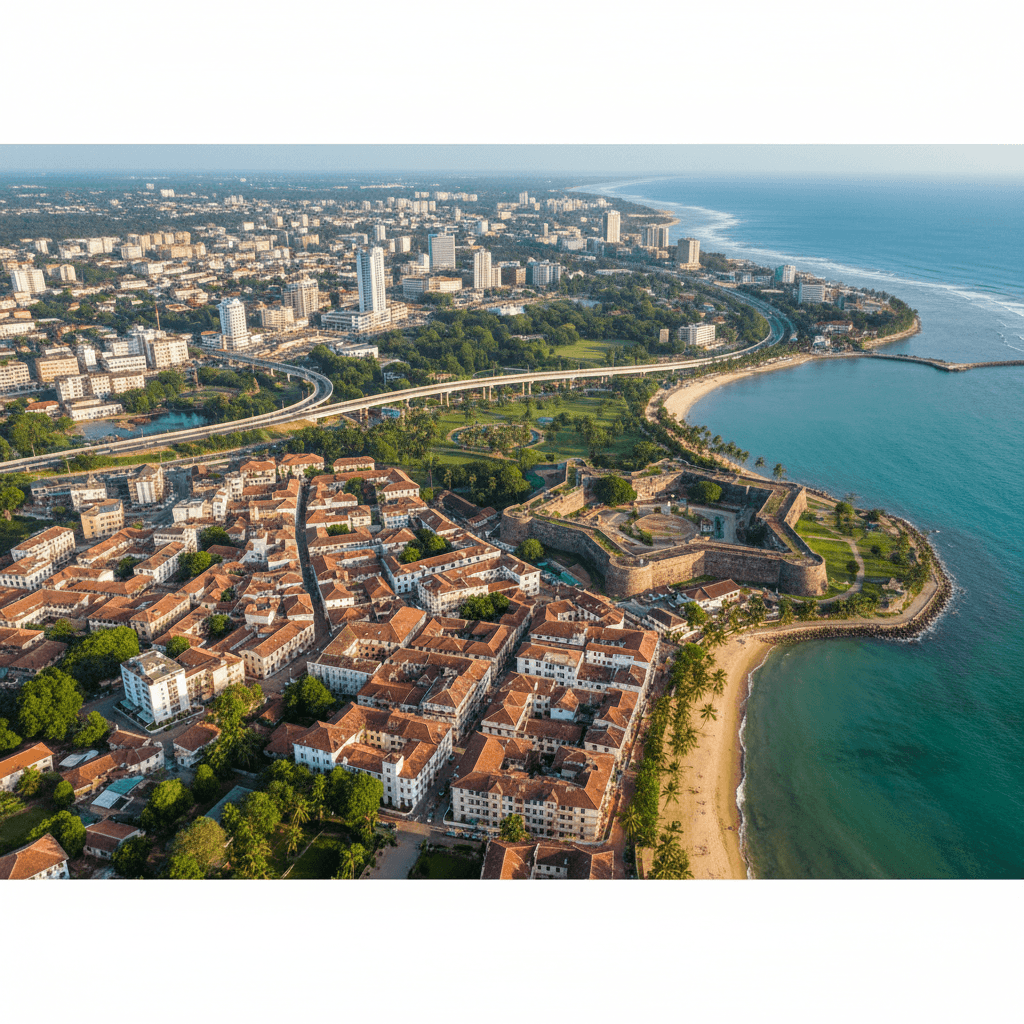
Mombasa
🇰🇪 Kenya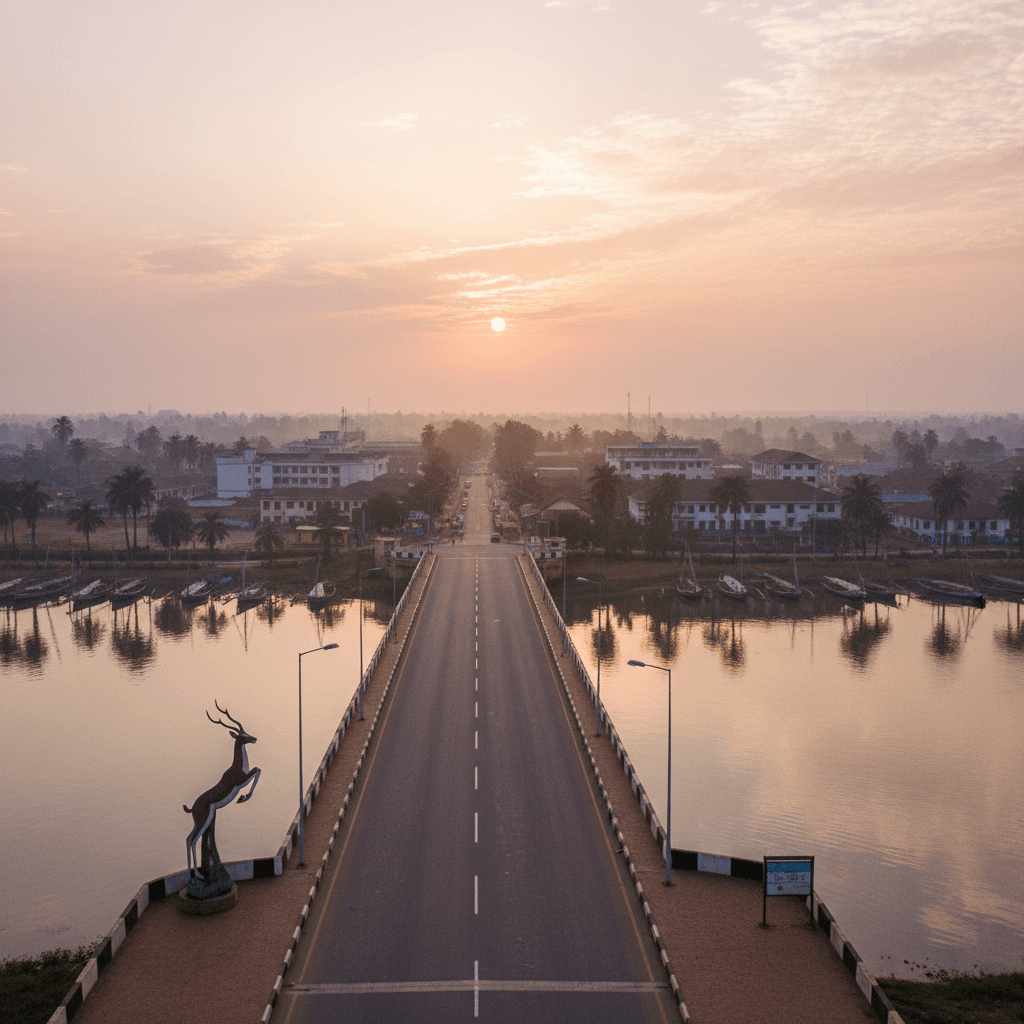
Kisumu
🇰🇪 Kenya
Diani Beach
🇰🇪 Kenya