Nadi
🇫🇯 Fiji
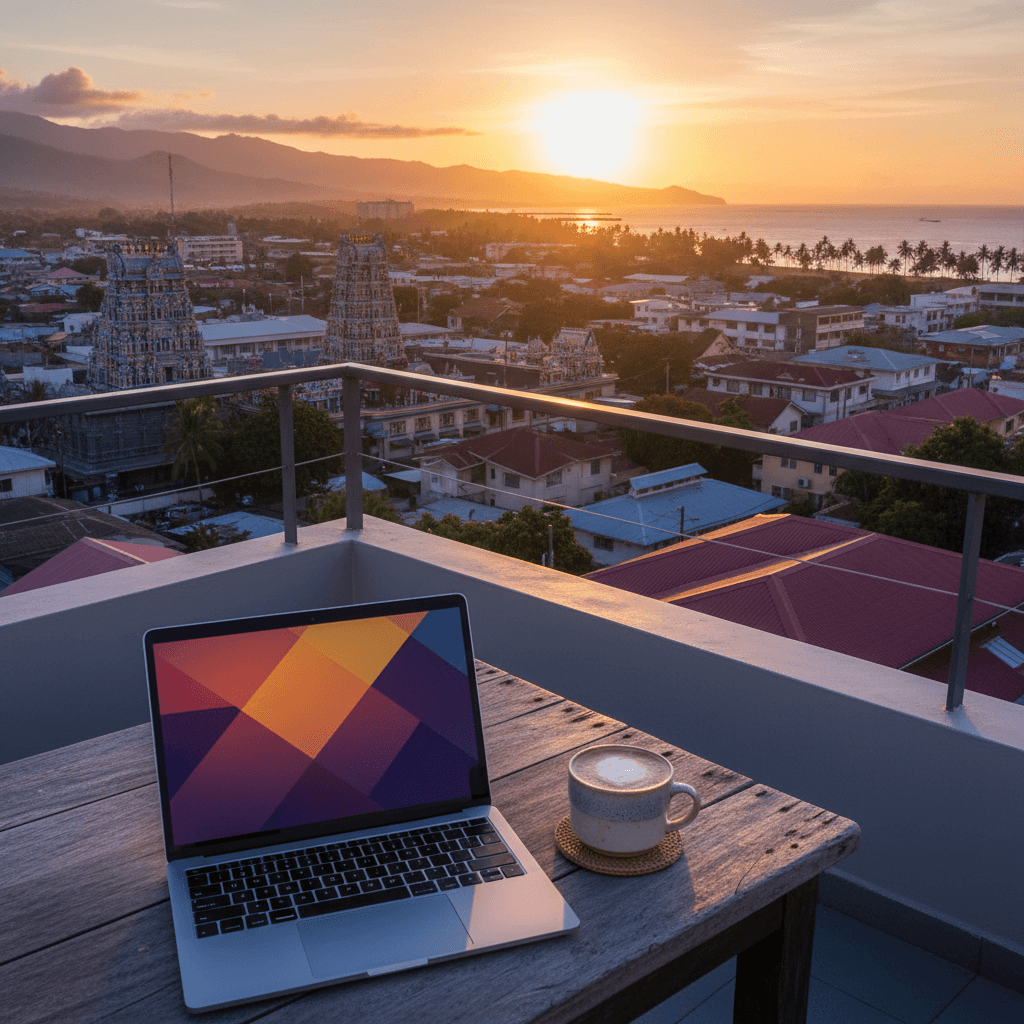
Nadi feels like Fiji’s working front door, not its polished showcase. You land, hear the airport buzz, smell exhaust and grilled roti, then you’re five minutes from a beach, a temple or a hotel bar with a cold beer and a ceiling fan fighting the heat.
The pace is slow, sometimes annoyingly slow and that’s the point. Martintar and Namaka are where most nomads and expats actually settle, because you get shops, cafés and easier airport access, while Denarau is cleaner, pricier and a bit glossy for my taste, honestly a little detached from everyday Fiji.
Nadi works best as a short to medium base. It’s ideal if you want island access, cheap-ish living and a friendly local rhythm, but if you need a lively urban scene, rock-solid internet and a big social calendar, you’ll get bored fast and the WiFi drops at the worst possible moment.
What daily life feels like
- Markets: Nadi Town is noisy, fragrant and practical, with roti, fruit and the kind of bargaining that can feel charming one minute and sticky the next.
- Culture: You’ll hear Hindi, English and Fijian in the same block, then walk past Sri Siva Subramaniya Temple and feel the town’s Indian-Fijian heart.
- Social scene: Wailoaloa has beach bars and backpacker energy, though the party noise gets old if you’re trying to sleep or take calls.
Budget-wise, Nadi can still make sense. A comfortable month runs around $1,500 to $1,800 for many nomads, with studios and one-bedrooms in Martintar or Namaka often sitting in the FJD 800 to 1,500 range, while Denarau jumps much higher and eats your budget fast.
Internet is the weak link, weirdly enough for a place this used to travelers. You can work from cafes or verified coworking spaces like Mydesk in Nadi, but at peak times speeds wobble, so most long-term folks keep a second SIM or eSIM ready.
Safety is generally fine, though petty theft around markets and tourist areas happens, so don’t leave bags loose or wander dark streets after midnight. The real charm here is simpler, the sea air, the wet heat, the calls to prayer and the easy jump to the Mamanucas or Yasawas when you need a reset.
Source 1 | Source 2
What you’ll actually spend
Nadi isn’t cheap in the way people expect from a small Fijian town and it isn’t wildly expensive either, it sits in that awkward middle where rent can look friendly until you add food, taxis and the occasional cold beer by the beach. A solo nomad can scrape by on about $1,200 a month, but that usually means shared housing, market meals and a fair bit of bus hopping.
Once you want a private place, decent coffee and some sanity on hot, humid afternoons, the number climbs fast. Honestly, most people end up closer to $1,500 to $1,800 and if you want Denarau comfort with resort polish, you’ll be staring at $2,200-plus pretty quickly.
Typical monthly budget
- Budget: Around $1,200, usually a shared room in Martintar or Nadi Town, plus roti, curries and local buses.
- Mid-range: $1,500 to $1,800, with a 1BR in Namaka or Martintar, a mix of cafe lunches and home cooking, plus taxis now and then.
- Comfortable: $2,200+, especially if you want Denarau, fancier meals, car rentals and the kind of air-con that actually wins the fight at night.
What things cost
Rent moves the needle most. Nadi Town can still turn up basic studios for $300 to $500, Martintar usually runs $350 to $660 for a 1BR and Denarau starts around $880 and can go well beyond that, which, surprisingly, feels worth it only if you care about gates, pools and marina access.
Food is friendlier. Street roti and market snacks usually land at $3 to $5, mid-range curries and cafe plates sit around $10 to $15 and a nicer seafood dinner at places like Urban Sugar Beach Club can top $25 without trying very hard.
- Transport: About $25 to $60 a month if you use buses, cheap taxis and the occasional airport run.
- Coworking: Around $90 to $300 monthly, e.g., day passes average $10.
- Internet: Fine for email and calls, but don’t count on blazing speeds, it’s often 25 to 48 Mbps and sometimes dips when the network gets busy.
Where the money goes
Martintar is the sweet spot for most nomads, because it keeps you near the airport, food and furnished apartments without forcing you into resort pricing. Wailoaloa can be cheaper and more social, though the beach bars get loud, the bass carries late and some people get sick of it fast.
If you want quiet and family life, Namaka and Votualevu make sense and Denarau only works if security and polish matter more than value. You can live well in Nadi, but you’ll pay for convenience and you’ll feel every small charge when the taxi meter ticks or the WiFi drops right before a call.
Nomads
Martintar is the sweet spot. You’re close to the airport, there are furnished apartments, decent cafes and enough restaurants to keep you from eating curry three nights in a row, which, surprisingly, happens fast in Nadi. It’s not quiet, though, traffic hums all day and the honking gets old.
Most nomads also look at Wailoaloa if they want beach time and a more social scene, but the tradeoff is noise, party spillover and the occasional sketchy feeling after dark. Martintar rent: about FJD 800 to 1,500 for a 1BR and Wailoaloa is often cheaper if you can live with the messier edges.
Internet is, honestly, hit or miss, so pick a place with backup power and ask for a speed test before you commit.
Expats
Denarau is the polished choice if you’ve got the budget and want a gated, low-drama setup. It feels more like resort living than everyday Fiji, with marinas, tidy roads and security, but you’ll pay for the calm and you’ll probably drive or shuttle for anything normal like groceries or a proper midweek dinner.
Martintar works better for long-term expats who want restaurants, services and easier access to town without living in a resort bubble. Denarau rent: from about FJD 2,000 and up, while Martintar usually lands around FJD 800 to 1,500 for a practical 1BR. The social scene is thin, frankly, so if you need regular expat company, join local Facebook groups early.
Families
Namaka and Votualevu make the most sense for families. They’re quieter, more residential and close to supermarkets, schools and the airport, so you’re not fighting tourist traffic every time you need milk or a pharmacy run. The streets can feel dusty and the sidewalks aren’t great, but the tradeoff is space and less noise.
Denarau is the safest-feeling option if money isn’t tight, though it’s very much a controlled environment and can feel isolated. Namaka rent: usually sits around FJD 800 to 1,500 and daily life is easier here because you’re not stuck in the resort zone for every errand.
Solo Travelers
Wailoaloa is the easy pick for solo travelers who want beach bars, guesthouses and people to talk to over a cold beer after sunset. It’s social, a little scruffy and the sea breeze helps when the heat turns sticky, but the music can carry late and sleep gets patchy. Nadi Town works if you want markets, temples and a more local feel, though it’s busier and less walkable than you’d hope.
- Wailoaloa: best for beach bars and hostel energy
- Nadi Town: best for markets, roti and a local rhythm
- Martintar: best for convenience and easier airport access
If you want easy meetups, choose Wailoaloa. If you want sleep, don’t.
Internet & Coworking
Nadi’s internet is decent, not dazzling. In town and around Martintar, you’ll usually get usable 4G from Digicel or Vodafone, but speeds can wobble hard when the network gets busy, so don’t promise anyone a perfect video call from a beach café and then act surprised when the screen freezes.
Most nomads keep a backup SIM or eSIM on hand, because outages and slowdowns do happen, especially when everyone piles onto the same cell tower after work. Honestly, that’s the tradeoff here, cheap living and island access, but you’ve got to plan around flaky connectivity, not hope it magically improves.
Best coworking picks
The coworking scene is small but useful and it’s a lot better than trying to work through café noise and lukewarm coffee all day. Port Denarau spots can work for a few hours, though you’ll pay resort prices for the privilege and the sea breeze, while lovely, won’t save you if your upload stalls.
SIMs and backups
- Vodafone: Tourist plans run about FJD 16 to 29 for 7 to 100GB and you can grab them at Nadi Airport.
- Digicel: Often cheaper to start, with a free or low-cost starter pack and about 3GB for 48 hours, then top up from there.
- Backup plan: Keep a second SIM if you depend on Zoom, because one network can be fine while the other crawls, weirdly, on the same street.
My take, skip the romantic idea of working from a hammock all day. Set up in Martintar or near Denarau, test your speeds before you commit and if you hear rain hammering on a tin roof, expect the connection to dip right along with the weather.
Nadi feels safe enough for most nomads and that’s the honest take, but don’t get lazy with your bag in the market, at the airport or outside a bar after dark. Violent crime isn’t the story here, petty theft is and if you leave a phone on a table at Wailoaloa, someone may decide it’s theirs now. Not ideal.
Stick to Martintar, Denarau and the busier parts of Nadi Town if you want less hassle. Unlit streets get quiet fast, cars honk past and once the sun drops, the tropical calm can turn a bit too empty, especially if you’re walking alone with a backpack and cash in your pocket. Frankly, that’s where most people get sloppy.
Healthcare Basics
- Public care: Nadi Hospital handles emergencies and basic treatment, but it’s not where you go expecting polished service or specialist depth.
- Private care: Pacific Specialist Healthcare, opposite the airport, is the better bet for decent treatment, faster service and medical tourism standards.
- Pharmacies: They’re easy to find around town, so cold meds, painkillers and basic prescriptions aren’t a problem.
If you get seriously ill, you may be sent to Suva, which, surprisingly, is still the reality for a lot of specialist care in Fiji. Keep travel insurance that actually covers evacuation, because a “we’ll reimburse you later” policy can turn into a nightmare when you’re staring at a clinic bill and sweating through your shirt.
The climate doesn’t help if you’re already run down, humidity clings to your skin, mozzies buzz at dusk and the heat can make a simple stomach bug feel much worse than it should. Bring repellent, drink bottled water if your stomach’s touchy and don’t wait around if you’ve got chest pain, a bad infection or anything that feels off. Get seen early.
What People Actually Do
- For emergencies: Head straight to Nadi Hospital or call for help if you can’t move easily.
- For better service: Use Pacific Specialist Healthcare, especially if you want private treatment without the public-hospital grind.
- For meds: Buy from a central pharmacy before you need something at 10 p.m., because late-night options can be thin.
Most expats keep a small medical kit at home and honestly, that’s smart here, antiseptic, antihistamines, diarrhea tablets and insect bite cream all earn their space. Nadi’s fine for everyday scrapes and routine care, but if you’re the type who wants world-class backup on every corner, this town will test your patience.
Nadi’s easiest transport is still the local bus. Cheap. Grab an e-Transport card from Vodafone, then hop on buses from the main station behind Nadi Town, because that’s how most locals move between town, Martintar and Denarau without paying tourist taxi prices.
Taxis are everywhere, but you do need to keep an eye on the meter. Most LT plate cabs start around FJ$1.50, then add roughly FJ$0.10 per kilometer, so a normal run is usually FJ$3 to FJ$7 and airport transfers often land around FJ$5 to FJ$10, which, surprisingly, feels reasonable until you start stacking rides every day. No Uber. No Lyft.
If you’re staying in Martintar or Nadi Town, walking works for short errands, though the heat can hit hard and the roadside traffic gets noisy, with horns, diesel fumes and the odd dog trotting through the dust. Denarau is different, there you’ll often lean on resort shuttles and they’re usually free or low-cost, especially if you’re just moving between the marina, hotels and cafés.
Best Ways to Get Around
- Bus: Under FJ$2 a ride, best for budget trips and daytime errands.
- Taxi: Good for airport runs, late nights and rainy spells.
- Rental car: Around FJ$30 to FJ$50 a day, drive on the left, road habits can be a bit chaotic.
- Bike or scooter: Roughly FJ$10 to FJ$20 a day, handy in quieter areas but not amazing in heavy heat or traffic.
Most nomads skip cars unless they’re doing day trips, because parking is easier than expected, but driving in Nadi can still feel messy, with sudden stops, impatient overtakes and potholes that turn up without warning. Honestly, a scooter works fine for short local runs if you’re comfortable on the left side of the road.
For island-hopping, don’t overthink it, Denarau is the launch point for Mamanuca and Yasawa boats, so staying near there saves time and a lot of sweaty back-and-forth. If you’re based farther out, just budget the taxi or bus in advance, then you won’t get stuck haggling outside the airport with your bags in the humidity.
Nadi’s everyday language scene is easy enough, but it isn’t polished. English gets you through hotels, taxis, airports and most cafes, while Fijian and Hindi pop up in markets, temples and family-run shops, so you’ll hear Bula, Vinaka and a lot of quick back-and-forth that, honestly, sounds warmer than it translates on paper.
Most locals in tourist areas switch fast, which is handy, though you’ll still run into accents, slang and the occasional answer that feels indirect if you’re used to blunt city talk. Google Translate helps in a pinch, but don’t expect it to save you from every conversation, especially when someone’s giving directions over traffic noise and a honking bus.
What to say
- Bula: Hello, good health and the standard friendly opener.
- Vinaka: Thank you and use it often.
- Ivei na ...? Where is ...?
- Can you help me? Said slowly, it works almost everywhere.
People appreciate a greeting before the ask and that small pause matters. Walk into a shop, say Bula first, then ask your question, because skipping that bit can come off a little rude, even if nobody says so directly.
Language-wise, the bigger challenge in Nadi isn’t communication, it’s context. A taxi driver, a market seller and a coworking desk host might all speak English, but they won’t always mean the same thing by “soon,” and that fuzzy timing can be maddening if you’re trying to plan a work call or airport pickup.
Practical communication tips
- Speak slower: Clear English beats fast slang.
- Confirm timing: Ask twice, especially for pickups and repairs.
- Use WhatsApp: It’s the default for many local contacts.
- Keep cash and data: Signal drops happen, so backups matter.
WhatsApp is the local workhorse and weirdly, it’s often more reliable than trying to call twice and hope someone answers in the rain. If you’re staying longer than a week, grab a Vodafone or Digicel SIM at the airport or in town, because mobile data can rescue you when the cafe WiFi crawls at the worst possible moment.
For nomads, the best approach is simple, be friendly, be patient and don’t overcomplicate it. Nadi runs on easy greetings, practical English and a little grace when plans shift, which they will.
Nadi’s weather is the main reason people base themselves here, honestly. The west side of Fiji gets more sun than the east, so you get long bright stretches, warm trade winds and that slightly sticky heat that settles on your skin by midday.
The sweet spot is May to October, when days usually sit around 21 to 29°C and the air feels lighter, so you can actually walk through Nadi Town without dripping through your shirt. This is when most nomads and short-stay travelers should come, because the beaches are prettier, island transfers are smoother and you’re less likely to spend half the afternoon listening to rain hammer tin roofs.
Best months: May, June, July, August, September, October.
Why: Less rain, lower humidity, better beach and island conditions.
Trade-off: It can feel busier and prices creep up a bit.
November to April is the wet season and that doesn’t automatically mean disaster, but it does mean showers can roll in fast and turn a sunny morning into a sodden, puddle-filled lunch rush. January through March is the roughest stretch, with hotter days, heavier rain and that damp smell of wet pavement, fruit stalls and diesel hanging around after storms.
Wet season: November to April.
Peak rain: January to March.
Best for value: November and December, if you don’t mind some weather roulette.
September and October are my pick if you want the best balance, because the humidity backs off a little, the sea stays warm and you still get that easy island feeling without the worst of the summer rain. Weirdly, the driest place in Fiji still gets enough moisture to keep everything green, so even in the dry season you’ll see sudden cloudbursts and muddy edges near construction zones.
If you’re coming to work remotely, aim for the dry season and book somewhere with backup internet, because Nadi’s WiFi can be patchy when storms hit and power flickers. Beach days are lovely, but they’re better in May to October, full stop.
- For sun and island hopping: May to October
- For cheaper stays: November to December
- For the wettest, hottest stretch: January to March
- For nomads: Dry season, plus an eSIM backup
Nadi runs on a pretty simple rhythm, grab what you need early, keep cash and backup data handy, then don’t expect everything to work on the first try. The airport shops sell Vodafone and Digicel SIMs, which is handy if you land tired and want service before you even reach Martintar and honestly that saves a lot of airport taxi drama.
Banking is straightforward but a bit old-school. ANZ, Westpac and BSP ATMs are around Nadi Town and Namaka, though the daily withdrawal limit can sit around FJD 2,000, so if you’re paying rent or covering a month of island hopping, split your withdrawals and don’t assume your card will behave everywhere.
Where to stay
- Martintar: Best for nomads, furnished flats often start around FJD 800 and you’re close to cafes, airport runs and the hum of traffic.
- Wailoaloa: Cheaper beach stays and guesthouses, but the music can run late and the sand gets everywhere.
- Denarau: Cleaner, safer-feeling and pricier, with resort rates that jump fast.
For apartments, most people hunt through Facebook groups, cozycozy or Airbnb and that’s usually faster than walking around hoping for a sign in a window. A basic furnished place in Martintar or Nadi Town can be decent value, but the glossy listings often hide weak water pressure, thin walls or a generator kicking in at the worst possible hour.
Daily logistics
- Transport: Public buses are cheap, under FJD 2 a ride and taxis are common, though you should agree on the fare if the meter looks dodgy.
- Day trips: Garden of the Sleeping Giant and Sabeto Springs usually cost about FJD 100 by taxi or in a group.
- Island access: Denarau is your launch point for the Mamanucas, so stay there only if you want easy boat mornings.
Use Bula when you greet people, take your shoes off when you enter a home and wear modest clothes at temples like Sri Siva Subramaniya. Sevusevu still matters in villages and it’s polite to bring kava if you’re invited, because skipping that can feel rude in a way that’s hard to recover from.
Safety is decent in the main areas, but petty theft happens near markets and transit points, so keep your phone zipped away and don’t wander dark side streets after dinner. The heat can hit hard, rain can drum on tin roofs without warning and if you plan well, Nadi feels easy enough, just a little rough around the edges, which, surprisingly, is part of the charm.
Need visa and immigration info for Fiji?
🇫🇯 View Fiji Country GuideHidden Gem
Worth the effort