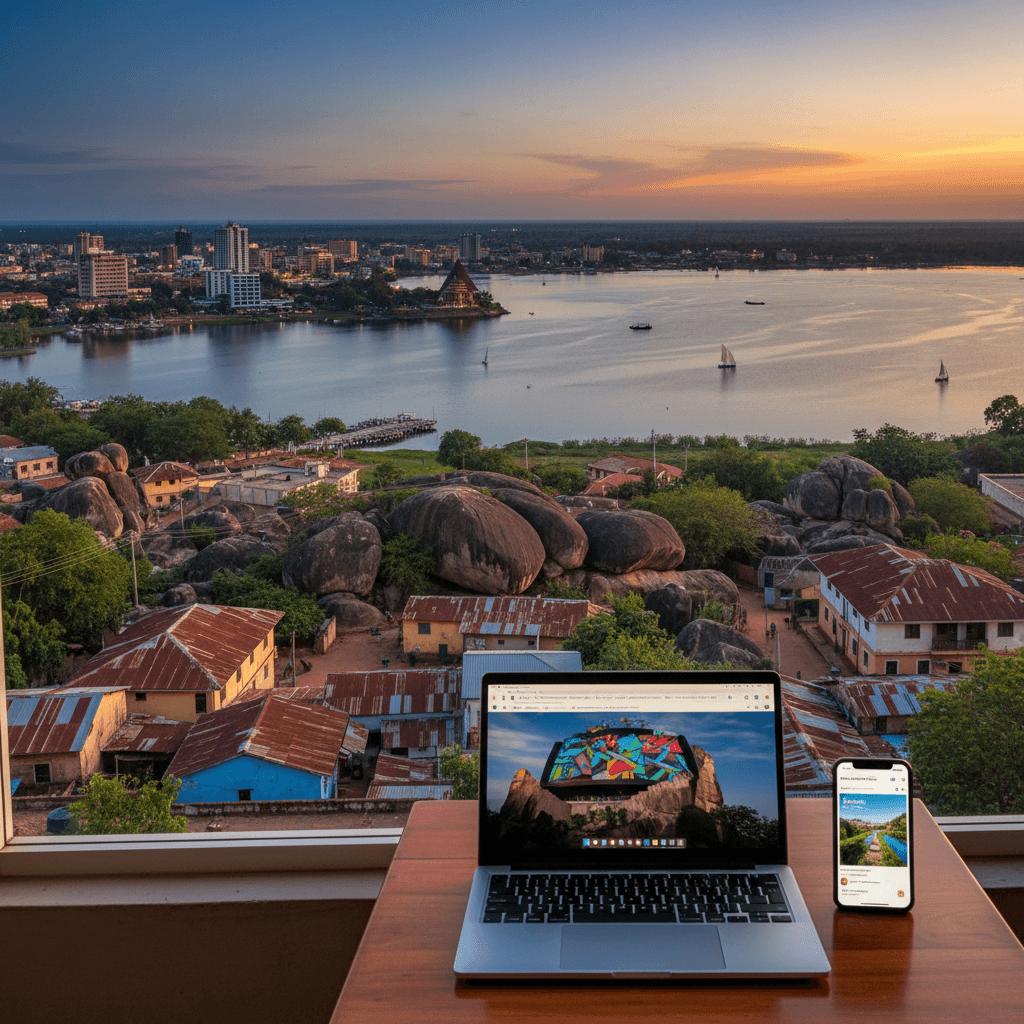
Mwanza
🇹🇿 Tanzania
Mwanza feels slower than most East African city stops, but it’s not sleepy, there’s always a horn blaring, a vendor calling out or Lake Victoria air drifting in with a fishy, wet smell. The city sits on rock, water and traffic noise and that mix gives it a gritty, local feel that’s hard to fake. Not polished. Not really.
Most nomads come here for the low burn rate, because a decent month can land around $500 to $800 if you’re careful and even a furnished one-bedroom can still be surprisingly affordable outside the nicest pockets. Street food is cheap, Bolt works better than you’d expect and the sunsets over the lake are genuinely good, though the power cuts and patchy infrastructure will test your patience.
The vibe changes a lot by neighborhood, so pick carefully. Capri Point is the upscale choice, with big houses, better views and the kind of quiet that feels detached from the rest of town, while Ilemela and the city center are busier, louder and easier if you want markets, taxis and daily life at street level, weirdly alive and a little chaotic.
- Capri Point: Best for comfort and views, but rent’s high and it feels isolated.
- Ilemela: Busy, social and practical, though petty theft and noise can be annoying.
- Nyegezi, Airport Area: Cheaper, more practical for longer stays, with basic amenities and decent transit access.
- City Center: Handy for short stays, walkable enough, but crowded and a bit rough around the edges.
Internet is decent on paper, with home speeds often good enough for calls and streaming, but the real issue is power, because a fast connection doesn’t help much when the lights drop out mid-meeting. Dedicated coworking is thin on the ground, so people end up in hotel lounges, mall cafes or just working from home with a backup SIM and a charged power bank, honestly the default setup here.
Safety feels manageable in daylight and more annoying after dark, not scary everywhere, just inconsistent. Stick to lit roads, keep your phone close in crowded spots and don’t assume a short walk is harmless, because the petty theft risk is real and the city’s informal feel means rules can get fuzzy fast.
What makes Mwanza different is the texture of daily life, the smell of grilled fish near the shore, the sound of scooters buzzing past tin-roof shops, the abrupt silence when you’re looking out over the water. It’s a place for people who can handle a few rough edges and still enjoy a slow, scenic base, with safari access, local food and a city that doesn’t try too hard.
Mwanza is cheap, but it isn’t bargain-basement cheap if you want comfort. A solo nomad can scrape by on about $500 a month, while a more realistic, livable setup lands closer to $800 to $1,000, especially if you want a decent apartment, Bolt rides and half-sane internet.
Street food keeps costs down and honestly, that’s where Mwanza makes the most sense. A plate of chapati or Kuku Chips from a sunset stall can run about $2.50, lunch menus hover around $2.54 and a mid-range dinner for two is about $13.90, though lakeside spots and hotel restaurants climb fast once you start ordering drinks.
What your money buys
- Budget: About $500 a month, with a cheap 1-bedroom around $163 and local transport at roughly $0.24 per ride.
- Mid-range: Around $800 to $1,000, with a city-center 1-bedroom closer to $722, plus Bolt, better grocery runs and occasional restaurant meals.
- Comfortable: $1,500+ if you want upscale housing, more eating out, gym fees and the kind of setup expats actually stop complaining about.
Rent is where the gap opens up, because a furnished one-bedroom can swing from roughly $163 to $722 depending on whether you’re near the center, Capri Point or out by Nyegezi. Capri Point feels polished and quiet, but it’s pricey and a bit cut off, while Ilemela and the Airport side are cheaper, noisier, and, weirdly, easier for day-to-day errands.
Monthly basics
- Internet: Around $33 for home service and speeds can be solid, though the power cuts get annoying fast.
- Transport: About $62 a month if you use Bolt, Wasili and daladalas instead of private taxis.
- Taxi: Around $13 for an 8 km trip, which adds up if you’re lazy about walking.
- Utilities: Variable, because outages happen and backup power isn’t always cheap.
The city center is the easiest place to live if you want walkability, cafes and quick access to Rock City Mall or the main markets, though it gets crowded and the noise never really stops. You’ll hear honking, generators, music from bars and rain hammering tin roofs in the wet season and the humidity sticks to your skin like a bad decision.
If you’re watching your spending, skip the fancy lakefront dinners and rent in Capri Point, then cook at home and use local transport. That’s the real trick here, Mwanza can stay very affordable, but once you start chasing comfort, the bill climbs faster than people expect.
Mwanza’s neighborhoods are pretty easy to read once you’ve spent a few days here. Cheap areas can be noisy, nicer ones feel quieter and more spread out and the lake breeze, honestly, changes the whole mood of a place.
Nomads
- Ilemela: Best pick if you want energy, lake access and easy errands, though the traffic hum and petty theft can get annoying fast.
- Nyegezi / Airport Area: Better for budgets, with lower rents and decent transit access and turns out it’s one of the more practical bases if you’re bouncing around town a lot.
- City Center: Good for walkability, cafes and quick rides, but it gets crowded, dusty and a bit grim after dark.
Most nomads end up in Ilemela or Nyegezi because the math works, with furnished one-bedrooms often landing in the lower end of the market and daily food running cheap if you stick to chipsi mayai, chapati and lunch trays. Internet is decent in some pockets, though power cuts still happen, so don’t book a place without backup charging and a mobile bundle.
Expats
- Capri Point: The polished option, with bigger houses, lake views and a calmer feel, but rents climb fast and it can feel a little detached from the rest of Mwanza.
- City Center: Better if you want restaurants, banks and office access close by, though the noise, honking and foot traffic can wear on you.
Capri Point is the move if your budget’s healthy and you want space, security and a quieter commute, but it’s not where you go for convenience or street life. Expats often choose it for family homes and privacy, then rely on Bolt or Wasili for getting around, because walking everywhere here gets old in the heat.
Families
- Capri Point: The safest-feeling upscale area, with larger homes and less chaos, which, surprisingly, matters more here than being near the center.
- Nyegezi: More affordable and easier on the budget, with enough space for longer stays, though the infrastructure still feels basic.
Families usually want quieter streets, a decent clinic nearby and less random noise at night, so Capri Point wins on comfort even if it costs more. If you’re trying to keep monthly spending sane, Nyegezi gives you breathing room, just expect a more uneven road network and the occasional “why is the power out again?” moment.
Solo Travelers
- City Center: Easiest for short stays, with food, transport and basic services close together.
- Ilemela: More social and lively, especially if you like markets, lakefront evenings and a bit of local chaos.
If you’re here alone, stay somewhere central enough that you’re not dependent on late-night rides, because unlit stretches can feel sketchy and the city quiets down fast after dark. The best setup is simple, a walkable base, a mobile SIM and a place with reliable security, because that saves you a lot of friction later.
Internet & Coworking
Internet in Mwanza is decent by Tanzanian standards, honestly, but it still has that laggy, stop-start feel you notice the second a cloud rolls in or the power flickers. Typical speeds sit around 80 Mbps down and 50 Mbps up, which is plenty for Zoom calls, file uploads and the usual remote-work grind, though outages still happen and they’re annoying.
Home internet runs about $33 a month for a 50 Mbps-plus line and that price looks good until the electricity cuts out and your router dies with it. Weirdly, that’s the bigger issue than raw speed, because when the power dips, even the fastest connection turns useless.
Where to Work
- Rock City Mall cafes: Best bet for laptop work, air-con, coffee and passable WiFi, though weekends can get noisy with music, chatter and the smell of fried food drifting across the tables.
- Hotel business centers: Reliable enough for a call or two, usually quieter than cafés and better if you need a backup when your apartment internet goes sideways.
- Internet cafes: Still around, still practical and frankly a decent fallback if you just need a few hours online without betting on your own modem.
Dedicated coworking spaces are limited, so don’t expect a polished nomad scene with planted desks and community events. Most people piece it together with cafés, hotel lounges and the occasional serviced office, which, surprisingly, works fine if you’re flexible and don’t mind moving around.
SIM Cards and Backup Data
- Airtel: Easy to find, cheap bundles and good enough for daily use in town.
- Vodacom: Often the safer pick for coverage, especially if you’re bouncing between neighborhoods.
- Halotel: Handy value option, with packs like 22GB plus calls for about 50,000 TZS.
Buy a SIM at the airport or in town with your passport and fingerprint, then top up through M-Pesa or local shops, because waiting until you’re desperate at 9 p.m. is a bad plan. Most nomads keep a second SIM as backup, since one carrier can be fine on one street and useless ten minutes away and that’s Mwanza for you.
If you need dependable work hours, start early, save files locally and treat your connection like a decent helper, not a promise. The internet’s usable, the coffee smells good and the lake breeze makes the whole thing feel calmer than it should, but the infrastructure still has a stubborn, half-built edge.
Mwanza feels calmer than Dar es Salaam, but don’t mistake that for carefree. Daytime is usually fine, especially in the center and around Rock City Mall, though the city’s moderate crime level means you still need to watch your bag, phone and wallet, honestly, especially in crowded markets and on dark side streets.
Petty theft is the main annoyance, not dramatic violence. Street noise, boda buzz and late-night music can hide trouble, so keep your head up after dark, avoid badly lit lanes near the lake and don’t flash cash when you’re paying for a Bolt or buying chipsi mayai.
Most expats stick to neighborhoods like Capri Point, parts of Ilemela and the better-lit bits of the city center, because they’re easier to manage and feel less chaotic, though Capri Point can be a bit isolated if you’re relying on taxis at night. Weirdly, the calmer streets can lull you into being sloppy, then a phone snatch reminds you why locals keep their gear close.
- Safer bets: Daytime errands, main roads, busy cafes, Rock City Mall and waterfront spots with steady foot traffic.
- Be careful: Unlit shortcuts, empty beaches after dark, crowded bus stages and nightlife areas where pickpockets circle.
- Best habit: Use Bolt or Wasili at night and honestly, don’t negotiate with a driver while standing alone on a quiet street.
Healthcare is decent for a regional city, but it’s still basic compared with major international hubs. Weill Bugando Medical University Hospital and private clinics plus pharmacies are common enough for everyday issues, though for anything serious you may want insurance and a plan for Nairobi or elsewhere.
Expats often carry Jubilee or similar coverage, because paying out of pocket for repeated visits gets old fast. Bring a small medical kit, keep malaria meds and sunscreen handy and don't assume every pharmacy will have the exact brand you want, since stock can be patchy and the pharmacist may just shrug.
- Hospitals: Weill Bugando for major care, private clinics for faster visits and simpler problems.
- Pharmacies: Easy to find in central areas, but stock varies, so buy backups when you can.
- Emergency move: Know your insurer’s hotline, then head straight to the nearest serious facility, not the first tiny clinic you see.
If you’re staying a while, set up local health coverage, save emergency numbers and keep your documents on your phone and in paper form. That sounds fussy, but when the power cuts and the air gets heavy with rain on tin roofs, being prepared feels a lot better than improvising.
Mwanza moves at a slower clip than Dar, but getting around still takes a little patience. Traffic honks, boda bodas buzz past and the lake air can feel thick and metallic after rain, especially when the streets are wet and the daladalas are packed.
Bolt is the app most people reach for and Wasili gets a lot of local love too, especially around the Lake Zone. Uber exists, but it’s patchier, so don’t count on it when you’re late for dinner, because you’ll just end up staring at your phone and cursing the signal.
Taxi: about $13 for 8 km
Local bus or dala-dala: about $0.24 a ride or around $11 for a monthly pass
Gas: roughly $0.91 per liter
The city center is walkable in parts, which, surprisingly, helps a lot for short errands and food runs. Outside that core, sidewalks get rough, crossings are messy and drivers don’t always slow down, so keep your eyes up and don’t assume anyone’s yielding.
- City center: Best for walking to shops, cafes and basic errands, but it gets crowded and noisy fast.
- Ilemela: Good if you want quick access to markets and the lake, though traffic and petty theft are both real annoyances.
- Nyegezi and the airport area: Cheaper and practical for longer stays, with easier transit in spots, but amenities are still basic.
- Capri Point: The prettiest ride, honestly, but it’s more isolated and you’ll pay for the view.
If you’re heading to the airport, Bolt usually works fine for the roughly 9 km trip and it’s simpler than haggling with a roadside taxi after a long flight. Schedules can be a pain, though and daladalas don’t care if you’re in a hurry, they leave when they’re full and that’s that.
Most nomads skip scooters here, because they’re rare and the roads aren’t friendly enough to make them a smart default. Use ride-hailing after dark, keep cash for buses and taxis and give yourself extra time when it rains, since Mwanza roads turn slippery and every journey gets weirdly slow.
Mwanza runs on Swahili and that’s what you’ll hear in shops, boda stands, minibuses and around the lakefront when the wind’s up and people are talking over the traffic. English works in hotels, bigger restaurants, banks and tourist-facing businesses, though outside those spots you’ll hit a wall pretty fast, honestly.
Most expats and digital nomads get by with a mix of basic Swahili, gestures and a translation app. Jambo, Asante and Habari go a long way, especially if you say them cleanly and with a smile, because manners matter here and people notice when you try.
Useful phrases:
- Jambo: Hello
- Habari: How are you?
- Asante: Thank you
- Karibu: Welcome or you’re welcome
- Samahani: Excuse me or sorry
Don’t expect everyone to jump into English just because Mwanza gets visitors, that’s a Nairobi habit, not a Mwanza one. In Rock City Mall, at Lake Victoria-facing hotels and in a few cafes near the center, you’ll usually be fine, but once you’re in the markets, on a daladala or dealing with apartment landlords, Swahili becomes the real key.
Google Translate helps, though it’s clunky with street-level conversation and local accents, so it’s better for menus, directions and quick checks than for anything nuanced. A local SIM makes life much easier, because you’ll want maps, ride-hailing and translation on hand when the power cuts out and everything gets annoyingly quiet for a bit.
What to expect day to day
- Street talk: Fast, friendly and practical
- Business English: Decent in hotels and banks
- Market English: Limited, sometimes patchy
- Best move: Learn greetings first, then numbers and prices
Say the basics, then keep going. People usually warm up when they hear you making an effort and frankly, that matters more than perfect grammar, because the city’s communication style is direct, social and a little impatient when you’re slowing the line down.
One more thing, tone counts. Speak politely, don’t rush elders and avoid acting like you’re correcting people, because that can go badly in a place where respect is loud, the bus horns are louder and the whole conversation can shift depending on how you greet somebody.
Mwanza stays warm all year, so you don't need a heavy wardrobe, but the humidity can be a pain, especially when the lake air sits on your skin and the afternoon sky goes dark without much warning. The city gets about 110 rainy days a year and the wet season runs from November through May, with March to May usually feeling the soggiest and most annoying for anyone trying to work from a café or cross town without getting drenched.
June through October is the sweet spot. Dry roads, clearer skies, less sticky heat and better odds of actually making it to a sunset at Bismarck Rock without dodging sheets of rain.
Best months: June, July, August, September, October
Best for: lake views, day trips, easier transport, outdoor time
Dry Season, June to October
- Weather: Warm, dry and generally sunny, with highs around 84 to 88°F and nights that still stay mild
- Why go: This is when Mwanza feels easiest, roads are in better shape, Bolt rides are less of a headache and trips to Rubondo Island or the Serengeti side are far less miserable
- Downside: It can still get dusty and bright, so bring sunglasses and decent sunscreen, because the sun here bites harder than people expect
Rainy Season, November to May
- Weather: Warm, wet and often stormy in the afternoons, with rain hammering tin roofs and that heavy smell of wet earth hanging around after storms
- Why go: Fewer visitors, greener scenery and lower chances of running into packed restaurants or crowded lakefront spots
- Downside: March to May can be frustrating, honestly, because puddles linger, traffic crawls and power cuts feel more irritating when the air is already sticky
If you're a digital nomad, time your arrival for the dry months unless you enjoy random downpours and the occasional blackout while you're on a call. November can still work, but once the heavier rains settle in, even a short errand can turn into a soggy slog through mud, exhaust and boda traffic.
For the best balance, come between July and September, that's when the weather is friendliest, the lake looks incredible and you can actually plan your week without worrying that the sky will change its mind at 3 p.m.
Mwanza runs on a slower beat than Dar, but don’t mistake that for easy living. The lake air is humid, boda bodas buzz past and power cuts still happen, so keep a charger bank handy and don’t assume your WiFi will save you every day. Honestly, that’s the tradeoff here, low costs, good views and a bit of friction.
Money-wise, Mwanza stays friendly if you keep your rent sensible. A basic one-bedroom can start around $163, while a nicer city-center place can jump to about $722 and most nomads seem happiest somewhere in the middle, where you’re not paying for polish you won’t use.
- Budget: Around $500 a month, if you’re eating local food, riding daladalas and renting a cheap flat.
- Mid-range: Roughly $800 to $1,000, with Bolt rides, better housing and more frequent restaurant meals.
- Comfortable: $1,500+, which gets you easier living, pricier neighborhoods and fewer headaches.
Where to stay
- Capri Point: Quiet, upscale and scenic, but expensive and a bit cut off.
- Ilemela: Busy, central and close to the lake, though petty theft and noise are real annoyances.
- Nyegezi or the Airport area: Better for budgets, with decent transport links and a more practical feel.
- City Center: Walkable and handy for food, but it gets crowded fast, especially around market hours.
SIM cards are easy to buy at the airport or in town, but you’ll need your passport and fingerprint registration, which, surprisingly, still catches some newcomers off guard. Airtel, Vodacom and Halotel are the names to know and data bundles usually run about $4 to $10 for 6GB to 12GB, so skip the hotel package unless you enjoy overpaying.
Getting around is pretty straightforward. Bolt works best, Wasili is popular around the Lake Zone and taxis are fine if you agree on the fare before you get in, because meter talk won’t get you far.
Practical basics:
- Banking: Use local ATMs and set up M-Pesa if you’ll be staying a while.
- Food: Street chapati and kuku chips are cheap and good, especially at sunset when the grills smoke and the whole street smells like oil and spice.
- Language: Swahili goes a long way and a simple “Asante” opens doors faster than perfect English.
- Etiquette: Dress modestly, greet elders properly and don’t use your left hand for food or handshakes.
No nomad visa exists here, so most people work with a 90-day tourist stay and extend if needed. For day trips, Rubondo Island, Bismarck Rock and the western Serengeti are the big names, though frankly, the bureaucracy around longer stays is the part people complain about most.
Frequently asked questions
How much does it cost to live in Mwanza as a digital nomad?
Which Mwanza neighborhood is best for digital nomads?
Is the internet good enough for remote work in Mwanza?
Where can I work from in Mwanza if there are no coworking spaces?
Is Mwanza safe for solo travelers and remote workers?
What are the main budget transportation options in Mwanza?
Which area of Mwanza is best for short stays?
Need visa and immigration info for Tanzania?
🇹🇿 View Tanzania Country GuideEasy Landing
Settle in, no stress