Muang Xay
🇱🇦 Laos
The Vibe: A Raw Crossroads
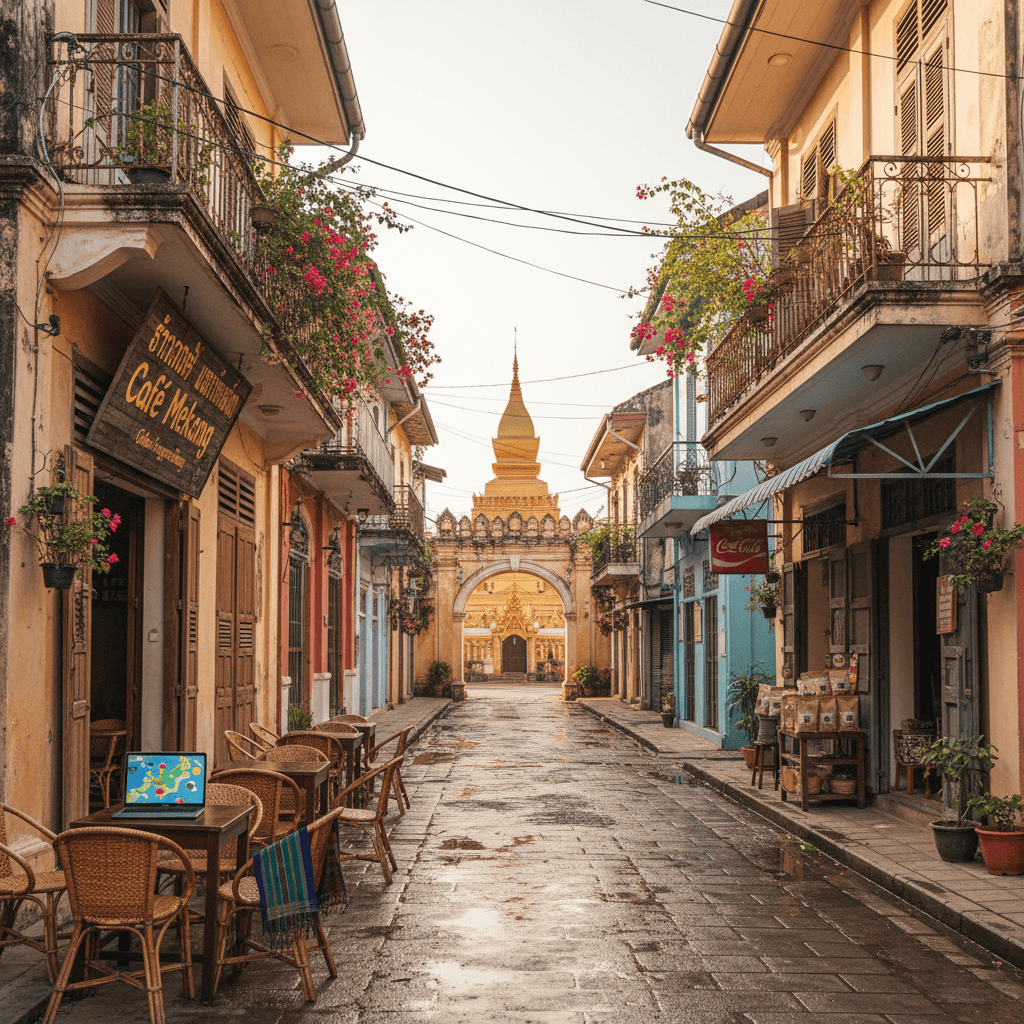
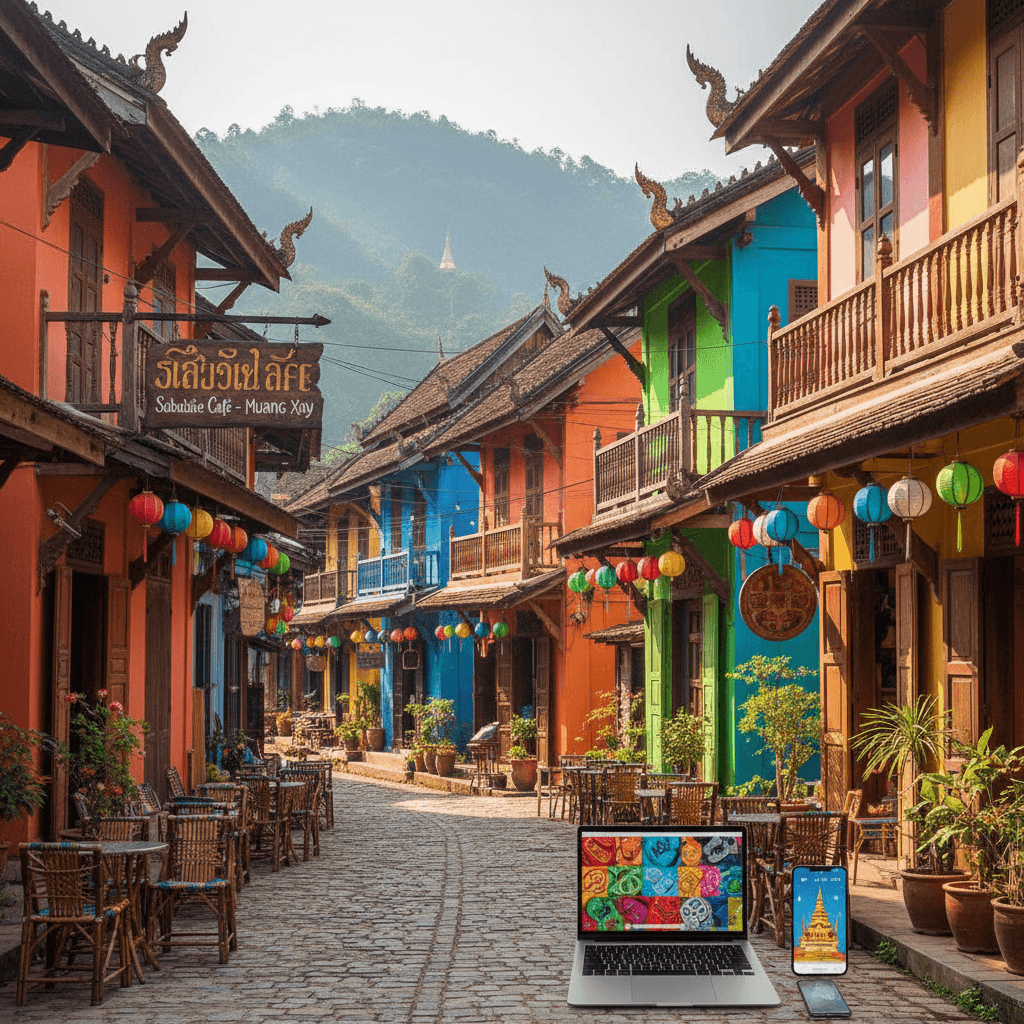
If you're looking for the manicured streets of Luang Prabang or the hipster cafe culture of Chiang Mai, Muang Xay will be a shock to your system. This is northern Laos in its most unedited form. Most travelers treat it as a gritty transit hub between China and the rest of Laos, but for a specific breed of digital nomad, that's exactly the draw. It feels like a frontier town where the air smells of woodsmoke and the mountains hem you in from every side.
The energy here is slow and deeply rural. You won't find nomad meetups or networking events. Instead, you'll find a quiet life dictated by the sun and the local markets. It's a place for deep work and solitude, where the most exciting part of your Tuesday might be a sunset hike to the Phu That pagoda or a $2 massage at the Red Cross station. It’s authentic, sometimes frustratingly basic, and incredibly cheap.
Cost of Living
Your bank account will love Muang Xay. It's one of the most affordable spots in Southeast Asia because there simply isn't much to spend money on. A single person can live here comfortably on $700 to $1,000 a month, while budget-conscious solo travelers can scrape by on as little as $309.
- Rent: Expect to pay between $80 and $400 a month. Most nomads opt for guesthouses like Oudomxay Guesthouse for short stays, which run $10 to $20 a night.
- Food: Street food like sticky rice and laap costs $1 to $2. Even a "fancy" meal for two rarely exceeds $10.
- Transport: Monthly costs for tuk-tuks or songthaews usually land between $30 and $140.
Where to Plant Your Flag
Muang Xay doesn't have fancy neighborhoods, but where you stay changes your experience significantly. Most of the action is concentrated in Central Muang Xay near the market and bus station. It's noisy and basic, but you'll be within walking distance of the best food stalls and transport links. It's the best choice if you don't plan on renting a scooter.
If you want more peace, look toward the Ban Donkeo area or the Xay District outskirts. It’s quieter and popular with the few expats who live here, like hospital staff. Rent is lower here, with studios going for $80 to $200, but you'll definitely need a bike to get around. There are also developing Riverside roads which are scenic for a morning walk, though locals warn about flooding during the peak of the rainy season in August.
The Digital Reality
Let's be honest: the infrastructure isn't great. There are no dedicated coworking spaces in town. You'll be working from your guesthouse or a handful of cafes where a coffee costs about $2. Internet speeds are modest, usually averaging 5 to 20 Mbps. If you need a stable connection for video calls, the Xayxana 2 hotel is known for having some of the better WiFi in town.
Your best bet is to rely on mobile data. Grab a Unitel SIM card at the airport or a local shop. For about $6, you can get an 80GB package that lasts 30 days. It's surprisingly reliable and often faster than the hotel WiFi, hitting speeds up to 32 Mbps. LaoTel is another solid backup option for shorter stays.
Safety and Local Life
Muang Xay is generally very safe, and violent crime against foreigners is almost unheard of. The biggest risks are mundane: petty theft at the crowded bus station or the occasional unexploded ordnance (UXO) if you wander off-path in deep rural areas. Stick to established trails and use a guide for trekking.
The language barrier is real. Outside of the main guesthouses, English is rare. Learning a few phrases like Sabaidee (Hello) and Khob chai (Thank you) goes a long way. Download the Simply Learn Lao app to help you navigate daily interactions. For healthcare, the Oudomxay Provincial Hospital in Ban Donkeo handles emergencies 24 hours a day, but it’s a basic public facility. For anything serious, most people head to Vientiane or across the border to Thailand.
When to Go
The weather dictates the rhythm of the city. The best time to visit is the dry season from November to April. The air is cooler, and the mountain views are clear. Avoid July and August if you can; the heat is oppressive and the heavy rains, averaging 358mm in August, can make the hilly roads around town a muddy mess.
The Bottom Line on Costs
Living in Muang Xay is remarkably affordable, even by Southeast Asian standards. It is the kind of place where your dollar stretches until it snaps. A single nomad can get by comfortably on about $699 a month including rent. If you are strictly budgeting, you could even see that number drop closer to $300. Couples usually find their rhythm at around $1,023 per month.
Daily expenses are low because there simply aren't many ways to overspend. You'll find street food staples like sticky rice and laap for $1 to $2. Even at a mid-range sit-down spot, you'll rarely pay more than $5 for a full meal. If you're looking for an upscale night out, a dinner for two tops out around $10, though high-end options are few and far between in this rural capital.
Where to Set Up Camp
Muang Xay doesn't have the defined expat enclaves you'd find in Vientiane. Life revolves around the central market, and most nomads choose their spot based on how much peace and quiet they need versus proximity to food.
Central Muang Xay
- Best for: Solo travelers and short-term stays.
- The Vibe: Walkable and convenient. You're right next to the bus station and plenty of local food stalls.
- Housing: Expect basic guesthouses like Oudomxay Guesthouse, which runs $10 to $20 a night.
- Trade-off: It can get noisy with the transit hub nearby, and amenities are very "no-frills."
Ban Donkeo & Outskirts
- Best for: Expats and those staying a month or longer.
- The Vibe: Much quieter and closer to the provincial hospital. It feels more like a neighborhood than a transit stop.
- Housing: Monthly rents for small studios here range from $80 to $200.
- Trade-off: You'll likely need a scooter to get to the better restaurants in the center.
Connectivity and Workspace
If your work requires a high-speed fiber connection for 4K video calls, Muang Xay will be a challenge. Speeds usually hover between 5 and 20 Mbps. There are no dedicated coworking spaces here, so you'll be working from your room or a local cafe. Hotels like Xayxana 2 are known among travelers for having some of the more reliable WiFi in town.
For your phone, grab a Unitel SIM. It generally offers the best coverage in the north. You can get a 80GB data package for 30 days for about $6. LaoTel is another option, offering smaller weekly packages for about $1.50. Buy these at the airport or small phone shops in the center; just look for the colorful telco umbrellas.
Getting Around
The town center is walkable, though the terrain is hilly and the tropical sun is unforgiving. Most locals use songthaews or tuk-tuks. Expect to pay between $30 and $140 a month if you rely on them daily. Note that ride-hailing apps like LOCA don't operate here yet.
Renting a scooter is the most liberating option, usually costing $5 to $10 per day. If you're arriving by air, the airport is only 3km away. A taxi into town costs about $2 or $3, or you can join the locals for a 35-minute walk if your bags are light.
Safety and Health
Muang Xay is generally very safe. Crime against foreigners is rare, but keep your wits about you at the bus station to avoid petty theft. A specific local concern is Unexploded Ordnance (UXO). While the risk is lower here than in Xieng Khouang, never wander off established paths in rural areas.
For medical needs, the Oudomxay Provincial Hospital in Ban Donkeo is the primary facility. It's a basic public hospital with an ICU and emergency services. You'll be paying out of pocket, so keep your receipts for insurance. For minor ailments, pharmacies are clustered around the central market area.
Practical Survival Tips
- Banking: This is a cash-heavy economy. While there are a few ATMs, they can be temperamental. Always keep a stash of Lao Kip on hand.
- Language: English proficiency is low. Downloading an app like Simply Learn Lao helps with basics like "Sabaidee" (hello) and "Khob chai" (thank you).
- Best Time to Visit: Aim for November to April. The weather is dry and the temperatures are manageable. Avoid August if you can, as the heavy rains (averaging 358mm) can make the dirt roads a mess.
- Social Life: Don't expect a nightlife scene. Socializing happens at the Phu That pagoda at sunset or at the Red Cross Sauna for a traditional massage.
For Digital Nomads
If you're coming to Muang Xay to work, you'll want to stick to Central Muang Xay, specifically the area surrounding the main market and the bus station. This isn't a city with distinct "cool" neighborhoods; it's a compact transit hub where proximity to the few reliable Wi-Fi signals is everything. Most nomads set up shop at guesthouses like Oudomxay Guesthouse, where rooms go for $10 to $20 a night, or Xayxana 2, which is known for having some of the most stable internet in town.
Since there are no dedicated coworking spaces, your office will likely be a local cafe. Expect to pay about $2 for a coffee while you work. Speeds usually hover between 5 and 20 Mbps, so it's wise to pick up a Unitel SIM card for about $6. It provides 80GB of data and often hits speeds of 32 Mbps, which is a lifesaver when the hotel router gives up. You'll be within walking distance of the best street food stalls where a bowl of laap or sticky rice costs just $1 to $2.
For Expats and Long-Term Residents
Expats looking for a bit more peace usually head toward Ban Donkeo or the Xay District outskirts. This area is further from the noise of the bus station and closer to the Oudomxay Provincial Hospital. It feels more like a residential community than a transit stop. Rent is incredibly low here, with studio apartments ranging from $80 to $200 a month.
Living here requires a different mindset. You won't find the western amenities of Vientiane, and you'll definitely need a scooter rental, which usually costs between $5 and $10 a day. The trade-off is a quiet, authentic Lao lifestyle with lower costs and more space. Most expats find that their total monthly spend stays around $700, even when living comfortably.
For Solo Travelers
The Riverside roads are becoming a popular choice for solo travelers who want a bit of scenery. The local government has been developing parks along the water, making it the most pleasant place for a morning run or an evening stroll. It's a great spot to meet people at the Red Cross Sauna for a traditional massage or at the Phu That pagoda during sunset.
Safety is rarely an issue here, though solo travelers should be cautious around the market and bus station at night to avoid petty theft. If you're heading out for a hike, always stick to marked paths or hire a guide, as unexploded ordnance (UXO) remains a risk in the rural hills surrounding the city. For getting around, a $2 taxi from the airport or a quick songthaew ride is the standard way to reach the riverside guesthouses.
For Families
Families generally prefer the quieter pockets of the Xay District. The lack of heavy traffic compared to the city center makes it safer for kids, and the proximity to the provincial hospital provides a bit of peace of mind. While Muang Xay doesn't have international schools or specialized kids' clubs, the natural surroundings are the main draw.
A family of four can live quite well on roughly $1,023 a month. Most families find it best to visit during the dry season from November to April. The rainy season, particularly August, can bring over 350mm of rain and increases the risk of flooding near the river, making the higher ground of the Xay District outskirts a much more practical choice for a home base.
The Reality of Working Remotely in the North
If you are coming to Muang Xay expecting the high speed fiber and ergonomic chairs of Chiang Mai, you will need to adjust your expectations. This is a rugged transport hub where the digital infrastructure is still catching up to its ambitions. Most nomads who pass through find that the city works best as a place for deep work or a digital detox rather than a spot for high stakes video conferencing.
There are no dedicated coworking spaces in Muang Xay. You won't find community managers or networking events here. Instead, your office will likely be a corner table in a local cafe or your guesthouse lobby. While the lack of a formal scene can feel isolating, it also means you won't be competing for bandwidth with dozens of other remote workers.
Reliable Connectivity and Speed
Internet speeds in this part of northern Laos generally hover between 5 Mbps and 20 Mbps. While this is sufficient for emails, Slack, and standard web browsing, it can struggle with large file uploads or 4K streaming. For the most stable connection, many travelers recommend booking a room at Xayxana 2, which is known for having some of the most consistent high speed WiFi in the city center.
Power outages can happen, especially during the peak of the rainy season in August. It is a smart move to keep your devices charged and have a backup plan ready. Most nomads find that having a dedicated mobile hotspot is the only way to ensure they stay online during a local blackout.
The Best Mobile Data Options
Do not rely solely on hotel WiFi. Local SIM cards are affordable and offer surprisingly good coverage within the town limits. You can pick these up at the airport or small mobile shops near the central market.
- Unitel: Widely considered the best for speed and coverage in rural provinces. You can get a 30 day plan with 80GB of data for roughly $6. During tests, Unitel has clocked speeds up to 32 Mbps in the town center.
- LaoTel: A solid secondary option if Unitel is down. They offer shorter plans, such as 7GB for 7 days for about $1.50.
Cafes and Work Spots
Since there are no formal offices, your best bet is to find a quiet cafe. Most local spots won't mind if you linger for a few hours as long as you are buying coffee or food. A typical cup of coffee will set you back about $2.
The central market area has the highest concentration of small eateries with basic WiFi, but it can get noisy with the hum of motorbikes and buses. If you need silence, the guesthouses in the Ban Donkeo area or the outskirts of the Xay District are much quieter, though you may need to rely more heavily on your own mobile data in these residential pockets.
Digital Nomad Logistics
Living costs here are incredibly low, which helps offset the slower internet speeds. You can find basic studio apartments or long term guesthouse rooms for $80 to $400 a month. If you are on a tight budget, the Oudomxay Guesthouse offers central rooms for $10 to $20 a night, making it a popular base for solo travelers testing the waters.
Keep in mind that Muang Xay is a cash heavy economy. While fintech apps like LOCA are starting to appear in Vientiane, they haven't gained traction here yet. You should carry plenty of Lao Kip for your daily cafe visits and data top ups, as many smaller vendors won't accept cards or international digital payments.
Personal Safety and Local Awareness
Muang Xay is generally a very safe and low stress environment for foreigners. Violent crime is extremely rare; the atmosphere is more akin to a sleepy mountain town than a regional capital. You'll find the local community is largely respectful and honest, though it's always smart to keep a close eye on your belongings at the main bus station or the central market where crowds gather.
The most unique safety consideration here involves the legacy of conflict. While the risk is significantly lower in Muang Xay than in neighboring Xieng Khouang, UXO (unexploded ordnance) remains a reality in rural Laos. Stick to well trodden paths when hiking and never wander into off path forest areas without a local guide. If you see metal objects that look like scrap or old bombs, don't touch them. In the city itself, keep an eye out for poorly lit streets at night, as uneven pavement and wandering livestock can be more of a hazard than any human threat.
Healthcare Facilities
Medical infrastructure in northern Laos is basic, so don't expect the high tech private hospitals you'll find in Bangkok or Vientiane. For routine issues, the Oudomxay Provincial Hospital located in the Ban Donkeo area is the primary facility. It operates 24 hours for emergencies and handles internal medicine, ICU needs, and basic lab work. Emergency: +856 20 22833394 or main line +856 81 212505.
Most expats and nomads here treat the local hospital as a place for stabilization rather than long term care. For anything serious, you'll likely want to head to Luang Prabang or cross the border into Thailand. Expect to pay for services out of pocket in cash, as international insurance direct billing is rarely a thing here. Keep your receipts if you plan to file a claim later.
Pharmacies and Minor Ailments
For minor issues like stomach bugs or allergies, pharmacies are concentrated in the town center near the markets. Most pharmacists speak very little English, so having a translation app or a photo of the medication you need is helpful. Most common antibiotics and painkillers are available over the counter without a prescription.
- Oudomxay Provincial Hospital: Ban Donkeo, Xay District. Phone +856 81 212505 (main) and +856 20 22833394 (emergency).
- Emergency Services: 24 hour response available via the hospital line.
- Pharmacies: Best found along the main roads near the central market area.
- Medical Costs: Very low by Western standards, but expect to pay $10 to $50 for basic consultations and meds.
Health Precautions for Nomads
The biggest health risks for travelers in Muang Xay usually involve food and water. Stick to bottled water and avoid ice in rural stalls. While the street food is delicious and cheap at $1 to $2 a meal, make sure it's cooked hot in front of you. If you're renting a scooter for $5 to $10 a day, wear a helmet and be cautious on the hilly terrain; road accidents are the most common reason foreigners end up in the local clinic.
Air quality can also be an issue during the burning season, typically February through April. If you have respiratory issues, you might find the smoke from agricultural fires uncomfortable. During the peak of the rainy season in August, mosquito borne illnesses like Dengue can occur, so keep the high strength repellent handy, especially if you're staying near the riverside roads.
The Logistics of Getting Around
Muang Xay is a compact crossroads where the pace of life slows down significantly. While the center is small enough to cover on foot, the mountainous terrain and humid weather mean you'll likely want wheels for anything beyond a quick coffee run. Expect a rugged, functional transport scene rather than the polished infrastructure of Vientiane or Luang Prabang.
Public Transport and Tuk-Tuks
You won't find ride-hailing apps like LOCA or Grab here. Instead, the local transport backbone consists of songthaews (converted pickup trucks) and tuk-tuks. You'll find most of them clustered around the Muang Xai Oudomxay bus station or near the central markets.
- Tuk-tuk Fares: Short hops around the center usually cost a few dollars. Always agree on the price before you hop in.
- Monthly Transport Budget: Most nomads spending a month here budget between $30 and $140 for occasional rides and local trips.
- Airport Transfers: Oudomxay Airport (ODY) is only 3km from the center. A taxi or tuk-tuk into town costs about $2 to $3, though some travelers choose the 35 minute walk if they're traveling light.
Scooter Rentals and Self-Driving
For those staying longer than a few days, renting a scooter is the best way to explore the surrounding Xay District and visit ethnic villages. It gives you the freedom to head out to the Phu That pagoda or the riverside parks without haggling for every trip.
- Daily Rates: Expect to pay between $5 and $10 per day for a basic scooter.
- Road Conditions: The main roads are paved but can be dusty or muddy depending on the season. Be extra cautious during the peak rains in August, when the region see up to 358mm of precipitation.
- Safety: Always check your insurance coverage before renting. While the town is generally safe, the hilly outskirts require confident riding skills.
Walking and Navigation
The central market area is very walkable, and most guesthouses like Oudomxay Guesthouse are positioned close to food stalls and basic amenities. Navigation is straightforward since there are only a few main arteries, but don't expect much English on street signs. Travelers often use Simply Learn Lao to pick up basic directions like "Yoo sai?" (Where is it?) to help find their way when Google Maps gets a bit vague in the rural outskirts.
Regional Connectivity
Muang Xay functions as a northern transit hub. If you're heading out of town, the bus station offers connections to the rest of the province and beyond. While it's a "stopover hub" for many, nomads who stay a while appreciate that they can reach remote trekking spots relatively easily from this central point. Just keep an eye on your belongings at the station, as petty theft occasionally happens in these high-traffic areas.
The Linguistic Landscape
You aren't in Luang Prabang anymore. In Muang Xay, the linguistic environment shifts from the polished English of tourist cafes to a blend of Lao and local ethnic dialects like Hmong and Khmu. While Lao is the official language, the city serves as a massive crossroads for northern tribes, making it a fascinating place for those interested in linguistics. However, if you're expecting the average shopkeeper or guesthouse owner to be fluent in English, you'll need to adjust your expectations.
English proficiency is generally low throughout the province. Beyond the staff at more established spots like Xayxana 2 or the occasional tour guide, most interactions will require a bit of patience and a lot of smiling. Most nomads find that a combination of basic Lao phrases and expressive hand gestures gets the job done for daily tasks like ordering food or buying a bus ticket.
Practical Communication Tools
Since you won't find many English menus or signs once you leave the main transit hub, technology is your best friend. Download the Simply Learn Lao app before you arrive. It's great for quick phrases and has audio clips that help with the tonal nature of the language. Google Translate with the offline Lao pack is also a lifesaver, though it can sometimes struggle with the specific regional syntax used in the north.
For those looking to go deeper, locals at the Phu That pagoda or the Red Cross Sauna are often open to chatting. It's a low pressure way to practice your tones while soaking in the local culture. Remember that the "nop" greeting, where you place your hands together in a prayer like gesture, goes a long way in showing respect and smoothing over any language barriers.
Staying Connected
Reliable internet is the biggest hurdle for remote work here. You won't find dedicated coworking spaces, so your mobile data plan is your primary lifeline. Unitel offers reliable coverage in northern Laos with plans like 3GB/day for 30 days around $10; check local shops for current offers. LaoTel is another option, offering 7GB for 7 days around $3-4; verify at local vendors, but their coverage can be spotty if you head into the hills for a trek.
If you're planning a heavy Zoom day, head to a cafe in the central market area. While there isn't a "laptop culture" yet, buying a $2 coffee usually buys you a few hours of table space. Just don't expect blazing speeds; 5 to 20 Mbps is the standard for most public Wi-Fi. It's enough for emails and Slack, but you might want to keep the video off during calls.
Key Phrases for Your Pocket
- Sabaidee: Hello (The universal opener)
- Khob chai: Thank you (Add "lailai" for "thank you very much")
- Yoo sai?: Where? (Useful for finding the bus station or a specific guesthouse)
- Tao dai?: How much? (Expect to use this at the morning markets)
- Bor pen yang: No problem / It's okay (The unofficial national motto)
Expats who spend time here recommend carrying a business card for your guesthouse. If you get lost or a tuk-tuk driver doesn't understand your pronunciation, showing them the written Lao address will save you a lot of headache. Most travelers say that while the language gap is real, the locals are incredibly patient and will usually help you figure it out eventually.
When to Pack Your Bags
Muang Xay sits in a humid subtropical zone, which means your experience depends heavily on the moisture levels. The town generally sees average highs around 24.5°C, but the swings between the dry and wet seasons are dramatic. If you are looking for those crisp, clear mountain views, aim for the window between November and April. This is the dry season, and it is widely considered the prime time to visit.
During December and January, the weather is remarkably pleasant with highs of 24.5°C and very little rain, usually around 16mm to 30mm. You will want a light jacket for the evenings, as the mountainous terrain causes temperatures to dip once the sun goes down. By April, things heat up significantly, hitting highs of 33.2°C. It is the hottest month of the year, and while the heat is intense, it is still manageable for those who enjoy a tropical climate before the rains arrive.
The Rainy Season Reality
If you can avoid it, try not to schedule your deep-dive into Oudomxay during July and August. This is the peak of the monsoon season. August is particularly wet, seeing a staggering 358mm of rainfall on average. The humidity spikes, and the surrounding dirt roads can become a muddy challenge for scooter travel.
Travelers often find that while the landscape is incredibly lush and green during the rains, the cloud cover can obscure the views from the Phu That pagoda. Landslides in the northern provinces can also occasionally disrupt the bus routes connecting Muang Xay to Luang Namtha or Luang Prabang. If you do visit during the summer, expect heavy afternoon downpours and pack high-quality waterproof gear.
Seasonal Highlights for Nomads
- November to February: Best for trekking and outdoor photography. The air is clear, and the 16°C lows make for great sleeping weather without needing AC.
- March to April: Ideal if you like the heat. Just be aware that this coincides with the regional burning season, which can sometimes lead to hazy skies, though it is often less severe here than in the larger valleys.
- May to October: The low season. You will find the lowest rates on guesthouses like Oudomxay Guesthouse, but you will be dodging puddles daily.
Most nomads find that a visit in late October or early November hits the sweet spot. You get the vibrant green scenery left over from the rains, but the trails are dry enough to explore the ethnic Khmu and Hmong villages without getting stuck in the mud. Plus, the Unitel and LaoTel signals tend to be more reliable when there are not massive thunderstorms rolling through the peaks.
Cost of Living
Muang Xay is one of the most affordable spots in Northern Laos. You can live comfortably here on a budget that would barely cover rent in Luang Prabang. Most nomads find that $700 to $1,000 a month provides a solid mid range lifestyle, while those sticking to local guesthouses and street food can get by on as little as $310.
- Rent: A basic studio or one bedroom apartment typically runs between $80 and $400 per month. Prices drop significantly if you head toward the Ban Donkeo area.
- Food: Sticky rice and laap from street stalls cost about $1 to $2. Even a sit down dinner for two at a local eatery rarely crosses the $10 mark.
- Transport: Monthly costs for getting around via songthaews range from $30 to $140 depending on how much you explore the province.
Neighborhoods
This isn't a city with distinct expat enclaves. It's a compact crossroads where most of the action happens around the central markets. If you want to be near the transport hubs and the best variety of food, stay in Central Muang Xay. It's walkable and packed with cheap stays like the Oudomxay Guesthouse, which charges $10 to $20 a night. The downside is the noise from the bus station and early morning market activity.
For those planning a longer stay, the Ban Donkeo area on the outskirts is a better bet. It's quieter and close to the provincial hospital. You can find studios here for $80 to $200, though you'll likely want a scooter since there are fewer restaurants within walking distance. Travelers also frequent the Riverside roads for the views, but keep in mind that these areas can get muddy or face minor flooding during the peak of the rainy season.
Internet and Workspaces
If you're a heavy video editor or gamer, Muang Xay will test your patience. Speeds usually hover between 5 and 20 Mbps. You won't find any dedicated coworking spaces here. Most nomads park themselves at local cafes for about $2 a day or work from hotels like Xayxana 2, which is known for having some of the more reliable WiFi in town.
Don't rely on your accommodation's connection alone. Grab a local SIM card immediately. Unitel is generally the best for speed, offering 80GB for 30 days at roughly $6. LaoTel is another solid backup, with weekly 7GB plans for about $1.50. You can pick these up at the airport or small phone shops in the center.
Getting Around
The center is walkable but quite hilly, so you'll get a workout. For longer trips, flag down a songthaew or tuk tuk near the Muang Xai Oudomxay station. There's no ride hailing apps like LOCA here yet. Renting a scooter for $5 to $10 a day is the best way to see the surrounding mountains, just make sure you're comfortable with rural road conditions.
If you're flying in, the airport is only 3km away. A taxi into town costs about $2 to $3, or you can walk it in 35 minutes if your bags are light. For banking, cash is king. ATMs are sparse and sometimes temperamental, so keep plenty of Lao Kip on hand for daily expenses.
Safety and Health
It's a very safe town with minimal crime. The biggest safety concern isn't theft, it's unexploded ordnance (UXO) if you're trekking off path in rural areas. Stick to marked trails and always use a guide for mountain hikes. For medical issues, the Oudomxay Provincial Hospital in Ban Donkeo handles emergencies 24/7. It's a basic public facility, so you'll need to pay out of pocket, and English speakers are rare among the staff.
Climate and Timing
The best time to visit is from November to April. The weather is dry and the temperatures are manageable. Avoid July and August if you can; the rainfall hits over 350mm a month, making the mountain roads messy and the humidity intense. April is the hottest month, with highs reaching 33.2°C, while January is the coolest with comfortable 24.6°C afternoons.
- January: 24.6°C high, 30mm rain.
- April: 33.2°C high, 84mm rain.
- August: 28.9°C high, 358mm rain.
- December: 24.5°C high, 16mm rain.
Language and Culture
English isn't widely spoken once you leave the main guesthouses. Learning a few Lao phrases like Sabaidee (Hello) and Khob chai (Thank you) goes a long way. Download the Simply Learn Lao app for offline translations. When visiting the Phu That pagoda or local villages, remember to dress modestly and remove your shoes before entering any home or temple.
Need visa and immigration info for Laos?
🇱🇦 View Laos Country GuideOff the Radar
Pioneer territory
Monthly Budget Estimates
More cities in Laos
Vang Vieng
🇱🇦 Laos
Paksong
🇱🇦 Laos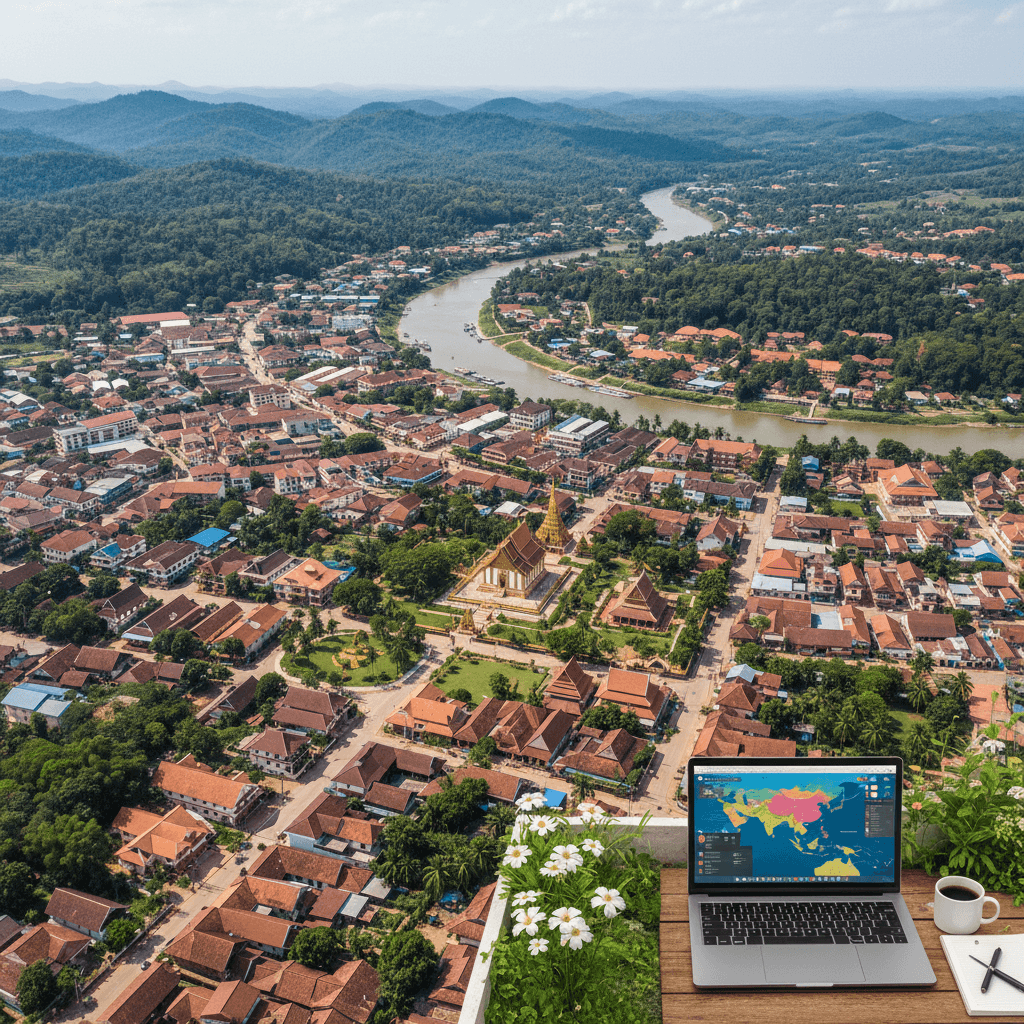
Sayaboury
🇱🇦 Laos