Mérida
🇻🇪 Venezuela
The Andean Soul of Venezuela
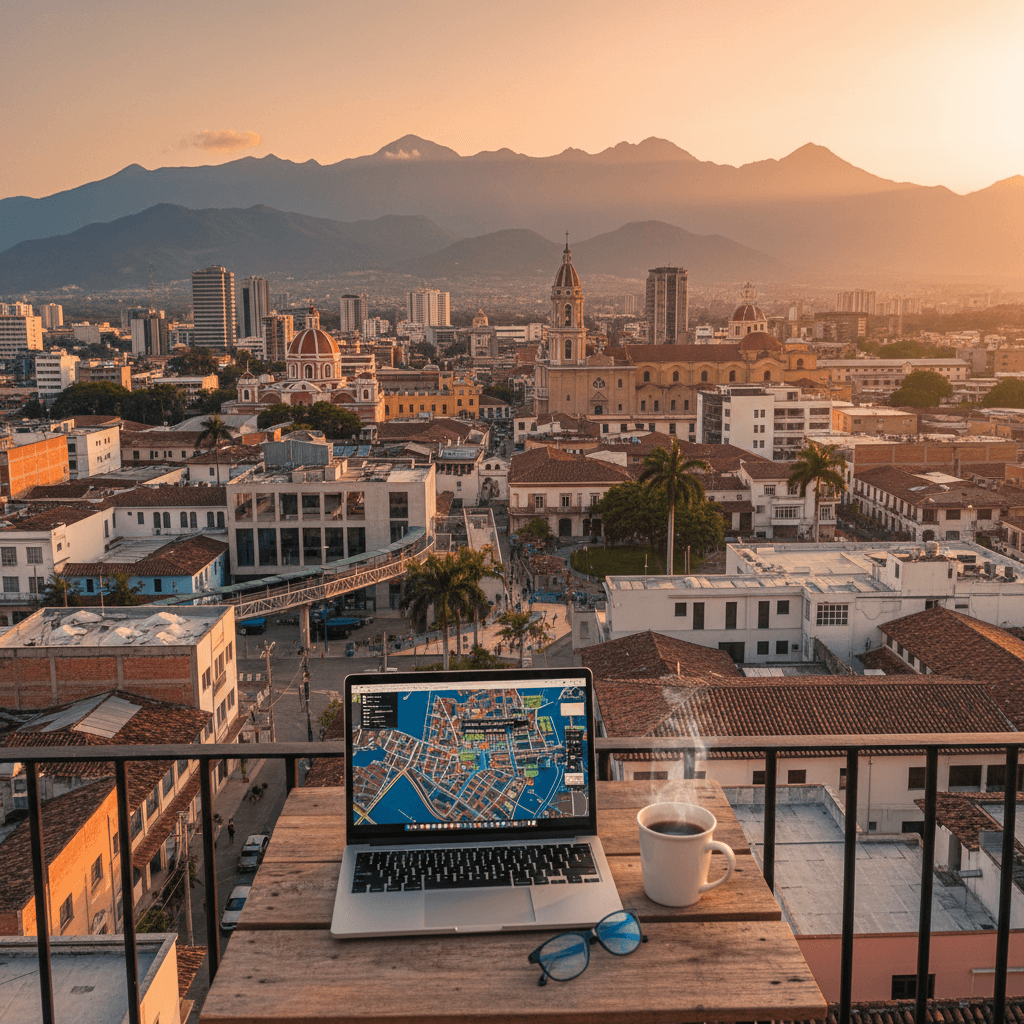
Mérida feels like a secret world tucked away from the sweltering coastal heat of the Caribbean. Perched in a narrow valley between the Sierra Nevada and Sierra La Culata, this is a city of sharp peaks, colonial plazas, and a springlike climate that stays cool year round. While much of Venezuela feels high stakes, Mérida maintains a reputation as the city of gentlemen; a place where the pace slows down and the mountain air makes everything feel a bit more manageable.
The energy here is a mix of old world charm and youthful rebellion. As home to the Universidad de los Andes (ULA), the streets are constantly filled with students, artists, and academics. This keeps the city's spirit alive despite the country's broader economic hurdles. You'll find a rumba scene that rivals any major city, with salsa clubs like La Cucaracha and La Cucaracha Cafe drawing crowds who take their dancing seriously. Just remember to dress the part, as these spots often have a more polished dress code than your typical mountain town dive bar.
The Nomad Experience
Living here isn't about luxury or seamless digital infrastructure; it's about the adventure of the grit. Travelers often say the hospitality is what keeps them around. Locals are remarkably warm and usually eager to help you find your way. You can walk the center at night with a level of comfort you won't find in Caracas, though you should still keep your wits about you. The real draw for most is the backyard. You have access to the world's highest cable car, the Teleférico de Mérida, which hauls you up toward Pico Bolívar for views that will leave you breathless, literally, given the altitude.
For those who need to get work done, the city center near Plaza Bolívar is the place to be. It's walkable and packed with cafes where the university crowd hangs out. However, the infrastructure is a known challenge. Power outages happen and the internet can be temperamental. Most nomads find that having a backup plan, like a local SIM card or staying in a lodge with Starlink, is the only way to stay productive. It’s a trade off: you get stunning Andean vistas and a low cost of living, but you pay for it with patchy connectivity and the need to carry stacks of USD cash for your daily expenses.
Neighborhoods & Living Costs
Where you stay changes your entire experience of the city. Most visitors gravitate toward two main areas:
- City Center: This is the heartbeat of Mérida. It’s colonial, loud, and incredibly walkable. You’re steps away from the best arepa stands and the university energy. It’s perfect if you want to be in the middle of the action, though it can get noisy and the risk of petty crime is slightly higher here.
- El Valle: If you prefer peace and mountain mist, head further out. This area is a favorite for expats and German artisans. It’s much quieter and offers direct access to hiking trails and trout fishing spots. The downside is you'll be more isolated and will need to rely on taxis or local buses to get into town.
Budgeting for Mérida requires some flexibility because prices aren't always fixed. A comfortable remote work lifestyle usually lands between $1,200 and $1,500 per month. If you’re living like a local, eating street food and staying in basic posadas, you can survive on under $1,000. More established nomads who want better lodging and frequent mountain excursions should plan for $1,800 or more. Always bring small, crisp USD bills; the local banking system is unreliable for foreign cards, and change is often hard to find.
Climate & Best Times to Visit
The weather is one of Mérida’s greatest assets. It’s a perpetual spring, though you’ll want a light sweater for the evenings. The dry season runs from December to April, which is the prime time for hiking and taking the Teleférico. The rainy season kicks in from May to November, with August and September being the wettest months. If you’re coming for the views, stick to the early months of the year to avoid the clouds that often swallow the peaks during the autumn.
The Andean Price Tag
Living in Mérida feels like a bargain compared to the coastal heat of Caracas or the tourist prices of Margarita Island. While Venezuela's national average for a comfortable nomad lifestyle sits around $1,850 a month, you can live quite well here for significantly less. The city's university roots keep local prices grounded, though the economy is heavily reliant on US dollars.
Most nomads find they can manage on three distinct tiers. If you're sticking to hostels and street arepas, you can get by on under $1,000. A mid range lifestyle with a basic apartment and regular meals out usually lands between $1,200 and $1,500. For those wanting the best views in El Valle and frequent mountain excursions, budget $1,800 or more.
Monthly Budget Breakdown
- Housing: A simple one bedroom in the city center goes for $300 to $500. If you're looking for a scenic villa in El Valle, expect to pay $700 to $900.
- Food and Groceries: A local lunch of mountain trout or a hearty pabellón costs about $8 to $12. Monthly groceries for one person usually run around $300 if you shop at the Mercado Principal.
- Utilities and Connectivity: Basic services are cheap, but you'll pay a premium for stability. Budget $100 for a mix of local SIM data and any available high speed backups.
- Entertainment: A night out at La Cucaracha or a trip on the Teleférico is affordable. Set aside $200 for weekend rumbas and mountain guides.
Cash is King
Forget your credit cards for daily transactions. The local economy runs on greenbacks, and you'll need a steady supply of small, crisp US bills. Cards are notoriously unreliable here, and digital payment systems often falter when the internet dips. Expats recommend carrying plenty of $1, $5, and $10 notes, as change is often hard to find in smaller shops.
Tipping isn't mandatory but it is deeply appreciated given the local economic climate. A small bit of extra cash goes a long way with waitstaff or the guides who lead you through the Sierra Nevada. It's a gesture that builds goodwill in a city known for its "gentlemanly" hospitality.
Neighborhood Cost Profiles
El Valle
- Vibe: Peaceful, rural, and favored by German artisans and expats.
- Rent: $600 to $900 for larger, scenic properties.
- Lifestyle: Higher costs due to transportation needs and premium lodging.
City Center (Near Plaza Bolívar)
- Vibe: High energy, walkable, and steps away from the Universidad de los Andes.
- Rent: $300 to $550 for apartments or colonial style rooms.
- Lifestyle: Most affordable for solo travelers who want to save on transport.
The Infrastructure Trade-off
While your dollars stretch far, you're paying for the low cost of living with your patience. Internet is often patchy, and you might find yourself hopping between cafes in the university district to find a stable signal. Many nomads treat the savings as a "buffer fund" to pay for better mobile data plans or more expensive stays that offer Starlink or reliable generators. It's a trade-off that works if you're an adventurer, but it requires a flexible mindset and a thick stack of cash.
For Nomads and Solo Travelers: The City Center
If you want to be in the thick of Mérida's energy, the blocks surrounding Plaza Bolívar and the Universidad de los Andes (ULA) are your best bet. This is a classic college town setup where you can walk to colonial era cafes, cheap arepera stands, and the city's famous nightlife. It's the most walkable part of the city, which is a major plus since car rentals are almost non-existent and public transport is a bit of a puzzle for newcomers.
Most nomads gravitate here because it's the easiest place to find a reliable connection. While there aren't formal coworking spaces with ergonomic chairs, the coffee shops near the university are filled with students and remote workers. You'll find a lively "rumba" scene on the weekends; spots like La Cucaracha and La Cucaracha Cafe are local staples where you can learn salsa from people who have been doing it since they could walk. Just keep your wits about you after dark; while Mérida is safer than Caracas, petty theft happens in crowded areas.
- Vibe: High energy, artsy, and historic.
- Estimated Rent: $400 to $700 for a basic apartment or guest house.
- Best for: Socializing, nightlife, and those without a car.
For Expats and Long Termers: El Valle
Located just outside the main city sprawl, El Valle is where you'll find the peace and crisp mountain air that makes the Andes so addictive. It's a favorite for expats who want more space and a closer connection to nature. The neighborhood has a unique character, home to local farmers and a small community of German artisans who have settled in the valley over the years.
The climate here is noticeably cooler than the center, so you'll definitely need a sweater once the sun goes down. It's the ideal base if you're into trout fishing or hiking toward the Sierra Nevada peaks. The downside is the isolation. You'll likely need to build a relationship with a reliable taxi driver or learn the local bus routes to get into town for supplies. Internet can also be more temperamental here, so many long termers look for lodges or homes that have installed Starlink.
- Vibe: Rural, quiet, and scenic.
- Estimated Rent: $600 to $900 for a larger house or scenic villa.
- Best for: Nature lovers, writers, and those seeking a quiet retreat.
For Adventurers: Near the Teleférico
While not a strictly defined neighborhood, the area around the Barinitas station (the base of the world's longest cable car) is a strategic spot for those who are in Mérida specifically for the mountains. Staying here puts you at the gateway to Pico Bolívar. You'll find plenty of "posadas" (guesthouses) that cater to hikers and climbers. It's a bit more tourist centric than the university district, but it serves as a great middle ground between the city's amenities and the trailheads.
Travelers often choose this area because it feels secure and provides easy access to mountain guides. You're still close enough to the center to enjoy the food scene, but you're far enough away to avoid the loudest of the student bars. Plan for a budget of around $1,200 to $1,500 a month if you're eating out frequently and booking guided treks into the páramos.
- Vibe: Outdoorsy and transit oriented.
- Food Costs: $10 to $20 per day for local trout dishes and street food.
- Best for: Mountaineers and short term explorers.
A Note on Families
Mérida is a fantastic place to visit with kids because of the parks and the cable car, but living here long term as a family presents challenges. The infrastructure can be patchy, and navigating the healthcare system requires a bit of local knowledge and plenty of cash on hand. If you do bring the family, El Valle is the most suitable choice due to the safety and outdoor space, but most expats recommend Mérida for solo adventurers or couples rather than those with young children.
The Connectivity Reality
Working from Mérida requires a bit of a pioneer spirit. While the city is the intellectual heart of the Venezuelan Andes, the internet infrastructure hasn't quite caught up to its academic reputation. You'll find that most hotels and posadas in the city center provide WiFi that works for emails and basic browsing, but it's notoriously patchy. If your job involves heavy video calls or uploading massive files, you're going to need a backup plan.
Mobile data is generally slow across the board. Local providers like Movistar and Digitel offer SIM cards, but the signal strength fluctuates wildly once you leave the main urban core. If you're heading into the páramos or staying in more remote spots like Los Nevados, don't expect to get much done. Travelers often suggest downloading offline maps and finishing your heavy lifting before heading into the mountains. Interestingly, some high end lodges have started installing Starlink, which is a total game changer for the region, though it's still far from the norm.
Coworking and Work Cafes
You won't find the sleek, glass walled coworking hubs typical of Medellín or Mexico City here. Mérida doesn't have established, branded coworking spaces with monthly memberships and ergonomic chairs. Instead, the remote work scene happens in the dozens of internet cafes scattered around the city or in the vibrant cafe culture near the Universidad de los Andes (ULA).
The university area is your best bet for a work friendly environment. These spots are usually filled with students and professors, so nobody will give you a hard time for staying a few hours with a laptop. Just keep in mind that power outages can happen, so always keep your devices charged and consider carrying a portable power bank. If you're staying long term, you can look into getting home cable or DSL installed, but the setup process is often more headache than it's worth for a short stay.
Practical Tips for Staying Online
- Get a local SIM immediately: Pick up a SIM card as soon as you arrive in the city center. While it won't replace a fiber connection, it's a necessary safety net for when the house WiFi inevitably dips.
- Cash is king: Internet cafes and small coffee shops rarely have working card readers. Keep small USD bills on you to pay for your coffee or your hourly computer rental.
- Time your deep work: Most nomads find that the internet is most stable in the early morning hours before the rest of the city wakes up and clogs the bandwidth.
- Identify "Starlink Spots": Before booking a posada in areas like El Valle, ask specifically if they have satellite internet. It's the only way to guarantee a stable connection for Zoom or Teams calls.
Digital Nomad Perspective
Most travelers who make it to Mérida aren't there for the lightning fast fiber; they're there for the mountain air and the $1,200 to $1,500 monthly cost of living. It's a place where you work to live, not the other way around. If you can handle the occasional outage and the need to hunt for a signal, the reward is a workspace with a view of the Sierra Nevada peaks. Just don't expect to lead a 50 person webinar without a lot of pre planning and a very reliable backup battery.
Safety in the City of Gentlemen
Mérida often feels like a different country compared to the frantic energy of Caracas. Known as the "city of gentlemen," it maintains a reputation for being one of the safest urban centers in Venezuela. You'll find that evening walks around the university districts or the colonial center are common, and the local vibe is generally welcoming and protective of visitors. While the "rumba" nightlife stays lively into the early hours, sticking to well lit areas and reputable spots like La Cucaracha is the standard move for staying out of trouble.
That said, don't let the relaxed Andean atmosphere make you complacent. Petty crime exists, particularly in crowded transit hubs or busy plazas where a wandering phone might disappear. Most expats and long term travelers suggest keeping a low profile and avoiding flashy displays of wealth. If you are heading out of the city for a hike in the Sierra Nevada or visiting the páramos, always hire a local guide. Not only do they know the terrain, but they ensure you don't accidentally wander into isolated areas where security can be less predictable.
Road safety is a bigger practical concern than street crime. If you're exploring the rural outskirts or heading toward the Colombian border, avoid driving at night. The mountain roads are steep, narrow, and often lack proper lighting or signage. Stick to reputable taxi drivers recommended by your posada, and keep small USD bills on hand for fares, as digital payments and credit cards are frequently unreliable due to connectivity issues.
Healthcare and Wellness
The healthcare situation in Mérida requires some forward planning. While the city is home to the Universidad de los Andes medical faculty, the national economic situation has impacted local hospitals. Public facilities often face shortages of basic supplies. If you need medical attention, seek out private clinics, which generally offer a higher standard of care for those paying in cash. Most nomads find it best to carry a robust first aid kit and a 90 day supply of any specific prescription medications, as pharmacies may not always have your exact brand in stock.
Altitude sickness is the most common health hurdle for newcomers. At over 5,000 feet, and much higher if you take the Teleférico up to Pico Bolívar, you'll likely feel the thin air. Take your first 48 hours slow, stay hydrated, and avoid heavy alcohol consumption until you've adjusted. It is also wise to be picky about what you drink. Stick to bottled or boiled water, even when brushing your teeth, and look for busy restaurants with high turnover for your trout and arepa fix.
Emergency Essentials
- Travel Insurance: Ensure your policy specifically covers Venezuela and includes emergency medical evacuation. Many standard policies exclude the country entirely.
- Connectivity: Download offline maps of the city and the surrounding Sierra La Culata. Mobile data is slow and can drop out entirely in the mountains.
- Documentation: Register your presence with your home embassy. In a city where infrastructure can be patchy, having that paper trail is a smart safety net.
- Cash is King: Carry a mix of small USD denominations ($1, $5, and $10). In an emergency, cash solves problems faster than any app or card ever will here.
Overall, Mérida is a place where common sense goes a long way. By staying aware of your surroundings and respecting the local environment, you'll find the city's "gentlemanly" reputation holds true, making it a surprisingly comfortable base for those willing to trade some modern conveniences for incredible mountain views.
Navigating the Andean Valley
Mérida is a city defined by its geography. Tucked into a narrow valley at 1,600 meters, the layout is linear and relatively intuitive. While the city center is famously walkable, getting to the surrounding mountain villages or navigating the steep inclines of the suburbs requires a bit more strategy. Most nomads find that while the infrastructure feels a bit dated, the sheer density of the university district makes daily life easy to manage on foot.
Walking the Center
If you are staying near Plaza Bolívar or the Universidad de los Andes (ULA), your own two feet are your best asset. The colonial grid is compact, and the cool, springlike air means you won't break a sweat moving between cafes and libraries. However, those sidewalks are narrow and often uneven. Keep your wits about you during the evening; while Mérida is safer than the capital, petty theft can happen in the crowded university corridors.
Taxis and Private Transport
Taxis are the standard for getting home after a night at La Cucaracha or moving between neighborhoods like El Valle and the center. You won't find Uber or typical ride-hailing apps here. Instead, you'll rely on local radio taxi services or flagging down cars with official markings.
- Cash is king: You must carry small USD bills. Drivers rarely have change, and international credit cards are almost never accepted.
- Negotiate first: Always agree on the fare before the wheels move. There are no meters, and prices can fluctuate based on the time of day or the driver's mood.
- Night safety: Expats recommend avoiding hailing random cars off the street after dark. Stick to taxis called by your hotel or the restaurant where you're dining.
Buses and "Busetas"
For a few cents, you can hop on the local short-distance buses, known locally as busetas. These are the lifeblood of the city's workforce and students. They are crowded, loud, and run on informal schedules, but they are incredibly efficient for reaching specific spots like the Mercado Principal.
If you are heading out of the city for a day trip, these buses are your gateway to the outdoors. You can catch rides to Tabay or the Mucuy park entrance for hiking. Just be prepared for a bumpy ride; the mountain roads are challenging and often in need of repair. Travelers often suggest avoiding these routes after sunset when visibility drops and the roads become trickier.
The Teleférico de Mérida
You can't talk about getting around Mérida without mentioning the Mukumbarí. It is the highest and longest cable car in the world, stretching from the city up to Pico Espejo at nearly 4,800 meters. While it functions more as a tourist attraction than daily transit, it is the only way to access the high alpine reaches of the Sierra Nevada without a multi day trek. Always check the operational status before you head out, as maintenance breaks can last weeks.
Driving and Rentals
Most long term travelers advise against renting a car. The combination of steep Andean grades, unpredictable fuel availability, and the lack of familiar rental agencies makes it more of a headache than a convenience. If you need to reach distant spots like Los Nevados or the thermal waters, it's significantly better to hire a local driver with a 4x4 who knows how to handle the hairpin turns and mountain passes.
Getting to Mérida
Arrival usually happens via Alberto Carnevalli Airport (MRD), which is located right in the city, though flights are often restricted due to the difficult mountain approach. Many travelers opt to fly into El Vigía (VIG), which is about 1.5 to 2 hours away. From El Vigía, you'll need to arrange a reputable taxi transfer. Expect to pay around $40 to $60 for this private trip up into the mountains, depending on your negotiation skills and the current fuel situation.
The Andean Accent
In Mérida, Spanish isn't just the primary language; it's the only one you'll hear in daily life. Known as the "city of gentlemen," the local speech reflects a polite, formal tone that's distinct from the fast, Caribbean Spanish found in Caracas or Maracaibo. Locals often use "usted" even among friends, a quirk of the Andean highlands that adds to the city's old-world charm. While the heavy student population at Universidad de los Andes (ULA) means you might find English speakers in artsy cafes or university departments, don't count on it for your grocery runs or taxi rides.
Nomads who've spent time here suggest brushing up on your Spanish before arrival. You won't need to be fluent, but being able to navigate a menu or negotiate a price is vital. The local accent is generally clearer and slower than coastal Venezuelan dialects, making it a fantastic place for intermediate learners to practice without feeling overwhelmed by slang.
Communication Tools and Tech
Since English proficiency is low, your smartphone will be your best friend. Most travelers rely heavily on translation apps. It's a smart move to download the Spanish offline dictionary on Google Translate or DeepL, as data connections can drop the moment you leave the city center or head into the mountains. If you're staying in El Valle, expect even more limited connectivity where a smile and a few hand gestures go a long way with the local farmers.
For staying in touch, WhatsApp is the undisputed king. Whether you're booking a trout fishing excursion or checking if a table is available at a restaurant in the city center, everyone uses it. Most local businesses don't have updated websites, so sending a quick message on WhatsApp is the most reliable way to get a response.
Staying Connected
Getting a local SIM card should be one of your first stops, though the process can be a bit bureaucratic for foreigners. You'll likely need your passport and a bit of patience. Local providers like Movistar and Digitel are the standard choices. While coverage is decent within the city limits, it becomes spotty once you start climbing toward the Sierra Nevada or exploring the páramos.
- Data Reliability: Expect slow speeds. It's fine for messaging and basic browsing, but don't plan on tethering for a high-stakes video call.
- WiFi Culture: Most posadas and hotels offer WiFi, but it's often "patchy." If you're a heavy data user, look for rentals that specifically mention Starlink, which is becoming the go-to solution for remote workers in the region.
- Internet Cafes: These still exist around the Plaza Bolívar area and serve as a solid backup if your home connection fails during a power flicker.
Cultural Nuances in Conversation
Communication here is deeply tied to hospitality. When entering a shop or a cafe, a "Buenos días" or "Buenas tardes" isn't just a politeness; it's expected. Skipping the greeting can make you seem brusque. If you're invited for coffee or a meal, locals often talk around a subject before getting to the point. It's a relaxed, social pace that matches the mountain air.
When discussing the country's national situation, it's best to listen more than you speak. Residents are generally open and warm, but political conversations can be sensitive. Most nomads find that sticking to topics like the stunning scenery, the best spots for mountain trout, or the latest "rumba" at La Cucaracha is the quickest way to make local friends.
Key Logistics for Nomads
- Offline Maps: Download the Mérida region on Google Maps or Maps.me. Street signs in the colonial center can be confusing, and digital maps are a lifesaver when data fails.
- Emergency Phrases: Memorize how to ask for a pharmacy (farmacia) or a doctor (médico). While the city is safe, knowing these basics provides peace of mind.
- Cash Talk: When dealing with money, clarify if prices are in USD or Bolívares. Most high-end spots and tourist services quote in dollars, but smaller vendors might use the local currency.
The Eternal Spring of the Andes
Mérida is a breath of fresh air compared to the sweltering heat found on the Venezuelan coast. Because it sits in a high altitude valley, the city enjoys a temperate, springlike climate every day of the year. You can expect warm, sun-drenched afternoons that transition into crisp evenings where a light sweater or jacket becomes your best friend.
The temperature doesn't fluctuate much between seasons, but the rainfall certainly does. Most travelers find the weather predictable enough to plan outdoor adventures like hiking the Sierra Nevada or riding the Teleférico without much stress, provided they pack the right layers.
Dry Season: December to April
This is widely considered the prime window to visit. The skies are generally clear, offering the best visibility for those legendary mountain views. If you're planning to summit Pico Bolívar or explore the high altitude páramos, these are the months to do it. The air is dry, and the sunshine is intense at this elevation, so high SPF sunscreen is a non negotiable item for your pack.
- December: A festive time with clear skies and a lively university crowd celebrating before the holidays.
- January and February: The coolest months. Nighttime temperatures can drop significantly, especially if you're staying in higher elevation areas like El Valle.
- March and April: The tail end of the dry season. Expect plenty of sun but keep an eye out for the first afternoon showers of the year.
Rainy Season: May to November
While the "wet season" might sound intimidating, it rarely means constant rain. Usually, you'll have bright mornings followed by heavy, short lived downpours in the late afternoon. The landscape turns a brilliant, deep green during this time, which makes for incredible photography in the surrounding valleys.
The wettest months are typically August and September. During this peak, mountain trails can get muddy and slippery, and cloud cover might obscure the views from the cable car. If your heart is set on high altitude trekking, these months might be frustrating. However, the waterfalls are at their most powerful, and the city takes on a cozy, moody atmosphere that suits the artsy cafe culture near the Universidad de los Andes.
When to Go: The Nomad Perspective
If you're balancing work and exploration, aim for the shoulder months of November or May. You'll avoid the heaviest rains and the peak holiday crowds. Many nomads prefer the dry season because power outages and internet flickers can sometimes be exacerbated by heavy storms during the winter months.
Keep in mind that Mérida is a major domestic tourism hub. During Semana Santa (Holy Week) and the Feria del Sol in February, the city fills up quickly. Prices for short term rentals can spike, and the usually relaxed "city of gentlemen" becomes a loud, crowded party zone. If you want a quiet environment to focus on deep work, avoid these specific festival weeks.
Packing Essentials
The key to staying comfortable in Mérida is versatility. Since you'll likely be walking the steep streets of the city center or heading into the mountains, your wardrobe needs to handle a 15 degree temperature swing in a single day.
- Light layers: Breathable t-shirts for the midday sun and a fleece or light down jacket for the evenings.
- Rain gear: A high quality waterproof shell is a must if you're visiting between May and November.
- Sturdy footwear: Even within the city, the terrain is uneven. If you're heading to Los Nevados, bring broken in hiking boots.
- Sun protection: The Andean sun is much stronger than it feels. A hat and sunglasses are mandatory for long days outside.
Connectivity and the Nomad Reality
Working from the Andes requires a bit of a survivalist mindset. You won't find sleek, glass-walled coworking spaces here; instead, nomads tend to set up shop in the cafes surrounding the Universidad de los Andes (ULA). The city center is your best bet for a stable signal, though "stable" is a relative term in Venezuela. Most hotels and posadas provide WiFi that works for emails and basic browsing, but video calls can be a gamble.
For a backup, look for local internet cafes in the university district. If you're heading into the more remote páramos or staying in mountain lodges, don't expect much. Some higher-end lodges have started installing Starlink, but you should always download your maps and documents for offline use. Pick up a local SIM card as soon as you arrive, but keep your expectations low for mobile data speeds.
Money and the Cash Economy
Forget your credit cards. Mérida runs on a cash-based economy, specifically U.S. dollars. You'll need a steady supply of crisp, small bills because getting change for a twenty can be a headache. While national averages for a comfortable nomad lifestyle hover around $1,850 per month, Mérida is significantly cheaper than Caracas. If you're staying in a hostel and eating street arepas, you can get by on under $1,000. A mid-range budget of $1,200 to $1,500 gets you a decent apartment and regular meals out.
Safety and Local Health
Mérida is widely considered one of the safest cities in the country. It has a relaxed, academic atmosphere where evening walks near Plaza Bolívar are common. That said, petty crime exists, so keep your phone tucked away. Avoid driving on rural mountain roads after dark, as lighting is poor and help is far away. For any high-altitude treks or trips to Los Nevados, always hire a local guide.
On the health front, stick to bottled or boiled water. The altitude can be a literal headache, so give yourself a couple of days to adjust before attempting any strenuous hikes. Pack a full supply of any specific medications you need, as local pharmacies may have limited stock of niche brands.
Getting Around the Valley
The city is narrow and walkable, but the steep hills will test your lungs. For longer distances, short buses run frequently to nearby spots like Tabay and Mucuy. Taxis are everywhere and relatively cheap, but you must negotiate the fare before you get in. There are no reliable ride-hailing apps here, so it's a good idea to keep the number of a trusted driver once you find one. The Teleférico de Mérida is the crown jewel of local transport; check its operational status locally, as maintenance schedules can change without much notice.
Climate and Packing
Mérida is famous for its "eternal spring." Expect warm, pleasant days and crisp nights that require a light sweater or jacket. The rainy season runs from May to November, with the heaviest downpours usually hitting in August and September. The best time to visit is the dry window between December and April. Because the sun is incredibly strong at this altitude even when it's cool, high-SPF sunscreen is a non-negotiable addition to your bag.
Social Life and Language
The vibe here is artsy and energetic thanks to the massive student population. If you want to meet people, head to La Cucaracha or La Cucaracha Cafe for a "rumba." These spots are local institutions where the dancing is serious, so dress up a bit if you want to fit in. English isn't widely spoken outside of university circles, so having a few Spanish phrases ready will go a long way. Locals are famously hospitable and usually happy to help you practice your verbs over a plate of mountain trout.
- Best for Work: Cafes near ULA in the City Center.
- Best for Peace: El Valle or the northern outskirts.
- Must-Try Dish: Andean trout and local smoked cheeses.
- Essential App: An offline Spanish translator.
Need visa and immigration info for Venezuela?
🇻🇪 View Venezuela Country GuideOff the Radar
Pioneer territory