Montevideo
🇺🇾 Uruguay
The Low Stakes Capital
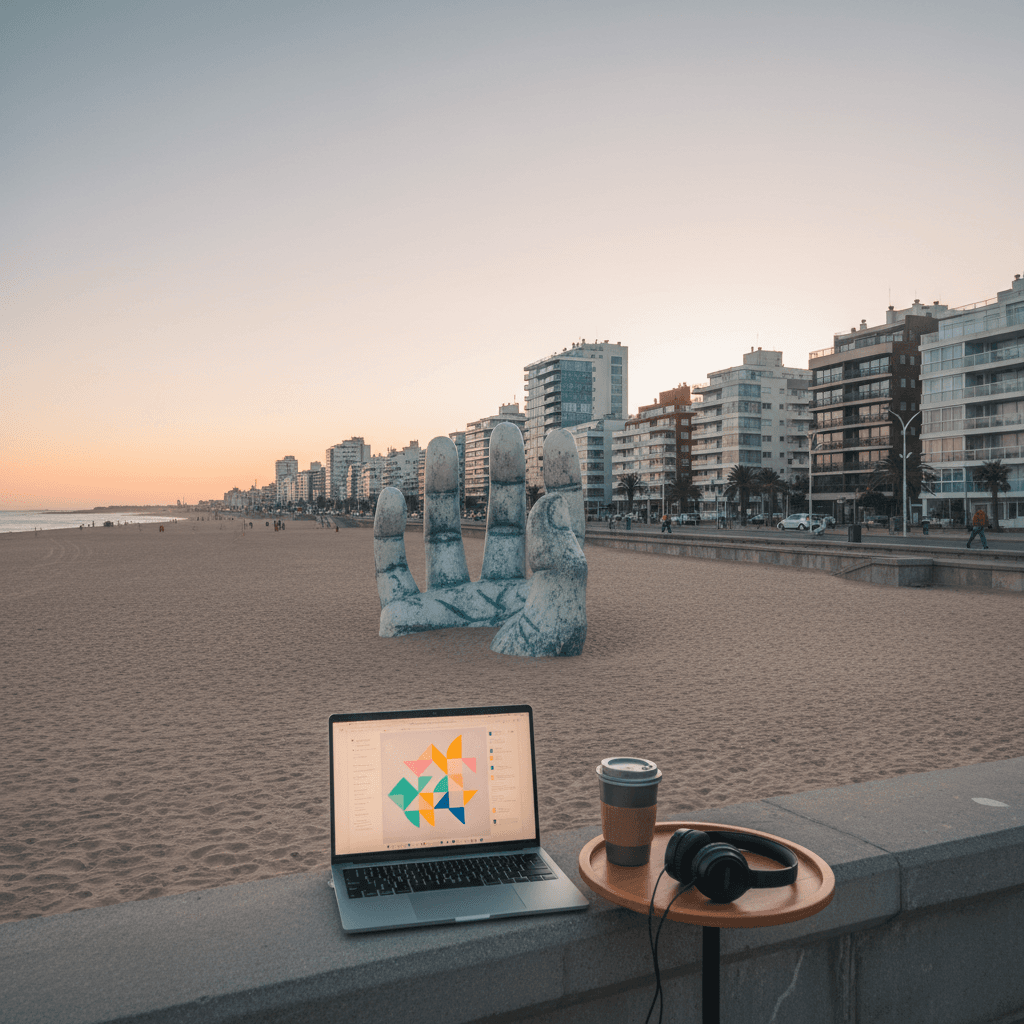
Montevideo is the South American city for people who are tired of the hustle. While Buenos Aires across the water is all about drama and late nights, Montevideo feels like a deep, collective exhale. It is a place where the most important daily appointment is watching the sunset on the 14 mile stretch of La Rambla with a mate gourd in hand. Most nomads find that the city doesn't try too hard to impress you; it just works. It is stable, walkable, and surprisingly high tech, boasting some of the fastest fiber optic internet on the continent.
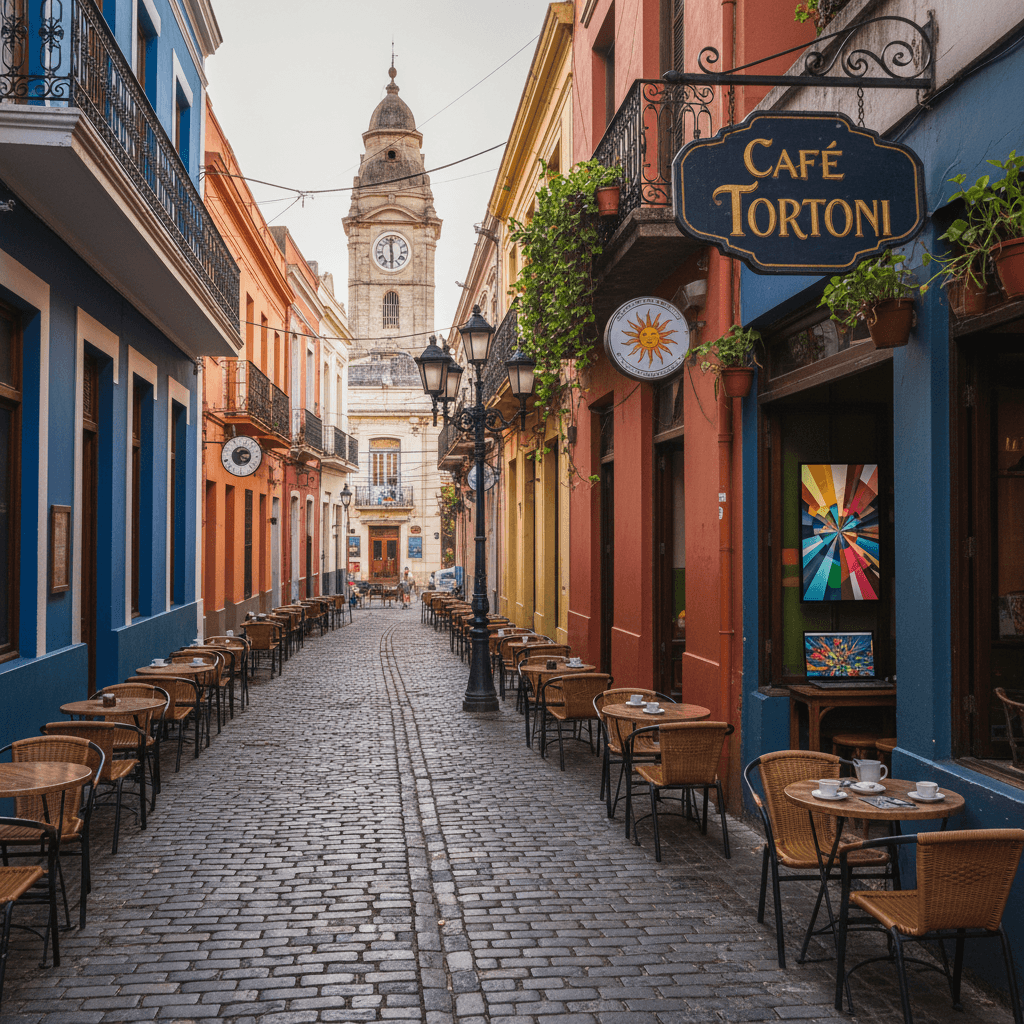
The aesthetic is a charmingly weathered blend of European elegance and coastal grit. You will walk down wide cobblestone streets lined with Art Deco buildings that have seen better days, only to turn a corner and find a sleek, modern coworking space like Sinergia Design. There is a tangible sense of social equality here that you won't find in many other Latin American capitals. Expats often remark on the middle class accessibility of the city, from the free public WiFi in parks to the government's commitment to providing laptops for every student.
Life at a Human Pace
The vibe is decidedly mellow. If you are looking for a 24/7 party scene, you might find Montevideo a bit too quiet. Nightlife exists, but it is more about craft beers at Montevideo Music Box or long, lingering dinners at a parrillada in Mercado del Puerto. The city rewards those who appreciate the smaller details: the smell of woodsmoke from barbecue pits, the sound of Candombe drums echoing through the streets on a Sunday, and the ease of getting around without a car.
Safety and stability are the big draws for long term stays. Uruguay is a political outlier in the region, offering a level of predictability that makes it easy to settle in. You can comfortably walk through neighborhoods like Pocitos or Punta Carretas at night, and the public bus system is reliable enough that you will rarely need an Uber, even though they are cheap and plentiful. It is a city that feels safe enough for families but cool enough for solo creatives.
The Reality Check
Living here comes with a few trade offs. It is not the "dirt cheap" South American experience some travelers expect. You should budget between $1,500 and $2,000 a month for a basic solo lifestyle, and closer to $3,000 if you want a modern apartment in the best parts of town. Prices for imported goods and dining out can feel closer to European levels than neighboring Argentina or Brazil.
The weather also plays a role in the mood. While summers are glorious beach days, the winters from June to August can be grey, damp, and windy. However, for the nomad who values a high quality of life, seamless video calls, and a culture that prioritizes leisure over labor, Montevideo is a top tier choice for 2025 and 2026. It is a city that invites you to slow down, plug in, and actually enjoy your surroundings rather than just rushing through them.
Quick Stats
- Monthly Budget: Expect to spend $2,000 to $3,000 for a comfortable mid range lifestyle.
- Connectivity: Antel fiber optic provides speeds of 200+ Mbps, making it one of the best remote work hubs in the Southern Hemisphere.
- Best Neighborhoods: Pocitos for beach access and cafes; Ciudad Vieja for history and culture; Punta Carretas for upscale shopping and parks.
- Transport: Highly walkable with $1 bus rides and $5 to $10 Uber trips across town.
- The Draw: A rare mix of Latin American warmth and Scandinavian style social stability.
The Price of Stability
Montevideo isn't the cheapest capital in South America, but it offers a level of predictability and safety that's hard to find elsewhere on the continent. Most nomads find that while they pay a premium compared to places like Medellin or Buenos Aires, the return on investment comes in the form of reliable infrastructure and a high standard of living. For the 2025 to 2026 season, you should plan your budget around three main tiers.
- Budget Nomad: $1,500 to $2,000 per month. This covers a modest studio in a central area, eating mostly at home, and using the excellent bus system.
- Mid-Range: $2,000 to $3,000 per month. This is the sweet spot for most, allowing for a nice apartment in Pocitos, frequent cafe visits, and a dedicated coworking desk.
- Comfortable Living: $3,000+ per month. At this level, you're looking at premium high rise living in Punta Carretas, regular steak dinners, and weekend trips to Punta del Este.
Housing and Neighborhood Costs
Rent will be your biggest line item. Prices vary significantly depending on how close you are to the water. Short term rentals on platforms like Airbnb often carry a markup, so expats recommend looking for local monthly arrangements if you plan to stay longer than 90 days.
Pocitos and Punta Carretas
- Studio or 1BR Rent: $1,200 to $1,800 USD (based on ~25k-40k UYU exchange rate)
- Vibe: Modern, safe, and right next to the Rambla.
- Best for: Digital nomads who want to walk to the beach and high end gyms.
Ciudad Vieja
- Studio or 1BR Rent: $700 to $1,000
- Vibe: Historic, artistic, and a bit gritty.
- Best for: Creative types who love architecture and don't mind a quieter scene after dark.
Dining and Groceries
Eating out is a highlight here, especially if you're a fan of high quality beef. A meal at a local parrillada in Mercado del Puerto will set you back about $10 to $15 for something casual. If you're heading to a mid range spot in the city, expect to pay between $20 and $30 per person. Upscale dining in the trendy areas easily clears $50.
Groceries are comparable to mid sized European cities. While local produce is affordable, imported goods carry heavy taxes. You'll find that your supermarket bill stays manageable if you stick to seasonal items and local brands.
Workspace and Connectivity
The city is a dream for remote work because the internet is blazingly fast. Most apartments come with Antel fiber optic connections reaching 200 Mbps or more. If you prefer a community vibe, coworking spaces like Sinergia Design offer monthly memberships for $150 to $300. Daily passes usually hover around $20.
Coffee shop culture is strong, and nomads often frequent The Lab Coffee Roasters or Culto Café. A high quality latte costs about $4 to $5. You can also work for free at the National Library, which provides high speed access in a beautiful setting.
Transportation and Extras
Getting around is surprisingly cheap. The public bus system is ubiquitous and costs roughly $1 per ride. For more comfort, Uber is the go to app for nomads; a typical cross town trip costs between $5 and $10. If you're arriving from the airport, an Uber to the city center is usually around $20, while the bus is a bargain at $5.
Don't forget to budget for a local SIM card. A prepaid plan from Antel with a generous data package will cost you $10 to $20. While inflation might nudge these prices up slightly through 2026, the relative stability of the Uruguayan Peso makes it easier to plan your finances than in neighboring countries.
The Coastal Comfort: Pocitos and Punta Carretas
If you are a digital nomad or an expat looking for the most seamless transition into Montevideo, these two adjacent neighborhoods are the gold standard. They sit right on the water, offering immediate access to the 14 mile La Rambla promenade. It is the heart of the city's outdoor life, where you will see everyone from fitness junkies to remote workers carrying their mate gourds at sunset.
Pocitos is modern and dense, feeling more like a mini Miami or Barcelona. It is highly walkable and packed with specialty coffee shops like The Lab Coffee Roasters and Culto Café, which are favorites for those who need a reliable workspace outside the house. Punta Carretas, built around a former prison turned high end shopping mall, is slightly more upscale and quieter, making it a top choice for expats who want a polished, residential feel.
- Rent: Expect to pay between $800 and $1,200 USD for a modern one bedroom apartment.
- Atmosphere: Safe, social, and very international. You will find plenty of English speakers and networking events here.
- Best for: Digital nomads who want to be near the beach and expats who prioritize safety and amenities.
The Historic Heart: Ciudad Vieja
Solo travelers and creative souls often gravitate toward the Old City. This is where Montevideo's history is most visible, with cobblestone streets and colonial architecture that feels worlds away from the high rises of Pocitos. During the day, it is a hub of activity centered around the Mercado del Puerto, where you can grab a massive steak at a parrillada for about $15 USD.
Living here means you are steps away from the best cultural spots, like La Farmacia Café, a stunning pharmacy turned coffee shop that is perfect for an afternoon of deep focus. However, solo travelers should be aware that while the area is lively during work hours, it gets very quiet at night. Stick to well lit streets and keep an eye on your belongings, as petty theft can happen in the darker corners after the office workers go home.
- Rent: More affordable than the coast, ranging from $700 to $1,000 USD for a loft or studio.
- Atmosphere: Artsy, historic, and authentic. It has a rough around the edges charm that appeals to those who find the beach suburbs too sanitized.
- Best for: Solo travelers and history buffs who want to be in the thick of the city's architectural soul.
The Family Friendly Choice: Punta Carretas and Parque Rodó
Families moving to Montevideo usually land in Punta Carretas or the edge of Parque Rodó. These areas provide the perfect balance of green space and safety. Parque Rodó itself is a massive urban park with a lake, playgrounds, and weekend markets that keep kids entertained without needing a car. The neighborhood is incredibly walkable, and the National Library is nearby, offering free high speed internet if you need a quiet place to work while the kids are at school.
The local culture is very welcoming to children, and you will often see families out late at Mercado Ferrando, a casual food hall where you can find everything from craft beer to artisan pizza. Safety is a major draw here; parents often mention the peace of mind they feel walking the streets at dusk compared to other Latin American capitals.
- Rent: A comfortable family apartment usually starts around $1,500 USD, but can go much higher for premium views.
- Atmosphere: Relaxed, green, and community oriented.
- Best for: Families and long term expats who want a stable, quiet environment with plenty of parks.
The Creative Hub: Cordón
While not always the first recommendation for short term tourists, Cordón is the rising star for younger nomads and those looking for a local vibe. It is home to Sinergia Design, a massive creative hub and coworking space where a day pass costs about $20 USD. This area is the center of the city's craft beer scene and alternative nightlife. If you want to meet locals and avoid the expat bubble, this is where you should base yourself. It is central, making it easy to hop on a $1 USD bus to any other part of the city.
- Rent: Very competitive, often finding great spots for $750 USD.
- Atmosphere: Gritty, energetic, and trendy.
- Best for: Budget conscious nomads and anyone looking to integrate into the local social scene.
Connectivity and Speed
Montevideo is a heavy hitter when it comes to infrastructure. It currently boasts the fastest internet in Latin America, largely thanks to a massive fiber optic rollout by the state owned provider, Antel. You can expect download speeds of 200 Mbps or higher in most apartments and workspaces, making it one of the few places in the region where you can host high definition video calls without a second thought.
The city's commitment to tech is visible in public spaces too. You'll find free WiFi in many parks, plazas, and even along parts of the beaches. For your mobile data, grab a prepaid SIM card from Antel. It'll cost you between $10 and $20 for a generous data package. Most nomads find the 4G coverage reliable enough to use as a hotspot backup while working from the Rambla.
Top Coworking Spaces
The coworking scene is concentrated in the modern, coastal neighborhoods where most nomads choose to live. You'll generally pay between $150 and $300 for a monthly hot desk, though daily rates are common for those who prefer to bounce around.
- Sinergia Design: Located at Alfredo Mario Ferreiro 1274, this is the city's premier creative hub. It's built into a refurbished industrial space and feels more like a community center than a sterile office. Daily passes are around $20, and it's a great spot to network with local entrepreneurs.
- Sinergia Punta Carretas: A more corporate but equally polished option in one of the city's safest and most upscale districts. It's the go to for those who need a quiet, professional environment for deep work.
- The National Library: If you're on a tight budget or just want a change of pace, the library offers free high speed internet in a beautiful, historic setting. It's a favorite for writers and researchers.
Laptop Friendly Cafes
If you prefer the hum of a coffee shop, Montevideo has a sophisticated cafe culture. While the traditional "confiterias" are great for a quick espresso, a new wave of specialty roasters has embraced the laptop crowd. Most spots expect you to order a fresh coffee every couple of hours, but they won't rush you out.
- The Lab Coffee Roasters: With several locations across the city, they offer some of the best beans in Uruguay and reliable WiFi. The atmosphere is modern and functional.
- Culto Café: A favorite for its consistent connection and excellent brunch menu. It's often filled with people on MacBooks, so you won't feel out of place.
- La Farmacia Café: Located in Ciudad Vieja, this spot is housed in a stunning old pharmacy with original wooden cabinets. It's incredibly photogenic, though it can get busy during the lunch hour.
- Oro del Rhin: For a vintage vibe, head to the branch at 21 de Setiembre 2900. It's a bookstore and cafe hybrid where the pace is slower and the surroundings are inspiring.
Digital Nomad Logistics
Power outlets in Uruguay usually accommodate two pronged European style plugs (Type C) or the three pronged Australian style (Type I). It's smart to carry a universal adapter just in case you run into an older building with mixed sockets. Most modern coworking spaces have upgraded to international friendly power strips.
Most nomads find that the combination of high speed home fiber and a cheap Antel SIM provides enough redundancy to work without stress. If you're staying in Pocitos or Punta Carretas, you're never more than a five minute walk from a stable connection and a decent flat white.
A Safe Haven in South America
Montevideo consistently ranks as one of the safest capitals in South America. Most nomads find the city offers a level of political and social stability that is rare in the region. There is a sense of calm here that you won't find in Buenos Aires or São Paulo, making it an ideal spot for those who want to focus on work without constant alert.
While violent crime is remarkably low, petty theft is the most common concern for travelers. You should stay vigilant in Ciudad Vieja and around the Mercado del Puerto, especially after sunset. These historic areas are beautiful by day but can get quiet and poorly lit at night. Expats generally recommend sticking to well populated streets and keeping your phone out of sight while walking.
For the highest peace of mind, many nomads choose to live in Pocitos or Punta Carretas. These neighborhoods feel like modern European suburbs where it is perfectly normal to see people jogging on the La Rambla or sitting in parks with expensive laptops. If you do run into trouble, the emergency number for police and ambulance services is 911.
World Class Healthcare Access
The healthcare system in Uruguay is a major draw for long term expats and digital nomads. It is high quality, efficient, and surprisingly affordable compared to North American or European standards. The country operates a dual system of public and private providers, and even the public facilities are known for having well trained medical staff.
Most nomads opt for a private health insurance plan or a local "mutualista." A mutualista is a private healthcare cooperative where you pay a monthly fee, usually between $60 and $100 USD, for full coverage at specific private hospitals. This covers everything from routine checkups to specialized surgeries with very small co-pays for prescriptions or office visits.
Pharmacies and Daily Care
Pharmacies are everywhere in Montevideo, and you will quickly recognize chains like Farmacia del Este. They are well stocked with international brands and common medications. Many pharmacists speak a bit of English in the tourist heavy areas, but having a translation app handy for specific medical terms is a smart move.
- Hospital Británico: Located in the Tres Cruces area, this is often the top choice for English speakers due to its high concentration of bilingual staff.
- Prescriptions: Many medications that require a strict prescription in the US or UK are available over the counter here, though it is always best to consult a local doctor first.
- Water Safety: You can drink the tap water in Montevideo. It is safe and treated, though some locals prefer the taste of bottled or filtered water.
Practical Safety Tips for Nomads
Walking is the best way to see the city, but use common sense when exploring less familiar barrios. If a street looks deserted or poorly lit, grab an Uber instead. It is reliable, cheap, and eliminates the need to carry much cash. Most nomads find that as long as they aren't flashy with jewelry or electronics in crowded markets, they feel entirely at ease.
The local culture is laid back and respectful. You will notice a heavy police presence in the main tourist hubs, which helps keep the atmosphere relaxed. For those staying several months on a Digital Nomad Visa, the ease of accessing the healthcare system provides a significant safety net that makes Montevideo feel less like a temporary stop and more like a home.
The Daily Commute
Montevideo is a dream for those who prefer to explore on foot. If you are staying in Pocitos or Ciudad Vieja, you will rarely need a vehicle for your daily routine. The city is remarkably flat, and the crown jewel of its infrastructure is La Rambla, a 14-mile promenade that hugs the coast. It is the primary artery for locals and nomads alike, whether you are walking to a cafe or clearing your head after a long Zoom call. For faster trips, the city has been expanding its bike lanes, making cycling a legitimate alternative to sitting in traffic.
When you need to cover more ground, the public bus system is the backbone of the city. It is extensive, reliable, and costs roughly $1.50 to $2 USD (~60 UYU). While the network can seem like a maze at first, most nomads use apps like Moovit or Como Ir to figure out which line to hop on. These buses run frequently and can get you almost anywhere in the metropolitan area, though they can get crowded during the late afternoon rush.
Ride-Hailing and Taxis
For those times when you are running late or carrying groceries, Uber is the go-to choice. It is widely available, safe, and typically costs between $5 and $10 for most trips within the city center. Traditional taxis are also everywhere; you can hail them on the street or use the Cabify app if you prefer a digital interface. Most travelers find Uber slightly more predictable in terms of pricing, as taxis use meters that can vary based on the time of day or weekend surcharges.
Micromobility and Rentals
If you want more flexibility than a bus but don't want to deal with a car, electric scooters and bikes are popular options. Apps like Muvo allow you to pick up and drop off rides throughout the busier neighborhoods. It is a great way to zip between Punta Carretas and Pocitos without breaking a sweat. For longer-term stays, many expats recommend buying a used bike, as the coastal path is too scenic to ignore for long.
Getting to and from the Airport
Carrasco International Airport (MVD) is located about 11 miles from the city center. You have three main ways to make the trek:
- Uber: The most convenient door-to-door option, usually costing around $20 depending on demand.
- Remises: These are private car services with fixed rates. You can book them at kiosks inside the arrivals hall. They are slightly more expensive than Ubers but very professional.
- Airport Buses: Several companies like COT or COPSA run regular shuttles. At about $5 per ticket, it is the budget-friendly choice, taking roughly 30 to 45 minutes to reach the main terminal in the city.
Regional Travel
Montevideo is the perfect launchpad for exploring the rest of Uruguay. The Tres Cruces bus station is the central hub for all long-distance travel. From here, you can catch high-quality coaches to the surf beaches of Rocha or the upscale resorts of Punta del Este. If you are looking to cross the border, the Buquebus ferry terminal in Ciudad Vieja connects you directly to Buenos Aires. It is a smooth, scenic trip across the river that many nomads take for a weekend change of pace.
The Rioplatense Rhythm
In Montevideo, you'll be hearing a very specific flavor of Spanish known as Rioplatense. It's the same dialect spoken in Buenos Aires, characterized by a melodic, Italian-like cadence and the distinctive "sh" sound for the letters "y" and "ll." If you've studied Spanish in Mexico or Spain, hearing locals say "yo" as "sho" might take a few days to get used to, but it's part of the city's charm.
The most important word in your local vocabulary will be "che." It's a versatile filler used to get someone's attention or address a friend, similar to "hey" or "mate." You'll hear it constantly at the Mercado del Puerto or while walking along La Rambla. While Uruguayans are generally soft-spoken and polite, they appreciate any effort to speak the local tongue.
English Proficiency and Where to Find It
English proficiency in Montevideo is moderate but highly localized. In nomad-heavy hubs like Pocitos and Punta Carretas, you'll find that staff in specialty cafes like The Lab Coffee Roasters or Culto Café usually speak enough English to help you through an order. The same applies to high-end hotels and major tourist spots in Ciudad Vieja.
However, once you step into a local feria (street market), hop on a public bus, or visit a neighborhood pharmacy, English becomes much rarer. Most nomads find that while they can survive with just English and a translation app, a basic grasp of Spanish is what actually unlocks the city. Expats often recommend learning at least the numbers for handling $40 or $50 UYU bus fares and basic greetings to navigate daily interactions smoothly.
Digital Communication and Connectivity
Staying connected is rarely an issue here. Uruguay has some of the fastest internet in Latin America, and the infrastructure supports a digital-first lifestyle. For mobile data, most travelers head straight to an Antel store to pick up a prepaid SIM card. You can usually get a solid data package for $10 to $20 USD, which provides 4G coverage across the entire city.
Like much of South America, WhatsApp is the undisputed king of communication. You'll use it for everything: booking a table at a parrillada, messaging your landlord, or joining nomad meetup groups. If a business has a phone number listed, they almost certainly expect a WhatsApp message rather than a standard call or email.
Practical Tips for Navigating the Gap
If your Spanish is rusty, don't panic. The locals are famously patient compared to their neighbors across the river. Here are a few ways to bridge the gap:
- Download Offline Maps and Traductores: Google Translate's offline Spanish pack is a lifesaver when you're in the middle of a supermarket and can't find the right cut of beef.
- Use Apps for Services: Using Uber for transport or Muvo for scooters removes the need for verbal directions, which helps if you're still working on your pronunciation of street names.
- Learn the "Voseo": Uruguayans use "vos" instead of "tú" for "you." You don't necessarily need to master the different verb conjugations, but recognizing them will help you understand what people are asking you.
- Public WiFi: If you run out of data, look for public squares, parks, or beaches. The city provides free WiFi in many outdoor spaces, which is a massive perk for nomads who like to work with a view of the water.
While you can get by with "Hola," "Gracias," and a smile, the real Montevideo reveals itself when you can chat with the person sharing mate next to you on the seawall. Even a few weeks of lessons can change your experience from being a spectator to feeling like a local.
The Seasonal Rhythm
Montevideo follows the classic Southern Hemisphere calendar, meaning you'll be trading a white Christmas for a beach towel on the Rambla. The city has a mild subtropical climate that rarely hits extreme temperatures, but the humidity coming off the Río de la Plata can make a breezy 12°C (54°F) day feel significantly chillier than the numbers suggest.
Most nomads aim for the sweet spot between September and March. This window covers the blooming spring and the peak of summer, providing the best backdrop for the city's outdoor lifestyle. While the weather is generally reliable, Montevideo is known for its sudden wind shifts. Locals call the cold south wind the Pampero; it can clear out a humid afternoon in minutes, so keeping a light jacket handy is a pro move even in the warmer months.
Summer: Peak Beach Season (December to February)
Summer is when Montevideo truly shines. Temperatures usually hover between 25°C and 30°C (77°F to 86°F). It is the best time to base yourself in Pocitos or Punta Carretas, where you can wrap up a deep-work session at a cafe and be on the sand five minutes later. The city feels energized, and the free public WiFi at the beaches makes it easy to stay connected while catching some sun.
The only caveat is the January exodus. Many locals head east to Punta del Este or Rocha during the first two weeks of the year. While the city gets quieter and some smaller boutiques might close, the major coworking spaces like Sinergia Design stay active. If you enjoy a calmer urban environment with plenty of elbow room at Mercado del Puerto, January is actually a fantastic time to visit.
Spring and Fall: The Sweet Spots
Spring (September to November) and Autumn (March to May) are arguably the most comfortable times for long term stays. Spring brings temperatures around 18°C to 22°C (64°F to 72°F), perfect for exploring the historic streets of Ciudad Vieja without the summer humidity. Expats often recommend the fall for its stable, crisp days and the beautiful changing colors along the tree lined avenues of Parque Rodó.
- Spring: Great for biking the 14 mile Rambla and visiting outdoor markets.
- Autumn: Ideal for wine lovers; it is harvest season for Uruguay's famous Tannat grapes in the nearby countryside.
- Crowds: You won't find many tourists, making it easier to snag a table at The Lab Coffee Roasters.
Winter: The Quiet Interior (June to August)
Winter is the low season for a reason. While it rarely drops below freezing, with averages between 10°C and 15°C (50°F to 59°F), the season is characterized by grey skies and frequent rain. The wettest months typically fall between May and July. This is the time to embrace the city's cozy side. Nomads shift their focus to the indoor cultural scene, frequenting vintage bookstore cafes like Oro de Rhin or catching theater performances.
If you're visiting during these months, prioritize housing with good heating. Many older apartments in the historic center lack central heating, and the damp air can make interiors feel quite cold. On the plus side, rental prices are often more negotiable, and the city's jazz clubs and parrilladas feel especially welcoming when it's drizzling outside.
Planning Your Arrival
If you want the full Uruguayan experience, aim to arrive in late February. You'll catch the tail end of the world's longest Carnival season, which fills the streets with the rhythmic drumming of Candombe. The weather is still warm enough for the beach, but the city starts buzzing again as everyone returns from their summer holidays. It's the perfect balance of work productivity and local celebration.
Connectivity and Workspace
You'll find some of the fastest internet in Latin America here. Fiber optic connections through Antel are the standard, often delivering speeds well over 200 Mbps. Most nomads find the city incredibly reliable for video calls and heavy uploads, whether they're working from a high rise in Pocitos or a cafe in Ciudad Vieja.
For a dedicated office vibe, Sinergia Design is the go-to creative hub. It costs roughly $20 a day or $150 to $300 a month for a membership. If you prefer the cafe circuit, The Lab Coffee Roasters and Culto Café are nomad favorites with stable WiFi and great beans. For a more unique setting, Oro de Rhin on 21 de Setiembre combines a vintage bookstore atmosphere with reliable connectivity. If you're on a budget, the National Library offers free high speed access, and you'll even find free public WiFi in many parks and along the beaches.
Money and Cost of Living
Montevideo isn't the cheapest stop in South America, but it offers high stability for your investment. A solo nomad should budget between $1,500 and $2,000 per month for a modest lifestyle. If you want a modern apartment in Punta Carretas and frequent dinners out, plan for $3,000 or more.
- Studio Rents: Expect to pay $800 to $1,200 in upscale Pocitos, or $700 to $1,000 in historic Ciudad Vieja.
- Groceries and Dining: A meal at a local parrillada in Mercado del Puerto runs about $10 to $15. Mid range dinners usually land between $20 and $30.
- Transportation: Local bus rides are roughly $1. An Uber across town typically costs between $5 and $10.
Pick up a local SIM card from Antel for about $10 to $20 to keep your data active while exploring. While credit cards are widely accepted in shops and restaurants, keep some pesos on hand for smaller street markets or older kiosks.
Getting Around the City
The city is remarkably walkable, especially within individual neighborhoods. To cover longer distances, the bus network is extensive and easy to use. For quick trips, Uber is the most reliable ride hailing app and is generally very affordable. If you prefer two wheels, use the Muvo app for bike rentals or take advantage of the 14 mile La Rambla promenade for a scenic commute.
When you arrive at Carrasco International Airport, an Uber to the city center will cost about $20. If you're watching your budget, the airport bus is a solid alternative at only $5, taking about 45 minutes to reach the central districts.
Safety and Wellness
Montevideo is frequently cited as one of the safest capitals in the region. Expats often mention the peace of mind they feel walking around, though common sense still applies. In Ciudad Vieja and around Mercado del Puerto, keep an eye on your belongings to avoid petty pickpockets, especially after dark when the streets get quieter.
Healthcare is high quality, with plenty of private clinics and public hospitals available. Pharmacies like Farmacia del Este are easy to find for everyday needs. In any emergency, dial 911 for immediate police or medical assistance. Most travelers find the local pace of life reduces stress significantly, particularly with daily walks along the water.
Language and Social Life
The local Spanish is the Rioplatense dialect, which has a distinct Italian like rhythm. While English is common in nomad hubs and coworking spaces, it’s less prevalent in residential areas. Learning basic phrases for "how much" or "thank you" goes a long way with the locals.
To meet people, check out the @mis_uruguay social accounts for Wednesday meetups. Mercado Ferrando is another great spot for casual socializing over craft beer. For a more structured networking environment, the creative community at Montevideo Music Box often hosts events that blend work and nightlife perfectly.
Need visa and immigration info for Uruguay?
🇺🇾 View Uruguay Country GuideEasy Landing
Settle in, no stress
Monthly Budget Estimates
More cities in Uruguay
Colonia del Sacramento
🇺🇾 Uruguay
Maldonado
🇺🇾 Uruguay
La Paloma
🇺🇾 Uruguay