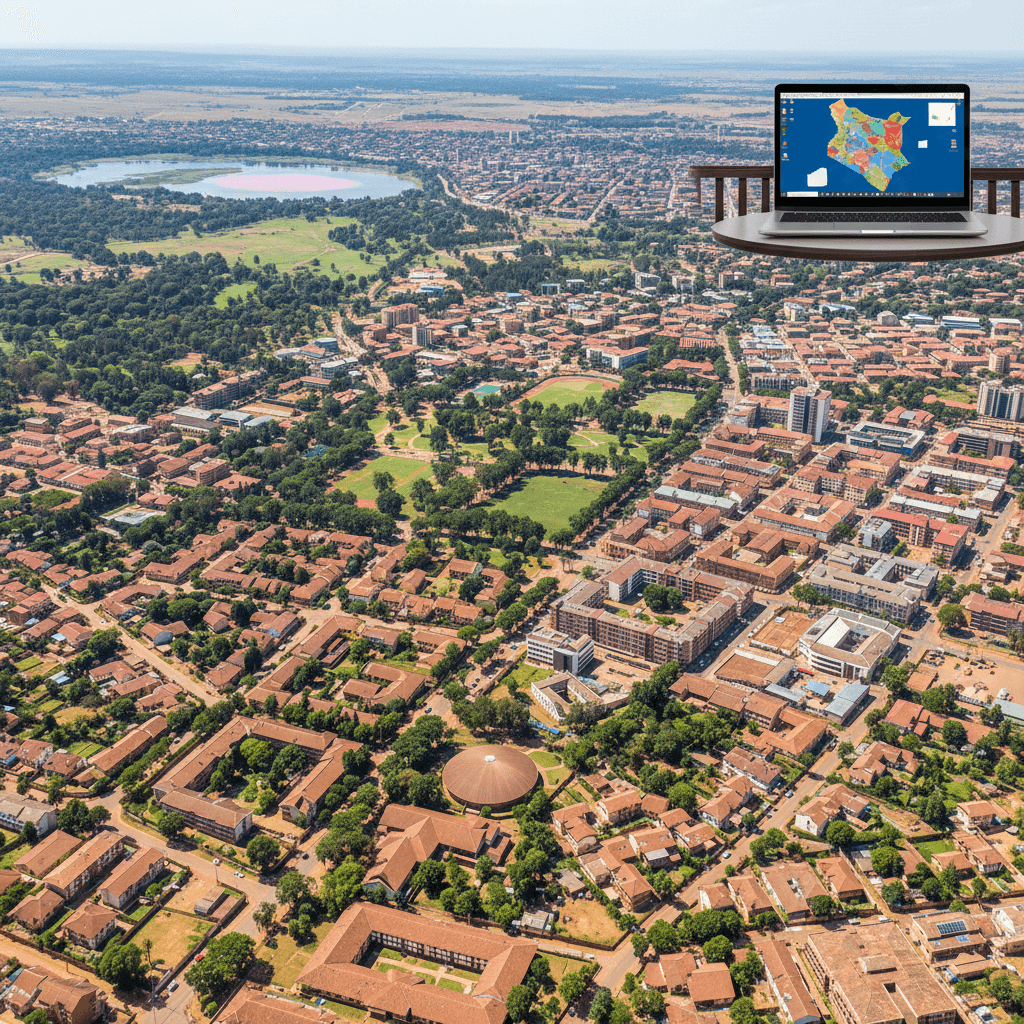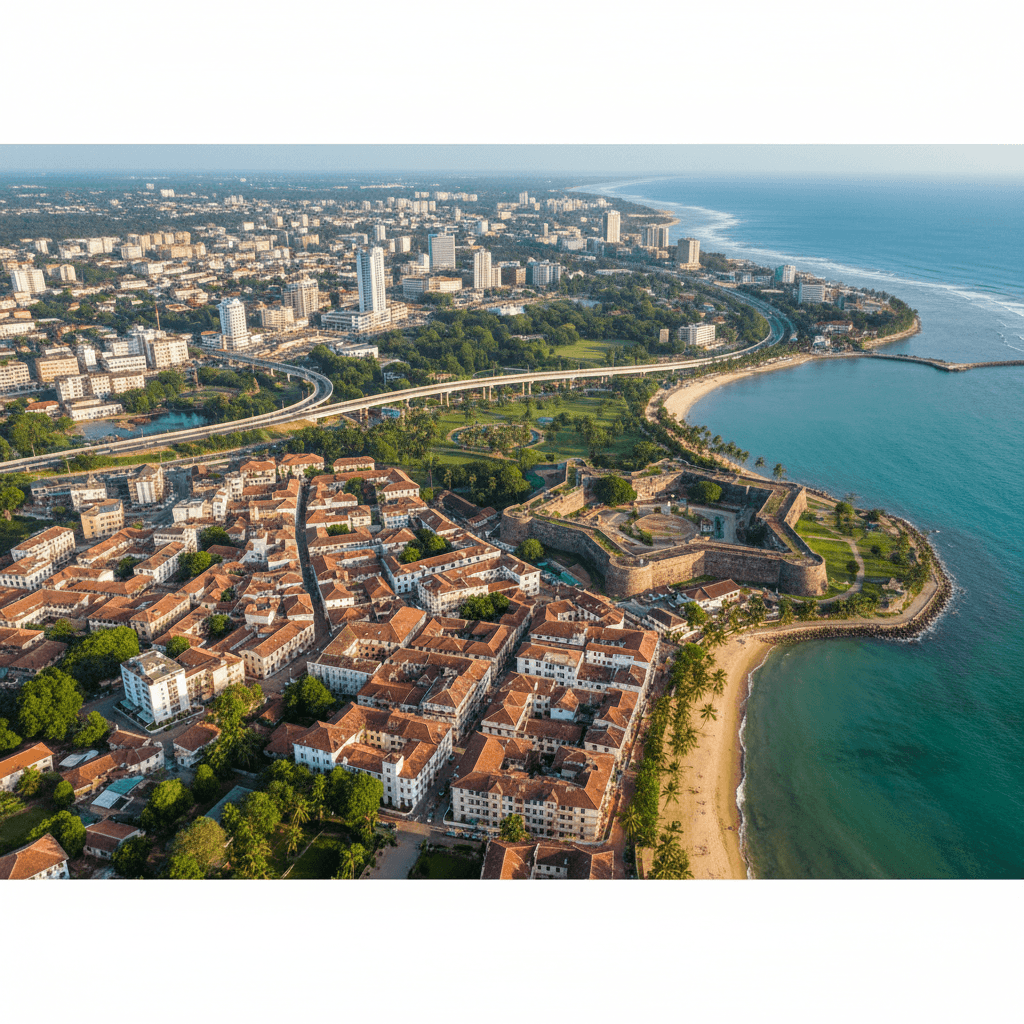
Mombasa
🇰🇪 Kenya
The Coastal Pulse
Mombasa is where the clock slows down and the humidity picks up. Unlike the frantic, high-altitude energy of Nairobi, this coastal hub operates on "pole pole" time, a Swahili phrase for slowly, slowly. It is a sensory overload of salt air, roasting coffee, and the occasional scent of jasmine drifting through the narrow alleys of Old Town. For digital nomads, it is a place where you can realistically close your laptop at 4:00 PM and be in the Indian Ocean by 4:15 PM.
The city feels like a living museum. You will see 16th-century Portuguese architecture at Fort Jesus sitting just blocks away from modern malls in Nyali. It is a crossroads of African, Arab, and Indian heritages, which shows up most clearly in the food and the local hospitality. While the urban center is gritty and chaotic, the surrounding beach suburbs provide a tropical sanctuary that is hard to beat for the price.
The Nomad Reality Check
Let’s be honest about the work setup. Mombasa is not a tech hub; it is a beach destination where people happen to work. The internet can be temperamental. While 4G coverage via Safaricom is generally excellent even on the sand, fixed fiber lines in rentals now typically 20-100 Mbps depending on provider. Most nomads rely on their phones as hotspots or head to reliable cafe chains like Java House or Artcaffe in Nyali to get the heavy lifting done.
Safety requires a bit of street smarts here. While the local community is incredibly welcoming, petty snatch-and-grab theft happens, especially in the city center or on dark streets at night. Most expats stick to Uber after sunset and keep their laptops tucked away when walking in public areas. If you can handle the occasional power flicker and the heat, the payoff is a lifestyle that feels like a permanent vacation.
Where to Plant Your Roots
Choosing a neighborhood defines your Mombasa experience. The city is fragmented, and traffic can be a nightmare, so where you sleep is likely where you will spend 90% of your time.
- Nyali: This is the upscale choice for those who want modern comforts. It is home to the best supermarkets, cinemas, and "laptop-friendly" cafes. You get a suburban feel with easy beach access and a higher density of other expats and digital nomads.
- Diani Beach: Technically 30km south of the city, this is the real nomad magnet. It is famous for its wide, white-sand beaches and a more established remote-work community. It is touristy, but it has the most consistent "beach office" vibe.
- Kilifi: Located about an hour north, this is for the soul-seekers. It is much quieter than Nyali or Diani, offering a creative, eco-conscious community and lower rent, though the infrastructure is a bit more rugged.
- Old Town: Best for a weekend stay rather than a long-term base. It is beautiful and historic but lacks the modern amenities and workspace options needed for a month-long stint.
The Monthly Bottom Line
Mombasa is remarkably affordable if you avoid the high-end tourist resorts. A comfortable mid-range lifestyle usually sits between $1,500 and $2,000 per month. If you are on a tighter budget, you can easily scrape by on $900 to $1,200 by eating local and staying slightly further back from the shoreline.
- Housing: A modern one-bedroom apartment in Nyali or a cottage in Diani typically runs between $500 and $800. High-end beachfront spots can climb over $1,200.
- Food and Drink: You can grab a plate of pilau or nyama choma from a street vendor for $2 to $5. A nice seafood dinner at a proper restaurant will cost around $15, while a latte at a cafe is about $3.
- Transportation: Uber is the gold standard for safety and convenience, with most cross-town trips costing $3 to $5. For the adventurous, a matatu ride is only $0.50, though they are cramped and loud.
Ultimately, Mombasa is for the nomad who prioritizes lifestyle over lightning-fast pings. It is about the 5:00 PM swim, the $10 grilled red snapper, and the feeling of being somewhere that hasn't been completely sanitized for Western tastes yet. It is raw, beautiful, and unapologetically slow.
The Monthly Reality
Living in Mombasa is a breath of fresh air for your bank account, especially if you are transitioning from Nairobi or Western Europe. Most digital nomads find they can live a high quality coastal life on a budget between $1,200 and $2,300 USD per month. This range covers a private apartment in a secure area, frequent dining out, and the occasional weekend safari or scuba trip.
The city operates on a tiered economy. You can survive on very little by hitting local markets and using public transport, or you can spend significantly more by sticking to the upscale bubbles of Nyali and Diani. Most expats find their sweet spot right in the middle, enjoying the luxury of a pool and beach access without breaking the bank.
Budget Breakdowns
To give you a clearer picture of how your money moves, here is how different lifestyle tiers usually shake out:
The Budget Nomad
- Monthly Total: $900 to $1,500
- Housing: Expect to pay $300 to $500 for a studio or small one bedroom found via local networks or Airbnb long stay discounts in areas like Bamburi or parts of Diani.
- Food: Sticking to street food like nyama choma or pilau for $2 to $5 per meal and shopping at local markets.
- Transport: Using matatus at $0.50 per ride and walking where possible.
The Mid-Range Lifestyle
- Monthly Total: $1,500 to $2,000
- Housing: A modern one bedroom apartment in Nyali or a beachfront cottage in Diani typically runs $500 to $800.
- Food: Mixing home cooking with meals at spots like Java House or Artcaffe, where a solid lunch costs $5 to $15.
- Transport: Relying on Uber or Bolt for safety and comfort, averaging $3 to $5 per trip.
The Comfortable Expat
- Monthly Total: $2,000+
- Housing: Upscale, serviced 1BR or 2BR apartments with ocean views and 24/7 security for $800 to $1,200.
- Food: Frequent dinners at high end seafood spots or resort restaurants where meals start at $25.
- Transport: Private drivers or car rentals, plus weekend flights to Nairobi or Lamu.
Everyday Expenses
Your day to day costs are where Mombasa really shines. A local Safaricom SIM card is a non negotiable expense; expect to pay $10 to $20 monthly for a generous data plan. This is vital because home WiFi can be spotty, and having a 4G backup is a lifesaver for Zoom calls.
If you prefer working from a dedicated space, coworking options are a bit thin on the ground compared to Nairobi. Many nomads opt for laptop friendly cafes like CJ’s or Java House. Budget about $100 to $200 a month if you plan to pay for daily desk space or just stay fueled with lattes and snacks while you work.
Groceries are affordable if you buy local. A kilo of fresh mangoes or a bag of avocados will cost you a fraction of what you would pay back home. However, imported goods like specific cheeses, wines, or electronics carry a heavy "luxury tax," so try to develop a taste for the local Tusker beer and fresh coastal produce to keep your costs down.
For getting around, Uber is the gold standard for nomads. It is transparent and avoids the "mzungu price" negotiations often found with local taxis or tuk-tuks. If you are staying in Diani, many people rent a scooter for about $10 a day, which gives you total freedom to explore the coastline at your own pace.
For Digital Nomads: Diani Beach
Diani Beach is the undisputed king of the Kenyan coast for remote workers. Located about 30km south of Mombasa city, it trades urban grit for white sand and a high concentration of laptop friendly cafes. Most nomads choose Diani because it has the most reliable infrastructure for working while overlooking the Indian Ocean.
- The Vibe: Laid back, tropical, and social. You'll find a community of travelers at spots like Nomad Beach Bar.
- Connectivity: While the city average is around 4 Mbps, many villas and cafes in Diani offer better speeds. Still, savvy nomads keep a Safaricom SIM loaded with data as a backup.
- Rent: Expect to pay between $500 and $800 for a decent one bedroom apartment or a studio in a shared villa.
- Best Work Spots: Java House and Artcaffe are the reliable go-to spots for plugs and decent coffee.
For Expats and Professionals: Nyali
If you need to be close to the action but want a safer, more upscale environment, Nyali is the place to settle. It's an affluent residential area in Mombasa North that feels more like a suburb than a city center. It's the primary choice for long term expats and those working in the city's corporate sectors.
- The Vibe: Polished and convenient. It's home to major shopping malls like City Mall and Nyali Centre, where you'll find modern grocery stores and pharmacies.
- Safety: It's generally considered one of the safer zones in the city, though you should still use Uber for trips after dark rather than walking.
- Rent: Prices are higher here, often starting at $500 and climbing well over $1,200 for luxury beachfront units.
- Healthcare: This neighborhood hosts some of the best private clinics and pharmacies in the region, making it a practical base for longer stays.
For Solo Travelers and Budget Seekers: Kilifi
Located about 50km north of Mombasa (1 hour drive), Kilifi is the alternative choice for those who find Diani too touristy or Nyali too sterile. It's a creek side town that has become a magnet for creative types and solo travelers looking for a "down to earth" atmosphere without the high price tags.
- The Vibe: Eco conscious and artistic. It's much quieter than Mombasa and feels more like a community than a resort town.
- Cost of Living: Your dollar goes further here. You can find basic but comfortable guesthouses or small apartments for $300 to $500 per month.
- Social Scene: It's easy to meet people at Distant Relatives, a famous eco lodge that serves as the social heart of the town.
- Transportation: It's very walkable, and boda bodas (motorcycle taxis) are cheap for getting around, though you should always wear a helmet.
For Families: North Coast (Shanzu and Mtwapa)
Families often look toward the North Coast, specifically areas near Shanzu. These neighborhoods offer a mix of gated communities and large resorts with kid friendly amenities. While Mtwapa is known for its wild nightlife, the outskirts of the town provide larger houses with yards that are hard to find in the city center.
- Parks and Activities: Proximity to Haller Park makes it easy to take the kids to see giraffes and hippos on the weekends.
- Daily Costs: A mid range lifestyle for a family, including a three bedroom house and occasional dining at places like CJ's, typically runs between $1,500 and $2,300 per month.
- Logistics: Traffic into Mombasa proper can be heavy during school runs, so most families try to stay within the North Coast bubble for their daily needs.
For History Buffs: Old Town
Living in Old Town isn't common for long term stays, but it's perfect for a few nights of immersion. The architecture reflects centuries of Swahili, Portuguese, and Arab influence. Just be aware that the streets are narrow and can be confusing. Petty crime is a higher risk here, so it's best for seasoned travelers who don't mind a bit of hustle and lack of modern amenities.
Connectivity and Infrastructure
Staying connected in Mombasa requires a bit of strategy. While the city's infrastructure is constantly evolving, you can definitely get your work done if you're prepared. Average fixed WiFi speeds now range from 20-50 Mbps or higher with fiber, though these speeds can vary significantly in cafes or short-term rentals. Most nomads find that the secret to a stable workday is relying on local 4G networks as a reliable backup to hotel WiFi.
Your first stop should be a Safaricom shop at the airport or in Nyali. It's the gold standard for coverage and reliability. You can pick up a SIM card and 10GB to 20GB of data for roughly $10 to $20. Beyond just data, you'll need Safaricom to set up M-Pesa, the mobile money system that everyone uses to pay for everything from coffee to Uber rides. Travelers often say that having a solid data plan as a backup is the only way to ensure 100% uptime during coastal power dips.
Coworking Spaces and Laptop-Friendly Cafes
Dedicated coworking spaces are still a bit sparse in Mombasa proper compared to the capital. If you're looking for a formal office environment, you might find options in the upscale Nyali area, but most digital nomads gravitate toward the "cafe office" culture. The local scene is dominated by reliable chains that understand the needs of remote workers.
- Java House: Located in major malls like City Mall Nyali, it's a nomad staple. They have reliable power outlets, decent WiFi, and the staff won't hover if you stay for a few hours. Expect to spend about $5 to $10 on a meal and coffee.
- Artcaffe: A bit more upscale with a great aesthetic. It's a favorite for expats who need a polished environment for meetings. The Nyali branch is particularly popular for its consistent connection.
- CJ’s: Known for massive portions and a comfortable atmosphere. It’s often quieter than the mall-based cafes, making it a better spot for deep work.
Working from the Beach Hubs
If you've moved your base to Diani Beach, about 30km south of the city, the vibe shifts significantly. Diani has become a legitimate nomad hotspot, and the infrastructure has risen to meet the demand. You'll find more boutique spots and community-driven spaces here than in the urban center.
Expats in Diani recommend checking out local beach clubs and smaller cafes that have specifically optimized their setups for remote workers. Even on the sand, 4G signals remain surprisingly strong, allowing you to tether your phone for a quick afternoon session with an ocean view. Just keep an eye on your hardware; the salt air and humidity are real factors to consider for your laptop's longevity.
Practical Tips for Remote Work
Power outages happen occasionally, so a high-capacity power bank for your phone and a portable laptop charger are smart investments. Most mid-range and upscale apartments in Nyali or Diani will have backup generators, but it's always worth confirming this with your host before booking a long-term stay. If you're planning on heavy data usage, look into Telkom as a secondary SIM; their data packages can sometimes be cheaper for large downloads, though their coverage isn't as wide as Safaricom's.
Expect to pay between $100 and $200 per month if you do find a dedicated desk space, but most nomads find they can manage just fine for the price of a few daily lattes. The community is growing, and you'll often see the same faces at the Nyali Artcaffe, making it easy to network and share tips on the best local data deals.
Personal Safety and Street Smarts
Mombasa operates at a slower pace than Nairobi, but you still need to keep your wits about you, especially in the urban center. Most nomads find that petty crime, like phone snatching from passing motorbikes, is the primary concern. It's best to keep your phone tucked away while walking and avoid wearing flashy jewelry that might attract unwanted attention.
The city's safety profile changes significantly after the sun goes down. Expats generally recommend against walking alone at night in Old Town or the central business district. If you're heading out for dinner or drinks, use Uber or Bolt rather than walking or trying to hail a taxi on the street. These apps provide a digital trail and fixed pricing, which adds a layer of security. If you're staying in Nyali or Diani, you'll find the atmosphere much more relaxed during the day, though the same "no walking at night" rule applies to unlit beach paths and quiet side streets.
- Emergency Contacts: Dial 999 or 112 for police or medical emergencies.
- Solo Travel: It's generally safe for solo travelers, but many prefer the community feel of Diani or Kilifi where the smaller scale makes it easier to get to know the locals and other nomads.
- Regional Caution: Travelers often advise staying clear of areas within 100km to 120km of the Somali border due to higher security risks, though this doesn't impact the main tourist hubs of Mombasa and the south coast.
Healthcare and Medical Services
For routine issues or minor emergencies, Mombasa has a decent selection of private hospitals that meet international standards. Expats and long term travelers usually head to Nyali for medical care, as the facilities there are more modern and accustomed to dealing with the international community. Most pharmacies in these areas are well stocked with common medications, but it's always smart to bring a supply of any specific prescriptions you need.
If you're planning on staying for a while, you'll want to ensure your health insurance covers private facilities. While public hospitals exist, the wait times and resource limitations make private care the standard choice for anyone who can afford it. For serious specialized procedures, many people still opt to fly to Nairobi, which hosts the country's top tier medical centers.
Health Precautions for the Coast
Living in a tropical coastal environment comes with a few specific health considerations. Malaria is present in the region, so most nomads use mosquito repellent in the evenings and sleep under nets. Whether you take daily prophylaxis is a personal choice you should discuss with a doctor, but staying on top of prevention is the best move.
- Water Safety: Don't drink the tap water. Stick to bottled water or high quality filters like a Grayl or Lifestraw for daily use.
- Sun Protection: The coastal sun is intense. High SPF sunscreen is expensive locally, so pack a few bottles before you arrive.
- Vaccinations: Beyond the basics, make sure your Yellow Fever certificate is up to date, as you'll often need to show it upon entry into Kenya.
Staying Secure While Working
When working from cafes like Java House or Artcaffe, keep an eye on your gear. While these spots are generally safe and popular with the laptop crowd, "table snatching" can happen if you leave your MacBook unattended while grabbing a refill. Most nomads recommend using a privacy screen and staying aware of your surroundings in crowded public spaces. If you're staying in an Airbnb, look for properties in Nyali or Diani that offer 24/7 security or are located within gated compounds, which is a standard feature for mid range and upscale rentals.
Navigating the Coast
Moving around Mombasa is a study in contrasts. You'll find yourself switching between air conditioned Ubers and the salty, open air chaos of a tuk-tuk within the same hour. While the city is geographically spread out, the transit system is surprisingly intuitive once you get the hang of the local rhythm.
Ride-Hailing and Taxis
For most digital nomads and expats, Uber is the go-to for safety and predictability. It's the most reliable way to get from the airport to your accommodation, typically costing between $10 and $20 depending on whether you're heading to the city center or further out to Nyali. Within the city, a standard trip usually runs between $3 and $5.
- Bolt: Also widely available and sometimes slightly cheaper than Uber, though vehicle quality can vary.
- Local Taxis: You'll see them outside major hotels and malls like City Mall or Nyali Centre. Always negotiate the price before getting in, as they don't use meters.
- Safety Tip: Stick to ride-hailing apps at night. Avoid walking long distances after dark, especially in the Old Town or less populated beach stretches.
The Local Experience: Tuk-Tuks and Matatus
If you're just nipping down the road in Nyali or Diani, tuk-tuks are the quintessential coastal transport. They are nimble enough to weave through traffic and cost a fraction of a car ride. A short hop usually costs about $1 to $2. Just be prepared for a bumpy, windy ride.
For the truly budget-conscious or those wanting a taste of local life, matatus (brightly decorated minibuses) ply the main routes. At roughly $0.50 per ride, they are the cheapest way to travel, but they can be cramped and the driving style is often aggressive. They're great for daytime travel between Nyali and the CBD, but most nomads find them too chaotic for a daily commute with expensive laptops.
Getting to the Beaches
Mombasa is a gateway to some of the best coastline in East Africa, but getting to the neighboring hubs requires some planning. Diani Beach is about 30km south, but the journey involves the Likoni Ferry, which can be a massive bottleneck. If you're heading that way, leave plenty of time or consider a domestic flight into the Diani/Ukunda airstrip if you're coming from Nairobi.
- Diani and Kilifi: Once you arrive in these beach towns, many nomads prefer to rent a scooter or motorbike. These typically cost around $10 per day and give you the freedom to scout out quiet cafes without relying on drivers.
- Walking: While Nyali’s beach areas and parts of Diani are walkable during the day, the heat and humidity usually make anything longer than 15 minutes a sweaty endeavor.
Regional Travel
If you're looking to head further afield, the Madaraka Express (SGR train) is the gold standard for getting to Nairobi. It's clean, efficient, and far safer than the Mombasa-Nairobi highway, which is notorious for heavy truck traffic and accidents. Tickets for the four to five hour journey are roughly $10 for economy and $30 for first class. Just make sure to book a few days in advance as seats fill up fast.
For quick trips to Malindi or Lamu, domestic carriers like Jambojet or Fly540 are your best bet. Flights are short, frequent, and often cost less than a long distance private car hire if you book a week or two out.
The Language Landscape
In Mombasa, you'll find a linguistic environment that's as layered as its history. English and Swahili are the official languages, and almost everyone you encounter in professional spaces, hotels, or cafes will speak English fluently. However, the coastal version of Swahili, known as Kiwaswahili, is the heartbeat of local life. It's softer and more melodic than the version spoken in Nairobi, reflecting the city's relaxed pace.
Most nomads find that while they can get by perfectly well with English, learning a few Swahili phrases goes a long way. It’s the difference between being treated as a passing tourist and being welcomed as a resident. Locals appreciate the effort, and it often leads to better prices at the markets in Old Town or smoother interactions with tuk-tuk drivers.
Essential Swahili for Your Stay
- Jambo / Hujambo: The standard hello. You'll hear this constantly.
- Sasa: Informal "hi" used by younger crowds and in casual settings.
- Asante sana: Thank you very much.
- Habari gani: How are things going?
- Bei gani: How much is this? (Vital for market shopping).
- Pole pole: Slowly, slowly. This is the unofficial motto of the coast.
Digital Communication and Connectivity
Staying connected is relatively straightforward, but you need to be strategic. Safaricom is the undisputed king of telecommunications here. Expats recommend heading straight to a Safaricom shop at the airport or in a mall like City Mall to get a SIM card registered. You'll need your passport for this process, which usually takes about 15 to 20 minutes.
Data packages are affordable. You can get a solid monthly data bundle for $10 to $20, which is a lifesaver when the local cafe WiFi inevitably dips. While the average fixed line speed in the city hovers around 4 Mbps, Safaricom's 4G+ network is often much faster, sometimes reaching 30 Mbps or more in well covered areas like Nyali and Diani.
The Power of M-Pesa
You cannot talk about communication in Kenya without mentioning M-Pesa. It’s a mobile money service linked to your Safaricom SIM, and it’s how almost all transactions happen. From paying your $5 lunch bill at a local spot to settling your $500 rent, M-Pesa is the standard. It reduces the need to carry large amounts of cash, which is a significant safety plus in urban areas.
Once your SIM is active, you can "top up" at any of the thousands of small green booths scattered across the city. Most nomads find it easier to link their international cards to M-Pesa via apps like Sendwave or Remitly to keep their digital wallet funded.
Social Etiquette and Networking
Communication in Mombasa is polite and indirect. It’s common to spend the first few minutes of any interaction exchanging pleasantries about your day or the weather before getting down to business. Rushing straight to the point can sometimes come across as abrasive to locals.
For networking, most digital nomads and expats congregate in WhatsApp groups or Facebook communities. Diani Beach Digital Nomads and various Nyali expat groups are the best places to find out about meetups or community events. If you're looking for a work friendly environment to meet people, head to Java House or Artcaffe in Nyali. These spots are the unofficial hubs for the laptop crowd, and the staff are well used to nomads staying for a few hours over a single coffee.
Key Communication Apps
- WhatsApp: The primary tool for everything. Businesses, landlords, and social groups all operate here.
- Uber: Best for reliable transport and clear pricing, avoiding the need to haggle.
- Bolt: A popular alternative to Uber, often slightly cheaper but with varying car quality.
- Safaricom App: Essential for managing your data and M-Pesa balance.
The Coastal Climate Reality
Living in Mombasa means embracing the heat. It is a tropical city where the humidity is a constant companion, especially if you are working from a non air conditioned cafe in Nyali. You will find that the local pace of life, often called pole pole (slowly, slowly), isn't just a cultural quirk; it is a practical response to the 30°C to 33°C (86°F to 91°F) daytime highs that dominate much of the year.
The humidity levels often hover around 70% to 80%. For digital nomads, this means your choice of accommodation matters. While a beach breeze in Diani helps, many expats recommend prioritizing rentals with ceiling fans or AC if you plan on putting in long hours at your laptop during the peak afternoon heat.
When to Visit: The Sweet Spots
If you want the absolute best weather, aim for January through March. This is the peak of the dry season. The skies are a brilliant blue, the ocean is crystal clear, and the water temperature is like a warm bath. It is the perfect time for diving or taking a weekend trip to Tsavo for a safari. However, this is also when prices for Airbnbs in Diani and Nyali hit their peak, and popular spots like 40 Thieves or Ali Barbour’s Cave Restaurant get crowded.
The second dry window runs from July to October. This is arguably the favorite time for long term nomads. The air is slightly cooler, often dipping to a comfortable 24°C (75°F) at night, and the breeze off the Indian Ocean is refreshing rather than stifling. It is also the best time for wildlife enthusiasts to head inland for the Great Migration, though Mombasa remains pleasantly lively without the festive season madness.
The Seasons to Prep For
Kenya has two distinct rainy seasons that will dictate your workflow and travel plans:
- The Long Rains (April to June): This is the most intense period. Expect heavy downpours that can last for hours. While it rarely rains all day every day, the infrastructure in Mombasa can struggle; roads often flood, and the already slow 4 Mbps internet can become even more temperamental during storms. Prices for luxury beachfront rentals drop significantly during these months.
- The Short Rains (November to December): These are usually brief afternoon or evening showers. They don't typically disrupt daily life much, but they do bring a spike in humidity that can feel quite heavy before the clouds break.
Seasonal Budgeting and Planning
Your cost of living will fluctuate based on the calendar. If you are on a tighter budget of $1,200 to $1,500 per month, avoiding the mid December to early January window is smart. During the Christmas "peak peak" season, prices for short term rentals can double, and the city becomes packed with domestic tourists from Nairobi.
For those looking for the best balance of value and weather, September and October are the winners. You’ll get those $500 to $800 mid range apartment rates in Nyali, reliable sunshine for post work swims, and enough fellow travelers around to keep the social scene at cafes like Java House or Artcaffe active.
One final tip from the nomad community: always check the monsoon winds if you are into water sports. The Kusi (southern monsoon) blows from May to October, bringing stronger winds and choppier seas, which is great for kitesurfers in Diani but less ideal if you were hoping for glass like water for paddleboarding.
Connectivity and Work Setup
Internet speeds in Mombasa can be a mixed bag. While the national average hovers around 32 Mbps on 4G networks, actual WiFi in many coastal rentals and cafes often sits closer to 4 Mbps. This isn't the place for heavy video editing without a backup plan. Most nomads solve this by picking up a Safaricom SIM card immediately upon arrival at the airport. You can get a solid data package for $10 to $20, and the 4G coverage is surprisingly resilient even when you're working from a beach chair in Diani.
Dedicated coworking spaces are scarce compared to Nairobi's tech hubs. Instead, the "work from anywhere" crowd gravitates toward laptop friendly cafes. Java House, Artcaffe, and CJ’s are the reliable go-tos in Nyali and Diani. They offer stable power outlets and decent WiFi for the price of a $5 coffee or a $10 lunch. If you're staying in Diani, you'll find a more established nomad community where beach bars often double as informal offices during the day.
Safety and Local Awareness
Mombasa has a relaxed soul, but it requires more street smarts than the sleepy beach towns further north. Petty crime like phone snatching from motorbikes is a reality, especially in the city center and Old Town after dark. Use Uber for almost every trip after sunset; it's cheap, tracked, and keeps you off the streets in poorly lit areas. Expats generally recommend keeping your laptop and expensive camera gear tucked away in a non-descript bag while moving between cafes.
Healthcare is reliable for routine issues. Nyali has several private clinics and well stocked pharmacies that cater to the expat population. For anything serious, most travelers head to the larger hospitals in Mombasa or fly back to Nairobi. It's also wise to stay informed about local travel advisories if you plan on heading far north toward the Somali border, though the main tourist hubs of Diani and Kilifi are considered very safe during the day.
Getting Around the Coast
Navigation is a choice between convenience and local flavor. Uber is the primary tool for most nomads, with rides around town usually costing between $3 and $5. If you're feeling adventurous, matatus (local minibuses) are the cheapest way to move, costing about $0.50 per ride, but they can be chaotic and cramped. In the beach enclaves of Diani or Kilifi, many long termers rent a scooter or bicycle for about $10 a day to zip between their villas and the shore.
Avoid driving the highway between Nairobi and Mombasa if you can help it; it's a long, notoriously dangerous stretch of road. The SGR train is a much better experience, or you can catch a quick domestic flight into Moi International (MBA). From the airport, expect to pay $10 to $20 for a private transfer or Uber to reach the Nyali beach hotels.
Money and Daily Costs
Kenya is rapidly becoming a cashless society for day to day transactions thanks to M-Pesa. This mobile money system is used for everything from street food to utility bills. Once you have your Safaricom SIM, set up an M-Pesa account at any local kiosk. It saves you the headache of hunting for ATMs, which can sometimes be out of service or have low withdrawal limits.
- Budget Lifestyle: $900 to $1,500 per month. This covers a studio in Nyali, eating nyama choma at local spots for $5, and using public transport.
- Mid-range Comfort: $1,500 to $2,000 per month. Includes a beachfront 1-bedroom, regular cafe work sessions, and frequent Uber trips.
- Upscale Living: $2,000+ per month. Covers high end apartments with pools, fine dining at resort restaurants for $25+ per meal, and private drivers.
Social Integration
The social scene is split between the urban bustle of Mombasa and the laid back beach culture of the outskirts. To meet people, join the active expat Facebook groups for Diani and Nyali. These are the best places to find out about weekend beach parties, yoga retreats, or safaris to Tsavo National Park. Locals are generally incredibly friendly and appreciate it when you learn a few basic Swahili greetings, though English is widely spoken in all business and tourist areas.
Need visa and immigration info for Kenya?
🇰🇪 View Kenya Country GuideWild Card
Expect the unexpected
Monthly Budget Estimates
More cities in Kenya
Nairobi
🇰🇪 Kenya
Kisumu
🇰🇪 Kenya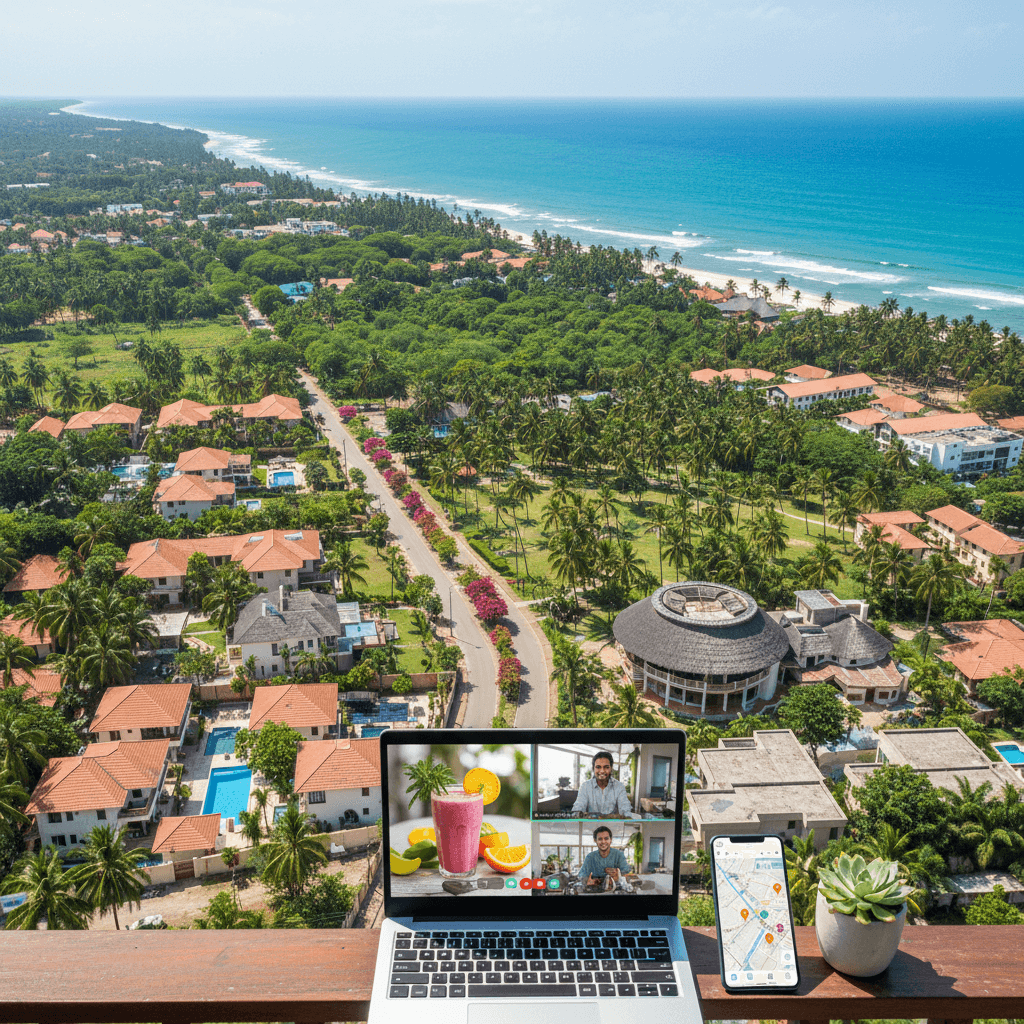
Diani Beach
🇰🇪 Kenya