Málaga
🇪🇸 Spain
The Mediterranean’s New Creative Pulse
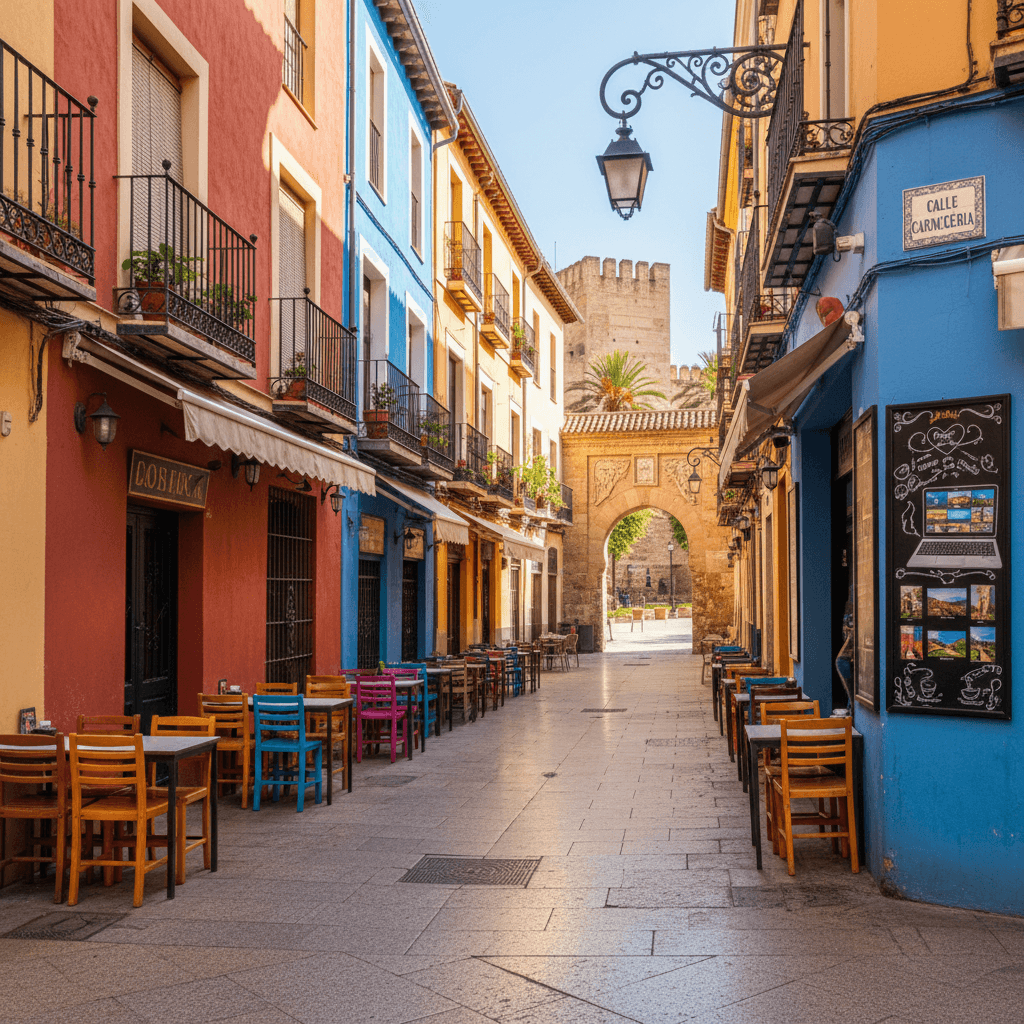
Málaga has shed its old reputation as just a gateway to the Costa del Sol. Today, it feels like a city that’s finally comfortable in its own skin, balancing a gritty, artistic edge with a polished Mediterranean lifestyle. For nomads arriving in 2025, the vibe is distinct: it’s more grounded than Barcelona and more sun-drenched than Madrid. You’ll feel it the moment you walk through the marble-paved streets of the center, where the scent of jasmine and fried fish mingles with the energy of a growing tech scene.
The city operates on a rhythm that rewards the slow traveler. While the morning might start with a high-speed deep work session at a space like The Living Room, the afternoon inevitably drifts toward a chiringuito on the beach. It’s a place where people actually take their siestas seriously, and you’ll quickly learn that trying to get anything done between 2:00 PM and 5:00 PM is a losing battle. Instead of fighting it, most expats use that time to grab a €2 caña and watch the world go by in Plaza de la Merced.
What Sets Málaga Apart
What makes Málaga different from other European hubs is the sheer accessibility of the sea. You can finish a Zoom call in the street-art-heavy alleys of Soho and be standing on the sand in La Malagueta ten minutes later. It’s an urban environment that doesn’t feel suffocating. The local Malagueños are notoriously friendly, though they speak a fast, clipped version of Spanish that might challenge your Duolingo skills. Even so, the community is welcoming, and the influx of remote workers has created a social scene where it’s remarkably easy to find a weekend hiking group or a Friday night tapas crawl.
The Cost of Living Breakdown
While prices have climbed due to the city's popularity and the new Digital Nomad Visa, Málaga remains a high-value destination compared to Northern Europe or the US. You can live well here if you’re smart about your neighborhood choices.
- Budget Solo Tier: €1,500 to €2,000 per month. This covers a modest studio in a less central area, plenty of street food like €5 shawarmas or €8 market plates, and a monthly transport pass for €50.
- Mid-Range Tier: €2,000 to €3,000 per month. The sweet spot for most nomads. You’ll land a nice one-bedroom apartment for €900 to €1,200, eat out at mid-range spots for €20, and keep a dedicated desk at a coworking space for €150.
- Comfortable Tier: €3,000+ per month. This buys you a premium apartment in La Malagueta with sea views, frequent dinners at upscale harbor-front restaurants where meals top €40, and the freedom to explore Andalusia via weekend rentals.
The Neighborhood Personality
Where you park your laptop defines your experience. The city is walkable, but each pocket has a different soul.
- Soho (Barrio de las Artes): The creative heart. It’s filled with massive murals, boutique galleries, and the city’s best specialty coffee shops. It’s the top pick for anyone who wants to be surrounded by other nomads.
- Centro Histórico: The "open-air museum." It’s stunning, walkable, and right in the thick of the history. However, it’s the most touristy area, and the noise from late-night revelers can be a dealbreaker for light sleepers.
- La Malagueta: Perfect for those who need to see the water every day. It’s a bit more expensive and has a vacation feel year-round, but being steps from Muelle Uno and the beach is a major perk.
- La Merced: A social hub centered around a lively square. It’s great for meeting people, though the evening crowds mean it’s rarely quiet.
The biggest challenge right now isn't the cost, it's the inventory. Short-term rentals are in high demand, so most experienced nomads recommend booking a temporary spot for a month while hunting for a long-term contract on Idealista. If you can navigate the rental hunt, you’ll find a city that offers one of the best work-life balances in the Mediterranean.
The Price of Paradise
Málaga has shed its reputation as just a gateway to the Costa del Sol, evolving into a legitimate tech hub. While it remains more affordable than Madrid or Barcelona, the secret is definitely out. Prices for 2025 and 2026 are trending upward, particularly in the housing sector where short term rentals often squeeze the local market. Expect to spend between €1,500 and €2,000 per month if you're keeping things lean, while a comfortable mid range lifestyle usually lands between €2,000 and €3,000.
Most nomads find that their biggest hurdle isn't the daily cost of a cafe con leche, but the upfront cost of securing a flat. The rental market is tight, and many landlords now ask for several months of rent upfront from those without a Spanish contract. If you're planning a stay of six months or more, start your search on Idealista well before you land, but be prepared to book an Airbnb for your first two weeks to scout neighborhoods in person.
Monthly Budget Breakdowns
The Budget Nomad
- Monthly Solo Budget: €1,500 to €2,000
- Housing: €600 to €900 for a modest studio or a room in a shared flat in neighborhoods slightly further out like El Perchel or Huelin.
- Food: €300 to €400. You'll be shopping at local markets and sticking to €5 to €10 street food or tapas deals.
- Transportation: €50. Mostly walking and the occasional bus or metro ride.
- Workspace: €0. Working from home or rotating through laptop friendly cafes in Soho.
The Mid Range Professional
- Monthly Solo Budget: €2,000 to €3,000
- Housing: €750 to €1,050 for a dedicated one bedroom apartment in areas like Soho or the edges of the Centro Histórico.
- Food: €600 to €800. This covers regular dinners out where meals cost between €15 and €25 per person.
- Transportation: €80. Frequent use of the EMT bus app and Uber for late nights.
- Workspace: €150 to €200. A fixed desk at community hubs like The Living Room or Revolucion Coworking.
The High End Expat
- Monthly Solo Budget: €3,000+
- Housing: €1,500+ for a premium beachfront apartment in La Malagueta or a renovated loft in the heart of the Old Town.
- Food: €1,200+. Frequent dining at upscale spots in Muelle Uno or La Merced where dinners exceed €40.
- Transportation: €200+. Regular car rentals for weekend trips to Ronda or Granada.
- Workspace: €250+. Private office space or premium memberships.
Daily Expenses and Practicalities
Your daily "burn rate" in Málaga is largely dictated by how much you lean into the local lifestyle. A beer or a glass of wine at a local taberna will only set you back €2.50 to €4, and the "menu del día" (a three course lunch) remains one of the best value propositions in Europe, usually priced between €12 and €18.
Internet is rarely an issue here. Fiber optic is the standard, and most rentals come with high speed connections included. If you're on the move, nomads recommend picking up a Holafly eSIM for instant data, though a local SIM from Orange or Vodafone will save you money over the long term. For those applying for the Digital Nomad Visa in 2026, you'll need to prove a minimum monthly income of approximately €2,850 per month to qualify, which aligns well with a comfortable mid range lifestyle in the city.
Expats often suggest joining local Facebook groups or the Slack channels for coworking spaces like The Living Room early on. Not only is this great for networking, but it's often where the best "off market" rental deals and shared expense opportunities pop up. While the cost of living is rising, the quality of life, the 300 days of sunshine, and the walkable Mediterranean lifestyle still offer a massive return on investment compared to northern Europe or North America.
For Digital Nomads: Soho and La Malagueta
If you're landing in Málaga with a laptop and a need for high energy, Soho (the Barrio de las Artes) is your primary target. It's the city's creative engine, famous for massive street art murals and a high density of specialty coffee shops. Most nomads find The Living Room Coworking in this area to be the gold standard for community, where a fixed desk runs about €275 per month. The vibe here is urban and slightly edgy, though it can get noisy on weekend nights when the craft beer bars fill up.
For those who prefer a morning swim before their first Zoom call, La Malagueta is the move. It's the main beachfront strip, offering a more relaxed, resort style atmosphere while staying within a ten minute walk of the city center. You'll pay a premium for the sea views, with one bedroom apartments often reaching €1,200 or more. It's also home to Muelle Uno, a modern harbor development packed with shops and restaurants that stay lively year round.
- Top Coworking: The Living Room, Revolucion Coworking
- Monthly Rent: €900 to €1,200 for a 1BR
- Vibe: Creative, coastal, and high speed
For Solo Travelers: Centro Histórico
The Historic Center is an open air museum where you can walk out of your door and be surrounded by Roman ruins and Moorish fortresses. It's the best spot for solo travelers because everything is walkable and the social scene is built into every street corner. You'll find the highest concentration of tapas bars and social hubs here, making it easy to meet people without much effort.
The trade off is the sheer volume of people. It's the most touristy part of the city, and short term rental prices reflect that. Expats recommend looking for apartments near the edges of the district to avoid the 2:00 AM street noise from the plazas. While it's incredibly safe, keep an eye on your belongings in the crowded squares like Plaza de la Constitución.
- Daily Meal Cost: €15 to €25 for mid range dining
- Key Apps: EMT Málaga for buses, Lime for scooters
- Vibe: Historic, social, and very busy
For Social Expats: La Merced
La Merced sits just north of the Historic Center and serves as the city's social heartbeat. Centered around Plaza de la Merced, the birthplace of Picasso, this neighborhood attracts a mix of long term expats and younger locals. It's slightly less polished than the harbor but feels more "real." You'll find a massive variety of international food and late night bars that stay packed until the early hours.
Living here means you're in the middle of everything. It's a great base if you're planning to stay for several months on a Digital Nomad Visa, as it’s central enough to reach any part of the city by foot. Rent is competitive, usually landing between €800 and €1,100 for a decent apartment, though the rental market is currently very tight.
- Social Hubs: Plaza de la Merced, Mercado de la Merced
- Language: English is common, but basic Spanish is appreciated
- Vibe: Lively, international, and authentic
For Families: Teatinos and El Limonar
While the city center is great for nightlife, families often head to the quieter outskirts. El Limonar is an upscale residential area just east of the center, known for its villas and proximity to quieter beaches. It's leafy, safe, and offers a much slower pace of life than Soho or La Merced. You'll need a higher budget here, as large family apartments or houses are the norm.
Teatinos is another popular choice, especially for those who want modern amenities and wide parks. It's the university district, so it has a fresh, young energy but is designed with broad boulevards and plenty of green spaces for kids. It's well connected to the center by the metro, making it a practical choice for those who want a separation between work and home life.
- Transport: Metro and local buses are efficient
- Comfort Budget: €3,000+ per month for a family lifestyle
- Vibe: Quiet, green, and residential
Connectivity Infrastructure
Málaga has transformed into a legitimate tech powerhouse, and the internet infrastructure reflects that. You won't struggle to find high speed fiber optics here. Most apartments and coworking spaces offer symmetrical speeds of 300 Mbps to 1 Gbps. It’s reliable enough for heavy video conferencing or uploading large files without the jitter you might find in more rural parts of Andalusia.
For mobile data, the coverage is excellent citywide. If you're staying for more than a few weeks, skip the roaming charges. Most nomads grab a local SIM from Vodafone or Orange, but if you want to be up and running before you land, an eSIM from Holafly is the standard choice for unlimited data. Public WiFi is available in the city center and near Muelle Uno, though it's usually better for a quick Slack check than a full day of deep work.
Top Coworking Spaces
The coworking scene in Málaga is defined by community rather than just desk space. You'll find that people here actually talk to each other, making it easy to build a network quickly.
- The Living Room (TLR): This is the gold standard for many expats. Founded by Ben Kolp, it focuses heavily on community integration. They have two locations in the Soho and Alameda areas. A fixed desk at The Living Room starts around €275 per month for a nomadic workstation, or €150 for a dedicated desk at other spaces like Innovation Campus. It’s the kind of place where you’ll find weekly lunches and genuine networking events rather than just sterile cubicles.
- Revolucion Coworking: Located near the train station, this spot is popular with tech nomads who need a professional, high energy environment. Prices are competitive, also starting around €150 for a monthly spot. They offer great flexibility for those who only need a desk for a few days a week.
- Innovation Campus: With multiple locations including a terrace spot in the city center and one near the beach, this is a solid choice for those who want variety. They cater to a mix of international startups and solo freelancers.
Work-Friendly Cafes
If you prefer the hum of a coffee shop, Málaga’s cafe culture is evolving to accommodate laptops, though the "siesta" rhythm still applies. In the Soho (Barrio de las Artes) district, you'll find plenty of spots with solid WiFi and a creative vibe. The Centro Histórico also has gems, but be mindful that some smaller, traditional cafes might prefer you keep the laptop tucked away during the busy lunch rush from 2:00 PM to 4:00 PM.
Nomads often flock to Recyclo Bike Cafe for its relaxed atmosphere or the various specialty coffee shops tucked away in the side streets of La Merced. Just remember the local etiquette: buy a coffee or a "pitufo" (a small local sandwich) every couple of hours if you're taking up a table.
Practical Tips for Remote Workers
The Digital Nomad Visa is the big talk for 2025 and 2026. If you're planning to stay long term, you'll need to prove a monthly income of approximately €2,850 per month. The paperwork can be a hurdle, so many expats recommend hiring a local gestor to handle the bureaucracy while you focus on work.
- Peak Hours: Most coworking spaces are accessible 24/7 for fixed members, but if you're a "hot desker," aim to arrive before 10:00 AM to snag the best spot.
- The Beach Office: While working from La Malagueta sounds dreamy, the glare and sand usually make it a short lived experiment. Stick to the beachfront cafes with shaded terraces instead.
- Apps to Download: Keep Speedtest handy for checking cafe WiFi, and use Meetup or local Slack channels to find the "Digital Nomads Malaga" groups which are very active for social co-working days.
Málaga provides that rare balance where the tech is fast enough for a Silicon Valley dev, but the lifestyle encourages you to actually close the laptop by 6:00 PM to grab a €2 glass of wine with the rest of the community.
A Safe Haven Under the Sun
Málaga has earned a reputation as one of the safest cities in Spain, which is a major draw for the growing expat and nomad community. Whether you are walking home from a late dinner in the Centro Histórico or cycling along the promenade toward La Malagueta, the general atmosphere is relaxed and secure. Violent crime is extremely rare here, and most people feel comfortable exploring the city on foot at nearly any hour.
That said, city living always requires a bit of common sense. In high traffic tourist areas like Calle Larios or the Plaza de la Merced, pickpockets can be active, especially during the crowded summer months or during major festivals like the Feria de Agosto. Most nomads find that keeping a hand on their bag in crowded squares is enough to avoid any trouble. There are no specific "no go" zones that travelers need to worry about, though some of the industrial outskirts lack the charm and lighting of the central neighborhoods.
Healthcare Standards and Access
The quality of medical care in Málaga is excellent, matching the high standards found throughout Spain. For digital nomads and expats, the system is split into public and private sectors. While the public system is world class, it can involve longer wait times for non emergencies. Most nomads moving here on the Digital Nomad Visa choose to take out private health insurance to meet residency requirements and ensure faster access to specialists.
- Emergency Services: Dial 112 for any emergency. Operators usually speak multiple languages, including English.
- Private Hospitals: Hospital Quirónsalud Málaga and Vithas Hospital are popular choices for expats because they have dedicated international departments and English speaking staff.
- Pharmacies: Look for the glowing green crosses. Pharmacies (farmacias) are everywhere, and there is always a Farmacia de Guardia (on call pharmacy) open 24 hours a day in every district.
Insurance and Practicalities
If you are visiting short term, a travel insurance policy or a global health plan for nomads like SafetyWing or PassportCard is usually sufficient. For those staying long term, local providers like Sanitas or Adeslas offer comprehensive coverage that typically costs between €50 and €100 per month, depending on your age and history. These private plans allow you to book appointments directly with specialists without needing a referral from a general practitioner.
Expats often recommend keeping a digital copy of your passport and insurance policy on your phone. If you need a specific prescription, bring the generic chemical name rather than the brand name, as Spanish brands often differ from those in the US or UK. Most pharmacists are highly trained and can provide consultation and even some medications that would require a prescription elsewhere.
Staying Healthy in the Heat
The biggest health risk for many newcomers isn't a virus, it's the Andalusian sun. Between June and August, temperatures frequently climb toward 35°C (95°F). Locals survive by embracing the siesta, staying indoors or in the shade between 2:00 PM and 5:00 PM. Hydration is key, and while the tap water in Málaga is safe to drink, it has a high mineral content that some find unpleasant. Many residents use filter jugs like Brita or buy bottled water for drinking, using tap water primarily for cooking and coffee.
Walking the City
Málaga is one of those rare cities where your own two feet are your best assets. The Centro Histórico is largely pedestrianized, meaning you can wander from the Roman Theatre to the Picasso Museum without dodging traffic. Most nomads find that if they live in Soho or near Plaza de la Merced, they rarely need a wheels-based commute. The walk from the city center to the La Malagueta beach takes about 15 minutes through the park, making it easy to swap your laptop for a towel during lunch breaks.
Public Transit: Buses and Metro
When you need to venture further out, the EMT bus system is the local workhorse. Use the Malaga Transport app to track arrivals in real time because Google Maps can be hit or miss with local schedules. A single ride is €1.40, but expats usually grab a rechargeable multi-trip card at tobacco shops (estancos) to bring the cost down to about €0.40 per journey.
The Metro is sleek and modern but currently limited for most casual tourists. It’s primarily useful if you're living in the western residential districts or heading toward the University. However, the expansion toward the center is making it more relevant for those staying near the main train station, María Zambrano.
Cycling and Scooters
The promenade stretching along the coast is a dream for cyclists. You can ride from the port all the way to the fishing villages of El Palo without ever leaving a dedicated bike lane. Apps like Lime and BiciPalma are active here, though many long term residents prefer renting a bike by the month from local shops in Soho to save on those per minute fees. Just be careful in the old town; police are strict about keeping scooters and bikes out of narrow pedestrian alleys to protect the crowds of walkers.
Getting to and from AGP Airport
Málaga-Costa del Sol Airport is incredibly well connected. The C1 Cercanías train is the gold standard for arrivals. It costs roughly €1.80 and gets you to the city center in 12 minutes. Trains run every 20 minutes, and the station is located right outside the arrivals hall.
If you have heavy luggage, ride-hailing apps like Uber and Bolt are reliable and usually cost between €15 and €25 depending on demand. Local white taxis are also plentiful and operate on a metered system, though they often have a minimum airport fare of around €20. For a budget alternative, the Express Airport Bus (Line A) runs 24 hours a day and costs €4, dropping you off at various points along the main Alameda Principal.
Regional Travel
One of the best perks of living in Málaga is using it as a base for Andalusia. The Avanza and Alsa bus lines are the go-to for affordable day trips to the white villages or Nerja's beaches. For longer hauls, the high-speed AVE train connects you to Madrid in under three hours. Most nomads recommend booking train tickets a few weeks in advance via the Renfe website to avoid the steep price hikes that happen closer to the travel date.
- C1 Train to Center: €1.80, 12 minutes
- Airport Taxi: €20 to €25
- Single Bus Trip: €1.40
- Monthly Transport Budget: Approx €50
Breaking the Language Barrier
In Málaga, you will find a city that speaks the language of international business and coastal tourism. While Spanish is the heartbeat of every plaza and chiringuito, the surge of tech companies and remote workers has made English remarkably common. In neighborhoods like Soho or the Centro Histórico, you can easily order your craft beer or discuss a lease in English without much friction.
Most nomads find the local community welcoming to those still learning the ropes. If you are working out of The Living Room Coworking or Revolucion, the environment is almost entirely bilingual. However, as you move toward more traditional residential pockets or deal with local government offices, the linguistic landscape shifts. To get by comfortably, you should aim for a "survival Spanish" level of fluency.
Key Phrases for Daily Life
Locals, known as Malagueños, appreciate when you make an effort. Even a simple greeting goes a long way in establishing rapport with your neighborhood barista or fruit vendor. Use these basics to smooth over your daily interactions:
- Hola, ¿qué tal? (Hello, how are you?)
- Gracias / De nada (Thank you / You're welcome)
- ¿Habla inglés? (Do you speak English?)
- La cuenta, por favor (The check, please)
- Perdona, ¿dónde está...? (Excuse me, where is...?)
Digital Tools and Translation
For more complex situations, like visiting a pharmacy or discussing a repair with a landlord, technology is your best friend. Expats recommend keeping a few specific apps on your home screen to handle the heavy lifting.
- Google Translate: Use the camera feature to read menus at local markets or translate physical mail from utility companies.
- DeepL: This is the gold standard for more nuanced translations. It is particularly helpful if you need to send a professional email to a local contact.
- WhatsApp: This is the primary communication tool in Spain. Whether you are booking a table or messaging a delivery driver, almost everything happens here.
The Local Dialect: "Malagueño"
You might notice that the Spanish spoken on the streets of Málaga sounds a bit different. The local accent, part of the broader Andalusian dialect, often involves dropping the "s" at the end of words or shortening certain phrases. It can be fast and melodic. Do not be discouraged if you struggle to understand a conversation at a crowded bar in La Merced; even fluent Spanish speakers from Madrid sometimes need a moment to adjust to the local rhythm.
Language Schools and Social Learning
If you are staying for the 2025 or 2026 season, investing in a few weeks of classes is a great way to meet people. Formal schools are plentiful, but many nomads prefer the informal route. Look for "Intercambio" events, which are language exchanges usually held at bars in the evenings. They are a staple of the social scene near Muelle Uno and provide a low pressure way to practice your Spanish while helping a local with their English.
For those looking for structured learning, expect to pay around €150 to €250 for a week of intensive morning classes. If you prefer a private tutor, rates typically hover between €20 and €35 per hour. Learning the language is not just about logistics; it is your ticket into the local culture and the key to finding those spots that do not show up on a standard tourist map.
Sunshine, Sea Breezes, and the Sweet Spot
Málaga is famous for its 300 days of sunshine, but for a digital nomad, the "best" time to visit depends on your tolerance for heat and crowds. Most expats and long term travelers agree that the sweet spot falls between March and June or throughout September and October. During these shoulder seasons, you'll enjoy temperatures ranging from 20°C to 25°C (68°F to 77°F), which is perfect for working from a cafe terrace in Soho without breaking a sweat.
If you're looking for that quintessential Mediterranean summer, July and August deliver high heat, often peaking around 35°C (95°F). While the sea breeze helps, these months are the busiest for tourism. You'll find the beaches at La Malagueta packed and short term rental prices at their highest. Nomads who stay through the summer usually shift their schedules, hitting the coworking spaces early and retreating to air conditioned apartments or the water during the peak afternoon heat.
Wintering in the Costa del Sol
Málaga is one of the warmest places in mainland Europe during the winter. From December to February, daytime highs hover between 15°C and 20°C (59°F to 68°F). It rarely feels like true winter, though the nights can get chilly. One thing to keep in mind: many older Spanish apartments lack central heating, so you might find yourself needing a space heater or a thick sweater indoors.
Rain is infrequent but usually happens between November and February. These aren't week long drizzles; they're usually short, intense bursts that clear up quickly. If you want to avoid the "worst" weather, January and February are the most likely candidates for rare cold snaps, though even then, you'll still see locals drinking coffee outside in the sun.
Seasonal Breakdown for Remote Work
- Spring (March to May): The city is in bloom and the air is fresh. It's the best time for hiking nearby trails or exploring the Montes de Málaga before the heat turns up.
- Summer (June to August): Peak beach season. Great for social vibes and nightlife, but expect higher costs for accommodation and crowded public transport.
- Autumn (September to October): The water stays warm enough for swimming well into October, but the summer crowds have thinned out. This is a favorite for nomads who want a quieter pace.
- Winter (November to February): Ideal for budget travelers. Rents are more negotiable, and the city feels more local. You won't be swimming, but you'll definitely be wearing sunglasses.
The Nomad Verdict
If you have total flexibility, aim for October. The Mediterranean is still holding onto its summer warmth, the tourists have mostly headed home, and the average high of 24°C (75°F) makes it easy to walk everywhere. Expats often recommend this month because the city feels like it belongs to the residents again, and you'll have an easier time snagging a desk at The Living Room or Revolucion Coworking without the summer rush.
For those planning around specific events, keep an eye on the calendar for Semana Santa (Holy Week) in late March or April and the Feria de Málaga in August. These weeks are culturally incredible but will see the city reach 100% capacity. If you aren't here for the festivities, you might find the noise and price hikes a bit much for a focused work week.
Connectivity and Tech Setup
You won't struggle to find a signal in Málaga. The city is blanketed in high speed fiber, and most nomads find the internet more reliable here than in many other European hubs. If you're staying for a few months, grab a local SIM from Vodafone or Orange at the airport or in the city center. For a shorter stint, Holafly eSIMs are the go to for instant data without the paperwork.
When it's time to get through your to do list, the coworking scene is tight knit and welcoming. The Living Room Coworking is the local favorite, largely because the founder, Ben Kolp, has built a genuine community rather than just a room full of desks. Expect to pay around €275 a month for a fixed desk. If you prefer a more corporate, networking heavy vibe, Revolucion Coworking offers similar pricing and modern facilities.
Navigating the City
Málaga is incredibly walkable, especially if you're based in the Centro Histórico or Soho. For everything else, the EMT bus system is efficient and cheap. Download the Malaga Transport app to track real time arrivals. If you're heading to the airport, the C1 train is the smartest move. It costs just €1.80 and gets you to the terminal in 12 minutes. Taxis and ride hailing apps like Uber and Bolt are plentiful, with a typical airport run costing between €20 and €25.
- Biking: Use apps like Lime for quick hops along the flat coastal paths.
- Day Trips: Use the train for Ronda or Granada, and the bus for the beaches in Nerja.
- Walking: Stick to the pedestrianized streets of the Old Town to avoid the narrow, car heavy side alleys.
The Digital Nomad Visa (DNV)
For those planning to stay through 2025 and 2026, the Digital Nomad Visa is the golden ticket. It's a game changer for non EU citizens, but the bureaucracy is famously slow. You'll need to prove a minimum monthly income of approximately €2,850 per month. Expats recommend starting the application via a consulate well before you arrive, as the paperwork hurdles can be frustrating once you're on the ground.
Living Like a Local
Adjustment to the local schedule is the biggest hurdle for newcomers. The siesta is very real; many shops and businesses close between 2 pm and 5 pm. Don't expect to eat dinner before 9 pm if you want to be where the action is. Most restaurants don't even open their kitchens until then.
Safety and Health
Málaga is generally very safe, even for solo travelers at night. The biggest annoyance is pickpocketing in crowded areas like Calle Larios or around the Cathedral. Keep your bag in front of you and your phone off the table at outdoor cafes. For health needs, pharmacies are everywhere and easy to spot by their glowing green crosses. In an emergency, dial 112.
Money and Budgeting
While prices are rising due to popularity, your money still goes further here than in Madrid or Barcelona. Digital nomads typically budget based on these tiers:
Budget Tier
- Monthly Solo Budget: €1,500 to €2,000
- Rent: €600 to €900 for a basic studio
- Food: €5 to €10 for market snacks and street food
Mid Range Tier
- Monthly Solo Budget: €2,000 to €3,000
- Rent: €900 to €1,200 for a 1BR apartment
- Dining: €15 to €25 for sit down meals
Comfortable Tier
- Monthly Solo Budget: €3,000+
- Housing: Upscale rentals in La Malagueta
- Dining: €40+ for high end seafood and wine
For banking, most nomads stick with Wise or N26 to avoid high conversion fees. If you're becoming a long term resident, BBVA is the most expat friendly local bank.
Need visa and immigration info for Spain?
🇪🇸 View Spain Country GuideNomad Haven
Your home away from home