Mirissa
🇱🇰 Sri Lanka
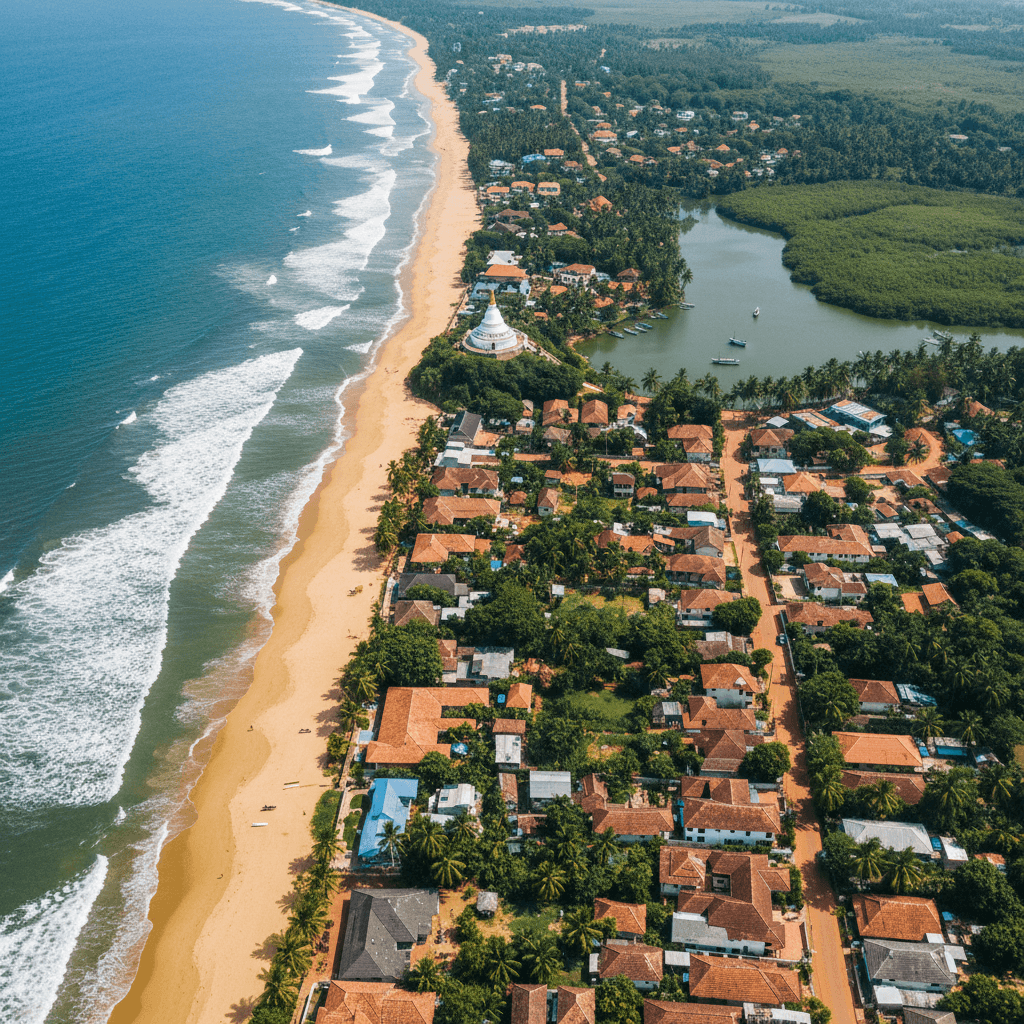
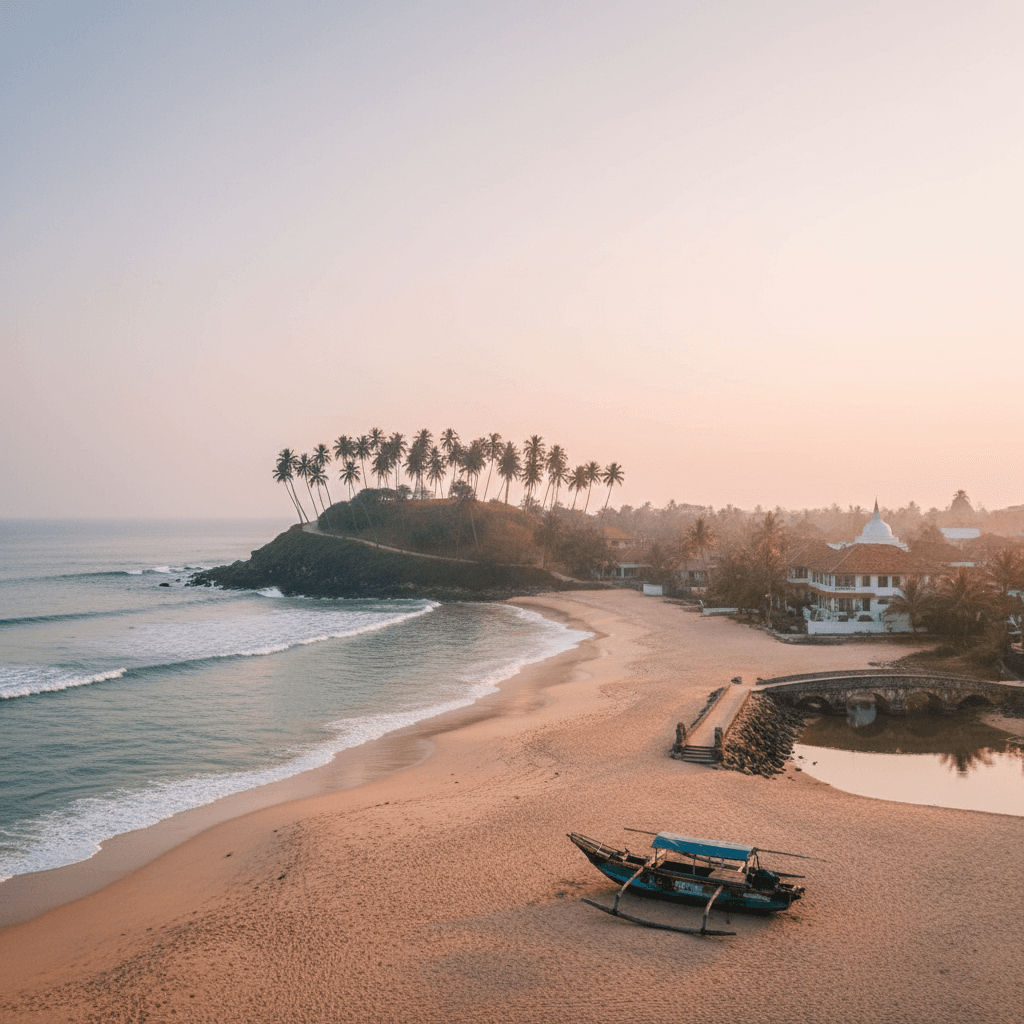
Mirissa feels like a beach town that never fully woke up, then accidentally became a nomad stopover. The main strip is all salt air, scooter engines, reggae leaking from beach bars and that damp tropical heat that sticks to your shirt by 10 a.m. It’s relaxed, social and a little messy, which, honestly, is part of the charm.
The pace is slow, but the social life isn’t. Most people come for the surf, sunsets and cheap seafood, then stay because the town makes it easy to work, swim, drink and repeat without much friction, though peak season can get loud and crowded fast. If you want polished and quiet, Mirissa will test your patience. If you like barefoot evenings and casual conversation with strangers, it clicks.
It’s not a place for slick efficiency. Power cuts happen, rain can hammer the tin roofs and the nightlife gets rowdy enough that some remote workers escape to nearby Weligama or Ahangama for a calmer base, but the tradeoff is a genuinely easygoing community and a beach-town rhythm that feels more human than many expat hubs.
Where the vibe changes
- Mirissa Beach area: Best for nightlife, beach bars and staying close to the action, but it gets noisy and prices jump in season.
- Coconut Hill, inland Mirissa: Quieter, greener and better for sleep, with more of a local feel and fewer late-night interruptions.
- Weligama: More established for long stays, with stronger nomad infrastructure and less of Mirissa’s party energy.
- Ahangama: Surfier and calmer, with a softer, more laid-back crowd that some remote workers prefer, weirdly enough, for getting actual work done.
For daily life, the town works best if you don’t need everything to be perfect. Cafes like Java Lounge and hostel spaces such as Colours Hostel keep the WiFi decent, coworking spots like Pasijou and Second Home give you backup power and local food keeps the budget sane, so the place feels practical even when it looks like a postcard. That mix is the real appeal.
Best for: social nomads, surfers and travelers who don’t mind a bit of noise.
Not ideal for: people who need silence, spotless roads or fully predictable infrastructure.
Mirissa is cheap, but not dirt cheap. If you want the beach, the scooters, the coffees and a bit of coworking, budget around $1,400 to $1,800 a month, which, honestly, is where most nomads land once they stop pretending they’ll live on curry and a fan forever. The sea breeze helps, though the humidity still sticks to your skin and the power cuts can make your laptop battery feel like a lifeline.
Rent swings fast depending on how close you are to the sand. Beach area places cost more, central and inland stays are quieter and easier on the wallet and long-term rentals usually beat Airbnb hard if you’re staying more than a few weeks, because landlords will haggle once they realize you’re not a weekend tourist. Not expensive. Not by Western standards, anyway.
Typical Monthly Costs
- Studio or 1BR near the beach: $300 to $600
- Studio or 1BR inland: $200 to $400
- 2BR house long-term: $400 to $800, some locals report around 80,000 LKR for a spacious place
- Hostel dorm bed: $10 to $20 a night
- Private guesthouse room: $30 to $60 a night
Food is where Mirissa stays friendly to your budget, if you stick to local spots. Rice and curry, roti, dhal, fruit, all the cheap stuff, can run $1 to $3 a meal, while beach restaurants near the surf can quietly creep up to $15 or more once you add seafood and a cocktail. Java Lounge and Colours Hostel are popular for coffee and work, because the WiFi is decent and the chairs don’t punish your spine.
- Local meal: $1 to $3
- Mid-range restaurant: $5 to $12
- Beachfront dinner: $15 to $35
- Coffee and a light meal: $1.50 to $3
- Coworking day pass: About $10
- Coworking monthly: $100 to $150
Transport stays manageable. Scooter rental usually lands around 1,500 to 3,000 LKR a day, tuk-tuks for short hops are about 300 to 500 LKR and a bicycle is the cheapest way to get wind in your face and sand in your teeth. A SIM from Dialog, Airtel or Mobitel costs roughly 500 to 1,000 LKR and data is cheap enough that most people stop worrying after the first top-up, weirdly.
Budget tier: $800 to $1,200, if you’re sharing and keeping it local. Mid-range: $1,400 to $1,800, which covers private rent, mixed dining and coworking. Comfortable: $2,000 to $3,000+, if you want beachfront convenience, better dinners and fewer compromises, though the sound of the waves still comes with the occasional scooter roar and karaoke bleed from the bars.
Mirissa is small, hot and a little chaotic, which is exactly why some people stay longer than planned. The main beach strip gets the attention, with scooter engines buzzing, fish grills smoking by sunset and enough bars to keep the place lively, though it can feel loud and overpriced fast.
Nomads
If you want the easiest work and social setup, stay near Mirissa Beach or split time with Weligama. Java Lounge, Pasijou Coworking and Second Home Mirissa are the places most remote workers end up at and honestly, the WiFi situation is decent if you stick to coworking spaces or solid cafes.
- Best fit: Beach-first digital nomads, people who like a social scene
- Rent: $300 to $600 for a studio or 1BR near the beach
- Work setup: Pasijou, Second Home, Java Lounge
- Watch out for: Night noise, higher prices, crowded sidewalks in peak season
Coconut Hill and inland Mirissa are better if you care more about sleep than being steps from the sand. It’s quieter, cheaper and weirdly peaceful once you get off the tourist strip, though you’ll need a scooter or tuk-tuk for most things.
Expats
Weligama is the smart base for expats, because it has more routine, more long-stay housing and less of Mirissa’s party energy. The expat crowd there, turns out, likes the balance, good food, decent groceries and enough social life without the midnight beach-bar nonsense.
- Best fit: Long-term stays, couples, people who want structure
- Rent: $200 to $400 inland, $400 to $800 for a larger house
- Food: Local meals from $1 to $3, cafes and restaurants from $5 to $12
- Tradeoff: Less nightlife than Mirissa, fewer beach-party headaches
Ahangama is the quieter alternative if you surf, work online and don’t need much else. It’s not as packed with options, but that’s the point and the beach town rhythm feels easier on the nerves than Mirissa’s constant movement.
Families
Families usually do better in Weligama or inland Mirissa than right on the beach road. The main strip gets noisy, tuk-tuks honk constantly and the late-night crowd can be annoying, so choose a place with a kitchen, reliable backup power and a bit of space to breathe.
- Best fit: Families needing calmer streets and practical housing
- Rent: $400 to $800 for a 2BR house
- Transport: Scooter rentals are cheap, but tuk-tuks are easier with kids
- Downside: Limited healthcare nearby, so serious issues mean a trip farther out
Solo Travelers
Solo travelers who want easy friends, beach bars and sunset drinks should stay by Mirissa Beach, no question. You’ll meet people fast, sometimes too fast and the social energy is useful if you’re only in town for a week or two, though the party scene can get old by day four.
- Best fit: First-time visitors, short stays, social travelers
- Budget: Hostel beds start around $10 to $20 a night
- Food: Cheap rice and curry, roti and fruit everywhere
- Best warning: Book ahead in December to March or pay more
If you want quiet mornings and easier sleep, skip the beach strip and go inland. That’s the move.
Mirissa’s internet is better than most beach towns, though it still has that Sri Lankan habit of wobbling when the rain comes down hard or the power flickers. In the main coworking spots, you’ll usually see 10 to 30 Mbps, which, surprisingly, feels pretty solid for a town this small. Not perfect. But usable.
If you’re here to work seriously, the coworking scene is the real draw. Second Home Mirissa is a decent value option with a social crowd and The Beach House by Reveal gives you a quieter setup right by the water, where you can hear waves and, sometimes, the clatter of plates from the cafe below. Most of these places have backup generators, because blackouts still happen and nobody wants a dead laptop at 3 p.m.
Best places to work
- Second Home Mirissa: Around $100 to $150 monthly, good WiFi, more social than polished.
- The Beach House by Reveal: Around $10 a day or $150 a month, beachfront and quieter, which suits deep work.
- Colours Hostel: Cheap coffee, slower WiFi at about 5 to 10 Mbps, but the vibe is easygoing and backpacker-friendly.
Cafe working is common here and honestly, that’s handy when you don’t want to commit to a month pass. Colours Hostel works if you’re fine with a more social room and the occasional burst of chatter, cups clinking, fans humming overhead.
For mobile data, buy a local SIM instead of relying on hotel WiFi. Dialog, Airtel and Mobitel all work in Mirissa and Dialog usually has the best coverage, with plans like 1,400 LKR for 20GB, which is cheap enough to keep as backup even if your apartment WiFi gets grumpy.
Mobile internet basics
- SIM cost: 500 to 1,000 LKR, depending on where you buy it.
- Best provider: Dialog, generally the most reliable around town.
- Where to buy: Official stores, local kiosks or the airport if you’re in a rush.
- Backup tip: Keep a data plan active, because power cuts still mess with home internet.
The short version, Mirissa is fine for remote work if you’re not precious about perfection. The connection’s good enough, the coworking options are real and with a SIM card in your phone, you’ll be covered when the sky goes dark and the ceiling fan stops with a sad little click.
Safety & Healthcare
Mirissa feels pretty safe in the usual tourist sense, but it isn't carefree. Petty theft happens, scooters fly past on narrow roads and drunk beach nights can get sloppy fast, especially near the main strip when the music is loud and the sand is still warm underfoot.
Daytime is easy. Nighttime needs a bit more common sense, honestly, so keep your phone tucked away, avoid empty side roads after dark and don't leave a bag on the back of a scooter while you stop for king coconuts or a beer.
- Main risk: Pickpocketing, bag snatches, scooter accidents
- Beach zone: Fine in daylight, less comfortable late at night
- Money tip: Carry small cash, not a fat wallet
- Transport: Helmets matter, even on short rides
The bigger annoyance, weirdly, is healthcare access rather than crime. Mirissa itself has only basic clinics and pharmacies, so for anything beyond a bandage, antibiotics or a quick checkup, most expats head to Weligama or straight to Matara, where you'll find better doctors, labs and pharmacies that stay open late enough to matter.
For serious issues, Colombo has the best private hospitals, but that's a long haul from the south coast, so travel insurance isn't optional here, it's the difference between a manageable bill and a painful one. Bring a plan that covers scooter injuries, dengue, dehydration and emergency evacuation, because the humidity can hit like a wet towel and food poisoning still ruins plenty of beach weeks.
- Basic care: Local pharmacies for stomach meds, rehydration salts, sunscreen
- Nearby hospitals: Matara for proper clinics, Colombo for major treatment
- Insurance: Get coverage before you arrive
- Emergency prep: Save local taxi and tuk-tuk numbers, plus your insurer's hotline
For small stuff, pharmacies are easy to find and usually helpful, though staff may not always speak much English. If you need something specific, take a photo of the medication name, because brand names change and guessing at a counter while fans whir overhead and traffic honks outside gets old fast.
Heat, sunburn and dehydration are the real daily hazards. Drink more water than feels normal, use reef-safe sunscreen and don't ignore a fever if you've been bitten by mosquitoes, because dengue is around and it can knock you flat.
Mirissa is easy to get around, though the town does have its annoying bits. The main beach strip is walkable, tuk-tuks are everywhere and if you’re staying near Coconut Hill or the center, you can usually reach food, cafes and the beach on foot. The heat is sticky, the roads kick up dust and once a day the scooters start buzzing like angry hornets.
For most short trips, tuk-tuks are the default and honestly they’re fine if you agree on the fare first. A quick ride in town usually runs 300 to 500 LKR, though drivers will sometimes quote more to tourists, so check the price before you climb in. Apps aren’t as useful here as in Colombo, so cash and a bit of firmness go a long way.
Best ways to move around
- Walking: Best for the beach road, cafes and nearby guesthouses, but expect no sidewalks in some stretches and a fair bit of traffic.
- Tuk-tuks: The easiest option for nights out, grocery runs and hopping between Mirissa and Weligama, which, surprisingly, saves more time than renting a bike if you’re only out for a few hours.
- Scooter rental: Usually 1,500 to 3,000 LKR a day, useful if you want freedom, but the roads can be slick after rain and local drivers don’t always bother signaling.
- Bicycle: Cheap at 500 to 1,000 LKR a day, better for short, flat rides than sweaty uphill slogs in the midday heat.
If you’re staying longer, a scooter makes sense, especially for runs to Weligama or Ahangama, where the surf breaks, coworking spots and better supermarkets start to make a lot more sense. If you’re mostly working, walking plus tuk-tuks is usually the least annoying combo, because parking a scooter near the beach can be a hassle and the sand gets everywhere.
For inter-town trips, Weligama is about 10 minutes away, Ahangama is roughly 10 to 15 minutes farther up the coast and Hiriketiya takes longer but is still a doable day trip. Buses do exist, they’re cheap and they’re often packed, hot and loud, with Tamil pop or devotional music blasting through tinny speakers, so most nomads skip them unless they’re going farther south.
One practical move, get a local SIM the day you arrive. Dialog usually has the best coverage and that helps when you’re calling a tuk-tuk, checking maps or dealing with the occasional WiFi wobble after a power cut. If you’re carrying cash, keep small notes handy, because drivers and tiny shops around Mirissa don’t always have change.
Language & Communication
English gets you far in Mirissa, especially in hotels, cafes, surf schools and coworking spots. Most people in tourism speak enough to sort out a room, a scooter or a dinner order and honestly, that covers a lot of daily life. Still, Sinhala is the local language, so a few words go a long way when you're dealing with tuk-tuk drivers, shopkeepers or a landlord who'd rather text than talk.
The accent can be a bit tricky at first and some locals speak fast when they’re half-listening and sipping tea. Don’t panic, just slow down, keep your sentences simple and use your phone if needed, because a price written down beats a pricing mystery every time. Face-to-face communication is usually friendly, though people can be indirect when they want to avoid saying no.
Useful phrases
- Ayubowan: Hello, also used as a greeting.
- Istuti: Thank you.
- Kohomada? How are you?
- Keeyada? How much?
- Hondai: Okay, good, fine.
For day-to-day life, WhatsApp is the default tool. Guests message guesthouses there, drivers confirm pickups there and landlords often prefer it over email because it’s faster and less formal. Photos of meters, receipts and scooter scratches are standard practice, which, surprisingly, saves arguments later.
How communication really works
- Transport: Tuk-tuk drivers usually expect haggling, so ask the fare before you get in.
- Rentals: For scooters, ask about helmets, fuel level and damage photos first.
- Internet issues: If WiFi drops, ask for a router reset, not a long explanation.
- Local shops: Cash talks, small bills help and exact change saves time.
Mirissa isn’t a place where polished English matters much, but clarity does. Speak plainly, repeat numbers and confirm details twice, because what sounds obvious to you can turn into a messy misunderstanding after a noisy roadside chat, a barking dog and a scooter revving past. If you’re staying long term, learn a little Sinhala and keep a translation app handy, frankly it makes everyday life smoother and people tend to warm up fast.
Weather & Best Time to Visit
Mirissa’s weather runs on two moods, bright dry season or sweaty monsoon. The best stretch is December to March, when the sea calms down, the skies stay mostly clear and evenings feel made for barefoot dinners under fans that just barely beat the heat. Crowds spike then, though, so book early if you want a decent room near the beach.
April can still be lovely, but it gets hotter and stickier and by May the southwest monsoon starts throwing heavy rain across the coast. The rain comes hard and fast, then leaves that wet-earth smell drifting off the road, with puddles, slick tiles and the occasional power cut making even a simple coffee run a bit annoying. Honestly, that’s when a backup battery and a good rain jacket matter more than a beach towel.
September to November is the awkward shoulder window, less crowded and often cheaper, but the weather can turn on you fast. You might get a sunny morning, then by afternoon the wind is slapping palm fronds around and the sea gets rough enough to kill any plan for swimming or boat trips. Not ideal. Still, if you’re working remotely and don’t care about perfect beach weather, you’ll find more space and better rates.
Month-by-Month Feel
- December to March: Best for beach time, whale watching, social life and easier travel days. It’s the busiest season, so prices climb.
- April: Hot, bright and decent for a short stay, though humidity starts pressing in and afternoons can feel heavy.
- May to August: Wet season, with short intense downpours, choppy water and fewer reasons to hang around the sand all day.
- September to November: Mixed weather, fewer tourists, lower prices and a decent setup for long stays if you don’t mind some rain.
If you’re choosing purely for comfort, go December through March. If you want lower prices and quieter streets, shoulder season can be smart, just don’t expect predictable beach days, because Mirissa, weirdly, can swing from postcard-blue to gray and stormy in the same afternoon. Pack a fan-friendly wardrobe, sandals that dry fast and a backup plan for indoor work.
Mirissa runs on beach time and that’s half the charm. The tradeoff is real, though, because the town gets loud in peak season, tuk-tuks cough past at odd hours and humidity sticks to your skin the second you step outside. Most nomads settle here for a few weeks, then drift to Weligama or Ahangama when they want a calmer base.
Budget: a comfortable month usually lands around $1,400 to $1,800 and if you’re renting a private room, eating local and working from cafes or a coworking space, that figure makes sense. Cheap days are possible, but not glamorous. A hostel bed runs about $10 to $20, a guesthouse room can sit at $30 to $60 and a scooter rental usually costs 1,500 to 3,000 LKR a day, which adds up fast if you’re roaming for every meal.
Food is easy to keep affordable. Rice and curry, roti and fruit shakes can cost $1 to $3, while beachfront dinners with seafood and cocktails climb into the $15 to $35 range, especially around Mirissa Beach where the menus, honestly, know they’ve got a captive crowd.
Where to base yourself
- Mirissa Beach: Best for social life, bars and walking to everything, but it gets noisy and crowded.
- Coconut Hill and inland Mirissa: Quieter, greener, cheaper and a better fit if you actually need sleep.
- Weligama: The most practical nearby base, with stronger nomad infrastructure and a less party-heavy feel.
- Ahangama: Good for surfers and people who want slower days, fewer crowds and better cafe work sessions.
Internet is, weirdly, better than many people expect. Coworking spaces like Pasijou Coworking & Food, Second Home Mirissa and The Beach House by Reveal usually have decent speeds and backup power, while Java Lounge is a strong cafe option if you want to work over coffee and a plate of eggs. Dialog tends to be the safest SIM choice and local plans are cheap enough that you should grab one right away instead of gambling on spotty guesthouse WiFi.
Safety is generally fine, but the small stuff can be annoying, power cuts happen, roads get dark fast after sunset and the health setup is basic compared with Colombo. Keep cash on hand, use a tuk-tuk app or agree on the fare before you get in and don’t assume every beachside bar has reliable electricity or card payment. That’s Mirissa, honestly, relaxed on the surface, mildly chaotic underneath.
Need visa and immigration info for Sri Lanka?
🇱🇰 View Sri Lanka Country GuideHidden Gem
Worth the effort
Monthly Budget Estimates
More cities in Sri Lanka
Negombo
🇱🇰 Sri Lanka
Hikkaduwa
🇱🇰 Sri Lanka
Galle
🇱🇰 Sri Lanka