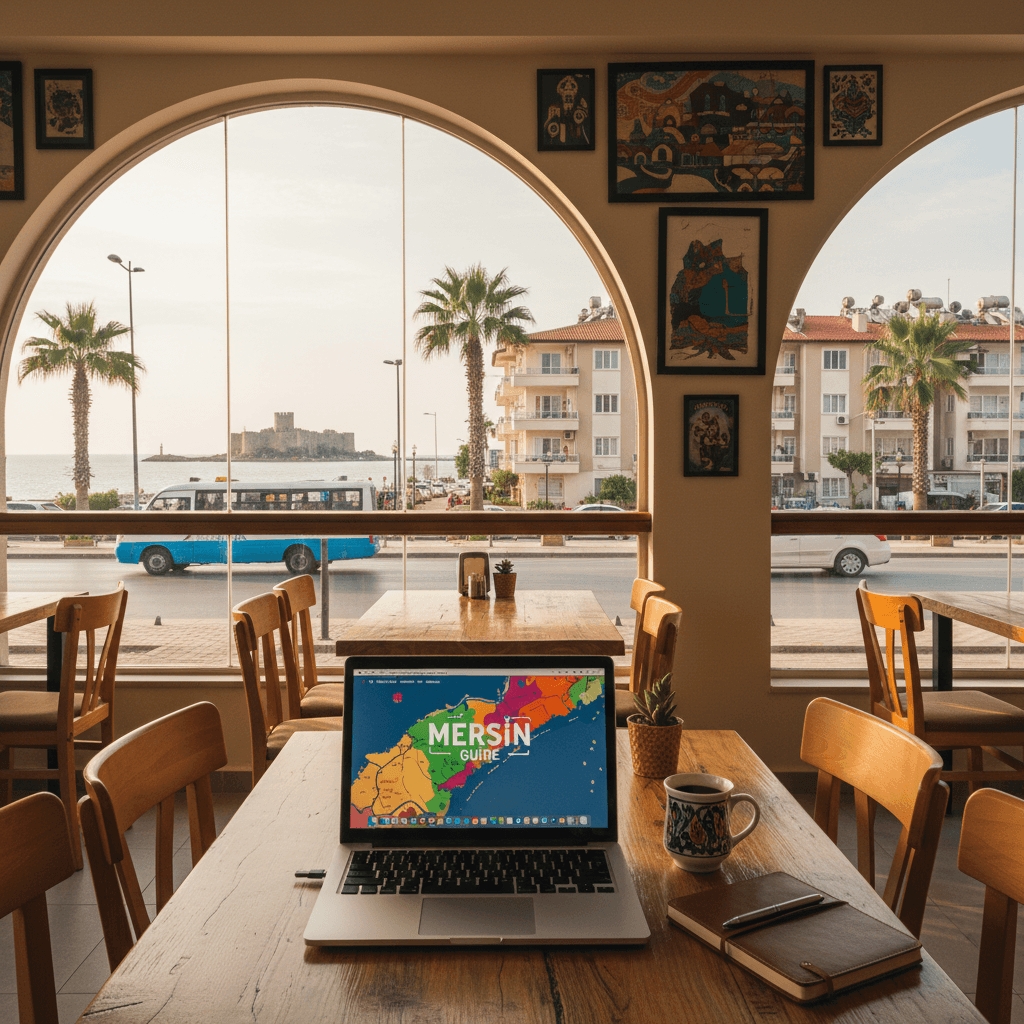
Mersin
🇹🇷 Turkey
The Coastal Slow-Burn
If Istanbul is a high-octane espresso and Antalya is a polished resort cocktail, Mersin is a chilled glass of tea by the water at sunset. It doesn't try too hard to impress you, and that's exactly why it works. As a massive port city that doubles as a Mediterranean playground, it offers a gritty, authentic energy paired with a surprisingly laid-back seaside lifestyle. You won't find the crushing crowds of the western coast here. Instead, you get a city where the palm-lined promenade feels like your own private backyard.
The vibe is distinctly local. You'll see families hosting elaborate picnics on the grass by the shore while young professionals work from waterfront cafes. It’s a place where the "Blue Economy" meets a burgeoning digital nomad scene. While it’s still flying under the radar compared to Turkey's big three, the infrastructure is catching up fast. It’s the kind of city where you can finish a deep-work session and be on a beach in Akdeniz fifteen minutes later without breaking a sweat or your budget.
What Nomads Love (and Hate)
The biggest draw is the cost-to-quality ratio. You’re living a Mediterranean life for a fraction of what you’d pay in Europe or even Izmir. The proximity to bucket-list spots is also a massive perk. You can drive to the fairy chimneys of Cappadocia in a few hours or head 250 km east to Gaziantep, the undisputed food capital of the region, for a weekend of world-class baklava.
On the flip side, Mersin isn't a "plug and play" destination yet. English proficiency is lower than in the tourist hubs, so you'll need Google Translate and a bit of patience. Its location near the Syrian border can also make some travelers nervous, though the city itself remains a stable, functioning economic powerhouse. The most significant hurdle is the residency permit (ikamet) situation, which can be more restrictive here than in established expat hubs, making the new Digital Nomad Visa a much safer bet for long-term stays.
The Financial Reality
Your money goes incredibly far here. Most nomads find they can live comfortably on $1,500 to $2,000 a month, while those on a tighter budget can get by on $800 to $1,200. It’s one of the few places left where you can still find a decent 1-bedroom apartment near the beach for $300 to $500 a month.
- Street Food (Tantuni or Simit): $2 to $5
- Mid-range Dinner: $8 to $15
- Monthly Coworking/Cafe Spend: $100 to $200
- Public Transport: $0.50 per ride
- Unlimited 4G/LTE Data: $10 to $20
Neighborhood Spotlight: Akdeniz
Most remote workers gravitate toward Akdeniz. It is the heart of the city's coastal life, offering the best balance of urban convenience and beach access. While it has a busier, more industrial port feel in certain pockets, the seaside areas are where you'll want to plant your laptop. You get reliable fiber-optic internet reaching up to 100 Mbps in modern apartments, which is plenty for seamless video calls.
- Pros: Immediate access to the promenade, high concentration of cafes, lower rent than Antalya.
- Cons: Can feel a bit "concrete heavy" in parts, more urban noise than the suburbs.
The Emotional Experience
Living in Mersin feels like being let in on a secret. There is a sense of freedom that comes from not being surrounded by "digital nomad cafes" with identical avocado toast menus. You'll spend your afternoons walking the Kordon (the waterfront), your weekends exploring Roman ruins that you don't have to share with a thousand other tourists, and your evenings eating fresh seafood that was in the Mediterranean that morning. It’s a city for the nomad who is tired of the "backpacker circuit" and wants to see how modern Turkey actually lives, works, and relaxes.
Practical Logistics
Getting around is simple. The bus network is cheap and efficient, and for everything else, BiTaksi is your best friend. If you’re arriving internationally, you’ll likely fly into Adana and take a shuttle for about $6 to $10 or taxi for $150 to $200. To stay long-term, ensure you meet the $3,000 monthly income requirement for the Turkish Digital Nomad Visa, which has significantly streamlined the process for remote workers in 2026. Just remember to pack your summer gear; the heat in July and August is no joke, often hitting 35°C, making the air-conditioned cafes of Akdeniz your primary office.
The Cost of Mediterranean Living
Mersin is one of the best ways to experience the Turkish coast without the price tag of Antalya or the frantic pace of Istanbul. While Turkey has seen price shifts recently, your dollar or euro still stretches remarkably far here. Most digital nomads find they can live comfortably on a mid-range budget of $1,500 to $2,000 per month. If you are watching your pennies, a budget lifestyle is doable for around $800 to $1,200, while $2,500 buys you a high-end seaside life with all the trimmings.
The city operates on a cash and card hybrid system. You will want a local SIM card from providers like Turkcell or Vodafone almost immediately, which usually costs about $10 to $20 for a solid data plan. For managing money, expats typically stick to Wise or Revolut for daily spending to avoid poor bank exchange rates.
Housing and Neighborhoods
The Akdeniz district is the primary hub for remote workers. It is right by the port and the beach, giving you that seaside energy without the isolation of the far suburbs. Rent for a modern one-bedroom apartment or a studio in this area generally lands between $300 and $500 per month. You can find these listings on local platforms like Sahibinden, though many nomads prefer working through agencies like RestProperty to handle the paperwork.
While Mersin is more affordable than the big hubs, keep in mind that residence permit (ikamet) rules can be more restrictive here than in Istanbul. Many nomads use Mersin as a base for 90-day stints or enter on the new Digital Nomad Visa, which requires a monthly income of $3,000 and a university degree.
Food and Dining
Eating out is a highlight of life here, especially given the proximity to Gaziantep, Turkey's culinary capital. You can grab street food like tantuni or a quick kebab for $2 to $5. A sit-down dinner at a mid-range restaurant along the waterfront will usually cost between $8 and $15. If you are celebrating at an upscale seafood spot, expect to pay $25 or more per person.
- Street Food: $2 to $5
- Mid-range Meal: $8 to $15
- Upscale Dining: $25+
- Monthly Groceries: $200 to $300
Connectivity and Transport
Internet reliability is surprisingly good for a city that is not yet a major nomad hub. Most modern apartments in Akdeniz come with fiber-optic connections reaching up to 100 Mbps. While there are not many dedicated coworking chains like those in Izmir, the local cafe culture is very welcoming to laptops. You should budget about $100 to $200 a month if you plan to use professional office spaces or frequent high-end cafes.
Getting around is cheap. A ride on a public bus costs roughly $0.50. For quicker trips, use the BiTaksi app to avoid any confusion over fares. If you are flying in, you will likely land at Adana airport; a shuttle or taxi to Mersin will set you back about $20 to $30. The city is also a great launchpad for weekend trips; Cappadocia is only a few hours away by car, making it easy to swap the beach for the mountains on a Saturday morning.
Safety and Healthcare
Mersin is a stable, functional port city. Some travelers feel a bit of hesitation due to its location relative to the Syrian border, but the daily reality for expats is very safe. Stick to the central and western coastal areas and avoid the eastern industrial outskirts at night. If you need medical care, the private hospitals are modern and affordable. For any immediate emergency, dialing 112 connects you to all essential services.
The Digital Nomad: Akdeniz and the Waterfront
If you're coming to Mersin to work, you'll likely end up in Akdeniz. This is the heart of the city's port energy and home to the most accessible seaside stretches. It's the best spot for nomads who want to walk out of a morning Zoom call and straight onto a beach path. While the city doesn't have the massive coworking chains you'll find in Istanbul, the local cafe culture is strong. You'll see plenty of remote workers tucked into corners of waterfront cafes using 4G/LTE backups or local fiber that hits speeds up to 100 Mbps.
- Rent: Budget around $300 to $500 for a decent one bedroom apartment.
- Vibe: High energy, coastal, and very affordable.
- The Upside: You're close to everything. The public buses cost about $0.50 per ride, making it easy to zip around without a car.
- The Downside: It can feel a bit more "urban" and gritty near the port compared to the polished resort vibes of Antalya.
The Long-Term Expat: Mezitli and Soli
Expats who plan to stay for a full season often migrate slightly west toward Mezitli and the Soli area. It's a bit more residential and relaxed than the central port district. This area feels more like a community, where you'll get to know the local grocer and the guys running the neighborhood Turkcell shop. It's the kind of place where you can secure a long term lease through platforms like Sahibinden for a fraction of what you'd pay in Izmir.
Living here means you're trading the immediate proximity of the ferry terminal for better air quality and quieter nights. Most expats recommend this area if you want a stable home base to explore the rest of the region, like taking weekend trips to Gaziantep for the world class food scene or driving a few hours north to Cappadocia.
- Monthly Budget: A comfortable lifestyle here runs about $1,500 to $2,000, including dining out frequently.
- Food Costs: You can grab street food for $2 to $5, while a nice mid range dinner will set you back about $10 to $15.
- Community: Look for local Facebook groups; Mersin's expat scene is smaller than Istanbul's, so people tend to be very helpful with logistics like residence permits.
Families: The Western Suburbs
For families, the further west you go from the city center, the better. The suburbs offer larger modern apartments, often in gated complexes with pools and playgrounds. These areas feel safer and more spacious, away from the heavy traffic of the central business districts. You'll find the air is cooler and the access to clean swimming beaches is much better.
The proximity to the Syrian border is something families often ask about. While Mersin is a stable, major port city, most families prefer staying in the western residential pockets to avoid the more crowded eastern outskirts. Healthcare is reliable here, with several private hospitals that meet international standards, which is a major relief for parents.
- Schools: There are several private Turkish colleges (K-12) in these areas that are popular with middle class locals and expats.
- Transport: You'll likely want a car here, though the BiTaksi app works well for quick hops.
- Weekends: The culture revolves around massive seaside picnics and long breakfasts that can last three hours.
Solo Travelers: Central Hubs and Port Side
If you're solo and only staying for a month, stick to the blocks near the Mersin Marina. This is where the social life happens. It's the most walkable part of the city and has the highest concentration of English speakers. Since English proficiency is generally low across the city, being in this hub makes daily life much easier. Make sure you have Google Translate downloaded for offline use; it's a lifesaver at the local markets.
Solo travelers often find that Mersin is one of the most budget friendly coastal cities in Turkey. You can maintain a basic lifestyle on $800 to $1,200 a month without feeling like you're pinching pennies. The social scene is more about low key gatherings and waterfront walks than wild nightclubs, so it suits those who prefer a slower Mediterranean pace.
- Safety: Stick to well lit main streets at night. The city is generally safe, but the port area can be industrial and lonely after dark.
- Connectivity: Grab a local SIM at the mall for about $20 to ensure you have data for maps and translation apps.
- Top Tip: If you're here on the Digital Nomad Visa, remember the $3,000 monthly income requirement. Mersin's low costs mean that salary goes incredibly far here.
Reliable Connectivity in a Coastal Setting
Mersin might not have the name recognition of Istanbul, but its digital infrastructure is surprisingly robust. The city has benefited from Turkey's recent push to modernize fiber optic networks, and you can easily find modern apartments in the Akdeniz district offering speeds up to 100 Mbps. This makes it a solid choice for those who need to jump on video calls without the lag issues sometimes found in older coastal towns.
Most nomads rely on 4G or LTE as a backup. The coverage is excellent throughout the city center and along the waterfront. You'll want to pick up a local SIM card shortly after arriving to keep costs down. Turkcell is generally cited by expats as having the most reliable coverage, though Vodafone and Turk Telekom offer competitive data packages. Expect to pay between $10 and $20 per month for a generous data plan, which is a steal compared to European or North American prices.
Coworking and the Cafe Culture
Mersin doesn't yet have the massive coworking franchises like WeWork, but the local scene is growing. You'll find smaller, independent hubs and shared desks often tucked away in art centers or public libraries. Monthly memberships usually hover between $100 and $200, making it an affordable alternative to working from a cramped hotel room. These spaces are where you'll meet the local tech crowd and the small but dedicated community of international remote workers.
If you prefer the "laptop and a latte" approach, the waterfront cafes in Akdeniz are your best bet. The Turkish cafe culture is very welcoming to long stays. As long as you keep ordering the occasional tea or coffee, most staff won't mind you parked at a table for a few hours. Just keep in mind that English proficiency can be hit or miss, so having Google Translate downloaded for offline use is a smart move when asking for the Wi-Fi password.
Practical Tech Tips for Mersin
- Power Stability: While the grid is generally reliable, it is smart to carry a high capacity power bank if you plan on working from the beach or more remote seaside spots.
- VPN Usage: Many nomads recommend using a reliable VPN while working in Turkey to ensure uninterrupted access to all global sites and to add a layer of security on public cafe networks.
- Payment Apps: While cash is still king for street food, you'll want Wise or Revolut for international transfers and BiTaksi for getting around without haggling over fares.
Digital Nomad Visa Requirements
Turkey has made a major play for remote workers with its dedicated Digital Nomad Visa. If you're looking to make Mersin a long term base, the process has become much more streamlined. The primary hurdles are an income requirement of $3,000 per month and holding a university degree. You can start the application through the official GoTurkiye digital nomad portal. This visa provides a much more stable legal footing than trying to bounce around on a standard tourist permit, especially given the stricter residence permit (ikamet) rules in certain coastal zones recently.
Living here means balancing your deep work sessions with the city's slow pace. You can finish a project by 5:00 PM and be sitting on a beach or eating fresh seafood in Akdeniz twenty minutes later. For the price of a small room in London, you're getting a high speed connection and a Mediterranean lifestyle that's still largely under the radar.
Staying Safe in the Port City
Mersin is generally a stable and welcoming place for remote workers, especially in the central and coastal stretches like Akdeniz. While it doesn't have the same high-intensity tourist pulse as Istanbul, it feels grounded and authentic. Most nomads feel perfectly comfortable walking the seaside promenades or grabbing a late dinner, though it's smart to stick to well-lit areas after dark.
One unique factor here is geography. Mersin is a major Mediterranean port, and while this doesn't typically impact daily life in the city center, travelers often suggest avoiding the far eastern outskirts of the province. Local sentiment remains nomad-friendly, and you aren't likely to encounter issues beyond the standard precautions you'd take in any large city.
- Emergency Number: Dial 112 for all emergencies, including police, ambulance, and fire services. Operators can usually find an English speaker if you ask.
- Common Scams: These are rare here compared to Sultanahmet or Antalya. Just keep an eye on taxi meters and confirm prices before your ride starts.
- Solo Travel: Women traveling solo generally find Mersin respectful, though dressing a bit more conservatively when moving away from the beach clubs helps you blend in.
Healthcare and Wellness
Turkey has invested heavily in its medical infrastructure, and Mersin benefits from this modern system. You'll find a mix of public and private hospitals. Expats almost universally recommend private facilities for non-emergencies because the staff is more likely to speak English and the wait times are significantly shorter.
For minor issues like a cold or a light stomach bug, look for a Eczane (pharmacy). Turkish pharmacists have a high level of training and can often suggest over-the-counter treatments that might require a prescription in your home country. They operate on a rotating "duty" system (Nöbetçi Eczane) for nights and Sundays, which you can check on local apps or the sign in any pharmacy window.
Health Insurance for Nomads
If you are applying for the Turkish Digital Nomad Visa, which requires a $3,000 monthly income, you'll need a valid health insurance policy that covers you within the country. Even if you're just visiting on a tourist voucher, having a plan that covers private hospital visits is a smart move.
- Private Hospitals: Facilities like City Hospital offer high-tech equipment and specialized departments.
- Costs: A standard consultation at a private clinic usually runs around $40, which is quite affordable compared to Western rates.
- Pharmacies: Most are open from 9:00 AM to 7:00 PM. Look for the red "E" sign.
Practical Safety Tips
The biggest "danger" you'll likely face in Mersin is the traffic. Pedestrians don't always have the right of way, even at marked crosswalks. When you're walking around Akdeniz or crossing the coastal roads to get to the beach, wait for a clear gap rather than assuming cars will stop for you.
Tap water is generally used for showering and washing dishes, but most nomads and locals stick to bottled or filtered water for drinking. You can order large 19-liter water jugs for your apartment for just a few dollars via apps like Getir or BiTaksi, which makes staying hydrated easy and cheap.
Navigating the City
Mersin doesn't have the frantic pace of Istanbul, and its transit system reflects that. You can get across most of the central coastal strip for about $0.50 per ride using the municipal bus network. These buses are efficient and cover the main arteries connecting the port area to the western beaches. For a more direct route, locals and nomads use the BiTaksi app, which works similarly to Uber and helps you avoid the "tourist tax" sometimes associated with street hailing.
The city is surprisingly flat along the water, making the coastal areas of Akdeniz highly walkable. If you're staying near the Adnan Menderes Boulevard, you'll find wide sidewalks and dedicated paths. Many expats rent electric scooters or bicycles for short hops along the shoreline, especially during the mild spring and autumn months when the Mediterranean breeze makes a commute actually enjoyable.
Regional Connections
Since Mersin doesn't have its own active international airport yet, most nomads fly into Adana Sakirpasa Airport (ADA). Getting from Adana to Mersin is a standard part of the experience. You have three main options:
- Havas Shuttle: A ticket costs roughly $6 to $10 and drops you at central points in Mersin.
- Train: The regional rail link between Adana and Mersin is frequent and incredibly cheap, though it can get crowded during rush hour.
- Private Taxi: A direct transfer is the best choice if you're arriving late at night or carrying heavy gear.
Exploring Beyond the City Limits
One of the biggest perks of basing yourself here is the proximity to Turkey's interior. You aren't just stuck in a port city; you're at a gateway. Most nomads recommend renting a car for weekend trips to Cappadocia, which is only a few hours away by road. Having your own wheels gives you the freedom to explore the underground cities without the constraints of a tour bus.
For a culinary pilgrimage, Gaziantep is about 250 km to the east. It's a straightforward drive or a comfortable bus ride. If you're planning to stay long term, look into getting a Mersin Kentkart. This rechargeable smart card is used for all municipal transport and saves you the hassle of carrying small change for every bus trip.
Practical Transit Tips
- Traffic Patterns: Avoid the main coastal roads during the late afternoon on weekends. The "picnic rush" is real, as locals head to the beaches and parks.
- Walking Safety: Stick to the well lit waterfront and central Akdeniz streets at night. While the city is generally stable, the eastern port outskirts can feel a bit industrial and isolated after dark.
- Language Gap: Bus drivers rarely speak English. Have your destination written down or pinned on Google Maps to show them if you're unsure of your stop.
The Language Barrier and Local Reality
In Mersin, Turkish is the undisputed king of conversation. Unlike the heavily touristed streets of Istanbul or the expat enclaves of Antalya, Mersin retains a more authentic, local atmosphere. This means English proficiency is generally low once you step away from the modern cafes in Akdeniz or the port area. You'll find that younger staff in specialty coffee shops or workers in high end hotels speak enough to get by, but your local grocer or bus driver likely won't.
Most nomads find that a "smile and point" strategy works for the first few days, but the city rewards those who put in even a little effort. Locals are famously hospitable and will often go out of their way to help you if they see you trying to speak their language. It isn't uncommon for a simple question about directions to turn into an invitation for tea, even if half the conversation happens through a translation app.
Building Your Digital Toolkit
Since you can't rely on English for daily errands, a few digital tools are non-negotiable for a smooth stay. Travelers recommend downloading the Turkish offline pack on Google Translate immediately. The camera translation feature is a lifesaver when staring at a menu full of regional specialties or trying to decipher utility bills.
- BiTaksi: This is the go-to app for hailing rides. It bypasses the need to explain your destination verbally, which saves a lot of stress.
- WhatsApp: This is the primary mode of communication for everything from booking a hair appointment to talking to your landlord.
- Sahibinden: If you're looking for long term stays, this app is the local standard, though you'll definitely need a browser translator to navigate it.
Essential Phrases for Daily Life
Learning a handful of words will change the way locals perceive you. It moves you from a temporary tourist to a respected guest. Start with these basics to handle most social interactions:
- Merhaba: Hello. (Simple, universal, and always welcomed).
- Teşekkürler: Thanks. (If this feels like a mouthful, "Sağol" is a shorter, more casual alternative).
- Ne kadar?: How much? (Use this at the local markets).
- Hesap, lütfen: The bill, please.
- Kolay gelsin: A beautiful Turkish phrase that literally means "may it come easy to you." Use it when entering a shop or passing someone working; it’s a great way to build instant rapport.
Communication in the Workspace
If you're worried about professional communication, the infrastructure in Mersin is surprisingly robust for a city that isn't yet a top-tier nomad hub. Fiber-optic internet reaching up to 100 Mbps is common in newer apartment builds in the Akdeniz district. While dedicated coworking spaces are still emerging, the city’s vibrant cafe culture serves as a de facto office for many remote workers. In these spaces, the "digital nomad" concept is becoming better understood, and you'll find the younger, tech-savvy crowd is much more likely to speak functional English.
For your phone, grab a local SIM from Turkcell or Vodafone as soon as you arrive. You can expect to pay around $10 to $20 per month for a generous data plan. Having a local number is often required for connecting to public Wi-Fi hotspots and makes coordinating with local services much easier.
Social Etiquette and Non-Verbal Cues
In Mersin, communication is as much about gestures as it is about words. A slight upward nod of the head accompanied by a "tsk" sound means "no." Conversely, a downward nod means "yes." If you're invited into a local home, remember to remove your shoes at the door; it's a sign of respect that speaks louder than any Turkish vocabulary you might have memorized. During Ramadan, being mindful of your public eating and drinking habits is a silent but appreciated form of communication with the local community.
The Mediterranean Rhythm
Mersin operates on a different clock than the frantic pace of Istanbul. Life here revolves around the sea, and the weather dictates the daily flow. You'll find a classic Mediterranean climate that rewards those who enjoy outdoor living, seaside picnics, and a sun-drenched workspace. While the city stays active year-round, timing your arrival can make the difference between a productive stay and three months spent hiding in an air-conditioned apartment.
Peak Season: The Summer Heat
From June through August, Mersin gets seriously hot. Temperatures regularly climb to 30-35°C (86-95°F), and the humidity coming off the port can make it feel even heavier. This is when the city’s waterfront vibe is at its peak, but it is also the most challenging time for deep work. Most nomads find themselves shifting their schedules to early mornings or late evenings to avoid the midday sun.
- The Upside: Warm nights at the beach clubs in Akdeniz and a lively social scene along the promenade.
- The Downside: High electricity bills from running the AC and a general sluggishness that hits the city during the afternoon peak.
The Sweet Spot: Spring and Autumn
If you have the flexibility, aim for April to June or September to October. These shoulder months are widely considered the best time to base yourself here. Temperatures hover between a comfortable 20-28°C (68-82°F), making it perfect for walking through the port districts or taking weekend trips to nearby attractions.
During these windows, you can work from cafe terraces without breaking a sweat. It is also the ideal time for regional exploration. Since Mersin is a gateway to the rest of the south, these mild months are perfect for the 250 km drive to Gaziantep for a food tour or a weekend trip to Cappadocia, which is only a few hours away by car. You get the best of the coastal breeze without the oppressive summer humidity.
Winter: The Quiet Season
Winter in Mersin, running from November to March, is mild but damp. You won't see snow, but you will see rain. Temperatures usually sit between 10-15°C (50-59°F). It is rarely "cold" by northern standards, but the dampness can make poorly insulated apartments feel chilly.
Expats who stay through the winter appreciate the lack of crowds and the significantly lower short-term rental prices. It is a great time for heads-down work, though you'll swap the beach picnics for cozy tea houses. Just be sure to check that your apartment has a reliable heating system, as many older buildings in coastal Turkey are designed primarily to stay cool, not warm.
At a Glance: Monthly Planning
- Best for Work-Life Balance: May and September. The weather is flawless, and the city feels energized but not overheated.
- Best for Budget Travelers: January and February. You'll find the best deals on local rentals, often as low as $300 for a decent flat near the water.
- Best for Sun Seekers: July. If you want 14 hours of sunlight and don't mind the 35°C heat, this is your window.
Regardless of when you visit, keep the local customs in mind. If your stay overlaps with Ramadan, be aware that while Mersin is a relaxed port city, some smaller local spots might adjust their hours during the day. However, the evening "iftar" celebrations along the coast bring a fantastic energy to the city that most remote workers find welcoming and inclusive.
Budgeting for the Coastal Life
Mersin is a breath of fresh air for your wallet compared to the skyrocketing prices in Istanbul or Antalya. Most digital nomads find they can live comfortably here on a mid-range budget of $1,500 to $2,000 per month. If you are sticking to a tighter budget, you can get by on $800 to $1,200 by eating locally and skipping the high-end beach clubs.
Rent is your biggest saving. In the popular Akdeniz district, a modern one-bedroom apartment near the water typically runs between $300 and $500. When it's time to eat, street food like tantuni (a local spicy meat wrap) costs just $2 to $5. A nice dinner at a mid-range restaurant usually hits the $8 to $15 mark, while a high-end seafood spread will rarely exceed $25 per person.
Neighborhoods and Connectivity
The Akdeniz district is the primary hub for expats and remote workers. It offers the best balance of seaside views and urban amenities. While it feels a bit more industrial and busy than a pure resort town, the proximity to the port and the beaches makes it the most practical home base. If you need a break from the city heat, many nomads look for modern complexes slightly further down the coast for quieter surroundings.
Staying online is rarely an issue. Most modern apartments and cafes in the center offer fiber-optic connections reaching up to 100 Mbps. For mobile data, travelers recommend picking up a SIM card from Turkcell or Vodafone at the local malls. You can expect to pay about $10 to $20 per month for a solid data plan. While dedicated coworking spaces are still emerging, the local library and waterfront cafes are reliable spots to set up your laptop for the afternoon.
Getting Around
Public transport is straightforward and incredibly cheap. Local buses cost roughly $0.50 per ride. For more direct trips, the BiTaksi app is your best friend for calling reliable rides without the price haggling. If you are staying in the Akdeniz area, the waterfront is very walkable, and many expats opt for bicycle or scooter rentals to cruise along the seaside promenade.
When you need to leave the city, the Adana Sakirpasa Airport is the closest major hub. A taxi or shuttle transfer usually costs between $20 and $30. Mersin is also a perfect base for weekend trips; you can reach the fairy chimneys of Cappadocia in a couple of hours by car or head 250 km east to Gaziantep to experience the culinary capital of the country.
Safety and Health
Mersin is generally stable and welcoming, though its location near the Syrian border means you should stay aware of the local news. Most expats feel perfectly safe in the central and coastal districts but suggest avoiding the eastern outskirts of the city. For healthcare, the city has several private hospitals that meet international standards. In any emergency, dial 112. Pharmacies (Eczane) are plentiful and can help with minor ailments or over the counter needs.
The Nomad Visa and Logistics
Turkey has recently streamlined its Digital Nomad Visa process, making it a serious contender for long-term stays. To qualify, you generally need to show a monthly income of at least $3,000 and hold a university degree. You can start the application at the official digitalnomads.goturkiye.com portal.
- Language: English isn't widely spoken. Download the Turkish offline pack on Google Translate; it is a lifesaver at local markets.
- Banking: Use Wise or Revolut for daily spending to get the best exchange rates.
- Etiquette: Always remove your shoes before entering a Turkish home. During Ramadan, be mindful of eating or drinking in public during daylight hours in more traditional neighborhoods.
- Climate: Aim for April to June or September to October. July and August are punishingly hot with temperatures often hitting 35°C.
Need visa and immigration info for Turkey?
🇹🇷 View Turkey Country GuideHidden Gem
Worth the effort
Monthly Budget Estimates
More cities in Turkey
Konya
🇹🇷 Turkey
Adana
🇹🇷 Turkey
Bodrum
🇹🇷 Turkey