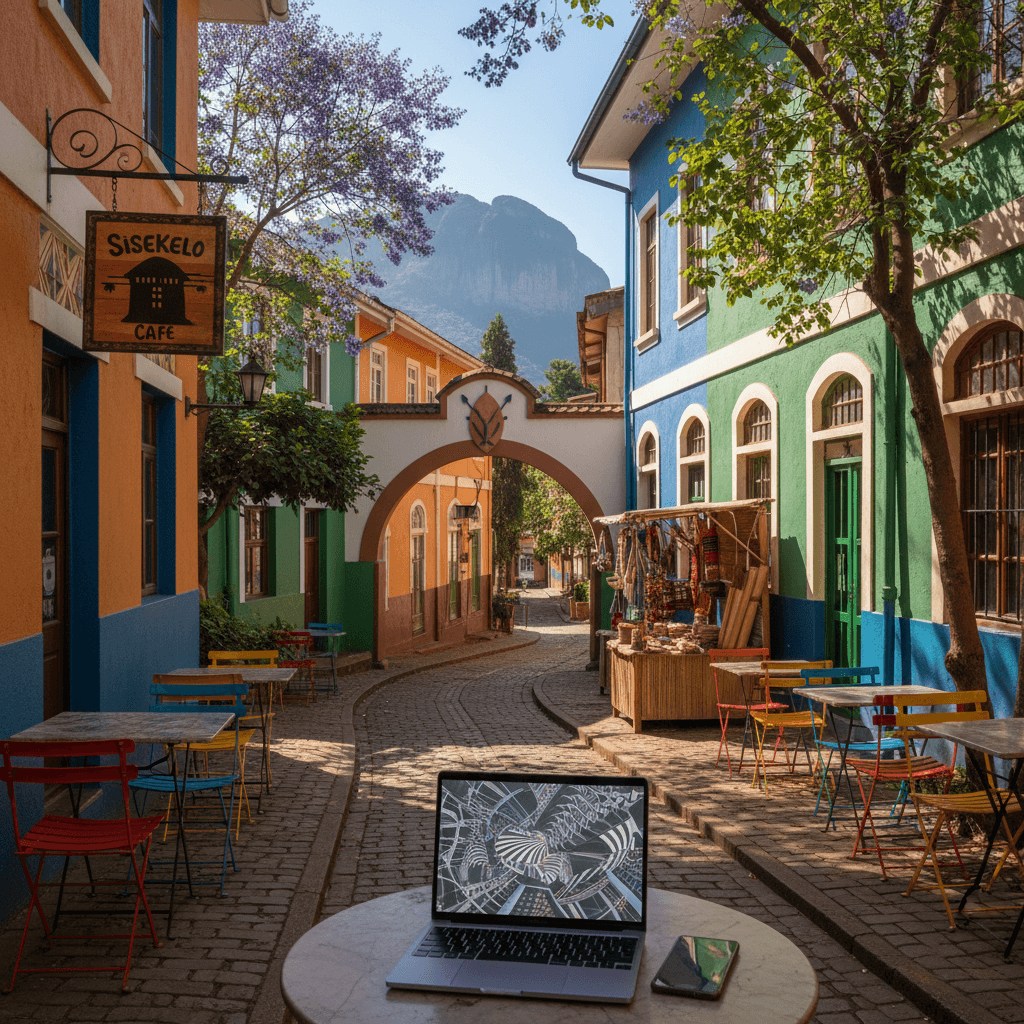
Mbabane
🇸🇿 Eswatini
Mbabane feels small in a way that changes your day. People move slowly, the air stays cooler than you’d expect in a capital and you hear minibus honks, birds and the occasional burst of laughter drifting out of shops, then the whole place quiets again. It’s calmer than Johannesburg, rougher around the edges than many expats expect, and, honestly, that mix is the point.
The city sits in the hills, so mornings can feel fresh and evenings get that damp mountain chill, especially after rain. You’ll smell exhaust near the center, wood smoke in some pockets and street food when vendors are out, but don’t come here expecting polished urban energy or a big late-night scene, because Mbabane never really pretends to be that. It’s more about a slower rhythm, friendly faces and getting used to a place that still feels very local.
Most nomads either like Mbabane immediately or find it frustrating within a week. The upside is clear: low rents by regional standards, easy access to nature and a real sense that you’re living somewhere, not just passing through, though the tradeoff is equally clear, internet can be patchy, nightlife is thin and the city can feel sleepy after dark.
Where people base themselves
- Mbabane city center: Best for walkability, services and short errands, but it gets sketchy after dark, so don’t linger around unlit streets or Coronation Park at night.
- Ezulwini Valley: Quieter and greener, with more of an expat feel, which, surprisingly, makes it the easier place for longer stays if you want less noise and more mountain air.
- Manzini: Better for business access, but it’s busier and has a sharper edge, so many travelers sleep there and leave once the day’s done.
Living costs stay fairly low if you’re disciplined. A one-bedroom in the center runs about $258, monthly utilities are around $53, lunch can cost under four bucks and a solo month with rent averages roughly $652, which sounds decent until you add taxis, spotty data and the occasional imported grocery price that makes you wince.
Internet is workable, not thrilling. MTN tends to be the safer bet for coverage, eSIMs save hassle and most people end up working from cafés or home because dedicated coworking options are thin on the ground, so if you need reliable video calls, build your day around backups, not optimism. The city has a dry, practical feel in that sense and frankly, that’s Mbabane all over.
Mbabane is cheaper than South African capitals, but it isn’t dirt cheap. A solo nomad can get by on roughly $652 a month with rent or about $367 without it and that’s before the random taxi run, the extra data bundle or the plate of chicken and pap on a tired evening.
Rent is the big divider. A one-bedroom in the city center runs around $258, while the same place outside the center is closer to $185, which, surprisingly, doesn’t buy you much more peace if the road is bad and the internet drops anyway.
Typical monthly costs
- Utilities: about $53 for one person
- Lunch at a cheap spot: around $3.60
- Cappuccino: about $2.16
- Beer: roughly $2.04 for 0.5L
- Taxi ride, 8km: about $25
Food is manageable if you shop smart and honestly, the grocery bill looks friendlier than the restaurant bill. Milk is about $1.18 a liter, bread $0.84, eggs $1.88 a dozen and chicken breast sits near $5.50 per kilo, so cooking at home makes a real difference when you’re here longer than a week.
Transport can sting. Minibus taxis are cheap at about $1.25 a ride, but they’re crowded, noisy and you’ll hear plenty of horn honking, radio chatter and the shuffle of people squeezing in at stops, while private taxis can feel absurdly expensive for short hops.
What expats usually pay attention to
- Monthly transport pass: around $32.70
- Gasoline: about $1.29 per liter
- Doctor’s visit: around $20.10
- 1-bedroom outside center: about $185
The real squeeze is internet and housing quality. You can find decent mobile coverage with MTN or Eswatini Mobile, but WiFi still gets patchy in some places and if you’re paying for a nicer apartment, you’ll want to test the signal first because a pretty place with weak internet gets old fast.
My take: stay just outside the center if you want better value, eat local and budget extra for transport and data. That’s the Mbabane math and it changes quicker than you’d like when prices jump, the rain turns roads slick or you end up relying on taxis more than planned.
Mbabane doesn’t really do polished, master-planned neighborhoods. It’s more practical than pretty and the best area depends on how much you care about walkability, noise and how quickly you want to get home before dark. Not cheap. Not glamorous.
Nomads
Mbabane City Centre is the default pick if you want cafés, banks, government offices and the easiest day-to-day logistics, though the WiFi can be moody and the traffic noise gets old fast, with taxis hooting, engines idling and the occasional burst of shouted conversation drifting up from the street.
- Rent: About $185 to $258 for a 1-bedroom, depending on whether you stay inside or just outside the center
- Best for: People who need errands done fast and don’t want to waste money on long taxi rides
- Watch out for: After-dark petty crime and Coronation Park at night is a bad idea
If you’re working remotely, this is the most practical base, honestly, but don’t expect a slick coworking scene, most nomads end up working from cafés, hotel lounges or their apartment when the connection cooperates. Internet averages around 26 Mbps, which, surprisingly, is usable, though a rainy afternoon can still knock the mood right out of it.
Expats
Ezulwini Valley is where many expats settle when they want more space, greener views and less of Mbabane’s stop-start city noise. The air smells cleaner up there, the evenings are quieter and you’re a bit less boxed in, but you’ll trade that for longer commutes and fewer casual drop-in options.
- Rent: Usually pricier than central Mbabane, though listings vary a lot
- Best for: Longer stays, families and people who’d rather have calm than convenience
- Trade-off: Fewer nightlife options, more dependence on a car or taxis
It’s the safer emotional bet if you’re staying months, maybe longer, because the pace is slower and you’re closer to cultural sites and mountain scenery, but it can feel isolated if you like walking out for a quick coffee or a spontaneous dinner.
Families
Ezulwini is the easiest family choice and I’d pick it over central Mbabane for most long stays. Homes are generally roomier, there’s less street chaos and kids aren’t dealing with the same constant flow of minibuses, roadside hawkers and honking at all hours.
- Rent: Around the mid-range to upper end for the city
- Best for: Quiet routines, more space and a lower-stress home base
- Downside: You’ll spend more on transport and errands
If you need schools, clinics and straightforward access to the capital without living in the middle of it, this is the sane compromise. Manzini is more commercial, but it’s rougher and feels less comfortable after dark.
Solo Travelers
Mbabane City Centre works for solo travelers who want everything close by and don’t mind staying alert. During the day, it’s fine, even easy, but once the light goes, the streets feel harsher, the foot traffic thins out and you really shouldn’t be wandering alone.
- Best for: Short stays, first-time visitors and people without a car
- Avoid: Walking alone after dark, parks at night and empty side streets
- Budget tip: Use minibuses when you can, taxis get expensive quickly
If you want a quieter base and don’t mind less convenience, Ezulwini is calmer, but for most solo travelers, the center makes more sense because it’s easier to get meals, money and transport without overthinking every errand. Just don’t get careless, Mbabane can feel friendly, then turn cold very quickly after sunset.
Mbabane’s internet is decent on paper, patchy in real life. The city averages 20-40 Mbps for mobile and fixed broadband and in the center you can usually get workable WiFi in hotels, cafes and a few restaurants, though the connection can wobble when the lunch crowd piles in and everyone starts streaming or calling home.
If you need to work all day, mobile data is often the safer bet. MTN Eswatini has the widest 4G coverage, SIMs usually cost about 20 to 50 emalangeni and basic data bundles start around 50 emalangeni for 1GB, which honestly feels like the most predictable option when cafe WiFi starts crawling.
Eswatini Mobile can also work well in town, especially if you’re staying near the center, but coverage gets thinner once you drift out toward quieter areas. eSIMs through Airalo are a tidy workaround and if you’ve got a remote job deadline hanging over you, setting that up before arrival saves you a lot of standing around in a shop while somebody hunts for a SIM cutter.
Best setup for remote work
- Primary SIM: MTN, for the best odds of stable 4G
- Backup: A second SIM or eSIM, because outages happen
- Home internet: MTN uncapped at about 550 emalangeni monthly or Vumatel unlimited around 700 emalangeni
- Working style: Cafes in central Mbabane, then home WiFi for longer calls
The coworking scene is thin, weirdly thin for a capital city, so most nomads end up building their own routine instead of dropping into a polished shared office. That usually means a cafe with passable WiFi, a quiet guesthouse and a local SIM as backup, because one bad rainstorm can turn a good connection into mush.
Practical working spots
- Cafes: Best for a few focused hours, not all-day marathons
- Hotels and guesthouses: Often more reliable than independent cafes
- Dedicated coworking: Limited public listings, so ask locally when you arrive
- Power backup: Bring a charged laptop, outages can happen
The real trick in Mbabane is redundancy. If your video call matters, test the connection early, keep a data bundle ready and don’t trust one cafe just because the coffee smells good and the chairs look comfortable, because the WiFi can drop right when you need it most. That's the city, frankly, practical but a little uneven.
Mbabane feels calm in daylight, then a bit tense after dark. Downtown is where most petty theft happens and the parks get dodgy fast once the sun drops. Walking alone at night isn't a good idea.
The U.S. State Department advises exercising increased caution due to crime and that sounds dramatic until you hear the local advice, keep your phone tucked away, don’t flash cash and avoid empty streets where you can hear your own footsteps and the occasional taxi horn. Honestly, the biggest annoyance is how ordinary the risk looks, because a quiet street can turn sketchy with almost no warning.
- Skip after dark: Downtown Mbabane, Coronation Park and any isolated park area.
- Avoid: Walking alone, especially on secondary roads and unlit shortcuts.
- Watch for: Pickpocketing, bag snatches and the kind of opportunistic crime that targets distracted people.
- Unrest: Protests happen often enough that you shouldn't treat them like background noise.
Political demonstrations are a real issue and they can flip from peaceful to ugly quickly, so if you see a crowd gathering, just leave. Weirdly, the city can feel fine one hour and then full of shouting, honking and police presence the next. That shift is part of life here.
Healthcare is decent for routine stuff, but it isn't the place to wing it if you're managing anything serious. A doctor's visit runs about $20.10, pharmacies are easy enough to find and expats usually prefer private clinics because service is faster and the waiting rooms are less chaotic. You may still hit gaps in equipment, though, so don't assume every issue can be handled locally.
For anything urgent, plan ahead. The nearest major airport is in Matsapha and emergency response exists but can be limited by staffing, traffic or plain old bureaucracy, which, surprisingly, is the part that annoys people most. If you're staying a while, keep a clinic contact saved, know where the nearest pharmacy is and get travel insurance that actually covers evacuation.
- Best approach: Use taxis at night, even for short rides.
- For treatment: Private clinics are the safer bet for expats.
- Carry: ID, insurance info and a charged phone.
- Do first: Ask your host or landlord which clinic they trust.
The air can smell of exhaust, dust and wet earth after rain and that’s the same city that can feel friendly and a little rough-edged in the same afternoon. Stay alert, stay indoors after dark if you can and you’ll avoid most of the headaches.
Mbabane is easy enough to get around during the day, but it’s not a city where you casually wander after dark. The center is compact, minibuses are cheap and taxis exist, though they’re pricey for short hops and often feel overkill unless you’re carrying bags or heading out late.
Most locals rely on shared minibuses and that’s the cheapest way to move around. A local trip is about $1.25, a monthly pass runs around $32.70 and the vehicles fill up fast, so expect a squeeze, a few honks and the smell of dust, perfume and warm vinyl seats. Honestly, it’s practical, but not comfortable.
- Minibus taxis: Best for short, cheap trips, though you’ll wait until the vehicle fills up and you may be pressed shoulder to shoulder.
- Local transport ticket: About $1.25, which is very manageable for daily movement if you’re patient.
- Monthly pass: Roughly $32.70, useful if you’re commuting often and don’t want to keep hunting for change.
Taxis are straightforward but expensive by local standards and a short 8km ride can cost about $25, which, frankly, stings. Ride-hailing apps aren’t the answer here, because availability is limited and most people still flag down traditional cabs or arrange transport through their hotel, guesthouse or landlord.
- Taxi ride, 8km: about $25, so save it for nights out, airport runs or when the rain is hammering the road.
- Ride-hailing: Limited, don’t count on it.
- Best tactic: Pre-book when you can, especially for early departures or late arrivals.
Walking works in central Mbabane in daylight and that’s where most nomads stick close to cafes, shops and services. Secondary roads can turn into dirt tracks, sidewalks can disappear without warning and once the light goes, the mood changes fast, with traffic noise fading and the city feeling oddly empty.
The airport link is simple enough. Matsapha Airport is about 35 km away, so most travelers arrange a transfer through accommodation or agree a taxi fare in advance, because haggling after a long flight is just annoying. If you’re staying longer, ask your host which routes feel safest, they’ll usually tell you straight.
Mbabane is mostly English-friendly, so you won’t get stuck, but SiSwati still matters if you want smoother errands and warmer reactions. People switch between English and SiSwati all day, in shops, taxis, offices and street chats and honestly that mix tells you a lot about the city. “Hello” works fine. “Sawubona” gets you a smile.
Most signs, menus and formal paperwork are in English, so day-to-day life for expats and travelers is pretty straightforward. The hassle shows up in the details, like taxi ranks where everyone talks over one another or a phone shop where the first answer is polite but vague, then you need to ask again more slowly and sometimes twice. That’s Mbabane. Direct, but not rushed.
What to expect
- Main language: English in business and government, SiSwati in daily conversation
- Useful phrase: “Sawubona” for hello, “Ngiyabonga” for thank you
- Communication style: Friendly, soft-spoken and a bit indirect, so bluntness can land badly
- Best tactic: Speak slowly, keep requests simple and confirm prices before anything starts
Mobile coverage is decent in central Mbabane, with MTN usually the safer pick for signal and data packages are cheap enough that most nomads just buy a local SIM and move on. Internet speeds average 20-40 Mbps depending on fixed or mobile, which is workable for calls and normal remote work, though WiFi can be flaky in cafés and smaller guesthouses and turns out that’s where patience gets tested.
If you need reliable work time, ask the property manager about power cuts and router reset habits before you book, because a pretty room with dead internet is still a bad office. Coworking options are limited, so a lot of people end up working from hotel lounges, café corners or their apartment with a local data bundle as backup. Not ideal. Better than nothing.
Useful apps and numbers
- SIM cards: MTN Eswatini and Eswatini Mobile are the main local carriers
- eSIMs: Airalo is the easiest backup if you want data on arrival
- Transport chat: WhatsApp is widely used for arranging taxis and keeping in touch
- Language tip: Texting is often easier than calling, especially for bookings and logistics
People are usually patient if you’re polite, though they won’t always say “no” directly, so read the pauses and the half-answer. If you’re negotiating a taxi or checking a room rate, ask twice and get the figure clear, because guessing in Mbabane can get expensive fast. That’s the real trick here, not fluency, just clarity.
Mbabane has a mild mountain climate and that’s the main reason people linger longer than they planned. Mornings can feel crisp and clean, then the sun comes up fast, the air warms and by afternoon you’ll get that dry, highland heat that makes a cold drink sound like a great idea.
The best time to visit is usually April to October, when days are clearer, nights are cooler and the rain doesn’t get in your way as much. June and July can feel genuinely chilly after sunset, so bring layers, because the cold tile floors and thin walls in some guesthouses will remind you quickly that Mbabane sits higher up.
Summer, roughly November to March, is wetter and stickier, with afternoon showers that can arrive suddenly, drum hard on tin roofs and leave the streets smelling like wet earth and exhaust. It’s still a workable time to come, honestly, but if you hate humidity, muddy sidewalks and the occasional road mess after heavy rain, you’ll be happier in the dry season.
Best by travel style
- For sightseeing: May to September, clear skies and comfortable daytime temperatures make day trips easier.
- For budget stays: January to March, rates can soften a bit, though rain can be relentless.
- For outdoor exploring: April, May and June, when hiking weather is pleasant and the hills around town look sharp after rain.
Most expats prefer the shoulder months, especially April, May, September and October, because you get decent weather without the peak chill or the heaviest rains. The city feels calmer then, with less of the stop-start rhythm that comes when a storm rolls in and everyone ducks under awnings, listening to taxis honk through puddles.
What to pack
- Layered clothing: Light clothes for daytime, a jacket for evenings.
- Rain gear: A small umbrella or compact rain shell in summer.
- Good shoes: Streets can be uneven and slick after rain.
If you’re working remotely, dry season is easier on your routine, because power cuts, wet commutes and damp afternoons can turn a simple cafe day into a mildly annoying scramble. Turns out, the weather here doesn’t scream for attention, it just quietly changes how you move through the city and that matters more than people expect.
Mbabane is cheap only if you keep your habits in check. A one-bedroom in the center runs about $258, utilities add roughly $53 and a single person usually lands near $652 a month with rent, which sounds manageable until groceries, taxis and the odd restaurant meal start piling up.
Food is straightforward, but not especially exciting. Lunch at an inexpensive spot is about $3.60, a cappuccino around $2.16 and a beer roughly $2,04, so most nomads end up splitting time between local cafés, simple takeaways and bigger supermarket runs. Honestly, cooking at home saves more than you’d expect.
Where to stay
- Mbabane city center: Best if you want to walk to shops, banks and offices, though you shouldn’t linger after dark and Coronation Park is a no-go at night.
- Ezulwini Valley: Quieter, greener and popular with expats, but you’ll trade convenience for longer commutes.
- Manzini: Better for business errands and markets, still rougher around the edges, so don’t wander around late.
Internet is decent on paper, then real life happens. Average speeds hover around 26 Mbps, mobile data in good areas usually sits between 5 and 25 Mbps and cafés in central Mbabane often have WiFi, though it can drop out when the place gets busy or the power flickers, which, surprisingly, happens a lot.
MTN Eswatini is the safer bet for coverage, with SIM cards costing about 20 to 50 emalangeni and starter data from roughly 50 emalangeni for 1GB. Eswatini Mobile works fine in town, but it’s less useful once you get outside the urban core. There aren’t many dedicated coworking spaces with clear pricing, so most remote workers just post up in cafés or rent stronger home WiFi.
Getting around
- Minibus taxis: Cheap and common, but crowded and a bit chaotic.
- Taxi rides: An 8 km trip can cost around $29.20, so don’t treat taxis like a casual daily habit.
- Walking: Fine in daylight downtown, but don’t walk alone after dark, anywhere.
Safety is the part people underestimate. Mbabane has petty theft, muggings and the occasional violent incident and protests can flare up fast, so skip demonstrations completely and keep your phone tucked away in busy areas. The city feels calm in the daylight, then the streets go quiet, the air turns cold and you start hearing dogs, distant cars and the occasional shout.
Healthcare is usable, not glamorous. A doctor’s visit is about $20, pharmacies are easy enough to find and private clinics are where most expats go when they want less waiting and fewer headaches, because public services can be slow and stretched thin.
Frequently asked questions
How much does it cost to live in Mbabane as a digital nomad?
How much is rent for a one-bedroom apartment in Mbabane?
Is the internet good enough for remote work in Mbabane?
Which Mbabane neighborhood is best for digital nomads?
Is Mbabane safe for solo travelers at night?
What is the best mobile network for internet in Mbabane?
Need visa and immigration info for Eswatini?
🇸🇿 View Eswatini Country GuideHidden Gem
Worth the effort