Maribor
🇸🇮 Slovenia
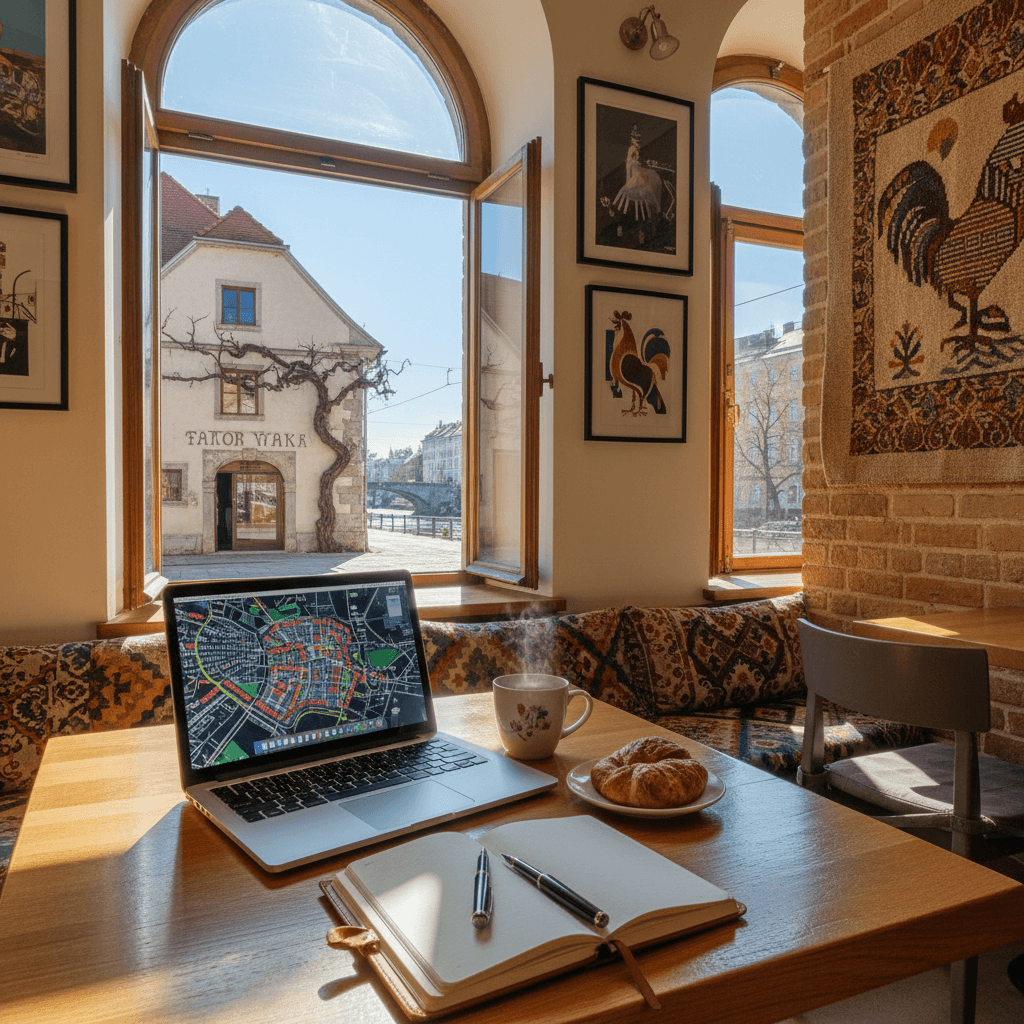
Maribor feels like a city that doesn’t need to prove anything. It sits quietly on the Drava, with old wine cellars, student energy and the Pohorje hills always close enough to pull you out of your laptop chair and that mix gives it a slower, slightly more lived-in feel than Ljubljana.
It’s affordable. A solo month can land around €800 before rent and a decent 1BR in the center often runs €400 to €550, which is why a lot of nomads treat Maribor as a low-stress base rather than a place to splash cash. Food’s reasonable too, with simple lunches around €10 and a proper dinner for two often sitting near €45, though the nicer spots near Lent can push higher fast.
The vibe is relaxed, sometimes almost sleepy, but not dull if you know where to go. Poštna Street and Vetrinjska get the evening chatter, Pekarna brings the louder alternative crowd and Lent has that riverside hum where you can hear scooters, patio cutlery and the Drava moving underneath it all.
Where people tend to stay
- City Center, Lent, Poštna Street: Best for walkability, cafés, bars and short stays, though weekends can feel crowded and rent jumps up.
- Pobrežje and Tabor: Quieter, more practical and cheaper, with 1BRs often around €350 to €400, though you’ll trade away some nightlife.
- Tezno: Budget-friendly and handy if you care more about price than charm, frankly, it feels more industrial than picturesque.
Internet is solid enough for remote work, with typical speeds around 100+ Mbps and spaces like Cowork Maribor make life easier if you don’t want to camp in cafés all day. The scene, turns out, is small but usable, so you won’t get the constant networking buzz you’d find in bigger capitals and that’s either a relief or a drawback depending on your temperament.
Safety is decent. The center feels fine at night if you stick to lit streets and the bigger annoyance for newcomers is language, because English is common in service spots and among younger locals, but it drops off fast once you leave the middle of town. Google Translate earns its keep here.
What makes Maribor different is the rhythm, not the checklist. You get ski slopes in winter, hiking trails in warm weather, wine culture that actually shows up in daily life and a city that smells like damp stone after rain, espresso, exhaust and sometimes grilled meat drifting up from a terrace, which, surprisingly, can make an ordinary Tuesday feel better than it should.
Maribor is cheaper than Ljubljana and most people feel that difference fast, especially once rent, lunch and a monthly bus pass start adding up. A single person can get by on about €800 before rent, but that depends on how often you eat out, how warm you keep the apartment and whether you live near Lent or farther out in Tabor.
It’s a decent city for a budget that still wants some comfort. Not luxurious. Studio and one bedroom apartments usually run about €400 to €550 in the center or roughly €350 to €400 outside it and the gap matters because a central flat saves you tramless winter walks, ringing scooters and the slow, icy shuffle back from Poštna Street at night.
Typical monthly costs
- Budget living: €1,000 to €1,500 per person
- Mid-range living: €1,500 to €2,000
- Comfortable: €2,000+
- Transport pass: About €36 a month
- Coworking: Around €100 to €200 monthly
Food is fairly gentle on the wallet, though restaurant prices jump once you leave casual spots. A cheap meal is around €10, a mid-range dinner for two lands near €45 and street food or McDonald’s usually sits around €8 to €10, which is handy when you’re grabbing something greasy after a long day by the Drava.
Honestly, the nicer places can still sting. Restavracija Mak and Hiša Denk sit in a different price bracket, while Nana bistro feels more realistic for regular nights out and if you cook at home the markets are where your money goes further, especially for bread, eggs, local produce and wine from Styrian shelves.
Neighborhood cost feel
- City Center, Lent, Poštna: Walkable, social, pricier
- Pobrežje, Tabor: Quieter, cheaper, practical for longer stays
- Tezno: Lowest rents, more industrial, less charm
Coworking and connectivity are reasonable, so you’re not paying Ljubljana prices for decent workdays. Cowork Maribor is the name most nomads mention and internet speeds in homes and cafés are usually good enough for calls and uploads, though a coffee shop near the square can get noisy fast, with cups clinking and chairs scraping every time students drift in.
All in, Maribor makes sense if you want a slower pace without a brutal burn rate. It’s affordable, but not dirt cheap and the tradeoff is a smaller expat scene and quieter nights, which some people love and others get bored of after a month.
Maribor works best if you pick your base by lifestyle, not by fantasy. The city center is the obvious first stop, though the suburbs can be smarter if you care more about rent than cafe-window vibes. It’s smaller than Ljubljana, quieter after dark and honestly that’s part of the appeal.
Nomads
City Center, especially Lent and Poštna Street, is where most remote workers land first. You can walk to cafes, the river, bars and coworking spots like Cowork Maribor and the WiFi in the center is usually solid enough for calls, docs and normal workdays, with average speeds around 40 to 100 Mbps. Not cheap.
- Rent: about €450+ for a 1BR
- Best for: walkability, cafes, easy social life
- Downside: weekends get crowded and the noise can creep up late
If you want a cleaner budget, Tezno makes more sense. It’s more industrial, less pretty and frankly not where you go for atmosphere, but the housing is cheaper and you’re closer to practical errands than to postcard scenery.
Expats
Pobrežje and Tabor are the sensible picks for long stays. They’re calmer than the center, have more green space and suit people who’d rather sleep well than live above a bar with glasses clinking until 1 a.m. Rent usually sits around €350 to €400 for a 1BR, which, surprisingly, still gets you decent access to the city.
- Rent: about €350 to €400 for a 1BR
- Best for: quieter routines, schools, everyday errands
- Downside: less nightlife, fewer English speakers outside main spots
These neighborhoods feel more lived-in than polished, with apartment blocks, bakeries, bus stops and the low hum of traffic in the background. If you’re staying months, that matters more than a cute street view.
Families
Families usually do better in Pobrežje or Tabor, because the pace is calmer and the rents don’t sting as hard as the center. Parks, schools and supermarkets are easier to handle there and you won’t spend your evenings dodging pub crowds or delivery scooters. The trade-off is simple, you’re giving up some charm for sanity.
- Rent: about €350 to €400 for a 1BR
- Best for: schools, green space, quiet streets
- Downside: you’ll need buses or bikes more often
Solo Travelers
City Center is still the easiest base if you’re on your own. You’ll be near Lent, the river and the main bar streets and that makes it simpler to meet people, grab dinner alone or wander without planning much. The air near the Drava can smell like damp stone after rain, with a bit of coffee, exhaust and grilled meat drifting from side streets.
If you want quiet nights, pick Tabor instead and use Bolt or the bus when you feel like going out. It’s less cute, sure, but also less tiring and that matters after a long day of work or a cold winter walk back from town.
Maribor’s internet is solid enough for real work, not perfect, but good enough that most nomads stop worrying about it after a day or two. Expect 50 to 200+ Mbps on typical home and cafe WiFi, with Telekom Slovenije, A1 and Telemach all common and in the center you can usually send big files, hop on calls and keep a browser-heavy day moving without drama.
It’s not a flashy coworking city. That’s the point. The scene is small, quieter than Ljubljana and honestly a bit sleepy after dark, but the tradeoff is lower costs, less noise and fewer days spent hunting for a chair that doesn’t wobble.
Coworking and Workspaces
- Cowork Maribor: The main name locals and nomads mention, with fast fiber, flexible desks and monthly prices around €100 to €200 depending on what you need.
- Cafes in the center: Plenty will let you linger if you buy coffee, though some get tight on weekends and the smell of espresso, pastry and rain-damp coats can hang in the air for hours.
- Home setup: A studio or one-bedroom in the center usually runs €400 to €550 and outside the core you’ll find cheaper flats with fewer distractions and, weirdly, better chances of hearing birds instead of traffic.
If you’re staying a month or more, get a local SIM instead of relying on cafe WiFi. A1 and Telemach prepaid plans start around €10 for generous data (e.g., 100GB/30 days), which is decent and eSIM options are handy if you’re moving fast or hate paperwork.
Where People Actually Work
- City Center, Lent, Poštna Street: Best for walkability and meeting people, though weekends can get noisy and crowded.
- Pobrežje and Tabor: Quieter, more affordable and practical if you want a calmer routine, though you’ll spend more time getting into the social spots.
- Tezno: Cheapest housing and a more practical feel, but it’s industrial, so don’t expect charm on every corner.
The best part is the pace, you can finish work, cross the Drava and be in nature fast, which, surprisingly, helps more with focus than a fancy lounge ever does. The downside is social life, because the expat circle is small and English drops off once you leave the center, so Google Translate and a few Slovene phrases go a long way.
Useful phrases: Dober dan, Hvala, Prosim, Račun. Keep them handy.
Safety & Healthcare
Maribor feels calm in the way smaller European cities often do, with people walking home along the Drava, bicycles hissing over wet pavement and not much of the late-night tension you get in bigger capitals. The center is generally fine after dark if you stick to lit streets and there aren’t any real no-go zones. Still, keep your wits about you, because a quiet city can make you sloppy.
Serious crime is rare. Pickpocketing and the usual petty stuff can happen around bus stops, bars and crowded weekend spots near Lent, but most nomads and expats say they feel safe day to day. Honestly, the bigger annoyance is boredom after midnight, not danger.
Healthcare is solid. UKC Maribor handles the big stuff, pharmacies are easy to find and the emergency number is 112, which people here actually know, not just tourists. For minor issues, on-call pharmacies are the move and you won’t be left wandering around half-asleep looking for help.
- Emergency care: Call 112 for ambulance, fire or urgent help.
- Hospital: UKC Maribor for serious treatment and specialist care.
- Pharmacies: On-call branches are spread around the city, so you can usually find painkillers or basic meds late.
Expats generally rate the medical system as Western European in quality, though paperwork can be clunky and some staff don’t switch into English instantly, which, surprisingly, still catches newcomers off guard. If you’re used to fast private clinics, the public side can feel slower, but it’s reliable and the care itself is good.
Travel insurance still matters. Even in a safe city, a twisted ankle on Pohorje or a nasty flu can turn into a headache fast, especially if you don’t speak Slovene and you’re trying to explain symptoms at a front desk that’s already busy.
Practical safety tips
- Walk smart: Use main streets at night, especially if you’re coming back from bars on Poštna or Vetrinjska.
- Carry ID: Keep your passport copy or residence papers handy if you’re staying longer.
- Save the numbers: 112 for emergencies and the local pharmacy schedule before weekends and holidays.
- Watch winter: Ice on sidewalks is a bigger risk than crime, frankly.
Summer storms can hit hard, then leave the air smelling like rain on hot concrete and river mud, while winter brings cold tile floors, slush and that sharp wind off the hills. None of it makes Maribor hard to live in, it just means you should pack like a grown-up and not wing it.
Maribor is easy to move around and honestly, that’s half the appeal. The center is compact, so you can walk most places without thinking about it, though the cobblestones near Lent and the river can get slick when it rains.
Bus travel is the main public option, with tickets around €2 and monthly passes around €30. That’s cheap, but schedules can feel a little thin late at night, so if you’re out in Poštna or Vetrinjska after a few drinks, you’ll probably end up in a Bolt anyway and that usually runs €10 to €15 for short city rides.
- Walk: Best for the city center, Lent, Poštna Street and riverside errands.
- Bus: Reliable in the day, less fun after dark, useful for Tabor and Pobrežje.
- Bolt: Convenient when it’s cold, raining or you’re carrying groceries.
- Bike: A strong choice in warm months, with rentals often around €10 a day.
Bike lanes exist, but they’re not flawless, so you’ll want to keep your head up around traffic and tramline-style intersections where drivers can be impatient. Still, for a flat city with a river path and quick links to the hills, cycling feels natural and the air smells better once you’re off the main roads and away from exhaust.
If you’re staying longer, many nomads just use a mix of walking, buses and the occasional ride-hail. The system works, weirdly, because Maribor doesn’t try to be a car-first place and that keeps daily life simple, even if the nightlife crawl back home ends with a chilly wait at a stop instead of a late tram.
Neighborhood movement
- City Center and Lent: Easiest on foot, no need for much transport.
- Tabor and Pobrežje: Good bus links, calmer streets, more practical than pretty.
- Tezno: Cheapest base, but you’ll rely on buses or Bolt more often.
The airport transfer is straightforward, though not glamorous. A taxi or shuttle to the center usually lands around €20 to €35 and if you’re arriving with skis, a laptop bag and too much optimism, that extra space in a car is worth it, frankly.
Maribor feels easy to live in and language follows that pattern. In the center, especially around Lent, Poštna Street and the university zones, you’ll hear decent English in cafés, bars, coworking spaces and shops, so day-to-day life usually moves along without drama.
Step outside that bubble, though and Slovene matters more, honestly. Taxi drivers, older shopkeepers and people in smaller neighborhoods may switch to basic English if they need to, but they won’t always do it automatically, so a few phrases save time and awkward hand gestures.
What people actually speak
- Main language: Slovene, with English common in service jobs, student areas and tourist-facing businesses.
- Best English: City center, universities, coworking spaces, hotels and newer cafés.
- Less English: Suburbs like Tezno and quieter residential streets, where people may be polite but brief.
The good news is that Maribor isn’t a place where you need perfect grammar to get by. The bad news is that Google Translate will still save you, weirdly often, for menus, apartment chats and random errands where someone talks fast and assumes you know what “prevzem” means.
A few Slovene basics go a long way and locals usually appreciate the effort more than the pronunciation. Say “Dober dan” when you enter a shop, “Hvala” when you leave and “Prosim” when you need something, because the tone matters almost as much as the words.
Useful phrases
- Hello: Dober dan
- Thanks: Hvala
- Please: Prosim
- Bill, please: Račun, prosim
- Do you speak English? Govorite angleško?
Pronunciation can be clunky at first and honestly nobody expects perfection. Maribor locals tend to be straightforward rather than chatty, so if you ask clearly and keep your tone relaxed, you’ll usually get a plain answer instead of a performance.
For phone conversations, apartment hunting and anything bureaucratic, I’d keep Translate open and don’t pretend otherwise. English is good enough for a lot of expat life here, but Slovene still runs the city and that shows up fastest when a form, a delivery note or a landlord reply lands in front of you.
Weather & Best Time to Visit
Maribor gets proper continental weather, so expect hot, sticky summers and winters that bite. July usually lands around 25 to 28°C and January can dip to about -2°C, with a cold that creeps up through your shoes on stone pavements. Not mild.
The sweet spot is May through September, honestly, when the city feels lighter and the Drava riverbanks actually invite long walks instead of quick dashes for cover. You’ll get warm afternoons, café weather on Poštna Street and easy day trips into Pohorje, though summer storms can roll in fast and leave the air smelling like wet leaves and asphalt.
Spring is my pick if you want Maribor at its best without the crowds. April and May bring green hills, wine terraces and enough daylight to work, hike, then still have energy for a late dinner in Lent, but keep a rain jacket close because showers show up with very little warning.
Winter has its own pull, especially if you’re here for Pohorje skiing or you like quiet streets and lower prices. It’s colder, darker and a bit sleepier, the sort of season when the tramless center feels even smaller, but if you don’t mind frost on the windshield and the smell of wood smoke, it can be lovely.
- Best overall: May to September, for warm weather and the easiest social life.
- Best for hiking and wine trips: April to June, when the hills are green and the heat hasn’t settled in yet.
- Best for skiing: December to February, though snow can be patchy outside the mountain areas.
- Least pleasant: Late autumn and midwinter, when rain, fog and grey skies drag on.
Rain is most common from May through October and summer humidity can get annoying, especially if you’re in an older flat without great airflow. Weirdly, a sunny day can still flip into a sudden downpour, so don’t trust the morning sky too much, just pack a light shell and move on.
If you’re planning a longer stay, aim for shoulder season, because you’ll get better weather, easier apartment hunting and a calmer city that still has enough going on to feel alive. March and November are the awkward ones, cheap but gloomy and frankly they can make even a good cafe feel a bit tired.
Maribor is easy to settle into, but it won’t babysit you. The center is walkable, buses are cheap and a monthly pass around €30, so most people skip cars unless they’re living out in the suburbs or heading up to Pohorje a lot. Not pricey.
For the practical stuff, start with a local SIM from A1 or Telemach, usually around €12.77 for 10GB or more and keep Wise or Revolut handy because card payments are normal almost everywhere. Honestly, you’ll still want some cash for tiny bars, bakeries or the odd place that acts surprised you’re asking to split a bill.
Where to stay
- City Center, Lent, Poštna Street: Best if you want cafés, the river and late walks past lit-up facades, with 1BR rents often around €450+.
- Pobrežje and Tabor: Quieter and more local, with 1BRs closer to €350 to €400, plus easier mornings and fewer weekend stragglers outside your window.
- Tezno: Cheaper and practical, though the industrial feel is real and you’ll probably hear more trucks than church bells.
Apartments move through Citizen Remote, Numbeo-style listings and local Facebook groups and if you’re serious about a place, act fast because decent rentals don’t sit around forever. The market’s still manageable compared with Ljubljana, but the good flats get snapped up, weirdly fast for a city this calm.
Getting around and day trips
- Buses: Reliable and cheap, good for daily life.
- Bolt: Handy for late rides, usually €10 to €15 across town.
- Bikes and scooters: Great in warm months, especially along the Drava.
Maribor works best when you lean into its rhythm, then get out of town on weekends. Pohorje is the obvious escape for skiing or hiking, while Ptuj and Velenje make easy day trips and in winter the cold can bite through your gloves when you’re waiting under a bus shelter that smells faintly of wet metal and cigarette smoke.
Social customs are straightforward. Handshakes are normal, eye contact matters, tips usually round up to 5 to 10 percent and English is fine in the center but drops off quickly once you’re outside the usual tourist strip. Slovenia's digital nomad visa (launched November 2025) should help, though the small expat scene means you’ll need to make an effort, there’s no giant built-in network here.
Need visa and immigration info for Slovenia?
🇸🇮 View Slovenia Country GuideEasy Landing
Settle in, no stress