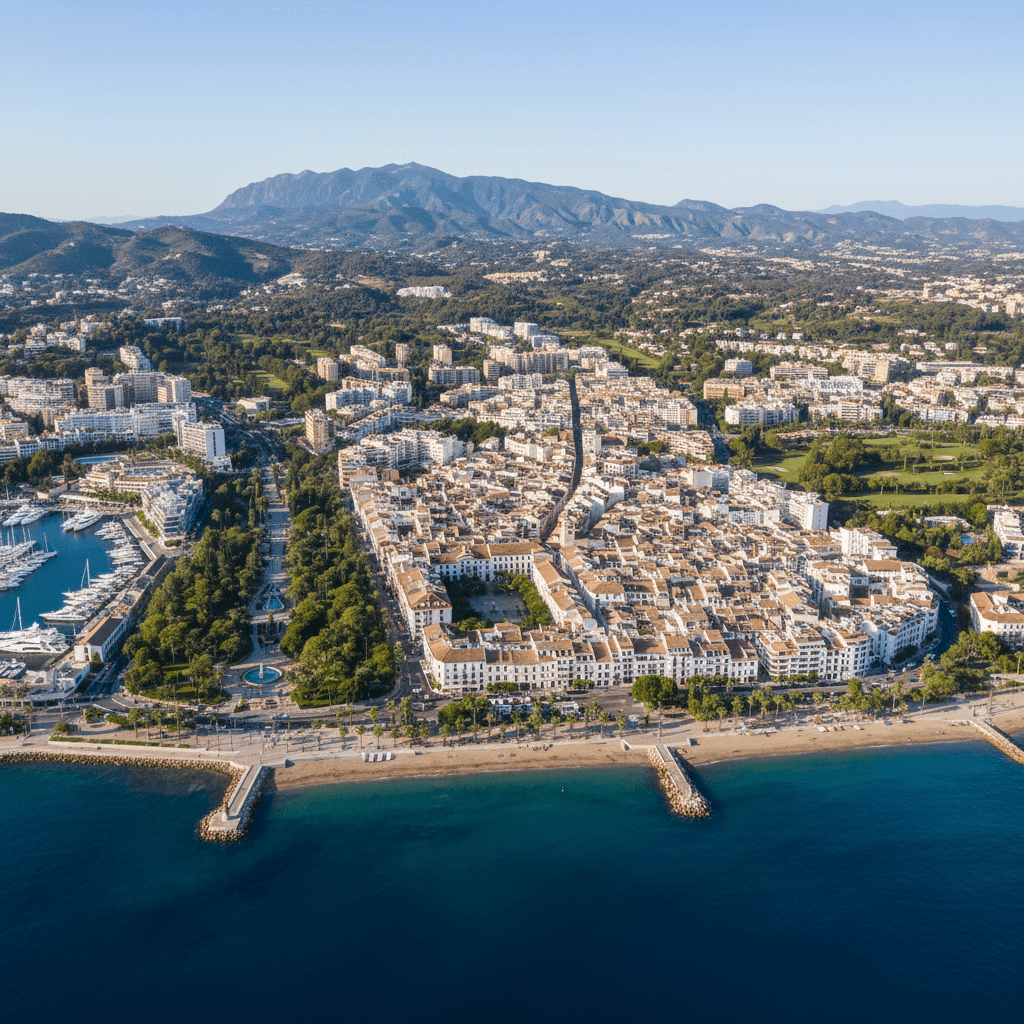
Marbella
🇪🇸 Spain
The Marbella Lifestyle: Sun, Strategy, and Style
Marbella has evolved far beyond its reputation as a playground for the European elite. While the super-yachts still bob in Puerto Banús, the city has reinvented itself for 2025 as a serious powerhouse for remote work. It’s a place where you can grind through high-stakes meetings on a fiber-optic connection in the morning and be paddleboarding on the Mediterranean by 4:00 PM.
The vibe here is polished but surprisingly approachable if you know where to hang out. Unlike the frantic energy of Madrid or the gritty soul of Barcelona, Marbella feels like a deep breath. It’s a city designed for outdoor living, where the 320 days of sun aren’t just a statistic; they’re the foundation of your daily routine. Most nomads find the "sweet spot" is living near the Marbella Centre for its walkability, while heading to the hills of Nueva Andalucía for that iconic mountain-meets-sea backdrop.
What It’s Really Like on the Ground
Expats often say the city feels like two different worlds. During the peak summer months, it’s a high-octane tourist hub with prices to match. However, the real magic happens from September to June. This is when the local nomad community takes over the cafes, and the pace slows down to a comfortable, Mediterranean hum. You’ll find yourself grabbing a €2 cafe con leche at a local chiringuito, surrounded by people from all over the world who’ve traded grey skies for the Costa del Sol.
The infrastructure is seamless. You aren't fighting for a signal here; high-speed fiber is the standard, and the new Digital Nomad Visa has made it much easier for non-EU citizens to stick around. The downside? It’s not a budget destination. If you’re looking for Southeast Asia prices, you’ll be disappointed. But for those who want European safety, world-class healthcare, and a social scene that ranges from divey tapas bars to Michelin-starred dining, it’s hard to beat.
The Neighborhood Breakdown
- Marbella Centre: Best for solo nomads who want to walk everywhere. You’re close to coworking spots and the Old Town’s narrow, flower-filled streets. Expect to pay €1,200 to €1,500 for a decent studio.
- Puerto Banús & Nueva Andalucía: This is the heart of the luxury scene. It’s where you’ll find the most modern apartments and high-end coworking hubs. Rents here usually start around €1,500 to €2,000 for mid-range spots.
- San Pedro de Alcántara: A favorite for families and long-termers. It feels more like a "real" Spanish town and is significantly more affordable, with rents often landing between €1,000 and €1,300.
The Cost of Living (Monthly Estimates)
Living here comfortably requires a solid income, but it’s still roughly 30% to 40% cheaper than similar lifestyles in London or New York. Most nomads report a total monthly spend of €2,500 to €4,000 depending on how often they hit the beach clubs.
- Coworking: A hot desk usually runs €200 a month, while daily passes at spots in the center are about €15 to €25.
- Dining: You can grab tapas for €5 to €10, but a nice dinner with wine in the city center will likely set you back €25 to €40.
- Transport: A monthly bus pass is €40, though many people rely on Uber or Bolt for quick trips between neighborhoods, which usually cost €10 to €20.
Practical Realities
Spanish bureaucracy is a rite of passage. If you're staying long-term, you'll become very familiar with the NIE (tax ID number) and the empadronamiento (city registration). Travelers recommend joining local Facebook groups or Slack channels for coworking spaces like Hustle & Flow or Dezentral early on. It’s the fastest way to bypass the "tourist" layer and find the community events, language exchanges, and weekend hiking trips to Ronda or Gibraltar that make Marbella feel like home.
The local language is Spanish, but English proficiency is incredibly high, hovering around 80% in nomad-heavy areas. You can get by with English, but learning basic phrases will earn you a lot of respect at the local markets. Just remember the siesta; between 2:00 PM and 5:00 PM, the smaller shops will close, and the city takes a collective nap. It’s the perfect time to close your laptop and head to the beach.
The Price of Paradise
Living in Marbella is a bit of a balancing act. While it's famously the playground for Europe's elite, digital nomads often find that it balances out to be about 30% to 40% cheaper than staying in Madrid or Barcelona. You're paying for the lifestyle here: the 300 days of sun, the proximity to the Mediterranean, and a high-end infrastructure that actually works.
Most nomads find they need a monthly budget between €2,000 and €4,000 to live comfortably. If you're looking to splurge on a villa in Nueva Andalucía or a high-end apartment near the Golden Mile, that figure can easily climb past €6,000. It's a city where you can grab a €2 coffee in a local plaza or drop €100 on a beach club lunch without walking more than five minutes between them.
Housing and Neighborhood Costs
Your biggest expense will be rent, and prices fluctuate wildly depending on which side of the A-7 highway you land on. Most long-stayers recommend looking for apartments with fiber-optic internet already installed to avoid the headache of setup delays.
Marbella Centre
- Standard Studio/1BR: €1,200 to €1,500
- Mid-Range Apartment: €1,600 to €2,000
- Pros: You won't need a car. Everything from the beach to the coworking hubs is walkable.
Puerto Banús & Nueva Andalucía
- Standard Studio/1BR: €1,500 to €1,800
- Mid-Range Apartment: €2,000 to €2,500
- Pros: This is the heart of the social scene. It's flashy, loud, and puts you right next to the best gyms and nightlife.
San Pedro de Alcántara
- Standard Studio/1BR: €1,000 to €1,300
- Mid-Range Apartment: €1,400 to €1,800
- Pros: Much more authentic and family-friendly. You get more square footage for your Euro here, and the local chiringuitos are often half the price of those in the center.
Daily Life and Connectivity
Groceries usually run between €300 and €500 a month if you shop at local spots like Mercadona or Carrefour. If you're eating out, you can find tapas for €5 to €10, but a nice dinner in the Old Town typically hits the €25 mark per person. Utilities, including electricity and high-speed WiFi, generally add another €130 to €200 to your monthly tally.
For work, Marbella has a surprisingly robust coworking scene. A hot desk at a central hub usually costs around €200 a month, while a day pass goes for about €15 to €25. If you prefer the "laptop and latte" route, places like Dezentral or Hustle & Flow are nomad favorites because they actually welcome remote workers rather than just tolerating them.
Transport and Logistics
Getting around is relatively affordable if you stick to the coast. A monthly bus pass is around €25, though many expats prefer using Uber or Bolt for quick trips. If you're planning to explore the mountains or head to Ronda for the weekend, a car rental is a better bet, usually costing €15 to €30 a day depending on the season.
If you're applying for the Spain Digital Nomad Visa, remember that the government requires a minimum income of €2,849 per month (200% of 2026 SMI). This ensures you can handle the local cost of living while contributing to the local economy. Most travelers suggest getting your NIE number as soon as possible, as it's the key to unlocking local bank accounts and better mobile data contracts, which usually run about €20 for a solid unlimited plan from Vodafone or Orange.
For the Social Nomad: Marbella Centre
If you want to be in the thick of it without needing a car, the city center is your best bet. It's the most walkable part of town, blending the historic charm of the Casco Antiguo with modern apartments near the promenade. You'll find yourself working from Hustle & Flow in the morning and hitting a beach chiringuito by 4:00 PM. Most nomads love the immediate access to shops and the social energy of the Paseo Marítimo, though it can get a bit noisy during the peak summer months.
- Studio Rent: Expect to pay between €1,200 and €1,500 for a decent central spot.
- The Vibe: High energy, very social, and incredibly convenient for solo travelers.
- Coworking: Home to several established hubs with day rates around €15 to €25.
For the High-Flyer: Puerto Banús & Nueva Andalucía
This is where Marbella’s "glamour" reputation comes from. Puerto Banús is all about luxury yachts and high-end nightlife, while Nueva Andalucía, sitting just up the hill, offers a more residential feel with stunning villas and golf courses. It's a favorite for young professionals and expats who have a higher budget and want a "stylish waterfront" lifestyle. You'll likely want a car here, but the networking opportunities in local upscale cafes like Dezentral or Ground are unmatched.
- Studio/1BR Rent: Prices jump here, typically ranging from €1,500 to €2,500 depending on the proximity to the marina.
- The Vibe: International, flashy, and expensive. It's the place to see and be seen.
- Pro Tip: Look for apartments in Nueva Andalucía for slightly better value while staying close to the Banús action.
For Families & Long-Term Expats: San Pedro de Alcántara
San Pedro feels like a "real" Spanish town rather than a tourist resort. It has seen massive investment recently, especially with the new boulevard park that separates the old town from the beach side. Expats and families flock here because it's more affordable and has a grounded community feel. It’s less about the glitz and more about the Sunday lunches at local tapas bars where a meal might only set you back €10.
- 1BR/2BR Rent: Much more reasonable, often found between €1,000 and €1,300.
- The Vibe: Authentic, family-oriented, and relaxed.
- Connectivity: It’s about 10 minutes from the center by car, but it has its own distinct identity and plenty of local schools.
For the Quiet Seeker: Elviria & East Marbella
If your idea of a perfect workday involves pine trees and quiet beaches, head east. Elviria is famous for having some of the best stretches of sand in the region, like those near Cabopino. It’s much calmer than the western side of the city, making it a hit with relaxed nomads and families who don't care about nightclubs. You'll find plenty of green space and a slower pace of life, though the social scene is definitely more subdued.
- Rent: You can find quality apartments for €1,000 to €1,800, often with more square footage than downtown.
- The Vibe: Natural, breezy, and quiet.
- Top Spot: Cabopino port is a local favorite for a sunset dinner that feels miles away from the Puerto Banús crowds.
Quick Cost Comparison
- Cheapest Rents: San Pedro and Elviria (starting around €1,000).
- Mid-Range Living: Marbella Centre (around €1,600 to €2,000).
- Premium Living: Puerto Banús (often exceeding €3,000 for luxury units).
- Daily Expenses: Budget €15 to €25 for a mid-range meal, or stick to local tapas for under €10.
Marbella has shed its reputation as just a playground for the ultra wealthy to become a legitimate powerhouse for remote work. The infrastructure here is world class, with fiber optic lines reaching almost every corner of the city. You can expect speeds between 100 Mbps and 1,000 Mbps, which is more than enough for heavy video conferencing or uploading large files from a beachside terrace.
Coworking Spaces
The coworking scene is concentrated in Marbella Centre and the trendy Nueva Andalucía area. These spots aren't just desks; they're where you'll find your social circle. Most nomads suggest joining a space immediately to bypass the initial isolation of moving to a new country.
- Marbella Centre Hubs: These are perfect if you want to be within walking distance of the Old Town. Expect to pay around €15 to €25 for a day pass, while a dedicated monthly desk usually sits around €200.
- Puerto Banús & Nueva Andalucía: This area leans more toward premium executive suites. If you need a private office for a small team, prices start at €400 per month. The crowd here is a mix of tech entrepreneurs and international expats.
- San Pedro: A great alternative for those staying on the west side of town. It offers a more local, relaxed vibe with slightly lower rates than the glitzier center.
Laptop-Friendly Cafés
If you prefer the "café hop" lifestyle, Marbella has several spots where nobody will give you the side eye for staying two hours with a laptop. Local favorites include:
- Dezentral: Located near Puerto Banús, it is a nomad staple. The coffee is excellent, and the WiFi is consistently fast.
- Ground: A cozy spot in the Marbella area known for its healthy food and pro-work atmosphere.
Connectivity & SIM Cards
You won't have to hunt for a signal here. 5G coverage is standard across the city and even reaches most of the popular beaches. If you're arriving on the Digital Nomad Visa, you'll eventually want a local contract, but for shorter stays, prepaid is the way to go.
Pick up a SIM card from Vodafone or Orange. You can find their shops easily in the La Cañada Shopping Centre or along the main Ricardo Soriano avenue. Expect to pay between €10 and €30 per month for a generous or unlimited data plan. Most nomads find that a €20 plan provides more than enough data for tethering when the café WiFi occasionally gets crowded.
Practical Realities
While the internet is reliable, the "siesta" culture still impacts physical stores. If you need tech support or a new charger, keep in mind that many smaller shops close between 2:00 PM and 5:00 PM. Larger retailers like MediaMarkt stay open all day, but they are usually located on the outskirts of town, requiring a quick Uber or Bolt ride.
Travelers often say the best part of working here is the "paseo maritime" or promenade. After a deep work session, you can be on the sand in five minutes. The city feels built for people who value their time away from the screen as much as their time on it.
Staying Safe on the Costa del Sol
Marbella is remarkably safe for a major international destination. Most nomads feel comfortable walking home after a late dinner in Marbella Centre or strolling along the Paseo Marítimo at midnight. The crime rate stays low, and the presence of both local and national police provides a visible sense of security in high traffic areas.
That said, Puerto Banús requires a bit more awareness after dark. While the marina is famous for its luxury yachts and high end dining, the late night crowd can get rowdy. Travelers often suggest avoiding the more isolated alleys behind the front line of the port during the early hours of the morning. Pickpocketing is rare but can happen in crowded tourist spots during the peak summer months, so keep an eye on your tech gear when working from beachside chiringuitos.
If you do run into trouble, the emergency number is 112. This works for police, fire, and medical needs throughout Spain and usually has English speaking operators available. For non emergencies, the local police station in the center of town is the place to file a report for insurance purposes.
World Class Healthcare Facilities
One of the biggest perks of basing yourself here is the quality of medical care. Marbella is a hub for medical tourism, meaning the facilities are often more modern than what you will find in major US or UK cities. You will find that most doctors and specialists speak fluent English, especially in the private sector.
- Quirónsalud Marbella: Located right on the seafront, this is the primary private hospital for expats and nomads. It offers 24 hour emergency services and a wide range of specialists.
- Hospital Costa del Sol: This is the main public hospital. While the care is excellent, wait times can be longer than private clinics.
- Helicopteros Sanitarios: A popular membership based service among long term residents that provides home doctor visits and fast emergency transport.
Pharmacies, marked by bright green neon crosses, are everywhere. You will find at least one 24 hour farmacia de guardia in the city center at all times. Most basic medications that require a prescription in other countries can sometimes be bought over the counter here, though it's always better to have your paperwork ready.
Insurance and Access for Nomads
If you are in Marbella on the Digital Nomad Visa, you will eventually register for the Spanish public healthcare system once you have your NIE and start paying into social security. Most nomads find this process takes a few months to settle, so private insurance is a must for the interim. In fact, proof of private insurance is a strict requirement for the visa application itself.
Expect to pay between €50 and €100 per month for a high quality private health insurance policy with no co-payments. Companies like Sanitas and Adeslas have specific plans tailored for expats that include English speaking support. For those just staying a few weeks, standard travel insurance like SafetyWing or World Nomads covers the essentials at the local private clinics.
Practical Health Tips
The biggest health risk in Marbella isn't a virus; it is the Mediterranean sun. With over 320 sunny days a year, dehydration and heatstroke are common for newcomers who spend all day working from a terrace without shade. Drink more water than you think you need, especially during the July and August heatwaves when temperatures regularly hit 32°C.
The tap water in Marbella is technically safe to drink, but many locals and expats prefer bottled or filtered water due to the high mineral content and slight chlorine taste. If you are staying long term, investing in a Brita filter or a TAPP water system will save you from hauling heavy plastic jugs from the Mercadona every week.
The Daily Commute and Walkability
Marbella is a city of two halves when it comes to movement. If you're based in Marbella Centre, you'll rarely need a car. The town is surprisingly compact, and the marble-paved Paseo Marítimo (the promenade) acts as a pedestrian highway connecting the Old Town to the luxury stretches of the Golden Mile. Most nomads find that a pair of comfortable sneakers is their primary mode of transport for daily coffee runs to Dezentral or Ground.
For those living further out in San Pedro or Elviria, the dynamic shifts. While these neighborhoods are walkable within their own hubs, crossing between them usually requires wheels. Travelers often say the promenade is the best way to soak in the Mediterranean air, but for longer distances, you'll want to familiarize yourself with the local bus network or ride-hailing apps.
Public Transit and Ride-Hailing
The local bus system, operated by Avanza, is the most budget-friendly way to move along the coast. It's reliable enough for casual travel, though it can get crowded during the peak summer months. If you're planning on staying for a few months, grab a rechargeable travel card to bring costs down.
- Single bus ride: Expect to pay between €1.50 and €2.00.
- Monthly bus pass: Around €25 for unlimited local travel (check current Avanza rates).
- Uber and Bolt: Both apps are active and highly reliable here. A trip from the Centre to Puerto Banús usually lands between €10 and €15, depending on the time of day.
- Taxis: White official taxis are everywhere. They're metered and professional, though they often cost slightly more than ride-hailing apps, with some cross-town trips reaching €20 or more.
Micromobility and Cycling
The rise of eco-friendly transport has hit the Costa del Sol hard. Electric scooters from companies like Lime are scattered throughout the main hubs. They're perfect for zipping between meetings without breaking a sweat in the 30 degree July heat. You can expect to pay around €10 to €20 for a full day of rental if you're exploring multiple spots.
Cycling is a lifestyle choice here rather than just a way to get to work. The flat promenade is ideal for casual biking, but if you head just a few blocks inland, the terrain gets hilly fast. Expats recommend renting a mountain bike if you plan on exploring the trails leading toward the Ronda mountains on your weekends off.
Airport Connections and Regional Travel
The Málaga-Costa del Sol Airport (AGP) is your gateway to the rest of the world, located about 45 minutes away. Since Marbella doesn't have its own train station, you have three main choices for the trek:
- Direct Express Bus: This is the nomad favorite. It leaves from the Málaga airport arrivals terminal and drops you at the Marbella bus station for about €10.
- Private Transfers: If you're arriving with heavy luggage or a group, a pre-booked transfer usually costs between €50 and €70.
- Airport Taxis: Taking a cab directly from the rank at the airport is the most expensive route, often totaling €80 to €100.
Car Rentals and Parking
If you want to see the real Andalusia, you'll eventually want a car. Day trips to the white villages or Gibraltar are much easier with your own wheels. Renting a car is affordable during the shoulder seasons, often as low as €20 per day, but prices skyrocket in July and August. Parking in the Centre is notoriously difficult and expensive; nomads suggest looking for apartments that include a dedicated garage space to avoid the €25 per day fees at public parking structures like the one under Plaza de la Victoria.
The Linguistic Landscape
Marbella is a unique bubble on the Costa del Sol. While Spanish is the official language, the city functions as a multilingual playground where you're just as likely to hear Swedish, French, or Arabic while grabbing your morning coffee. For digital nomads, this makes the transition remarkably smooth. You can easily spend an entire month here without speaking a word of Spanish, though doing so would mean missing out on the city's authentic pulse.
In neighborhoods like Puerto Banús and Nueva Andalucía, English is the lingua franca. Staff in restaurants, gyms, and coworking spaces are almost always fluent. Most expats find that about 80% of their daily interactions can be handled in English, especially when dealing with high-end services or tech-focused businesses.
Navigating Daily Life
When you step away from the luxury boutiques and into Marbella Centre or San Pedro de Alcántara, the atmosphere shifts. In the local markets or smaller tapas bars, Spanish takes the lead. While you won't need to be fluent, knowing how to order your pitufo (a small breakfast sandwich) or ask for the bill will earn you much better service and a genuine smile from the locals.
- Digital Nomad Visa requirements: If you're applying for the long-stay visa, you'll need to handle some paperwork in Spanish. While the application itself is streamlined, the empadronamiento (city registration) at the local town hall usually requires a basic level of Spanish or a translator.
- Service Industry: In places like Hustle & Flow or Dezentral, the staff are used to an international crowd. You'll have no trouble asking for the WiFi password or specific dietary adjustments in English.
- Healthcare: Major facilities like Quirónsalud Marbella have dedicated international departments. You'll find English-speaking doctors and administrative staff who can help with insurance and records.
Essential Phrases for Integration
Locals in Andalusia have a distinct, fast-paced accent where they often drop the "s" at the end of words. It can be tricky to follow at first, even if you've studied Spanish before. Travelers often say that showing even a little effort goes a long way in building rapport with neighbors. Start with these basics:
- Hola, ¿qué tal? (Hello, how are you?)
- ¿Cuánto cuesta? (How much does it cost?)
- La cuenta, por favor. (The bill, please.)
- Gracias. (Thank you.)
- ¿Hablas inglés? (Do you speak English?)
Staying Connected
Communication isn't just about what you say, it's about the tech you use to say it. Spain has some of the best fiber-optic infrastructure in Europe, and Marbella is no exception. Most apartments offer speeds between 100 Mbps and 1,000 Mbps, which is plenty for heavy video conferencing or large file transfers.
For your mobile needs, expats recommend heading to Vodafone or Orange stores in the city center. You can pick up a prepaid SIM for €10 to €30 per month with generous or even unlimited data packages. Once you have your NIE (tax identification number) through the Digital Nomad Visa process, you can switch to a more permanent contract which often includes better roaming deals for travel across the EU.
For quick translations on the go, most nomads rely on Google Translate. The "camera" feature is a lifesaver for reading menus or utility bills that arrive in Spanish. If you're looking to actually learn the language, there are several social clubs and language exchange meetups that happen weekly in Marbella Centre, providing a great way to meet both locals and fellow remote workers.
The 320-Day Sunshine Rule
Marbella isn't just a summer retreat; it's a year-round base where the outdoor lifestyle rarely takes a day off. With over 300 to 320 sunny days every year, the climate is the primary reason the digital nomad community here has exploded. The Sierra Blanca mountains act as a natural shield, protecting the town from harsh northern winds and creating a unique microclimate that stays milder than the rest of the Costa del Sol.
Most nomads find the sweet spot for productivity and play falls between April and October. During these months, the weather is consistently warm and dry, perfect for taking your laptop to the terrace at Dezentral or Hustle & Flow. If you're looking for that iconic Mediterranean experience without the peak summer humidity, the shoulder seasons are your best bet.
Breaking Down the Seasons
- Spring (March to May): This is arguably the best time for long-term stays. Temperatures hover between 18°C and 24°C. The tourist crowds haven't arrived yet, prices for short-term rentals are more reasonable, and the air is crisp enough for mountain hikes in Ronda.
- Summer (June to August): It gets hot, with peaks reaching 32°C. While the sea breeze keeps it manageable, the real challenge is the influx of tourists. Puerto Banús becomes incredibly crowded and accommodation prices often double. If you thrive on high energy and beach parties, this is your window.
- Autumn (September to November): The water stays warm enough for swimming well into October. You'll see temperatures around 20°C to 25°C. It's a favorite for expats who prefer a quieter social scene while still enjoying lunch outdoors.
- Winter (December to February): Even in the "dead" of winter, daytime highs rarely dip below 16°C. While this is the official rainy season, you'll mostly encounter short, intense showers rather than weeks of grey skies. It's the only time you'll need a proper jacket, especially after the sun sets.
When to Book Your Stay
If you're planning to apply for the Digital Nomad Visa and stay for a year or more, aim to arrive in late September or January. Travelers often say these windows offer the best leverage for negotiating long-term leases on apartments in areas like San Pedro or Marbella Centre. Avoiding a July move-in date can save you thousands in initial rent costs.
For those on a shorter stint, the "worst" months are technically January and February because of the occasional rain, but even then, Marbella is significantly warmer than London, Berlin, or Paris. You'll still find nomads working from sun-drenched cafe patios while the rest of Europe is shivering.
Practical Climate Tips
Expats recommend looking for apartments with "climatización" (central AC and heating). While you'll use the cooling all summer, Spanish homes are built to keep heat out, which means they can feel surprisingly chilly inside during a 12°C January night. A place with a south-facing balcony is a major plus for those winter work-from-home sessions.
Keep an eye on the "Terral" wind. Occasionally, a hot wind blows in from the interior, spiking temperatures by 10 degrees in a single afternoon. On these days, you'll want to retreat to an air-conditioned coworking space like the ones in Puerto Banús rather than trying to power through the heat at a beachside chiringuito.
Connectivity and Workspace
You won't have to worry about dropping off a Zoom call here. Marbella is fully wired with fiber optic networks, offering speeds between 100 Mbps and 1,000 Mbps. Most modern apartments come pre-equipped, but if you're scouting on Idealista, always ask the landlord for a speed test before signing anything.
For those who need a professional environment to stay focused, the coworking scene is thriving. Marbella Centre and Puerto Banús host the most popular hubs. Expect to pay around €15 to €25 for a day pass, while a dedicated desk usually runs about €200 per month. If you need a private office, prices jump to €400 and up. Local favorites for a laptop-friendly coffee include Dezentral, Ground, and Hustle & Flow, where the WiFi is snappy and the staff won't glare at you for staying a couple of hours.
The Cost of Living Breakdown
Marbella carries a reputation for luxury, and while you can certainly drop a fortune in Puerto Banús, daily life is often 30% to 40% cheaper than in Madrid or Barcelona. Most nomads find they need between €2,000 and €4,000 a month to live well, depending on how much they prioritize a sea view.
Monthly Rent by District
- Marbella Centre: €1,200 to €2,000. Ideal for those who want to walk everywhere and stay close to the social action.
- Puerto Banús / Nueva Andalucía: €1,500 to €2,500+. This is the heart of the luxury scene, popular with young professionals and nightlife fans.
- San Pedro de Alcántara: €1,000 to €1,800. A more authentic, family friendly vibe that is easier on the wallet.
- Elviria: €1,000 to €2,000. Perfect if you want quiet, green surroundings and proximity to the best beaches.
Daily Expenses
- Food: Local tapas or street food costs €5 to €10. A mid range meal at a beachside chiringuito is around €20 to €25.
- Groceries: Budget about €300 to €500 per month if you're shopping at local markets or Mercadona.
- Transport: A monthly bus pass is around €25, while a 45 minute transfer to Málaga airport usually costs between €50 and €100.
Navigating Logistics and Paperwork
If you're planning to stay long term, the Spanish Digital Nomad Visa is the way to go. You'll need to prove a monthly income of at least €2,849. Once you arrive, your first stops should be getting your NIE (tax ID number) and completing your empadronamiento (city registration). These are the keys to opening a local bank account at BBVA or getting a contract mobile plan.
For your phone, grab a SIM from Vodafone or Orange. You can get unlimited data for €10 to €30 a month. While Spanish is the main language, English is spoken by over 80% of people in the nomad and tourist hubs. Still, learning a few phrases like "cuánto cuesta" goes a long way with the locals.
Safety and Health
Marbella is exceptionally safe. You can walk most places at night without a second thought, though it's smart to stay aware in the quieter back alleys of Puerto Banús after the clubs close. If you need a doctor, Quirónsalud Marbella is a world class hospital with English speaking staff. Pharmacies are everywhere, and you'll find 24 hour options in the city center marked by bright green neon crosses.
Local Rhythm
Adjust your clock. The siesta is still a thing here, with many smaller shops closing between 2pm and 5pm. Dinner rarely starts before 9pm. When meeting new people, the standard greeting is two kisses on the cheeks. To build a community quickly, travelers recommend joining Facebook expat groups or attending the weekly networking events hosted by the larger coworking spaces.
Need visa and immigration info for Spain?
🇪🇸 View Spain Country GuideEasy Landing
Settle in, no stress