Maputo
🇲🇿 Mozambique
The Coastal Soul of East Africa
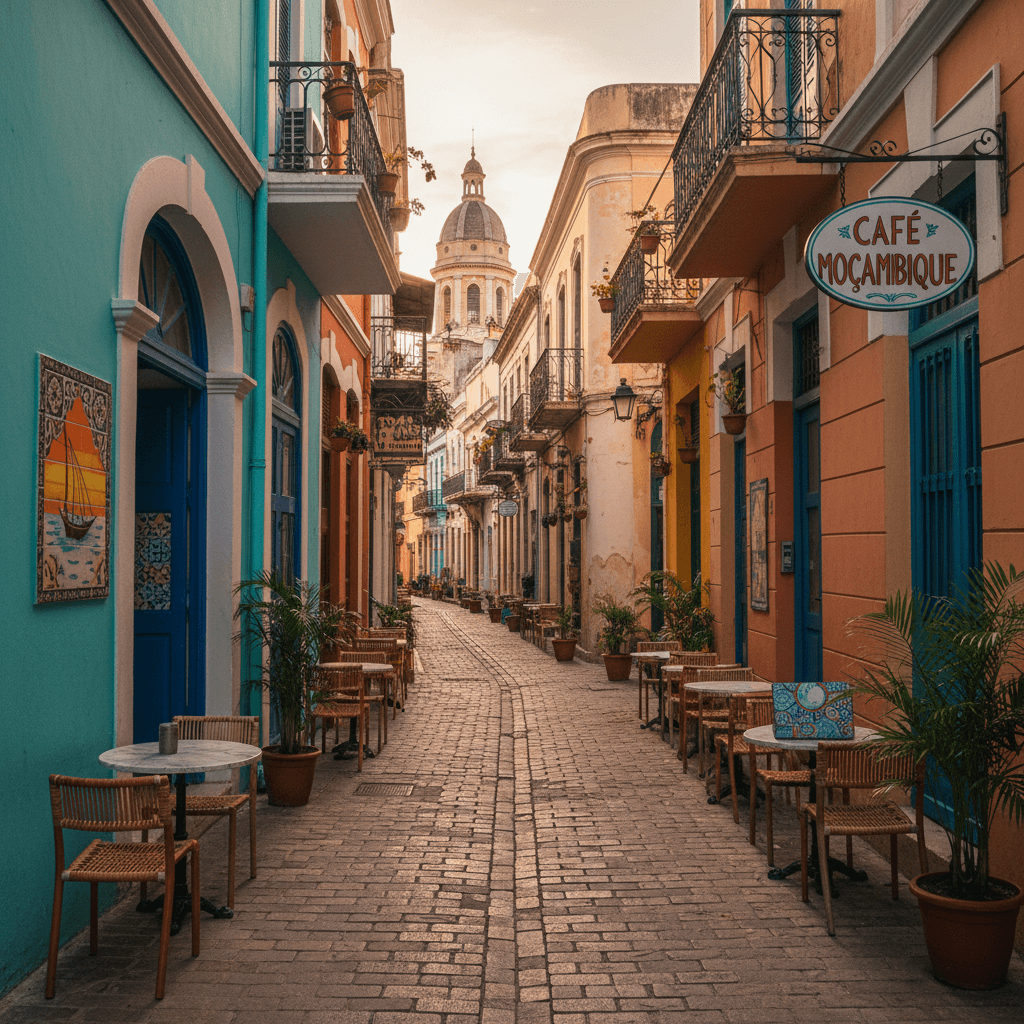
Maputo doesn't try too hard to impress you, and that is exactly why it sticks with people. It is a city of wide, jacaranda lined avenues and crumbling Portuguese colonial facades that feel more like Havana than Johannesburg. You will find a distinct Mediterranean pace here, where the humidity slows everything down and the smell of peri peri grilled prawns drifts through the salty air. It is a place for the nomad who values atmosphere and grit over high speed fiber optics.
The city's personality is defined by its resilience and its art. After decades of recovery, it has emerged as a creative hub where you can spend your mornings browsing the FEIMA Arts and Crafts Market or getting lost in the Nucleo De Arte, a working collective where artists transform old weapons into sculptures. It’s a sensory overload in the best way, especially when you hit the Maputo Central Market for a bag of fresh cashews and a chat with the vendors.
The Nomad Reality Check
Let's be honest about the work setup. Maputo is a challenging "office" for most. While you will find expats and remote workers huddled in the cafes of Polana, the internet is notoriously sluggish. Average fixed broadband speeds are now around 30 Mbps, though cafe and mobile WiFi may vary, which can make a simple Zoom call feel like a high stakes gamble. Most nomads who make it work here treat it as a "slow travel" destination, focusing on deep work that doesn't require constant cloud syncing.
Safety is a frequent topic in expat circles. While the vibe is generally friendly, there is a lingering caution due to the local political climate and heavy traffic congestion. You will need to keep your wits about you, especially at night, and most people rely on local expat Facebook groups or WhatsApp chats to stay updated on which areas to avoid.
Living Costs & Neighborhoods
Living here isn't as cheap as you might expect for Africa. A comfortable monthly budget for a nomad usually sits between $2,380 and $2,515. This covers a decent apartment, plenty of seafood dinners, and the occasional weekend escape to the coast.
- Baixa: This is the historic heart. It is walkable, filled with old world charm, and perfect for those who want to be near the harbor and the markets. It gets loud and busy during the day, but it’s the soul of the city.
- Polana: The upscale choice. This is where you will find the boutiques, the best cafes for working, and most of the international expat community. It is safer and more polished, though you will pay a premium for it.
- Costa do Sol: If you want to wake up to the ocean, head north along the coast. It is quieter and feels more like a holiday resort, though you will be further from the urban action.
Daily Expenses Breakdown
- Budget Tier: $23 to $58 per day. This means staying in hostels, navigating the city via chapas (the local minibuses), and eating almost exclusively from street stalls or market vendors.
- Mid-Range Tier: $95 to $270 per day. This gets you a comfortable private guesthouse, dinners at solid restaurants in Polana, and the occasional taxi.
- Luxury Tier: $330 to $970 per day. For the high rollers staying at the Polana Serena Hotel, eating fine dining seafood every night, and using private drivers.
The Logistics of Staying
Mozambique has made things easier recently with the eVisa system. Most nomads enter on a 30-day tourist eVisa (extendable or multiple-entry options available). While there is no specific "Digital Nomad Visa" yet, you can legally work for your overseas clients as long as you aren't taking jobs from the local market. Just remember that Portuguese is the primary language here. While you can get by with English in the high end hotels, you will want a translation app and a few basic Portuguese phrases to navigate the markets or talk to a taxi driver.
When the heat gets too much, the city clears out. Nomads often take day trips or weekenders to the Bazaruto Archipelago for world class diving or head down to Ponta do Ouro to swim with dolphins. It’s these escapes that make the slow internet and the humid afternoons in the city worth the effort.
The Reality of the Maputo Price Tag
Living in Maputo is a bit of a financial balancing act. While it is technically one of the more affordable coastal capitals in Southern Africa, the infrastructure gaps mean you often pay a premium for "nomad comforts" like reliable electricity or a decent apartment. Most digital nomads find themselves spending between $1,500 to $2,000 per month for a comfortable nomad lifestyle to maintain a lifestyle that doesn't feel like a constant struggle against the elements.
The city operates on two distinct economies. There is the local price, found in the markets and on the street, and the expat price, found in the air-conditioned hubs of Polana. If you are coming here to save money, you will need to embrace the local side of things quickly, otherwise, the costs of imported goods and high-end rentals will eat through your budget faster than you expect.
Daily Spending Tiers
- Budget: $23 to $58 per day. This is for the backpacker crowd staying in hostels, eating street food like prego rolls or grilled chicken, and squeezing into chapas (minibuses) to get around.
- Mid-Range: $95 to $270 per day. This is where most nomads land. It covers a comfortable private guesthouse or Airbnb, dining out at diverse restaurants in the city center, and using private taxis or ride-hails rather than public transit.
- Luxury: $330 to $970 per day. If you are staying at the Polana Serena Hotel, dining on high-end seafood every night, and hiring private drivers for coastal excursions, your costs will easily rival those of Western Europe.
Housing and Neighborhoods
Rent is your biggest variable. In the historic Baixa district or the upscale Polana, you are paying for the convenience of being able to walk to cafes and boutiques. These areas are the go-to for solo travelers and expats because they feel the most connected, even if the traffic outside your window is chaotic during rush hour.
For those who prefer a slower pace, the coastal areas further out offer a more relaxed, beach-focused vibe. You will get more space for your money here, but you will sacrifice urban amenities and likely spend more on transport to get into the heart of the city for meetings or social events.
Food, Drink, and Socializing
Eating is one of the highlights of Maputo life. You can grab a local beer and a plate of fresh seafood at the Maputo Central Market for a few dollars. If you prefer a more formal setting, the city center is packed with upscale spots serving Portuguese-influenced Mozambican cuisine. Expect to pay significantly more for imported wine or spirits, so sticking to local brands like 2M or Laurentina is a smart way to keep your bar tab down.
Connectivity and Logistics
This is the "Maputo Tax" that every nomad needs to account for. Internet speeds are notoriously sluggish, often hovering between 3 and 16 Mbps. Because the WiFi in many cafes is unreliable, you will likely spend a significant portion of your budget on mobile data or high-end SIM cards to ensure you can actually get your work done. While there is no dedicated digital nomad visa, the 30 to 90 day eVisa is the standard route for remote workers, provided your income comes from outside Mozambique.
Getting around is cheap if you are brave. Chapas are the primary mode of transport for locals, but they are erratic and often overcrowded. Most expats rely on private taxis or ride-hailing apps to navigate the city safely, especially after dark. If you stay within Polana or Baixa, the city is surprisingly walkable, which helps cut down on daily transit costs.
For Nomads and Solo Travelers: Polana Cimento
If you want to be where the action is, Polana Cimento is the undisputed heavyweight. This is the city's upscale, leafy heart where colonial architecture meets a modern cafe culture. Most nomads gravitate here because it is the most walkable part of Maputo; you can spend your mornings wandering between art deco buildings and your afternoons working from a seaside terrace.
The internet situation in Maputo is notoriously finicky, often averaging between 3 and 16 Mbps, so your choice of neighborhood matters for connectivity. In Polana, you are closer to the better service providers and cafes that understand the need for a semi-reliable signal. While dedicated coworking spaces are still a rare breed, the cafes in this area serve as unofficial offices for the local expat community.
- Vibe: Sophisticated, safe, and social.
- Costs: Mid-range to luxury. Expect to spend $95 to $270 per day if you are dining out and staying in a comfortable guest house.
- Pros: Home to the FEIMA Arts and Crafts Market and the best selection of international restaurants.
- Cons: Traffic can get heavy during rush hour, and it is the most expensive part of town.
For History Buffs and Budget Seekers: Baixa
Baixa is the old city center, located down by the harbor. It is gritty, loud, and incredibly charismatic. For solo travelers who want to feel the pulse of the city rather than watch it from a gated balcony, this is the place. You will find the Maputo Central Market here, which is the best spot to grab cheap local eats and fresh fruit.
Living here puts you within walking distance of the National Art Gallery and the iconic train station. It is much more affordable than Polana, fitting into the $23 to $58 daily budget tier if you stick to hostels and street food. However, the streets can feel a bit chaotic, and it is generally recommended to take a taxi or a chapa after dark.
- Vibe: Historic, bustling, and raw.
- Costs: Budget-friendly. Local meals and transit are very cheap.
- Pros: Incredible architecture and proximity to the ferry for day trips to Catembe.
- Cons: Can be overwhelming for newcomers; noisy and less green than the upper city.
For Expats and Long-Term Residents: Sommerchiel and Coastal Areas
When you are staying for months rather than weeks, the residential enclave of Sommerchiel or the coastal stretches leading toward the northern beaches are the go-to choices. These areas are quieter and offer more space, making them favorites for expats who want a break from the city's humidity and noise.
The infrastructure here is geared toward a slower pace of life. You will find more standalone houses and modern apartment blocks with better security. While you are further from the central business district, the trade-off is better air quality and a more relaxed, neighborhood feel. Many expats use social media groups to navigate housing here, as formal rental listings can be sparse.
- Vibe: Suburban, quiet, and secure.
- Costs: High. Many properties are priced for the expat market in USD or Euros.
- Pros: Less traffic and closer to the water.
- Cons: You will likely need a car or a reliable taxi contact to get around, as public chapas are erratic.
For Families: The Waterfront Enclaves
Families moving to Maputo usually look for the gated communities or the newer developments along the coast. These areas provide the "infrastructure" that the city center sometimes lacks, such as private parking and easier access to international schools. The vibe is very much focused on the outdoors, with weekends often spent at the beach or exploring the nearby Ponta do Ouro region.
- Vibe: Family-oriented and relaxed.
- Costs: Luxury tier, often exceeding $330 per day for a full family setup.
- Pros: Access to cleaner air and more recreational space for children.
- Cons: Limited walkability; you are isolated from the cultural heart of Baixa.
Maputo is a city that tests your patience as much as it rewards your senses. While the colonial architecture and the scent of peri-peri prawns are intoxicating, your productivity might take a hit if you aren't prepared. The digital infrastructure here is best described as inconsistent. You'll find pockets of decent connectivity, but this isn't the place for high-stakes video calls or uploading massive raw video files without a backup plan.
The Connectivity Reality Check
Internet speeds in Maputo have improved significantly. Median fixed broadband download speeds are around 30 Mbps as of late 2025, though reliability can still vary, especially on mobile or during peak times. Reliability is the bigger hurdle; outages happen, and the local infrastructure can struggle during heavy rain or peak hours. Most successful nomads here rely heavily on mobile data rather than trusting hotel or cafe WiFi blindly.
To stay online, grabbing a local SIM card is your first priority. You can usually sort this out upon arrival with your eVisa. The major providers offer data packages that are relatively affordable, though you'll want to tether to your phone for a more stable connection than most public networks provide. If your work depends on 100% uptime, consider Maputo a "slow-working" destination where you focus on deep work, writing, or admin tasks rather than bandwidth-heavy projects.
Coworking and Work-Friendly Cafes
Dedicated coworking spaces with ergonomic chairs and high-speed fiber are rare in Maputo. The "office" for most expats and nomads is a table at a cafe in the Polana or Baixa neighborhoods. These areas are the heart of the city's social and professional life, filled with leafy streets and a slightly more predictable power grid.
- Polana: This is the upscale hub. You'll find plenty of cafes where you can sit with a laptop for a few hours. The vibe is professional, and it's the safest area to walk around with your gear.
- Baixa: The historic downtown is busier and more chaotic. It's great for soaking up the atmosphere between emails, but the noise levels can be high.
- Hotel Lobbies: Often the most reliable "coworking" spots. The larger international hotels in Polana usually have the best WiFi in the city, though you'll pay a premium for your coffee.
Digital Nomad Logistics
Mozambique doesn't have a specific digital nomad visa yet. Most remote workers enter on a standard 30 to 90-day tourism eVisa. As long as your income comes from clients outside of Mozambique, you can generally work quietly without issues. Just keep in mind that the local cost of living for a nomad averages around $1,500 to $2,000 per month, which is higher than many expect for Southern Africa.
Safety is a common topic in expat circles. While the city is welcoming, it's wise to stay updated on the current political climate through local social media groups. Avoid carrying expensive tech openly in crowded markets or late at night. Most nomads use taxis or private transfers to get around after dark, as the local chapas (minibuses) are erratic and often too cramped for someone carrying a laptop bag.
Practical Tips for Success
- Power Backups: Power fluctuations occur. A good surge protector and a beefy power bank are non-negotiable items for your kit.
- Offline Tools: Download your maps, translation apps, and work documents for offline use. Don't assume you'll have a signal when you're exploring the Central Market or the coastal outskirts.
- Language: English proficiency is quite low. Learning basic Portuguese phrases for "What is the WiFi password?" and "Where is the power outlet?" will save you a lot of frustration.
- Community: Join Facebook or WhatsApp expat groups. This is where you'll find the most current info on which cafes currently have the fastest speeds or which areas to avoid during rush hour.
Safety Realities on the Ground
Maputo has a magnetic, coastal energy, but it requires a high level of situational awareness. While the city doesn't feel overtly hostile, the current political and social climate can be unpredictable. Street crime, particularly petty theft and muggings, occurs with enough frequency that you should avoid walking alone after dark, even in well-heeled areas like Polana or Baixa.
Expats and long term travelers generally stick to a few unwritten rules to stay out of trouble. Keep your phone tucked away while walking, and don't carry large amounts of cash. Traffic is another safety hurdle; the congestion is heavy and the local chapas (minibuses) are known for erratic driving. Most nomads find it safer and more comfortable to use private taxis or pre-arranged transfers rather than navigating the somewhat chaotic public transit system.
Police interactions can sometimes be a point of friction. Always carry a certified copy of your passport and visa, as local authorities may conduct spot checks. If you are stopped, remain calm and polite; having a basic grasp of Portuguese goes a long way in de-escalating these minor encounters.
Healthcare and Medical Services
The healthcare system in Maputo is tiered, and for anything beyond a minor ailment, you will want to head to private facilities. Public hospitals often face resource shortages and long wait times. Most expats rely on private clinics in the city center which offer a higher standard of care and more English speaking staff.
- Private Clinics: Facilities in the Polana neighborhood are generally the go-to for the international community. They are equipped for routine consultations and basic emergencies.
- Pharmacies: You will find plenty of pharmacies (farmácias) throughout the city center. While they stock most common medications, it is smart to bring a supply of specific prescription drugs from home.
- Medical Evacuation: For serious surgeries or specialized treatments, many residents fly to nearby South Africa. It is a non-negotiable requirement to have travel insurance that specifically covers medical evacuation to Johannesburg.
Staying Healthy in a Tropical Climate
Maputo is a tropical environment, which brings a few specific health considerations. Malaria is present in Mozambique, so taking prophylaxis is a common choice for shorter stays, while long term nomads often focus on aggressive mosquito prevention using repellents and nets. Stick to bottled water for drinking and be cautious with ice in drinks unless you are at a high end establishment.
The heat can be intense, with temperatures averaging 29°C year round. Dehydration is a common issue for newcomers, especially when spending time at the nearby beaches. If you are heading out to Ponta do Ouro or taking a day trip, pack more water than you think you will need and keep a basic first aid kit handy, as medical supplies become much harder to find once you leave the capital.
Emergency Contacts and Resources
Because official emergency response times can be slow, building a local network is your best safety net. Most nomads and expats use social media groups and WhatsApp chats to stay updated on local protests, road closures, or safety alerts. Before you land, join a few Maputo expat forums to get real-time advice on which areas to avoid during your stay.
- Police: 112 or 119
- Ambulance: 117
- Fire Brigade: 198
While the city has its challenges, most travelers find that by staying alert and sticking to the safer neighborhoods, they can enjoy the unique Mozambican culture without major issues. Just remember to budget for private transport and comprehensive insurance to cover any gaps in the local infrastructure.
Getting Around the City
Moving through Maputo is an exercise in patience and local intuition. The city layout is relatively logical, but the infrastructure often struggles to keep up with the daily flow of residents and commuters. You will find that your experience varies wildly depending on whether you are sticking to the walkable coastal strips or trying to cross town during the afternoon rush.
The Chapa Experience
Most locals rely on chapas, which are privately owned minibuses that serve as the primary mode of public transit. They are cheap, usually costing around 20 to 30 MZN per trip, confirm with locals as prices adjust with inflation, but they are not for the faint of heart. They operate on loose routes rather than fixed schedules, and drivers wait until every square inch of the vehicle is occupied before departing.
- Expect cramped conditions and loud music.
- Routes are usually displayed on the windshield or shouted by the conductor.
- It is best to avoid these after dark if you are unfamiliar with the specific neighborhood.
Taxis and Private Transport
For most nomads and expats, taxis are the go to choice for safety and comfort. Unlike many regional hubs, Maputo does not have a dominant international ride hailing app like Uber or Bolt that is consistently reliable across the board. Instead, you will mostly find independent taxi drivers stationed near major hotels and popular spots in Polana and Baixa.
Always negotiate the fare before you get in. A short trip within the central neighborhoods usually runs between 300 to 600 MZN, always negotiate. If you find a driver you trust, ask for their WhatsApp number; most expats keep a few reliable drivers on speed dial for airport runs or late night trips back from the bars.
Walking the Neighborhoods
Maputo is surprisingly walkable if you stay within the historic and upscale districts. Areas like Polana Cimento and the Baixa are filled with wide, tree lined avenues and colonial architecture that are best enjoyed on foot. The sidewalk cafes and boutiques are concentrated here, making it easy to hop from a morning workspace to a lunch spot without needing a vehicle.
- Stick to the main streets during the day to enjoy the coastal breeze.
- Be mindful of uneven pavement and missing utility covers, which are common even in nice areas.
- Avoid walking alone at night, especially in the downtown Baixa area or near the beach front.
Traffic and Road Conditions
If you are considering renting a car, be aware that traffic congestion is a major hurdle. The rush hours between 7:30 AM and 9:00 AM and 4:30 PM and 6:30 PM can turn a ten minute drive into an hour long ordeal. Road conditions outside the main paved avenues can be poor, with significant potholes that appear quickly after the rainy season.
Parking in the city center is also a challenge. You will often encounter informal parking attendants who will watch your car for a small tip of 20 to 50 MZN. It is a standard practice and generally keeps your vehicle secure while you run errands or grab dinner.
Airport Transfers
Maputo International Airport is located about 15 to 20 minutes from the city center under normal traffic conditions. Most high end hotels offer their own shuttle services, which is the most seamless way to arrive. If you take a taxi from the airport stand, expect to pay 600 to 1,000 MZN depending on negotiation and traffic for a ride into the heart of Polana.
The Portuguese Foundation
You'll find that Portuguese isn't just the official language here; it's the glue that holds Maputo's social and professional life together. Unlike some of its neighbors in Southern Africa, Mozambique remains deeply rooted in its Lusophone heritage. While you might get by with English in high end hotels in Polana or at the more expensive seafood spots along the Marginal, the reality on the ground is different. Most residents, from the vendors at the Central Market to the guys driving the chapas, speak very little English.
If you're planning to stay for more than a week, learning the basics is non negotiable. Locals are incredibly friendly and patient, but they'll respect you a lot more if you lead with a "Bom dia" or "Tudo bem?" rather than assuming they speak your language. It's the difference between being treated like a transient tourist and being welcomed as a temporary neighbor.
Navigating the Language Gap
English proficiency levels are generally low across the board. In the business districts of Baixa, you might find younger professionals who are bilingual, but for day to day life, you'll be relying on translation apps. Since internet speeds average around 30 Mbps fixed broadband, but can vary on mobile data, it's a smart move to download the Portuguese offline dictionary on Google Translate before you land.
Expats often find that "Portuñol" (a mix of Portuguese and Spanish) works in a pinch if you have a background in Romance languages, but the Mozambican accent has its own unique rhythm. It's softer and more melodic than the European version. If you're struggling to communicate in the markets, don't be afraid to use hand gestures or show photos on your phone. Most people are happy to help you figure it out with a bit of laughter and patience.
Essential Phrases for Daily Life
- Bom dia / Boa tarde: Good morning / Good afternoon. Use these constantly; skipping a greeting is considered quite rude here.
- Quanto custa? How much does it cost? Essential for the FEIMA Arts and Crafts Market where prices aren't always marked.
- A conta, por favor: The bill, please. You'll need this at the cafes in Polana.
- Onde fica...? Where is...? Helpful when you're trying to find a specific gallery or landmark in the colonial district.
- Muito obrigado / obrigada: Thank you (masculine/feminine).
- Fala Inglês? Do you speak English? Use this sparingly, as the answer is often "um pouco" (a little) or "não."
Communication Tools and Connectivity
Since the digital nomad infrastructure is still developing, communication often happens through WhatsApp. It's the primary way to talk to landlords, book tours, or join expat meet up groups. Most nomads recommend joining local Facebook groups or WhatsApp communities as soon as they arrive to get the latest on safety updates or social events, as official information can be hard to track down.
When it comes to paperwork or dealing with the eVisa process, expect everything to be in Portuguese. If you're signing a short term rental agreement in a neighborhood like Baixa, having a Portuguese speaking friend or a reliable translation app is a must to ensure you understand the terms. While the language barrier is real, the coastal charm and the warmth of the people usually make the extra effort feel worth it.
The Tropical Rhythm
Maputo breathes with a coastal tropical energy that stays warm throughout the year. You can expect an average temperature of around 29°C (84°F), but the humidity is the real factor that dictates your daily schedule. The city doesn't really have a traditional winter; it just moves between a humid, rainy period and a slightly cooler, drier stretch.
Most nomads and expats find the sweet spot for a visit falls between May and September. During these months, the air is crisp, the skies are consistently blue, and the humidity levels drop significantly. It is the ideal time to walk the streets of Polana or sit at an outdoor cafe in Baixa without breaking a sweat by mid-morning.
The Wet Season Reality
From November through March, the heat ramps up and the rains arrive. This is the peak of the tropical summer. While the rain often comes in short, heavy bursts that clear the air, the humidity can feel heavy and oppressive. If you are planning to work from local cafes, be aware that heavy storms can occasionally interfere with already temperamental internet connections.
Travelers often say that December and January are the most festive but also the most challenging. The city gets crowded with visitors from neighboring South Africa, prices for short-term rentals can spike, and the afternoon heat makes outdoor exploration difficult between noon and 4:00 PM. If you enjoy a lively, chaotic atmosphere and don't mind the sweat, the holiday season has a unique energy.
Timing Your Coastal Escapes
Many nomads use Maputo as a base to explore the rest of Mozambique. If your goal is to pair your remote work with world-class diving or wildlife viewing, timing is everything. For those eyeing a trip to the Bazaruto Archipelago or Gorongosa National Park, the dry season is non-negotiable. Roads to national parks can become difficult to navigate during the peak rains of January and February.
- May to August: The prime window. Cool nights, warm days, and the best conditions for walking tours and outdoor markets.
- September and October: The transitional months. It starts getting hotter, but the rains haven't fully arrived yet. It's a great time for beach trips to nearby Ponta do Ouro.
- January to March: The peak of the rainy season. Expect high humidity and occasional tropical storms. This is the quietest time for tourism, but the most taxing for productivity.
What to Pack
Since the temperature rarely drops below 15°C (59°F) even on the coldest nights, you can leave the heavy coats at home. Light, breathable fabrics like linen and cotton are your best friends here. Even in the "winter" months of June and July, a light sweater or a denim jacket is usually all you will need for evening drinks along the waterfront. If you're visiting during the wet season, a high-quality, lightweight raincoat and waterproof footwear are mandatory for navigating the puddles in the lower parts of the city.
Expats recommend keeping a stash of high-quality sunblock and mosquito repellent on hand regardless of the month. The sun is intense year-round, and the tropical climate means mosquitoes are a constant presence, particularly during the humid summer evenings.
Getting Around and Staying Connected
Navigating Maputo requires a bit of patience and a sense of adventure. Most nomads find the Baixa and Polana neighborhoods to be the most walkable areas, filled with colonial architecture and sidewalk cafes. For longer distances, you'll encounter chapas, which are local minibuses. They're incredibly cheap but often erratic and crowded. If you prefer more reliability, private taxis are available, though you should negotiate the fare before getting in as meters aren't the norm.
Internet is the biggest hurdle for remote work here. Speeds typically hover between 3 and 16 Mbps, which can be a struggle for video calls or heavy uploads. While there aren't many dedicated coworking spaces, the cafes in Polana are popular spots to set up for a few hours. Just make sure you have a backup data plan. You can pick up a local SIM card after entering on an eVisa, which is currently the most common way for nomads to stay for 30 to 90 days while working for clients abroad.
Cost of Living Breakdown
Your budget in Maputo depends heavily on your comfort level. While it's not the cheapest African capital, it offers a unique lifestyle if you manage your expenses well. Expect to spend between $2,380 and $2,515 per month for a mid-range lifestyle.
- Budget Daily Spend: $23 to $58. This covers stays in hostels, eating street food at the Maputo Central Market, and using public chapas.
- Mid-Range Daily Spend: $95 to $270. This includes comfortable guesthouses in Polana, dining at a variety of restaurants, and occasional private transport.
- Luxury Daily Spend: $330 to $970. For those staying in premium hotels, enjoying fine dining, and utilizing private transfers.
Safety and Local Savvy
Safety is a frequent topic of conversation in expat circles. While the city has a relaxed coastal vibe, it's wise to stay updated on the current political climate through social media expat groups. Avoid walking alone at night in poorly lit areas and keep an eye on your belongings in crowded markets. Traffic congestion is another factor to plan for; rush hour in Maputo can bring the city to a standstill, so give yourself plenty of buffer time for airport runs.
Portuguese is the primary language here. English proficiency isn't very high outside of high-end hotels, so learning basic Portuguese phrases or having a translation app ready is a lifesaver. Locals are generally friendly and appreciate the effort. If you need a break from the city, expats recommend weekend trips to the Bazaruto Archipelago for world class diving or Gorongosa National Park for a safari experience.
Best Neighborhoods for Nomads
Choosing the right base makes a huge difference in your experience. Most travelers gravitate toward these areas:
Polana
- Vibe: Upscale, leafy streets, and very safe for walking during the day.
- Pros: Home to the best cafes, boutiques, and a high concentration of expats.
- Cons: Higher rent prices and can feel a bit bubbled off from the "real" Maputo.
Baixa
- Vibe: The historic heart of the city with a gritty, energetic feel.
- Pros: Close to the harbor, the Central Market, and beautiful old architecture.
- Cons: Noisy, busy traffic, and can feel overwhelming for newcomers.
Coastal Districts
- Vibe: Relaxed and scenic with easy beach access.
- Pros: Great for families or those who want a vacation feel.
- Cons: Further from the urban core and fewer amenities for digital work.
Need visa and immigration info for Mozambique?
🇲🇿 View Mozambique Country GuideWild Card
Expect the unexpected