Manizales
🇨🇴 Colombia
The City Without Doors
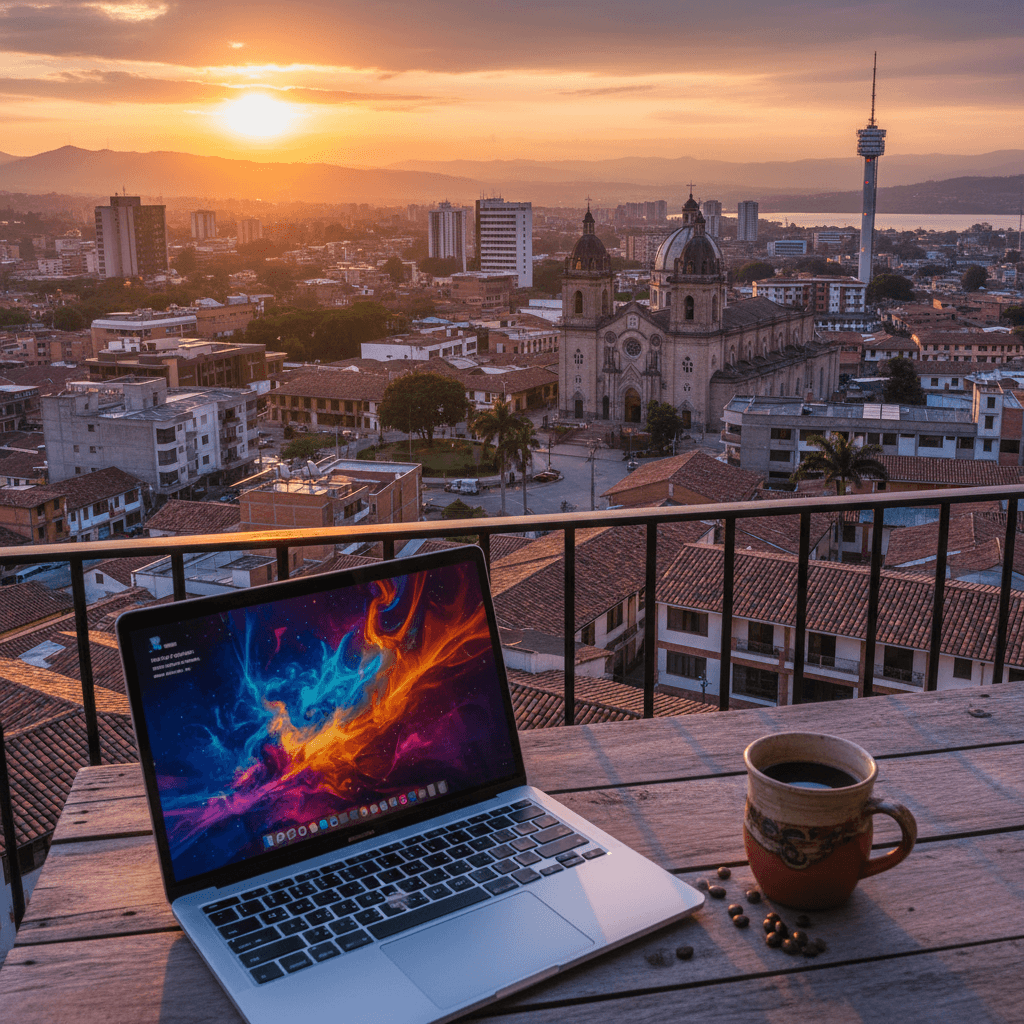
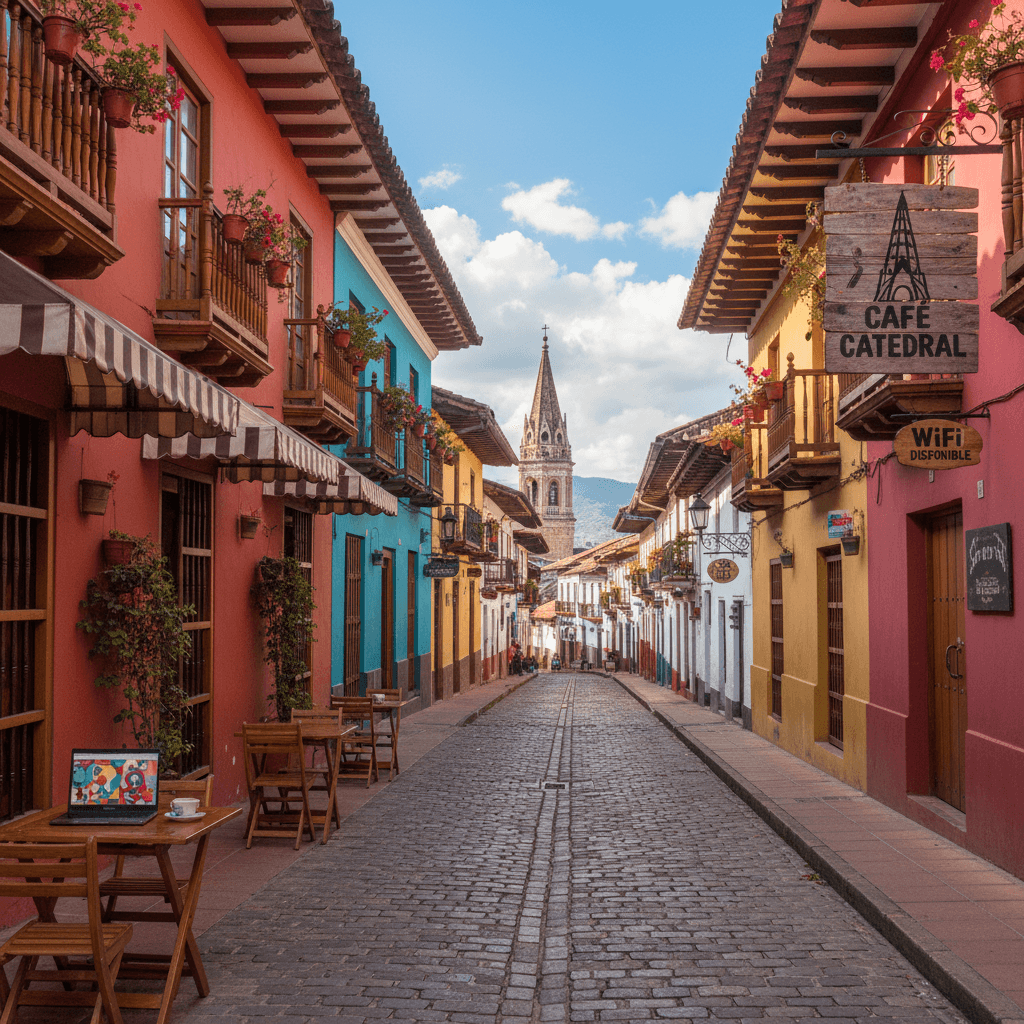
While Medellín grabs the headlines and Bogotá holds the power, Manizales quietly sits in the clouds of the Coffee Axis, offering a version of Colombia that feels more authentic and less curated. Known as the City Without Doors, its reputation for hospitality isn't just a marketing slogan. You'll feel it when a local spends ten minutes helping you find a specific coffee shop or when the barista remembers your name on day two. It’s a place where the pace slows down, the air stays crisp, and the surrounding green mountains define the horizon.
The vibe here is academic yet outdoorsy. With several major universities in town, there’s a steady pulse of energy, student priced eats, and a thriving arts scene. It doesn’t have the 24/7 party intensity of other hubs, which makes it a sanctuary for deep work. Nomads who choose Manizales usually trade the neon lights of El Poblado for weekend treks in Los Nevados National Park or soaking in nearby thermal springs. It’s the kind of city where you’ll actually need to use your Spanish, but the reward is a genuine connection to the Eje Cafetero lifestyle.
The Cost of Living
Your dollar, euro, or pound stretches significantly further here than in the more famous digital nomad hotspots. You can live a high quality life for $1,200 to $2,000 per month, depending on how much you prioritize luxury rentals and private workspaces.
- Budget Tier ($1,200/month): Covers a simple studio in a central area for $300, local market groceries, street food meals for $2 to $4, and public transport.
- Mid-Range ($1,800/month): Includes a modern one bedroom apartment for $450, frequent dining out at mid-range spots for $8 to $12, and a dedicated desk at a coworking space.
- Comfortable ($2,500+/month): Allows for premium penthouse living for $600+, upscale fusion dinners for $20 or more, and private car services for weekend trips.
Where to Plant Your Flag
Each neighborhood has a distinct personality, though the city's verticality means you'll likely be getting a workout regardless of where you live.
Centro Histórico
- Best For: Budget travelers and culture seekers.
- The Vibe: Busy, historic, and walkable with immediate access to the Cathedral and local markets.
- Pros: Most affordable rents starting at $300; everything you need is within a five block radius.
- Cons: High traffic noise and a bit gritty after dark.
University District (Near Universidad de Caldas)
- Best For: Younger nomads and social butterflies.
- The Vibe: High energy with plenty of affordable cafes and student hangouts.
- Pros: Great internet reliability and a high density of potential friends.
- Cons: Can get loud on Friday nights when the semester is in full swing.
El Cable
- Best For: Modern amenities and nightlife.
- The Vibe: The upscale heart of the city with the best restaurants and malls.
- Pros: Safest feel in the city and home to the most reliable coworking spots.
- Cons: Prices for rent and dining are the highest in Manizales.
Work, Safety, and Logistics
The city's infrastructure is surprisingly robust for its size. You'll find speeds of 50 to 100+ Mbps in the city center and El Cable, though the signal can vanish the moment you head into the coffee fincas for the weekend. For reliable workdays, use apps like InDriver or Uber to get around for $3 to $5 per trip, or hop on the local buses for $0.70. While Manizales is generally safer than Medellín or Cali, keep your phone tucked away and stick to well lit areas at night.
Expect an eternal spring climate with temperatures hovering between 18 and 24°C (64 to 75°F). It rains often, especially in April and October, so a solid raincoat is more important than a swimsuit. This damp, cool weather is exactly what makes the local coffee so good, and you'll find yourself spending many afternoons tucked into a cafe, watching the mist roll over the mountains while you clear your inbox.
The Price of an Eternal Spring
Living in Manizales feels like finding a loophole in the global economy. While Medellín’s prices have climbed toward North American levels, this coffee-scented mountain city remains remarkably affordable. Most nomads find they can live a high-quality life here for $1,200 to $1,800 per month, covering everything from a modern apartment to weekend trips into the Los Nevados mountains.
Your largest expense will be housing, but it’s a far cry from the bidding wars of the bigger hubs. A comfortable studio or one bedroom in a central area usually starts around $300 to $450 per month. If you want something upscale with floor to ceiling windows and volcano views, expect to pay $600 or more. Local apps like Rappi make life easy, and grocery bills for fresh, local produce rarely exceed $200 a month if you’re cooking at home.
Neighborhood Breakdown
Manizales is vertical and varied. Where you settle dictates your daily rhythm and your budget.
Centro Histórico
- Best For: Budget travelers and culture seekers.
- Rent: $300+ for basic studios.
- The Vibe: Walkable and packed with historic architecture. It is the heart of the city's transport and street food scene, though it gets quiet and a bit gritty after dark.
University District (Near Universidad de Caldas)
- Best For: Social nomads and students.
- Rent: $350 to $500.
- The Vibe: This is where the energy is. You will find the highest concentration of cafes with decent WiFi and cheap, filling "menu del día" lunches for about $4 to $6.
The Cable Sector
- Best For: Families and long term expats.
- Rent: $500 to $700+.
- The Vibe: Greener, quieter, and more residential. It feels more suburban and requires a bit more reliance on ride-hailing apps to get into the action, but the views of the coffee farms are unbeatable.
Eating and Drinking
Dining out is one of the city's greatest perks. You can grab a quick arepa on the street for $2 or sit down for a massive Bandeja Paisa for around $10. If you are craving something more refined, the local fusion and upscale spots run about $20 to $30 for a full dinner with drinks. Coffee is, unsurprisingly, world class and cheap; a high end pour-over in a specialty cafe usually costs less than $3.
Connectivity and Remote Work
Internet speeds in the city center and university zones are surprisingly reliable, often hitting 50 to 100 Mbps. However, the signal gets shaky fast once you head into the rural outskirts or deep into the coffee fincas. For a dedicated desk, local coworking spaces charge between $5 and $10 for a day pass, or roughly $150 for a full month of access.
Most digital nomads rely on a local SIM card for backup. Claro and Tigo are the go-to providers here. You can pick up an unlimited data plan for $10 to $20 per month, which is plenty for tethering during the occasional power flicker or when working from a park bench.
Getting Around
The city is hilly, so while the Centro is walkable, you will likely use transport for everything else. Local buses are efficient and cost about $0.70 per ride. For more comfort, apps like Uber, Didi, or InDriver are the standard. Most trips within the city limits will only set you back $3 to $5. If you are heading to the Santiago Vila Airport, a taxi or ride-share usually costs around $12 and takes about 15 minutes from the center.
Healthcare and Safety
Expats generally feel much safer here than in Bogotá or Cali. Petty theft exists, so don't leave your laptop unattended in a cafe, but violent crime is rare. Healthcare is excellent and affordable; private clinics near the city center offer care that rivals international standards. Most basic consultations or pharmacy runs are inexpensive, and the 123 emergency line is the standard for help.
Best for Nomads: El Cable and University Zones
If you want to be where the action is, head straight for the area around El Cable and the Universidad de Caldas. This is the heartbeat of the city's modern side. It feels less like a traditional colonial town and more like a lively student hub filled with specialty coffee shops and laptop-friendly spaces. Most nomads flock here because you can walk to almost everything you need, from high-speed internet cafes to grocery stores.
The vibe is energetic but grounded. You'll find plenty of peers working from local spots like Al Café Coworking or Cowork Team. While dedicated coworking spaces are still growing in number, the infrastructure is solid with speeds hitting 50 to 100 Mbps. Expect to pay around $400 to $450 for a nice one-bedroom apartment in this sector. It's safe, social, and puts you right next to the best nightlife without the overwhelming chaos of larger Colombian cities.
- Pros: High walkability, best internet reliability, younger social scene.
- Cons: Can get noisy on Friday nights when the students head out.
- Monthly Rent: $350 to $500.
Best for Solo Travelers: Centro Histórico
For those who want to wake up surrounded by Republican-era architecture and the shadow of the massive Cathedral Basilica, the Centro Histórico is the place to be. It is the most affordable part of the city, making it a favorite for solo travelers on a budget. You can snag a studio for as low as $300 a month, leaving plenty of cash for weekend trips to the Los Nevados mountains.
Living here means you're at the center of the city's transport network. The public buses, costing about $0.70 a ride, fan out from here to every corner of Manizales. During the day, it's a hive of activity with street vendors selling arepas for $2 and local markets offering fresh fruit. However, it gets quiet and a bit gritty after dark, so solo travelers usually stick to well-lit main streets or use ride-hailing apps like InDriver or Uber for late-night moves which usually cost under $5.
- Pros: Extremely affordable, culturally immersive, central transport hub.
- Cons: Traffic congestion and requires more street smarts at night.
- Monthly Rent: $250 to $350.
Best for Families: Palermo and La Camelia
Families moving to Manizales usually gravitate toward Palermo or La Camelia. These neighborhoods offer a much quieter, residential feel with wider streets and more greenery. It's where you'll find modern apartment complexes that often include 24-hour security and sometimes even small playgrounds or gyms. It's significantly more tranquil than the university districts or the city center.
While you won't find a coworking space on every corner, the residential internet is generally excellent. You're still only a 10-minute drive from the shopping malls and better private healthcare facilities. Large three-bedroom apartments here can go for $600 to $800, which is a steal compared to similar neighborhoods in Medellín. It’s the perfect middle ground for parents who want safety and comfort while staying close to the coffee farm excursions that kids love.
- Pros: Quiet streets, modern buildings, very safe for children.
- Cons: Less walkable; you'll likely rely on apps or taxis to get around.
- Monthly Rent: $550 to $900.
Best for Expats: Chipre
Expats looking for the "City of Open Doors" experience often fall in love with Chipre. Located on a high ridge, this neighborhood is famous for its incredible sunsets and views of the valley and distant volcanoes. It has a relaxed, slightly old-school charm that attracts long-term residents who aren't in a rush. The Torre de Chipre is the local landmark, and the surrounding parks are perfect for afternoon strolls.
The cost of living here is moderate. You'll find a mix of older houses and newer builds. It's a great spot if you want to practice your Spanish, as the local shopkeepers are famously friendly but rarely speak English. Expats here enjoy a slower pace of life, spending their afternoons in local bakeries or small bars. It feels like a true community where people actually know their neighbors.
- Pros: Best views in the city, cooler breeze, authentic community feel.
- Cons: Can feel a bit isolated from the main business and university hubs.
- Monthly Rent: $350 to $550.
Connectivity and Speed
Manizales might feel like a sleepy mountain town, but its digital infrastructure is surprisingly robust. In the urban core, you can expect fiber optic speeds ranging from 50 to 100+ Mbps. This makes it a much more reliable base than the smaller coffee towns like Salento, where the internet often struggles during a afternoon thunderstorm. Most modern apartments in the Cable sector or near the universities come equipped with high speed routers that handle video calls without much fuss.
Mobile data is your best backup. Claro has the most extensive coverage if you plan on heading into the coffee farms on weekends, but Movistar and Tigo offer competitive 4G and 5G speeds within the city limits. You can pick up a SIM card at the airport or any local mall for about $10 to $20, which usually nets you an unlimited data plan for the month. Just remember that once you start climbing into the Los Nevados foothills, your signal will likely vanish.
Coworking Spaces
The coworking scene here is more intimate than the massive hubs you find in Medellín. It is less about networking events and more about getting your head down in a quiet, professional environment. Most spaces are concentrated around the Centro Histórico and the Universidad de Caldas area. You should budget between $5 and $10 for a day pass, or roughly $100 to $150 for a monthly hot desk.
- University District Spaces: These spots cater to a mix of graduate students and remote workers. They tend to be the most affordable and have a high energy vibe.
- Cable Sector Hubs: These are generally more modern and offer better views of the valley. They are the preferred choice for expats who want a dedicated desk and a quieter atmosphere.
- Hybrid Cafes: Many local coffee shops have embraced the nomad crowd, offering dedicated "work zones" with power outlets and ergonomic chairs.
The Cafe Culture
Since you are in the heart of the Coffee Axis, working from a cafe is practically a rite of passage. The local culture revolves around the bean, and many shop owners don't mind if you linger for a few hours over a latte. However, these spaces can get loud during the afternoon rush, so noise-cancelling headphones are a must. Most nomads find that the cafes in the Cable sector offer the best balance of fast WiFi and comfortable seating.
While the city is incredibly welcoming, English isn't widely spoken in the smaller neighborhood shops. You will have a much easier time setting up your "office" if you know enough Spanish to ask for the WiFi password (la clave) or find a spare outlet (un enchufe). Most travelers recommend sticking to the city center for work sessions, as the connection becomes hit or miss once you move toward the more rural coffee plantations.
Digital Nomad Essentials
- Power Stability: Power outages are rare in the city center, but it's smart to keep your laptop charged before a heavy rainstorm.
- Best Apps: Download Rappi for food delivery to your desk and InDriver or Cabify for getting between coworking spots safely.
- Language: Use Google Translate for technical issues with local providers, as tech support rarely speaks English.
- Hardware: Replacement electronics are pricier here due to import taxes, so bring your own backup chargers and dongles.
Ultimately, Manizales is a place for the focused nomad. It lacks the constant social distractions of larger hubs, allowing you to get your work done quickly so you can spend your afternoons hiking or exploring the local arts scene. It is a functional, affordable, and scenic alternative for those who find the "digital nomad bubbles" in other cities a bit too exhausting.
Safety in the City of Open Doors
Manizales consistently ranks as one of the safest urban centers in Colombia. It lacks the gritty edge found in parts of Bogotá or the high-stakes party atmosphere of Medellín, making it a favorite for nomads who want to lower their guard. Locals take pride in their reputation for being exceptionally welcoming, often going out of their way to help foreigners who look lost or confused.
Violent crime is statistically low, but petty theft still happens if you're careless. Most expats follow the standard Colombian rule of "no dar papaya," which means don't give anyone a reason to take advantage of you. Keep your smartphone tucked away when walking near the Centro Histórico and avoid wearing flashy jewelry in crowded markets. If you're heading home late from a bar in the Cable sector, skip the walk and use a ride-hailing app like Uber or InDriver for a $3 to $5 trip.
The city's topography is its own safety consideration. The steep hills and narrow streets can be slick during the rainy seasons of April and October. If you're exploring the outskirts or hiking near the volcanoes, trekking with a group is better than going solo. There aren't many "no-go" zones, but the peripheral neighborhoods on the steep slopes are best avoided after dark unless you're with a local who knows the area well.
Healthcare Infrastructure
The healthcare here is surprisingly high quality for a mid-sized city. Because Manizales is a major university hub, it hosts several teaching hospitals and specialized clinics. Expats generally find the private facilities comparable to international standards, though you'll find that doctors rarely speak fluent English. Having a translation app ready or a basic grasp of medical Spanish is a lifesaver.
- Emergency Services: Dial 123 for any urgent medical or police needs.
- Major Facilities: Hospitals located near the city center and the university zones handle everything from routine checkups to specialized care.
- Pharmacies: You'll find a "Droguería" on almost every street corner. Many are open 24/7 and can provide over-the-counter advice for minor ailments like altitude sickness or stomach issues.
If you're planning a long-term stay, look into local private insurance like Sura or Colsanitas. They're affordable and grant you access to the best private clinics with shorter wait times. For digital nomads on shorter stays, most international travel insurance is widely accepted at the larger private hospitals.
Environment and Wellness
The "eternal spring" climate isn't just a marketing slogan; it's a genuine perk for your health. The air quality is generally better than in larger industrial cities, and the abundance of green space makes it easy to stay active. Many nomads spend their weekends soaking in the thermal springs at Termales del Ruiz or hiking in Los Nevados National Park to clear their heads after a week of screen time.
One thing to watch out for is the altitude. At roughly 2,150 meters (7,050 feet), you might feel winded during your first few days. Stay hydrated, take the hills slow, and give your body a week to adjust before attempting any serious mountain climbs. The tap water in Manizales is widely considered safe to drink, which is a rare and welcome luxury in regional Colombia.
The Pulse of the Streets
Manizales is built on ridges, which means your daily commute involves a lot of verticality. While the city center is surprisingly walkable, the steep hills in other districts mean you will likely rely on the city's efficient public transport network. It is a place where you can start your morning in a historic plaza and be overlooking a coffee valley by lunch, all for a few dollars.
The local bus system is the backbone of the city. At around $0.70 per ride, it is the most economical way to get around. These buses connect the main hubs, including the university zones and the downtown core, making it easy to hop between your apartment and a favorite cafe. Just look for the destination signs in the front windows.
Ride-Hailing and Taxis
When the hills feel too steep or you are heading home after dark, ride-hailing apps are the standard choice for expats and nomads. They offer a layer of safety and price transparency that is hard to beat. You can expect to pay between $3 and $5 for most trips within the city limits.
- Uber: Widely used and generally the most familiar interface for international travelers.
- Didi: Often slightly cheaper than Uber and very popular with locals.
- InDriver: A unique option where you negotiate the fare with the driver before they pick you up.
Micromobility and Walking
The Centro Histórico is where you will do most of your exploring on foot. It is dense, lively, and filled with the city's best architecture. However, keep in mind that the "City of Open Doors" is also a city of many stairs. If you prefer wheels over walking, the city's public transport and taxi networks remain the most reliable ways to navigate the steeper terrain between neighborhoods.
Regional Connections
One of the best parts of living in Manizales is its position within the Coffee Axis. If you want to explore nearby towns like Pereira or Armenia, the local bus terminals offer frequent and reliable service. These intercity trips are affordable and provide front-row seats to some of the most beautiful mountain scenery in Colombia.
For air travel, La Nubia Airport is the closest option, though it is famous for closures due to weather. Most nomads find it more reliable to fly into Matecaña International Airport in Pereira and take a bus or private transfer back to Manizales. A taxi or Uber from the local airport into the city center typically costs between $10 and $15 and takes about 15 minutes under normal traffic conditions.
Neighborhood Accessibility
Where you stay dictates how you move. Nomads often choose their base based on how much they want to rely on vehicles vs. their own two feet.
Centro Histórico
- Walkability: High within the district, though traffic can be heavy.
- Transport Hubs: Central point for most bus lines.
- Vibe: Busy, urban, and very connected.
The Cable Sector
- Walkability: Low to moderate; very hilly.
- Transport: Best served by ride-hailing apps or the iconic aerial cable car system.
- Vibe: Residential, green, and quiet with incredible views.
University District
- Walkability: Good for reaching local cafes and student hangouts.
- Transport: Plenty of taxis and buses passing through frequently.
- Vibe: Energetic and youthful.
If you are coming from Medellín or Bogotá, the first thing you will notice in Manizales is the pace of conversation. It is slower, more deliberate, and incredibly polite. Locals, known as Manizaleños, are famous for their hospitality, often referred to as being part of the "City without Doors." However, that warmth usually comes in Spanish. Unlike the more international hubs in Colombia, English proficiency here is quite low once you step away from the university faculty or high end hotel desks.
The Language Barrier
You will need more than just the basics to thrive here. While you can get by with translation apps in the Centro Histórico, daily life requires a working knowledge of Spanish. Most nomads find that learning at least A2 level Spanish is the tipping point between feeling like a tourist and actually feeling at home. Locals are patient and will appreciate any effort you make, but don't expect menus or street signs to be bilingual.
- Greeting Culture: Always start an interaction with a formal "Buenos días" or "Buenas tardes." Jumping straight into a question is considered slightly rude.
- The "Usted" Factor: In this region of the Coffee Axis, people often use "usted" (the formal you) even with friends or pets. It is a quirk of the local dialect that adds to the city's formal yet friendly charm.
- Local Slang: You will hear "pues" tacked onto the end of almost every sentence. It doesn't always have a literal meaning; it is just the rhythmic heartbeat of the local speech.
Staying Connected
The digital infrastructure in the city center and the Cable sector is surprisingly robust. You can expect speeds between 50 and 100 Mbps in most modern apartments and dedicated workspaces. However, if you head out to the coffee farms or the foothills of Los Nevados for a weekend, expect your signal to drop off significantly. For remote workers, having a local backup is a requirement, not a suggestion.
Expats recommend picking up a local SIM card immediately rather than relying on international roaming. Claro typically has the widest coverage in the mountainous terrain, while Movistar and Tigo offer competitive data packages. You can grab a card at the airport or any small "tienda" for about $5, and a monthly unlimited data plan usually runs between $10 and $20.
Apps and Tools
Because English is scarce, technology will be your best friend during your first few weeks. Travelers frequently use the following to bridge the gap:
- Google Translate: Use the camera feature for translating menus at local spots in Chipre or reading labels at the supermarket.
- WhatsApp: This is the primary mode of communication for everything. You will use it to book hair appointments, order water delivery, and talk to your landlord.
- InDriver or Cabify: While you can hail taxis on the street, using these apps allows you to set your destination digitally, avoiding any pronunciation mishaps with the driver.
- Duolingo or Language Transfer: Useful for brushing up on coffee related vocabulary before you head to a local finca.
If you are looking for a community of English speakers, your best bet is to hang out near the Universidad de Caldas. The student population is generally more tech savvy and likely to speak some English, and many are eager to practice with foreigners in exchange for Spanish tips. While the nomad scene is smaller than in Pereira, the connections you make here tend to be deeper because they aren't filtered through a massive expat bubble.
The Eternal Spring Vibe
Manizales is often called the city of "eternal spring," but don't let the marketing speak fool you into thinking it's a tropical heatwave. Because of its high altitude in the Andes, the weather stays remarkably consistent, hovering between 18°C and 24°C (64°F to 75°F) most days. It's the kind of climate where you'll want a light jacket for the evenings and a solid pair of walking shoes for the steep hills.
The air is crisp and fresh, thanks to the proximity to the Los Nevados National Park and the surrounding coffee plantations. Most nomads find the climate perfect for productivity; you aren't sweating through your shirt during a Zoom call, and you don't need to blast the AC to get through the afternoon slump.
Best Months for Blue Skies
If you want to maximize your time outdoors or plan weekend trips to the Valle de Cocora, aim for the drier windows. The primary peak season runs from December through March. During these months, the sun is out more frequently, and the views of the Nevado del Ruiz volcano are much clearer. You'll still see occasional afternoon showers, but they usually pass quickly.
A secondary dry window occurs in July and August. This is a fantastic time for hikers and nature photographers who want to explore the Eje Cafetero without getting bogged down in mud. Expats recommend these months for anyone planning to use Manizales as a base for high altitude trekking.
Navigating the Rainy Seasons
Manizales has two distinct rainy periods: April to May and October to November. When it rains here, it really pours. The city's geography means clouds often get trapped against the mountains, leading to misty mornings and heavy afternoon downpours. It's not a dealbreaker for remote work, but it does make the city's famous hills a bit slick.
- October and November: These are typically the wettest months. If you're sensitive to gray skies, this might not be your favorite time to visit.
- April and May: Expect lush, green landscapes but keep your umbrella handy. This is a great time for "cafe hopping" work sessions while watching the rain over the mountains.
- Packing Tip: Layers are your best friend. A waterproof shell and a warm fleece will cover you for almost every weather scenario the city throws at you.
Festivals and Peak Times
Timing your visit isn't just about the rain; it's about the energy of the city. If you arrive in early January, you'll hit the Feria de Manizales. This is the biggest event of the year, featuring parades, concerts, and bullfighting. While it's culturally fascinating, keep in mind that short term rental prices spike and the city gets significantly louder.
For a more relaxed experience, many travelers prefer arriving in February or September. These shoulder months offer a balance of decent weather and lower costs. You'll find it easier to snag a $300 a month studio in the Centro Histórico or a quiet desk at a local university cafe without the festival crowds drive up the noise levels.
The Volcano Factor
Living in Manizales means living in the shadow of the Nevado del Ruiz. It's an active volcano, and while it mostly just provides a stunning backdrop, it can occasionally puff out ash. This doesn't usually affect daily life for nomads, but travelers often keep an eye on local geological alerts if they plan on heading into the national park for high altitude tours.
Getting Settled and Staying Connected
Living in the "City without Doors" feels like a breath of fresh air compared to the frantic energy of Bogotá. To hit the ground running, grab a SIM card from Claro or Tigo as soon as you arrive. You can pick these up at the airport or any small mobile shop for about $10 to $20 for a month of unlimited data. While the city center has solid 4G and 5G coverage, keep in mind that signals often drop the moment you head into the steep coffee hills or toward Los Nevados.
For remote work, expect fiber optic speeds between 50 and 100 Mbps in most modern apartments and cafes. If you need a dedicated desk, look for local coworking hubs near the universities or in the Cable sector. Monthly memberships usually hover around $100 to $150, while a day pass will set you back about $5 to $10. If you prefer the cafe route, noise-canceling headphones are a must; Colombian coffee shops are lively social spaces, not libraries.
Cost of Living and Budgeting
Manizales remains one of the most affordable corners of the Coffee Axis. You can live a very comfortable life here on $1,200 to $2,000 a month, which goes significantly further than it would in Medellín's El Poblado. Digital nomads usually find that $1,800 is the sweet spot for a mid-range lifestyle including a nice one-bedroom apartment and frequent dining out.
- Budget Tier ($1,200/month): Covers a basic studio for $300, local bus fare at $0.70 per ride, and plenty of $3 street food arepas.
- Mid-Range ($1,800/month): Includes a modern 1BR for $450, daily cafe visits, and regular ride-hailing trips at $3 to $5 each.
- Comfortable ($2,500+/month): Allows for premium apartments at $600+, private coworking desks, and upscale fusion dinners that cost $20 or more.
Where to Base Yourself
Choosing a neighborhood depends on how much you value peace versus proximity to the action. The city is vertical, so your legs will get a workout regardless of where you land.
Centro Histórico
- Best For: Solo travelers and history buffs.
- Rent: Studios starting at $300.
- Pros: Highly walkable, packed with cultural sites, and the main hub for public transport.
- Cons: Heavy traffic noise and a bit sketchy at night once the shops close.
University District (Near Universidad de Caldas)
- Best For: Nomads who want a social vibe.
- Rent: Mid-range apartments around $400.
- Pros: High energy, plenty of cheap eats, and the best concentration of laptop-friendly cafes.
- Cons: Can get loud on weekends when the student bars are in full swing.
The Cable Sector
- Best For: Families or those seeking views.
- Rent: Upscale units from $500.
- Pros: Greener, quieter, and incredible views of the volcanoes and coffee farms.
- Cons: Not very walkable; you'll rely on Uber or Didi to get anywhere.
Safety and Local Nuances
Locals take pride in the fact that Manizales is safer than most Colombian metros. Violent crime is rare, but don't get complacent. Use common sense: don't flash your latest iPhone on a dark street and use apps like InDriver or Uber for late-night trips rather than hailing a cab on the street. For healthcare, the city has excellent private clinics near the center, and pharmacies are on almost every corner for minor needs.
The biggest hurdle for most is the language. English isn't widely spoken here, even in many "nomad" spots. Learning basic Spanish isn't just helpful, it's a requirement if you want to do anything beyond ordering a coffee. Most residents are incredibly patient and will appreciate the effort, often turning a simple transaction into a twenty-minute conversation about their city.
Logistics and Weather
The weather is a steady 18 to 24°C (64 to 75°F) year-round. It's the "eternal spring" lifestyle, but that spring includes plenty of rain. April, May, October, and November are the wettest months, so bring a lightweight waterproof jacket. For weekend escapes, the central bus terminal connects you to the Valle de Cocora and nearby coffee towns for just a few dollars. When it's time to pay the bills, use Wise or Revolut for transfers, as Bancolombia ATMs are easy to find and generally accept international cards without much fuss.
Need visa and immigration info for Colombia?
🇨🇴 View Colombia Country GuideEasy Landing
Settle in, no stress
Monthly Budget Estimates
More cities in Colombia
Medellín
🇨🇴 Colombia
Cali
🇨🇴 Colombia
Palomino
🇨🇴 Colombia