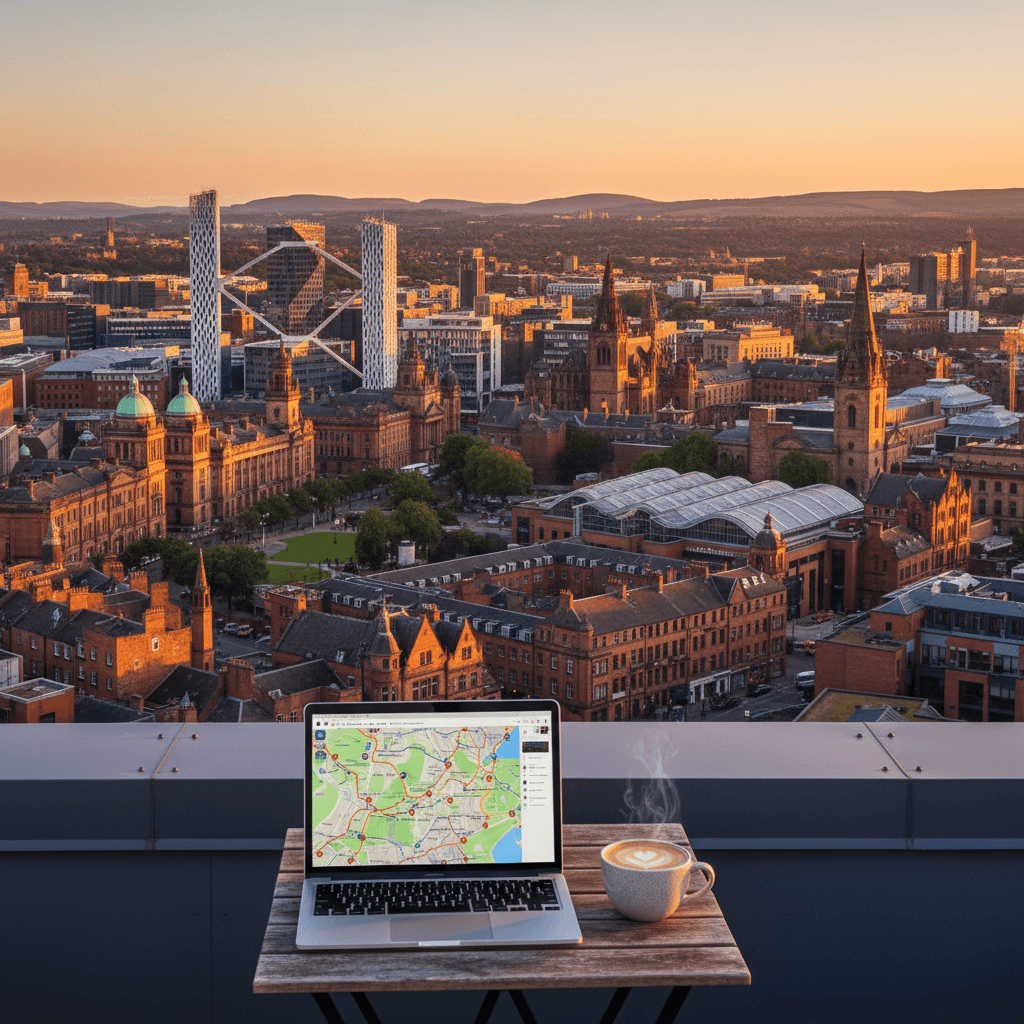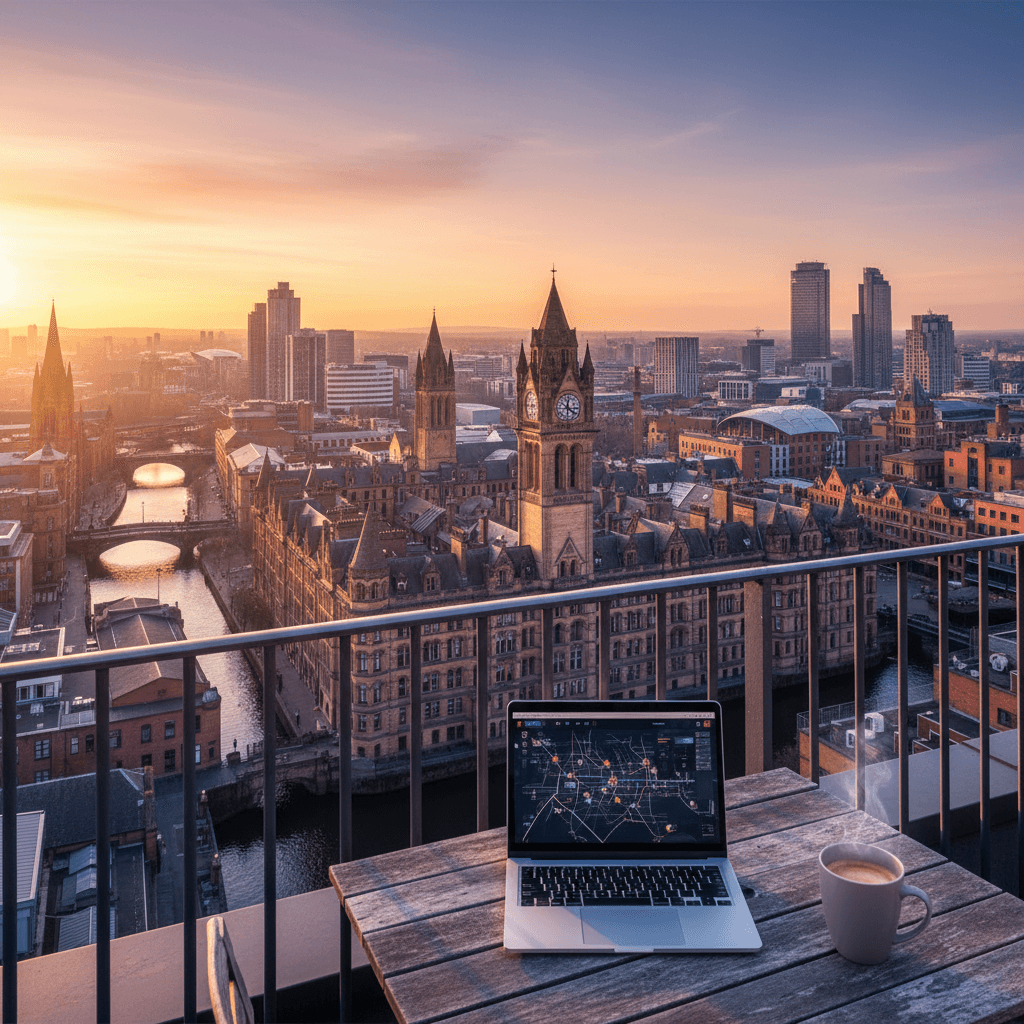
Manchester
🇬🇧 United Kingdom
The Industrial Soul of the North
Manchester doesn't try to be London, and that is exactly why people love it. It is a city built on red brick, rainy afternoons, and a massive musical legacy that still echoes through every pub in the Northern Quarter. While the capital can feel cold and anonymous, Manchester is unapologetically friendly. You will find yourself chatting with strangers in a coffee queue or getting a "cheers" from a bus driver within an hour of arriving.
For nomads, the appeal lies in the balance of grit and polish. You have high tech media hubs sitting right next to Victorian canals. It is a compact city, meaning you can walk from a high end meeting in Spinningfields to a basement record store in twenty minutes. It is faster paced than most Northern towns but retains a grounded, unpretentious energy that makes it easy to settle into a routine.
The Cost of Living Breakdown
Living here is significantly more affordable than the South of England, though prices have crept up recently. Expect to budget between $2,400 and $3,200 USD per month depending on your lifestyle. Here is how the tiers typically break down for a single nomad:
- Budget: £1,500 to £2,000 ($2,000 to $2,660). This covers a studio in the Northern Quarter or slightly further out, street food meals at £10, and a monthly £80 transport pass.
- Mid-range: £2,000 to £2,800 ($2,660 to $3,728). You can afford a one bedroom apartment in Spinningfields, regular pub dinners at £25, and a dedicated desk at a coworking space.
- Comfortable: £3,000+ ($4,000+). This gets you a premium city center apartment, frequent dining at spots like the Michelin starred Mana, and Uber rides wherever you go.
Where to Set Up Base
Choosing a neighborhood defines your Manchester experience. Most nomads gravitate toward the Northern Quarter. It is the creative heart of the city, packed with street art and independent cafes like Ezra & Gil. Rent here averages £900 to £1,100. It is perfect for solo travelers, though the weekend crowds and nightlife noise can be intense.
If you prefer something quieter but still trendy, look at Ancoats. It was recently an industrial wasteland, but it is now full of loft conversions and great bakeries. Rents are similar at £850 to £1,100. For a more polished, corporate vibe with easy access to WeWork, Spinningfields is the place to be, though you will pay a premium of up to £1,400 for a one bedroom. Families or those wanting green space usually head to Didsbury, a 20 minute tram ride from the center.
Work, Connectivity, and Community
The internet is rarely an issue here. Speeds typically range from 46 to 117 Mbps, and public WiFi is ubiquitous. For a professional setup, Work.Life and Colony are popular tech focused hubs, with hot desks starting around £200 to £300 a month. If you need a local SIM, grab an EE or Vodafone card at the airport for about £20 for a month of data.
Socializing is built into the city's DNA. You can find nomad meetups on Facebook or Nomad List, but the best way to meet people is often through the local pub culture or at the Warehouse Project if you are into the club scene. On weekends, many nomads take the one hour train to the Peak District for hiking or hop over to Liverpool for a change of pace.
Practical Realities
The weather is the one thing everyone complains about. It rains often, over 200 days a year, so a good waterproof jacket is a better investment than an umbrella. June through August is the sweet spot for weather and festivals, while January and February can be grey and damp.
Safety is generally high in the central hubs. Use common sense in areas like Moss Side or Longsight at night, but otherwise, the city is very walkable. For healthcare, the NHS handles the basics, and the Manchester Royal Infirmary is excellent. To get around, use the Metrolink trams or Beryl Bikes, which cost £1 to unlock and £0.20 per minute. It is a city that rewards those who explore on foot, uncovering the small details in the brickwork and the local characters that make Manchester feel like home.
The Price of the North
Manchester has long been pitched as the affordable alternative to London, and while the gap is narrowing, your money still works significantly harder here. Most nomads find that a monthly budget between $2,400 and $3,187 covers a high quality of life without the frantic financial pressure of the capital. You are paying for a city that feels compact and manageable, where a £950 rent check actually gets you a decent front door in a central postcode.
Expats usually split their spending into three tiers based on how much they prioritize location over local pub budgets. If you are sticking to a Budget lifestyle, expect to spend roughly £1,500 to £2,000 a month. This usually means a studio in the Northern Quarter and relying on the city's legendary curry houses and street food for £10 meals. Mid-range nomads typically land in the £2,000 to £2,800 bracket, allowing for a proper one-bedroom in Spinningfields and plenty of pints at local pubs where a meal runs closer to £25.
For those looking for a Comfortable setup with £3,000+ to spend, the city opens up with upscale glass-tower apartments and frequent visits to high-end spots like Mana. Regardless of your tier, keep £80 aside for a monthly Metrolink pass, though the city center is so walkable you might find yourself pocketing that extra cash for the weekend.
Where to Hang Your Hat
Your cost of living is dictated almost entirely by which neighborhood you choose. Travelers often say the Northern Quarter is the heartbeat of the city, perfect for solo nomads who want street art and music venues on their doorstep. Expect to pay £900 to £1,100 for a one-bedroom here, though the trade-off is the weekend noise from the bars below.
- Ancoats: Once an industrial hub, it is now the go-to for trendy lofts and canal-side coffee. Rents sit between £850 and £1,100. It is quieter than the Northern Quarter but just as cool.
- Spinningfields: This is the corporate, polished side of town. It is safe and modern, but you will pay a premium of £1,100 to £1,400 to be near the high-end coworking spaces.
- Didsbury: If you need green space and a suburban feel, head south. It is a 20-minute tram ride away, with rents ranging from £900 to £1,200 for much larger spaces than you would find in the center.
The Digital Infrastructure
Reliable internet is a given here, with speeds typically hitting between 46 and 117 Mbps. If you cannot work from your flat, the coworking scene is robust. WeWork remains a staple for many at £250 a month for a hot desk, but locals often point tech-focused nomads toward Colony or Work.Life, which range from £200 to £400 depending on how much privacy you need.
For a more casual afternoon, cafes like Ezra & Gil are welcoming to laptops. To stay connected on the move, grab a SIM from EE or Vodafone at the airport or any high street shop. An unlimited data plan usually costs between £20 and £30 per month, which is a steal compared to North American prices.
Eating, Drinking, and Getting Around
Manchester is a city that revolves around its food and drink. You can grab a solid lunch for £8 in the Northern Quarter or spend £15 on a classic fish and chips in a pub. The social scene is easy to break into; nomads recommend joining Facebook groups like Digital Nomads Manchester or attending events at your coworking space to meet people.
Transport is straightforward. The Metrolink tram system is the gold standard, but for short hops, an Uber or Bolt usually costs under £10. If you are feeling active, Beryl Bikes are scattered everywhere and cost just £1 to unlock. Just remember to pack a quality raincoat; with over 200 rainy days a year, it is the one investment every nomad agrees is mandatory.
Manchester is a patchwork of industrial grit and high-end polish. While the city center is compact, each pocket caters to a different lifestyle. Choosing where to drop your bags depends on whether you want to wake up to the smell of artisan coffee or the quiet rustle of park leaves.
For Digital Nomads: The Northern Quarter & Ancoats
If you want to be in the thick of the creative scene, the Northern Quarter is your base. It's the heart of the city's music and street art legacy. You can spend your mornings working from Ezra & Gil and your evenings catching a gig at a basement venue. Expect to pay between £950 and £1,100 for a one bedroom apartment here. It gets loud on weekends, but the walkability is unmatched.
Just across Great Ancoats Street lies Ancoats, a former industrial hub that's now a sanctuary for remote workers. It's slightly quieter than the Northern Quarter but keeps the red-brick aesthetic. Nomads often congregate at Colony for a professional desk space or grab a £5 to £10 lunch at the local bakeries. Rent is similar to its neighbor, averaging £850 to £1,100, but you get more space and a calmer vibe by the canals.
For Expats and Professionals: Spinningfields
For those moving for work or looking for a polished experience, Spinningfields is the city's financial and luxury district. It feels more like London's Canary Wharf but with better pubs. It's home to the WeWork hubs and high-end dining spots where a meal will easily run you £40 or more. It's safe, sleek, and modern, though some find it a bit corporate.
- Average Rent: £1,100 to £1,400 for a modern 1BR.
- Vibe: Upscale, professional, and very safe.
- Best for: Networking and proximity to high-end gyms and bars.
For Families: Didsbury
If you need green space and a slower pace, head south to Didsbury. It's divided into East and West Didsbury, both offering a village feel that's rare so close to a major city. You're looking at a 20 minute tram ride on the Metrolink to get into the center, but you gain access to excellent parks and family-friendly pubs. It's the go-to for expats with kids who want a backyard rather than a balcony.
- Average Rent: £900 to £1,200 for a house or large apartment.
- Key Perks: Top-tier schools, independent boutiques, and plenty of strollers.
- Cons: Commuting costs and being away from the late-night action.
For Solo Travelers: The City Center
Staying right in the center, near Piccadilly or Deansgate, makes sense if you're only in town for a few months. You'll be minutes away from the main train station for day trips to the Peak District or Liverpool. Solo travelers often find it easier to meet people in the central coworking spaces like Work.Life, where hot-desking starts around £200 a month. While parts of the center can feel overcrowded, the convenience of having every bus and tram line at your doorstep is a huge plus.
Living here means you're never more than a five minute walk from a £15 fish and chips or a £20 unlimited data SIM card from a local shop. Just keep an eye on your surroundings at night near the major transport hubs, as petty crime can occasionally be an issue in high-traffic areas.
Manchester is a powerhouse for remote work, blending its industrial "grit" with a high-speed digital infrastructure that puts most other UK cities to shame. You won't struggle to find a signal here. The city is blanketed in ultra-fast fiber, with average speeds ranging from 46 to 117 Mbps. Whether you are uploading large video files or jumping on a back-to-back Zoom schedule, the connection remains rock-solid across the city center.
Coworking Spaces
The coworking scene in Manchester is diverse, catering to everyone from corporate expats to creative freelancers. Most nomads gravitate toward the Northern Quarter or Spinningfields depending on their budget and the "vibe" they need for the day.
- WeWork: With several locations across the city, including a massive hub in Spinningfields, this is the go-to for reliability. A hot-desk usually runs around £250 per month. It is the best choice if you need a professional environment and a global network.
- Work.Life: Located in the heart of the city, this space is praised for its community feel and perks like free breakfasts and weekly socials. Membership costs vary between £200 and £400 per month depending on how often you need a desk.
- Colony: This is a local favorite for the tech-focused crowd. They have beautiful, design-led spaces in Ancoats and the Northern Quarter. Expect to pay £300+ per month for a dedicated spot.
Laptop-Friendly Cafes
If you prefer the hum of a coffee machine to a structured office, Manchester is incredibly accommodating. The Northern Quarter is the undisputed king of cafe culture. Ezra & Gil is a staple for nomads; the WiFi is reliable, the coffee is strong, and the large communal tables make it easy to set up for a few hours. Just be aware that most popular spots get crowded on weekends, so try to get your deep work done on weekday mornings.
For a quieter atmosphere, head toward Ancoats. The neighborhood is slightly more relaxed than the city center and has several airy lofts and cafes where you can work without feeling like you are taking up valuable real estate. Always check the "laptop policy" before you settle in, as some smaller shops encourage a screen-free environment during peak lunch hours.
Connectivity and SIMs
Mobile coverage is excellent throughout the city, including on the Metrolink trams. For those staying longer than a few days, getting a local SIM is a no-brainer. You can pick one up at Manchester Airport or any high street shop.
- EE: Generally considered to have the fastest 5G speeds in the UK. You can get a solid pay-as-you-go data plan for about £20 to £30 per month.
- Vodafone: Highly reliable and offers competitive unlimited data packages. Most expats find their coverage to be consistent even when traveling out to the Peak District for weekend hikes.
- Giffgaff: A great budget-friendly alternative that uses the O2 network. You can order a SIM to your Airbnb or temporary accommodation and manage everything through their app.
Digital nomads often recommend using Wise or Revolut for daily transactions. Manchester is almost entirely cashless now; from the smallest coffee cart to the tram ticket machines, you will rarely need physical pounds. If you are planning a longer stay, opening a digital account with Starling Bank is a quick way to get a local account number without the headache of traditional high-street banking paperwork.
General Safety and Street Smarts
Manchester is generally a safe place for digital nomads, especially in the central hubs where most travelers spend their time. The city center is highly walkable and well lit, and you'll find a steady flow of people in areas like the Northern Quarter or Spinningfields well into the evening. Most expats report feeling secure while moving between coworking spaces and apartments during the day.
Like any major urban center, petty crime exists. Pickpocketing can happen in crowded shopping areas like Market Street or near the Arndale Centre. Most nomads recommend keeping an eye on your tech if you're working in a street-level cafe with high foot traffic. It's best to exercise the same common sense you would in any large city when walking through less familiar neighborhoods late at night.
- Emergency Number: Dial 999 for immediate police, fire, or ambulance services.
- Non-Emergency Number: Dial 101 for police matters that don't require an urgent response.
- Air Quality: Generally good, though the city center can feel a bit congested during peak rush hour.
Healthcare for Nomads and Expats
The healthcare system in Manchester is excellent, anchored by the NHS (National Health Service). If you're visiting on a standard tourist visa, you can access emergency care at Accident and Emergency (A&E) departments, though you might be billed later if you don't have a reciprocal agreement with your home country. For those on longer-term residency paths, paying the Immigration Health Surcharge usually grants you access to the same services as locals.
The Manchester Royal Infirmary is the primary hospital for the city center. For minor issues like a persistent cough or a skin rash, travelers often head to a "Walk-in Centre" where you can see a nurse without a prior appointment. Most nomads find these much faster than trying to register with a local GP for a one-off visit.
Pharmacies are everywhere. Look for the Boots or Superdrug chains, which are found on almost every major street. They provide over-the-counter meds and can offer professional advice for common ailments. If you need a prescription filled, these shops are your best bet. A standard prescription charge in England is currently around £9.65 per item, regardless of the actual cost of the drug.
Private Insurance and Specialized Care
While the NHS is reliable, it's notorious for long wait times for non-urgent specialist appointments. Many expats choose to maintain private health insurance to bypass these queues. Private facilities like the Spire Manchester Hospital offer premium care and faster diagnostics if your budget allows for it. Most international nomad insurance policies are accepted at these private clinics.
- Dental Care: NHS dentists are hard to find. Expect to pay £50 to £100 for a private check-up and cleaning.
- Mental Health: Services are available through the NHS, but private therapy is a popular choice for nomads, with sessions typically costing £50 to £90 per hour.
- Water Safety: Tap water is perfectly safe to drink and tastes great, so there's no need to waste money on bottled water.
Staying Healthy in a Rainy Climate
Manchester is famous for its drizzle. While it rarely gets dangerously cold, the dampness can be a grind during the winter months from December to February. Expats often suggest investing in a high-quality waterproof jacket rather than a cheap umbrella that will likely flip inside out on a windy corner. Vitamin D supplements are a common recommendation among the local nomad community to help offset the lack of sunshine during the greyest parts of the year.
The Metrolink and Beyond
Manchester is one of those rare cities where you can genuinely survive without a car. The city center is compact and largely walkable, especially if you are bouncing between the Northern Quarter and Ancoats. When the inevitable rain starts, the Metrolink tram system is your best friend. It is clean, frequent, and covers almost everywhere a nomad would want to go, including the leafy suburbs of Didsbury.
You do not need to worry about paper tickets or confusing zones. Just tap your contactless card or phone on the yellow readers at the station before you board and tap out when you leave. A monthly pass for the main zones usually runs around £80, but if you are staying central, you might find you rarely spend that much. For quick hops within the immediate city center, look out for the Free Bus. It is a zero-fare service that loops around the major train stations and shopping districts.
Cycling and Micro-mobility
If you prefer two wheels, the Beryl Bikes scheme is the local go-to. You will see these bright yellow bikes and e-scooters parked at hubs across the city. It costs £1 to unlock and then £0.20 per minute. While Manchester is becoming more bike-friendly with new segregated lanes, some of the older industrial roads can still feel a bit tight, so stay alert during rush hour.
Ride-Hailing and Taxis
For late nights after the trams stop running (usually around midnight on weekdays and 1:00 AM on weekends), Uber and Bolt are the dominant apps. A short ride across the center typically costs between £5 and £10. If you are in a rush, the iconic black cabs are everywhere, but they are significantly more expensive than the apps. Most locals only hail them as a last resort or if they are traveling in a large group.
Getting to the City from MAN
Manchester Airport is impressively well-connected. The easiest way into the city is the train, which runs every 10 minutes to Manchester Piccadilly. It takes about 20 minutes and costs roughly £5. If you have heavy luggage and want to go straight to your Airbnb, a taxi or Uber will set you back about £25 depending on the time of day. Avoid the buses from the airport unless you are on a very strict budget; they take forever and the train is much more comfortable.
Regional Connections
One of the perks of living here is how easy it is to escape for a weekend. Manchester Piccadilly and Victoria stations are gateways to the rest of the UK. You can be in the Peak District for a hike in under an hour for less than £15 return. Liverpool is a quick 45-minute hop away, and even London is only two hours by the fast train, though you should book those tickets weeks in advance via the Trainline app to avoid paying astronomical prices.
- Metrolink Tram: Tap on and off with contactless; easy city-wide access.
- Beryl Bikes: £1 unlock fee; great for short, cross-town trips.
- Trainline App: Use this for all regional travel to save up to 50% on fares.
- Walking: Entirely feasible for the Northern Quarter, Spinningfields, and Ancoats.
The Mancunian Way
You won't have any trouble getting your point across in Manchester. It's a native English-speaking city, but the local dialect, known as Mancunian or "Manc," has a rhythmic, flat-voweled charm that defines the city's identity. While the accent is thick in some neighborhoods, it's rarely a barrier for digital nomads. In fact, most expats find the local way of speaking far more welcoming and down-to-earth than the polished tones of London.
The city is a melting pot of global influences. Because of its diverse population, you'll hear plenty of Polish and Urdu in neighborhoods like Longsight and Cheetham Hill. In professional hubs like Spinningfields or the Northern Quarter, the atmosphere is international, and you'll fit right in regardless of where you're from.
Local Slang and Social Cues
Mancunians are famously friendly and will likely strike up a conversation while you're waiting for a flat white at Ezra & Gil. To blend in, you should pick up a few local quirks. "Cheers" is the universal word for thank you, but you'll also hear a quick "Ta" used just as often. If someone calls you "mate" or "love," don't take it personally; it's just the standard Northern way of being polite.
Social etiquette is big on politeness without the formality. If you're out with coworkers at a pub in Ancoats, remember the "round" system. If someone buys you a drink, you're expected to buy the next one for the group. Skipping your turn is a quick way to lose points with the locals. Also, queuing is practically a national sport. Whether you're waiting for the Metrolink tram or a £5 bao bun at a street food stall, always find the back of the line and wait your turn patiently.
Staying Connected
The digital infrastructure here is top-tier. You can expect average internet speeds between 46 and 117 Mbps, which is more than enough for heavy Zoom calls or uploading large files. Most cafes in the Northern Quarter are nomad-friendly, though some might ask you to put the laptop away during busy weekend brunch hours.
- Mobile Data: Pick up a prepaid SIM card from EE or Vodafone. You can find these at Manchester Airport or any shop in the Arndale Centre. Expect to pay £20 to £30 per month for unlimited data.
- Digital Banking: Most nomads rely on Wise or Revolut for daily spending. If you're staying longer, apps like Starling Bank allow you to open a UK account quickly once you have a local address.
- Essential Apps: Download Uber or Bolt for quick rides, and Bee Network to manage your tram and bus fares. For food delivery, Deliveroo is the go-to for getting local favorites sent straight to your apartment.
Communication in the Workplace
If you're hot-desking at WeWork or Colony, you'll find the professional communication style to be direct but punctuated with humor. Manchester has a massive creative and tech scene, so the vibe is generally "smart-casual." Emails are usually informal, and networking often happens over a pint rather than in a boardroom. People value authenticity here, so being straightforward about your work and your needs will get you much further than corporate jargon.
While Google Translate is rarely necessary for the language, it can be handy for reading menus in the "Curry Mile" or exploring the international grocery stores in the outskirts. For the most part, as long as you can navigate standard English, you'll find Manchester one of the easiest cities in Europe to call home for a few months.
The Reality of the Rain
Let's address the elephant in the room immediately: Manchester has a reputation for rain that it doesn't just embrace, it wears like a badge of honor. You'll hear locals joke about "liquid sunshine," but the reality for a nomad is more about persistent drizzle than torrential downpours. It rains roughly 200 days a year, though it's rarely heavy enough to stop you from getting to a coworking space.
The climate is temperate and maritime, meaning you won't deal with extreme heatwaves or deep freezes. Temperatures usually hover between 3°C and 7°C in the depths of winter and climb to a comfortable 15°C to 20°C during the peak of summer. Because the weather is so changeable, the "Manchester uniform" usually involves a high-quality waterproof shell and layers you can peel off the moment you step into a heated cafe like Ezra & Gil.
When to Plan Your Stay
If you want the best possible experience, aim for the window between June and August. This is when the city truly wakes up. The days are long, the canal-side bars in Ancoats are packed, and the "rainy city" actually sees some sustained sunshine. This period aligns with major events like the Manchester International Festival and various Pride celebrations, making it the easiest time to meet people outside of a Slack channel.
Should you prefer a shoulder season, May and September are excellent choices. The parks in Didsbury are lush, the student population hasn't quite reached peak chaos levels, and the air is crisp rather than biting. You'll still get rain, but you'll also get those rare, clear Northern English afternoons where the light hits the red brick industrial buildings just right.
The Low Season Grind
The period from December to February is the toughest time for nomads. It's dark by 4:00 PM, the wind can be biting, and the dampness has a way of getting into your bones. While the Christmas markets in the city center are famous, they get incredibly crowded, which can make a quick lunch run in the Northern Quarter feel like a chore.
However, if you're a fan of focused "deep work" sprints, winter in Manchester has its charms. There is something undeniably cozy about being tucked away in a corner of a pub with a laptop while it pours outside. Most expats recommend staying central during these months so you aren't reliant on waiting for trams in the cold.
Seasonal Breakdown for Nomads
- Summer (June to August): The best weather and highest energy. Expect temperatures around 18°C. It's the prime time for outdoor networking and weekend trips to the Peak District.
- Autumn (September to November): Frequent rain and cooling temperatures. The city feels academic and industrious as the universities return. Great for productivity.
- Winter (December to February): The most challenging months. Cold, wet, and dark. If you struggle with seasonal blues, this might not be your favorite time to visit.
- Spring (March to May): Unpredictable but beautiful. You'll see the first signs of green in the parks, though you should still keep your umbrella within reach at all times.
Packing Essentials
Don't bother with a flimsy umbrella; the wind in the city center will turn it inside out within ten minutes. Most long-term travelers here invest in a solid, windproof umbrella or, better yet, a high-end raincoat with a hood. Since you'll likely be walking between neighborhoods like Spinningfields and the Northern Quarter, comfortable waterproof footwear is a must. You don't need heavy boots, but canvas sneakers will leave you with soggy socks more often than not.
The Bottom Line on Costs
Manchester isn't the bargain it was a decade ago, but it still beats London for value. Most nomads find they need between $2,400 and $3,200 per month to live comfortably. While you can scrape by on less if you stick to street food and shared housing, a mid-range lifestyle usually looks like this:
- Budget Tier: Expect to spend £1,500 to £2,000. This covers a basic studio in the Northern Quarter and plenty of £8 curries.
- Mid-range Tier: Budget £2,000 to £2,800 for a nice one-bedroom in Spinningfields, regular pub dinners, and a dedicated desk at a coworking space.
- Comfort Tier: At £3,000+, you're looking at luxury city center apartments, £50 dinners at spots like Mana, and frequent Uber rides.
Where to Set Up Camp
Choosing a neighborhood defines your Manchester experience. The city is compact, so you're rarely more than a 20 minute tram ride from the action.
Northern Quarter
This is the heart of the creative scene. It's packed with street art and indie music venues. Rent for a one-bedroom usually hits £900 to £1,100. It's perfect if you want everything walkable, though it gets loud on Friday nights.
Ancoats
Once industrial, now trendy. It's quieter than the Northern Quarter but just as cool, with loft apartments overlooking the canals. Rent averages £850 to £1,100. Expats recommend it for a better work-life balance.
Spinningfields
The sleek, corporate side of town. It's safe, modern, and home to high-end dining. Rent is steeper here, often £1,100 to £1,400. It's the best choice if you need to be near major coworking hubs like WeWork.
Didsbury
A leafy suburb about 20 minutes out by tram. It's a favorite for families and those staying long-term. You'll pay £900 to £1,200 for more space and proximity to green parks.
Internet and Coworking
You won't struggle for a signal here. Speeds typically range from 46 to 117 Mbps. For a reliable office setup, WeWork has several central locations for about £250 a month. Work.Life and Colony are also popular, especially for tech-focused networking.
If you prefer the cafe route, Ezra & Gil in the Northern Quarter is a nomad staple with solid WiFi. For mobile data, grab an EE or Vodafone SIM at the airport or any high street shop. £20 to £30 usually gets you a month of unlimited data.
Getting Around
The Metrolink tram system is the easiest way to navigate. A monthly pass costs roughly £80. For shorter hops, Beryl Bikes are everywhere; it's £1 to unlock and £0.20 per minute. Uber and Bolt work well for late nights, with most central trips costing £5 to £10. Getting from Manchester Airport (MAN) is easy; a 20 minute train ride is only £5, while a taxi will run you about £25.
Safety and Health
Manchester is generally safe, though like any major city, it has its rougher edges. Most travelers suggest avoiding Moss Side or Longsight late at night. For healthcare, the NHS handles emergencies, and Boots pharmacies are on almost every corner for basics. If you're staying long-term, look into the UK Digital Nomad Visa requirements for 2025 to ensure you're covered.
A Few Local Rules
The weather is the biggest complaint here. It rains over 200 days a year, so a waterproof jacket is mandatory. When you're out, remember that Brits take queuing seriously. In pubs, it's common to "buy rounds" rather than everyone ordering individually. If you're at a nice restaurant, a 10% tip is standard, but check your bill first to see if service is already included.
Need visa and immigration info for United Kingdom?
🇬🇧 View United Kingdom Country GuideNomad Haven
Your home away from home
Monthly Budget Estimates
More cities in United Kingdom
Oxford
🇬🇧 United Kingdom
Leeds
🇬🇧 United Kingdom
Edinburgh
🇬🇧 United Kingdom