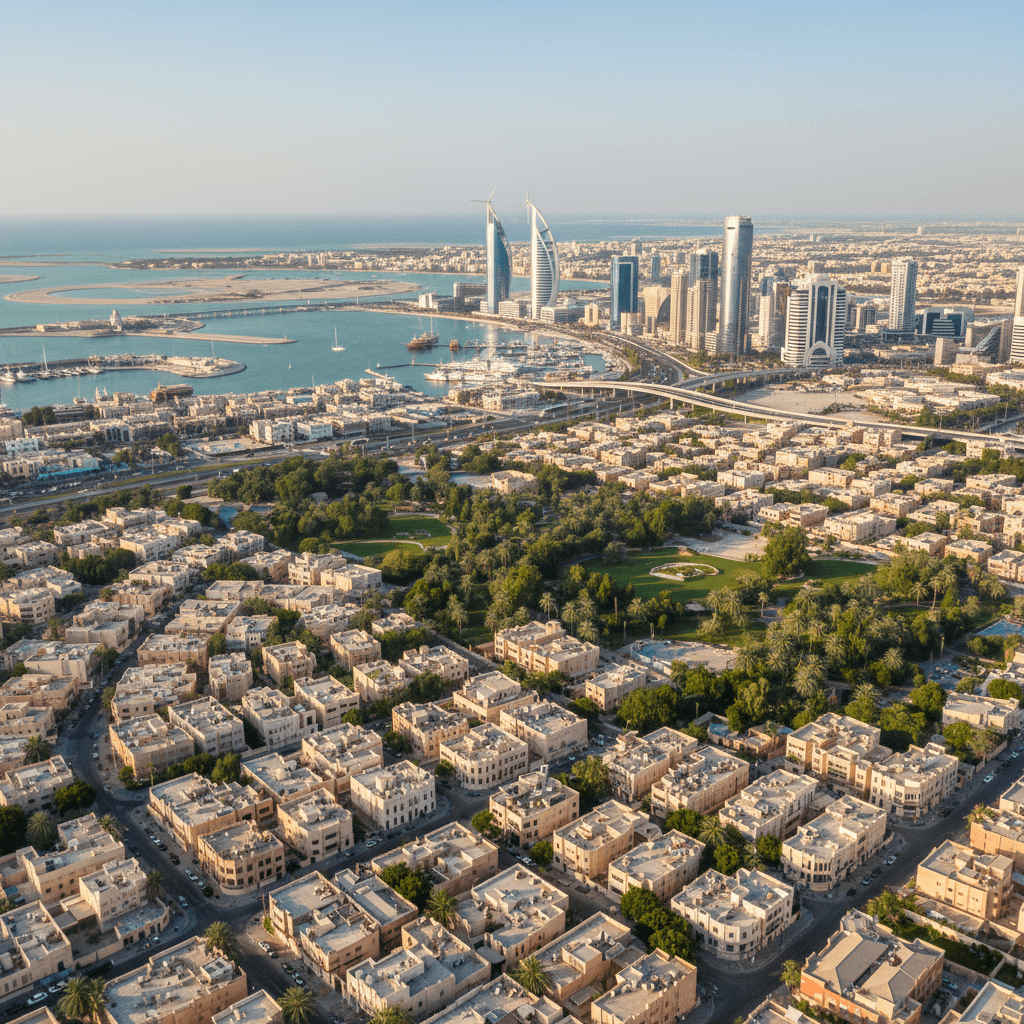
Manama
🇧🇭 Bahrain
The Gulf's Best Kept Secret
While neighbors like Dubai and Doha command the global spotlight with record breaking skyscrapers, Manama feels different. It is a capital that manages to be both a sleek financial hub and a lived in, approachable island city. There is an unmistakable sense of ease here. You are in a modern metropolis, but the pace is slower, the people are genuinely warm, and the social barriers are much lower than in other Gulf states.
For nomads, the appeal lies in the balance. You get the high end infrastructure of the Middle East, like lightning fast 5G and air conditioned malls, paired with a gritty, authentic soul found in the backstreets of the souq. It is one of the few places in the region where you can spend your morning on a Zoom call in a high rise and your afternoon haggling over spices or pearls in a marketplace that has not changed much in decades.
The Social Landscape
Manama is famously liberal by regional standards. You will see a mix of traditional dress and Western fashion, and the city has a long history of welcoming different faiths and backgrounds. This makes it an easy place to land if you are worried about culture shock. Expats and locals mingle more freely here than in almost any other city in the GCC, often meeting over late night shisha or at the many high end restaurants in the Adliya district.
The vibe changes drastically with the sun. During the day, the city is focused on business and commerce. Once the heat breaks in the evening, the streets come alive. People are out late, food is everywhere, and the city feels incredibly safe. You can walk through most neighborhoods at 2:00 AM without a second thought, which is a luxury many nomads appreciate after stays in more chaotic capitals.
What to Expect on the Ground
Living here is not exactly cheap, but your money goes further than in London or New York, especially when you factor in the 0% personal income tax. You should budget between $3,000 and $4,000 per month to live well. Rent will likely be your biggest outlay, but the quality of housing is exceptional. Most apartment buildings in areas like Juffair or Seef come with a gym, a pool, and 24/7 security as standard features.
The digital nomad community is still growing, so you won't find the massive "nomad hubs" common in Bali or Lisbon. Instead, you'll find a sophisticated community of entrepreneurs and remote workers who gather in upscale cafes and modern coworking spots. It is a city for those who want to get work done during the day and enjoy a cosmopolitan, high energy social life at night.
The Neighborhood Breakdown
- Seef: This is the shiny, corporate heart of the city. It is perfect if you want to be walking distance to major malls and high end gyms. It feels very polished and professional.
- Adliya: The cultural soul of Manama. It is packed with galleries, street art, and the city's best dining scene. If you want a walkable neighborhood with a bohemian edge, this is it.
- Juffair: A favorite for younger expats and military personnel. It is loud, busy, and full of nightlife options. It offers some of the best value for modern high rise apartments.
The "Manama experience" is defined by its hospitality. Do not be surprised if a shopkeeper offers you tea and a long conversation, or if a local goes out of their way to give you directions. It is a city that wants you to like it, and most nomads find that after a week or two, they really do.
The Price of an Island Lifestyle
Living in Manama feels like a curated blend of luxury and convenience, but that convenience comes with a specific price tag. While it is not quite as expensive as Dubai, you should budget for a lifestyle that mirrors Western standards. Most nomads operating here find they need between $3,000 and $4,000 per month to live comfortably, especially if they want to stay in the high rise hubs like Seef or Juffair.
The local currency is the Bahraini Dinar (BHD), and it is pegged to the US Dollar. This makes your math easy. 1 BHD is roughly $2.65, though many travelers simplify their daily mental math by expecting to spend about 70 BHD per day on a mix of mid range dining, transport, and leisure. It is a city where you can easily overspend if you aren't careful with your choice of neighborhood and dining habits.
Monthly Rent by Neighborhood
Housing will be your biggest overhead. Most apartments in the expat heavy areas come fully furnished, often including "EWA" (electricity and water) in the rent price, which is a massive relief during the scorching summer months when the AC never stops.
- Seef: This is the premium choice for those who want to be near the big malls and glass towers. Expect to pay between $1,200 and $1,800 for a modern one bedroom apartment with a gym and pool.
- Juffair: A favorite for younger expats and military contractors. It is slightly more affordable and very walkable. You can find high quality studios or one bedroom units for $900 to $1,300.
- Adliya: If you prefer older, low rise buildings with more character and proximity to the best cafes, you can find spacious flats for $800 to $1,100, though these often exclude utilities.
Daily Sustenance and Socializing
Food costs in Manama vary wildly depending on whether you are eating at a "hole in the wall" in the souq or a celebrity chef's outpost in a five star hotel. Most nomads find a middle ground by mixing home cooking with frequent outings to Adliya's dining scene.
- Local Eats: A shawarma or a plate of machboos at a local joint will only set you back about $3 to $7.
- Mid Range Dining: A nice dinner for two in a trendy Adliya spot usually runs between $50 and $80.
- Coffee: A flat white at a specialty cafe generally costs about $5 to $7.
- Groceries: Expect to spend about $400 to $600 a month if you shop at Carrefour or Lulu Hypermarket. Imported goods from the UK or US carry a significant markup.
Connectivity and Logistics
The internet in Bahrain is reliable and fast, which is the baseline requirement for any nomad. Speeds generally hover around 48 Mbps, but many high end apartments offer fiber connections that go much higher. For your phone, a local SIM card with a decent data package will cost you around $25 to $40 per month. STC and Zain are the most popular providers with the best coverage.
Transportation is another factor to consider. Manama is not a very walkable city due to the heat and urban layout. Most expats rely on Uber or the local app, Kareem. A typical 15 minute ride across town costs about $8 to $12. If you plan to stay longer than a month, renting a small car for about $450 a month is often the smarter financial move.
The Tax Factor
The "hidden" financial perk of Manama is the tax environment. Bahrain maintains a zero personal income tax policy. While this is a huge draw for entrepreneurs and high earners, remember that the cost of entry for a residency permit can be high. Most nomads arrive on a standard tourist visa or an e-visa, but those looking to set up shop long term can benefit immensely from the lack of a tax bill at the end of the year.
For the Modern Nomad: Seef
If your priority is high speed fiber and proximity to the corporate pulse, Seef is your home base. It is the city's glossy business hub, defined by glass skyscrapers and the massive City Centre Bahrain mall. You'll find the most reliable infrastructure here, making it the top choice for those who need to jump on Zoom calls without worrying about a laggy connection.
Living here feels like being in a futuristic bubble. Most apartments are located in high rise towers that include gyms, pools, and 24 hour security. While it lacks a traditional street life, you are within walking distance of high end dining and the Ritz Carlton beach club. Expect to pay around $1,200 to $1,800 for a luxury one bedroom apartment. It is polished, predictable, and very efficient.
For the Social Expat: Juffair
Juffair is where the action happens. It is incredibly popular with the younger expat crowd and military personnel because everything stays open late. The American Alley area is packed with international food chains, coffee shops, and bars. If you want to finish your work day and immediately meet people for a drink, this is the place to be.
The vibe is dense and urban. You will see a lot of construction, but that also means there is a huge supply of modern housing. Rent is slightly more affordable than Seef, usually ranging from $900 to $1,400 for a fully furnished flat. It can get noisy on weekends, so ask for an apartment on a higher floor or away from the main strip if you value your sleep.
For the Creative Soul: Adliya
Adliya is the closest thing Manama has to a bohemian district. It centers around Block 338, a pedestrian friendly zone filled with art galleries, murals, and the city's best independent restaurants. It feels much more human scale than the skyscraper districts. You can spend your afternoons working from a quirky cafe and your evenings exploring rooftop lounges.
This neighborhood attracts a mix of long term expats and local creatives. The housing here is a blend of older villas and newer low rise apartments. It is arguably the most walkable part of the city, which is a rare find in Bahrain. Prices vary wildly depending on the age of the building, but you can find mid range options starting around $800. It is the best spot if you want character over corporate polish.
For Families and Quiet Seekers: Saar and Janabiya
While technically on the outskirts of Manama, these areas are where you head for space and greenery. Instead of vertical towers, you will find sprawling compounds with private gardens. Most of the international schools are located nearby, so it is the default choice for families. It feels much more suburban and relaxed than the city center.
You will definitely need a car if you stay out here. There are several upscale "malls" like District 1 and Mercado that serve as social hubs for the community. Rent for a villa usually starts at $2,000 and goes up from there. It is peaceful, safe, and offers a much slower pace of life compared to the neon lights of Juffair.
For Solo Travelers on a Budget: Hoora
If you are looking to keep your burn rate low, Hoora offers a more localized experience. It is one of the older parts of the city and sits right next to the Exhibition Road, which is famous for its nightlife and budget eateries. The streets are narrow and busy, giving you a real sense of the city's daily hustle.
The buildings are older, but the prices reflect that. You can often find studios or small apartments for $500 to $700. It is not as manicured as Seef, but it is central and puts you within walking distance of the Gosi Shopping Complex and several public bus routes. It is a gritty, authentic alternative for those who don't need a rooftop infinity pool to be happy.
The Connectivity Landscape
You won't have to hunt for a signal in Manama. The city is wired for business, and the infrastructure is surprisingly robust for the region. Most nomads find the fixed line fiber optic speeds are robust, with averages around 100 Mbps or more. If you are staying in the high rise towers of Seef or Juffair, you will likely see much higher speeds than that, making video calls and large file uploads a non issue.
Mobile data is where Bahrain really shines. The country has one of the highest mobile penetration rates in the world, and 5G coverage is nearly universal across the capital. You can pick up a prepaid SIM at the airport or in any mall from providers like STC, Batelco, or Zain. A typical data heavy plan will run you about BHD 10 to BHD 15 per month. Most expats recommend Batelco for the most consistent coverage if you plan on taking day trips out to the desert or the more remote beaches.
Coworking Spaces and Where to Work
While the coworking scene is still growing compared to hubs like Dubai, Manama has several professional spots that cater to the serious remote worker. You won't find many "laptop cafes" with a beach vibe here; instead, the focus is on sleek, air conditioned productivity.
- Collective Hub: Located in the trendy Adliya district and also at Bahrain Bay, this is the go to spot for the startup crowd. It has a high energy atmosphere and is great for networking with local entrepreneurs. Monthly memberships usually start around BHD 60 to BHD 80.
- Workplace by Servcorp: Situated in the iconic Bahrain Financial Harbour towers, this is for when you need to impress a client or just want a high end corporate environment. It's pricier, but the views of the Arabian Gulf are unbeatable. Expect to pay a premium for day passes here.
- Regus: They have multiple locations including the World Trade Center and United Tower. It is a reliable, if slightly sterile, option if you already have a global membership.
The Cafe Culture
If you prefer a more casual setting, the cafe culture in Manama is top tier. In the Adliya neighborhood, you can find plenty of spots with reliable Wi-Fi and comfortable seating. Unlike some European cities where stay limits are common, Bahraini hospitality usually means you can linger over a coffee for hours without being nudged toward the door.
Many nomads spend their afternoons at Higher Grounds in Tubli or the various high end coffee shops in District 1 or The Terminal. These spots are usually packed with people on MacBooks during the day. Just keep in mind that things get loud and social after 6:00 PM, so it is better to get your deep work done before the evening rush. A flat white will typically set you back about BHD 2.5, which is on par with major Western cities.
Practical Tips for Remote Workers
Power outlets in Bahrain generally use the Type G three pin plug, the same as the United Kingdom. If you are coming from the US or Europe, bring an adapter, though most modern hotels and coworking spaces have universal sockets or USB ports built into the desks.
One thing to watch out for is the Sunday to Thursday work week. Since the weekend falls on Friday and Saturday, you might find that coworking spaces have limited hours or are closed on Fridays. If you are working for a Western company, you will likely have the office to yourself on Sundays while the rest of your team is still offline.
Staying Safe in the City
Manama is remarkably safe, even by high international standards. You'll likely notice a heavy police presence in the main districts, but it doesn't feel oppressive. Most nomads and expats find themselves walking through areas like Adliya or Juffair late at night without a second thought. The streets are well lit and the local culture is generally respectful and non-confrontational.
While violent crime is extremely rare, you should still use common sense. Don't leave your laptop or phone unattended in a cafe while you go to the restroom. If you're exploring the older, narrower alleys of the Manama Souq after dark, it can get a bit quiet, so sticking to the main thoroughfares is a smart move. Most travelers report that the biggest "danger" is actually the traffic, as drivers can be quite aggressive on the highways.
For solo female travelers, Manama is one of the most comfortable cities in the Middle East. You'll see women out alone at all hours, though it's standard practice to dress a bit more modestly in public areas to avoid unwanted attention. In nightlife hubs like Block 338, the vibe is very Western and relaxed.
Healthcare Standards
If you get sick, you're in good hands. Bahrain has a high standard of medical care with a mix of public and private facilities. As a digital nomad, you'll almost certainly use the private sector. The doctors usually speak perfect English, and many have trained in the UK or the US.
- American Mission Hospital: This is a top choice for expats. It has a long history in the city and several locations, including a modern facility in Saar and the original in central Manama.
- Royal Bahrain Hospital: Located in Salmaniya, this hospital is known for its high end facilities and quick service for specialists.
- Bahrain Specialist Hospital: A popular option in Juffair that feels more like a hotel than a clinic. It's very convenient if you're living in the nearby high rises.
Expect to pay around BHD 25 to BHD 40 for a standard consultation with a GP at a private clinic. For more specialized visits, the price can jump to BHD 50 or more. Most private hospitals accept international health insurance, but you'll often need to pay upfront and claim it back later, so keep your receipts.
Pharmacies and Medication
Pharmacies are everywhere in Manama, and many stay open 24 hours. Look for Nasser Pharmacy or Wael Pharmacy, which are the big chains you'll see in every mall and major neighborhood. You can get most basic medications over the counter, but Bahrain is strict about certain prescriptions, especially anything considered a controlled substance in the Gulf. If you bring chronic medication with you, keep it in the original packaging and have a copy of your doctor's note handy.
Emergency Basics
In the event of a serious emergency, the number to dial is 999 for police, fire, or ambulance services. The response times in the city center are generally very fast. For minor issues that don't require an ER visit, many private clinics offer "Urgent Care" hours where you can walk in without an appointment. It's also worth noting that tap water is generally considered safe for brushing your teeth, but most nomads stick to bottled or filtered water for drinking to avoid any stomach upsets.
The Layout of the Land
Manama isn't a city built for pedestrians, and you'll realize that the moment you try to cross a major road in Seef. The city is designed around the car, with wide highways and sprawling junctions connecting the main hubs of Juffair, Adliya, and the Diplomatic Area. If you're planning to rely on your own two feet, keep your expectations low. Most nomads stick to walking within their specific neighborhood, like the cafe-lined streets of Adliya, but use wheels for anything else.
Ride-Hailing and Taxis
For most remote workers, ride-hailing apps are the default way to get around. It saves you from haggling with local taxi drivers who might "forget" to turn on the meter. Uber is active here and remains the most reliable option for expats. However, Careem is the regional heavyweight and often provides better localized service and occasional discounts.
A typical ride from Juffair to the Bahrain Financial Harbour will cost you roughly BHD 3 to BHD 5. If you do opt for a traditional street taxi, look for the red and white cars. Always insist on the meter being used before the car starts moving. If they refuse, just hop out and call an Uber; it's not worth the headache.
Public Buses
The red buses operated by the Bahrain Public Transport Company are surprisingly modern, clean, and air-conditioned. While they are mostly used by local laborers rather than the nomad crowd, they are an incredibly cheap way to see the island. You'll need a GO Card, which is a prepaid smart card you can top up at main terminals or on the bus itself.
- Single Trip: Approximately BHD 0.275
- Daily Cap: You won't spend more than BHD 0.700 a day no matter how many buses you take
- Network: The buses cover most of the main areas, but schedules can be a bit loose during peak traffic hours
Driving and Car Rentals
If you're staying for more than a month, renting a car is the move. It gives you the freedom to hit the beaches on the west coast or visit the Tree of Life without paying for a pricey private tour. Gas is cheap at around BHD 0.25 per liter.
You can find monthly rentals for a standard sedan starting at about BHD 160 to BHD 220. Driving in Manama can be aggressive; locals move fast and lane discipline is more of a suggestion than a rule. Stick to the middle lanes until you get your bearings, and keep an eye out for the speed cameras that are everywhere.
The Heat Factor
Your choice of transport will change drastically depending on the calendar. From November to March, a walk between meetings in the Diplomatic Area is pleasant. From June to September, even a three-minute walk to the grocery store will leave you drenched. During the summer, the "Getting Around" strategy for every nomad is simple: move from one air-conditioned box to another air-conditioned box as quickly as possible.
Key Transport Costs at a Glance
- Monthly Car Rental: BHD 180
- Average Uber Ride: BHD 4
- Bus Fare (GO Card): BHD 0.275
- Liter of Petrol: BHD 0.25
Navigating the Linguistic Landscape
You can breathe easy when it comes to communication in Manama. While Arabic is the official language, English is the undisputed lingua franca of business, tech, and daily social life. Because of the massive expat population, which actually outnumbers locals, you'll find that almost everyone from bank tellers to taxi drivers speaks English fluently. You won't need to learn the Arabic script to get around, as street signs, menus, and official documents are almost always bilingual.
That said, picking up a few Arabic phrases goes a long way in building rapport with locals. A simple Shukran (thank you) or Salam (hello) is appreciated, though most Bahrainis will likely respond in perfect English. The local dialect is Khaleeji, but since Manama is such a melting pot, you'll hear a symphony of Tagalog, Hindi, Urdu, and Malayalam in the markets and service industries.
Digital Communication and Connectivity
Staying connected is straightforward, though it requires a bit of a setup on day one. Most nomads skip the international roaming charges and head straight to a STC, Zain, or Batelco kiosk at the airport or in malls like City Centre Bahrain. Batelco is generally cited by long term residents as having the most reliable coverage across the island, while STC often has aggressive promotional deals for heavy data users.
- Prepaid SIM Cards: You can pick up a basic starter pack for about BHD 5.
- Data Packages: Expect to pay around BHD 10 to BHD 15 per month for a solid data plan with 20GB to 50GB of 5G data.
- Requirements: You must present your passport to register any SIM card. It is a quick process, and they'll usually have you up and running in ten minutes.
The VoIP Hurdle
One thing that catches newcomers off guard is the restriction on certain Voice over IP (VoIP) services. While apps like WhatsApp work perfectly for texting, the calling feature can be hit or miss depending on current local regulations and your provider. Most expats rely on Botim or Zoom for video calls without issues. If you have client meetings back home, it is a good idea to test your connection at your accommodation before the call starts. Most high end cafes and coworking spaces have enterprise grade internet that bypasses these minor glitches.
Social Etiquette and Cues
Communication in Bahrain is generally polite and indirect. It is a culture that values hospitality and "saving face," so you'll find people are rarely blunt or aggressive in conversation. In professional settings, small talk is expected. Jumping straight into business without asking about someone's well being can come across as slightly cold. If you're invited for coffee or tea, accepting is the standard social move, even if you only stay for a few minutes. It is these small linguistic and social nods that help you transition from a temporary visitor to a respected member of the local nomad community.
The Seasonal Reality
Living in Manama means coming to terms with the desert sun. You’ll find two distinct seasons here: a long, scorching summer and a brief, delightful winter. Most nomads find that their quality of life fluctuates wildly depending on the thermometer. If you hate being trapped in air conditioning, you need to time your arrival carefully.
The sweet spot for visiting is between November and March. During these months, the humidity drops and temperatures hover between 18°C and 25°C (64°F to 77°F). This is when the city actually becomes walkable. You can spend your afternoons working from outdoor tables in Adliya or taking a stroll along the Bahrain Bay promenade without breaking a sweat.
Survival During the Heat
From June to September, the weather is frankly brutal. Temperatures regularly climb above 40°C (104°F), and the humidity can make it feel significantly hotter. Locals and long-term expats refer to this as mall season. Life moves indoors, and the streets are ghost towns during the day. If you’re here during this time, your social life will revolve around hotel pools, late-night gym sessions, and the massive air-conditioned hubs like City Centre Bahrain.
The "shoulder" months of April, May, and October are a bit of a gamble. You might get lucky with a pleasant breeze, or you might get hit with a premature heatwave. Many digital nomads use these months as a transition period, either arriving just as the heat breaks or heading to cooler climates before the summer peak hits in July.
Events and Cultural Timing
When planning your stay, the weather isn't the only factor to watch. The Formula 1 Bahrain Grand Prix usually happens in early March. It's an incredible time to be in the city for the atmosphere, but be prepared for accommodation prices to double and coworking spaces to fill up with visiting teams and media. If you're on a budget, avoid this specific window.
Ramadan is another major factor for your calendar. The dates shift every year based on the lunar cycle. During the holy month, many cafes and restaurants close during daylight hours, and eating or drinking in public is prohibited. While it’s a fascinating time to witness local traditions and enjoy the evening Iftar feasts, it can be a productivity killer if you rely on working from cafes during the day.
The Best Time for Nomads
- Best for Outdoor Lovers: December and January. You'll want a light jacket for the evenings, but the days are perfect for exploring.
- Best for Networking: February and March. The city is full of energy, and many business conferences and events are scheduled during this peak weather window.
- Best for Budget Travelers: July and August. You'll find deep discounts on luxury apartments in Seef and Juffair, though you'll pay for it in sweat every time you step outside.
Most expats recommend arriving in late October. This gives you a few weeks to settle in just as the weather turns perfect, allowing you to enjoy five solid months of outdoor living before the humidity starts to creep back in during the spring.
Visa Basics and Taxes
Bahrain is a standout for financial planning because it is a zero personal income tax country. While most nomads arrive on a standard tourist e-visa, those looking for a long term base often eye the Golden Residency. Just keep in mind that the Golden Visa doesn't automatically grant you the right to work for a local company; you'll still need separate permits for that. Most remote workers find the standard entry requirements straightforward enough for a few months of sunshine and tax free living.
Staying Connected
You won't have to hunt for a signal here. Average speeds hover around 48 Mbps, which is plenty for video calls and heavy uploads. When you land at Bahrain International Airport, head straight to the STC or Zain kiosks to grab a local SIM. You can usually get a solid data package for about BHD 10 to BHD 15. For a dedicated workspace, check out Collective Hub in Adliya. It offers the community vibe that's sometimes missing when you're working from a hotel in Seef.
Money and Costs
Living in Manama isn't exactly a budget backpacker experience. You should plan for a monthly spend between $3,000 and $4,000 to live comfortably. The Bahraini Dinar is pegged to the US Dollar, so the exchange rate stays steady at roughly 1 BHD to 2.65 USD. On a daily basis, expect to part with about BHD 70 if you're eating out and moving around the city.
Getting Around
Manama is a car centric city. While some areas like Adliya are walkable once you're actually there, you'll need wheels to get between districts. Most expats and nomads rely heavily on Uber or the local app Careem. The heat for much of the year makes walking long distances impractical anyway. If you're staying for more than a month, look into a long term car rental, as it often works out cheaper than daily ride hailing.
Safety and Health
The city is remarkably safe, even late at night. You can walk through popular spots like Juffair and Adliya without much worry, though it's always smart to stay aware in quieter, less lit residential streets. Healthcare is high quality, with private hospitals like American Mission Hospital being the go to for many expats. Most pharmacists speak excellent English and can help with minor ailments, but make sure your travel insurance covers private clinics to avoid high out of pocket costs.
Local Etiquette
Bahrain is one of the more liberal corners of the Gulf, but it's still rooted in tradition. In public spaces like malls or government buildings, it's respectful to keep your shoulders and knees covered. During Ramadan, avoid eating, drinking, or smoking in public during daylight hours. Most nomads find the locals incredibly welcoming and often eager to share a coffee and a conversation if you show an interest in the local culture.
Where to Base Yourself
- Seef: Best for luxury apartments and being close to the big malls. It's the city's commercial heart.
- Adliya: The place for foodies and art lovers. It has a more bohemian feel with plenty of cafes for afternoon laptop sessions.
- Juffair: Very popular with the younger expat crowd. It's packed with gyms, restaurants, and a lively nightlife scene.
Need visa and immigration info for Bahrain?
🇧🇭 View Bahrain Country GuideHidden Gem
Worth the effort