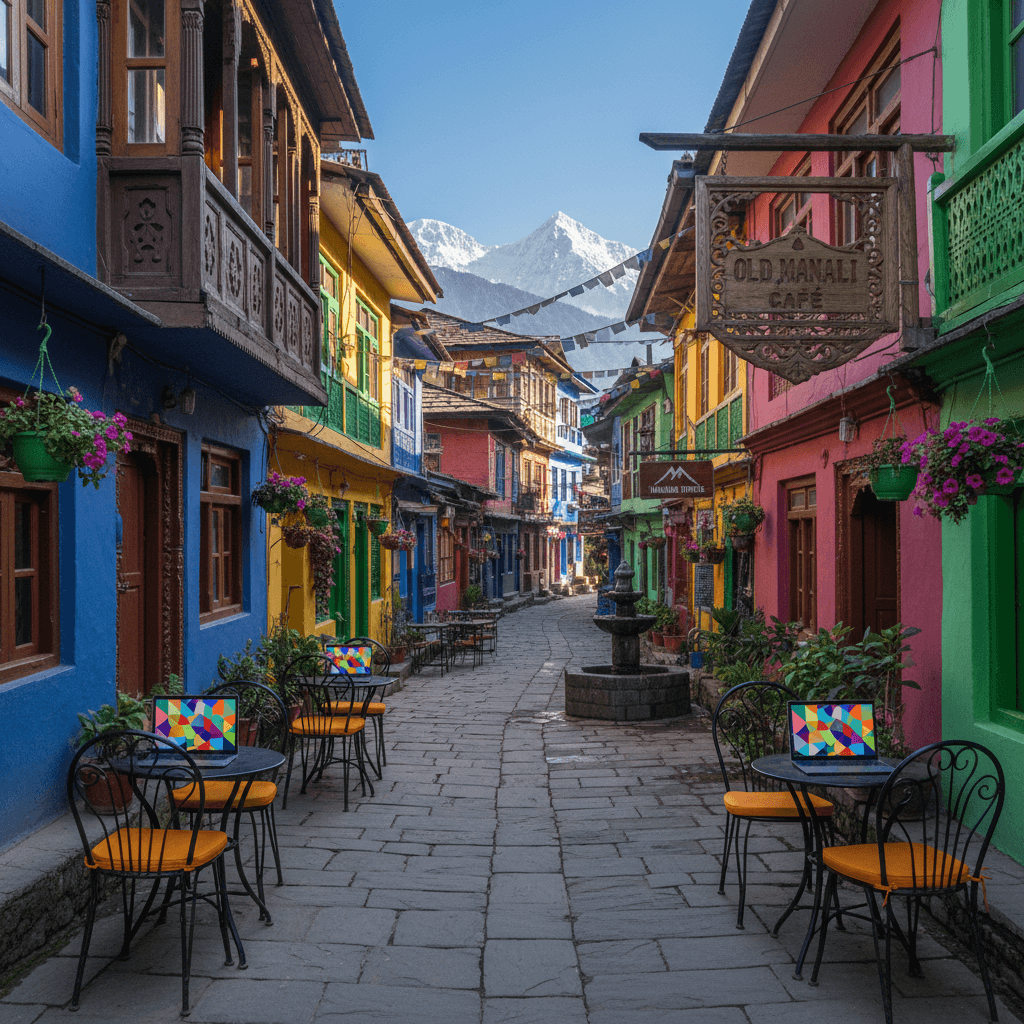
Manali
🇮🇳 India
The Himalayan Hippie Soul
Manali isn't your typical mountain town. It’s often called the Goa of the North, but instead of sandy beaches and salt air, you're trading up for the roar of the Beas River and the scent of pine needles. For nomads, the draw isn't just the scenery; it's a specific brand of mountain bohemianism that feels more like a community than a tourist trap. You’ll find a surreal mix of traditional Himachali culture, hardcore adventure junkies, and a deep-rooted backpacker scene that’s been thriving since the sixties.
The vibe here is undeniably laid-back. While the rest of India moves at a frantic pace, Manali asks you to slow down. It’s the kind of place where a quick morning coffee at a riverside café easily turns into a four-hour deep dive into a book or a conversation with a fellow traveler. It feels like home almost immediately, which is why so many digital nomads come for a week and stay for a season.
The Neighborhood Breakdown
Choosing where to plant your laptop is the most important decision you'll make here. The city is split into two distinct worlds, and most nomads have a very clear favorite.
- Old Manali: This is the nomad headquarters. Located across the bridge from the main town, it’s a maze of cobblestone streets, funky boutiques, and some of the best cafés in the country. It’s where you’ll find the boutique homestays and the expat crowd. It feels more secluded and scenic, though it can get a bit sleepy if you’re looking for high-energy nightlife.
- New Manali (Mall Road): This is the commercial heart. It’s great for a shopping run at Manu Market to grab hemp products or local jewelry, but it’s often congested and loud. Most nomads avoid staying here, preferring to visit only when they need to hit an ATM or catch a long-distance bus.
The Cost of Living
Living the mountain life is remarkably affordable. On average, you can expect to spend around $905 per month, though your lifestyle choices can shift that number significantly. Most transactions still happen in cash, so keep your wallet stocked, though UPI is becoming more common in the larger cafés.
- Budget Tier ($500 to $700): Stick to social hostels, eat at local dhabas, and use the public bus system.
- Mid-Range Tier ($800 to $1,000): This is the sweet spot for most. You’ll get a comfortable room in a boutique homestay and eat most meals at the popular nomad cafés.
- Comfortable Tier ($1,200+): High-end homestays with premium views, private transport for day trips, and upscale dining at places like The Johnson’s Cafe.
Work, WiFi, and Coffee
While there aren't many formal coworking spaces, the café culture more than makes up for it. Internet averages 5-10 Mbps, sufficient for most remote work with cafe WiFi. Most cafés have embraced the remote work crowd, offering free WiFi and plenty of power outlets. Just be sure to carry a local SIM like Jio or Airtel as a backup hotspot, especially if you're heading further into the mountains.
Cafe 1947 is the legendary spot for a reason. It has killer river views, mouth-watering food, and some of the most reliable internet in town. Drifters’ Inn and Cafe is another staple; it’s quiet, filled with books, and has a community feel that makes it easy to meet people. For a more modern vibe, check out Alt Life or Young Monk, where you can usually find a desk for the price of a coffee, roughly ₹200 to ₹400 per session.
When to Go
Timing is everything in the Himalayas. The most popular window is March through June. The weather is perfect, with temperatures ranging between 21°C and 33°C, making it ideal for hiking or just sitting outside. October to February brings the snow and a much chillier vibe, which is great if you love the cozy fireplace aesthetic, but keep in mind that travel can get tricky.
The only time travelers generally suggest avoiding is the monsoon season from July to September. The roads get slippery, landslides are a real risk, and the constant rain can put a dampener on the outdoor lifestyle that makes Manali so special. If you do come during the off-season, you’ll find much lower prices, but you’ll trade away the ease of getting around.
The Himalayan Price Point
Living in the "Goa of the North" is surprisingly sustainable for most remote workers. You can expect to spend an average of $905 per month for a comfortable lifestyle that balances work and mountain exploration. While prices have ticked up as the town becomes a premier hub for the Indian digital nomad scene, it remains a bargain compared to coastal hotspots or major metros like Delhi.
Your biggest variable will be your choice of neighborhood. Old Manali is the undisputed headquarters for the nomad crowd, where boutique homestays and guesthouses offer a more "homey" feel than the sterile hotels in the newer part of town. Most expats find that their money goes much further here if they commit to a month-long stay rather than paying nightly tourist rates.
Budget Tiers
- The Budget Backpacker ($500 to $700): This covers a bed in a social hostel, eating primarily at local dhabas or street stalls, and using the local bus system to get around.
- The Mid-Range Nomad ($800 to $1,000): This is the sweet spot. You'll snag a private room in a high-quality homestay in Old Manali, work from cafés daily, and enjoy meals at popular spots like Cafe 1947.
- The Comfortable Expat ($1,200+): At this level, you're looking at premium riverside cottages, frequent upscale dining at places like The Johnson’s Cafe, and private transport for weekend trips to Rohtang Pass or Solang Valley.
Housing and Neighborhoods
Finding a place to stay usually involves a mix of browsing Airbnb for initial bookings and then negotiating directly with owners for long-term "workation" rates. Prices for a decent studio or a room in a boutique homestay aren't fixed, so bargaining is part of the process.
Old Manali
- Best For: Nomads, solo travelers, and anyone who wants a bohemian atmosphere.
- The Draw: It's the heart of the social scene. You’re steps away from iconic spots like Drifters’ Inn and the Beas River.
- The Downside: It can feel like a bubble; there isn't much traditional sightseeing besides the relaxed cafe culture.
New Manali (Mall Road)
- Best For: Short stays and shopaholics.
- The Draw: Immediate access to Manu Market and Mall Road for hemp products and handicrafts.
- The Downside: It’s often congested, noisy, and lacks the scenic charm of the older village.
Day-to-Day Expenses
Food is one of the highlights of living here. A meal at a mid-range café generally costs between $5 and $10, while local street food is significantly cheaper. For your caffeine and WiFi fix, most nomads budget about $3 to $5 per session at work-friendly cafés.
Internet averages around 5-10 Mbps, reliable in main cafes and with Jio/Airtel SIMs. Since there aren't many formal coworking spaces, you'll likely spend your "office hours" at Alt Life or Young Monk, where a day pass or a few drinks gets you a seat and a view. Expect to pay around ₹200 to ₹400 for a dedicated work session if the space charges a fee.
Getting Around
The 1km stretch between Old and New Manali is easily walkable, which keeps transport costs low. For longer distances, local buses are the most economical choice. If you’re feeling adventurous, renting a scooter or bike is the best way to scout out riverside picnic spots. Always keep a stash of cash on hand; while UPI and digital payments are growing, ATMs can be temperamental in the mountains and many small vendors still prefer paper money.
For data, grab a SIM card from Jio or Airtel. They offer the best value for mobile hotspots, which serves as a vital backup when the mountain weather decides to test the local power grid.
The Nomad and Expat Hub: Old Manali
If you are coming to Manali to work, you will likely end up in Old Manali. Separated from the main town by the Beas River bridge, this neighborhood feels like a different world. It is the heart of the "Goa of the North" vibe, where the air is filled with the scent of pine and the sound of the rushing river. Most nomads settle here because it is walkable, social, and packed with boutique homestays that cater to long term stays.
The lifestyle here revolves around a handful of legendary cafes that double as workstations. Cafe 1947 is the local favorite for its reliable WiFi and riverside seating. Drifters Inn and Cafe is another staple, known for having some of the strongest internet in the area and a quiet atmosphere perfect for deep focus. For a more social afternoon, you can head to The Lazy Dog or Rocky's Cafe to meet other expats over a coffee.
- Monthly Cost: Expect to spend around $800 to $1,000 for a mid range lifestyle including a comfortable homestay and daily cafe meals.
- Pros: High concentration of digital nomads, excellent cafe culture, and a relaxed bohemian atmosphere.
- Cons: Limited traditional sightseeing; the main activity here is simply "chilling."
- Top Picks: Alt Life and Young Monk for a community feel and decent work setups.
For Families and Short Stays: New Manali
New Manali is the commercial center of the region, centered around the famous Mall Road. While it lacks the quiet charm of the hills, it is the most convenient spot if you need to be near the main transport hubs or want quick access to the markets. Families often prefer this area because everything is within a five minute walk, from pharmacies to the local bus stand.
Shopping is the main draw here. You will find Manu Market and Mall Road filled with vendors selling hemp products, handmade jewelry, and local handicrafts. It is much more crowded than Old Manali, especially during the peak summer months of March to June, but it provides a level of convenience you won't find further up the mountain.
- Vibe: Busy, commercial, and functional.
- Best For: Those who want to be near the action or need to stock up on supplies before heading into the mountains.
- Practicality: This is where you will find the most ATMs and the main medical clinics.
Solo Travelers and Adventure Seekers: Vashisht and Beyond
Just a short distance from the main hub, Vashisht attracts solo travelers looking for a more spiritual or rugged experience. It is famous for its natural hot springs and proximity to hiking trails. While the internet can be hit or miss compared to Old Manali, it is a great spot if your priority is trekking or visiting the Great Himalayan National Park.
For those who really want to disconnect, the areas further along the Beas River offer plenty of space for riverside picnics and quiet reflection. Just keep in mind that during the monsoon season from July to September, these roads can become slippery and difficult to traverse. Most travelers recommend sticking to the established hubs during the rainy months to avoid being cut off by local landslides.
Practical Neighborhood Tips
- Connectivity: Grab a Jio or Airtel SIM card as soon as you arrive. While cafes offer free WiFi, having a personal hotspot is a necessary backup for video calls.
- Budgeting: A budget of $500 to $700 is doable if you stick to hostels and local street food, but most nomads find the $905 average provides a much better quality of life.
- Getting Around: Most of the key areas are walkable. The walk between Old and New Manali is only about 1km, though you can easily find local transport for a few rupees if you are carrying groceries or gear.
- Daily Life: Use UPI apps for most payments, but always keep some cash on hand for smaller markets and remote cafes.
Connectivity in the Mountains
Manali has come a long way from being just a backpacker detour. It is now a legitimate hub for remote work, especially in Old Manali where the infrastructure has caught up with the demand. You can expect average speeds of around 5 Mbps, with improvements in cafes, which is more than enough for Zoom calls or uploading large files. While the town is prone to the occasional power cut during heavy rain, most established cafés and homestays have invested in power backups and stable routers to keep the nomad community happy.
For your mobile data, don't rely on international roaming. Pick up a local SIM card from Jio or Airtel. They offer the best coverage in the valley and their data plans are incredibly cheap, often giving you several gigabytes a day for just a few dollars a month. Having a local hotspot is a lifesaver when you want to work from a riverside spot that doesn't have its own router.
Top Café Workspots
Manali doesn't really do formal, corporate coworking spaces. Instead, the "office" culture revolves around funky cafés with great views and even better coffee. Most nomads spend their mornings at Cafe 1947. It is legendary for a reason; the WiFi is some of the most reliable in town, and the sound of the Beas River provides a perfect natural white noise for deep work.
If you need a quieter environment with a massive library to browse during your breaks, Drifters’ Inn and Cafe is the place to be. It has a reputation for having the strongest WiFi in Old Manali and a very chill, focused vibe. Other solid options include:
- Young Monk: Great for meeting other nomads and getting work done in a social atmosphere.
- Alt Life: A popular hostel-café hybrid where a day pass typically costs between ₹200 and ₹400.
- The Lazy Dog: Perfect for afternoon sessions when you want a more upscale setting and a solid food menu.
- Rocky’s Cafe: Located a bit higher up, offering incredible views that make the steep walk worth it for a few hours of laptop time.
- The Johnson’s Cafe: A classic spot in the greener parts of town, ideal for those who prefer a garden setting over the riverbank.
The Nomad Lifestyle Cost
Living and working here is remarkably affordable compared to coastal hubs. On average, a digital nomad spends about $905 per month to live comfortably, though you can definitely do it for less if you stick to local guesthouses. Most people recommend staying in Old Manali to be within walking distance of all the best work spots.
- Budget Tier ($500 to $700): Stick to hostel dorms, eat at local dhabas, and use the local buses to get around.
- Mid-range Tier ($800 to $1,000): This covers a private room in a boutique homestay, daily café meals at places like Cafe 1947, and plenty of coffee.
- Comfortable Tier ($1,200+): High end homestays, frequent upscale dining at Johnson’s, and private transport for weekend trips to places like Rohtang Pass.
Practical Work Tips
The monsoon season between July and September is the only time connectivity gets truly dicey. Heavy rains can lead to landslides that occasionally snap fiber lines or cause longer power outages. If you are planning to stay during these months, make sure your accommodation specifically mentions a power backup or a "work from home" setup.
Most nomads find that UPI (the local mobile payment system) is accepted almost everywhere, from the smallest tea stall to the biggest café. However, the mountain ATMs can be temperamental or run out of cash during peak tourist weekends, so always keep a few thousand rupees in your bag just in case the internet takes a breather.
Staying Safe in the Mountains
Manali is generally a very safe bet for digital nomads. The vibe in Old Manali is laid-back and welcoming, and the locals are used to seeing foreigners and long-term travelers. Most nomads feel comfortable walking between the riverside cafés and their homestays at almost any hour, though it is always smart to carry a flashlight or keep your phone charged, as street lighting can be patchy once you leave the main strips.
The real safety concerns here are environmental rather than criminal. If you are visiting during the monsoon season from July to September, the roads can become treacherous. Landslides and slippery mountain paths are common, so it is best to stay put in town rather than attempting long treks or remote drives when it is pouring. Stick to the core areas of Old and New Manali during heavy rains to avoid getting stranded by road closures.
- Solo Travelers: Most solo nomads report feeling very secure, especially in the backpacker hubs of Old Manali. The community is tight-knit, and you will likely see the same faces at Cafe 1947 or Drifters’ Inn every day.
- Scams: Large-scale scams are rare, but always agree on a price before getting into a taxi or hiring a guide for Rohtang Pass.
- Wildlife: While rare in the town centers, keep an eye out if you are staying in more isolated cabins on the outskirts; the Himalayan foothills are home to various wildlife.
Healthcare and Medical Services
While Manali has basic medical facilities, it is not a hub for specialized healthcare. For minor ailments, altitude sickness, or stomach issues, you will find several pharmacies (known locally as "chemists") along Mall Road and near the Manu Market area. These shops are well-stocked with common antibiotics, painkillers, and rehydration salts.
For more serious concerns, there are local government hospitals and a few private clinics in the New Manali area. However, for anything major or surgical, most expats and travelers head down to larger cities like Chandigarh or even Delhi. If you are feeling the effects of the altitude when you first arrive, take it easy for the first 48 hours and drink plenty of water. Most "Delhi Belly" cases can be avoided by sticking to the high-turnover food at popular spots like The Johnson’s Cafe or Rocky’s Cafe.
Emergency Essentials
Cash is still king for medical emergencies in the mountains. While UPI payments are becoming common in India, some smaller clinics or pharmacies might still prefer physical currency. Keep a stash of Indian Rupees (INR) handy just in case. It is also wise to have a local SIM card from Jio or Airtel; having a reliable data connection is your best tool for finding the nearest doctor or using Google Translate if there is a language barrier.
- Ambulance: Dial 102 or 108 for emergency medical services in Himachal Pradesh.
- Police: Dial 100 for local police assistance.
- Altitude: Manali sits at about 2,050 meters. While not extreme, if you plan to head higher to Rohtang Pass, carry some Diamox or consult a pharmacist about altitude sickness prevention.
Most nomads find that as long as they respect the mountain weather and use common sense on the roads, Manali is a stress-free home base. The biggest "danger" you will likely face is falling so deep into the relaxed pace of life that you never want to leave.
The Walkability Factor
Manali is a tale of two towns, and your feet are often your best asset. The 1km stretch between Old Manali and New Manali is easily walkable, though it involves some steep inclines that will definitely wake up your calves. Most nomads stick to the winding lanes of Old Manali, where the pace is slow and the roads are narrow. It is the kind of place where you can wander from a morning work session at Cafe 1947 to a late lunch at Drifters Inn without ever needing a motor.
Public Transport and Local Buses
For longer distances, the local bus system is the most economical way to move through the valley. These colorful, often crowded buses connect Manali to nearby hubs like Kullu and Vashisht for just a few rupees. If you are heading into New Manali to stock up at Manu Market or Mall Road, the bus stand is centrally located and easy to find. Just keep some small cash on you, as the conductors rarely have change for large bills.
Two-Wheeled Adventure
If you want more freedom to explore the riverside or head up toward Solang Valley, renting a scooter or a Royal Enfield is the standard move. You will see plenty of travelers cruising along the Beas River on rented bikes. It is the best way to escape the congestion of the main town area, especially when the weekend crowds arrive. Expect to pay anywhere from ₹500 to ₹1,200 per day depending on the bike's power and your bargaining skills. Just be cautious during the monsoon months from July to September, as the mountain roads get notoriously slippery.
Auto Rickshaws and Taxis
While ride-hailing apps like Ola and Uber dominate major Indian metros, they aren't the primary way to get around here. You will rely on local auto-rickshaws for short hops. Always agree on the fare before you hop in, as they don't typically use meters for tourists. For day trips to the Great Himalayan National Park or higher altitude spots, you can hire private taxis from the stands in New Manali. Prices are generally fixed by the local union, so there is less room for haggling than you might expect.
Heading Further Afield
If you are planning a trip to Rohtang Pass, remember that you need to secure a permit online in advance. The roads have seen significant improvements recently, making the connection to the Kullu-Manali airport much smoother than in years past. Most nomads arrive via the overnight Volvo buses from Delhi or Chandigarh, which drop you at the main private bus stand. From there, it is a quick ₹100 to ₹200 rickshaw ride to the quieter homestays across the bridge in Old Manali.
Getting Around Summary
- Walking: Free and the best way to navigate the 1km gap between the Old and New towns.
- Scooter Rental: Roughly ₹500 to ₹800 per day; great for riverside exploring.
- Local Bus: The cheapest way to reach Kullu or nearby villages for under ₹50.
- Auto Rickshaws: Best for quick trips when you are carrying groceries or gear; always negotiate first.
- Private Taxis: Necessary for Rohtang Pass or Solang Valley; check union rates at the Mall Road stands.
The Language Landscape
You'll find that getting by in Manali is surprisingly easy for English speakers, especially if you're hanging out in Old Manali. This part of town is a magnet for international travelers and digital nomads, so the staff at places like Cafe 1947 and Drifters Inn speak excellent English. Most menus, signboards, and shop listings are bilingual, appearing in both Hindi and English.
The local population primarily speaks Hindi and Himachali. While you don't need to be fluent to survive, the locals appreciate when you make an effort. It helps build rapport when you're bargaining for hemp products at Manu Market or chatting with a guesthouse owner about the best river spots. Most nomads find that basic English and a few hand gestures will get you through almost any transaction in the more touristy Mall Road area.
Useful Phrases for Your Stay
While English is widespread, knowing a few Hindi basics goes a long way in the local markets. Here are a few phrases that nomads and expats frequently use:
- Namaste: The standard, respectful greeting for hello and goodbye.
- Dhanyavad: Thank you.
- Aap kaise hain? How are you?
- Kitna rupaya? How many rupees? (Perfect for the markets).
- Thoda kam kijiye: Please lower the price a bit.
- Haan / Nahi: Yes / No.
- Acha: Good, okay, or I understand. This is the most versatile word in your vocabulary.
Connectivity and Communication Apps
For seamless communication, Google Translate is your best friend. Download the Hindi pack for offline use, as you might lose signal if you head out on a trek or drive toward Rohtang Pass. The camera feature is particularly handy for translating local signs or regional packaging in smaller shops.
Most of your daily coordination with homestay hosts or local fixers will happen on WhatsApp. It is the primary way people communicate in India. Whether you're booking a table at The Johnsons Cafe or arranging a long term stay in a boutique homestay, expect to use WhatsApp for everything. For payments, UPI apps are the standard, though as a foreigner, you'll likely still rely on cash for many local transactions, so keep an eye on nearby ATMs.
Digital Nomad Tech Setup
Communication isn't just about talking; it's about staying online. To keep your hotspot reliable, nomads recommend picking up a Jio or Airtel SIM card. These providers offer the most consistent data value in the mountains. While you can expect average internet speeds around 5-10 Mbps, better in tourist cafes, having a backup mobile plan is smart for those days when the mountain weather gets unpredictable. If you need a rock solid connection for a video call, head to Alt Life or Young Monk, where the WiFi is tailored for the remote work crowd.
Cultural Nuances
The communication style in Manali is laid back and friendly, reflecting the town's bohemian reputation. People are generally patient with travelers. When bargaining at Mall Road or Manu Market, keep the tone light and respectful. It's more of a social dance than a confrontation. If you're staying in Old Manali, you'll find the vibe is very communal; don't be surprised if a quick question about the WiFi password turns into a long conversation about the best hiking trails or hidden riverside cafes.
The Seasonal Rhythm of the Mountains
Timing your stay in Manali is less about finding a window of good weather and more about choosing which version of the Himalayas you want to experience. While the town is accessible year round thanks to improved road connectivity in 2025, the shift in seasons dictates everything from your internet reliability to your social life at the riverside cafes.
March to June: The Peak Nomad Season
This is widely considered the prime window for digital nomads and travelers. Temperatures usually hover between 21°C and 33°C, though it feels much cooler than those numbers suggest because of the mountain breeze. It is the perfect time for setting up your laptop on the balcony of Drifters Inn or Cafe 1947 without needing three layers of wool.
- Pros: Long daylight hours for hiking, all mountain passes are open, and the social scene in Old Manali is at its peak.
- Cons: New Manali and Mall Road become incredibly congested with domestic tourists escaping the heat of the plains.
- Vibe: High energy, social, and perfect for outdoor enthusiasts.
July to September: The Monsoon Retreat
The monsoon season is a polarizing time in the valley. While the landscape turns a surreal, neon green, the logistics of working remotely become trickier. Heavy rains can lead to slippery roads and occasional power or internet flickers in more remote homestays.
Most nomads recommend staying put in Old Manali during these months rather than planning frequent day trips. If you don't mind the rain, you can snag better deals on long term accommodation, and the cafes are much quieter, giving you more space to focus. Just be prepared for the humidity and carry a high quality waterproof cover for your gear.
October to February: The Winter Chill
Post monsoon, the air clears up and the views of the snow capped peaks become razor sharp. October and November are fantastic for those who prefer a crisp, quiet environment. Once December hits, Manali transforms into a winter wonderland. While the town stays functional, it gets genuinely cold, and you will want to ensure your homestay or guesthouse has a tandoor (traditional wood stove) or reliable electric heating.
- Snowfall: Usually begins in late December or January, occasionally cutting off access to higher spots like Rohtang Pass.
- Gear: Heavy woolens are a must; you can buy locally made hemp and wool jackets at Manu Market if you arrive underprepared.
- Work Setup: Stick to established hubs like The Johnson Cafe or Alt Life where they are better equipped to handle winter power demands.
Practical Timing Tips
If you are planning to visit Rohtang Pass for a day trip, remember that you need to apply for permits online in advance, as numbers are strictly limited to prevent overcrowding. For those looking to save money, arriving in the shoulder months of late September or early March allows you to negotiate better monthly rates at boutique homestays before the crowds arrive.
Most long term residents suggest avoiding the peak of the monsoon in August if you are new to the region, as the road from Kullu can occasionally face delays. For the best balance of work and play, aim for an arrival in April. You will get the best of the spring blooms, stable internet for basic work, with cafe hotspots up to 20-50 Mbps, and a front row seat to the bohemian culture that makes this town the Goa of the north.
Getting Connected
Internet reliability in the mountains can be variable, so Manali requires some planning. You can expect average speeds around 5-10 Mbps in the main hubs, with café WiFi serving as a necessary backup. Most nomads rely on a combination of café WiFi and a solid local SIM. Grab a Jio or Airtel card for the best data value; they work well as hotspots when you want to work from a riverside rock.
While dedicated coworking spaces are still popping up, the café culture here is the real office. Cafe 1947 is the legendary go-to for its views and reliable connection. Drifters Inn and Cafe is another favorite for its quiet atmosphere and book collection. If those are full, Alt Life and Young Monk offer great setups for the price of a coffee, usually around ₹200 to ₹400 per session if you are staying for a while.
Budgeting for the Mountains
Manali is affordable, even by Indian standards, but your lifestyle determines the final bill. A comfortable monthly budget sits around $905. This covers a nice homestay, daily café meals, and enough left over for weekend trips.
- Budget ($500 to $700): Stick to hostels in Old Manali, eat at local dhabas, and use the public buses.
- Mid-range ($800 to $1,000): A private room in a boutique homestay, working from cafés like The Johnson’s Cafe, and occasional taxi rides.
- Comfortable ($1,200+): High-end homestays, upscale dining at spots like Lazy Dog, and private tours to Rohtang Pass.
Navigation and Transport
The town is split into two distinct worlds. Old Manali is where you will likely spend your time. It is walkable, bohemian, and packed with expats. New Manali is the commercial center near Mall Road. It is great for shopping at Manu Market, but it gets congested and lacks the charm of the upper village. The walk between the two is only about 1km.
For longer distances, local buses are incredibly cheap. If you are heading to the Rohtang Pass, remember that you must apply for a permit online in advance. For daily freedom, many nomads rent scooters or bikes to explore the banks of the Beas River. While ride-hailing apps like Ola and Uber are common in Indian cities, they are less reliable here; keep cash handy for local taxis and auto-rickshaws.
Health and Safety
Manali is generally safe and welcoming. The biggest risks are environmental rather than social. During the monsoon season from July to September, roads become slippery and landslides can cause delays. It is the one time of year when the "Goa of the North" vibe gets a bit too damp for most.
English is widely spoken in the tourist areas, so you won't have trouble communicating in shops or clinics. For daily transactions, UPI (mobile payments) is everywhere, but keep a stash of cash for remote mountain spots where the signal might drop. If you need a doctor, there are local pharmacies and clinics in New Manali that handle common altitude or stomach issues.
Local Etiquette
Bargaining is expected at the markets on Mall Road, but keep it friendly. The culture is laid-back and hippie-influenced, especially in Old Manali. Respect the local traditions when visiting temples, and always ask before taking photos of people. Most travelers find that a simple "Namaste" goes a long way in building rapport with the locals who keep this mountain hub running.
Need visa and immigration info for India?
🇮🇳 View India Country GuideEasy Landing
Settle in, no stress