Maldonado
🇺🇾 Uruguay
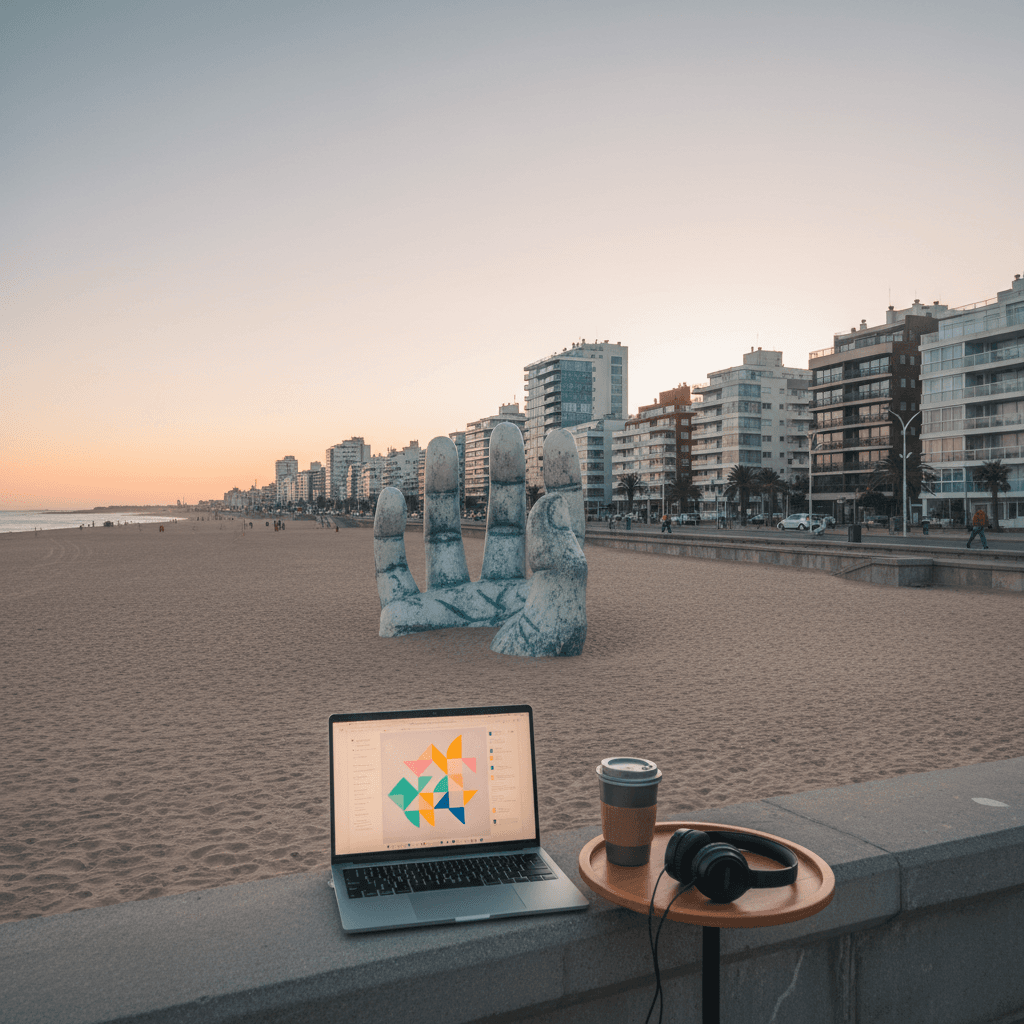
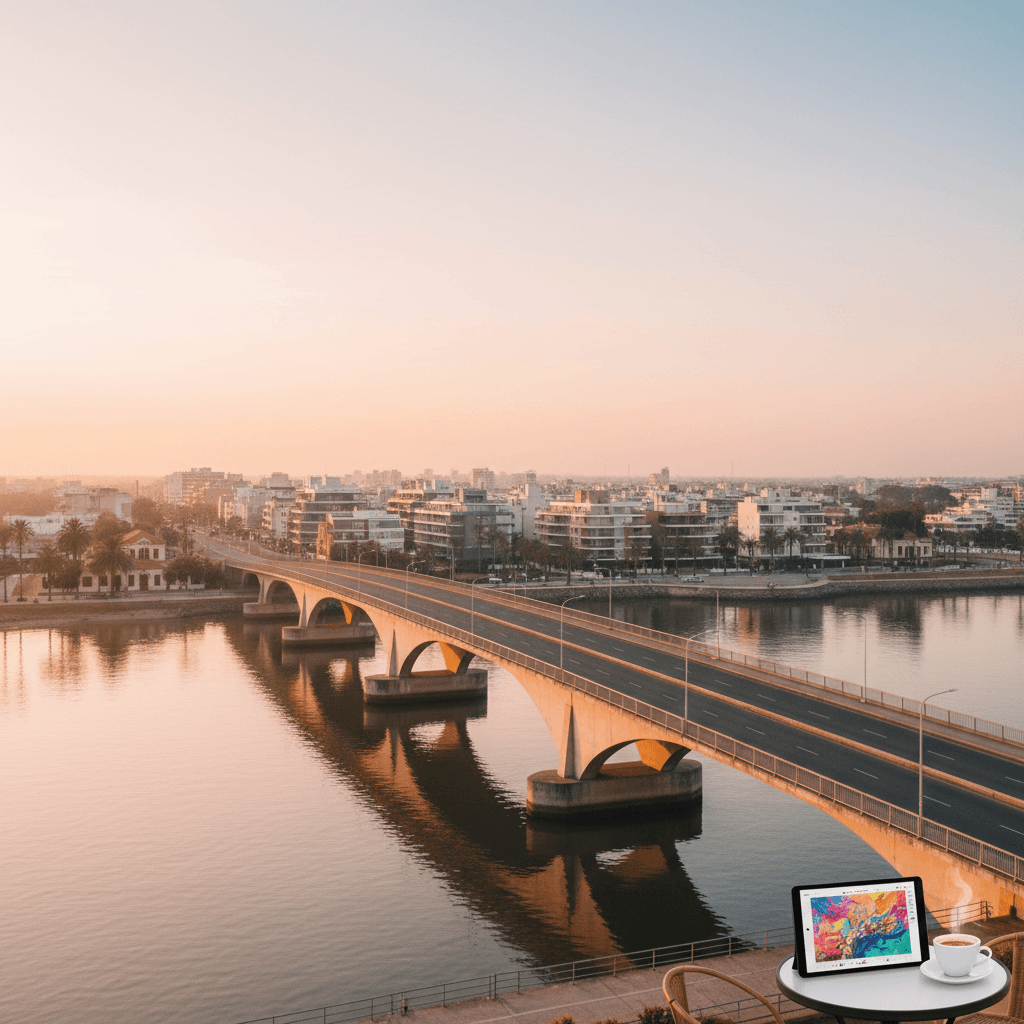
While most travelers treat Maldonado as a mere transit point or a functional backdrop to the glitz of Punta del Este, nomads who stick around quickly realize it's the authentic heart of the region. It lacks the skyscraper shadows and the seasonal pretension of its coastal neighbor. Instead, you get a colonial city that feels lived in year round, where the pace is dictated by the slow sip of mate rather than the arrival of luxury cruise ships.
The vibe here is decidedly blue collar and approachable. You'll find retirees playing chess in the main plaza, students congregating near the university buildings, and a local community that doesn't disappear when the summer crowds head back to Buenos Aires. It feels like a real Uruguayan town, offering a grounded experience that is increasingly hard to find on the coast. You aren't just a tourist here; you're part of the daily rhythm of a city that works for a living.
The Local Landscape
- The Plaza Experience: Plaza San Fernando is the city's anchor. It's surrounded by historic architecture like the Cuartel de Dragones, providing a sense of permanence that the glass towers of the beach lack.
- The Neighborhood Feel: Moving away from the center, neighborhoods like Pinares offer a transitional vibe. You get pine trees and quieter streets while staying within a ten minute bike ride of both the city center and the ocean.
- Year-Round Vitality: Unlike Punta del Este, which can feel like a ghost town in July, Maldonado stays awake. The shops, bakeries, and markets remain open, and the prices don't triple just because the sun is out.
Living here means trading the immediate "ocean view" for a significantly lower cost of living and a more sustainable social life. Most nomads find that they can rent a spacious house in Maldonado for the price of a cramped studio in the trendy parts of Montevideo or Punta. You still have access to the 100 to 160 Mbps internet speeds that Uruguay is famous for, but your morning coffee will likely happen at a local panaderia where the staff knows your name after three visits.
The emotional experience of Maldonado is one of relief. There is no pressure to dress up or perform. You can spend your morning working from a quiet cafe near the cathedral and your afternoon taking the short bus ride to the Mansa beach for a sunset swim. It provides a strategic home base for those who want the Uruguayan lifestyle without the "Monaco of the South" price tag. You get the safety and stability of the country's best infrastructure paired with a humble, welcoming atmosphere that feels genuinely South American.
Expect a lot of wind, a lot of grilled meat, and a very high quality of life. The city doesn't try too hard to impress you, and that is exactly why people end up staying longer than they planned. It is a place for deep work and quiet weekends, punctuated by the occasional foray into the high energy nightlife nearby when you actually feel like seeking it out.
The Price of Proximity
Maldonado is the pragmatic sibling to the glitzy Punta del Este. While tourists pay a premium to be five minutes from the beach, nomads who set up in Maldonado city find they can cut their overhead by 30% to 40% while staying within a ten minute drive of the coast. It is a local town with local prices, but you are still in the most expensive department in Uruguay, so do not expect Southeast Asia rates.
Most digital nomads find that a comfortable life here requires a budget of $1,800 to $2,500 per month. This covers a modern apartment, frequent dining out, and the occasional weekend trip. If you are extremely frugal, you could scrape by on $1,400, but you would be sacrificing the lifestyle perks that make this region attractive in the first place.
Accommodation and Neighborhoods
Rent is your biggest variable. In the center of Maldonado, you will find traditional houses and low rise apartments that cater to year round residents. If you want something modern with reliable elevators and security, look toward the border of Pinares or the area near the Universidad de la Empresa.
- City Center (Maldonado): A one bedroom apartment typically runs between $600 and $800 per month. These are usually unfurnished, so look for "amueblado" listings on Mercado Libre Uruguay to avoid buying a bed.
- Pinares / Las Delicias: This is the sweet spot between the city and the beach. Expect to pay $900 to $1,200 for a small house or modern flat. It is quieter and greener, favored by expats who want a yard.
- Punta del Este (The Peninsula): If you insist on the skyline view, prices jump to $1,500+ during the off season and can triple in January.
Connectivity and Coworking
Uruguay has some of the best fiber optic coverage in Latin America. You will easily find speeds of 100 Mbps to 500 Mbps in most residential rentals. While Maldonado is more of a residential hub than a tech center, there are solid options for getting work done outside your living room.
- Sinergia Punta: Located just on the edge of Maldonado and Punta del Este, this is the premier coworking space. A hot desk goes for about $200 per month. It has the community vibe nomads usually crave.
- Coffee Shops: For a casual afternoon, check out Mia de la Barra (the Maldonado branch) or any of the cafes near Plaza San Fernando. A latte will set you back about $4.50.
Daily Expenses and Food
Groceries are where the "Uruguay is expensive" reputation comes from. Imported goods are taxed heavily, so stick to local brands. Shopping at the Feria de Maldonado (the street market) on Sundays is a pro move; you will save 50% on produce compared to the Tienda Inglesa supermarket.
- Monthly Groceries: Budget $400 to $500 for one person. Meat is high quality and relatively cheap, but a box of imported cereal might cost $9.
- Dining Out: A "Menu del Dia" at a local spot like El Novillo Alegre costs around $15. A nice dinner with wine in the city center is closer to $35.
- Transportation: The local bus system is reliable and costs about $1.20 per ride. Many nomads prefer to rent a small car or a scooter, which adds $400 to $600 to the monthly budget including insurance and fuel.
Utilities and Extras
Electricity is notoriously pricey in Uruguay. If you run the air conditioning 24/7 during the humid summer months, your bill could easily hit $150. In the winter, heating is equally vital. Most expats recommend looking for an apartment with "losa radiante" (underfloor heating) already included in the building fees, or "gastos comunes," to keep costs predictable.
For Digital Nomads: Pine Park and San Fernando
If you're working remotely, you'll want to stay in the northern or central pockets of the city like Pine Park or San Fernando. These areas sit away from the tourist chaos of the coast but keep you close to the infrastructure you need. It's much quieter here than in Punta del Este, which means you can actually get work done without the sound of summer beach parties in the background. Most nomads find that the internet speeds are reliable, often hitting 100 Mbps or higher on fiber connections.
Living here puts you within a short bike ride of the few dedicated workspace setups in the area. Sinergia is the big name you'll hear most often; it's the primary spot for reliable desks and networking. You'll pay around $200 a month for a hot desk, but the community is solid. For a more casual vibe, check out the cafes near the Plaza San Fernando. You'll see plenty of people with laptops, though the power outlets can be hit or miss.
- Average Rent: $700 to $950 for a modern one-bedroom apartment.
- Vibe: Residential, quiet, and very local.
- Best for: Deep work and those who want to avoid the "vacationer" price hikes.
For Expats: Pinares and Las Delicias
Expats who've settled here long-term usually gravitate toward the western edge of the city in Pinares. It's the sweet spot between the authentic Maldonado lifestyle and the upscale amenities of the coast. You get wide, tree-lined streets and houses with actual yards, which is a rarity in the high-rise dominated areas nearby. It feels like a proper neighborhood where people know their neighbors and shop at the same local butcher every week.
The cost of living here is more manageable than the waterfront, but you still have easy access to the Mansa beach. You'll find that many expats use the local "ferias" or street markets for their groceries. The Sunday market in the city center is where you'll get the best prices on fresh produce and local cheeses. Expect to spend about $400 a month on groceries if you cook at home and shop like a local.
- Average Rent: $1,200 to $1,800 for a two or three-bedroom house.
- Vibe: Leafy, established, and relaxed.
- Best for: Long-term stays and those who want a garden or more space.
For Families: Cantegril
Cantegril is the go-to for families because it houses some of the best private schools and medical facilities in the region, like the Sanatorio Cantegril. It's a very safe, manicured area with plenty of parks for kids to run around. While technically sitting on the border of Maldonado and Punta del Este, it functions as a suburban hub for families who live here year-round. You aren't just surrounded by empty vacation rentals; there's a real community of parents and professionals.
Dining out here is convenient because you're close to Avenida Roosevelt, which is lined with everything from quick parrillas to international spots. A family dinner at a decent mid-range restaurant will usually run you about $80 to $120 including wine. For grocery runs, the Tienda Inglesa nearby is the gold standard for imported goods, though you'll pay a premium for them.
- Average Rent: $1,500 to $2,200 for a large family home.
- Vibe: Suburban, safe, and family-oriented.
- Best for: Those with children or people who prioritize proximity to healthcare.
For Solo Travelers: Downtown (Centro)
If you're traveling alone and don't have a car, stay in the Centro. This is the heart of the city's bus network, making it easy to hop on a "codesa" bus for less than $2 to explore the surrounding beaches or head into Montevideo. Everything is walkable here. You've got the main plaza, the cathedral, and all the government offices within a few blocks. It's the best place to soak up the local culture without the filter of a resort.
The nightlife in the center is more about low-key bars and pizza spots than flashy clubs. You can grab a chivito, the famous Uruguayan steak sandwich, at a local diner for about $12 and it'll be enough for two meals. Solo travelers often say they feel safer here than in many other South American cities, though it's still smart to keep your wits about you after dark when the streets quiet down.
- Average Rent: $550 to $800 for a simple studio or small apartment.
- Vibe: Busy, authentic, and high-energy during the day.
- Best for: Budget-conscious travelers and those using public transit.
Connectivity and Speed
Uruguay consistently punches above its weight when it comes to infrastructure, and Maldonado is no exception. While it lacks the high concentration of glass-fronted tech hubs found in Montevideo, the fiber optic coverage is impressive. You can usually expect download speeds between 100 Mbps and 160 Mbps in most modern apartments near the city center or the Pinares neighborhood.
Antel is the primary state owned provider, and they've done a solid job of rolling out fiber across the department. If you're renting an Airbnb, always ask for a screenshot of a speed test. Some older buildings in the downtown core might still rely on copper lines that struggle to hit 20 Mbps, so verifying the connection before you unpack is a smart move.
Coworking Spaces and Where to Work
Since Maldonado sits right next door to Punta del Este, many nomads find themselves commuting about ten minutes to access dedicated coworking desks. The vibe in Maldonado proper is more residential and authentic, while the "work" infrastructure leans toward the coast. Most expats and remote workers gravitate toward reliable spots in the immediate area.
- Sinergia Punta: Located just across the boundary in the Design District, this is the gold standard for the region. It's professional, has great AC, and offers a community feel that's hard to find elsewhere. Expect to pay around $25 for a day pass or $200 for a monthly hot desk.
The Cafe Scene
If you prefer the "laptop and a latte" lifestyle, Maldonado has some quiet corners that beat the tourist prices of the waterfront. Unlike the high pressure cafes in the US, Uruguayan servers are generally happy to let you linger for a couple of hours if you're respectful. Just avoid the lunch rush between 1:00 PM and 3:00 PM when tables are at a premium for diners.
Look for spots around Plaza San Fernando if you want to be in the thick of things. You'll find several bakeries and small cafes where a coffee and a "medialuna" (a local croissant) will set you back about $5. The Wi-Fi in these local spots is usually decent for emails, but I wouldn't recommend it for heavy video calls without a backup hotspot.
Mobile Data and Backup Plans
Don't rely solely on apartment Wi-Fi. Picking up a local SIM card is straightforward and cheap. Antel and Claro are the two main players. You can grab a SIM at any "Local" or "Quiosco" for a few dollars. Data packages are affordable; you can often get 40GB to 60GB of data for around $15 to $20, which is perfect for tethering when the power flickers or you want to work from a park.
Most nomads find that 5G coverage is surprisingly robust in the urbanized parts of Maldonado. It's often faster than the Wi-Fi in older cafes. If you're planning on staying for the full 6 to 12 months allowed by the digital nomad permit, setting up a post paid plan will save you a bit of hassle with top ups.
Summary of Costs
- Daily Coworking Pass: $20 to $30
- Monthly Hot Desk: $180 to $250
- Coffee and Pastry: $5 to $7
- Prepaid Data (50GB): $18
Safety in the Local Hub
Maldonado is often overshadowed by its flashy neighbor, Punta del Este, but for nomads, it offers a more grounded, residential feel. It is widely considered one of the safest cities in Latin America. You can generally walk around the central areas like Plaza San Fernando or the Fernandino residential streets during the day without a second thought. Petty crime exists, as it does anywhere, but it is far less common here than in Montevideo.
Most expats suggest staying aware of your surroundings after dark if you are walking between the city center and the outskirts. While violent crime is rare, opportunistic theft like phone snatching can happen if you are scrolling while walking. If you are heading back from a late dinner in the Pinares area or coming from the peninsula, taking an Uber or a local taxi is a cheap and easy way to stay secure. Locals are generally helpful and the police presence is visible, especially during the high season from December to February.
- Emergency Number: Dial 911 for police, fire, or medical emergencies.
- Walking Safety: High during the day; stick to well lit main roads like Avenida Roosevelt at night.
- Scams: Very low risk, though always check your change at smaller kiosks.
Healthcare Systems and Access
The healthcare system in Uruguay is divided into public and private sectors. For nomads, the private system is the way to go. It is efficient, high quality, and surprisingly affordable compared to North American or European standards. The main private provider in the region is Asistencial Médica. They have a major hospital and several clinics throughout the city that offer modern equipment and specialist care.
Most digital nomads opt for a monthly membership called a mutualista. This is a private healthcare cooperative where you pay a monthly fee, usually between $60 and $100, which covers most consultations and emergency visits. You will still pay a small co-pay, known as a ticket, for specific tests or prescriptions, but these are usually under $15. If you are only staying for a month or two, standard travel insurance like SafetyWing or World Nomads is accepted at private clinics, though you might have to pay upfront and seek reimbursement.
Pharmacies and Clinics
You won't have trouble finding a pharmacy in Maldonado. Chains like Farmashop and San Roque are everywhere. They are well stocked and many are open 24 hours. Many medications that require a strict prescription in other countries can sometimes be bought over the counter here after a quick chat with the pharmacist, though it is always better to have your paperwork ready.
- Sanatorio Mautone: A top tier private hospital located on Avenida Roosevelt, popular with expats for its English speaking staff.
- Dental Care: High quality and affordable; a standard cleaning usually costs around $50 to $70.
- Water Safety: The tap water in Maldonado is technically safe to drink, but most locals and long term travelers prefer bottled water or filters for the taste.
If you have a specific medical condition, bring a supply of your regular meds to get you through the first month while you navigate the local system. Once you are registered with a mutualista, getting refills is a straightforward process. Overall, the peace of mind regarding health and safety is one of the biggest draws for the nomad community in this corner of Uruguay.
While Maldonado functions as the administrative heart of the region, it feels worlds apart from the flashy, high speed energy of its neighbor, Punta del Este. Getting around here is less about hailing high end private cars and more about mastering the local bus system or enjoying a slow paced walk through the city center. It is a compact city, but since you will likely be bouncing between the city core and the nearby beaches, you need a solid grasp of the transit layout.
The Local Bus Network (Colectivos)
The bus system is the backbone of daily life for locals and long term nomads. Two main companies, Codesa and Maldonado Turismo, operate the routes that connect Maldonado to Punta del Este, La Barra, and San Carlos. You will recognize the Codesa buses by their white and blue livery, while Maldonado Turismo often sports a white and green look.
- Fares: A standard local ticket costs around 40 UYU (roughly $1 USD). You pay the driver directly in cash when you board.
- The L Route: Look for buses marked with an L (like the L50). These are local lines that circulate within the Maldonado city limits, perfect for getting from the residential areas to the main plaza.
- Inter-urban Lines: Numbers 1, 7, 9, and 12 are your best friends. These run frequently between the Maldonado terminal and the Punta del Este peninsula, making it easy to live in the more affordable city center while working from a beachside cafe.
Ride Sharing and Taxis
Uber is active and generally reliable in the Maldonado area, though prices fluctuate wildly depending on the season. During the quiet winter months, a ride from central Maldonado to the Los Dedos beach in Punta might cost you 350 UYU (about $9 USD). In the peak of January, expect that price to double or triple with surge pricing.
Taxis (Remises) are a more traditional alternative. You can find them parked at the Parada de Taxis near Plaza San Fernando. They use meters, but it is always smart to ask for an estimate before you pull away. Most expats use the Cabify app as well, which often provides a more professional experience than standard Uber drivers in this region.
Walking and Biking
The city center of Maldonado is very walkable. The streets follow a grid pattern around Plaza San Fernando, and you can easily reach grocery stores, the post office, and local eateries on foot. However, the sidewalks can be uneven, so keep your eyes on the ground rather than your phone.
Biking is a popular choice for nomads staying for a few months. While Maldonado doesn't have the extensive dedicated bike lanes you might find in Montevideo, the traffic is generally respectful. The ride from Maldonado to the coast follows Avenida España or Avenida Roosevelt. It is a flat, scenic 15 to 20 minute pedal to reach the water. You can rent a basic cruiser for about $20 USD a day, but if you are staying a while, buying a used bike on Facebook Marketplace for $150 USD is the move.
Car Rentals and Driving
If you plan on exploring further afield to places like Jose Ignacio or Cabo Polonio, you will want your own wheels. Local agencies like Punta Rent a Car or Multicar offer better deals than the big international brands at the airport. A small manual car typically starts at $35 USD per day in the low season.
Driving in Maldonado is straightforward, but watch out for the cebra (zebra crossings). Pedestrians have absolute right of way here, and drivers actually stop for them, which can be a surprise if you are used to the chaotic traffic of Buenos Aires or Brazil. Parking in Maldonado is generally free and easy to find, unlike the nightmare of the Punta del Este waterfront during the summer.
Key Transit Hubs
- Terminal de Ómnibus de Maldonado: Located on Avenida Roosevelt, this is where you catch long distance buses to Montevideo (a 2 hour trip) or Rocha.
- Plaza San Fernando: The primary stop for almost every local bus line passing through the city.
- Punta del Este Airport (PDP): Located about 20 minutes west of the city. A taxi from the airport to central Maldonado usually runs around $30 to $40 USD.
The Local Lingo
In Maldonado, you are going to hear Rioplatense Spanish. It is the same melodic, Italian influenced dialect you find in Montevideo or Buenos Aires. The most distinct feature is the sh sound. If you see a word with a double L or a Y, like calle or yo, locals will pronounce them as cash-ay and sho. It takes a few days to get your ears adjusted, but it is one of the most beautiful versions of Spanish you will encounter.
You will also notice locals using vos instead of tu for "you." It comes with its own set of verb conjugations, but do not stress about mastering them immediately. Most people will understand your standard textbook Spanish just fine. They are generally patient and appreciate the effort, especially if you lead with a friendly buen día or buenas tardes.
English Proficiency
Since Maldonado sits right next to Punta del Este, English is more common here than in the rural interior of Uruguay. In the high end shops of the peninsula or the trendy spots in La Barra, you will find plenty of bilingual staff. However, once you settle into the more residential parts of Maldonado city, English levels drop off significantly.
Most expats find that a basic grasp of Spanish is necessary for daily life. You can get by with hand gestures at the feria (street market), but calling a plumber or talking to a landlord usually requires a translator app or a Spanish speaking friend. If you plan on staying for the full 6 to 12 month nomad permit, investing in a few weeks of private lessons is a smart move.
Staying Connected
Uruguay has some of the best internet infrastructure in South America, and Maldonado is no exception. You can expect home fiber connections to range between 100 Mbps and 500 Mbps depending on the plan. Most modern apartments in the area come with high speed Wi-Fi as a standard amenity, but it is always worth asking for a speed test screenshot before you sign a lease.
For mobile data, Antel is the state owned provider and generally offers the best coverage and speeds. You can pick up a prepaid SIM card at any redpagos or Abitab location for a few dollars. To keep the data flowing, you can top up your balance at these same locations or through the MiAntel app if you have a local debit card. Other reliable providers include Movistar and Claro, which often have competitive roaming packages if you are traveling between Uruguay and Argentina.
Communication Etiquette
WhatsApp is the lifeblood of communication in Uruguay. You will use it for everything: booking a hair appointment, ordering delivery from a local parrillada, or messaging your landlord. If a business has a phone number listed, they almost certainly have a WhatsApp account attached to it. Voice notes are incredibly popular here, so do not be surprised if a simple question gets a 45 second audio clip in response.
When meeting locals, the standard greeting is a single kiss on the right cheek. This applies to men greeting women and women greeting each other. Between men, a handshake or a quick hug is more common, though close male friends often opt for the cheek kiss too. It is a warm, social culture, so expect conversations to start with a bit of small talk about the weather or the mate before getting down to business.
The Seasonal Rhythm of Maldonado
Living in Maldonado means dancing to the rhythm of the Southern Hemisphere seasons. Because it sits right next to the glitz of Punta del Este, the local climate dictates more than just what you wear; it determines the entire energy of the city. You will experience a temperate oceanic climate here, which means summers are warm but rarely stifling, and winters can get quite chilly with a damp wind coming off the Atlantic.
Most nomads find the sweet spot to be between late October and early December. This is the spring shoulder season. The flowers are blooming, the cafes are setting up their outdoor seating, and the temperatures hover comfortably around 68°F to 75°F (20°C to 24°C). You get the best of both worlds during these months: the infrastructure is fully awake, but you aren't fighting crowds for a table or paying peak season premiums on short term rentals.
Summer: The High Season Peak
From late December through February, the region transforms. This is when the "Monaco of the South" persona really takes over. Expect sunny days with highs reaching 82°F (28°C) and a massive influx of tourists from Argentina and Brazil. While the energy is electric and the nightlife is at its peak, there are trade-offs for the remote worker. Prices for everything from Airbnbs to beachfront dinners can double or triple during the first two weeks of January, locally known as "Revellion."
- January: The hottest and busiest month. Great for networking and parties, but bad for quiet focus.
- February: Slightly calmer than January, though still very warm and popular with vacationing families.
- March: A local favorite. The water is still warm enough for a swim, but the crowds thin out significantly.
Winter: The Quiet Season
If you prefer a moody, writerly vibe, the winter months of June through August might appeal to you. However, be prepared for a different world. Many of the high end shops and seasonal restaurants in nearby Punta del Este shutter their doors. Temperatures average around 50°F to 58°F (10°C to 14°C), but the humidity makes it feel colder than the thermometer suggests. You will want to ensure your apartment has a reliable heating system, as many older buildings in the Maldonado department rely on small electric heaters or wood stoves.
Expats recommend this time for deep work and saving money. Rental prices hit their floor, and the city of Maldonado itself remains functional and authentic since it serves as the administrative hub for the region. It is less of a resort town and more of a real Uruguayan city during these months.
Best Time for Your Budget
If you are watching your wallet, aim for April or September. These months avoid the summer price hikes and the winter gloom. You can often find decent monthly rates on apartments that would be unaffordable in January.
- Spring (Sept to Nov): Ideal for outdoor activities and exploring the nearby vineyards.
- Autumn (March to May): Golden light and mild weather, perfect for long walks along the Mansa beach.
- Peak Summer (Dec to Jan): Best for those who want to socialise and don't mind the $2,000+ monthly rent for prime spots.
Ultimately, your timing depends on whether you want the glamorous coastal lifestyle or a quiet, stable base for productivity. Most digital nomads find that November offers the most balanced experience for a first time stay.
Getting Around
Maldonado is the administrative heart of the region, and while it's more traditional than its flashy neighbor Punta del Este, it's very accessible. Most nomads find that the local bus system, known as Codesa or Maldonado Turismo, is reliable for getting between the city center and the beaches. A single ride costs about $1.25 USD.
Walking is your best bet within the city center, especially around Plaza San Fernando. For longer trips to La Barra or Jose Ignacio, Uber works well here, though prices can spike during the summer months of December through February. Expect to pay around $15 to $20 USD for a 15 minute trip during peak season.
Connectivity and Workspace
Uruguay has some of the fastest internet in Latin America thanks to widespread fiber optic coverage. You'll likely see speeds between 100 Mbps and 200 Mbps in most modern apartments. While Maldonado doesn't have the massive coworking hubs you'll find in Montevideo, many digital nomads head toward the Punta del Este border to work from places like Sinergia. Monthly hot desk rates usually hover around $180 USD.
For a more casual vibe, the cafes near the University of the Republic (CURE) campus are reliable. Most local coffee shops won't mind you working for a few hours if you keep the lattes coming. Just keep in mind that many smaller businesses still close for a siesta between 1:00 PM and 4:00 PM, so plan your deep work sessions accordingly.
The Digital Nomad Visa
Uruguay recently made things much easier for remote workers. You can enter as a tourist and then apply online for a nomad permit that lasts for six to twelve months. The process is surprisingly straightforward. You'll need to sign a declaration stating you earn enough to support yourself, though they don't currently enforce a strict minimum income floor like some European countries do.
- Application Cost: Approximately $45 USD.
- Validity: 180 days, renewable for another 180 days.
- Requirements: A clean criminal record check from your home country and a valid passport.
Budgeting and Costs
Living in Maldonado is significantly cheaper than staying in the high rise apartments of Punta del Este, but Uruguay remains one of the more expensive countries in South America. You'll want to budget at least $2,000 to $2,500 USD per month for a comfortable lifestyle. Groceries at supermarkets like Tienda Inglesa or Disco are priced similarly to those in the US or Europe.
- One bedroom apartment: $700 to $1,100 USD per month depending on the season.
- Dinner for two: $50 to $70 USD at a mid range parrillada.
- Monthly gym membership: $50 to $80 USD.
Safety and Health
Maldonado is generally very safe, even at night. Most expats say they feel comfortable walking the streets alone, though you should use common sense in less lit areas away from the center. For healthcare, the private system is excellent. Many nomads opt for a monthly plan with a provider like Mautone or Cantegril, which costs around $100 USD per month and covers everything from routine checkups to emergencies. The quality of care is high, and many doctors speak at least some English.
Need visa and immigration info for Uruguay?
🇺🇾 View Uruguay Country GuideEasy Landing
Settle in, no stress
Monthly Budget Estimates
More cities in Uruguay
Colonia del Sacramento
🇺🇾 Uruguay
La Paloma
🇺🇾 Uruguay
Montevideo
🇺🇾 Uruguay