Maceió
🇧🇷 Brazil
The Caribbean of Brazil
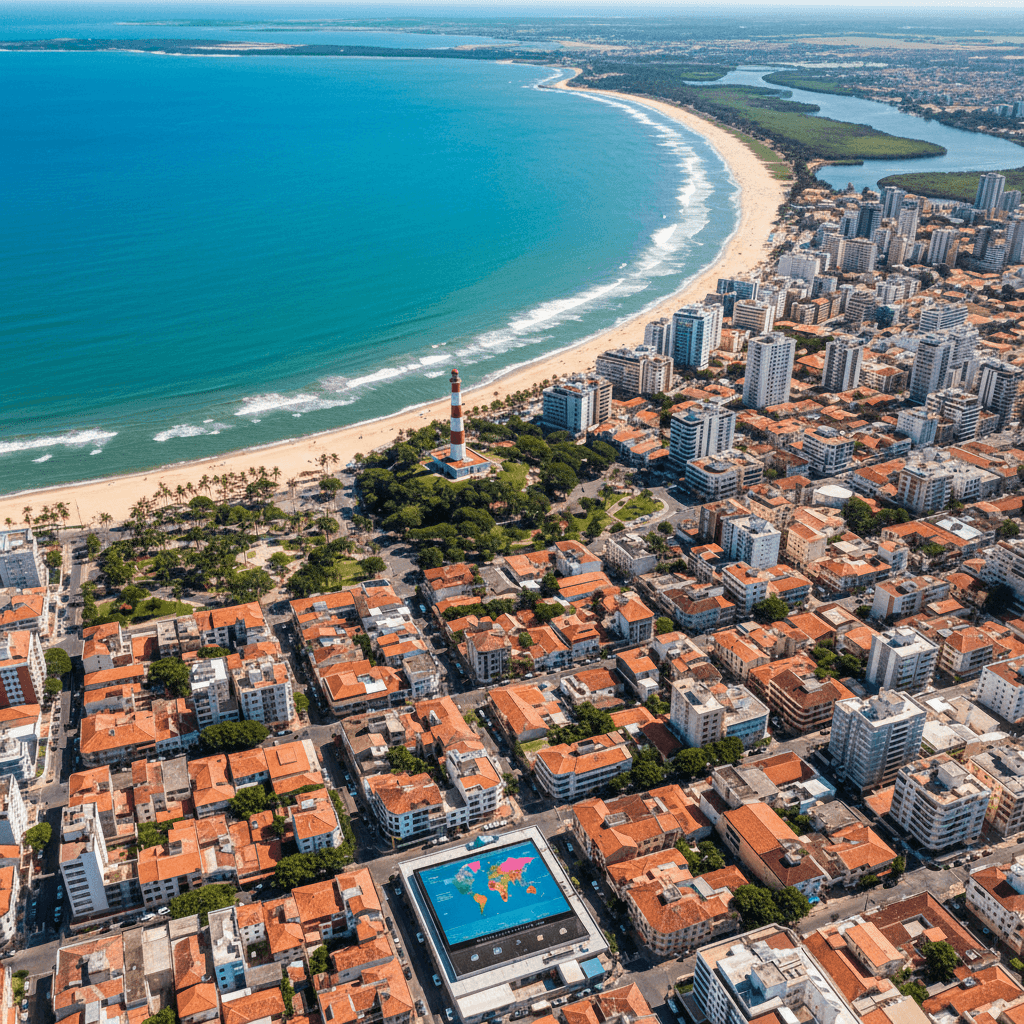
If Rio is the high energy stage of Brazil, Maceio is the chill backstage lounge. It is often called the Caribbean of Brazil because the water here is a surreal shade of turquoise you usually only see in postcards. For nomads, the city offers a specific kind of magic: the ability to live in a mid sized capital with all the modern amenities, while feeling like you are perpetually on a beach holiday.
The pace of life here is noticeably slower. You will see people taking their time over a morning coconut water or a sunset stroll along the boardwalk. It is less polished than Florianopolis and quieter than the south, making it a perfect landing spot if you are looking for deep focus work during the week and reef diving on the weekends. The local culture is a beautiful, laid back blend of indigenous, African, and Portuguese influences that shows up most clearly in the food and the music.
What It Costs to Live Here
Maceio is one of the more affordable coastal stretches in the country. On average, nomads spend about $1,634 per month to live comfortably. While you can certainly spend more on beachfront luxury, your dollar goes significantly further here than it would in Sao Paulo or Rio.
- Budget Tier ($1,200 to $1,500): This covers a shared apartment or a studio slightly further from the water, plenty of street food like tapioca or acaraje, and using the local bus system.
- Mid Range Tier ($1,600 to $2,000): This is the sweet spot for most. You can snag a one bedroom in a prime area like Ponta Verde for around $500, eat out at nice restaurants regularly, and rely on Ubers to get around.
- Comfortable Tier ($2,500+): This gets you a high end beachfront condo, daily dining at upscale seafood spots, and frequent weekend trips to nearby dunes or the Maragogi reefs.
The Neighborhood Breakdown
Where you park your laptop matters. Most nomads stick to the eastern coastline where the infrastructure is best.
Ponta Verde
- The Vibe: This is the heartbeat of the nomad scene. It is walkable, safe, and packed with cafes.
- Rent: Expect to pay $500 to $700 for a solid Airbnb or short term rental.
- Pros: Best sea views for your Zoom calls and the highest concentration of English speakers.
Jatiuca
- The Vibe: Younger and a bit more raw. It is known for its surf spots and a more active nightlife scene.
- Rent: Slightly cheaper than Ponta Verde, with studios starting around $400.
- Pros: Great bar scene and a more "local" feel compared to the tourist heavy zones.
Cruz das Almas
- The Vibe: A quieter, residential alternative that is growing in popularity.
- Rent: Very affordable, often ranging from $300 to $500.
- Pros: More space for your money, though you will need to Uber more often to get to the action.
Work, Safety, and Survival
The digital infrastructure is surprisingly robust. Fiber optic internet is the standard, with speeds averaging around 90 Mbps. While dedicated coworking spaces are still catching up to the demand, you will find plenty of work friendly cafes in Ponta Verde. Most nomads choose to work from their apartments, as many rentals now cater specifically to remote workers with dedicated desk setups.
Safety requires the usual Brazilian "street smarts." Stick to the well lit, populated beach areas like Ponta Verde and Jatiuca, especially at night. Avoid the Historic Center (Centro) after business hours. For getting around, Uber and the 99 app are your best friends; rides usually cost between $3 and $7 and are much safer than walking long distances at night.
The best time to visit is during the dry season from September to February. You will get endless days of 30°C sunshine. If you arrive between March and July, be prepared for heavy tropical downpours that can put a damper on your beach plans. If you are staying long term, the Brazilian digital nomad visa is a great path, provided you can show a monthly income of at least $1,500.
The Bottom Line
Living in Maceió feels like a massive life hack for nomads who want the turquoise waters of the Caribbean without the premium price tag. You're looking at a monthly burn rate of about $1,634 on average. That puts it well below the national average for Brazil, leaving you with plenty of extra cash for weekend trips to the reefs in Maragogi.
Most solo travelers find they can live quite well on $1,600 to $2,000 a month. This mid-range budget gets you a modern one-bedroom apartment in a prime spot like Ponta Verde, regular meals out, and enough Ubers to avoid the humidity when you aren't in the mood for a walk. If you're really pinching pennies, you can scrape by on $1,200 by sharing a flat and sticking to the legendary local street food.
Monthly Budget Tiers
- Budget ($1,200 to $1,500): Best for those sharing a flat in neighborhoods like Cruz das Almas. You'll be eating plenty of $3 tapioca from street stalls, using the $0.80 public buses, and working mostly from your kitchen table.
- Mid-range ($1,600 to $2,000): The sweet spot for most nomads. This covers a private studio in Ponta Verde for around $500, frequent dinners at places like O Quintal do Zé, and a few days a week at a local coworking hub.
- Comfortable ($2,500+): This is the "no compromises" lifestyle. You're looking at a beachfront apartment for $800 or more, high-end seafood dinners, and daily rideshares to anywhere you need to go.
Rent and Neighborhoods
Ponta Verde is the undisputed champion for remote workers. It's walkable, safe, and the sea views during Zoom calls are a major flex. Expect to pay between $400 and $700 for a decent apartment here. If you want something a bit younger and more energetic, Jatiúca is right next door. It's the go-to for surfers and night owls, with studios often starting around $400.
For those on a tighter budget, Cruz das Almas offers larger residential spaces for $300 to $500. It's quieter and further from the action, but it's great for families or anyone who needs a dedicated home office. Stay away from the Historic Center for long-term stays; while it's great for a day trip to see the architecture, it isn't ideal for walking around with a laptop after dark.
Food, Transport, and Connectivity
Eating out is one of the best parts of Alagoas. You can grab a quick acarajé for $2 to $5 or sit down for a full meal for about $12. If you're craving upscale seafood, expect to pay $30 or more per person. For groceries, local markets are your best friend for fresh fruit and coffee.
Getting around is cheap and easy. Most nomads rely on Uber or the 99 app, where most trips across the beach zones cost between $3 and $7. If you're staying in Ponta Verde, you'll likely do most of your daily errands on foot.
The internet is surprisingly snappy. With average speeds around 90 Mbps, you won't have trouble with video calls. Coworking spaces are still a bit thin on the ground, so most people work from cafes or ensure their Airbnb has a solid desk. For mobile data, pick up a Claro or Vivo SIM card for about $15 to get roughly 20GB of data, or just use an eSIM app like Airalo for an instant connection when you land.
Practical Considerations
Keep in mind that the Brazil digital nomad visa requires proof of a $1,500 monthly income. While Maceió is affordable, the government wants to see you're self-sufficient. For banking, Wise and Revolut are widely accepted at almost every "padaria" and beach kiosk. Just remember that while cards are king, having a bit of cash for beach chair rentals is always a good move.
The Professional Hub: Ponta Verde
If you're a digital nomad looking for the best balance of work and play, Ponta Verde is where you'll likely land. It's the most walkable part of the city, with a coastline lined with coconut trees and a sidewalk that stays active from sunrise until late at night. Most nomads find the sea views here perfect for morning Zoom calls, and the fast average internet speeds in the modern apartment buildings make it a reliable base.
- Rent: Expect to pay $500 to $800 for a quality one bedroom or studio with a desk.
- Vibe: High energy, safe for walking, and packed with cafes like the ones near the lighthouse.
- Coworking: While dedicated spaces are still emerging, many locals work from beachside cafes for the price of a $2 espresso.
The Social Scene: Jatiúca
Solo travelers usually gravitate toward Jatiúca. It sits right next to Ponta Verde but feels a bit younger and more rugged. It's the go-to spot for surfing and has a higher density of bars and late-night eateries. If you want to meet people, this is the place to be. It's noisier than other neighborhoods, but the proximity to forró clubs and craft beer spots makes up for the lack of quiet.
- Rent: Slightly more affordable than the beachfront in Ponta Verde, with studios starting around $400.
- Food: Home to great mid-range seafood spots, where you can grab a massive plate of seafood for about $15.
- Social Life: High. It's easy to find a crowd at the kiosks along the sand.
The Quiet Life: Cruz das Almas
For families or long-term expats who don't mind being a bit further from the action, Cruz das Almas is a solid choice. It's more residential and significantly quieter than the tourist zones. You'll find newer high-rise developments here that offer more square footage for your money. It's less walkable in terms of nightlife, so you'll find yourself using Uber or 99 to get around, though rides rarely cost more than $7.
- Rent: You can find spacious apartments for $300 to $500.
- Amenities: Close to larger grocery stores and parks, making it easier for those staying several months.
- Atmosphere: Calm and local, though you'll miss the immediate "vacation" feel of the central beaches.
Where to Avoid
While the Historic Center (Centro) is great for a day trip to see the architecture or grab cheap street food like tapioca for $3, most expats recommend avoiding it for long-term stays. It lacks the safety of the beachfront districts after dark and isn't very walkable for someone trying to live a digital lifestyle. Stick to the coastal strip between Jatiúca and Ponta Verde to keep your stress levels low and your safety high.
Practical Neighborhood Tips
- Transport: Use Uber for almost everything. It's safer than the bus at night and very affordable for a nomad budget.
- Connectivity: Pick up a Claro or Vivo SIM card at the airport or a local mall for about $15 to ensure you have 5G backup for your home fiber.
- Seasonality: If you're planning to stay during the high season from December to February, book your apartment at least three months in advance, as prices spike and availability vanishes.
Connectivity on the Alagoas Coast
Maceió might feel like a sleepy beach town, but its infrastructure tells a different story. For nomads who need to stay synced with teams in the US or Europe, the internet here is surprisingly punchy. Fiber optic connections are the standard in the main nomad hubs, with speeds averaging around 90-100 Mbps. You won't struggle with video calls or heavy uploads, even if you're working from a beachfront apartment in Ponta Verde.
Mobile data is equally reliable. If you're staying for more than a week, skip the roaming charges and grab a local SIM. Claro and Vivo have the best coverage in the city. You can pick up a prepaid card at the airport or a local pharmacy like Drogasil for about $15, which usually nets you around 20GB to 50GB of data. For those who prefer a digital setup, Airalo offers eSIMs that work well, though they're pricier than the local physical cards.
Coworking Spaces and Local Hubs
The coworking scene in Maceió is still finding its feet. You won't find a massive WeWork on every corner like you would in São Paulo, but the local options are functional and affordable. Most nomads gravitate toward shared offices in the Ponta Verde and Jatiúca neighborhoods. Prices typically hover around $10 for a day pass or $150 for a monthly membership.
- Local Coworking Hubs: These spaces provide the basics like ergonomic chairs, backup generators, and strong coffee. They're great for meeting the small but growing community of Brazilian remote workers.
- Business Centers: Several hotels along the beach offer quiet business lounges that nomads use for a change of scenery.
- The Airbnb Office: Because dedicated coworking is limited, many long term travelers prioritize Airbnbs in Ponta Verde that specifically list a "dedicated workspace." It's often easier to work from your balcony overlooking the reefs than to commute to an office.
The Cafe Culture for Remote Work
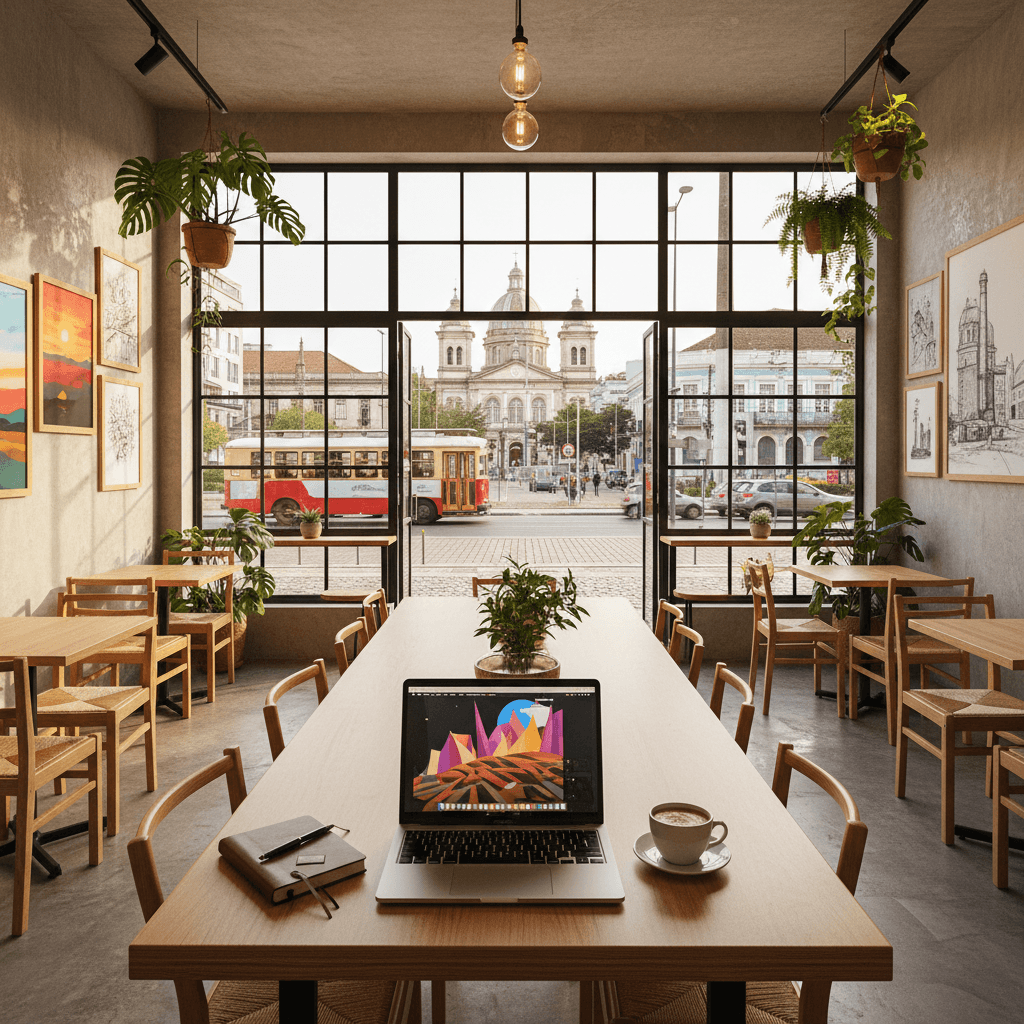
If you prefer the hum of a coffee shop, Maceió has a burgeoning cafe culture, though it's more about the experience than the "stay all day" laptop vibe. In the tourist zones, owners are generally relaxed about you staying for a few hours if you're buying coffee and snacks. A typical espresso will set you back about $2.
The best spots for a few hours of deep work are found tucked away from the main beach road. Look for cafes in Ponta Verde that offer free WiFi; they're usually quieter during the morning hours before the lunch rush. Just keep in mind that while the beach kiosks are tempting, the glare from the sun and the salt air can be a nightmare for your hardware.
Practical Tech Tips
- Power Outlets: Brazil uses the Type N plug, which has three round pins. It's compatible with the two pin Type C plugs found in Europe, but North Americans will definitely need an adapter.
- Backup Solutions: While the connection speeds are generally great, tropical storms during the rainy season from March to July can occasionally cause brief power flickers. A good power bank and a mobile hotspot are smart additions to your kit.
- Digital Banking: Most cafes and workspaces are entirely cashless. Apps like Wise or Revolut are widely accepted, but having Nubank can be a lifesaver for local transfers if you're staying long term.
Most nomads find that the lack of a massive coworking infrastructure is actually a plus. It keeps the vibe intimate. You'll likely see the same faces at the local coffee shop or out on the sand at sunset, making it much easier to build a social circle than in the anonymous skyscrapers of the bigger Brazilian metros.
Staying safe in Maceió is mostly about staying smart and sticking to the right postcodes. While the city has a more laid back rhythm than the frantic pace of Rio, it still requires that classic Brazilian "street smarts" approach. Most nomads gravitate toward Ponta Verde and Jatiúca, which are the safest and most walkable hubs. These areas are well lit and usually have a steady police presence, especially along the beachfront promenades where people exercise and socialize until late.
Safety Basics
The golden rule here is to avoid the Historic Center and the outskirts after dark. While the center is great for a daytime cultural fix, it empties out at night and becomes a hotspot for petty crime. Even in the nice areas, keep your phone tucked away while walking. If you need to check your GPS or call an Uber, step inside a pharmacy or a cafe to do it. Travelers often recommend leaving the expensive jewelry and watches at home; looking low key is the best way to blend in.
- Ride hailing: Use Uber or 99 for getting around at night. It is cheap, usually costing between $3 and $7 for a cross town trip, and much safer than wandering through unfamiliar streets.
- Beach safety: Don't leave your laptop or bag unattended on the sand while you go for a swim. Most nomads use a waterproof pouch for their phone and keys or go to the beach in pairs.
- Emergency numbers: Dial 190 for the police and 192 for an ambulance (SAMU).
Healthcare and Medical Services
You'll find that healthcare in Maceió is a tale of two systems. The public system, known as SUS, is free and available for emergencies, but it is often overcrowded and waiting times can be grueling. For anything non urgent, you'll want to head to a private facility. Most expats and digital nomads carry international health insurance and pay out of pocket for consultations, which typically run between $20 and $50.
Hospital Arthur Ramos is the go to for high quality private care. It is modern and well equipped, though don't expect everyone to speak English. Having a translation app like Google Translate ready on your phone is a lifesaver when explaining symptoms. For smaller issues, pharmacies like Drogasil or Pague Menos are on almost every corner in Ponta Verde. They are great for grabbing over the counter meds or getting a quick blood pressure check.
Practical Health Tips
- Water: Do not drink the tap water. Stick to bottled water or ensure your Airbnb has a high quality filter installed. It is cheap to buy 20 liter jugs for your apartment.
- Sun protection: The Alagoas sun is fierce, often hitting 33°C. Use high SPF sunscreen and stay hydrated, especially if you are working from a beach shack.
- Food safety: Street food like tapioca or acarajé is generally safe and delicious, but look for stalls with high turnover and clean prep areas.
Overall, if you stay within the tourist zones and use common sense, Maceió feels manageable. It lacks the intense edge of Brazil's larger metropolises, allowing you to focus more on the turquoise water and less on looking over your shoulder.
Getting Around Maceió
Maceió isn't a city where you'll want to spend hours behind the wheel. The pace here is noticeably slower than the frantic energy of Rio, and the layout of the coastal neighborhoods favors those who prefer to keep things simple. Whether you are commuting to a cafe in Ponta Verde or heading out for a weekend at the reefs in Maragogi, the transit system is straightforward once you know which apps to download.
Ride-Hailing and Taxis
For most nomads, Uber and 99 (a local Brazilian favorite) are the primary ways to get around. They are reliable, available 24/7, and incredibly affordable. A typical trip between the main hubs of Jatiúca and Ponta Verde usually costs between $3 and $7. It is generally safer and more transparent than hailing a traditional taxi on the street, especially after dark when you should avoid walking through quieter areas like the Historic Center.
Public Buses
The bus network is extensive and serves as the backbone for locals. At roughly $0.80 per ride, it is the cheapest way to navigate the city. If you are staying for a few months, a monthly pass for around $50 is a solid investment. However, buses can get crowded during peak hours and don't always offer the air-conditioned comfort you might want in the 33°C tropical heat. Most expats stick to buses for longer daytime hauls and switch to rideshares for convenience and safety at night.
Cycling and Walking
If you choose your neighborhood wisely, you can do most of your daily errands on foot. Ponta Verde is the gold standard for walkability; you can reach the beach, your favorite tapioca stall, and the grocery store within ten minutes. For longer coastal stretches, look for local bike rentals like Bike EcoMundo. These apps allow you to pick up a bike for about $5 a day. The waterfront has decent paths, but be cautious once you move a few blocks inland, as bike infrastructure disappears quickly and traffic can be unpredictable.
Airport Transfers
Zumbi dos Palmares International Airport (MCZ) is about 15 miles from the main tourist and nomad zones. You have three main options for getting into the city:
- Uber/99: The most popular choice for arrivals, costing between $15 and $25 depending on demand. The drive takes about 20 to 30 minutes.
- Executive Buses: These run frequently and cost around $5, dropping passengers off near the major hotels along the beach.
- Private Transfers: Best if you have a lot of surf gear or luggage, though you'll pay a premium for the pre-booked service.
Regional Travel
Living in Maceió means you are perfectly positioned for weekend escapes. To visit the famous natural pools or the dunes, you can catch a regional bus for about $20. Many nomads recommend renting a car for at least one weekend to explore the coastline at your own pace. Localiza and Movida are reliable rental agencies with offices at the airport and in the city center. Just remember that while the main highways are in decent shape, the "jeitinho brasileiro" applies to the road too; be prepared for some creative merging and plenty of speed bumps in small towns.
Practical Transit Tips
- Download 99: Often, the 99 app has better availability and lower prices than Uber in Northeast Brazil.
- Keep Small Change: If you use the bus, try to have small bills or coins, as drivers often struggle to make change for large notes.
- Safety First: Avoid using your phone openly while waiting for a bus or standing on a street corner; step into a shop or lobby to check your map or call your ride.
Portuguese is the heartbeat of Maceió. Unlike Rio or São Paulo, where you might stumble upon English speakers in every other boutique, the Alagoas coast remains firmly Lusophone. While you'll find some English proficiency in the tourist hubs of Ponta Verde, don't expect it to be the default. Most nomads find that a little effort goes a long way here; locals are incredibly patient and usually thrilled when you try out a few sentences.
The Language Barrier
In your day to day life, you'll encounter a mix of levels. At high end seafood spots or the private Hospital Arthur Ramos, staff might speak enough English to get by. However, at the local street stalls where you're grabbing a $3 tapioca, or when chatting with an Uber driver, Portuguese is your only currency. Travelers often say that the regional "Nordestino" accent is musical but can be fast. It's helpful to get used to the local "chiado" (the sh-sound) that characterizes much of Brazilian Portuguese.
Digital Tools for Communication
Technology fills the gaps where your vocabulary fails. Most expats recommend keeping these tools on your home screen:
- Google Translate: Download the offline Portuguese pack. The camera feature is a lifesaver for reading menus and utility bills.
- WhatsApp: This isn't just an app; it's the entire infrastructure of Brazil. You'll use it to book hair appointments, order water delivery, and talk to your landlord.
- Duolingo or Babbel: Spend at least a month on the basics before you land. Focusing on "travel" and "food" modules will cover 80% of your initial interactions.
Key Phrases to Know
You don't need to be fluent to be respectful. Start with these basics to smooth over your daily interactions:
- Oi, tudo bem? (Hi, how are things?): The standard opener for every conversation.
- Obrigado (m) / Obrigada (f): Thank you. You'll say this constantly.
- Quanto custa? (How much does it cost?): Useful for the local markets.
- Você fala inglês? (Do you speak English?): Use this before launching into English.
- A conta, por favor: The check, please.
Bureaucracy and Business
If you're applying for the Digital Nomad Visa, which requires proof of $1,500 monthly income, keep in mind that official documents usually need to be translated. While the visa process is becoming more streamlined, contracts for long term apartment rentals via sites like Zap Imóveis will be in Portuguese. Most nomads find it's worth paying a local fixer or using a translation service to ensure they aren't missing any fine print in a lease.
Social Connection
The expat scene in Maceió is smaller than in the south, so you'll likely be socializing with Brazilians. This is actually a blessing for your language skills. Joining InterNations or local Facebook groups can help you find bilingual locals who are happy to do a language exchange. If you're struggling, head to the beachfront bars in Jatiúca; the relaxed environment and a couple of caipirinhas usually make the language barrier feel much thinner.
The Tropical Rhythm
Living in Maceió means trading the frantic energy of Brazil's southern capitals for a pace dictated by the tide. The city stays warm year round, with temperatures hovering between 25°C and 33°C. You'll rarely need more than a light linen shirt, though the humidity can make a 31°C afternoon feel significantly heavier than the thermometer suggests.
The climate follows a classic tropical cycle. You'll get plenty of sunshine for about eight months of the year, followed by a distinct window where the skies open up. Most nomads find the weather predictable enough to plan their deep work blocks around the afternoon showers.
The Golden Window: September to February
This is prime time for remote workers. The humidity drops slightly, the breeze picks up, and the ocean turns that specific shade of turquoise that Alagoas is famous for. Expect daily highs around 29°C to 32°C and very little rain. It is the best period for beach office setups in Ponta Verde, where the fast fiber connections usually hold steady even during the busier tourist weeks.
If you're planning to stay through December or January, book your Airbnb early. This is the high season when prices for beachfront studios can jump from $500 to over $800. You'll be sharing the sand with more domestic tourists, but the energy in the bars and forró spots is at its peak.
The Shoulder Season: August and October
September and October are the sweet spots for value seekers. The weather is dry and sunny, but the crowds haven't arrived yet. You can often negotiate better long term rates on apartments in Jatiúca during these months. The ocean is calm, making it the perfect time for morning swims or paddleboarding before your first Zoom call of the day.
The Rainy Season: March to July
The weather takes a turn in late March. May and June are the wettest months, often seeing up to 20 days of rain. These aren't always short tropical bursts; you might face several days of grey skies and heavy downpours. Temperatures dip slightly to a comfortable 25°C or 27°C, which is great for productivity but less ideal if you came for the reefs.
Travelers often say this is the best time for focused projects. Since you won't be tempted to go to the beach every afternoon, you can knock out your backlog while listening to the rain. Just keep in mind that safety in the Historic Center can be trickier during rainy nights, so stick to the well lit areas of the coastline.
Fast Climate Facts
- Hottest Month: January, with highs reaching 31°C or 32°C.
- Coolest Month: July, averaging a mild 24°C to 27°C.
- Wettest Months: May and June, expect heavy rain and higher humidity.
- Best for Swimming: December to March, when the natural pools are clearest.
What to Pack
Since it never truly gets cold, leave the heavy jackets behind. A light windbreaker or a quality raincoat is essential if you're visiting between April and August. For the rest of the year, focus on breathable fabrics. If you're planning on using the digital nomad visa, remember that most government offices and some upscale restaurants in the city expect a "smart casual" look, so pack at least one pair of long trousers and closed shoes despite the heat.
Maceió is the kind of place that catches nomads off guard. While most digital workers flock to Rio or Florianópolis, those who make it to the capital of Alagoas find a city that trades frantic energy for a laid-back coastal rhythm. It is affordable, surprisingly fast for remote work, and boasts some of the most striking turquoise water in the Northeast.
Cost of Living
You can live well here for significantly less than in Brazil’s southern hubs. On average, a solo nomad should budget about $1,634 per month for a comfortable lifestyle. If you are keeping things lean, you can get by on $1,200 to $1,500 by sticking to local markets and shared housing. For those who want the beachfront high-rise experience and nightly seafood dinners, $2,500+ puts you in the top tier of local luxury.
- Housing: A modern studio in a prime area like Ponta Verde usually runs between $400 and $700.
- Dining: Street food like fresh tapioca or acarajé costs $2 to $5, while a solid mid-range meal is about $10 to $15.
- Transport: Monthly bus passes are $50, but most expats rely on Uber or the 99 app, where rides across town rarely exceed $7.
The Neighborhood Breakdown
Choosing the right base is everything in Maceió. Most nomads gravitate toward the coast, where the breeze makes the tropical heat manageable and the infrastructure is more reliable.
- Ponta Verde: This is the nomad headquarters. It is walkable, safe, and packed with cafes. You will pay a bit more for the proximity to the sea, but the convenience for remote work is hard to beat.
- Jatiúca: If you want a younger, more social vibe, head here. It is the hub for nightlife and surf spots, with slightly more affordable studio options around $400.
- Cruz das Almas: Better for those staying long-term who want peace and quiet. It is residential and budget-friendly, though you will need to Uber more often to get to the action.
Connectivity and Remote Work
The internet in Maceió is a pleasant surprise, with fiber optic speeds averaging around 90 Mbps. You won't find a massive coworking scene like you would in São Paulo, but the infrastructure is solid. Most nomads work from their Airbnbs or set up in cafes in Ponta Verde. For mobile data, grab a SIM card from Claro or Vivo; a 50GB prepaid plan usually costs between $10 and $20. If you need an eSIM immediately upon landing, Airalo works well here.
Safety and Health
Safety requires the same common sense you would use in any mid-sized Brazilian city. Stick to the well-lit, populated areas of Ponta Verde and Jatiúca, especially after dark. Avoid the Historic Center (Centro) at night, as it becomes quite isolated. For healthcare, the Hospital Arthur Ramos is the go-to for high-quality private care, though English speakers are rare. Most nomads carry private insurance and use local pharmacies like Drogasil for minor issues.
Getting Around
The city is not particularly bike-friendly outside of the beachfront paths, so you will likely alternate between walking and ridesharing. Download Uber and 99 before you arrive. For quick trips along the sand, you can find Yellow or Grin scooters. If you are heading to the airport (MCZ), an Uber usually takes 20 minutes and costs around $15 to $25.
Timing Your Stay
Weather is a major factor here. To get the best out of the beaches, aim for the dry season between September and February. You will see temperatures hovering around 31°C with clear skies. The rainy season peaks in May and June; while it is cheaper, the heavy tropical downpours can put a dampener on the outdoor lifestyle that makes Maceió special. If you plan to stay during the high season of December to February, book your apartment at least two months in advance as prices spike and availability vanishes.
Practical Logistics
Brazil’s digital nomad visa requires proof of a $1,500 monthly income. For daily finances, Wise and Revolut are widely accepted at almost every "lanchonete" and beach kiosk. While English is spoken in higher-end hotels, you will find that a few Portuguese phrases go a long way. Use Zap Imóveis if you are looking for long-term rentals beyond Airbnb, and don't forget that a 10% tip is standard at restaurants but usually included in the bill.
Need visa and immigration info for Brazil?
🇧🇷 View Brazil Country GuideHidden Gem
Worth the effort
Monthly Budget Estimates
More cities in Brazil
Campinas
🇧🇷 Brazil
São Paulo
🇧🇷 Brazil
Salvador
🇧🇷 Brazil