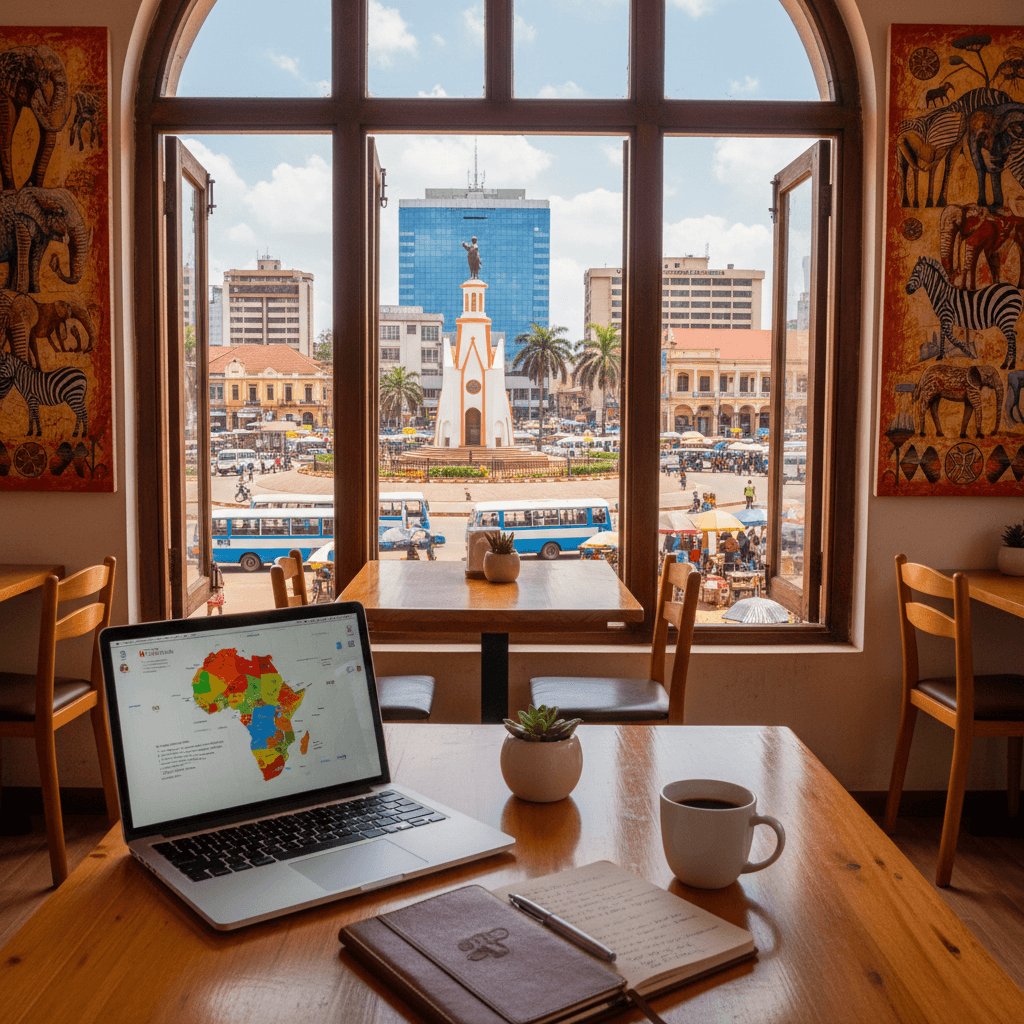
Lusaka
🇿🇲 Zambia
The Slow Living Reset
Lusaka is the city for nomads who’ve hit a wall with the hyper-speed chaos of places like Bangkok or Mexico City. It doesn't demand your attention with iconic skylines or frantic nightlife; instead, it offers a gentle, tree-lined rhythm that encourages you to breathe. Most travelers find the city feels more like a collection of overgrown garden suburbs than a typical African metropolis. It is a place where your morning routine involves fresh papaya from a local market and your weekends are spent on a safari day trip to the Lower Zambezi.
The magic here is in the "reset." You aren't here for high-octane networking. You're here to work from a quiet café with a cup of local chai, walk through the green streets of Rhodes Park, and enjoy a pace of life that actually lets you finish a book. While it’s not a tech hub, the trade-off is a high quality of life for a fraction of European or American costs, especially if you value space, greenery, and friendly neighbors.
Cost of Living Breakdown
Living in Lusaka is affordable, but your budget will fluctuate depending on how much "Western" comfort you require. A solo nomad can live comfortably on $1,800 to $2,500 per month, though budget-conscious travelers can make $1,200 work by sticking to local markets and shared housing.
- Housing: A modern studio in a central area like Rhodes Park typically runs between $600 and $900. If you look toward the outskirts, prices drop to $300 or $500, though you may sacrifice walkability.
- Dining: Street food like nshima staples costs about $2 to $5. A mid-range dinner at Cairo Pizza or Art Café will be $10 to $15, while an upscale night out at The Pub might reach $25 or $40.
- Transport: Using apps like Bolt or InDriver is the standard for nomads, with most cross-town trips costing between $3 and $7.
Where to Plant Your Roots
The neighborhood you choose defines your Lusaka experience. Most nomads stick to the central-east corridor where the infrastructure is more reliable and the streets are safer for walking.
Rhodes Park
- Best For: Solo nomads and first-timers.
- The Vibe: Central, green, and incredibly walkable. It’s the heart of the expat scene with plenty of cafés and affordable apartment blocks.
- Downside: Like most of the city, it suffers from occasional power cuts, so ensure your building has a generator.
Roma
- Best For: Social butterflies and foodies.
- The Vibe: This is where the trendy cafés and social hubs are located. It has a more vibrant, upscale energy than the quieter residential zones.
- Downside: Traffic can get thick during rush hour, making it harder to zip in and out.
Longacres
- Best For: Those who want peace and quiet.
- The Vibe: Upscale and family-friendly. You'll find larger houses here, many of which come with backup power systems already installed.
- Rent: Expect to pay a premium, with 1BR options often starting at $800.
Connectivity and the Workday
Let's be realistic: the internet isn't Lusaka’s strongest suit. Speeds generally hover between 3 and 39 Mbps. It’s perfectly fine for emails, Slack, and the occasional Zoom call, but heavy video editors might struggle. Most nomads rely on MTN or Airtel SIM cards, which you can grab at the airport for about $10 to $20 for a 20GB data pack.
Coworking spaces are emerging in Roma and Rhodes Park, with monthly memberships ranging from $100 to $200. However, the city has a strong café culture. You'll often find people working for hours in local spots, fueled by excellent coffee and a surprisingly social atmosphere. Just remember the golden rule of Lusaka: always ask if a place has a backup generator (locally called a "genset") before you settle in for a long session.
Safety and Practicalities
Safety is generally a non-issue in the main nomad hubs like Rhodes Park or Longacres during the day. Like any city, it’s best to avoid walking alone in unfamiliar outskirts at night. A unique perk is the healthcare; many nomads actually travel here for affordable dental and medical checkups, as the private clinics are high-quality and priced well below Western rates.
The best time to visit is during the dry winter from May to August, when temperatures stay between 20°C and 28°C. Avoid the rainy season from November to April if you don't like humid downpours and muddy commutes. Whenever you arrive, remember to greet everyone warmly. Zambia is famous for its hospitality, and a simple "Muli bwanji?" (How are you?) goes a long way in making local friends.
Financial Reality Check
Lusaka is one of those rare places where your dollar stretches surprisingly far, provided you aren't trying to recreate a London lifestyle in the heart of Zambia. It is a city for the "slow nomad" who values space and fresh air over high-speed chaos. You can comfortably get by on $1,800 a month, which covers a solid apartment in a green neighborhood, plenty of dining out, and a few weekend escapes to the bush.
If you are on a tighter budget, $1,200 is doable if you share housing and stick to local markets. On the flip side, a "no-compromises" lifestyle with a luxury villa in Longacres and daily upscale dinners will push you past the $2,500 mark. Most travelers find the sweet spot somewhere in the middle, enjoying the low cost of high-quality services like medical checkups or beauty treatments that would cost triple back home.
Housing and Neighborhoods
Rent is your biggest variable. While you can find studios for $300 in the outskirts, most nomads gravitate toward the central, tree-lined suburbs where backup power is more common. Power cuts are a reality here, so paying a bit more for a place with an inverter or generator is a smart move.
- Rhodes Park: This is the nomad favorite. It is walkable, leafy, and central. Expect to pay $600 to $900 for a 1BR. It is close to the best cafés and has a relaxed, safe vibe for afternoon runs.
- Roma: If you want a social scene, head here. It is packed with expats and vibrant cafés. Rent is similar to Rhodes Park, though traffic can get a bit heavier during peak hours.
- Longacres: The upscale choice. It is quiet and very green, with many properties featuring high-end amenities and reliable backup power. 1BR units often start at $800.
- Kabulonga: Great for those who want to be near the best grocery stores and markets. It feels a bit more residential and spread out, perfect for a long-term reset.
Food and Dining
Groceries are a highlight, especially if you shop at local markets for fresh produce. If you prefer eating out, Lusaka has a surprisingly diverse food scene. A plate of nshima with relish at a local spot will cost you about $2 to $5, while a mid-range meal at Art Café or Cairo Pizza runs between $10 and $15.
For a fancy night out, places like The Pub or Bon Appetit offer upscale menus where you will spend $20 to $40 per person. Most nomads find that a mix of market cooking and frequent café visits keeps their monthly food bill around $400 to $500.
Connectivity and Workspace
Internet isn't the fastest in Africa, ranging from 3 to 39 Mbps. It is enough for emails and basic calls, but you might struggle with heavy video editing or 4K streaming. Most nomads rely on a mix of home Wi-Fi and local SIM cards from MTN or Airtel. A 20GB data pack costs roughly $15 and is easy to grab at the airport.
Coworking spaces are starting to pop up in Roma and Rhodes Park, with monthly memberships costing between $100 and $200. Many people prefer the "café office" approach; the city has a fantastic chai culture, and many spots offer reliable Wi-Fi for the price of a latte.
Getting Around
The city isn't built for pedestrians outside of specific neighborhoods like Rhodes Park. For daily travel, download Bolt or InDriver. A typical cross-town trip costs between $3 and $7. Public minibuses, known locally as dala dalas, are dirt cheap at $0.50 a ride, but they are often cramped and slow. If you are coming from the airport, a Bolt will cost about $15 to $25 for the 30-minute drive to the center.
The Bottom Line
Lusaka isn't a high-octane tech hub, but it is an affordable, friendly base for anyone looking to trade the grind for a slower pace. The proximity to world-class safaris (day trips start around $100) and the low cost of daily life make it a compelling choice for a one or two-month "life reset."
Nomads and Solo Travelers: Rhodes Park
If you're landing in Lusaka and want to hit the ground running, Rhodes Park is your best bet. It's the most walkable pocket of the city, characterized by leafy streets that actually have sidewalks, making it a rare find for those who prefer exploring on foot. Most nomads gravitate here because you can hop between cafés without needing a car for every single errand.
- Rent: Expect to pay between $500 and $700 for a decent 1BR or a modern studio.
- Atmosphere: Relaxed, green, and surprisingly quiet despite being central.
- The Setup: You'll find plenty of spots with solid Wi-Fi. Art Café is a local favorite for a morning session with a strong coffee.
The main trade-off here is the occasional power cut. While many apartment blocks are catching on and installing backups, always double-check with your host before booking. Most travelers find the proximity to the city center and the ability to walk to a grocery store outweighs the occasional infrastructure hiccup.
Expats and Social Butterflies: Roma
For those who want a bit more energy and a built-in social scene, Roma is the place to be. It's the heart of Lusaka's modern expat life, packed with trendy eateries and the city's better-known coworking hubs. It doesn't feel as "old world" as Rhodes Park, but it makes up for that with better amenities and a livelier evening vibe.
- Rent: Prices sit around $600 to $900 depending on how modern the complex is.
- Atmosphere: Busy and social. It's where you'll find the weekend brunch crowd and digital nomads networking over lunch.
- The Setup: This is the best area for finding dedicated workspace. You're also close to spots like Cairo Pizza for a quick mid-week dinner that won't break the bank.
Traffic can get a little heavy around here during peak hours. If you're planning on moving around the city frequently, you'll rely heavily on apps like Bolt or InDriver, which usually cost about $4 to $6 for a cross-town trip.
Families and Long-Term Expats: Longacres
Longacres is the upscale, diplomat-heavy neighbor to the city center. It's incredibly quiet and feels very secure, making it the top choice for families or anyone who prioritizes a peaceful environment over being near the bar scene. The houses here are larger, often sitting on big plots of land with plenty of greenery.
- Rent: This is the premium end of the market, with 1BR options starting at $800 and family homes going much higher.
- Atmosphere: Residential, prestigious, and very calm.
- The Setup: Backup power is almost a standard feature in rentals here. You won't find as many "work-friendly" cafés within walking distance, so most residents here set up a dedicated home office.
The neighborhood is perfectly positioned for those who need to visit government offices or international organizations. It's also home to some of the city's better private clinics, which is a major draw for those staying for six months or more.
Budget Seekers and Market Lovers: Kabulonga
Kabulonga offers a middle ground for solo travelers who want a more local feel without sacrificing safety. It's slightly further out, which means you get more space for your money, and it's famous for its local markets. It's a great spot if you prefer cooking with fresh, local produce rather than eating out every night.
- Rent: You can often find comfortable spots for $400 to $600.
- Atmosphere: A mix of residential quiet and local market energy.
- The Setup: It's less walkable than Rhodes Park, so you'll need to get comfortable with the local minibus system or budget for daily ride-hailing.
Nomads here enjoy the "slow life" that Lusaka is known for. It's the kind of place where you get to know your neighbors and the vendors at the local stalls. Just keep in mind that internet speeds can be a bit more variable here, so a MTN or Airtel SIM card with a 20GB data pack is a mandatory backup for your home Wi-Fi.
The Reality of Staying Connected
Working from Lusaka requires a shift in mindset. You aren't here for lightning-fast fiber optics; you're here for a slower pace of life where the work gets done between safari trips and long café lunches. Average speeds hover between 10 Mbps to 50 Mbps or higher depending on provider and connection type. While that's plenty for emails, Slack, and standard admin, you might find high-definition video calls a bit choppy during peak hours. Most nomads find that the key to success here is redundancy. Never rely on just one connection.
Load shedding is a part of life in Zambia. Power cuts can happen frequently, so seasoned expats always prioritize housing in neighborhoods like Longacres or Rhodes Park where backup generators or solar arrays are standard. If the lights go out at your Airbnb, you'll want a power bank for your laptop and a reliable mobile hotspot to keep the gears turning.
Coworking Spaces and Community Hubs
The coworking scene in Lusaka is small but focused, with most spots doubling as community hubs for entrepreneurs and expats. You can expect to pay between $100 and $200 per month for a dedicated desk. These spaces are your best bet for stable electricity and the fastest available Wi-Fi.
- BongoHive: Located in the Roma area, this is the heartbeat of the local tech and startup scene. It's more of an innovation hub than a traditional quiet office, making it great for networking.
- Impact Hub Lusaka: A reliable global brand that offers a professional environment. It's a favorite for those who need a quiet corner and a community of like-minded professionals.
The Café Office Culture
If you prefer the hum of a coffee shop over a formal office, Lusaka has a surprisingly robust café culture. Many nomads spend their mornings at spots in Roma or Rhodes Park, where the Wi-Fi is generally free for customers and the chai is excellent. Art Café and the various "chai spots" around town are popular for low-key deep work sessions. Just remember to be courteous; buy a meal or a few coffees if you're planning to occupy a table for four hours. Most travelers say the staff are incredibly welcoming to remote workers as long as the café isn't overflowing with lunch crowds.
Mobile Data and SIM Cards
Your phone will often be your most reliable tool. Grab a SIM card immediately upon landing at Kenneth Kaunda International Airport. The two heavy hitters are MTN and Airtel. Both offer decent coverage across the city, though one might perform better than the other depending on your specific street.
- Data Costs: Expect to pay around $10 to $20 for a 10GB to 20GB data bundle.
- Setup: You'll need your passport for registration. It's a quick process that takes about ten minutes at an official kiosk.
- Speed Tests: Use the Ookla Speedtest app to check which provider is strongest in your apartment before committing to a massive data package.
- Fintech: Set up MTN Mobile Money. It's widely used across Zambia for everything from grocery runs to utility bills, and it's often easier than fishing for cash.
Overall, Lusaka works for the nomad who has a flexible schedule. If your job requires you to be on 24/7 high-stakes video calls, the infrastructure might stress you out. But if you can work asynchronously and appreciate a city that forces you to unplug and enjoy a sunset now and then, you'll find the rhythm here quite addictive.
Personal Safety and Street Smarts
Lusaka is generally known for its laid back, friendly atmosphere. Most nomads feel comfortable walking around neighborhoods like Rhodes Park or Longacres during the day. These areas are green, residential, and have a steady presence of local expats and professionals. It is not the kind of city where you feel constantly on edge, but you should still use common sense when the sun goes down.
Avoid walking alone at night, especially in the outskirts or less lit residential blocks. If you are heading out for dinner or drinks in Roma, just use a ride hailing app like Bolt or InDriver. These services are reliable and usually cost between $3 and $7 for a cross city trip. Travelers often say that the biggest safety concern is actually the uneven sidewalks or dark streets rather than violent crime. Keep your phone tucked away while walking and stick to well populated areas like the shopping malls or main café strips.
If you run into any trouble, the emergency number for police and ambulance is 999. It is a good idea to keep the contact details of your specific neighborhood watch or your guesthouse's security firm handy, as they often respond faster than the general authorities.
Healthcare and Medical Services
One of the biggest surprises for nomads in Lusaka is the quality and affordability of private healthcare. The city has become a mini hub for medical and beauty tourism because services are significantly cheaper than in Europe or North America. You will find modern clinics and well stocked pharmacies in the central districts that handle everything from routine checkups to more specialized treatments.
- Private Clinics: Facilities in Rhodes Park and Kabulonga are the go to for expats. They offer short wait times and doctors who usually speak perfect English.
- Public Hospitals: The University Teaching Hospital is the largest in the country. While it has skilled specialists, it can be crowded, so most nomads stick to private care for non emergencies.
- Pharmacies: You will find reputable chains like Health Lane or those inside the Levy Junction or Manda Hill malls. Many medications that require a strict prescription elsewhere can be easier to access here, though you should always consult a professional first.
Expats often recommend getting a local health insurance plan or ensuring your travel insurance covers private hospital stays. If you are looking for dental work or skin treatments, you will find high end clinics that charge a fraction of Western prices. It is one of the perks of "existing slowly" here; you can actually afford to take care of your health without breaking the bank.
Staying Healthy in the Heat
The climate is generally pleasant, but the sun is intense. During the dry season from May to August, the air is crisp and cool, but the dust can be a bit much for people with respiratory issues. During the rainy season between November and April, humidity spikes and mosquitoes become more active. Malaria is a factor in Zambia, so while the risk is lower in the paved areas of Lusaka than in the bush, most nomads use repellent and stay in rooms with mosquito nets or air conditioning.
Tap water is generally not recommended for drinking. Most people buy large 18.9 liter water jugs for their apartments or use a high quality filter. You will find that fresh produce from the local markets is excellent and safe to eat if washed properly, which is a major draw for those who prefer cooking at home to save on the $1,800 average monthly budget.
Getting around Lusaka requires a bit of strategy, but it is surprisingly manageable once you understand the local rhythm. The city isn't built on a grid, and the infrastructure can feel a little inconsistent, but the rise of ride-hailing apps has made life much easier for nomads who want to avoid the chaos of local minibuses.
Ride-Hailing and Apps
For most daily travel, Bolt and InDriver are the gold standards. They've largely replaced the need to haggle with street taxis, which often overcharge foreigners. A typical cross-town trip usually costs between $3 and $7. If you use InDriver, remember that you'll need to bid a price; start with what Bolt suggests and go from there. Most drivers are professional, but it's smart to keep an eye on your GPS to ensure you're taking the most direct route through the city's winding streets.
Public Transport: Minibuses
If you're on a tight budget or just want the local experience, the blue minibuses (known locally as dala dalas) are everywhere. They cost about $0.50 per trip. While they're incredibly cheap, they don't follow a set schedule; they simply leave when they're full. They can be cramped and loud, so most nomads save these for short hops during daylight hours rather than long commutes with a laptop bag.
Walking and Micromobility
Lusaka is a sprawling city, so you won't be walking from one side to the other. However, specific neighborhoods are very pedestrian-friendly. Rhodes Park and Longacres feature tree-lined streets that are perfect for a morning run or a walk to a nearby café. Outside of these pockets, sidewalks often disappear or become uneven dirt paths. If you choose to cycle, you'll want to stick to the quieter residential backstreets to avoid the heavy traffic on Great East Road.
Airport Transfers
Kenneth Kaunda International Airport is about 15 to 20 kilometers from the central nomad hubs. A Bolt from the airport usually runs between $15 and $25 and takes about 30 minutes depending on the time of day. Many expats recommend arranging your first ride through your accommodation, but the app-based options are reliable enough if you have a local SIM card ready to go upon arrival.
Practical Transport Tips
- Traffic Peaks: Avoid being on the road between 07:30 and 09:00 or 16:30 and 18:30. The main arteries like Cairo Road and Great East Road become total standstills during these windows.
- Mobile Money: Set up MTN Mobile Money or Airtel Money. Many ride-hailing drivers prefer these digital payments over carrying large amounts of cash.
- Safety: Stick to ride-hailing apps after dark. While the expat areas are generally safe, walking between neighborhoods at night isn't recommended.
- Navigation: Google Maps is fairly accurate for major landmarks, but local drivers often rely on landmarks rather than street names. Knowing you're "near the Manda Hill Mall" is often more helpful than a specific house number.
Cost Summary
- Bolt/InDriver ride: $3 to $7
- Minibus fare: $0.50
- Airport transfer: $15 to $25
Communication in the Garden City
English is the official language of Zambia and the primary medium for business, government, and education. For digital nomads, this makes Lusaka one of the most accessible hubs in Southern Africa. You won't struggle to order a coffee in Roma or negotiate a rate with a Bolt driver; almost everyone you encounter in the central districts speaks fluent, clear English.
While English gets you through the workday, the social fabric of the city is woven with local languages. There are over 70 dialects across the country, but in Lusaka, Nyanja is the lingua franca of the streets. You will also hear plenty of Bemba, which is widely spoken by those arriving from the Copperbelt region. Learning a few words isn't strictly necessary for survival, but it changes the dynamic of your interactions from "tourist" to "neighbor."
Essential Nyanja for Your Kit
Zambian culture places a high value on formal greetings. Walking into a shop or hopping into a car without a quick "hello" is often seen as abrupt. Most nomads find that a little effort goes a long way in building rapport at the local markets or with building security.
- Muli bwanji?: How are you? (The standard opener for every conversation).
- Bwino: I am well/Good.
- Zikomo: Thank you (Use this constantly; it is the most versatile word in your vocabulary).
- Mwauka bwanji?: Good morning.
- Chabwino: Okay or Alright.
- Sindingathe kulankhula Chinyanja: I don't speak Nyanja.
Staying Connected
Getting a local SIM card is the first thing you should do after landing at Kenneth Kaunda International Airport. You can find kiosks for the major providers right in the arrivals hall. Airtel and MTN are the two heavy hitters. Most expats lean toward Airtel for slightly better data coverage, though MTN is a close second and often has competitive "social media bundles."
Expect to pay around $5 to $10 for 10-20GB data bundles. The registration process is straightforward; you just need your passport. Once you are set up, download the MTN Mobile Money or Airtel Money apps. These "MoMo" services are a way of life here. You can use them to pay for groceries, electricity tokens, and even street food. It is often more convenient than carrying stacks of Kwacha or relying on international credit cards that might trigger fraud alerts.
Navigating the Digital Divide
Communication isn't just about talking; it's about staying online. Internet speeds in Lusaka typically hover between 3 Mbps and 39 Mbps. While that is plenty for emails and Slack, it can be hit or miss for high definition video calls. If you are staying in Rhodes Park or Longacres, check if your Airbnb or apartment has fiber or a dedicated router.
The real hurdle to communication in Lusaka is the power grid. Frequent load shedding can knock out Wi-Fi routers and cell towers unexpectedly. Experienced nomads suggest keeping a secondary SIM from a different provider than your primary one. If Airtel's tower loses power, MTN's might still be up. Always have a power bank charged so your phone remains your lifeline for navigation and translation when the lights go out.
Translation and Tech Tools
Google Translate works reasonably well for Nyanja, but it isn't perfect with local slang. For day to day logistics, rely on these apps to bridge the gap:
- WhatsApp: This is the absolute standard for all communication. Most businesses, landlords, and even doctors prefer a WhatsApp message over a phone call or email.
- Bolt or InDriver: Use these for transport. They eliminate the need to haggle over prices in a language you might not fully master yet.
- Facebook Groups: Join "Digital Nomads Zambia" or "Lusaka Expats." These are the best places to ask for "real world" advice on which neighborhoods currently have the most stable connectivity.
Zambians are generally patient and incredibly helpful. If you get stuck, a polite "Zikomo" and a smile will usually solve the problem faster than any translation app ever could.
When to Pack Your Bags
Lusaka sits on a high plateau, which keeps the heat from becoming truly oppressive compared to the Zambezi Valley. The weather follows a distinct pattern that will dictate your productivity and your weekend safari plans. Most nomads agree that the sweet spot falls between May and August. During these months, the air is crisp, the skies are a constant deep blue, and daytime temperatures hover comfortably between 20°C and 25°C.
If you visit during this window, you'll need a light jacket for the evenings. It's the dry winter season, meaning you won't have to worry about sudden downpours ruining your walk to a café in Rhodes Park. It's also the prime time for wildlife viewing if you're planning day trips to nearby parks, as animals congregate around the remaining water holes.
The Season to Avoid
The period from November to April brings the rains. While the landscape turns a stunning emerald green, the humidity climbs and heavy afternoon downpours become the norm. Temperatures during this time stay between 25°C and 32°C, but it often feels closer to 29°C or higher because of the moisture. For a digital nomad, the rainy season presents a specific challenge: infrastructure. Heavy storms can sometimes interfere with already spotty internet connections or trigger power cuts, making it the most difficult time to stay productive if your accommodation doesn't have a solid backup generator.
The "Suicide Month"
Locals often refer to October as "suicide month," not for any grim reason other than the blistering heat. Temperatures frequently peak at 32°C or higher just before the rains arrive. If you don't handle heat well, this is the month to skip. However, if you're here, you'll find the purple Jacaranda trees in full bloom across neighborhoods like Roma and Longacres, which makes the city incredibly photogenic despite the sweat.
Planning by the Calendar
- May to August: The peak season. Best for walking, outdoor working, and safari trips. Expect clear skies and cool nights.
- September to October: The hottest months. Dry and dusty, but great for seeing the Jacarandas. Make sure your Airbnb has air conditioning.
- November to April: The rainy season. Lush and green but humid. Expect frequent thunderstorms and potential travel delays on unpaved roads.
What to Bring
Since Lusaka’s vibe is relaxed but professional, you’ll want a mix of practical gear. Even in the heat, many locals dress smartly for business. If you’re coming during the dry winter, pack layers. A 20°C day can feel much chillier once the sun goes down. Regardless of when you arrive, a sturdy pair of walking shoes is a must for navigating the tree lined streets of Rhodes Park or the stalls at local markets. Most importantly, bring a high quality power bank and a universal adapter to keep your devices charged during those occasional infrastructure hiccups.
Lusaka isn't your typical high speed digital nomad hub, and that is exactly why people are starting to flock here. It is a city designed for a slower pace of life, where your morning commute involves walking down tree lined streets rather than fighting through subway crowds. Most nomads find the city serves as a perfect "reset" button, offering a mix of modern comforts and immediate access to the African wilderness.
Cost of Living and Budgeting
Living here is remarkably affordable if you avoid the high end hotel circuit. A solo nomad can live comfortably on $1,800 to $2,500 per month, though budget travelers often make it work on $1,200 by sticking to local markets and shared housing. Rent for a decent one bedroom in a prime area like Rhodes Park usually sits between $600 and $900. If you head to the outskirts, those prices can drop to $300, but you will likely sacrifice reliable power and walkability.
Eating out is a highlight for the wallet. You can grab a plate of nshima and relish for $2 to $5 at a local spot, or enjoy a mid range meal at Cairo Pizza or Art Café for about $10 to $15. Even at upscale spots like The Pub, you are rarely looking at more than $25 for a full dinner. Travelers often say the real savings come from the fresh produce markets, which keep grocery bills surprisingly low.
Connectivity and Workspace
Internet is the one area where you need a solid strategy. Speeds fluctuate between 3 Mbps and 39 Mbps, which is fine for emails and Slack but can be frustrating for heavy video editing or constant Zoom calls. Most expats recommend having a backup plan. Grab a MTN or Airtel SIM card at the airport for about $15; it will give you 10 to 20GB of data and serves as a reliable hotspot when the Wi-Fi dips.
Coworking spaces in neighborhoods like Roma and Rhodes Park cost between $100 and $200 per month. These hubs are vital because they usually have the heavy duty backup generators needed during power cuts. If you prefer a café vibe, the local chai culture is strong. Look for spots in Roma where the Wi-Fi is steady and the atmosphere is nomad friendly.
Top Neighborhoods for Nomads
- Rhodes Park: This is the gold standard for solo travelers. It is central, incredibly green, and very walkable. You can easily find affordable studios here close to the main café strips.
- Roma: Known for its vibrant social scene and expat community. It has the best density of amenities and modern gyms, though the traffic can get a bit heavy during peak hours.
- Longacres: A quiet, family friendly neighborhood with high quality housing. It is more expensive, with one bedroom apartments starting around $800, but backup power is almost always included in the rent.
- Kabulonga: Perfect if you want a relaxed pace near local markets. It is less walkable than Rhodes Park but offers a more authentic residential feel.
Getting Around and Safety
For daily transport, skip the crowded minibuses and download Bolt or InDriver. Rides across town usually cost between $3 and $7 and are generally very reliable. If you are staying in Rhodes Park, you can do most of your daily errands on foot during the day. For longer hauls, a trip from Kenneth Kaunda International Airport to the city center via Bolt will run you about $15 to $25.
Safety is generally a non issue in the main expat areas, though it is smart to avoid walking alone in the outskirts after dark. One unexpected perk is the healthcare. Many nomads use their time in Lusaka to catch up on medical or beauty appointments because the private clinics are high quality and significantly cheaper than in Europe or North America.
When to Go and Local Customs
The best time to visit is during the dry winter from May to August. Temperatures hover between 20°C and 28°C, making it perfect for both city life and weekend safaris to the Lower Zambezi. Avoid the rainy season between November and April unless you enjoy humid downpours and muddy streets.
When interacting with locals, a warm greeting goes a long way. Use the Nyanja phrase "Muli bwanji?" to ask how someone is, and always remember to say "Zikomo" for thank you. Tipping is appreciated but modest; 10% is the standard at restaurants. Most importantly, embrace the slow pace. Things might take a little longer here, but that is part of the charm.
Need visa and immigration info for Zambia?
🇿🇲 View Zambia Country GuideHidden Gem
Worth the effort