Ljubljana
🇸🇮 Slovenia
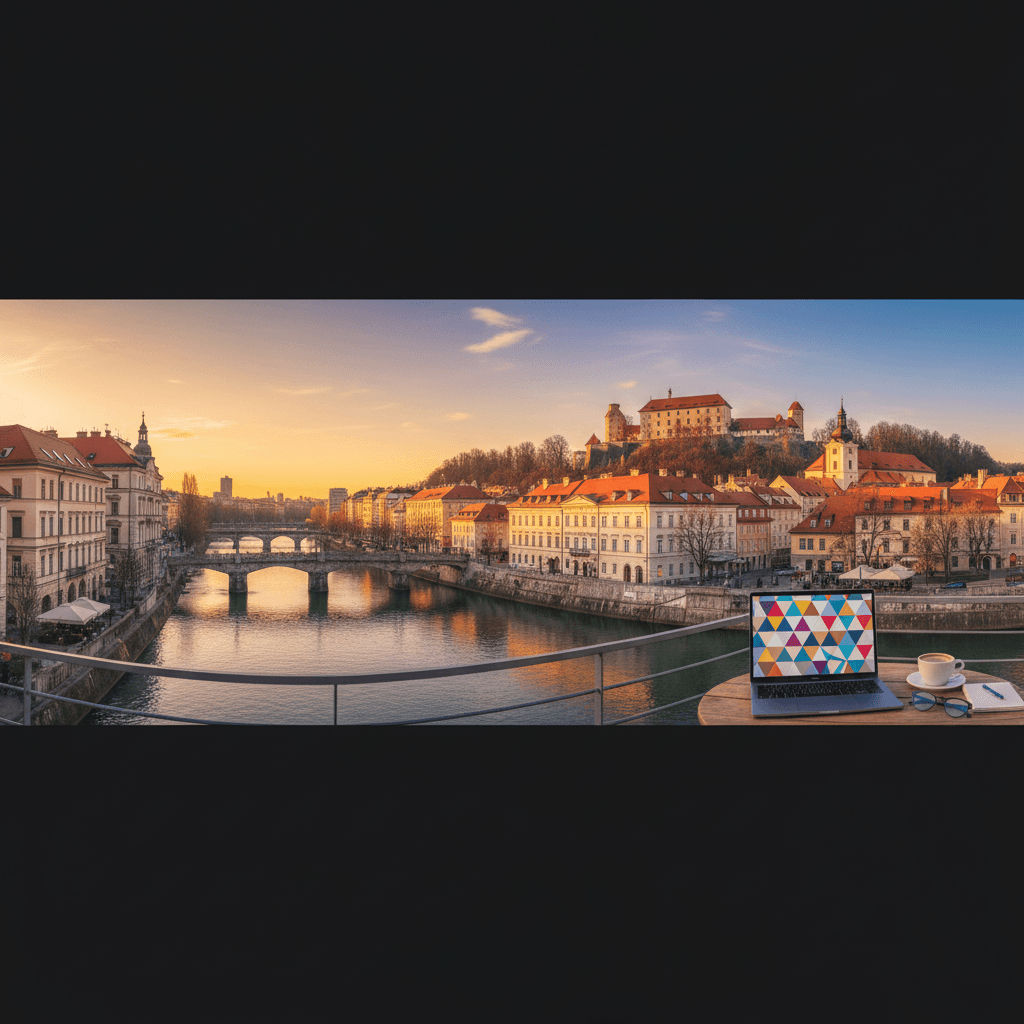
Ljubljana is, honestly, one of those cities that sneaks up on you. You arrive expecting a minor European capital and find yourself three weeks later, still here, watching the Ljubljanica River catch the afternoon light from a cafe terrace while someone's bicycle bell echoes off the cobblestones. It's compact enough to walk end-to-end in 20 minutes, which sounds limiting until you realize that's exactly the point.
The pace is slow on purpose. There's no grinding commuter energy, no honking taxi chaos, no sense that the city is constantly outrunning itself. Tivoli Park sits just west of center, massive and green and locals actually use it, running, reading, doing nothing in particular. Ljubljana takes its "greenest capital in Europe" status seriously and you feel it.
What makes it genuinely different from other mid-sized European nomad spots is the geography. Bled Lake is 55 minutes away, the Adriatic coast is under two hours and the Julian Alps are visible on clear days from the castle hill. Most nomads treat Ljubljana as a base, not just a destination, which shapes the whole social energy of the place.
The dragon motifs are everywhere, on bridges, on souvenirs, on the occasional tattoo, it's weirdly charming rather than kitschy. The Old Town smells like fresh bread in the mornings and spilled beer by midnight and the student population keeps things lively without tipping into rowdy.
That said, it's not for everyone. The expat scene is small, the winters bring a damp, low fog that sits in the valley for days and genuinely grinds on people and outside the center, English gets spotty fast. If you need a buzzing international community or year-round sunshine, Ljubljana will frustrate you.
But if you want safety, walkability, solid internet, nature within arm's reach and a city that doesn't feel like it's performing for tourists, this place delivers. Monthly costs land around €1,700-2,000 for a comfortable solo setup, which is real money, though it stretches further than comparable Western European cities. Most nomads who give it a month end up staying two, not because they planned to, but because leaving keeps feeling unnecessary.
Ljubljana isn't cheap for the Balkans, but it's, honestly, a bargain compared to Vienna or Amsterdam. Most nomads land around €1,500 to €2,500 a month all-in, depending on how much they eat out and whether they spring for a private apartment.
Rent is the big variable. A studio or one-bedroom in the center runs €900 to €1,300 a month, which stings a little, but Trnovo and Rožna Dolina bring that down to €550 to €1,000 and you're still a 15-minute bike ride from everything. Expats recommend going the Facebook groups route over Airbnb for stays longer than a month, the savings are real and the apartments are usually better.
Food costs are manageable if you don't eat every meal at a sit-down restaurant. A sausage lunch at Klobasarna runs €9 to €15, mid-range spots like Asian Bistro or Pronto come in around €15 to €30 per person and somewhere like Altroké will set you back €50-plus for two. Groceries at Mercator or Hofer are cheap, turns out, compared to most Western European capitals.
Getting around adds almost nothing to your budget. The monthly LPP bus pass is €37, BicikeLJ bike share is €1 a week for unlimited 60-minute rides and a Bolt to the airport costs €15 to €20. You won't need a car, the center is small enough to walk in 20 minutes flat.
Coworking isn't free, though. Impact Hub Ljubljana starts at €180 a month, ABC Hub and Aurora run €90 to €230 for one to three months and drop-in days at Regus or Spaces go for €6 to €35. Cafe WiFi at Tozd or Lolita Bakery is solid and genuinely laptop-friendly, most nomads mix both to keep costs down.
Here's a rough monthly breakdown by lifestyle:
- Budget (€1,500): Shared room around €400, street food and groceries, bus pass, cafe WiFi
- Mid-range (€2,000 to €2,500): One-bedroom outside center, mix of cooking and eating out, coworking membership, occasional Bolt
- Comfortable (€3,000+): Center apartment, regular restaurants, gym, coworking, weekend day trips to Bled or Postojna
Utilities and internet typically add €200 to €300 on top of rent, budget for that separately, it catches people off guard.
Ljubljana is, honestly, tiny enough that neighborhood choice matters more than you'd expect. The whole center is walkable in 20 minutes, but where you sleep shapes your daily rhythm completely, so pick based on who you are and how you work.
Digital Nomads
Old Town/Center is the obvious pick, coworking spaces like Impact Hub within walking distance, cafes everywhere and the Ljubljanica River outside your window smelling faintly of algae and espresso on warm mornings. Rent runs €900+ for a 1BR, which stings and the cobblestones fill with tour groups by 10am making outdoor work feel less romantic than advertised.
Most nomads, turns out, migrate to Trnovo after a few weeks. It's quieter, authentically Slovenian and apartments go for €550 to €1,000, you can bike to the center in 10 minutes and the bar scene is genuinely local rather than staged for tourists.
Expats
Trnovo and Rozna Dolina are where expats tend to settle long-term. The streets are leafy and residential, grocery runs are easy and you're close enough to the center without paying center prices. English gets spottier here, which is frankly fine once you've learned "hvala" and "koliko stane."
Expect to spend €700 to €1,000 monthly on a decent 1BR, utilities and internet add another €200 to €300 on top, the math still beats most Western European cities by a wide margin.
Families
Skip the center entirely. Koseze sits near Tivoli Park, it's quiet, green and noticeably cheaper, with rent often under €800 for a proper apartment. The tradeoff is a 20 to 30 minute bus ride downtown, which, weirdly, most families say they don't mind after the first month.
- Rent (2BR): €800 to €1,100
- Parks: Tivoli Park directly accessible
- Transit: LPP bus, €37 monthly pass
Solo Travelers
The Train Station area isn't pretty. Industrial, a bit grey, the kind of place that smells like diesel at 7am. But it's cheap and connected, hostels cluster here and you're one bus from everywhere.
For anything longer than two weeks, push toward Old Town or Trnovo instead. The station neighborhood is a stopover, not a base.
Ljubljana's internet is, honestly, better than you'd expect for a city this size. Average speeds sit around 100-150 Mbps citywide and most cafes deliver something close to that in practice, not just on the router sticker.
For cafe working, three spots come up constantly among nomads: Tozd, Cafetino and Lolita Bakery. All three are free, laptop-friendly and don't make you feel like a squatter if you nurse one coffee for two hours. The WiFi holds up, the noise level is manageable, you won't be fighting for a plug either.
The coworking scene is small but solid. Impact Hub Ljubljana is the main player, with a proper community feel and monthly memberships starting around €180. If that's too steep, ABC Hub and Aurora offer more flexible options, turns out you can get a one-month desk for around €90 to €150 depending on access level. For drop-in days, Regus and Spaces charge roughly €25 to €35, which is reasonable for occasional use but adds up fast if you're there three days a week.
SIM cards are straightforward. A1, Telekom and Telemach all sell prepaid cards for €10 to €15 with 10GB or more included, pick one up at any of their city-center stores with your passport. 5G coverage is strong in the center, weirdly patchy in a few residential pockets, but you're unlikely to notice unless you're staying well outside the core.
A few practical notes on working here:
- Impact Hub Ljubljana: Best for monthly stays, community events, reliable infrastructure, from €180/month
- ABC Hub / Aurora: More affordable, quieter, good for heads-down work, from €90/month
- Regus / Spaces: Drop-in friendly, no commitment, €25 to €35/day
- Cafe WiFi (Tozd, Cafetino, Lolita Bakery): Free, no time pressure, works fine for calls
- Prepaid SIM: €10 to €15, 10GB+, passport required, A1 and Telekom are the most reliable
One thing to know: Ljubljana doesn't have a sprawling coworking ecosystem, it's compact and that's fine. Most nomads find the cafe scene covers 80% of their needs, the coworking spaces handle the rest.
Ljubljana is, honestly, one of the safest capitals in Europe. Solo female travelers walk home through the Old Town at midnight without a second thought, expats leave laptops on cafe tables while grabbing a coffee refill and you'd be hard pressed to find a city this relaxed about petty crime. The one caveat: the edges of Metelkova late at night attract a rougher crowd, so stick to the lit paths and you're fine.
Emergency numbers are simple. Dial 112 for ambulance, police or fire, it works everywhere in Slovenia and operators speak English. That's the number to save before anything else.
For medical care, the University Medical Centre Ljubljana on Zaloška 2 handles emergencies around the clock and the staff there are used to treating non-Slovenian speakers, which, surprisingly, makes the whole experience far less stressful than you'd expect from a public hospital. English-speaking doctors aren't guaranteed at every department, but in the ER and urgent care settings you'll almost always find someone who can communicate clearly.
Pharmacies are everywhere. Look for the green cross sign, they're on nearly every main street in the center and a handful run 24-hour service for nights when you need antihistamines or paracetamol at 2am after a Metelkova evening went sideways. Most over-the-counter medications are cheaper here than in Western Europe, that's a small but real perk for long-term stays.
EU citizens can use their EHIC card for public healthcare at no cost, non-EU travelers should carry travel insurance because out-of-pocket costs at private clinics add up fast. A standard GP consultation at a private clinic runs roughly €50 to €80, specialist visits climb higher. Don't skip the insurance.
- Emergency number: 112 (police, ambulance, fire)
- Main hospital: University Medical Centre Ljubljana, Zaloška 2
- Pharmacies: Green cross signs citywide, 24h options available in center
- EU travelers: EHIC card covers public healthcare
- Non-EU travelers: Private clinic visits €50 to €80+, travel insurance strongly recommended
- Avoid: Isolated Metelkova edges after midnight
Bottom line: Ljubljana won't stress you out on the safety front, it's genuinely low-drama and the healthcare infrastructure is solid enough that most nomads never think twice about it.
Ljubljana's center is, honestly, tiny enough to walk end-to-end in twenty minutes, so you won't need much beyond your own two feet for daily life. The cobblestones around the Old Town smell faintly of the Ljubljanica River on warm mornings, damp stone and coffee drifting out of cafe doors, it's a good way to start a day.
For anything beyond the center, the LPP bus network is reliable and cheap. A single trip costs €1.30 on the Urbana card, a monthly pass runs €37 and the app shows real-time arrivals without drama. Most nomads find the buses more than enough for getting to coworking spaces in Trnovo or the train station area.
Bolt is the go-to ride-hailing app. It is well-established and most locals use it without thinking twice. Airport runs to Brnik (20km out) cost €15-20 with Bolt, which beats the shuttle on convenience if you're sharing the fare.
Cycling is, turns out, genuinely practical here. BicikeLJ, the city's bike-share scheme, costs €1 per week and gives you unlimited 60-minute rides across dozens of docking stations. The flat riverside paths between Trnovo and the center make it a no-brainer in good weather, though the bike lanes thin out fast once you leave the core.
Getting to the airport by public bus takes around 30 minutes and costs a fraction of a taxi, the tradeoff is timing your departure carefully because services aren't always frequent late at night.
A few things to keep in mind:
- Urbana card: Load it at kiosks or the LPP app before boarding, cash isn't accepted on buses
- Bolt app: Download before you land, surge pricing is rare but exists during late-night weekends
- BicikeLJ: Register online with a credit card, the first 60 minutes of each ride are free with the weekly pass
- Walking: Old Town to Trnovo is 15 minutes on foot, Tivoli Park is 10 minutes from the center
One genuine frustration: Ljubljana doesn't have a metro or tram network, so if you're staying in Koseze or further out, you're committing to buses or Bolt every single day. It's not a dealbreaker, just factor it in before signing a lease.
Slovenian is the official language and locals are genuinely proud of it, don't expect everyone to switch to English the moment you arrive. That said, in the center, you'll be fine. Most people under 40 speak English well enough to have a real conversation, barring the occasional accent that takes a minute to tune into.
Outside the tourist core, things shift. Head into Trnovo or Koseze and you'll find older residents who, honestly, don't speak much English at all. It's not unwelcoming, it's just Slovenia. Pointing, smiling and a few basic phrases go a long way, the effort is always noticed and appreciated.
A handful of phrases worth memorizing:
- "Živjo" (ZHEE-vyo): casual hi, use it constantly
- "Hvala" (HVAH-lah): thank you
- "Prosim" (PROH-seem): please or "you're welcome"
- "Koliko stane?" (KOH-lee-koh STAH-neh): how much does it cost?
- "Govorite angleško?" (goh-VOH-ree-teh ahn-GLESH-koh): do you speak English?
Slovenian pronunciation is, turns out, more consistent than most European languages once you get the basics down. It's phonetic, mostly. The tricky part is the consonant clusters, words like "trg" (town square) with no vowel in sight will make your mouth feel wrong for a week.
Google Translate handles Slovenian decently for menus and signage, the camera mode is genuinely useful when you're staring at a handwritten chalkboard outside a bakery in Šiška. For anyone staying longer than a month, the app Slovenian Listening Speaking builds vocabulary fast, it's dry but it works.
Written communication is worth a mention. Most official signage, transit info and government forms are Slovenian-only. The LPP bus app has an English option, but city council notices or landlord contracts? Expect Slovenian, expect to paste things into a translator, expect occasional confusion about what you just agreed to.
Nomads who've spent time here say the language barrier is real but manageable in the center, it's the outer neighborhoods and bureaucratic paperwork where it actually bites. Learn the basics, keep Google Translate handy and don't be too proud to mime ordering a coffee.
Ljubljana's climate is, honestly, one of the more manageable in Central Europe, but it's not without its frustrations. The city sits in a basin, which means winter fog doesn't just roll in, it settles and stays for days at a stretch, turning January into a grey, damp slog where the sun feels like a rumor. Pack layers regardless of the season.
May through September is the sweet spot. Temperatures sit between 15 and 28°C, the Ljubljanica smells of river water and cut grass and the outdoor café terraces along the embankment fill up fast. September is, weirdly, the best month of all: crowds thin out, the light turns golden and you can still eat dinner outside without a jacket.
July and August get hot. Not brutally so, but 28°C in a city center with limited shade and cobblestones radiating heat back at you gets old quickly, the kind of sticky warmth that makes a two-hour afternoon break feel less like a choice and more like a necessity. June and October bring the most rain, around 113 to 152mm monthly, so a compact umbrella earns its bag space.
Winter is the divisive season. Most nomads who visit November through February either lean into the Christmas markets and mulled wine or spend three weeks cursing the fog and booking flights south. Temperatures hover around 0 to 4°C, snow is possible but not guaranteed and the city loses some of its charm when the terraces close and the riverside goes quiet.
- Best months: May, June, September
- Hottest: July at around 28°C average high
- Coldest: January at 0 to 4°C, fog likely
- Wettest: June and October, 113 to 152mm rainfall
- Skip if possible: November through February, unless you genuinely like grey skies
Travelers doing a short trip should target May or September without much debate. Expats and nomads staying longer need to make peace with winter fog, it's not going anywhere. The city's indoor café culture and coworking scene do soften the blow, turns out Ljubljana is well set up for hunkering down.
Ljubljana runs on cash and cards equally well. ATMs are everywhere, cards work fine in the center and Revolut or Wise will save you from conversion fees at the bank. Pick up a SIM at any A1 or Telekom store for €10-15 with 10GB included, you'll need your passport and 5G coverage is strong enough that you won't be scrambling for WiFi constantly.
For short stays, Airbnb covers you. For anything longer than a month, skip it and go straight to HousingAnywhere, Nestpick or the local Facebook expat groups, where landlords post directly and prices are, honestly, closer to reality. Always view the apartment in person before committing, photos in Ljubljana can be generous with the truth.
Buses run reliably on the LPP app at €1.30 a trip, the monthly pass is €37, it's worth getting on day one. Bolt is the main ride-hailing option and runs cheap, airport runs come in around €15-20. The center is small enough to walk almost everywhere, most nomads don't bother with transport at all for the first week and then realize they didn't need to.
A few cultural things that'll save you an awkward moment. Tip around 10% at restaurants, it's expected, not optional. Remove your shoes when entering someone's home, nobody will tell you twice. Slovenians are punctual and a little reserved at first, greet with a handshake and don't read the quietness as unfriendliness, it's just the style.
Day trips are genuinely one of Ljubljana's best arguments as a base. Lake Bled is 55km away, Postojna Cave is under an hour by bus and the Adriatic coast is reachable in two hours. Trains and buses handle most of it cheaply, turns out you don't need a car here at all.
- SIM cards: A1 or Telekom, €10-15, 10GB+, passport required
- Banking: Revolut and Wise work well; cards accepted widely in center
- Housing search: HousingAnywhere, Nestpick, Facebook groups for long stays
- Transport app: LPP for buses, Bolt for rides
- Emergency number: 112 for ambulance, police and fire
- Day trips: Bled, Postojna Cave, Piran coast, all under two hours
Need visa and immigration info for Slovenia?
🇸🇮 View Slovenia Country GuideEasy Landing
Settle in, no stress