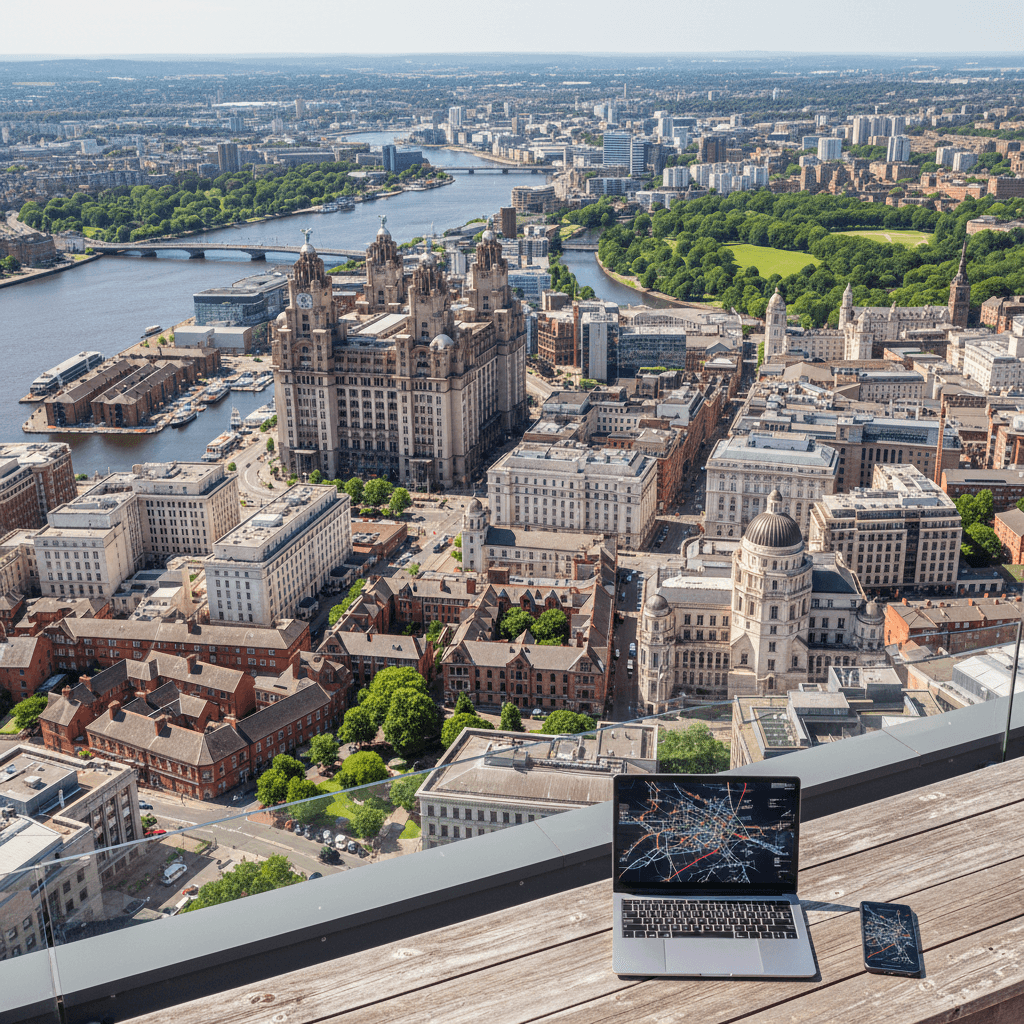
Liverpool
🇬🇧 United Kingdom
The Scouse Spirit
Liverpool doesn't just welcome you; it grabs you by the arm and drags you into the nearest pub for a pint and a story. There is a gritty, poetic soul here that you won't find in the polished corners of London or the tech hubs of the south. It is a city built on the docks and defined by a fierce, independent identity. For digital nomads, that translates to a community that is genuinely curious about who you are, rather than just what you do for a living.
The vibe is a mix of grand Victorian architecture and repurposed industrial grit. You might spend your morning working from a high-tech desk in a converted warehouse at the Royal Albert Dock and your afternoon wandering through the leafy, bohemian streets of Lark Lane. It feels like a big city that never lost its small-town warmth, making it much easier to integrate here than in most European capitals.
Why Nomads Choose Liverpool
The main draw for remote workers is the balance between a high quality of life and a surprisingly low cost of entry. While much of the UK feels increasingly out of reach, Liverpool remains affordable. You can snag a 1-2 bedroom apartment in a trendy area like Aigburth or near Sefton Park for between £600 and £800 a month. This allows your budget to stretch toward the city's legendary nightlife and music scene instead of just covering the roof over your head.
The infrastructure is surprisingly nomad-friendly. Most city buses are equipped with free WiFi and charging ports, and you can pick up a MetroCard to use the Merseyrail underground system, which makes it easy to escape to the coast or nearby Chester when you need a break from the screen. It is a walkable city at its core, especially around the waterfront where the historic docks provide a photogenic backdrop for your daily exercise.
The Work-Life Rhythm
The "Liverpool way" of working is social and relaxed. You'll find a heavy concentration of laptops in the cafes around Lark Lane, where the atmosphere is more "creative freelancer" than "corporate grind." If you need a dedicated space, Ziferblat in the Commercial District is the local favorite. It operates on a unique pay-per-minute model, currently 8p per minute, which includes all the coffee, tea, and snacks you can handle. They cap the daily rate at £20, making it a stress-free base for a long day of deep work.
When the sun goes down, or more likely when the clouds roll in, the city shifts into high gear. This is the birthplace of the Beatles, and music is still the city's lifeblood. You'll find live bands in almost every corner of the Baltic Triangle, a former industrial zone turned creative playground. It is the kind of place where you can walk into a bar alone and leave with a new group of friends, which is the ultimate currency for anyone living the nomadic lifestyle.
A Note on the Atmosphere
Be prepared for the weather and the wit. The air is often damp, with humidity hitting 96% during the cooler months, and temperatures frequently hover around 8°C (46°F). However, the warmth of the locals, known as Scousers, more than makes up for the grey skies. They are famously proud of their city and usually more than happy to give you a recommendation for the best "scouse" (a local meat stew) or the quietest corner in a library to take a Zoom call.
The Bottom Line on Budgeting
Liverpool is arguably the most nomad friendly city in the UK when it comes to your wallet. While London or Manchester might drain your savings in a month, Liverpool lets you live a high quality lifestyle for a fraction of the price. It is one of those rare places where you can still find a decent flat without needing three roommates.
What You will Spend on Rent
Your biggest expense will be housing, but even this feels like a bargain compared to the south of England. Prices vary wildly depending on whether you want a leafy suburb or a gritty, convenient city pad.
- Budget (Wavertree & Kensington): These areas are popular with students and long term nomads. You can find basic apartments here starting around £500 to £600 per month. It is close to the action, though some streets can feel a bit rough around the edges.
- Mid-Range (Lark Lane & Sefton Park): This is the sweet spot for most remote workers. Expect to pay between £600 and £800 for a solid one bedroom flat. You are paying for the proximity to the park and the incredible cafe scene on the Lane.
- Premium (South Liverpool): If you want more space, lower crime rates, and easy airport access, look toward the southern suburbs. Prices here often jump north of £900 for high quality builds.
Co-working and Coffee
The city has a unique approach to workspace. Instead of a stiff office vibe, many nomads head to Ziferblat in St Paul’s Square. They use an "all you can eat" model where you pay for time rather than just a desk. It costs 8p per minute, but they cap the daily rate at £20 once you hit the four hour mark. That includes your WiFi, desk, and unlimited snacks and coffee.
If you prefer a more traditional setting, you will find plenty of independent cafes around Lark Lane that are happy to let you camp out with a laptop for the price of a flat white. Most local buses even come equipped with free WiFi and USB charging ports, so you can stay connected while moving between neighborhoods.
Getting Around for Less
Public transport is reliable and won't break the bank. You should grab a Walrus Card, the local prepaid transit card, to make hopping on and off buses easier. The bus network is extensive, but the city also has its own underground system that connects the center to the Wirral and Chester for just a few pounds.
For those who prefer to see the sights on foot, the waterfront is completely free to explore. You can also join a New Europe free walking tour to get your bearings. These usually last about three hours; just remember to tip your guide at the end, as that is how they make their living.
Daily Essentials
Groceries and dining out are where you will really notice the savings. While a fancy dinner in the city center will still cost you, the local pub and cafe culture keeps daily costs down. Most nomads find that a monthly budget of £1,500 to £1,800 allows for a very comfortable lifestyle, including a private apartment, co-working fees, and plenty of weekend socializing.
- Average Coffee: £3.00 to £3.50
- Pint of Beer: £4.50 to £6.00
- Daily Co-working Cap: £20.00
- Monthly Transit Pass: Approx. £60.00 to £80.00
The Budget Nomads: Lark Lane, Wavertree, and Kensington
If you're looking to keep your overhead low while staying plugged into the city's energy, these areas are your best bet. Wavertree and Kensington are the go-to spots for students and younger nomads because they offer some of the cheapest apartments in the city. You'll find plenty of basic flats here that keep you within a quick bus ride of the city centre without the premium price tag.
Lark Lane is the real standout for the remote work crowd. It has a distinct, bohemian personality that feels completely different from the rest of Liverpool. Expats frequently recommend this area because of the incredible cafe culture. You can bounce between local coffee shops all day, and when you're done, you're right next to the massive green space of Sefton Park. Expect to pay between £600 and £800 per month for a decent one or two-bedroom apartment in this neighborhood.
- Rent: £600 to £800 for 1-2 bedrooms
- Vibe: Creative, social, and student-friendly
- Highlight: High concentration of laptop-friendly cafes and local bars
The Long-Term Expats: Aigburth, Cressington, and Sefton Park
For those planning to stay a while and wanting a bit more breathing room, the leafy suburbs of South Liverpool are the gold standard. Aigburth and Cressington offer a more relaxed, "hipster" atmosphere that feels established and safe. These neighborhoods are perfect if you want a local pub where the bartender knows your name rather than a crowded tourist bar.
Most expats find that these areas strike the best balance between quality of life and accessibility. You're still connected to the city by a reliable bus network, and many of the buses even come equipped with WiFi and charging stations. It's a bit more expensive than the student hubs, but the lower crime rates and proximity to the airport make it a trade-off many are happy to make.
- Rent: Mid-range, typically £850 plus
- Vibe: Residential, green, and community-focused
- Transport: Excellent bus links; use a Walrus Card for the easiest experience
The Solo Traveler and City Slicker: The City Centre and Baltic Triangle
If you're only in town for a few weeks and want to be in the middle of the action, stick to the city centre or the nearby Baltic Triangle. This is where you'll find the best coworking setups, like Ziferblat in St Paul's Square. It's a favorite for solo travelers because of its unique model: you pay 8p per minute, which is capped at £20 for the day. That price includes your desk, fast WiFi, and all the food and coffee you can consume.
Living here means you're walking distance from the historic waterfront and the famous docks. You won't need a car, and you'll be right next to Lime Street Station for weekend trips to places like Chester or even London. The social scene is built-in; you'll find people from all over the world at the local meetups and networking events hosted in the nearby warehouses.
- Coworking: Ziferblat is the top pick for flexibility and community
- Internet: Speeds average 24 Mbps, but many hubs hit 77 Mbps
- Vibe: Fast-paced, historic, and very walkable
Families and Safety-Conscious Travelers: South Liverpool and Garston
Families often gravitate toward the further reaches of South Liverpool. These areas generally report the lowest crime rates in the city and offer more traditional housing options compared to the converted warehouses of the docks. Garston and the surrounding suburbs provide a quieter environment while remaining well-connected to the central district via the city's underground rail system.
The schools and parks in this southern corridor are a major draw for those with kids. While the rent is at the premium end of the Liverpool scale, it's still significantly more affordable than similar neighborhoods in London or Manchester. You get the benefit of a safe, quiet home base with the ability to reach the city's museums and cultural sites in about 20 minutes.
- Rent: Premium for the region, but high value for the UK
- Vibe: Quiet, safe, and family-oriented
- Proximity: Closest to the airport and major suburban rail links
Connectivity and WiFi Speeds
Liverpool delivers a reliable digital infrastructure that handles the demands of remote work without much fuss. Most nomads find the average speeds of 100 Mbps more than enough for daily tasks, though power users can easily find spots hitting 200 Mbps or higher in modern apartments or dedicated workspaces. If you're working on the move, the local bus network is surprisingly tech-friendly; most vehicles come equipped with free WiFi and USB charging ports to keep your devices topped up between meetings.
For mobile data, you'll find the usual UK suspects like EE, O2, and Vodafone offer strong 4G and 5G coverage across the metropolitan area. While specific nomad packages aren't a standard thing, picking up a local SIM is straightforward at any convenience store or dedicated shop in the Liverpool ONE shopping district.
Top Coworking Spots
The coworking scene here is less corporate and more community-focused than what you'll find in London. There's a distinct lack of pretension, and the pricing reflects the city's overall affordability.
- The CBD Hubs: If you're looking for a more traditional office vibe, the Central Business District houses several high-end options. While global names like WeWork have a presence, local nomads often gravitate toward the smaller, independent hubs that host regular networking events and mixers.
- Creative Spaces: For those in design or tech, keep an eye out for spaces in the Baltic Triangle or near the waterfront. These areas often repurpose old warehouses into sleek, ergonomic workstations that feel a bit more "New York" than "Northern England."
The Cafe Culture
If you prefer the hum of a steamer to the quiet of a dedicated office, Liverpool's cafe scene is exceptional. It's a city that takes its coffee seriously, and most shop owners are relaxed about laptops as long as you're keeping the orders coming. Expats and long-term travelers generally recommend heading south of the city centre for the best atmosphere.
Lark Lane is the undisputed champion for cafe working. This bohemian stretch is packed with independent spots where you'll find plenty of other people on MacBooks. It’s a social neighborhood, so it’s easy to strike up a conversation with a fellow freelancer during a lunch break. The vibe here is significantly more laid back than the fast-paced chains you'll find near Lime Street Station.
Community and Networking
Building a social circle in Liverpool is relatively easy because the locals are famously chatty. For digital nomads, the best way to plug in is through community events hosted at local hubs or by joining local Facebook expat groups. These digital forums are great for finding out about unofficial meetups or getting advice on the best neighborhood for your specific budget.
LinkedIn is also surprisingly active here for professional networking. If you're looking to connect with the local tech or creative scenes, a few well-placed messages usually result in a coffee invite. The city feels more like a collection of villages than a sprawling metropolis, so once you meet a few people, your network tends to grow quickly through word of mouth.
Staying Safe in the Pool
Liverpool has a reputation for being one of the friendliest cities in the UK, and most nomads find the locals exceptionally welcoming. Like any major urban center, safety depends largely on where you hang out. South Liverpool is the go to choice for travelers who prioritize peace of mind. Areas like Aigburth, Cressington, and Sefton Park are generally considered the safest pockets of the city, offering a quieter, more residential feel with lower crime rates.
The city center is generally safe and well patrolled, especially around the main shopping districts and the Royal Albert Dock. However, nomads often suggest staying alert in budget friendly areas like Wavertree and Kensington. While these neighborhoods are great for saving on rent, they can be a bit rougher around the edges at night. If you are walking home late, stick to well lit main roads or use a ride sharing app.
- Emergency Services: Dial 999 for immediate emergencies involving police, fire, or ambulance services.
- Non-Emergency Police: Dial 101 to report crimes that don't require an urgent response, like a stolen bike or property damage.
- Nightlife Safety: The city is famous for its late nights. Stick with a group when leaving clubs around Concert Square, and always use licensed black cabs or reputable apps like Uber.
Healthcare for Nomads and Expats
The healthcare system here is anchored by the National Health Service (NHS). If you are moving to Liverpool on a long term visa, you will likely pay an immigration health surcharge, which gives you access to most services. For short term travelers, it is vital to have comprehensive travel insurance, as visitors from outside the UK or EEA may be charged for hospital treatment.
For minor issues like a persistent cough or a skin rash, your first stop should be a local pharmacy. Places like Boots or Superdrug are everywhere in the city center. Pharmacists in the UK are highly trained and can often give you advice or over the counter meds that save you a trip to the doctor.
If you need more than a pharmacist but it isn't a life threatening emergency, look for an NHS Walk-in Centre. You don't need an appointment; you just show up, wait your turn, and get seen by a nurse or doctor. It is a much faster alternative to the Accident and Emergency (A&E) departments at major hospitals.
Key Medical Facilities
- Royal Liverpool University Hospital: new site near Prescot Street (Mount Vernon Street access), this is the main hospital for the city center and handles major emergencies.
- Liverpool City Centre Walk-in Centre: now at Linda McCartney Centre, Royal Liverpool University Hospital site, this is the most convenient spot for non urgent medical needs.
- Pharmacies: Most are open until 6:00 PM or 8:00 PM, but you can find late night options in the larger supermarket branches like Tesco or Asda.
Expats living here long term should register with a local General Practitioner (GP) as soon as they have a permanent address. This is your gateway to the rest of the healthcare system. Most nomads find the Brownlow Health practices particularly used to dealing with students and international residents, making the registration process relatively straightforward.
The Public Transport System
Moving around Liverpool is surprisingly intuitive, and it's one of the few UK cities where you can genuinely rely on the infrastructure without needing a car. The backbone of local travel is the Merseyrail underground system. It functions much like London's Tube but on a smaller, more manageable scale, connecting the city center to the Wirral and nearby Chester. It's the fastest way to hop between the business district and the suburbs.
For shorter hops or getting to neighborhoods like Lark Lane, the bus network is your best friend. Most buses are equipped with free WiFi and USB charging stations, which is a lifesaver if you're trying to clear your inbox while commuting. To keep things simple, grab a MetroCard. It's a prepaid smartcard that you scan when boarding, saving you from fumbling with change or paying higher single-trip fares.
National Rail Connections
If you're planning weekend trips to London, Manchester, or Edinburgh, Liverpool Lime Street is the primary hub. It sits right in the heart of the city. You can reach Manchester in about 45-50 minutes, making it easy to network with the tech community there while keeping your home base in the more affordable Liverpool.
Walkability and Daily Transit
Liverpool is a compact city, and the waterfront is almost entirely pedestrianized. You can walk from the Royal Albert Dock through the historic warehouse districts without ever worrying about traffic. Most nomads find that if they live in central areas like the Baltic Triangle or the city center, they rarely need to spend money on transport at all. For those staying further out, here is what to expect for costs:
- Ziferblat Coworking: Located in St Paul's Square, this is a favorite for its 8p per minute model. It's capped at £20 for a full day, which includes all your food, coffee, and high-speed WiFi.
- Daily Transit: Budget around £5 to £7 for a day pass if you're using both buses and trains frequently.
- Walking Tours: New Europe runs 3-hour free walking tours daily. They start in the center and cover the major historical sights, just remember to tip your guide at the end.
Airport Access
While Liverpool John Lennon Airport is the local choice, many expats also use Manchester Airport for a wider range of international long-haul flights. South Liverpool neighborhoods like Aigburth and Garston are the most convenient spots if you travel frequently, as they offer the shortest commute times to the terminal. Expect a taxi or Uber to the local airport to cost roughly £15 to £25 depending on your exact starting point.
Cycling and Ride-Sharing
The city is becoming increasingly bike-friendly, especially along the river. While there isn't a massive city-wide bike share program like you'll find in London, the flat terrain near the docks makes owning a cheap second-hand bike a great investment. Uber and local taxi apps like Delta are widely available and generally cheaper than what you'll find in the southern parts of England.
The Scouse Accent and Local Lingo
English is the native tongue here, but Liverpool is famous for its distinct dialect known as Scouse. For a newcomer, it can be a bit of a shock to the system. The accent is fast, melodic, and features some unique throatier sounds that you won't hear in London or Manchester. Most nomads find that while the rhythm takes a day or two to get used to, the locals are incredibly friendly and will happily repeat themselves if you look a bit lost.
You'll hear people referred to as Scousers, and you'll quickly pick up on local slang. If someone calls you boss or la, they're being friendly. If they say something is proper, they mean it's very good or authentic. Don't be surprised if a stranger starts a full conversation with you at a bus stop or in a queue; Liverpool is widely considered one of the most talkative and welcoming cities in the UK.
Communication for Remote Work
When it comes to getting work done, the infrastructure is solid. Average internet speeds hover around 24 Mbps, but if you're staying in modern apartments or using dedicated workspaces, you'll often see speeds reaching 77 Mbps or higher. If you need a rock-solid connection for video calls, head to Ziferblat in St Paul's Square. Their pay per minute model is a favorite for expats because it includes high speed WiFi and unlimited coffee, meaning you don't have to worry about overstaying your welcome at a traditional cafe.
For mobile data, the UK market is competitive. While specific local recommendations aren't always top of mind for travelers, most nomads grab a SIM from providers like EE, O2, or Vodafone. If you want a contract-free option that's easy to manage via an app, Giffgaff is a popular choice among the expat community for its flexibility and cheap data bundles.
Digital Tools and Navigation
Staying connected while moving around the city is surprisingly easy. Most of the local buses are equipped with free WiFi and USB charging stations, which is a lifesaver if your phone is running low on juice while you're navigating to a meeting. To get around, you'll want to pick up a MetroCard. It's the smart, prepaid card that you tap when boarding buses, saving you the hassle of carrying exact change or trying to communicate your destination to the driver every single time.
For social coordination and meeting other remote workers, there are a few key digital hubs to join:
- Meetup: Look for groups specifically for remote workers and tech professionals in the Northwest.
- Facebook Groups: Search for Liverpool expat and international student groups; they're active and great for practical advice on local life.
- LinkedIn: The professional scene in Liverpool is growing, and it's the standard tool for networking with local business owners and freelancers.
Cultural Etiquette
Communication in Liverpool isn't just about the words; it's about the social norms. People here value humor and banter. It's common for locals to poke fun at themselves or others as a way of breaking the ice. If someone teases you, it's usually a sign they've accepted you into the conversation. Just remember to keep things polite in more formal settings, as queuing and general manners are still very much part of the social fabric.
The Seasonal Rhythm
Liverpool is a maritime city, which means the weather is as much a part of the local personality as the accent. You'll quickly learn that a clear blue sky can turn into a drizzle in the time it takes to order a flat white. If you are planning your stay, the sweet spot is generally between May and September. This is when the city truly wakes up, the beer gardens on Lark Lane fill up, and the waterfront feels like a place you actually want to linger rather than a wind tunnel.
During the peak of summer in July and August, temperatures usually hover around a pleasant 19°C to 21°C (66°F to 70°F). It rarely gets oppressively hot, making it one of the most comfortable UK cities for remote work during the European heatwaves. You'll get the longest daylight hours here, often with light lingering until 10:00 PM, giving you plenty of time to explore the docks after you close your laptop.
Winter Survival and the Shoulder Season
If you arrive in the depths of winter, say January or February, prepare for a bit of a grind. Temperatures often sit around 3°C to 7°C (37°F to 45°F). While it doesn't snow often, the humidity stays high, around 96%, which creates a damp chill that gets into your bones. This is the time to lean heavily into the city's indoor culture. Most nomads retreat to spaces like Ziferblat in St Paul's Square, where the £20 daily cap and bottomless tea make the grey skies outside much easier to handle.
Spring is a bit of a wildcard. By April, you might see 8°C (46°F) days that feel a bit brisk but are perfect for walking tours of the Georgian Quarter. The air quality is generally excellent, averaging around 20 US AQI, so even when it's chilly, the air feels fresh and clean compared to the smog of London or Manchester.
When to Book Your Stay
- Best for Socializing: June to August. The city hosts countless festivals, and the outdoor seating at the Baltic Market is at its best.
- Best for Budgeting: October and November. You'll find better deals on short term rentals in areas like Wavertree, though you'll need a solid raincoat.
- Best for Sightseeing: May and September. You avoid the heaviest school holiday crowds but still get enough warmth to enjoy the 3 hour walking tours of the city center.
What to Pack
The "Liverpool Uniform" for a digital nomad involves layers. Even in the summer, the wind off the River Mersey can be sharp. A lightweight, waterproof shell is non negotiable regardless of the month. Most expats recommend a sturdy pair of walking shoes; the city is incredibly walkable, especially around the historic waterfront and the hipster hangouts in Sefton Park, but the Victorian cobblestones and frequent puddles will ruin cheap footwear quickly. If you're heading out to the nightlife in the city center, people tend to dress up more than in other UK cities, so bring one "nice" outfit that isn't just your co-working hoodies.
Getting Around Like a Local
Liverpool is incredibly walkable, especially around the historic waterfront and the city centre. When you need to venture further out to the suburbs, the bus network is your best friend. Most buses come equipped with WiFi and charging stations, making it easy to stay connected while moving between meetings.
Skip the loose change and pick up a Walrus Card. It is a prepaid transit card that you can tap when boarding. For longer trips to places like Chester or the Wirral, the city has its own underground rail system that functions much like the London Tube but with a lot less stress. If you are arriving from further afield, Lime Street Station is the main hub for national rail connections.
The Digital Nomad Setup
If you are looking for a reliable place to crush your to-do list, Ziferblat in St Paul's Square is the go-to spot for the remote crowd. They use a unique pay-per-minute model, currently 8p per minute. The best part is that it is capped at £20 per day after four hours, which includes unlimited coffee, snacks, and high-speed WiFi. It feels more like a communal living room than a stiff office.
For a more relaxed vibe, head to Lark Lane. This area is famous for its cafe culture and is a favorite for nomads who prefer working with a bit of background noise. Internet speeds across the city average around 24 Mbps, though many dedicated workspaces and modern apartments clock in closer to 77 Mbps.
Cost of Living & Housing
Liverpool remains one of the most affordable major cities in the UK. Your money goes significantly further here than in London or Manchester, especially regarding rent. Most nomads recommend looking in these areas:
- Wavertree and Kensington: These are the budget picks. They are popular with students and younger nomads because they are close to the centre and offer the cheapest apartment rates.
- Lark Lane: This is the social heart of the city. Expect to pay between £600 and £800 per month for a one or two-bedroom apartment.
- Sefton Park and Aigburth: These are the leafy, mid-range suburbs. They have a hipster feel with plenty of independent shops and parks.
- South Liverpool: This is the premium end of the market. It is generally quieter, has lower crime rates, and offers the quickest access to the airport.
Safety and Local Etiquette
The city is generally welcoming, but like any urban area, it pays to be aware of your surroundings. South Liverpool is widely considered the safest bet for long-term stays. Locals, known as Scousers, are famously friendly and talkative, so do not be surprised if a stranger strikes up a conversation at a bus stop.
British social norms apply here. Queuing is a national pastime, and jumping the line is a quick way to annoy people. When it comes to tipping, it is not as mandatory as in the States, but leaving 10 percent at a restaurant is standard. If you take one of the free walking tours around the docks, it is customary to tip your guide at the end based on the quality of the tour.
Connectivity and Essentials
Grab a local SIM card as soon as you arrive to avoid roaming charges. While the city has plenty of free WiFi in public spaces, having your own data is necessary for using navigation apps. For banking, most expats lean toward fintech apps like Monzo or Revolut, as they make it easy to split bills and handle currency exchanges without the headache of opening a traditional high-street bank account.
The weather can be unpredictable. Even in the spring, you might encounter 96 percent humidity and damp conditions. A solid waterproof jacket is more useful than an umbrella, which will likely just break in the wind coming off the Mersey.
Need visa and immigration info for United Kingdom?
🇬🇧 View United Kingdom Country GuideEasy Landing
Settle in, no stress