Liepaja
🇱🇻 Latvia
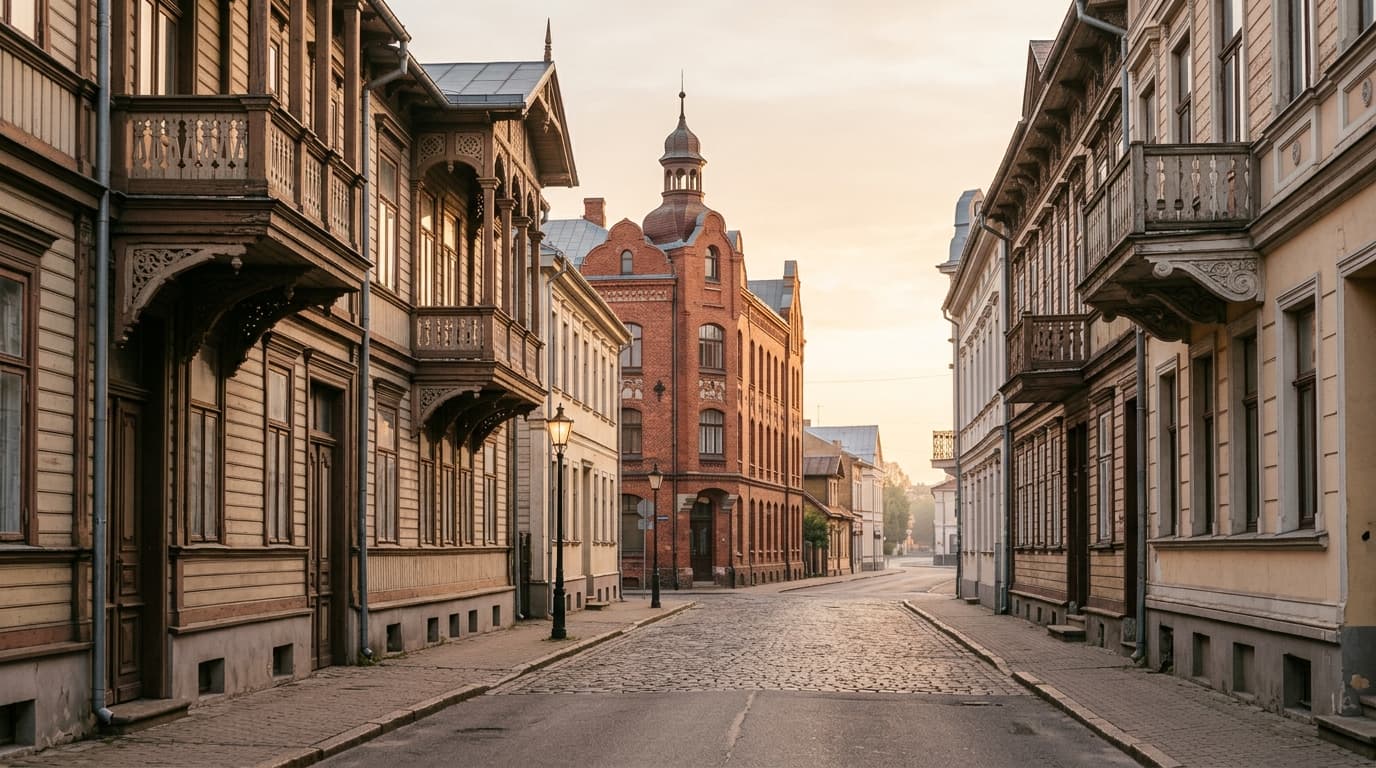
Liepāja feels like a place that never tried to impress you, which is exactly why some nomads stick around. It’s Latvia’s third-largest city, but the pace is small-town, the streets are walkable and the sea is always nearby, even when the wind is loud enough to slap your jacket against your ribs. The beach runs for 8 km, the port brings a bit of grit and the mix of wooden houses, Soviet blocks and newer glassy buildings gives the city a rough-edged, lived-in feel.
People call it Latvia’s windy city for a reason. In winter, the cold comes sideways off the Baltic, the sky goes flat and dark by mid-afternoon and Karosta can feel almost cinematic, with crumbling forts, empty military relics and salt in the air. It’s not pretty in a polished way. It’s moody, a little stubborn and very real.
The upside is that Liepāja has personality. Great Amber Concert Hall anchors a serious music scene and there’s a genuine local arts crowd, plus enough concerts, festivals and occasional international events to keep things from feeling sleepy. Cafes and bars exist, but nightlife is modest, so you’re not coming here for a big party scene. You’re coming here for sea air, affordable rent and fewer crowds.
Most nomads who like Liepāja are looking for a slowmad base, not a full digital-nomad ecosystem. Coworking options are limited compared with Riga or Tallinn and the social pool is smaller, so you’ll need to make an effort to find your people. Still, if you want a place where you can hear gulls, trams and the occasional ship horn instead of nonstop traffic, it does the job.
What the monthly budget looks like
- Rent: about €250 to €550 for a decent one-bedroom, more for renovated or short-term places.
- Food: roughly €200 to €300 if you cook most meals, with lunch spots around €4 to €7.
- Transport: a monthly pass is €30 or you can ride on a single ticket for €0.90 in the app.
- Coworking: Coworking Liepāja is around €70 a month, which is handy if your apartment Wi-Fi is patchy.
The city suits people who want lower costs, long beach walks and a bit of edge. It’s less suited to anyone chasing nonstop networking, international food variety or gentle winters. Liepāja can feel bleak in January, but in the right mood, that bleakness is part of the charm.
Liepāja is cheap by Baltic coast standards and that’s a big part of the appeal. Most nomads who land here for a month or two end up spending less than they would in Riga, Tallinn or basically any Western European beach town, as long as they don’t insist on imported cheese, constant Bolt rides and polished short-term rentals.
Housing is where the savings show up first. A basic one-bedroom in the city center usually runs about €240 to €350 ($260 to $379) if you’re looking long term and can live with older stock. A renovated one-bedroom or small two-bedroom is more like €350 to €550 ($379 to $595), while short-term summer lets can jump hard, especially in July and August when beach traffic picks up and landlords know it.
Typical monthly costs
- Rent: €250 to €550 ($271 to $595), depending on condition and location
- Groceries: €200 to €300 ($217 to $325) if you cook most meals
- Lunch out: €4 to €7 ($4 to $8) for bakeries, kebabs and simple daily menus
- Restaurant meal: €15 to €25 ($16 to $27) for a full meal with a drink
- Coworking: about €70 ($76) a month at Coworking Liepāja
- Transport: €30 ($33) for a monthly pass or €0.90 ($1) in the app for a single ride
Food is straightforward and not fancy. You’ll find hearty lunch deals, decent bakeries and enough cafes to keep things moving, but don’t expect the kind of international restaurant scene you’d get in a bigger capital. A lot of people cook at home because the produce markets and supermarkets make that the sensible move.
Transport is cheap, but the city is walkable enough that many people barely use it. The tram and buses are inexpensive, Bolt works and getting a ride at weird hours is usually possible, though locals will tell you not to assume it’ll always be waiting outside in the cold wind at 4 a.m.
What a month can look like
- Budget: €800 to €1,000 ($868 to $1,085), with a room or older flat, mostly home cooking and little nightlife
- Mid-range: €1,100 to €1,500 ($1,193 to $1,627), with a renovated flat, some dining out and coworking
- Comfortable: €1,600 to €2,200+ ($1,735 to $2,388+), with a better apartment, frequent cafes, trips and more social spending
The main wildcard is seasonality. Winter is darker, harsher and less social, but rents can feel more reasonable and the city gets quieter in a way some people love. Summer is prettier, noisier and pricier, with beach life, sea wind and higher demand all pushing costs up a notch.
Liepaja is compact, so the real choice isn’t between far-flung districts. It’s between easy walkability, beach time and weird, windswept edge-of-town character.
For most nomads: city centre and Old Town
This is the safest bet if you want cafes, the tram, grocery stores and a decent shot at meeting people without spending half your day in transit. You’ll be close to Great Amber, the canal, the main restaurants and places like Coworking Liepaja on Frica Brivzemnieka iela 7.
- Rent: About €350 to €550 for a renovated 1BR
- Food: Easy access to cheap lunch spots, bakeries and mid-range dinners
- Best for: Walkability, short stays and people who want the simplest setup
- Downside: Older stairwells, some tired Soviet-era blocks and noise near main streets in summer
Most nomads end up here because it’s practical, not glamorous. You’ll hear tram bells, the scrape of winter boots on icy pavement and, if the wind is up, that constant low hiss from the sea.
For expats: Seaside Park and the beach side of town
If you’re planning to stay longer, this area is the sweet spot. You get quick beach access, better air and a calmer feel than the centre, though the wind can be brutal and the off-season can feel empty fast.
- Rent: About €300 to €500 for a decent long-term flat
- Food: Same citywide pricing, with fewer casual options right on the sand
- Best for: Long walks, remote work and a quieter daily rhythm
- Downside: Fewer shops and less buzz after dark
Expats who like this area usually care more about morning runs, pine trees and fresh air than nightlife. In summer, the beach smells like salt and sunscreen; in winter, it’s all cold sand, grey water and your face getting slapped by wind.
For families: quiet streets near the centre or south of the canal
Families tend to do better in the calmer residential streets just off the centre, where you’re still close to schools, transport and shops but don’t have to deal with the rougher edges of the port or the late-night noise. You want renovated buildings, decent heating and easy tram access.
- Rent: About €400 to €650 for a 2BR or larger flat
- Best for: Day-to-day errands, school runs and low-stress living
- Downside: Some buildings look shabby from the outside even when the apartment is fine
For solo travelers: Karosta
Karosta is the odd one out. It’s gritty, dramatic and full of abandoned military history, which makes it great for a day trip or a short creative stay, but not the easiest place for first-timers who want cafes and convenience on their doorstep.
- Rent: Often cheaper than central Liepaja
- Best for: Photography, history and people who like rough edges
- Downside: Sparse amenities and a slightly haunted feel after dark
If you want polished, stay central. If you want atmosphere, edge and a little salt-stained weirdness, Karosta delivers.
Liepāja’s internet is good enough for remote work, but don’t expect Tallinn-level polish. In most apartments and cafes, you’ll get steady fiber or cable speeds that handle calls, uploads and normal work without drama, though a cheap rental can still come with a flaky router, patchy stairwell signal or a landlord who thinks “Wi-Fi” means one old modem in the hallway.
Cafes are fine for a few hours, especially around the center and the canal, but they’re not built around laptop culture the way Riga’s best work cafes are. If you need a proper desk, quiet and reliable air con in summer, go straight to a coworking space instead of trying to camp in a bakery with one outlet and a hiss of espresso steam.
Where to work
- Coworking Liepāja: The main dedicated option, on Frica Brīvzemnieka iela 7. It’s about 220 m², has meeting rooms, kitchen access, printer, fast internet and 24/7 entry, with monthly membership around €70 ($76).
- Hotel lobbies and business spaces: Useful for one-off calls or a quiet morning, especially near the city center and Promenade area. Don’t expect a packed nomad scene, though, so it’s more about getting work done than networking.
- Cafes in the center: Good for email, writing and light admin. Bring headphones, because service chatter, clinking cups and street noise can get annoying fast.
Most nomads who stay longer than a week end up splitting their time between home and a coworking desk. That works well here, because Liepāja is cheap enough to rent a decent flat and then add a workspace without blowing your budget.
Internet and daily setup
- Home internet: Usually the easiest and most reliable setup if you’re staying a month or more. Ask about speed before you book and don’t assume every “modern” apartment has decent wiring.
- Mobile data: Handy as backup for calls on the move or beach days, when the Baltic wind is whipping sand into your laptop bag.
- Budget for work: A decent monthly setup can stay low, with coworking around €70 ($76) and many apartments priced well below bigger Baltic cities.
The city’s small size helps. You can usually walk from your flat to a desk, grab lunch, then be back by the sea before sunset, with gulls screaming overhead and cold wind coming off the water. If you want a polished nomad base with endless events, this isn’t it. If you want cheap, calm and functional, Liepāja does the job.
Liepāja feels safe in the everyday sense. You can walk the centre, canal area and Seaside Park without much fuss and most locals mind their own business. The usual Baltic-city annoyances show up, though, pickpocket risk around busy bars, the occasional drunk shouting under apartment blocks and winter darkness that makes empty streets feel lonelier than they are.
The biggest nuisance is the weather, not crime. Wind off the sea can cut through a coat on the beach promenade and in November through February the cold gets into your hands fast. Karosta is atmospheric, with old forts and Soviet leftovers, but it’s the part of town where you should be a bit more alert after dark, especially if you’re wandering around alone with a camera.
What most nomads do
- Use Bolt for late rides: It works in Liepāja and is the easiest backup if you’re out after midnight or don’t want to wait in the cold.
- Stick to lit streets: The centre, promenade and tram corridor are straightforward on foot. Side streets can go dead quiet fast.
- Keep cash and phones out of sight: Not because Liepāja is rough, but because the port-city vibe is a little gritty and opportunistic theft is easier when people get lazy.
For healthcare, Liepāja is practical but small. You’ll find pharmacies easily and Latvia’s medication pricing is usually reasonable compared with Western Europe. For anything simple, a pharmacist can often point you in the right direction, but don’t expect the hand-holding you’d get in a bigger expat hub.
The main hospital and clinics handle routine care, then more complex cases often get referred elsewhere, usually Riga. If you need an English-speaking doctor, ask your landlord, your coworking space or local Facebook groups before you get sick. That’s the real shortcut here. The system works, but it isn’t built for foreigners who show up unprepared.
Good things to have lined up
- European Health Insurance Card or travel insurance: If you’re eligible, carry it. If not, get private coverage with outpatient and emergency care.
- Prescriptions in advance: Don’t assume your usual meds will be easy to replace on the spot, especially outside standard pharmacy hours.
- A translation app: English is spoken in some clinics, but not everywhere and medical forms can still be clunky.
Food safety is fine if you use common sense. Supermarkets are solid, tap water is generally fine and café standards are decent. Still, the city’s mood can be hard on people in winter, so if you’re prone to low mood, plan for light, movement and social routines instead of trying to white-knuckle it through the dark months.
Liepāja is small enough that you can cross the center on foot and that’s usually the smartest move. The city has a real tram line, decent buses, Bolt cars and a bike-friendly beachfront, but the wind off the Baltic can make a 15-minute walk feel like a workout.
Most nomads base themselves in the city centre, Old Town or near the canal, then walk to cafes, the beach and coworking spots. Karosta is worth visiting for the forts and grim seaside atmosphere, but it’s not the easiest place to stay if you want daily convenience.
Walking and biking
Walking is the default here. Streets are compact, the center is flat and Seaside Park is an easy stroll from most central apartments. The downside is the weather, because the wind can hit hard and rain arrives sideways, so a hooded jacket matters more than style.
Biking works well in warmer months, especially along the promenade and toward the beach. Just don’t expect Amsterdam-level bike infrastructure. You’ll be sharing space with cars in plenty of spots and winter cycling is for people who really enjoy cold fingers.
Public transport
Liepāja’s buses are cheap and useful for longer hops across town. A single ride in the app costs €0.90 ($0.98) or €1.50 ($1.63) if you pay the driver. A monthly pass is €30 ($32.60), so it makes sense if you’re staying a while and don’t want to walk everywhere in sleet.
- Single ride in app: €0.90 ($0.98)
- Single ride from driver: €1.50 ($1.63)
- Day pass: €3 ($3.26)
- Monthly pass: €30 ($32.60)
The tram is handy for a few main routes, but it won’t replace cabs if you’re headed out late. Schedules can feel a little sleepy compared with bigger Baltic cities, so check times before you commit.
Taxis and ride-hailing
Bolt works in Liepāja and is the easiest option for airport runs, late nights or getting across town when the weather turns ugly. Availability can thin out at odd hours, though, so don’t assume you’ll always get a car in 5 minutes. Local drivers are generally straightforward and most trips are short enough that the fare won’t sting too badly.
Best setup for nomads
- Most practical: stay central and walk
- For bad weather: use Bolt or the tram
- For beach life: pick an apartment near Seaside Park
- For cheaper monthly spending: rely on buses and walking
If you’re here for more than a few weeks, the sweet spot is simple, central and boring in a good way. Live within walking distance of cafes and the beach, keep Bolt installed and don’t overthink it. Liepāja rewards people who move slowly and pack for wind.
English gets you by in Liepāja’s hotels, cafes and coworking spaces, but Latvian still matters for day-to-day life. Older locals may speak Russian, some younger people speak decent English and in shops or on public transport you’ll often hear a quick mix of Latvian and Russian before anyone switches to English. The city feels small enough that patience goes a long way and people usually warm up once you try a few words.
Don’t expect the easy, all-English setup you might get in Riga. Menus are often bilingual in the centre, but not always in Karosta or at smaller places near the market and a lot of paperwork, rental chats and building management messages still land in Latvian. The upside is that most practical errands are straightforward if you keep your messages short and clear.
What to expect on the ground
- In cafes and restaurants: English is common in the centre, less so in neighbourhood spots.
- In taxis and Bolt: the app does most of the work, so language rarely gets in the way.
- In rentals and utilities: many landlords are fine by email or WhatsApp, but contract terms may only be in Latvian.
- In shops and on buses: basic English usually works, though older staff may prefer Latvian or Russian.
A few Latvian phrases make life smoother and locals notice. "Labdien" for hello, "paldies" for thank you and "lūdzu" for please are enough to get a smile, even if your pronunciation is rough. "Vai jūs runājat angliski?" means "Do you speak English?" and can save a lot of awkward hand gestures.
For writing, keep it plain. Short email lines, no slang and exact address details work better than polished small talk, especially when you're arranging an apartment viewing, asking about internet or confirming key pickup. If you need translation help, Google Translate is the usual fallback, but photo translation can be clumsy with old scans and crooked screenshots.
Signal can be patchy in some seaside and Karosta corners and winter wind makes standing outside with your phone annoying fast. So download maps, translations and ride apps before you leave your flat. In Liepāja, being prepared saves more time than speaking perfectly.
Liepaja’s weather has a personality. The city sits on the Baltic coast, so you get strong wind, fast-moving clouds and that sharp, salty air that sneaks into your clothes and your laptop bag. Summers are mild rather than hot and winters can feel long, dark and a little punishing.
June through August is the easiest time to be here. Days are long, the 8-km beach actually gets used and the city feels loose enough for swims, terrace beers and late walks along the promenade. Even then, bring a jacket. The sea breeze can turn a warm afternoon into a chilly evening in minutes and locals dress for that fact.
Spring and early fall are a good compromise if you want fewer people and lower prices. May, September and early October can be lovely, with moody skies, empty beaches and enough daylight to work and wander. It’s a better fit for slow travel than peak summer, especially if you like the city’s rougher edges, the rust smell around the port and the sound of wind hitting the old wooden houses in the centre.
November through February is for people who don’t mind the dark. Short days, wet cold and that constant Baltic wind can wear you down fast, especially if you’re coming from somewhere sunny. If you work remotely, you’ll probably want a strong apartment, solid heating and a plan for keeping your social life alive, because Liepaja gets quiet in winter.
Best times by travel style
- Beach and long days: June to August
- Lower crowds and decent weather: May, September and early October
- Budget stays and slow living: late fall and winter, if you can handle the gloom
For most nomads, September is the sweet spot. You still get daylight, the sea stays swimmable for some people and rents often ease up after summer. If you’re chasing nightlife and constant coworking buzz, though, Liepaja may feel too calm. That’s the trade-off here and the city doesn’t pretend otherwise.
Liepāja works best if you treat it like a slow base, not a polished nomad hub. The city’s compact center, beach access and low rents make day-to-day life easy, but the wind can be brutal and winter gets dark fast, with a damp cold that seems to come off the Baltic and stick to your coat.
Most people get around on foot or by tram and that’s usually enough. A single ride in the app is €0.90 ($0.98) or €1.50 ($1.63) if you pay the driver. If you’re staying a while, the €30 monthly pass is the cleanest deal, especially once the rain starts and you stop wanting to stand at the stop in that sideways wind.
For housing, book a short stay first if you can. Long-term furnished flats in the center or near the sea usually run about €350 to €550 ($379 to $596) for something decent, while older local-market places can land closer to €250 to €350 ($271 to $379). July and August get pricier and shorter-term listings can jump fast, so don’t leave that until the last minute.
Where to base yourself
- City centre: Best all-around choice. You’re near Great Amber, cafes, shops and the tram and you can walk to the beach without planning your life around transport.
- Seaside and Seaside Park: Quieter, breezier and better if you want morning runs, pine smell and quick beach access. It’s a bit more spread out and less lively at night.
- Karosta: Atmospheric and a little rough around the edges. Good for history, photos and long walks past old forts, but it’s not the easiest place for a first-time stay.
Food is cheap enough that you won’t resent eating out now and then. A simple lunch can be €4 to €7 ($4.33 to $7.58), mid-range dinners usually sit around €15 to €25 ($16.27 to $27.12) and grocery shopping for one person often lands near €200 to €300 ($217 to $325) a month if you cook at home.
For work, Coworking Liepāja on Frica Brīvzemnieka iela 7 is the main dedicated option people mention and the setup is solid enough with 24/7 access, meeting rooms and decent internet. It’s not a huge scene, though, so expect fewer events and less random networking than you’d get in Riga. If you like a quieter room and fewer interruptions, that’s a plus.
One last thing, don’t underestimate the weather. Pack a real windproof jacket, gloves and something waterproof, because the beach air is sharp and the off-season can feel raw in a way photos never show. The upside is simple: fewer tourists, empty sand and a city that still feels like itself.
Frequently asked questions
How much does it cost to live in Liepaja as a digital nomad?
How much is rent in Liepaja?
Is Liepaja good for remote work?
What is the best area to stay in Liepaja for nomads?
Is Liepaja safe for solo travelers and remote workers?
What is the internet like in Liepaja?
Need visa and immigration info for Latvia?
🇱🇻 View Latvia Country GuideEasy Landing
Settle in, no stress