Liege
🇧🇪 Belgium
Liège feels raw around the edges and that’s part of the deal. It’s a university city with a working-class backbone, strong student energy and a Meuse-side rhythm that’s slower than Brussels, cheaper than Brussels and frankly a lot less polished, which is either a relief or a dealbreaker depending on your tolerance for grit.
The center has a lived-in feel, with scooter noise, tram rumble, cigarette smoke outside cafés and the smell of fries and rain on old stone. Locals lean French first, English is common in university circles and some services, but don’t expect the easy bilingual glide you get in bigger Belgian cities, so a few basic phrases go a long way.
Why nomads stay: low costs, decent internet, easy rail links and a social scene that doesn’t feel fake. Why they leave: petty crime, rough streets at night and a center that can feel messy, especially if you’re used to cleaner, more polished cities.
What to expect
- Cost of living: A solo nomad can scrape by around €1,500 a month, while a more comfortable setup with a central apartment, coworking and regular meals out lands closer to €2,200 or more.
- Best areas: Outremeuse is social and a bit noisy, Carré is lively and walkable, Cointe is quieter and hillier, while Saint-Léonard gives you cheaper housing but more distance from the fun.
- Work setup: WiFi is generally fine, coworking spaces run around €235 to €269 a month and cafés in Carré can work for laptop days, though some get packed and a little rowdy.
People who like Liège usually like that it doesn’t try too hard. It’s near Maastricht and Aachen for easy day trips, SNCB trains make regional travel simple and the whole place has this slightly greasy, beer-soaked, student-town energy that’s weirdly charming after a while.
Safety is the annoying part. The center can feel sketchy after dark, especially around busier nightlife streets, so don’t wander with your phone out and your guard down, because opportunistic theft and drunken nonsense do happen.
Best fit
- Good for: budget-conscious nomads, expats who don’t mind French and travelers who want a base with actual local life.
- Less good for: people who want shiny infrastructure, easy English everywhere or a spotless evening stroll.
- Overall vibe: grounded, social, a little rough and better once you stop expecting it to be Brussels.
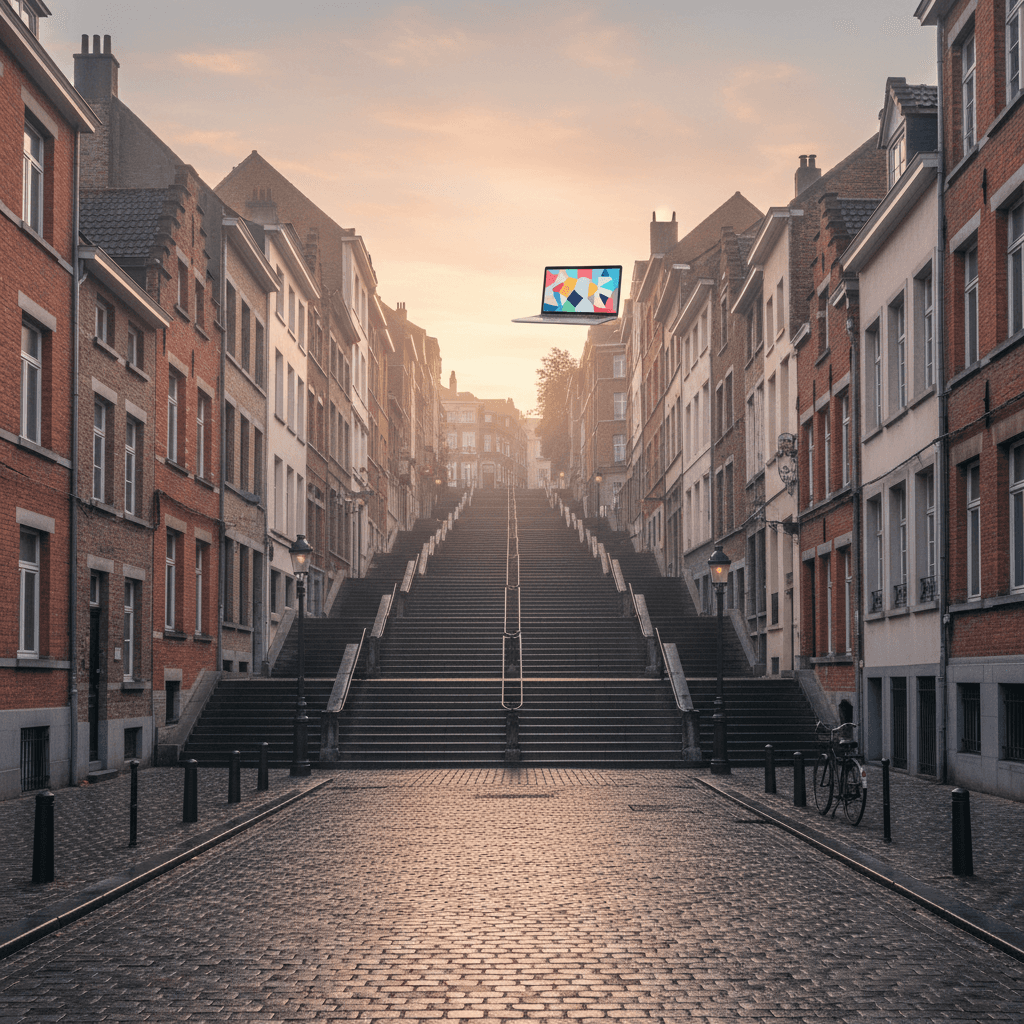
Liège isn’t pretty in the obvious way and that’s the point. It’s got old brick, hill climbs, damp air, late-night chatter spilling out of bars and a stubborn local character that makes it feel lived in rather than packaged for visitors.
Liège feels affordable in a very real way, not a marketing way. A single person can get by on around €2,000 a month including rent, but rent eats the biggest chunk and if you want a clean central flat with decent heating, you’ll feel that fast. Cheap? Mostly, yes. Free? Not remotely.
For nomads, the sweet spot is usually a shared room or a plain 1BR away from the prettiest streets, because the city center gets pricier and the better-located apartments go quickly. Expect roughly €750 to €900 for a studio or one-bedroom in Liège generally, with central 1BRs around €750-800 and outer areas closer to €714, which sounds oddly close until you start adding utilities, winter heating and that little pile of random fees landlords love. The floor tiles get cold, the rain hangs in the air and the electricity bill, honestly, can bite.
Typical Monthly Budget
- Budget: Around €1,500, shared room near €500, street food, bus pass, no fancy extras
- Mid-range: Around €2,200, one-bedroom near €800, mid-range meals, coworking a few days a week
- Comfortable: €3,000+, center apartment near €1,000, better restaurants, gym, fewer compromises
Food stays manageable if you keep it local. A cheap meal runs about €20, a mid-range dinner sits around €107 for two and a cappuccino is about €4, so café life doesn’t destroy your budget unless you’re there all day. Bakeries, frites shops and student bars keep the city alive, with smells of fried potatoes, beer and wet pavement drifting around Carré and Place du Marché.
Transport and utilities usually land between €150 and €350 a month, depending on how hard you’re heating your flat and how often you’re riding buses or trains. The train connectivity is excellent, so day trips to Maastricht or Aachen are easy and that makes Liège feel cheaper than Brussels because you can stay put here and still get out fast. The coworking scene, turns out, is solid too, with desks around €235 to €269 a month, though plenty of people just work from cafés when the Wi-Fi cooperates.
Neighborhood choice matters. Outremeuse and Carré are lively and social, but they’re noisier and rougher at night, while Cointe and Sainte-Walburge feel calmer and more residential and Saint-Léonard is where you go when rent matters more than being near the action.
For nomads
Start in Outremeuse if you want cheap rent, late beers and easy people-watching, then move toward the river if you need more daylight and less noise. It feels lived-in, a little scruffy and honestly that’s part of the appeal, with café chatter, scooter engines and fryer grease drifting out onto the pavement.
Carré is the social nerve center, which, surprisingly, can still work for remote life if you like writing in cafés and hearing the nightlife kick off before dinner. It’s walkable, messy at night and better for short stays than long-term sanity, because sleep gets annoying fast once the bars spill into the street.
For expats
Sainte-Walburge is the practical pick, especially if you want supermarkets, bus access and a mixed local crowd without paying center prices. The area feels busier than the prettier hills, with traffic humming past the hospital zone and corner shops that stay useful after work, though French helps a lot here.
Cointe suits expats who want space and calmer evenings, plus views over the city when the weather clears. It’s steeper, quieter and less convenient for spontaneous nights out, but the tradeoff is real, you get more breathing room and fewer drunk voices echoing under your window.
For families
Cointe is the safest-feeling choice on this list and families usually like the residential streets, bigger homes and easier pacing. You’ll hear birds more than club noise, the air feels cleaner up here and the hill buys you distance from the grit that hangs around the core.
Sainte-Walburge also makes sense for families who want services nearby, especially healthcare access and everyday shops within a normal bus ride. It’s not polished, though and some streets feel plain rather than pretty, but that’s often a fair trade for convenience and lower rent.
For solo travelers
Carré is the obvious base if you’re here for a few nights and want bars, late food and an easy walk home. The area can feel rowdy after dark, so keep your wits about you, because petty theft and opportunistic hassles are more likely when the streets thin out.
Outremeuse is better if you want a bit more character and less pure nightlife. You’ll get bus stops, restaurants and that slightly chaotic Liège feel, with tram-like clatter, clinking glasses and the smell of frites cutting through the damp river air and it’s usually the smarter long-stay compromise.
- Best overall: Outremeuse
- Best for nightlife: Carré
- Best for quiet: Cointe
- Best for practical expat life: Sainte-Walburge
- Best on a budget: Saint-Leonard
Liège’s internet is good enough for real work and the coworking scene, honestly, is better than the city’s rough edges suggest. You won’t get glossy Brussels polish, but you will get decent fiber in many apartments, steady café WiFi in spots around Carré and a city where a laptop, a strong coffee and a noisy lunch crowd can carry you through the afternoon.
The tradeoff is simple. The city’s cheaper than the capital, but the best desks aren’t cheap and some cafés get loud fast, with espresso machines hissing, chairs scraping and students talking over each other in French. If you need silence, book a desk. If you can work through background noise, you’ll save a lot.
Coworking Options
- Hot desk: about €265 per month
- Dedicated desk: about €235 per month or €8 per day
- Private office: about €269 per month
- What you get: WiFi, lounges, a basic professional setup
Regus is the name most nomads bump into first and local spaces aren’t far behind, with the usual mix of long tables, meeting rooms and coffee that’s fine if you’re not fussy. Turns out, the real value is consistency, because apartment internet can be solid one week and weirdly patchy the next, especially in older buildings with thick walls and tired wiring.
Mobile Data
- Proximus: around €15 for 3GB plus calls or check latest plans
- Base: Confirm with latest provider sites
- Orange: easy to find in stores and at the airport
Buy a SIM in a shop if you can, because setup at the airport’s usually quicker than dealing with account forms later and the signal’s fine across the center and the main tram and bus corridors. English works in telecom stores often enough, though French helps and a quick “Bonjour” goes further than a blank stare.
For café work, stick to central spots in Carré or near Place du Marché, where nomads and students tend to mix with the lunch crowd and the smell of fries drifts in from the street. Don't expect the quiet of a library and don't sit down assuming every café wants you there all day, because some places want turnover, not a squat.
Best setup? A coworking desk for focus, a café for calls and mobile data as backup. Simple. That combo keeps you moving when the rain comes down on the pavements, the center gets loud or your apartment WiFi decides to sulk for an hour.
Liège feels safer in the daytime than it does after dark and that split matters. The city center, especially around Carré and parts of the station area, can get sketchy at night, with theft, shouting, the smell of beer and the odd drug deal that makes you keep moving.
Daytime crime risk sits around average for a big Belgian city, but solo night walks drop the mood fast. Don’t loaf around empty streets with your phone out and if you’re heading home late, use a taxi, Bolt when it shows up or just stay near places you know. That’s the honest version.
Safer bets:
- Outremeuse: Lively and social, but pick your block carefully because some streets get noisy and a little rough around the edges.
- Cointe: Quieter, more residential and better if you want fewer late-night disturbances.
- Sainte-Walburge: Handy for hospital access, with a busier everyday feel and decent services nearby.
Most expats say basic street smarts go a long way here, keep bags zipped, don’t flash laptops in cafés and avoid wandering through the center half-drunk after midnight. The city isn’t chaotic, just gritty and the grit sticks to your shoes, your coat and sometimes your nerves.
Healthcare is a strong point. CHU de Liège has a solid reputation, pharmacies are easy to find and doctors generally know what they’re doing. People complain about paperwork, of course, but the actual care is good and many newcomers are pleasantly surprised by how quickly they can get seen.
For emergencies, call 112. That number works across the EU, so keep it saved before you need it, because fumbling with a phone while someone’s hurt is a bad look anywhere.
If you’re staying longer, register with a local GP and keep a pharmacy in your routine. Pharmacies here are practical, not flashy and you can usually get straightforward advice for common issues like colds, stomach bugs or minor cuts without turning it into a full medical saga.
Quick survival habits:
- Night moves: Stick to lit streets and skip empty shortcuts.
- Valuables: Keep your phone and wallet tucked away on trams and in bars.
- Medical care: Use pharmacies first for small stuff, hospitals for real problems.
Liège isn’t polished and honestly that applies to safety too. Still, if you’re sensible and don’t act like the city owes you perfect conditions, you’ll usually be fine.
Getting around Liège is pretty straightforward, though it’s got a rougher edge than Brussels and you’ll feel that in the buses, the stations and the occasional scrape of traffic around the center. The good part, honestly, is that the city is compact, very walkable in the core and plugged into a rail network that makes day trips to Maastricht, Aachen and Brussels easy.
Walk: Most nomads stay on foot in the center, especially around Carré, Place Saint-Lambert and Outremeuse, because the streets are dense and you can cross a lot of the useful bits in 15 to 20 minutes. The hills bite, though and the climb up toward Cointe or Montagne de Bueren will leave you breathing harder than you expected, especially with a backpack and wet pavement underfoot.
Bus and train: TEC runs the local buses and the SNCB station is the real backbone here, since Liège-Guillemins connects you fast to Brussels and across the border. The TEC app helps for local planning and on-demand rides, which, surprisingly, can save you time when you’re trying to get from a quieter neighborhood back into the center after dinner.
- Local buses: Good for cross-city trips, less fun late at night.
- Train hub: Fast links to Brussels, Maastricht and Aachen.
- Ride-hailing: Bolt and Uber exist, but they’re limited.
Don’t count on cars to make life easier, parking can be annoying, traffic gets messy near the core and the narrow streets don’t forgive lazy driving. For short hops, bike rentals are a decent option, with prices around €6 for 2 hours or €12 for a day and the city center is flat enough in places that cycling feels practical before the climbs start.
Airport transfers: Liège Airport is reachable by bus or train for roughly €5 to €10, which is cheap enough that most travelers won’t bother with a taxi unless they’ve got luggage or an early flight. If you’re flying into Maastricht, that airport is also a handy backup and the cross-border connection makes a lot more sense than people expect.
Night travel needs a bit of common sense. The center can feel sketchy after dark, with empty stretches, drunk chatter and the kind of low-level grime that makes you keep moving, so if you’re heading back from the Carré late, stick to main streets and don’t drift around looking distracted.
- Best app: TEC for buses and local planning.
- Best for day trips: SNCB rail, no contest.
- Best on a budget: Walk first, bike second.
Liège works best when you treat it like a rail-and-walk city, not a car city. That’s the rhythm here and it fits the place, a little gritty, a little noisy and much easier to enjoy once you stop fighting the hills and the timetable.
Liège feels French first, Belgian second and that catches some visitors off guard. You’ll hear café chatter, bus brakes, scooter engines and the occasional clatter from the tramworks and if you’re expecting Brussels-style multilingual ease, honestly, you may be annoyed.
French is the default. In shops, on buses, at the doctor and in most everyday exchanges, French carries the day, while English shows up more reliably in the university, coworking spaces and tourist-facing spots near the center. Turns out, a basic French greeting goes a long way here and people respond much better if you start with “Bonjour” than if you launch straight into English.
Most expats and nomads get by with a mix of French phrases, gestures and phone translation, which works fine for errands but gets tiring fast when you’re dealing with housing, utilities or anything bureaucratic. The city isn’t hostile about it, but it also isn’t trying to meet you halfway. That’s the real cost.
- French: Used in daily life, housing, transport and most service work.
- English: Common in university settings, coworking spaces and some central bars or restaurants.
- Best backup: Google Translate, plus a few survival phrases you can actually pronounce.
For practical communication, keep “Parlez-vous anglais?”, “Pardon” and “Je m’appelle...” saved on your phone, because those three phrases will save you more awkward moments than any polished intro ever will. The city’s student energy helps and some younger locals switch to English quickly, though older shopkeepers often won’t, so don’t assume smooth chats everywhere.
If you’re staying longer than a week or two, a little French stops feeling optional
Weather & Best Time to Visit
Liège has a mild, damp climate and honestly, rain is part of the deal. Summers are comfortable, winters are grey and chilly and the air often smells like wet stone, exhaust and fryer oil drifting out of the Carré.
Best months: June through September. You’ll usually get 18 to 23°C, longer daylight and fewer soggy days, so it’s the sweet spot for walking the Meuse, sitting on terraces and doing day trips to Maastricht or Aachen without fighting cold wind.
Don’t expect Mediterranean sun. Even in summer, a passing shower can turn the pavements slick and in winter the cold settles into the old streets, especially around the river, where the wind feels sharper than the numbers suggest.
Season by Season
- Spring: Mild, changeable and a bit muddy, with bursts of sun between rain spells, which, surprisingly, makes the city feel better for exploring on foot than it looks on paper.
- Summer: Warm but rarely brutal, good for terraces in Outremeuse and Place du Marché, though weekend nightlife can get noisy and the center feels rougher late at night.
- Autumn: Probably the soggiest stretch, with more grey skies and steady rain, so pack a proper jacket if you’re planning coworking hops and train day trips.
- Winter: Cold, wet and a little grim, with January around 4°C at the top end and the city’s industrial edges feel even harsher when the streets are empty.
If you’re here for work, June to September is the easiest window. Cafes fill up, the terraces get lively and you can move between coworking spots and the SNCB station without arriving soaked, though a compact umbrella still earns its place in your bag.
For cheaper stays and fewer tourists, spring and early autumn are decent, just be ready for rain on almost any day. Not ideal. Still, Liège doesn’t really freeze you out the way some Belgian cities do, it just keeps you damp and mildly annoyed.
What to Pack
- Rain gear: A real waterproof jacket, not a thin shell, because Liège rain tends to linger.
- Shoes: Grippy walking shoes for wet cobbles, steep streets like Montagne de Bueren and sloppy pavement near the river.
- Layers: A light sweater and a warmer layer for evenings, even in summer.
- Umbrella: Small enough for a day bag, because showers show up fast and then hang around.
Most nomads find Liège easiest when they treat the weather like a background tax, budget for it, dress for it and keep plans flexible. The city still works in rain, but it works better if you do too.
Liège is cheap by Belgian standards, but it isn’t polished and that’s part of the deal. The center can feel a bit gritty, with bus brakes squealing, cigarette smoke hanging around terraces and the odd bit of petty theft after dark, so don’t treat the Carré like a sleepy university town at 2 a.m.
Money: a single person usually lands around €1,282 a month, though most nomads budget closer to €1,500 to €2,200 once rent, groceries and transit are in the mix. Studios and 1BRs often run €750 to €900, coworking starts around €235 and a café lunch or frites stop won’t wreck you.
- Budget stay: Shared room around €500, simple meals, bus pass.
- Mid-range: 1BR around €800, a few bistro dinners, coworking membership.
- Comfortable: €1,000-plus apartment, nicer dining, gym and taxis when it’s raining sideways.
For housing, Immoweb is the main place to check and the good units go fast in Outremeuse, Carré and Cointe. Outremeuse feels social and local, Carré is handy if you want nightlife and late kebabs and Cointe is quieter, though the hills will make your calves complain, honestly.
Connectivity: the internet is usually fine for remote work and the coworking scene, turns out, is better than you’d expect in a city this size. Regus and local spaces offer hot desks, dedicated desks and private offices, while cafés around Carré can work for a few hours if you’re buying coffee and not hogging a table all day.
- SIMs: Proximus, Base and Orange are the easiest picks, with prepaid plans available in stores and at the airport.
- Money: Revolut and N26 are common for day-to-day spending, with BNP Paribas ATMs around town.
- Transport: TEC buses are useful, SNCB trains are the real win and Maastricht or Aachen are easy day trips.
Liège is walkable in the center, but the weather can be damp and annoying, so bring shoes that can handle rain-slick pavement and cold tile floors. For safety, stick to well-lit streets at night, especially around the station and parts of the center, because the vibe changes fast once the bars empty out.
Language-wise, French runs the show. English gets you by in universities, hotels and some coworking spaces, but ordering, asking for directions or dealing with a landlord goes smoother if you start with “Bonjour” and a bit of patience, because people appreciate the effort even when your accent sounds awful.
Quick etiquette: greet people with “Bonjour,” tip about 10% in restaurants if service was good and don’t block bike lanes, because locals get irritated fast when tourists drift around like they own the pavement.
Frequently asked questions
How much does it cost to live in Liège as a digital nomad?
Which neighborhood is best for digital nomads in Liège?
Is Liège safe for digital nomads?
How good is the internet in Liège for remote work?
How much does coworking cost in Liège?
What is healthcare like in Liège?
Need visa and immigration info for Belgium?
🇧🇪 View Belgium Country GuideEasy Landing
Settle in, no stress