Lechería
🇻🇪 Venezuela
The Caribbean Energy of Anzoátegui
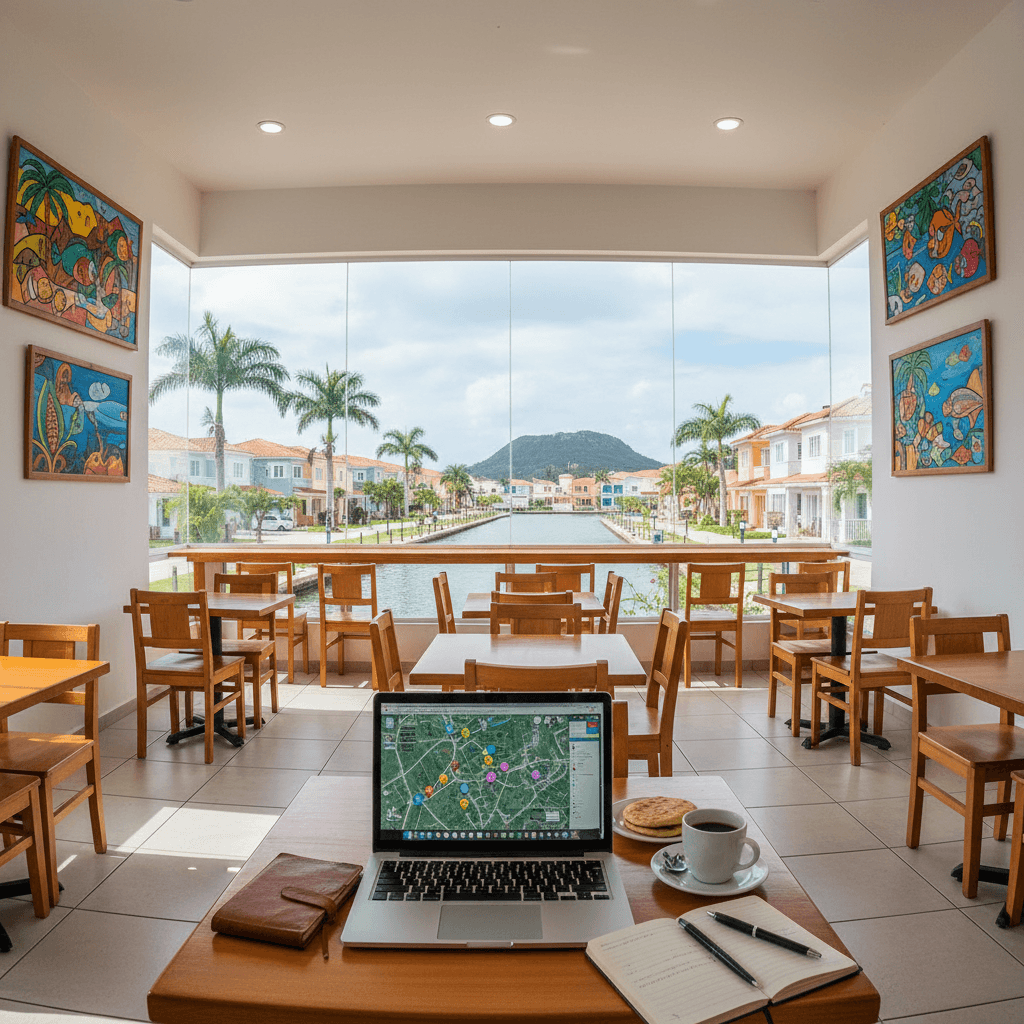
Lechería is a bit of a surreal anomaly. While much of Venezuela has faced years of economic tightening, this coastal pocket in Anzoátegui feels like a bubble of resilience. It sits right on the edge of the Caribbean, blending the gritty, industrial energy of nearby Puerto La Cruz with a laid back, small town beach atmosphere that nomads are starting to notice. You get the salty breeze and golden sunsets of a tropical getaway, but with the distinct, fast paced pulse of a city fueled by the petrochemical industry and a local population that refuses to stop moving.
The vibe here is unpretentious and surprisingly social. It is the kind of place where you can spend your morning on a conference call with 50 Mbps fiber internet and your afternoon eating a $2 street arepa before hitting the water. It does not have the polished, high end infrastructure of Medellín or Mexico City, but that is exactly why it appeals to a certain type of traveler. You are trading some stability for a ground floor seat in a city that feels like it is constantly reinventing itself.
Breaking Down the Costs
Living here is incredibly affordable if you have access to USD or crypto, though you will quickly learn that the economy runs on a mix of informal markets and digital transfers like Binance P2P. Most mid range nomads find they can live very well on $1,000 to $1,200 per month.
- Budget Living (~$500/mo): You will be looking at basic local apartments found via Facebook Marketplace for $200 and sticking to street food like cachapas and arepas for $1 to $3 a meal.
- The Nomad Standard (~$1,000/mo): This gets you a furnished apartment with reliable AC in a good area for $400 to $600, plus plenty of dinners out at spots like La Marisma where a seafood feast costs about $10.
- High End Comfort (~$2,000/mo): You can snag a luxury beachfront condo in El Morro for $800+ and spend your evenings at the Eurobuilding Hotel bar, where cocktails and upscale entrees run $15 to $25.
Where to Plant Your Flag
Choosing a neighborhood in Lechería changes your experience entirely. Most solo travelers and digital nomads gravitate toward Playa Lechería. It is the most walkable part of town, packed with cafes and direct beach access. You can find 1BR rentals here for $300 to $500. It is touristy, and you need to keep an eye on your phone to avoid petty theft, but the sunset views are the best in the city.
If you want a more residential, family oriented feel, look at Centro (Urbaneja). It is noisier and has more traffic, but it is close to the main markets and services. For those who want total isolation and luxury, the El Morro Peninsula offers gated resorts and stunning vistas. Just be aware that El Morro is prone to more frequent power cuts, and you will be dependent on InDrive to get anywhere else, as it is tucked away from the main city core.
The Work Life Reality
Is it a "budget paradise"? Yes, but it comes with caveats. You will need to be comfortable with inconsistent infrastructure. While Coworking Lechería offers a professional setup for $5 a day or $100 a month, most nomads keep a Digitel or Movistar SIM card with a 20GB data plan as a backup for when the local WiFi dips. The local "teletrabajo" scene is growing, and you will see plenty of locals working from Puerto Coffee Hub, using the $3 daily entry to fuel up on caffeine and stable pings.
Safety is the elephant in the room. While travelers often say Lechería feels significantly safer than Caracas, you still need to be vigilant. Avoid walking alone at night, stick to the main drags of Playa and Centro, and use the InDrive app for every trip after dark. It usually costs just $2 to $4 to get across town, which is a small price to pay for peace of mind. Despite the logistical hurdles, there is a grit and a warmth here that is hard to find elsewhere. You aren't just a tourist; you're part of a community that is building something new against the odds.
The Price of Paradise
Lechería occupies a strange, beautiful middle ground in the Venezuelan economy. While the rest of the country often struggles with hyperinflation, this coastal pocket operates almost entirely on a USD-based informal market. For nomads, this means your dollar goes incredibly far, but you'll need to be savvy about how you access and spend your cash.
A monthly budget of $1,000 buys a lifestyle that would cost triple that in Miami or Panama City. You can secure a modern, furnished apartment with air conditioning for $400 to $600, leaving plenty of room for dining out and weekend trips to Mochima. If you're on a tighter grind, $500 a month is doable if you stick to local markets and basic apartments found through Facebook Marketplace rather than high-end rental sites.
Breaking Down the Monthly Spend
- Budget Tier (~$500/mo): Best for those who cook at home and use public microbuses. You'll stay in basic local apartments in the Centro area for about $250 and eat street arepas for $1 or $2.
- Mid-Range (~$1,000/mo): The sweet spot. This covers a nice 1BR in Playa Lechería for $500, daily coworking fees, and frequent dinners at spots like La Marisma for $10 a plate.
- Comfortable (~$2,000/mo): You're living the high life here. Think beachfront condos in El Morro for $800+, private taxis everywhere, and upscale dining at the Eurobuilding Hotel where meals run $20 to $25.
Neighborhood Rent & Vibes
Where you plant your flag depends on your tolerance for noise versus your need for a view. Most nomads gravitate toward Playa Lechería because it's walkable and puts you right by the water. You can find a decent 1BR here for $300 to $500, though travelers often warn to keep your balcony doors locked and stay vigilant about petty theft after dark.
Centro (Urbaneja) is the pragmatic choice. It's the heart of the city's services, full of markets and pharmacies. Rents are slightly lower, ranging from $250 to $450, but you'll deal with more traffic and street noise. If you want luxury and don't mind being isolated, El Morro Peninsula offers stunning resort-style living for $600+, though power cuts can be more frequent on the peninsula's edge.
Digital Infrastructure
The internet isn't as dire as the headlines suggest, but it requires a backup plan. Reliable fiber optics from providers like Movistar or Digitel usually hit 20-50 Mbps. For a stable work environment, Coworking Lechería in the Centro area is the gold standard, charging $5 a day or $100 a month for a desk with solid AC and backup power.
Mobile data is your safety net. Grab a local SIM from Digitel at the mall for about $10, which usually gets you 20GB of data. Expats recommend keeping an eSIM like Airalo as a secondary backup for those moments when the local towers get spotty during a Zoom call.
Navigating the Local Economy
Forget your traditional bank card. Most expats and locals rely on Binance P2P to move money or use apps like Zelle and Reserve. Cash is king, specifically crisp, unmarked US dollar bills. If your twenties have a tiny tear, a shop might refuse them, so keep your physical currency in pristine condition.
Getting around is cheap if you use InDrive. Rides across town usually cost between $2 and $5. Avoid hailing random taxis on the street; the app is safer and the price is locked in before you hop in. For quick hops, the local microbuses are just $0.50, but they're often crowded and lack air conditioning.
For Nomads and Solo Travelers: Playa Lechería
If you want to be where the action is, Playa Lechería is the undisputed hub. It's the most walkable part of the city, meaning you can ditch the car and hop between your apartment, the shore, and local cafes with ease. Most nomads gravitate here for the sunset views and the immediate access to the Caribbean breeze, which helps cut through the coastal heat.
- Rent: Expect to pay between $300 and $500 for a decent 1BR apartment.
- Vibe: High energy, social, and very beach-centric.
- The Trade-off: It's the most tourist-heavy area, so keep your wits about you. Petty theft can happen, especially on the beach, so don't leave your laptop or phone unattended while you go for a swim.
Working from here is a breeze if you head to Puerto Coffee Hub. It's a favorite for its $3 daily entry and reliable caffeine. For a more formal setup, Coworking Lechería in the nearby Centro area is just a short InDrive ride away, offering stable fiber internet for $5 a day.
For Expats and Long-Termers: Centro (Urbaneja)
Centro is where the actual business of living happens. It's less about the vacation aesthetic and more about convenience. You'll find the best supermarkets, hardware stores, and service centers here. Expats often choose this area because it feels more like a lived-in neighborhood and less like a resort strip.
- Rent: Slightly more affordable, ranging from $250 to $450.
- Vibe: Local, busy, and practical.
- The Trade-off: Traffic can get annoying during peak hours, and the noise level is higher than the peninsula.
Safety feels a bit more robust here due to the constant foot traffic and neighborhood watch vibes. It's also the best place to find 24/7 pharmacies and local clinics like Clínica Lechería. If you're staying for several months, this is where you'll likely build your routine, hitting the local markets for $2 arepas and connecting with the community at weekly meetups organized through Facebook groups.
For Luxury Seekers: El Morro Peninsula
If your budget allows for a more "resort life" experience, El Morro is the place to be. This area is defined by high-end condos and the Eurobuilding Hotel. Travelers looking for premium amenities and the best views in Anzoátegui flock here for the gated-community feel and the proximity to upscale dining like La Marisma.
- Rent: Premium prices starting at $600 and going well over $1,000 for luxury beachfront units.
- Vibe: Exclusive, quiet, and scenic.
- The Trade-off: It's isolated. You'll need a car or a reliable InDrive driver to get anywhere. Power cuts can also be more frustrating here if your building doesn't have a backup generator, so always ask about "planta eléctrica" before signing a lease.
Areas to Avoid
While Lechería itself is a relatively safe bubble, the fringes toward Puerto La Cruz and Barcelona require caution. Solo travelers should avoid the outer edges of Puerto La Cruz, especially after dark, as crime rates are significantly higher than in the Lechería core. Stick to the main well-lit avenues and always use ride-hailing apps rather than hailing taxis on the street. Most locals recommend staying within the Urbaneja municipality limits to ensure a smoother, safer stay.
Connectivity Realities
Working from Lechería requires a bit of a tactical mindset. While the rest of Venezuela often struggles with connectivity, this coastal pocket has seen a surge in private fiber optic providers like Movistar and Digitel. You can generally expect speeds between 20 and 50 Mbps in modern apartments in El Morro or Playa Lechería. It is enough for stable Zoom calls and standard workflows, but the infrastructure can still be temperamental.
Power outages are the main hurdle here. Even with high speed fiber, if the grid goes down, your router goes with it. Most serious remote workers invest in a small UPS (Uninterruptible Power Supply) for their modem or seek out buildings with backup generators. Travelers often suggest having a mobile hotspot ready as a secondary failover to keep things moving during a dip.
Top Coworking Spots
The dedicated coworking scene is small but functional, offering a more professional environment than the local beach shacks. These spaces are your best bet for guaranteed air conditioning and consistent power.
- Coworking Lechería (Centro): This is the primary hub for the local digital community. For $5 a day or roughly $100 a month, you get a dedicated desk, reliable AC, and a surprisingly quiet environment. It is the go-to spot for meeting other entrepreneurs in the Anzoátegui area.
- Eurobuilding Hotel: If you need a high end setting for an important presentation, the business center here is the gold standard. It is pricier, but the backup power systems are the most reliable in the city.
Laptop-Friendly Cafes
Lechería has a growing cafe culture where nobody will look at you sideways for staying a few hours with a laptop. Look for spots in the Urbaneja area or near Playa Lechería. Many arepa shops and bakeries now offer free WiFi to attract the remote crowd, though the connection is usually better for emails than video rendering. Just keep an eye on your gear if you are sitting in open-air sections near the street.
Mobile Data and SIM Cards
Do not rely solely on cafe WiFi. Getting a local SIM is the first thing you should do after landing. Digitel and Movistar are the two main players. You can pick up a prepaid SIM at the major malls in Lechería or Puerto La Cruz for about $10, which usually includes a 20GB data starter pack.
- Requirements: You will need your physical passport to register the line.
- Performance: 4G/LTE is the standard, usually hovering between 10 and 30 Mbps. 5G is beginning to roll out in specific pockets of El Morro but remains spotty.
- Digital Options: If your phone supports it, Airalo offers Venezuelan eSIMs, though they are significantly more expensive than buying a local physical card.
Digital Nomad Survival Tips
Since the local banking system is difficult for foreigners to access, most nomads manage their finances through Binance P2P to handle USD conversions. It is the unofficial backbone of the local economy. When it comes to booking longer stays with reliable internet, many expats recommend scouting units on Facebook Marketplace or Encuentra24 rather than relying on standard hotel sites, as you can message the landlord directly to ask for a speed test screenshot before you commit.
Staying Safe in the Coastal Bubble
Lechería is often described by locals as a bubble. Compared to the grit of Caracas or the industrial sprawl of nearby Barcelona, it feels significantly more relaxed. That said, Venezuela requires a level of situational awareness that most travelers aren't used to. The general consensus among nomads in 2025 is that while violent crime has dipped, petty theft and "opportunity crimes" remain the primary concern.
The golden rule here is to stay within the well lit, populated areas of Playa Lechería and the Urbaneja district. Walking during the day is generally fine in these zones, but once the sun goes down, you should rely on InDrive. It's the go-to ride-hailing app for the community because it allows you to negotiate the fare and see driver ratings. Avoid the fringes of Puerto La Cruz, especially after dark, as the safety profile changes quickly once you leave the main tourist and residential strips.
- Street Smarts: Don't flash your iPhone 16 while walking down the street. If you need to check a map, step into a shop or cafe like Puerto Coffee Hub.
- Nightlife: If you're hitting the beach bars around El Morro, go with a group. Stick to the established spots like the Eurobuilding lounge where security is tight.
- Police Encounters: Keep a digital copy of your passport and visa on your phone. Most nomads find that staying polite and having your documents ready prevents unnecessary friction at checkpoints.
Healthcare and Medical Facilities
If you get sick, skip the public system entirely. The public hospitals, like Hospital Luis Razetti in Puerto La Cruz, are underfunded and often lack basic supplies. Instead, head straight to private clinics like Centro de Especialidades Anzoátegui. These facilities handle most emergencies and routine issues with a much higher standard of care. You'll likely need to pay out of pocket upfront, so keep a $500 to $1,000 cushion in USD or crypto for medical emergencies.
English speaking doctors are hit or miss, though many specialists at the private clinics have studied abroad and can communicate basic concepts. For daily needs, pharmacies are plentiful. You can find 24/7 pharmacies in the major malls, and they are surprisingly well stocked compared to a few years ago. Most common medications are available without a prescription, but it's always better to bring a supply of your specific brands from home.
Health Constants and Prep
The tropical heat is no joke, and dehydration is the most common ailment for newcomers. Stick to bottled water; tap water is a no go for drinking or even brushing your teeth if you have a sensitive stomach. While malaria isn't a major threat on the coast, mosquito borne illnesses like Dengue and Zika do pop up, particularly during the rainy season from May to November. A high deet repellent is your best friend during those humid October evenings.
- Private Emergency: Private clinics like Centro de Especialidades Anzoátegui are the reliable choice for nomads.
- Emergency Numbers: Dial 171 for police assistance or 911 for an ambulance.
- Insurance: Make sure your provider specifically covers Venezuela, as many standard policies have "do not travel" exclusions that void your coverage here.
- Vaccines: Travelers usually recommend having your Hepatitis A and Typhoid shots up to date before arriving.
Most expats and long term travelers find that by using InDrive, staying in the El Morro or Playa areas, and keeping a low profile, the risks are manageable. It's about being "active" with your safety rather than paranoid. As one regular nomad recently put it on Reddit, Lechería is a paradise if you respect the local rules and don't treat it like a theme park.
Getting Around the Shoreline
Lechería is surprisingly compact compared to its sprawling neighbor, Puerto La Cruz. Most of your daily life will happen within a small radius, especially if you're based in Playa Lechería. You can walk the beachfront strips during the day, but once the sun sets or you need to cross town, you'll want to rely on wheels. The city doesn't have a formal subway or a complex train system, so your mobility comes down to three things: ride-hailing apps, local microbuses, and your own two feet.
Ride-Hailing and Taxis
Forget about waving down yellow cabs on the street. In 2025, InDrive is the undisputed king of transport here. It works on a negotiation basis where you propose a fare and drivers counter-offer. It's safer than random street taxis because the rides are tracked. Most trips within the city limits cost between $2 and $4. If you're heading out to the El Morro peninsula or over to the malls in the Urbaneja area, expect to pay on the higher end of that scale.
- InDrive: The go-to app for reliability. Always check the driver's rating before hopping in.
- Private Taxis: Usually found waiting outside the Eurobuilding Hotel or major malls. They're pricier, often charging $10 for short hops, but useful if your phone battery dies.
- Airport Transfers: A ride from Barcelona Airport (BLA) takes about 25 minutes. An InDrive will cost roughly $15 to $20, though some guesthouse hosts offer pickups for a similar flat fee.
Public Microbuses
If you want the local experience and need to save cash, the microbuses (often called busetas) are the way to go. They follow fixed routes along the main avenues, connecting Lechería to Puerto La Cruz and Barcelona. A single ride is about $0.50. They're loud, usually crowded, and rarely have air conditioning, but they run frequently during daylight hours. Just keep your phone tucked away and pay in small cash denominations.
Cycling and Walking
The core of Playa Lechería is one of the few places in Venezuela where walking feels like a leisure activity rather than a chore. The coastal path is great for morning runs or sunset strolls. For those who want more speed, you can find bike rentals near the beach for around $5 a day. It's a fantastic way to explore the El Morro area without paying for multiple car rides, though you should stick to paved roads and avoid cycling alone after dark.
Connectivity and Navigation
Don't rely on the local bus stops having maps or schedules. Download Google Maps for offline use because data signals can drop when you're moving between neighborhoods. Most nomads find that a Digitel or Movistar SIM card is plenty for navigating, but having a backup eSIM like Airalo helps if you're crossing into areas with spotty coverage. If you're planning a day trip to the stunning Mochima National Park, you'll need to head to the docks; boat transfers are common and usually cost about $5 to $10 depending on how many people are sharing the lancha.
Regional Travel Costs
- Short city hop via InDrive: $2 to $3
- Cross-town trip to Puerto La Cruz: $5
- Daily bike rental: $5
- Microbus fare: $0.50
- Boat to nearby islands: $5 to $15
Travelers often say that while the infrastructure feels a bit weathered, the ease of getting an affordable private car makes up for it. Just remember to carry small USD bills. While the bolívar is the official currency, most drivers prefer dollars and rarely have change for a twenty.
The Language Divide
In Lechería, Spanish isn't just the official language; it's the heartbeat of every interaction. While the city has a more international feel than many other Venezuelan hubs due to the petrochemical industry, English proficiency remains low, hovering around 20%. You'll find some English speakers at high-end spots like the Eurobuilding Hotel or among younger crowds at Coworking Lechería, but don't expect the average shopkeeper or bus driver to follow suit.
Most nomads find that a basic grasp of Spanish is the difference between feeling like a tourist and actually integrating. Local residents are generally patient and appreciative when you try to speak their language. If your Spanish is rusty, download the offline version of Google Translate or DeepL. These are lifesavers when you're trying to explain a specific dietary restriction or negotiating a rent price on Facebook Marketplace.
Essential Local Lexicon
Venezuelan Spanish has a distinct flavor, often dropping the "s" at the end of words and using unique slang. Here are a few terms you'll hear daily around Playa Lechería and El Morro:
- ¿Qué bolá? or ¿Qué pasó?: Informal ways to say "What's up?"
- Chamo/Chama: The ubiquitous term for "guy" or "girl." You'll hear this constantly in cafes.
- Vale: Used as an affirmation, similar to "okay" or "sure."
- Chevere: The classic Venezuelan word for "cool" or "great."
- ¿Cuánto cuesta?: How much does it cost? Use this at the markets where prices aren't always labeled.
Staying Connected
Communication isn't just about what you say; it's about the tech that keeps you online. Mobile data is your primary backup for the city's occasional power dips. Expats recommend getting a local SIM card immediately. Digitel and Movistar are the two main players. You can pick up a prepaid SIM at most malls. You'll need your passport for the registration process.
For those who prefer a digital start, Airalo offers eSIMs for Venezuela, though they can be pricier than local physical cards. If you're working from a cafe, always ask for the WiFi contraseña (WiFi password) before you order your coffee to ensure the connection is holding up that day.
Navigating Daily Logistics
Since English is limited, apps do the heavy lifting for logistics. InDrive is the go-to app for getting around, as it allows you to negotiate the fare in the app, avoiding any language barriers regarding price. For payments, Binance P2P is the unofficial communication tool for finances. Many locals use it to trade bolívares for USD, and knowing the "Binance rate" is a language of its own in the local economy.
When you're out at a restaurant like La Marisma, it's common to greet people with a single cheek kiss in social settings, though a polite nod or handshake works in business. If you're invited to a local's home, remember that "siesta" hours are still respected by some businesses in the afternoon, so communication might slow down between 2:00 PM and 4:00 PM.
Communication Costs at a Glance
- Local SIM Card: ~$10 USD for basic starter pack; data packages vary, check current rates at purchase.
- Monthly Recharge: $5 to $15 depending on data usage.
- eSIM (Airalo): $9 for 1GB (useful for emergencies).
- InDrive Trip: $2 to $5 within Lechería.
Climate and Seasonal Rhythms
Lechería enjoys a classic Caribbean climate, meaning it stays warm year round with temperatures hovering between 25°C and 32°C. You won't need a jacket here, but you'll definitely want a rental with strong air conditioning. The city experiences two distinct seasons that dictate the local pace of life and the reliability of the infrastructure.
The dry season runs from December through April. This is the sweet spot for digital nomads. The skies stay clear, the humidity drops slightly, and the breeze off the El Morro peninsula makes the heat manageable. Expect daytime highs around 30°C and very little rain to interrupt your beach days or outdoor work sessions.
The rainy season takes over from May to November. While it doesn't rain all day, you'll encounter heavy tropical downpours, particularly in October, which is historically the wettest month. These storms can be intense and occasionally lead to localized flooding or power fluctuations, something to keep in mind if you have back to back Zoom calls scheduled.
Best Time to Visit
The absolute best window to book your stay is between January and March. The weather is nearly perfect, and the holiday crowds from Caracas have usually thinned out. You'll get the most reliable sunshine for exploring Mochima National Park or working from the cafes along Playa Lechería without worrying about a sudden deluge soaking your laptop.
If you're looking for a livelier social scene, December is a great choice. The city lights up for the holidays, and the beach bars around El Morro are packed. Just be prepared for slightly higher prices on short term rentals as local tourism peaks during the festive season.
What to Pack
The vibe in Lechería is coastal and casual. Most nomads find that a wardrobe of light linens and cottons is the way to go. You'll want to pack:
- High quality sun protection: The tropical sun at this latitude is brutal. Bring your preferred brand of sunscreen, as imported versions in local pharmacies can be pricey.
- Power backups: Regardless of the season, power cuts can happen. A high capacity power bank and a portable 5G hotspot (using a Digitel or Movistar SIM) are non negotiable for remote work.
- Light rain gear: If you visit during the shoulder months, a compact umbrella or a very light breathable rain shell is useful for those afternoon bursts.
- Formal-ish attire: While the beach is relaxed, upscale spots like the Eurobuilding Hotel or dinner at La Marisma often call for a slightly sharper look than flip flops and board shorts.
Seasonal Travel Tips
Expats recommend avoiding the peak of the rainy season in October and November if you're sensitive to humidity or rely on consistent outdoor activities. The heat feels much heavier when the moisture levels spike. Conversely, the April heat can be the most intense just before the rains arrive, often pushing temperatures toward 32°C with very little wind.
Travelers often say that the "coolest" months are January and February. While "cool" is a relative term in Eastern Venezuela, the lower humidity during these months makes walking between your apartment in the Urbaneja area and the Coworking Lechería hub much more comfortable.
Connectivity and Tech Setup
Internet in Lechería has improved significantly with the rollout of private fiber optics, but it still requires a backup plan. Most nomads see speeds between 20 and 50 Mbps at dedicated coworking spots or modern apartments. Mobile data is your lifeline here; grab a Digitel or Movistar SIM at a local mall for about $10. If your phone supports it, an Airalo eSIM is a great secondary option for those moments when the local towers get congested.
For a reliable office environment, Coworking Lechería in the Centro area is the go-to spot. It costs roughly $5 a day or $100 a month and provides the air conditioning and stable power you'll need for Zoom calls. If you prefer a laptop-friendly cafe, Puerto Coffee Hub is a solid alternative with a more social atmosphere.
Budgeting and Money
Venezuela operates on a dual-currency system where the US Dollar is king. You'll rarely use the local Bolívar for anything other than small change. Because traditional banking is difficult for foreigners, most travelers rely on Binance P2P or Zelle to handle payments and get cash. Digital nomads usually fall into these price brackets:
- Budget ($500/mo): You'll be staying in basic local apartments found via Facebook Marketplace, eating $2 street arepas, and using public microbuses.
- Mid-Range ($1,000/mo): This covers a furnished apartment with AC in Playa Lechería, regular InDrive rides, and dining out at spots like La Marisma.
- Comfortable ($2,000/mo): You can afford a high-end condo on the El Morro peninsula and upscale dinners at the Eurobuilding Hotel.
Where to Base Yourself
Choosing the right neighborhood changes your entire experience. Playa Lechería is the heart of the nomad scene; it is walkable, sits right on the beach, and has the highest concentration of cafes. Expect to pay $300 to $500 for a one-bedroom here.
The Centro (Urbaneja) area is better for those who want to be near supermarkets and local services, though it can get noisy with traffic. If you want luxury and don't mind being slightly isolated, El Morro offers incredible views and resort-style living, but rent jumps to $600 or more. Avoid the outer fringes of Puerto La Cruz, as safety becomes a bigger concern in those areas.
Getting Around Safely
The safest way to move through the city is InDrive. It works like Uber but you negotiate the price in the app; most trips within the city cost between $2 and $5. Avoid hailing random taxis on the street, especially after dark. For a cheap local experience, the microbuses cost about $0.50 and connect Lechería to Puerto La Cruz, but they can be crowded and slow.
Walking is perfectly fine during the day in Playa Lechería and the main commercial strips. If you're heading to or from Barcelona Airport, a private transfer or an InDrive will cost about $15 to $20. Travelers often recommend booking these in advance through your accommodation to ensure a smooth arrival.
Health and Local Etiquette
If you need medical attention, Clínica Lechería is the most reliable private facility in the area. Make sure your travel insurance is up to date and covers private clinics, as public hospitals often face supply shortages. For daily needs, pharmacies are plentiful in the malls and many stay open 24/7.
Culturally, people are warm and social. A single cheek kiss is the standard greeting, even among new acquaintances. While Spanish is the primary language, you'll find some English speakers in higher-end hotels. Learning basic phrases for ordering food or asking for the WiFi password goes a long way. Also, tipping 10% at restaurants is standard and much appreciated by the local staff.
Need visa and immigration info for Venezuela?
🇻🇪 View Venezuela Country GuideHidden Gem
Worth the effort