Launceston
🇦🇺 Australia
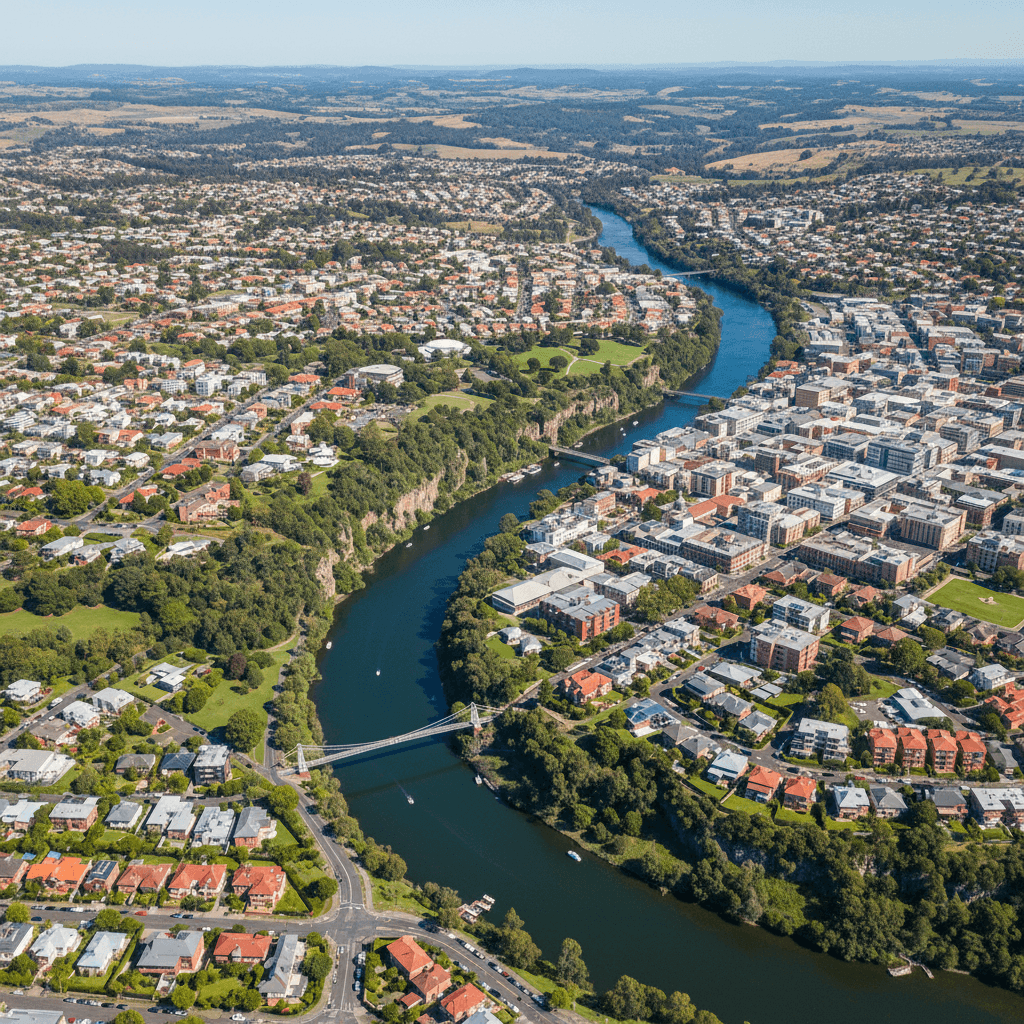
Launceston feels like a city that never got seduced by its own size. It’s compact, a little old-fashioned and refreshingly unhurried, with the Tamar Valley on one side and Cataract Gorge on the other, so you get river air, wet stone and gum trees without leaving town. Quiet streets. Real seasons. That matters here.
For nomads, the appeal is straightforward: decent internet, sensible rents compared with mainland capitals and enough cafes, bars and work-friendly corners to keep life moving without the constant drag of big-city noise. Average monthly spend lands around $2,300, though you can keep it lower if you’re happy with a basic apartment and cheap eats or push well past that if you want central living and regular dinners out.
The vibe is friendly but not flashy. People say hello, then get on with their day and honestly that’s part of the charm, because Launceston doesn’t try to perform for you. You’ll smell coffee in the morning, rain on cold footpaths in winter and grill smoke drifting out of small restaurants at night, with the odd honk and a lot less chaos than mainland cities.
Where it works best
- City Center: Best for walkability, cafes, coworking and easy nights out. You can get most things done on foot.
- South Launceston: Popular with professionals, quieter than the core and a good bet if you want a more settled residential feel.
- Riverside: Better for greenery and river access, with a more suburban rhythm and plenty of outdoor space.
The city does have rough edges, though. Nightlife is limited, some outer suburbs have more crime and less polish and winter can be genuinely dreary, with frosty mornings and damp air that clings to everything. Still, the trade-off is a place that feels liveable, safe enough in the right pockets and pleasantly unbothered.
What to expect
- Rent: Around $1,650-$1,950/month ($380-$450/week) for a 1-bedroom, with cheaper options around $746 if you’re flexible.
- Food: Cheap meals usually run $15 to $25, mid-range dinners sit around $30 to $50.
- Internet: NBN typical speeds 100-800+ Mbps depending on plan, which is, weirdly, better than plenty of bigger places.
- Transport: Walkable core, decent buses and taxis or Uber when you need them.
Launceston suits people who like a slower burn. It’s not loud, it’s not sleek and it won’t keep you entertained every night, but if you want good food, clean air, working internet and a city that still feels human, it gets the job done.
Launceston is cheaper than most Australian cities, though it’s not “cheap” in the backpacker sense. A solo nomad usually spends around $2,300 a month if they want a decent life, not a bare-bones one. That buys you a sensible apartment, groceries, a few dinners out and enough room to breathe.
Rent is the big swing factor and honestly, it can sting if you want to live close to the action. A one-bedroom in or near the centre runs roughly $1,042 a month, while a cheaper one-bed can land around $746 and houses sit around $470 a week, which adds up fast once you factor in heating during those damp winter months when the floor feels cold under your socks.
- Budget living: $1,500 to $1,800 a month, usually with cheaper rent, simple meals and buses instead of rideshares.
- Mid-range: $2,000 to $2,500 a month, the sweet spot for most remote workers who want a decent place and regular café lunches.
- Comfortable: $2,800+ a month, if you want central housing, more restaurant spending and weekend trips without watching every dollar.
Food is manageable if you shop smart, but eating out can creep up quickly. Cheap meals at places like Burger Junky or Schnitty Bar usually sit around $15 to $25, mid-range plates are more like $30 to $50 and dinners at spots such as Stillwater or Stelo at Pierre's can jump past $60, especially once you add wine from the Tamar Valley.
Groceries for one person average about $537 a month and that feels about right if you cook at home a few nights a week. Electricity, heating and water come in around $143 monthly, internet is about $55 and transport is fairly light at roughly $66, because the city centre is walkable and buses are fine if you don't mind waiting.
Most nomads stick to South Launceston, Riverside or the city centre, because they're practical and less annoying day to day. Skip the cheaper pockets in Ravenswood, Rocherlea, Mayfield, Waverley and parts of Mowbray or Newnham if you can, the lower rents can come with a rougher feel, more petty crime and that tired, scraped-up look that makes you want to leave after dark.
The upside is simple. You get a livable city, decent Wi-Fi, good coffee and a food scene that smells like espresso, rain and hot chips on a cold street, without paying Sydney prices for the privilege.
Launceston is small enough that you’ll learn the rhythm fast, but different pockets suit different lives. The center is the easiest pick for most nomads, South Launceston feels practical and calm, Riverside works if you want space and riverside walks and the outer suburbs get patchy fast. Don’t guess. Pick well, because a bad base here feels dull very quickly.
Nomads
City Center is the obvious choice if you work online, since cafes, walkable streets and easy after-work drinks are all close together and you won’t waste time crossing town for lunch or a meeting. You’re near places like Inside Cafe, Sweetbrew and the better bars, though parking can be annoying and the streets get quiet early, which, surprisingly, can be nice if you need to focus.
- Best for: Walkability, cafe hopping, short stays
- Rent: Higher, but still manageable by Australian standards
- Vibe: Easygoing, compact, a bit sleepy after 8 pm
South Launceston is where a lot of professionals end up, because it feels safer, cleaner and less fussy than some cheaper pockets. It’s not flashy. But it’s solid and honestly that matters more than cute street signs when you’re staying for a few months and need decent sleep, reliable buses and a grocery run that doesn’t turn into a mission.
Expats
Riverside suits expats who want a quieter routine, more room and easier access to parks and the Tamar, without feeling stranded. The area has a newer, more suburban feel, so don’t expect a lively corner pub scene every night, but it’s good if you want morning walks, fresh air and a less hectic pace after work.
- Best for: Longer stays, families, outdoor time
- Trade-off: More driving, fewer late-night options
- Atmosphere: Residential, relaxed, practical
South Launceston also works well for expats who want to settle in without drama. You’re close enough to the center for dinner at Stillwater or Black Cow Bistro, but far enough out that the noise drops off at night and that makes a difference when the rain starts hitting the windows.
Families and Solo Travelers
Families should look first at South Launceston and Riverside, because they’re easier for school runs, parks and everyday errands, while still keeping you close to Launceston General Hospital and central shops. Skip Ravenswood, Mayfield, Rocherlea and rougher bits of Mowbray and Newnham, because the cheap rent can come with headaches you don’t want.
Solo travelers usually do best in the center, especially if you’re only here for a month or two, since you can walk home after dinner and hear the city wind down instead of spending half your evening on buses. The streets can feel a little too quiet after dark, though, so stick to the well-lit core and trust your gut.
Launceston’s internet is, honestly, better than a lot of smaller Australian cities. NBN plans offer typical evening speeds up to 100-800 Mbps depending on plan, so video calls, cloud work and big uploads usually behave, though your actual speed will still depend on the building and how many old cables are hiding in the walls.
Most nomads work from cafés first, then move to coworking once they get sick of pastry crumbs and espresso noise. The café scene is strong, weirdly strong for a city this size and places like Inside Cafe, Earthy Eats, Cafe Mondello and Sweetbrew are all workable if you buy a few rounds and don’t camp all day on one flat white.
Coworking
- Typical day pass: around $30 in Australia, sometimes a bit more for premium spaces.
- Best bet: ask locally for current rates, because Launceston pricing changes and some places bundle meeting rooms or printing.
- Best use: when you need quiet, proper chairs and a place where nobody’s blender screams in the background.
There aren’t heaps of big-name coworking hubs here, so the scene feels practical rather than flashy. That said, the city centre is compact and a decent desk in the right spot can save you a lot of annoyance, especially in winter when the rain comes down hard and the café windows fog up from the heat inside.
Where to Work
- City Centre: easiest for café hopping, errands and quick meetings.
- South Launceston: good if you’re staying longer and want quieter streets.
- Riverside: handy if you like more open space and a slower pace.
Mobile coverage is decent enough for backup and eSIM options like Jetpac or Holafly are handy if you’re landing late and don’t want to faff around with SIM shops. Telstra generally has the strongest reputation across Tasmania and honestly, that’s the network most remote workers seem to trust when they need stability more than cheap data.
One thing that works in Launceston is the rhythm, you can get solid work done early, grab lunch somewhere local, then walk it off by the river or in the Gorge. That balance matters, because sitting indoors all day here feels wrong and the city’s cold air, old brick and wet footpaths will remind you to get outside.
Best setup: decent café for light days, coworking for calls and a backup eSIM for bad weather or flaky WiFi. That combo’s the sweet spot.
Launceston feels safe enough in the centre, but it isn’t a sleepy place where you can switch your head off completely. Pickpocketing and street hassle aren’t the big worries here, property crime is, especially if you leave bikes, cars or ground-floor windows looking easy and some outer suburbs have a rougher edge than the polished café strip suggests.
Daylight walking is generally fine, especially around the city centre, South Launceston and the riverfront and honestly most people move around without much drama. Nights are quieter, though and the cold can make streets feel empty fast, with wind off the river, shuttered shopfronts and the odd ute rattling past under sodium lights.
Areas to be cautious with
- Ravenswood: higher crime and a tougher reputation.
- Waverley: keep your wits about you, especially after dark.
- Rocherlea: more issues than the central suburbs.
- Mayfield: mixed, but not where I’d base myself casually.
- Parts of Mowbray and Newnham: fine in places, uneven in others, so check the exact street before signing anything.
If you’re house hunting, South Launceston is the easy pick, then Riverside if you want quieter streets and river access. The centre is convenient, though it can feel a bit dead after dinner and if you’re parking outside, don’t leave anything visible in the car, because smashed windows are a stupidly common headache.
Healthcare basics
- Main hospital: Launceston General Hospital handles serious cases and emergencies.
- Pharmacies: easy to find across town for scripts, pain relief and basic first aid.
- Emergency number: 000 for police, ambulance or fire.
- Routine care: GP clinics are straightforward to book, though waits can stretch.
The healthcare system is solid, but weekends and busy periods can be annoying, with waits that feel longer than they should for a city this size. Bring your Medicare or travel insurance details, keep a basic meds kit and if you’re prone to winter chest bugs, June through August can hit hard with damp air, frosty mornings and that bite of cold tile under your feet.
Most nomads handle Launceston fine, just keep the usual city habits, don’t flash valuables, lock up properly and use common sense after dark. The centre feels manageable, the suburbs are patchier and that’s the honest version.
Getting around Launceston is pretty simple, though it can feel a bit sleepy if you’re used to Melbourne or Sydney. The city centre is compact, walkable and most daily errands are within 15 to 20 minutes on foot, so plenty of nomads just leave the car alone and deal with the occasional steep hill. Nice, honestly.
Metro Tasmania runs the local buses and they get you across town without much drama, but frequency drops off outside peak times, so don’t expect metro-level convenience. Note that while Metro services continue, some specific tourist-focused bus routes have seen reductions or discontinuations. If you’re based in South Launceston or the CBD, walking often beats waiting, especially when the wind’s cold and the rain starts tapping on the footpath. Uber and taxis exist, but they’re nowhere near as common as in bigger Australian cities.
Best way to move around
- Walk: Best for the city centre, cafes and most errands.
- Bus: Cheapest option, good for longer hops, less useful late at night.
- Ride-hail: Handy when you’re wet, tired or heading out of town.
- Bike: Useful if you’re comfortable with traffic and hills.
If you’re staying for a month or more, a bike can make a lot of sense, especially around Riverside and the river paths, where the air smells cleaner and the ride feels calmer. That said, Launceston’s streets can be patchy and some intersections are awkward, so casual cyclists should be careful in traffic and after dark. Weirdly, a short trip can still turn into a sweaty one if the hill catches you out.
Launceston Airport sits about 15 kilometres south of town, so airport transfers take a bit of planning. Taxis, ride-hailing and shuttle services are the normal options and they’re usually fine, but if you land late you’ll want to book ahead because the place goes quiet fast. For nomads with gear, that matters.
Practical tips
- Airport: Allow extra time, especially in bad weather.
- Evenings: Services thin out, so check return times before you head out.
- Apps: Uber works, but don’t rely on it like you would in a capital city.
- Local rhythm: Launceston runs on a slower clock and honestly, trying to force a big-city pace here gets annoying fast.
For day-to-day life, the sweet spot is simple, walk the centre, use buses for longer stretches and keep ride-hailing for lazy nights, airport runs or when the weather turns ugly. That mix keeps costs down and it fits Launceston’s pace much better than trying to treat it like a major city.
Launceston is English-speaking, so day-to-day life is easy, honestly, unless you’re dealing with Tasmanian slang or someone mumbling through a busy café. Most locals are clear, direct and happy to help, though the delivery can be dry, a bit brusque and sometimes funny in a way you only catch on the second listen.
You won’t need translation apps for ordinary errands, work calls or rent paperwork. The only real friction shows up with small talk, fast regional accents or a term you’ve never heard before, then you’ll find yourself asking people to repeat themselves while the espresso machine hisses and the rain taps on the window.
What to expect
- Main language: English, with high proficiency across the city.
- Translation apps: Rarely needed, though Google Translate can help with the occasional overseas form or message.
- Work communication: Straightforward and practical, people usually say what they mean.
- Social style: Polite but not overly chatty and frank when they’ve got a point.
For digital nomads, that means fewer misunderstandings and less time spent decoding admin emails. Frankly, the bigger communication issue in Launceston isn’t language, it’s speed, some services reply quickly, others crawl along like they’ve got all week and a few businesses still prefer phone calls over neat online forms.
In cafés and coworking spots, WiFi is good enough that most people don’t think twice about working remotely and conversations around you stay in English unless you’re in a busy tourist pocket. You’ll hear café clatter, tray handles banging, a little street noise and that steady Tasmanian wind outside, which, surprisingly, makes the city feel smaller and easier to settle into.
Useful communication habits
- Ask twice if needed: Locals don’t mind repeating directions, especially for addresses and bus stops.
- Keep messages simple: Short texts and clear subject lines work best for landlords, tradespeople and clinics.
- Phone first sometimes: Some older businesses still answer faster by call than by email.
- Mind the tone: Directness reads as normal here, not rude.
If you’re coming from a more multilingual city, Launceston can feel refreshingly uncomplicated. There’s no real language barrier, just the usual small-city quirks, a slower admin pace and the odd local expression that’ll make you pause for half a second before it clicks.
Launceston gets a proper seasonal swing, so timing matters. Summers are warm without being punishing, winters are cold enough to make your hands sting on a morning walk and spring can flip from sunny to damp in the space of an hour.
Best overall window: December to March. That’s when the city feels easiest, with daytime highs around 23 to 26°C, long light evenings and better odds of dry weather for Cataract Gorge, Tamar Valley drives and lazy café lunches in the city centre.
January is the sweet spot for most visitors, though it can still throw the odd cool breeze through town. February and March stay pleasant and the temperature dips just enough to make walking around town and eating outside feel comfortable, not sweaty.
What each season feels like
- Summer, Dec to Feb: 13 to 26°C, warm days, cool nights and the best conditions for outdoor plans. Not hot-humid, thankfully.
- Autumn, Mar to May: 9 to 24°C, steadier weather, crisp mornings and fewer crowds. Many locals say this is the smartest time to be here.
- Winter, Jun to Aug: 2 to 15°C, wet, frosty and a bit bleak. August is usually the soggy one and the cold can creep straight through old walls and tiled floors.
- Spring, Sep to Nov: 7 to 21°C, mild but changeable, with the occasional windy day and sudden shower. Weirdly, it can feel like three seasons in one afternoon.
If you hate rain and cold, skip winter. It’s fine for working indoors, but it can feel gloomy, with grey skies, damp footpaths and that sharp Tassie cold that lingers after sunset, especially if you’re in an older rental with average heating.
Most digital nomads and expats prefer late summer into mid-autumn, because the weather is kinder and outdoor life makes more sense, plus you’re less likely to spend a day dodging drizzle between cafés, coworking spots and the bus stop. Honestly, that’s when Launceston feels at its best.
Pack layers no matter when you come. Even in January, evenings can cool off fast and in winter you’ll want a decent coat, warm shoes and something dry to wear after rain on a street that smells faintly of eucalyptus, wet pavement and takeaway coffee.
Launceston is easy to live in, but it isn't cheap in the way smaller Australian cities can pretend to be cheap. A solo nomad usually lands around $2,300 a month and that jumps fast if you want a central flat, regular café lunches and the odd wine bar night. The winter cold bites too, especially in older rentals with thin windows and that damp chill that seems to sit in the floorboards.
Rent: A one-bedroom in the city centre runs about $1,042 a month, while cheaper places can dip to $746 if you're happy to compromise on location or quality. Houses are pricier, with the median weekly rent around $470 and honestly, good listings disappear quickly when they hit the market.
Daily costs: Cheap meals usually sit around $15 to $25, mid-range dinners are more like $30 to $50 and proper splurges at places like Stillwater or Stelo at Pierre's start above that. Groceries for one person average about $537 a month, internet is roughly $55 and utilities add another $143, so the bills stack up even before transport.
- Budget: $1,500 to $1,800, if you're cooking a lot and keeping social plans lean.
- Mid-range: $2,000 to $2,500, which covers a decent flat and a mixed routine of cafés, buses and weekends out.
- Comfortable: $2,800 plus, for central living and fewer compromises.
For neighbourhoods, South Launceston gets the best balance of safety, access and plain day-to-day ease and the city centre is the obvious pick if you want to walk to coffee, co-working and dinner without thinking about parking. Riverside suits people who want a bit more greenery, though the suburbs out west, like Ravenswood and Rocherlea, have a rougher reputation and most locals tell you to skip them after dark.
The internet's solid, weirdly better than some bigger Australian cities, with average speeds around 145 Mbps. Cafés are a real working option, especially Inside Cafe, Earthy Eats, Café Mondello and Sweetbrew, though you'll still hear grinders, spoon clinks and the low hum of small-town conversation, so don't expect silent focus.
Getting around: The centre is walkable, buses are decent but sparse and Uber or taxis are there when you need them. Launceston Airport sits about 15 km south of town, so plan ahead for flights, because last-minute transfers can feel annoyingly expensive.
Safety is mixed. Daylight walks in the centre feel fine, but property crime and drug-related issues are real enough that you shouldn't leave a laptop in a car or wander into unfamiliar outer suburbs without checking the vibe first. For healthcare, Launceston General Hospital covers the basics well, pharmacies are easy to find and 000 is the emergency number to remember.
Need visa and immigration info for Australia?
🇦🇺 View Australia Country GuideEasy Landing
Settle in, no stress
Monthly Budget Estimates
More cities in Australia
Geelong
🇦🇺 Australia
Townsville
🇦🇺 Australia
Gold Coast
🇦🇺 Australia