Las Terrenas
🇪🇸 Spain
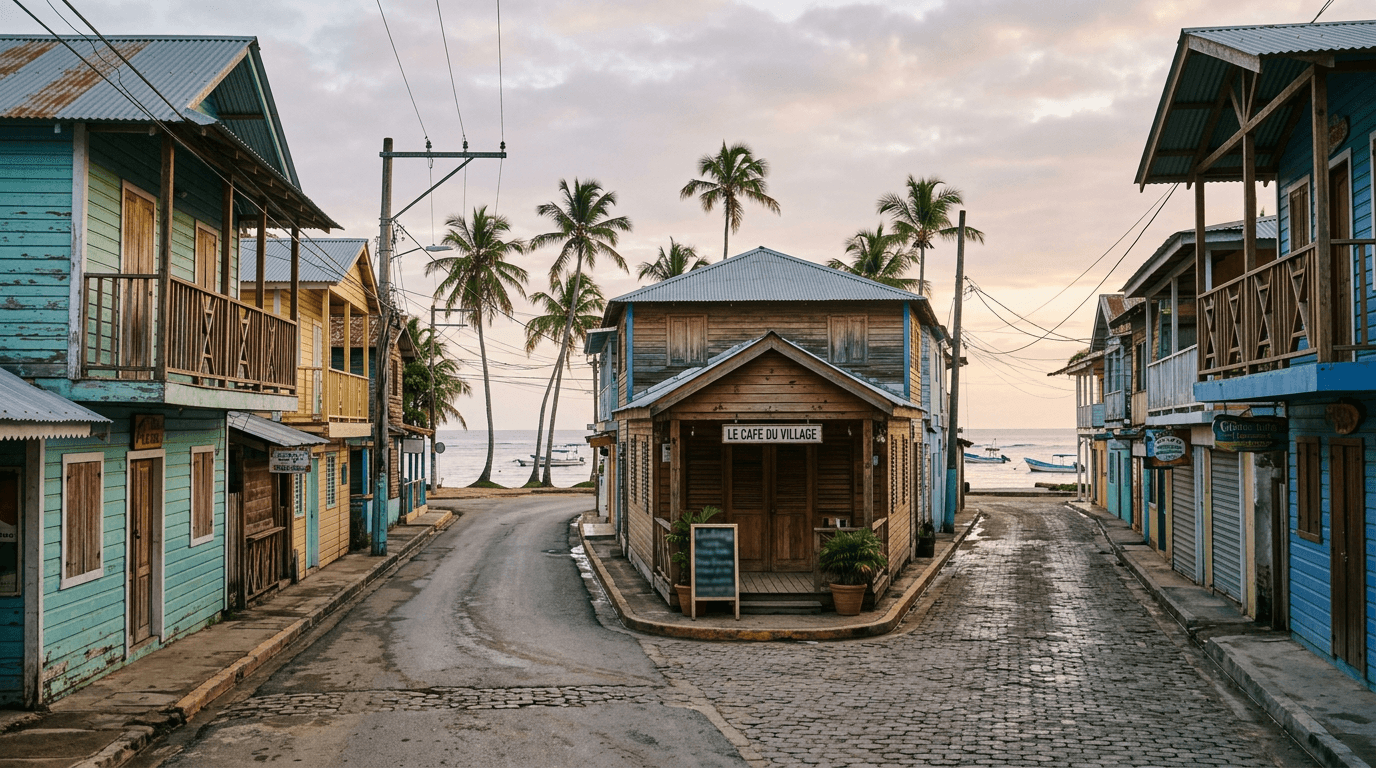
Las Terrenas feels like a beach town that never fully stopped being a beach town. The sand is part of the transport system, moto-taxis buzz past colmados and you’ll hear bachata leaking from one bar while a French bakery perfumes the next block with butter and coffee.
That mix is the point. You get Dominican rhythm, European habits and enough nomad infrastructure to get work done without paying Santo Domingo or Miami prices. It’s smaller and looser than the big-name Caribbean hubs, so life revolves around the sea, the café run and whoever’s open for lunch.
Why people stay:
- Walkable beaches, especially around Playa Popy and Las Ballenas.
- A real expat scene with French, Italian and English spoken all over town.
- Good coffee, decent internet in many rentals and a growing coworking crowd.
- Easy day-to-day life if you’re fine with scooters, sand and a slower pace.
It’s not polished. Power cuts happen, water can be patchy and the roads can feel chaotic, especially when motorcycles are weaving around potholes and a truck decides the narrow street is its parking spot. Sidewalks are uneven, so comfortable sandals matter more than you’d think.
Main areas
- Town center: Best for errands, cheap eats and local life. Noisy, practical and a little messy, but you can get almost everything done on foot.
- Playa Popy: The liveliest stretch for nomads, beach bars and café hopping. Expect more traffic, more music and higher rent close to the water.
- Las Ballenas: Quieter and more residential, with a calmer beach scene and easier mornings.
- Portillo side: More spread out and peaceful, but you’ll want a scooter or car.
For budget planning, Las Terrenas still beats most Western beach towns. A simple furnished 1BR can run about $500 to $900 a month, while beachfront places usually start closer to $1,000 and climb fast in high season.
Typical monthly solo budget:
- Basic: $1,100 to $1,400
- Mid-range: $1,500 to $2,000
- Comfortable: $2,000 to $3,000+
The vibe suits people who want sunrise swims, long lunches and a social scene that doesn’t require a dress code. It won’t satisfy anyone chasing big-city convenience or late-night chaos, but if you like sea air, strong coffee and a town that still feels human, Las Terrenas is easy to settle into.
Las Terrenas is still cheaper than most coastal towns in the U.S., Canada or Western Europe, but it’s not a bargain bin beach town anymore. The expat demand is real and once high season hits, beachfront rents climb fast. If you want to live close to Playa Popy or Las Ballenas, expect to pay for the view and the walkability.
Typical monthly costs
- 1-bedroom apartment: $500 to $900, with simpler inland places at the low end and nicer walkable units closer to the beach at the top.
- Small villa or 2- to 3-bedroom home: $1,000 to $2,500, with direct beachfront properties going well beyond that.
- Utilities: about $95 a month for a standard apartment, though air conditioning can push electricity to $100 to $200 on its own.
- Internet: around $35 a month for basic service, more for faster packages.
Food costs stay reasonable if you eat Dominican most of the time. A rice, beans and chicken plate from a comedor usually runs $4 to $8, while groceries for one person land around $150 to $250 a month if you shop local and skip the imported cheese aisle. Start buying wine, specialty coffee and European groceries and your bill jumps quickly.
Neighborhoods and price feel
- Town center and Calle Duarte: $400 to $700 for basic rentals. Loud, practical and handy for colmados, banks and moto-taxis.
- Playa Popy fringe: $600 to $900 for decent studios and 1BRs. This is the easiest area for beach walks, cafés and bar hopping.
- Las Ballenas: $700 to $1,200 for quieter condos and villas. More relaxed, less chaotic and still close enough to town.
- Portillo side: usually higher for villas and you’ll want a scooter or car because daily walking gets old fast.
Transport doesn’t hit hard unless you’re relying on cars. Moto-conchos usually cost $2 to $4 a ride, scooters rent for about $15 to $20 a day and a bus to Santo Domingo is roughly $6 to $9. The roads can be noisy and dusty, with motos buzzing past and the occasional pothole that grabs your attention.
A solo nomad can live here on about $1,100 to $1,400 a month if they keep rent modest and stick to local food. A more comfortable setup, meaning a decent beach-area apartment, regular coworking and eating out a few times a week, usually lands around $1,500 to $2,000. Once you add a nicer condo, frequent restaurants and weekend trips, $2,000 to $3,000 is normal.
Solo travelers
Playa Popy is the easy pick if you want to meet people fast. The beach is wide, the bars spill music into the night and you can walk to cafés, kitesurf schools and casual dinners without bothering with transport. It’s the loudest part of town, though, so light sleepers should look a block or two back from the sand.
Town center near Calle Duarte works better if you care more about daily life than beach polish. You’ll get colmados, cheap lunches, moto-taxis everywhere and a constant mix of Dominican, French and Italian spots. It can feel gritty, with honking bikes, dust and generator noise, but it’s practical and cheaper than the beachfront.
Nomads
Most nomads end up between Playa Popy and the town fringe because that’s where the cafés, coworking spots and walkable rentals cluster. COMÚN CoWork is one of the better-known options and you’ll also find laptop-friendly cafés serving decent coffee and pastries, not just tourist espresso. Rent tends to run about $600 to $900 for a decent one-bedroom or studio in this zone.
If you need quiet for calls, go west toward Las Ballenas or inland a few minutes. The trade-off is simple, less nightlife, fewer people on the street after dark and usually a short ride to the main supermarket. You’re also less likely to hear beach bars thumping until late.
Families
Las Ballenas is the safest bet for families who want space and calmer evenings. It’s more residential, with villas, apartment complexes and a softer beach feel and you can still get into town quickly for groceries or dinner. The neighborhood doesn’t feel deserted, just less chaotic.
Portillo works if you’ve got a car or scooter and want more room around you. It’s quieter and greener, with a more private feel, but that also means less convenience. Daily life can get annoying if you’re constantly shuttling kids back and forth for school runs, errands and beach time.
Expats
Long-term expats often split between Las Ballenas and the eastern beachfront near Popy, depending on how social they want to be. Popy has the bigger built-in scene, while Ballenas feels more settled and less exposed to the seasonal rush. In high season, beachfront rents jump fast, so lock in a long lease if you find something solid.
If you want a more local rhythm, the inland streets just behind town can make sense. You’ll spend less, hear more motos and dogs at night and deal with occasional power cuts like everyone else. That’s the trade here, lower rent and more everyday Dominican life, but fewer polished comforts.
Las Terrenas has better internet than a lot of beach towns in the Caribbean, but it’s not bulletproof. You’ll find fiber or cable in many apartments and villas, plus decent mobile data on the main strips, yet power cuts still happen and they can knock everything offline fast. Most nomads keep a backup SIM and a battery pack, because the sea breeze doesn’t stop the router from dying.
The town works best if you don’t need big-city speed every minute. Coffee shops, coworking spaces and apartment balconies are all part of the work setup here and the scene is social without being frantic. You’ll hear motos buzzing past, bachata leaking from a bar down the street and, in the afternoon, the steady hiss of rain on metal roofs.
Coworking and day passes
- COMÚN CoWork: One of the better-known options, with day passes from about $20. It’s a good pick if you want fast internet, coffee and a place that feels built for getting work done.
- Café workflow: Plenty of people work from cafés near Playa Popy and the town center, but service can be slow and plugs are limited. Don’t expect the same setup you’d get in Lisbon or Medellín.
If you’re staying a month or more, a dedicated workspace is usually worth the money. The Wi-Fi at some rentals is fine for email and calls, then falls apart when a neighbor starts streaming or the weather turns ugly. That’s annoying, but common.
Home internet and mobile backups
- Home internet: Basic packages around 10 to 20 Mbps run about $35 a month. Faster plans can reach $100.
- Mobile data: Local SIMs from the main Dominican carriers are the standard backup. Get one on arrival and keep it topped up.
- Power backup: Ask if your rental has an inverter or generator. If it doesn’t, expect occasional dead periods.
Las Terrenas suits remote workers who can stay flexible. If your job needs constant video calls, a locked-in VPN and zero downtime, you’ll want strong redundancy in your setup. If you just need a solid desk, a decent chair and a view of palms instead of traffic, this place does the job without chewing through your budget.
Most nomads settle around Playa Popy for the easiest mix of cafés, beach access and coworking-adjacent life. Las Ballenas is quieter and better if you’d rather work in peace, while Portillo makes sense only if you’ve got wheels and don’t mind being a bit removed from town.
Las Terrenas feels easygoing on the surface, but don’t mistake that for carefree. Moto-taxis weave past parked cars, stray dogs nap in the shade and the humidity can sit on your skin all day, so you need to stay alert in traffic, on dark streets and around the beach after sunset.
The town’s main safety issues are the usual small-town ones: petty theft, occasional scooter mishaps and basic street smarts. Most nomads do fine here, but they tend to lock up scooters, avoid flashing phones on empty beaches and skip late-night wandering in poorly lit areas west of town.
What to watch out for
- Traffic: Moto-conchos are everywhere and local driving can feel chaotic. Helmets are a must if you rent a scooter or ATV and a lot of people simply avoid driving at night.
- Petty theft: It’s not a major problem, but it happens. Don’t leave bags on the sand while swimming and don’t assume a beachfront café is safe enough to leave your laptop out.
- Power cuts: Outages still happen, especially during heavy rain or high demand. If you work online, choose accommodation with a backup inverter or generator, plus your own mobile hotspot.
Healthcare is decent for a town this size, but it’s not Santo Domingo and it’s definitely not Miami. For a cut, stomach bug or routine prescription refill, you’ll usually be fine. For anything serious, most expats head to larger private clinics on the mainland or travel to Santo Domingo for more specialist care.
There are local pharmacies, private doctors and small clinics in town and many travelers use them for everyday issues. Insurance matters here, because private care is the norm if you want faster service, cleaner facilities and fewer waits. Keep cash handy too, since not every office wants to deal with cards.
Practical healthcare basics
- Pharmacies: Easy to find around Calle Duarte and the main beachfront strips. Bring the generic names of your meds, since brand names can differ.
- Private clinics: Best for minor injuries, infections and consultations. Service is usually faster than public options, but you’ll pay out of pocket first.
- Emergency plan: Know where the nearest larger hospital is before you need one. If you rely on specific treatment, don’t wing it here.
For day-to-day life, the biggest health annoyances are heat, dehydration and mosquito bites. The sun hits hard by late morning, rain can come down in sudden sheets and the evenings can get buggy near standing water, so pack repellent, sunscreen and a decent filter bottle if your place’s water setup looks questionable.
Most expats say Las Terrenas feels safe enough if you stay sensible. Keep your valuables light, use common sense after dark and don’t expect city-level emergency response. That’s the trade-off for a slower, beach-first place where you’ll hear waves, reggae from a bar and mopeds buzzing down the road all in the same hour.
Las Terrenas is small enough that you can get far on foot and many people do exactly that. The beach path is the real connector here, so you’ll see people strolling between Playa Popy, town and Las Ballenas with sand on their feet, while scooters buzz past and moto-taxis weave through traffic that never quite settles down.
For short hops, moto-conchos are the default. They’re cheap, fast and a little chaotic, with rides in town usually running $2 to $4 depending on distance and time of day. Agree the price before you get on, because the meter isn't part of the culture here. At night, the engines sound louder, the music gets thumpier and the streets feel rougher around the edges.
If you’re staying more than a week, a scooter or ATV makes life much easier. Expect about $15 to $20 a day for a scooter, around $35 to $45 for a quad and roughly $40 to $50 a day for a car, though weekly and monthly rates are usually better. A scooter lets you slip past traffic, grab groceries and reach quieter beaches without waiting around for a ride that may or may not show up.
Las Terrenas does have buses, but don’t build your life around them. ASOTRAPUSA runs the Las Terrenas to Santo Domingo route for about 350 to 500 DOP or roughly $6 to $9 and the trip takes about 2.5 to 3 hours. That’s fine for airport runs or weekend trips, but it’s not a city system and it won’t help much once you’re inside town.
How nomads usually get around
- On foot: Best for Playa Popy, the center and Las Ballenas if you don’t mind heat, potholes and the occasional muddy patch after rain.
- Moto-concho: Best for quick errands, especially if you’re carrying bags or it’s raining hard.
- Scooter or ATV: Best if you want freedom without car-rental hassle.
- Car: Best for families, surf gear and day trips, less fun for daily town driving.
For remote work days, most people split time between home, cafés and coworking spots like COMÚN CoWork. Home internet is usually fine for calls if the power behaves, but outages do happen, so a mobile data backup helps. The grid is better than it used to be, yet the occasional blackout still kills the mood fast when the fan stops and the room turns sticky.
My take, skip trying to live here like you would in a bigger city. Pick a neighborhood that matches your travel style, keep cash for moto-taxis and get comfortable with a slower rhythm. It’s the easiest way to avoid frustration and the best way to enjoy how walkable this town can be.
English gets you pretty far in Las Terrenas, especially in beach bars, coworking spots and expat-heavy restaurants around Playa Popy and Las Ballenas. But the town isn’t bilingual in a neat, polished way. You’ll hear Dominican Spanish everywhere, plus French, Italian and a good amount of broken but serviceable English, often all in the same conversation.
For day-to-day life, a little Spanish goes a long way. Taxi drivers, colmado staff, mechanics and utility workers usually prefer Spanish and service calls can get messy fast if you can’t explain a power cut, a leaking AC or a missing water delivery. The town feels relaxed, but communication isn’t always smooth, so patience matters more than perfect grammar.
What helps most:
- Basic Spanish: greetings, numbers, directions and simple repair vocabulary.
- WhatsApp: it’s the default for landlords, drivers, handymen and restaurants.
- Voice notes: locals use them constantly and they save time when typing gets clumsy.
- Cash and screenshots: helpful when explaining prices, transfers or booking details.
People here are used to international residents, so you won’t get the blank stares you might in a smaller inland town. Still, don’t assume everyone speaks fluent English just because they work in tourism. In more local parts of town, you’ll do better with short sentences, a phone translator and a willingness to point at things.
The accent can throw new arrivals off. Dominican Spanish is fast, nasal and full of clipped slang and moto drivers shouting over engine noise don’t make it easier. Add barking dogs, beach music and the hum of generators after a blackout and you’ll be relying on context more than textbook language skills.
Useful phrases: “¿Cuánto cuesta?” for price, “No entiendo” for I don’t understand, “¿Dónde queda?” for where is it and “Voy a la playa” for I’m going to the beach. If you’re staying longer, learn numbers, address directions and food terms first. That’ll make errands, rent conversations and delivery issues much less annoying.
For documents, contracts and anything official, get things in writing and ask for a WhatsApp copy or PDF. Verbal agreements happen all the time here and that’s exactly how confusion starts. If the landlord says one thing in person and another by message, trust the message.
Las Terrenas is warm year-round, but the season shape matters. December through April is the sweet spot, with steady beach weather, lower humidity and the biggest social scene, though prices for beachfront rentals jump and the town feels busier around Punta Popy and Playa Las Ballenas.
May through August turns hotter and stickier, with afternoon showers that can arrive fast and turn the streets slick. The rain smells earthy and heavy, the humidity clings to your shirt and power cuts feel more annoying when the fan stops, so make sure your place has backup power and decent internet if you work online.
September and October are the roughest months. They’re the most exposed to storms in the Caribbean and even when a system doesn’t hit directly, you can get long gray stretches, choppy water and fewer people around town. If you don’t like uncertainty, skip those months.
Best months by travel style
- December to April: Best for first-timers, beach time, coworking and a lively expat crowd.
- May to August: Better for lower rents, fewer crowds and people who don’t mind humidity and rain.
- September to October: Cheapest on paper, but the riskiest for weather and the least comfortable overall.
- November: A solid reset month, with improving weather and prices that haven’t fully climbed back yet.
If you want the town at its most social, come in high season and base yourself near Playa Popy or Las Ballenas. If you want calmer streets and better chances of negotiating rent, aim for late spring or early fall, then book a place inland enough to avoid beachfront pricing without losing easy scooter access to the water.
Most nomads settle on a middle ground, arriving in November or April. You get decent weather, the beaches still feel alive and you’re not paying peak-season money for every apartment with a sea view.
Las Terrenas runs on a slower rhythm than most nomad bases, which is part of the appeal and part of the hassle. You can walk the beach instead of taking a cab, hear moto-taxis buzzing past colmados and spend an afternoon under a fan with the salt air drifting in through open windows. Just don’t expect city-grade reliability, because power cuts and water outages still happen.
Where to stay
- Town center and Calle Duarte: Best if you want cheap food, banks, pharmacies and easy bus access. It’s noisy, with engine revs, loud music and constant foot traffic.
- Playa Popy: Good for café culture, beach walks and socializing. Rents jump here and bars can be loud at night.
- Las Ballenas: Quieter and more residential, with a better balance if you’re staying a few months. It’s close enough to town without feeling stuck in the middle of it.
- Portillo side: Better for space and calm, but you’ll want a scooter or car. Walking into town every day gets old fast.
What people actually spend
Budget a little more than you think for beach-adjacent living. A decent one-bedroom can run about $600 to $900 a month near town or Playa Popy, while beachfront places often start around $1,000 and climb fast. Inland, simpler apartments can drop to $400 to $600, though you’ll trade convenience for price.
Food is manageable if you don’t eat imported everything. A local plate of rice, beans and chicken or fish usually costs $4 to $8, while midrange spots like Restaurant Luis can push a dinner for two to around $50 before drinks. If you’re buying wine, cheese and other imported goods, groceries can climb from $150 to $250 a month to well over $300.
Getting around
- Moto-conchos: Usually $2 to $4 for short trips in town. They’re fast, cheap and a little chaotic.
- Scooter rental: About $15 to $20 a day, less if you rent by the week or month.
- Car rental: Typically $40 to $50 a day, useful for waterfalls, beaches farther out and grocery runs.
- Bus to Santo Domingo: Around $6 to $9 one way on ASOTRAPUSA, with a trip time of roughly 2.5 to 3 hours.
Internet is decent for remote work if you keep backups. Home service often runs about $35 a month, coworking day passes start around $20 and mobile data helps when the electricity flickers. Most nomads carry a power bank, a SIM card and a healthy dislike of surprise outages.
Frequently asked questions
How much does it cost to live in Las Terrenas as a digital nomad?
What is the average rent for a one-bedroom apartment in Las Terrenas?
Which neighborhood is best for digital nomads in Las Terrenas?
Is the internet good enough for remote work in Las Terrenas?
Where can I cowork in Las Terrenas?
Is Las Terrenas safe for solo travelers and nomads?
What healthcare options are available in Las Terrenas?
Need visa and immigration info for Spain?
🇪🇸 View Spain Country GuideHidden Gem
Worth the effort